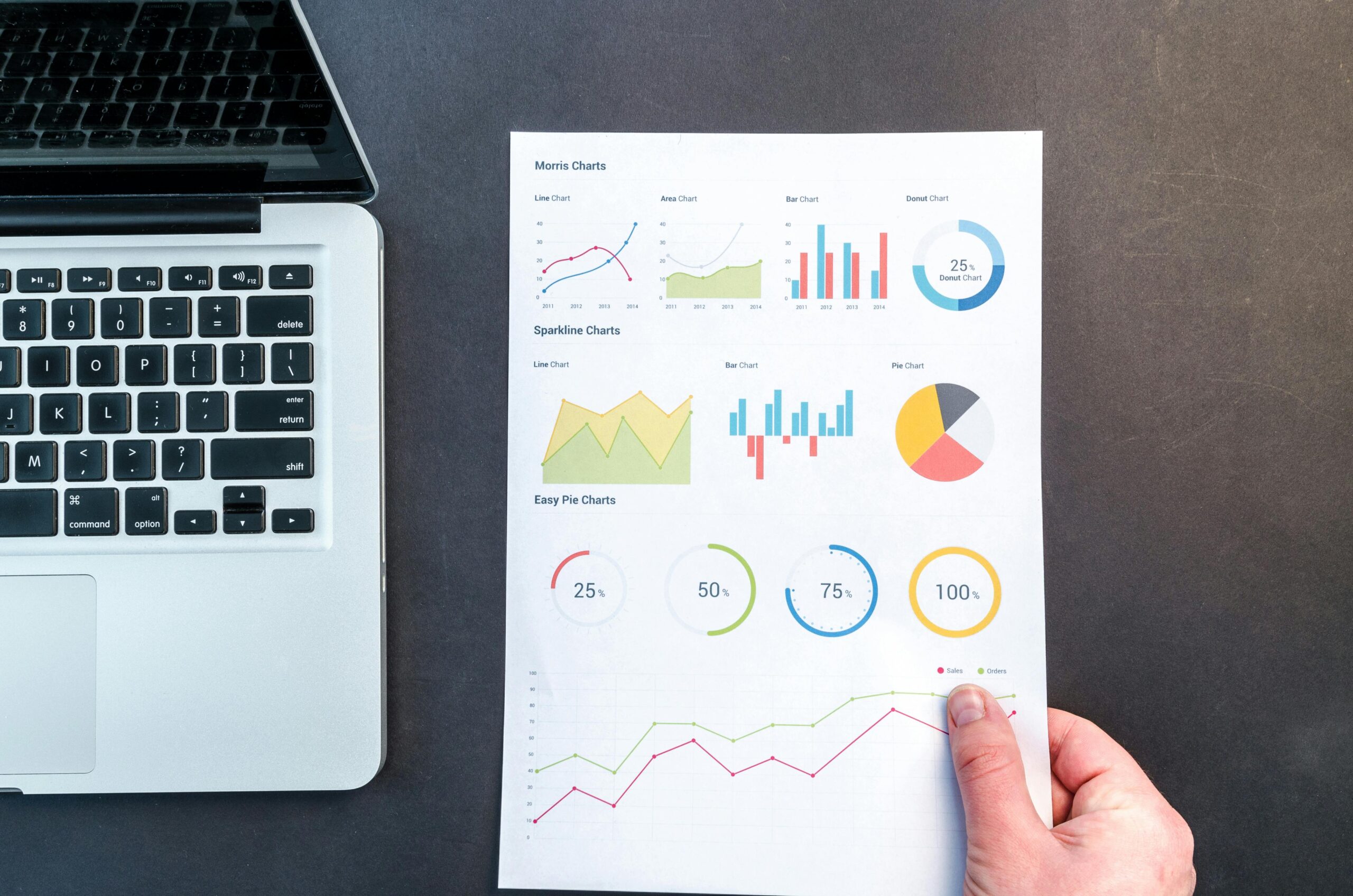

Today’s data-driven landscape demands that businesses sift through vast information and distill actionable insights. Our blog will explore why effective reporting is crucial in marketing and how you can use it to drive business expansion. Effective reporting turns raw data into a strategic asset, directly influencing tactics and strategies. With the right tools, businesses understand past performances and predict future trends. Managers use these insights to craft strategies that preempt competitor moves and capture new market opportunities. As businesses grow, the complexity of data increases, making robust reporting tools not just useful but necessary.
The Importance of Reporting in Strategic Decision-Making
Effective Data Utilization: Reporting bridges raw data and actionable insights. In marketing, campaigns generate massive data quantities. The challenge lies in collecting and analyzing this data effectively. Sophisticated reporting tools help businesses spot patterns, trends, and outliers. Consequently, marketers refine strategies based on data rather than assumptions. Enhanced data utilization leads to targeted marketing efforts and improved outcomes. These tools allow companies to scale their data analysis with their growth, ensuring no valuable insight is lost. Effective utilization of data also fosters a culture of evidence-based decision-making, strengthening strategic alignments across departments.
Transforming Insights into Actions: Moreover, once reporting turns data into insights, the next step is to take action. These insights equip decision-makers to adjust marketing campaigns, optimize budgets, and shift strategic focuses. Such agility improves marketing efficiency and effectiveness, boosting ROI and growth. Actionable insights empower teams across the organization, not just at the executive level. This shared knowledge fosters unity and alignment towards the company’s goals. It also facilitates quicker pivoting in strategy in response to market feedback, keeping campaigns effective and relevant.
Key Components of Effective Reporting Systems
Automation and Integration: In modern marketing, integrating various data sources is vital. Effective systems automate data collection across platforms into a unified dashboard. This integration saves time, ensures accuracy, and offers a complete customer journey view. Automation enhances data report consistency and reliability, making them indispensable for any strategy. Automated reports free up time for marketers to focus on strategy rather than data management. This time efficiency can be crucial during periods of rapid market change.
Real-Time Data Access: Furthermore, accessing and analyzing data quickly is critical. Real-time reporting lets businesses make swift decisions in response to market trends or unexpected shifts. This advantage is particularly valuable during significant events or promotions, allowing immediate tactical adjustments. The ability to react instantly to market data can dramatically enhance operational responsiveness. Real-time insights also help in managing crises or capitalizing on a sudden market opportunity, providing a competitive edge.
Customization and Flexibility: Businesses have unique needs and goals, making customizable reports essential. Whether focusing on specific KPIs, comparing time periods, or segmenting data, flexible reporting tools help businesses concentrate on what matters most. Tailored reports ensure that departments extract relevant insights. Customization also supports various user preferences and roles, enhancing the usability of reports across the organization. This flexibility helps in maintaining relevance and accuracy in reporting as the business evolves.
Leveraging Reporting to Drive Growth
Identifying Opportunities and Challenges: Effective reporting reveals both opportunities and challenges within a marketing strategy. For example, a sudden spike in website traffic after a campaign launch might indicate success. Conversely, a drop in engagement on a popular platform might signal a need for reevaluation. These insights guide both immediate decisions and long-term planning. They also help in quantifying the impact of various marketing actions, providing clear metrics for success or areas for improvement. Identifying these factors quickly helps companies to stay agile and responsive to the dynamic market conditions.
Forecasting and Predictive Analysis: Advanced tools often include forecasting and predictive analysis. They predict future behaviors and market conditions by analyzing past data and current trends. This foresight lets businesses adjust strategies proactively, manage resources better, and prepare for future demands. These capabilities are particularly valuable in industries that experience rapid changes in consumer preferences or technology. Predictive models can also help in optimizing inventory levels, thus reducing costs and improving service levels.
Enhancing Customer Understanding: At its core, reporting deepens insights into customer behaviors and preferences. A detailed understanding of customer demographics and purchase histories lets businesses tailor their marketing efforts more precisely, enhancing satisfaction and loyalty. This detailed customer profiling assists in developing personalized marketing strategies that are more likely to resonate with targeted groups. Better customer insights lead to more effective upselling and cross-selling strategies, ultimately boosting revenue and customer retention.
Deeper Insights
Empowering Teams Through Data Accessibility: Empowering employees with data access is pivotal for fostering a culture of informed decision-making. This democratization of data boosts morale and encourages a collaborative, informed workplace environment. Accessible data helps team members make informed suggestions and improvements, fostering innovation and ownership. It also allows for more comprehensive problem-solving, as diverse perspectives can contribute to data interpretation.
Integrating Advanced Analytics for Deeper Insights: Incorporating advanced analytics like machine learning takes reporting further. These techniques uncover deeper insights, like sentiment analysis, that standard reporting might miss. Marketers gain a nuanced understanding of their audience, crafting more effective strategies. Advanced analytics can also automate complex data processing tasks, freeing analysts to focus on strategic data interpretation rather than data cleaning and preparation.
Building a Sustainable Reporting Framework: Creating a sustainable framework involves establishing processes that ensure data quality and consistency. This scalable, adaptable framework supports reliable data-driven decisions as a business grows. It also fosters long-term sustainability by allowing continuous improvement in data handling and reporting practices. A well-built framework is essential for leveraging the full potential of corporate data assets over time.
Conclusion: From Insight to Impact
The ability to effectively analyze and act upon information is a modern business strategy cornerstone. Leveraging reporting for business growth involves more than having the right tools; it requires cultivating a culture that values data-driven decision-making. By embedding advanced reporting capabilities, businesses adeptly navigate today’s complex market landscapes, paving the way for sustained growth.