
Why Marketing Timelines Have to Differ by Industry

Ask a general contractor and a family therapist how long marketing should take to show results. The honest answers sound nothing alike. One is watching a bid move through proposal, permitting, and payment before the phone starts ringing on its own. The other is watching a compliance officer decide whether a new referral campaign is even allowed to run. Swap in an accounting firm’s managing partner, and a third answer shows up. That proposal has to clear one person’s crowded calendar instead of a formal approval chain. Marketing timelines by industry look nothing alike. All three businesses still receive the same generic advice, usually some version of ninety days and a little patience. Frustration sets in when the calendar runs out, and the results haven’t caught up. Patience was never the missing ingredient; a borrowed calendar was standing in for the buyer’s real decision process. Marketing Timelines Follow Your Buying Process, Not a Universal Calendar A marketing timeline is set by how your buyer moves through their own decision process, not by a fixed number of days on someone else’s calendar. Most timeline advice comes from a generic playbook built for whichever industry produces the most content online, usually retail or SaaS. There, a buyer can click and pay in the same sitting. Construction, healthcare, and professional-services buyers don’t work that way. That friction shows up differently depending on the business: A contractor’s next client often can’t move until a loan or permit clears. Inside a hospital, the compliance officer decides whether the campaign runs at all. Waiting behind a managing partner’s six other decisions, a law firm’s next referral can sit for weeks. None of those buyers move faster because an agency publishes more often. What Sets a Marketing Timeline Three factors set a realistic marketing timeline for any business: The length of the buyer’s internal approval process. How many people have to sign off before money moves. Whether an outside requirement (a permit, a regulation, a partner vote) sits between interest and purchase. A retail impulse buyer has none of these. Construction, healthcare, and professional-services buyers all carry at least one, and most carry two. Why Borrowing Someone Else’s Timeline Backfires Applying a borrowed timeline to a business with real internal friction sets an expectation the buying process was never built to meet. The owner judges the campaign against a ninety-day benchmark instead of the mechanism controlling when the buyer says yes. That owner then walks away believing marketing failed, when the real problem is a timeline that never gave marketing enough runway to reach the moment the buyer was able to act. Construction Timelines Follow Bid Cycles and Project Cash Flow Construction marketing timelines are set by the bid-to-cash cycle, not by how many months a campaign has been running. Three mechanics control when a contractor actually has cash on hand, and none of them run on a marketing calendar: Progress billing pays out in draws tied to a schedule of values, each one submitted, reviewed, and approved before the next check moves. Common in subcontracts, pay-when-paid clauses mean a general contractor often can’t release funds downstream until the owner has released funds to them. Set in the contract, retainage holds back a percentage of every draw until the project reaches substantial completion, so a contractor working a full draw schedule still isn’t holding all the cash a job generated until the punch list closes out. That cash rhythm, not the calendar, is what a marketing plan is competing against. A plan measured against a flat monthly retainer assumes a revenue rhythm retainage was specifically built to interrupt. Why Marketing Competes With Job Cash Flow, Not the Calendar A construction owner isn’t slow to invest in marketing because they’re unconvinced of its value. The last job usually hasn’t paid out yet, and the calendar has nothing to do with when that changes. Marketing plans built around a fixed monthly retainer assume a monthly cash rhythm most contractors don’t have. What Realistic Timing Looks Like for a Construction Marketing Plan A construction marketing timeline works better anchored to project completions than to fixed months. Early activity, content, local search visibility, referral systems, builds while jobs are still in progress. The visible payoff, more inbound bids, tends to land once at least one full project cycle has closed and cash has cycled back into the business. That’s typically longer than a single quarter, and a shorter timeline set against that reality only guarantees disappointment. Healthcare Timelines Follow Compliance Review and Multiple Stakeholders Healthcare marketing timelines are set by compliance review, not by how enthusiastic the internal champion is. The U.S. Department of Health and Human Services requires written patient authorization under the HIPAA Privacy Rule (45 CFR 164.508). That authorization must be in place before protected health information is used for marketing purposes. That single requirement adds a compliance filter no retail or professional-services business has to clear, which means a campaign idea a marketing director loves on Monday can still be sitting in legal review a month later. The Compliance Layer Other Industries Don’t Have A healthcare marketing timeline has to build in review time before a single asset goes live, not after. That review path usually isn’t a single stop: Marketing drafts the concept. A compliance officer reviews it first, often sending it back for revision, especially when the campaign references patient outcomes or testimonials that need de-identification. Only after that does legal sign off, once compliance concerns are resolved. Each loop adds real time, not because anyone is dragging their feet, but because getting an authorization requirement wrong creates liability the organization can’t unwind after the fact. Why More Than One Person Has to Sign Off Clinical, technical, financial, and compliance stakeholders each have a legitimate reason to weigh in before a healthcare campaign launches. Multi-stakeholder purchasing committees are the standard structure at most hospitals and health systems, not the exception. A healthcare marketing timeline that assumes one enthusiastic champion can approve and launch alone

What Switching Marketing Agencies Every Year Costs You

Most business owners who fire a marketing agency assume the problem was the agency. Find a better one, the thinking goes, and the cost of switching agencies disappears along with the old contract. But the data on client-agency relationships tells a different story. Tenure has roughly doubled since 2016, and businesses that hold onto a single strategic partner now average close to seven years together. The pattern shows up most often in construction, healthcare, and other B2B service businesses, the same industries that tend to test a new agency every time results feel slow. If your marketing relationships keep resetting well before the seven-year mark, the agency swap might not be the fix you think it is. The Three Things Switching Marketing Agencies Costs You Every time you switch agencies, brand recognition, content authority, and audience trust all reset to zero. Brand Recognition Starts Over A new agency rarely inherits the last one’s exact tone or visual choices, even when everyone involved has good intentions. Two years of training an audience to recognize a specific color palette and a specific tagline can lose real equity the moment a new agency swaps in something it considers more modern. Consumers build brand recognition through repetition, the same colors, the same phrasing, the same rhythm of communication showing up again and again. Change any of that mid-stream, and the audience effectively starts learning the brand from scratch. Content Authority Starts Over Search engines and AI systems reward consistency over time, not effort in isolated bursts. A blog that publishes steadily under one strategic direction for two years builds a different kind of authority than four separate six-month sprints under four different agencies, even if the total output looks similar on paper. Each new agency typically brings its own content plan, its own keyword priorities, and its own point of view, and the previous content library often gets treated as legacy material rather than foundation. A healthcare practice that swaps agencies annually can end up publishing more total content than a steady competitor and still trail it in rankings, since volume was never the variable search systems reward. Audience Trust Starts Over Trust compounds the same way authority does. An audience that has watched a brand show up consistently for years reads a new voice, a new offer cadence, or a new visual identity as a signal that something changed, and not always in a reassuring way. A subtle shift, such as a new agency’s decision to drop personal owner stories from social posts in favor of polished stock photography, can read to a loyal following as the business becoming less accessible, even when nothing about the underlying company changed. Rebuilding that comfort takes time the business rarely accounts for when it signs with the next agency. Why a New Agency Can’t Pick Up Where the Last One Left Off A new agency can’t pick up where the last one left off because it inherits none of the strategic decisions, institutional knowledge, or working relationships that made the previous work effective. Every Agency Builds Under a Different Voice and Playbook Every agency operates from its own playbook, with its own process for approving content, its own instinct for brand voice, and its own priorities for where a strategy should aim next. None of that transfers automatically in a handover document. The new team can read old campaign reports, but it can’t absorb the judgment calls that shaped why one approach was chosen over another. There’s No Handoff Between Competing Agencies Agencies rarely collaborate with the team they’re replacing. Access gets transferred; conversation typically doesn’t. A new team might inherit a shared drive full of old creative files and a login to the ad accounts, but not the reasoning behind why one campaign outperformed another or which messaging a prior test already ruled out. The incoming agency is left reconstructing strategic reasoning from finished output instead of hearing it directly from the people who made the calls, and that reconstruction is where a strategy quietly gets diluted into a set of disconnected tactics. How Long It Takes to Catch Back Up After a Switch Catching back up after a switch typically takes months, not weeks, because search rankings and audience trust move on their own separate timelines. What the Data Says About Normal Agency Tenure The 4As and the ANA tracked client-agency tenure across the industry in 2025 and found a clear gap tied to review habits: Roughly eight years is the average tenure for clients who never lock themselves into a fixed review cycle. Locked into a scheduled review process, though, clients average closer to 3.8 years before moving on. The businesses getting the most out of the relationship weren’t the ones testing new agencies on a set schedule. They were the ones who stayed put long enough for a strategy to run its course. Why Search Visibility and Audience Trust Both Take Time Search engines need real time to process a meaningful change in strategy, sometimes weeks and sometimes months, before rankings settle into a new pattern. A separate factor compounds the delay. Internal marketing leadership itself doesn’t stay in place for long, either. Average CMO tenure at S&P 500 companies dropped to 4.1 years in 2025, the lowest mark in over a decade, and that kind of internal turnover is often what triggers an agency review in the first place. Two clocks run at once here, one for the algorithm and one for the person managing the relationship, and neither resets just because a business wants faster results. The Switch Isn’t the Fix If the Strategy Was Never There Switching agencies without fixing the missing strategy just repeats the same cycle under a new logo. A New Agency Without a Strategy Repeats the Same Cycle A business that hires reactively, choosing an agency based on a good pitch deck or a lower rate rather than a clear strategic fit, tends to land in the same place eighteen months later. The agency

What Business Owners Need From a Marketing Campaign Timeline

Every marketing campaign timeline rests on one unspoken assumption: that nothing will go wrong. No one writes that assumption down. It shows up anyway, in the dates, in the sequencing, in the absence of any plan for what happens if a vendor goes quiet or a sign-off takes longer than expected. The campaign that looked solid on paper and then came apart in week three wasn’t undone by bad luck or a sloppy team. It was undone by a document that never accounted for the thing every campaign eventually runs into. Why Do Marketing Campaign Timelines Break in the First Place? Marketing campaign timelines break because most of them are built as if delay is the exception, when delay is the baseline condition of running a project with more than one moving part. Even the Best-Run Campaigns Miss Their Schedule 63% vs. 59%. Project professionals rated highest in business acumen by the Project Management Institute still hit schedule adherence of only 63 percent. Professionals without that rating land at 59 percent. That four-point gap separates the best-run projects from the average ones, and even the best-run group still misses its own deadline more than a third of the time. This figure comes from professionals who plan and manage projects for a living, not from businesses dabbling in marketing on the side. The timeline was never the problem. The assumption built into it was that every phase would land on schedule, every approval would clear on the first pass, and every vendor would deliver exactly when promised. No campaign, however well-run, holds to that assumption consistently. The data confirms what already showed up in the launch that slipped. Why the Damage Spreads Past the Original Delay A single missed date rarely stays a single missed date, and part of the reason is visibility. What the research found What it means for your timeline Marketing leaders see only about 61% of their own team’s daily activity (Wrike / Sapio Research) A third of the work on any campaign is invisible to the person accountable for it 49% of marketing professionals want more transparency into how their team’s strategy was built (Asana Work Innovation Lab / Meltwater) The misalignment that derails a timeline often starts before the timeline exists When a delay starts somewhere inside that blind spot, it often goes unnoticed until it has already cost several days. One marketing operations breakdown illustrates how these gaps compound. A strong strategy stalled when a brief update arrived late, a legal hold added six days nobody had planned for, and feedback scattered across three separate channels until no one could tell which version was current. None of those failures was dramatic on its own. Stacked together, they turned a minor slip into a missed launch. This is the mechanism worth understanding before anything else. A delay that hits an undefined timeline does not stay contained to the phase where it started. It cascades into every phase downstream, because nothing was built to absorb it, and because the people closest to the work often cannot see it happening until it already has. Where Does a Marketing Campaign Timeline Need Built-In Buffer? A marketing campaign timeline needs buffer at the three points where delay consistently originates: approvals, vendor or production handoffs, and revision rounds. The Three Places Delay Concentrates Most timeline failures trace back to one of three recurring choke points, and naming them in advance changes how the schedule gets built. Approval gates. Stakeholder sign-off is rarely instant, even when the stakeholder is enthusiastic about the work. Vendor and production handoffs. Print runs, video edits, web development, and any external production step introduce a dependency the internal team cannot fully control. Revision rounds. First drafts almost never ship as written, and gathering feedback from multiple people takes longer than gathering it from one. A timeline built without slack at these three points is not really a schedule. It is a wish list with dates attached. Why Buffer Placement Matters More Than Buffer Size Padding the entire timeline equally feels safe, but it wastes protection on the parts of the project that rarely slip while leaving the genuine risk points exposed. Phase type Buffer it actually needs A four-week production phase with no internal handoffs Almost none A two-day approval gate dependent on a stakeholder’s calendar More than its length on paper would suggest Buffer belongs where the risk concentrates, not spread evenly across every phase like a blanket. How Much Buffer Does Each Phase Need? The right amount of buffer for each phase comes from how that same phase actually performed on the last campaign, not from a generic rule of thumb. The Right Buffer Comes From Your Last Campaign, Not a Guess Most businesses already have the data they need. The last campaign’s actual timeline, compared against its planned timeline, shows exactly where and by how much each phase ran long. That gap becomes the starting buffer for the next campaign’s version of that same phase. A business that has not tracked this gap before should start now, even informally: Note the planned date and the actual date for each approval, handoff, and revision round on the current campaign. By the next campaign, that record replaces guesswork with a number specific to how this particular team, these particular stakeholders, and these particular vendors actually operate. Why More Buffer Isn’t Always Better Excess buffer carries its own cost. A timeline padded heavily at every phase stretches the launch date further out than the work requires, and a launch date that drifts too far loses the internal urgency that keeps a campaign moving. The goal is matched buffer, not maximum buffer. Size it to the actual historical variance at that specific point in the process, then stop. A buffer built on real data earns its place in the schedule. A buffer built on anxiety just delays the launch. What Happens When the Timeline Starts Slipping Anyway? When a delay outpaces the buffer already built in,

The Difference Between a Marketing Agency and a Consultant

At some point in the past year, someone has probably suggested both. A colleague recommends a consultant; a peer mentions they just hired an agency. Both conversations use the same language (strategy, audience, growth), and both leave you with the impression that the other person solved a problem you also have. The trouble is that a marketing agency vs. a marketing consultant comparison almost never gets a straight answer, because the people recommending each option are often talking past each other without realizing it. They’re not two flavors of the same service. They’re built on different models, deliver different outcomes, and suit different situations. Understanding the actual difference doesn’t require a marketing degree; it requires about five minutes and a clear description of what each model actually does. Two Models, Two Mandates The comparison only works if it treats both models honestly, so that’s where this starts. What a Marketing Strategy Consultant Does A marketing strategy consultant is typically a senior practitioner working independently or through a small firm. Their primary deliverable is direction. They assess where your marketing stands, identify where it’s misaligned with your business goals, and build a plan that addresses the gap. Some consultants stay involved during implementation; most are engaged to diagnose and recommend, not to execute the work themselves. Engagements are often project-based or limited-scope retainers tied to a defined output. The value a consultant brings is expertise at the strategic level and the ability to assess your business from the outside. The model works well when the problem is a thinking problem. What a Full-Service Marketing Agency Does A full-service marketing agency operates across the entire marketing process, from strategy through execution. The team includes specialists in content, design, digital channels, paid media, SEO, and reporting, working in coordination under one roof. Where a consultant hands off a plan, the agency builds the plan and then runs it. Engagements are typically ongoing retainers because marketing that compounds over time depends on sustained, integrated effort rather than a defined deliverable at the end of a contract. The agency owns both the thinking and the doing. At a glance: Marketing Strategy Consultant Full-Service Marketing Agency Core mandate Strategic direction Strategy through execution Who delivers Single practitioner or small firm Cross-functional team of specialists Engagement model Project-based or limited retainer Ongoing retainer What you have at the end A plan A plan, actively running Why Business Owners Search for This Comparison in the First Place Searches like this rarely come from curiosity; they come from a decision that’s currently on the table. What a Growing Business Needs from Marketing Support A business in the $500K–$10M range typically isn’t asking whether to do marketing. The question is why the marketing already in place isn’t producing results that connect to revenue. The problem often isn’t a missing tactic. It’s a collection of disconnected tactics (different vendors, different strategies, different definitions of what “working” means) that aren’t building toward anything. Random acts of marketing are easy to accumulate and surprisingly hard to stop, especially when the alternative isn’t clear. What this audience needs isn’t just a strategy document. They need a partner who can determine what the strategy should be and then carry it out consistently across every channel. The thinking and the doing need to come from the same place, because the gap between them is where execution falls apart. Why the Answer Is Rarely Strategy Advice Alone A well-crafted marketing strategy is genuinely valuable, giving a business a clear direction, a defined audience, and a set of priorities instead of a pile of options. But a strategy document is not a marketing program; it describes what should happen without making anything happen. When the consultant engagement ends, the business ends up holding a plan, and the gap between that strategy and its execution becomes the owner’s responsibility to fill. That’s not a criticism of the model. It’s an accurate description of what the model can and can’t do. Where the Differences Matter for Your Business The practical difference between these two models shows up the moment the strategy ends. What a Consultant’s Model Leaves Undone A strategy consultant’s engagement typically concludes at the beginning of the execution phase, not the end of it. The plan exists, but the work it prescribes hasn’t started. That leaves the business owner responsible for sourcing execution separately: content writers, designers, SEO specialists, paid media managers, and whoever is going to own the reporting. Each of those relationships requires time to establish, requires briefing, and adds coordination overhead that accumulates quickly. A strategy that identified five priorities means five independent execution paths running in parallel, each with its own vendor relationship and its own definition of what success looks like. What You’re Actually Buying Marketing Strategy Consultant Full-Service Marketing Agency Who does the work You source and manage vendors separately One internal team, coordinated across channels What’s delivered at the end A strategic plan or roadmap Ongoing execution with built-in reporting Who handles execution External vendors, you contract independently The agency, across all active channels How performance is tracked Dependent on how you structure vendor accountability Unified reporting across the full marketing program What happens when the plan needs to adapt Typically, a new scope or engagement Adjustment within the ongoing relationship A strategy is worth exactly as much as the execution it enables. Without that execution infrastructure in place, the strategy document sits. What a Full-Service Agency Provides Across the Marketing Process The structural advantage of a full-service agency isn’t convenience; it’s that strategy and execution are designed together by the same team, with no handoff. When the people writing the plan are also running the campaigns and reviewing the reporting each month, the strategy stays connected to what’s actually happening. Adjustments don’t require a new engagement or a new scope; they’re part of how the ongoing relationship works. That’s what separates the agency model in practice: ownership of the execution itself, across every active channel. Content production and publishing,

Without a Marketing Strategy, Nothing You Build Will Last

Something happened the last time you invested in marketing. Maybe you ran ads for a quarter, hired someone to write a few blogs, or started posting more consistently on social media. Traffic picked up, and maybe you even got a new client. Yet, there really wasn’t a lot of anything, so you stopped. When you returned 10 months later, you had to start from scratch, and all the traction you had created 10 months before was gone. That cycle has a name, and it has nothing to do with whether marketing works for businesses like yours. Most business owners only grasp the importance of a marketing strategy after they’ve lived through the restart. The problem isn’t the execution. It’s what was missing before the execution ever began. What Is Marketing Without a Strategy? Marketing without strategy is a schedule of activities with no defined destination. It tells you what to do, but it can’t tell you whether any of it should actually work. If you’ve planned your social media posts, set an advertising budget, and hired an agency, it can feel like you have a strategy. That’s a common assumption—and one of the biggest reasons marketing efforts stall, fade, and eventually need to be restarted. Think of it like building a house. You can hire contractors, order materials, and create a construction timeline. But without a blueprint defining what you’re building, who it’s for, and how everything fits together, the crew is simply assembling parts. The work is real. The effort isn’t wasted. But there’s no assurance the finished structure will serve its intended purpose. Marketing works the same way. A marketing plan tells you what actions to take. A marketing strategy explains why those actions should produce the result you’re after. What Is a Strategic Marketing Plan? A strategic marketing plan is what you get when a documented marketing strategy and a documented marketing plan exist together and answer for each other. A marketing plan answers the operational question of what your business is actually doing. It covers the channels, the content schedule, the ad spend, and the timeline. A marketing strategy answers the foundational question of why any of it should work. It defines who you’re actually trying to reach, why they should choose you over any competitor, what problem you solve that no one else does the same way, and what measurable success looks like before the spending begins. Marketing Plan → What are we doing? Channels, content schedule, ad spend, and timeline. Marketing Strategy → Why will any of it work? Target audience, competitive differentiation, and measurable success criteria. Together → Every tactic has a reason behind it. When both exist together, every tactic in the plan has a reason behind it. A blog post isn’t content for content’s sake. It’s a specific answer to a question your ideal customer is already searching for. The plan determines what gets done. The strategy determines whether any of it should matter to anyone. What Do Most Businesses Have Instead of a Strategy? Most businesses have activity. What that activity actually consists of is usually the same short list: A website that launched because every business needs a website Social media accounts that post because everyone says you should post Ads are running because a vendor recommended them Each of those decisions made sense in isolation. What’s missing is the logic connecting them. No consistent audience profile guides all of those channels toward the same person. No articulated reason explains why a prospect should choose this business over a competitor, and no measurement framework ties any of it back to revenue. The activity exists, but the strategy that would make it purposeful doesn’t. Marketing Tactics Are Not a Plan Take blog content as an example, because it’s the most common place this misunderstanding plays out. A blog post that ranks in search does exactly what it’s designed to do. It drives traffic to the site, and for a moment, your brand is in front of the right person at exactly the right time. Then what? If there’s no strategy behind that content, no clear call to action tied to a specific offer, no lead capture designed for where that reader is in their buying process, and no system to follow up and keep your business visible after they leave, that reader disappears. The traffic was real, and the opportunity was real. The infrastructure to capture it wasn’t. CoSchedule’s State of Marketing Strategy report found that marketers with a documented strategy are 674% more likely to report success than those without one. The gap isn’t budget or talent. It’s structure. Symptoms of a Business Working Without a Plan If any of the following patterns sound familiar, the issue is most likely structural: Marketing results that shift month to month with no clear explanation for the gaps Spending budget on channels that show activity but can’t be traced back to actual revenue Scattered efforts across social media, ads, and content, with no visible logic connecting them Consistently rebuilding from scratch every time a campaign ends or a vendor relationship changes Tried more than one agency or platform without seeing a meaningful improvement in outcomes Each of these symptoms points to the same root cause. The activity was real. The strategy that would have made that activity compound wasn’t. The Inevitable Reset of a Strategyless Marketing Plan Strategy-free marketing doesn’t just stall. Without a foundation, every pause sends accumulated brand recognition, content authority, and audience momentum back to zero. Restart Cycle – Without a marketing strategy, every pause triggers a full reset. The brand recognition, content authority, and audience trust you’d spent months building don’t carry forward. When you return to marketing, you aren’t resuming. You’re restarting. Marketing performance compounds when a strategy exists to hold it together. Over time, consistent presence builds brand recognition, published content accumulates domain authority, and the audience relationships you’ve started building deepen with each new touchpoint. When strategy is the foundation, pausing a single tactic

30 Years of Building Brands You Will Remember

In April 1996, Susi Silesky launched a business by doing the one thing she now tells every client never to do. No strategy, no plan, no market research. Just a name on a set of letterhead left on a front stoop, and a decision to run with it. Thirty years of building brands later, that admission is not an embarrassing footnote. It is the most clarifying thing she has ever said about why brand work fails and what it actually takes to produce something worth remembering. Building Brands Without a Plan Has a Price What Susi Learned by Starting Wrong The cost of launching without a strategy doesn’t show up in month one. Work keeps moving, and projects keep shipping. The problem surfaces later, when the business has been running for a year and hasn’t built toward anything in particular. No positioning has accumulated. No clear audience has formed around the work. The marketing has been active, but the brand hasn’t grown. That gap between activity and direction is exactly what Susi was operating inside when she started, and it’s the same gap she sees in most of the businesses that come to Silesky after trying marketing that didn’t work. What Scattered Marketing Actually Costs a Brand The businesses that arrive with this problem usually don’t think they have a strategy problem. They think they have a results problem. The social feed is running. Someone is writing blogs. A designer did a logo two years ago. Each piece exists, but none of it connects. There’s no line from the Instagram post to the sales conversation to the website to the actual expertise behind the business. What that disconnection produces over time isn’t just wasted spend on individual campaigns. It’s a brand that never accumulates equity. Every dollar spent on a tactic with no strategy behind it starts from zero, and the fix isn’t a better tactic. Building Brands That Last Requires One Thing Before Everything Else Building Brands Starts With Knowing What You’re Actually Saying Before Susi touched a logo concept for Sheldon and Sons, she ran Scott Sheldon through a 30-point brand questionnaire. The goal wasn’t to gather information for a brief. It was to find the thing the brand needed to say that no competitor was saying. Somewhere in that conversation, Scott mentioned his bulldog, Angus. Susi saw it immediately. The bulldog could carry the repositioning from a standard printing company to a luxury brand without a single word of corporate positioning copy. That insight didn’t come from staring at a blank canvas. It came from asking the right questions before picking up a pen. The logos and brand systems Silesky built for clients in the late 1990s that are still in active use today weren’t accidents. They were the output of a process that started with strategy and moved to creative only after the strategic question had an answer. Building Brands That Outlast Trends Means Choosing Longevity Over Novelty Susi’s standard for every logo Silesky produces has never changed: does it work in one solid color, and does it read clearly at the size of a pen tip? That test exists because trends have a predictable shelf life, and longevity is the only metric that actually serves the client. A brand built around a visual style that’s popular in 2024 requires a redesign by 2029. A brand built around a clear, simple mark that names something specific about the business doesn’t age out. Three markers separate a brand built to last from one built for the moment: Holds at any size in a single color without losing its meaning Specific enough that no competitor can claim the same positioning A stranger encountering it in year ten reads it the same way they would have in year one Building Brands Across Three Decades Confirms What Breaks and What Holds Building Brands Through Every Industry Shift Exposed the Same Pattern The cost of launching without a strategy doesn’t show up in month one. Work keeps moving, and projects keep shipping. The problem surfaces later, when the business has been running for a year and hasn’t built toward anything in particular. No positioning has accumulated. No clear audience has formed around the work. The marketing has been active, but the brand hasn’t grown. That gap between activity and direction is exactly what Susi was operating inside when she started, and it’s the same gap she sees in most of the businesses that come to Silesky after trying marketing that didn’t work. Building Brands After a Setback Taught Silesky What Strategy Actually Means When the agency closed in 2006, it wasn’t a strategic decision. It was a forced stop. What followed was not a gap in the Silesky story. A decade of freelance work under the name A&M Marketing was the period during which the most important conclusions were formed. Operating without a team or infrastructure stripped away every buffer the five-person operation had provided, and the limits of work driven by instinct became impossible to ignore. The agency that relaunched in 2016 was built on those conclusions. Every engagement now runs in the same deliberate sequence, starting with an audit, identifying the gaps, building the plan, and executing against it or handing it to someone who can. Building Brands That People Remember Takes a Partner Who Sees What You Can’t Building Brands From the Inside Out Requires an Outside Eye A founder running a $10 million business is too close to the daily operation to see where the brand has drifted from the actual company. By the time a prospect moves from the sales pitch to the landing page to the social feed, they’ve encountered three versions of a brand that never agreed on what it was saying. None of it is wrong on its own, but none of it is pointing in the same direction, which means none of it is building. Silesky’s position in every client engagement is the same one Susi has occupied since the beginning.

What a Marketing Agency Rebuild Looks Like

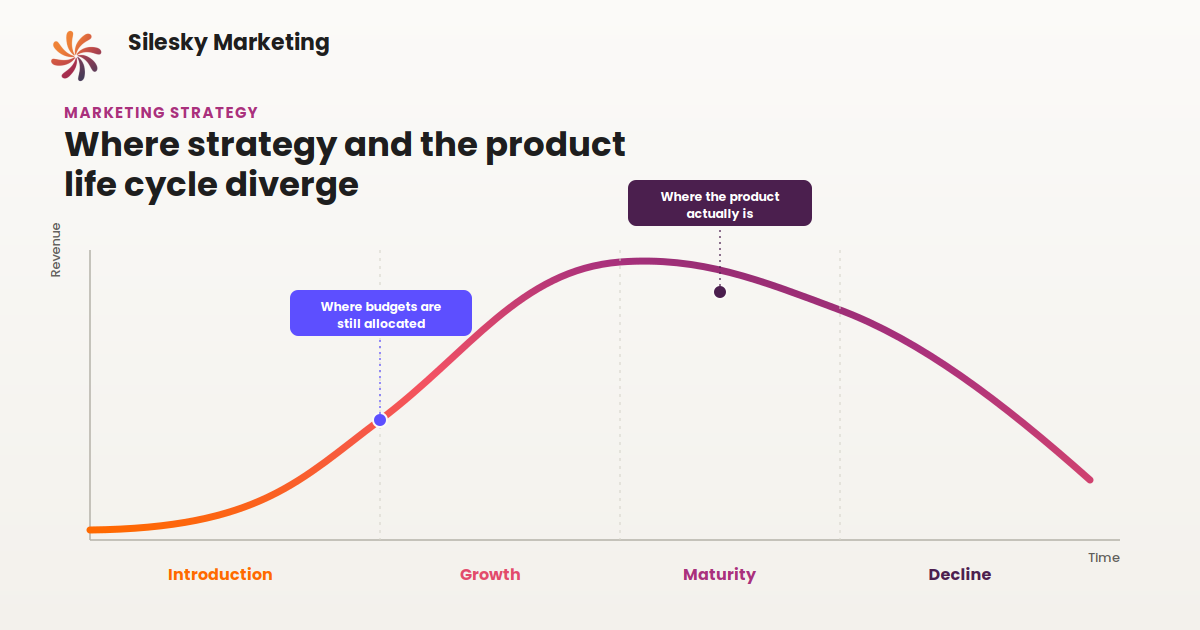
From the outside, a five-person agency with a decade of client wins looks like solid ground. The roster was real. Logos built in the late 1990s were still in active use. Campaigns that won local awards were still being referenced by the organizations that commissioned them. Relationships that started with a handshake had turned into multi-year engagements. Silesky Marketing had built something that looked, from every angle, like momentum. Then, in 2006, the agency closed. What followed does not fit neatly into an origin narrative. No pivot announcement came. No press release dressed the closure up as a choice. Instead, the marketing agency rebuild that came next was quiet, unglamorous, and long. Part 2 of this series traced how a single hire and a referral network grew into that five-person operation. This piece covers what happened after the ground gave way, and what Susi Silesky chose to build on top of it. When a Business You Built Stops Five employees is not a number that sounds large. For a boutique agency that launched with no clients, no revenue, and no strategy in April 1996, it represented something significant. Each of those five people had attached their livelihood to work that Susi was generating. By the mid-2000s, the pressure of sustaining that had accumulated in ways that a referral-based, relationship-driven agency without outside funding is not always equipped to absorb. In 2006, the agency closed. No Announcement, No Pivot There was no public statement. No reframe dressed up to make the closure sound like a choice. The business that had grown from a set of letterhead on a front stoop, through a sold piano and eight weeks in Costa Rica, through Jewish nonprofits and bulldog photo shoots and award-winning catering campaigns, stopped. For Susi, the emotional weight of that moment was not abstract. She had built the agency by hand, hired people, sustained relationships, and delivered work that outlasted the clients who commissioned it. Closing was not a strategic reset. It was a loss. The Decision to Keep Working Anyway What she did not do was stop. Between 2009 and 2016, Susi continued working as a freelancer under the name A&M Marketing, a reference to her children, Alex and Mya. The scale was smaller, the budget tighter, and the weight of sustaining the work fell entirely on her while she was also raising her family. She has described this period plainly: “I never really stopped working. I just scaled back and rebuilt smarter.” Scaling back is not the same as giving up. Rebuilding smarter is not the same as starting over. The freelance years were not a gap in the story of Silesky Marketing. They were part of the story where the foundation of what came next was being quietly re-examined, one project and one decision at a time. The Freelance Years Going from a five-person operation to working solo strips away every layer of infrastructure a small agency builds over time. No creative partner to divide the problem with. No team to absorb a difficult client or a chaotic deadline. Just the work, the client relationships, and the discipline to show up for both without anything external holding the structure in place. In the early years, Susi had described her own approach as winging it, building the structure while the work was already in motion. That approach got the agency off the ground, and it also showed its limits when the pressure intensified. The solo years made those limits specific. Strategy first, always, collaboratively with a team she trusted — those three commitments did not come from a curriculum or a consulting engagement. They came from watching what held and what gave way under pressure, then arriving at conclusions the hard way. The freelance period was not comfortable. It was clarifying. What a Rebuild Looks Like From the Inside A rebuild does not look like a relaunch event or a new logo. It looks like a long, quiet period of deciding what to keep and what to leave behind. Susi kept the relationships. The standard for work built to last stayed. So did the instinct for creative decisions that other people had not thought to make yet. What changed was the architecture of how she worked. Less reactive. More deliberate. Grounded in strategy before execution, every time. By the time she was ready to relaunch, she was not trying to return to the agency she had closed. She was building a different one, shaped by everything the first version had cost her. When Silesky Came Back, It Came Back Different In 2016, Susi relaunched the agency. The second iteration shared a name and a founder with the original, but the intention behind every decision had shifted. The first version had grown organically, shaped by whatever the work required in the moment. The second was built from a position of earned understanding, with a clearer sense of the clients she wanted to serve and the kind of work she wanted to do for them. The team that formed around the relaunched agency reflected that shift. Every person brought in was chosen with intention, not assembled out of necessity. The agency that operates today grew directly from those decisions. Silesky Marketing now runs as a fully integrated boutique agency with a small, deliberate team covering strategy, content, social media, design, and web. The structure did not arrive all at once. It was assembled the same way the original agency had been, one relationship and one project at a time, but this time with a clearer blueprint at the center. The Philosophy That Came Out of the Hard Years Susi positions the current agency as the extra seats at the table, close enough to understand a client’s business from the inside, independent enough to see what the people inside it cannot. “Most founders are too close to the fire to see where the smoke is coming from.” That observation did not come from a marketing textbook. A founder who has been in

The Growth Years of Silesky Marketing

The agency that launched without a plan, without clients, and without a single dollar of revenue in April 1996 looked very different by the early 2000s. Part 1 of this series traced how Silesky marketing growth began not with a pitch deck or a launch event but with a set of letterhead on a front stoop, a sold piano, eight weeks in Costa Rica, and a community of clients who already knew and trusted the person behind the work. By the time Susi Silesky replanted herself inside the Baltimore Jewish nonprofit community, something had shifted. The work was coming in. The relationships were holding. The question was no longer whether the business would survive. It was whether it could grow into something real. The answer came in the form of a hire. The Hire That Made It Real Susi describes the moment she brought on Kim Morehead as the moment the business stopped feeling like a freelance operation and started feeling like an agency. Not the first invoice. Not the first client retainer. The hire. That distinction matters because it reflects something true about how small businesses cross a threshold. Revenue is one signal. Bringing another person into the work, staking your livelihood on your ability to sustain them too, is a different kind of commitment entirely. The Partnership That Transformed the Agency When Susi brought on Kim, it wasn’t to fill a rigid graphic design role or a pre-defined job description. Kim joined an agency in the middle of an identity shift. What followed was a creative partnership built in the trenches—solving problems in real-time for a growing roster of Maryland clients. Rather than dividing labor into silos, they built the agency’s foundation side-by-side. They didn’t just share tasks; they shared the risk of expanding into uncharted territory. Navigating the Digital Shift: From Print to Web In the late 90s, web design was the great unknown, a technological disruption much like Artificial Intelligence (AI) is today. Most small agencies were hesitant, but Susi and Kim recognized that the internet was fundamentally changing client needs. Much like today’s pivot toward AI-driven solutions, they accepted projects that required them to build tools they had never used before. This “learn-as-you-go” grit resulted in the agency’s first official website for Sheldon and Sons, marking Silesky’s transition from a boutique print shop to a modern, multi-channel marketing agency. That kind of longevity does not come from following trends. Susi’s design philosophy, as she states it directly, is built on a short set of principles she has carried through every decade of the agency’s work: If a logo does not work in one solid color and fit on the tip of a pen where it reads clearly, it is not a good logo. Simplicity wins. Less is always more! Longevity matters more than trends. These are not abstract values. They are conclusions drawn from watching what holds and what does not, across hundreds of projects and three decades of work. Building a Roster the Hard Way Silesky did not grow by buying ads or chasing new markets. The agency grew through referrals, almost entirely, in the early years. The client relationships that formed during the Associated Jewish Community Federation period became the foundation. Those clients talked. Their networks talked. The roster expanded one name at a time. The Names That Built the Network The story of Silesky’s early expansion wasn’t written in data points or broad market categories; it was written through the trust of individual advocates. In the beginning, growth didn’t come from a sales team, it came from one mortgage lender who saw the value in professional branding, from community leaders in the non-profit sector who spoke highly and loudly of the work Silesky was doing on their behalf, and from local entrepreneurs who opened doors to their own professional circles. These early adopters acted as a bridge, allowing the agency to translate its design expertise across vastly different business landscapes. What began as a niche presence soon scaled into a diverse portfolio: Real Estate & Finance: High-stakes branding for mortgage providers and real estate agents established a reputation for professionalism and market authority. Healthcare & Specialized Services: The agency’s ability to humanize brands led to successful partnerships with dental offices and medical private practices. Trade & Construction: By creating high-impact visual identities for construction companies, Silesky proved that “high design” was just as vital for the trades as it was for the boardroom. The Non-Profit Sector: From the first teenage-focused campaign for a Jewish educational center to complex community initiatives, these projects served as a constant proof of concept. Reputation as a Growth Engine This era of the agency was defined by a pipeline that lacked automation but excelled in human capital. Referral-based growth operates on a simple, rigorous logic: the work must be clear and effective enough that a client feels comfortable staking their own reputation on a recommendation. By consistently delivering results for a local dental office or a regional construction firm, the agency proved its versatility. At Silesky, the work didn’t just speak; it echoed—turning individual projects into a multi-decade network of regional influence. From Nonprofit Work to a Broader Roster The Jewish nonprofit community gave Silesky its footing, but the agency did not stay narrowly defined. As the late 1990s moved into the early 2000s, the roster expanded into private sector work. Printing companies, local businesses, and organizations outside the nonprofit sector began appearing on the client list. Each one came through the same mechanism: a relationship, a referral, a piece of work that someone had seen and remembered. The shift from print and branding into web work marked a real transition. Era 1, the Print Dominance period, gave way to Era 2 as websites became something every client needed, and very few Baltimore agencies were equipped to deliver well. Silesky was already at work before the demand fully arrived. The learning happened alongside the client projects, which meant the agency was building capability and delivering at the

The Baltimore Marketing Agency Built from a Front Stoop

In April 1996, Susi Silesky became the owner of a marketing agency she did not name, did not plan, and did not ask for. A set of letterhead and business cards appeared on the front stoop of her home. Someone else had designed the logo, chosen the name, and made the decision for her. Most agencies trace their beginnings to a business plan, a financial projection, and a launch date circled on a calendar. This Baltimore marketing agency has a different story—one built on a firing, a trip to Jazz Fest, and a package left on a doorstep. Paris, PR, and the Power of the Unexpected Susi moved to Paris the day after her college graduation as an au pair. She had no clear career direction and no goal beyond perfecting her French. A French relationship changed the timeline. She fell in love. What was meant to be one year abroad soon became four. By spring 1988, she was hired as the American assistant to the CEO of S3C Groupe de Communication Souham, a PR firm in Paris working with major international brands. The client roster included Sara Lee, Gillette, WR Grace, Tiffany & Co., and others. At first, she sat on the sidelines, observing account executives while handling administrative work. Then Sara Lee Corporation asked her to work on their cheesecake campaign. Once she gained direct experience with one client, the rest followed. She spent the next several years working with U.S. brands as the American liaison, building firsthand marketing knowledge at an international level. She returned home in the fall of 1991 with four years of experience nobody had mapped out. From Family Legacy to Community Leadership Back in Baltimore, Susi went straight to work at her father’s company, Quickee Offset, the first short-run printing company in Maryland. From 1991 to 1994, she organized and implemented a rebrand campaign for the 35-year-old printing company, which included a noteworthy billboard touting their work with the Baltimore Orioles. The billboard read: “Our Printing is for the Birds.” In 1994, the family business was sold, and Susi moved into the nonprofit world at the Associated Jewish Community Federation. For two years, she served as the account executive for nearly every agency in the Associated system—overseeing branding, strategy, and collateral. Every organization under the umbrella ran its marketing through the Associated’s internal department, and Susi managed the process. She loved the work. As she puts it, “It may have been my favorite work to date. I truly loved the work, the people, and the mission.” Finding Your Footing When the Ground Shifts The Associated let her go, unexpectedly. In a single moment, the stability she had disappeared. She was devastated. She had loved the job, the organizations, and the work she was doing for every agency in the system. In one moment, all of the stability she had built around the role disappeared. Ink, Paper, and a Prayer: The Surprise That Started it All On the advice of friends, she joined them for a trip to the New Orleans Jazz Fest, returning home with no clearer sense of what came next. Waiting on the front stoop was something unexpected: a complete brand identity. Business letterhead, cards, even a logo—someone had designed it all and named the company without her input. It was April 1996, and the business was called Silesky Marketing. In Susi’s words: “I started my business completely winging the whole thing—exactly what I tell my clients not to do.” She had no revenue, no clients, and no strategy. Just a name, a brand, and a decision she hadn’t made—but chose to run with anyway. The Front Porch That Launched a Legacy Trading Keys for Coastlines: The Pivot That Funded the Future With a company name and no income, Susi needed more than a brand, she needed a market. Her first instinct was bold: help American companies reach the Hispanic community. It made sense on paper. But in practice, there was a problem. After four years of speaking French in Paris, her Spanish had all but disappeared. She had studied it once, yes, but now it sat just out of reach, like a song she almost remembered. If the business was going to work, the language had to come back. So she did what she had already proven she was willing to do: she leapt. It wasn’t a small decision. In fact, it was a big one. It meant leaving the country again, paying her mortgage a month ahead, arranging for someone to care for her two cats, and sitting with the quiet, thrilling fear of stepping away from everything stable. It meant letting go of something she loved: the baby grand Steinway piano she had inherited from her Nana. She sold it, turned memory into motion, and used the money to buy herself eight weeks in Costa Rica. There, life narrowed and deepened all at once. She lived with a local family in Heredia, studied Spanish in the mornings, and spent her days listening, speaking, stumbling, learning. On weekends, she traveled through lush hills and unfamiliar roads, the kind of beauty that reminds you how far you’ve gone from home. It was exhilarating. It was exactly the kind of risk that changes a person. When she returned, she didn’t hesitate. She dove headfirst into Baltimore’s Hispanic community, volunteering, showing up, introducing herself again and again. She placed ads, attended every event she could find, and slowly, connections began to form. A few early clients came through, just enough to suggest she might be onto something. But even then, she could feel it: without deeper roots in Hispanic culture, without time and trust, growth would have its limits. The door had opened, but she was still standing on the outside. The Believers: Carrying the Torch from Old Chapters to New When her initial idea around Hispanic marketing proved harder to sustain, she pivoted, returning to the community she knew best. Gradually, relationships she had built years earlier began to reawaken.

SEO Services That End Reactive Marketing

Most businesses seek SEO help only after something breaks. A competitor climbs higher in search, traffic drops without warning, or a page stops converting before the team notices. Reactive marketing costs more than a proactive plan would, and businesses operating this way spend their budgets catching up instead of pulling ahead. The SEO services that end reactive marketing cycles treat search as a planning function, not a repair order. Why Reactive Marketing Always Costs More Than a Strategy Would Have The Pattern Most Marketing Leaders Do Not Recognize in Themselves Running SEO reactively looks like this in practice: rankings slip in Q3, so the team commissions content in Q4. A competitor launches a new service page, and suddenly the agency audits keyword gaps. Traffic from a core blog post drops, and the first question is what changed in the algorithm—not why the content aged poorly. Each response makes sense in isolation. Strung together, they form a pattern of chasing problems rather than preventing them. By the time the fix is implemented, the market has already moved. Competitors who planned earlier capture the searches this business would have owned, and recapturing those positions costs more than maintaining them would have. BrightEdge research found organic search drives 53% of all website traffic, making search the largest single source of trackable visits for most businesses. Organizations treating this channel reactively surrender control of their biggest traffic driver to whatever the market decides next. What SEO Exposes That Other Channels Hide Paid search and social media produce results when money goes in. Pull the budget and traffic stops. SEO works differently because search data surfaces demand patterns before anyone contacts a business. People search for services weeks or months before speaking with a vendor. The queries they run reveal what problems need solving, what language describes those problems, and which competitors a prospect is weighing. A business running proactive SEO reads this data continuously and builds content to meet demand before competitors do. Reactive programs discover the same data after a competitor has already published the ranking page. What SEO Services Look Like When Built to Lead, Not React Keyword Research as a Business Roadmap A structured keyword strategy maps to buyer stages and service lines, not to a list of phrases a competitor ranks for today. Done well, keyword research shows where demand already exists, which services need visibility first, and what content supports revenue rather than traffic alone. For a professional service firm, this means understanding which searches occur before a prospect decides to seek outside help, which occur during vendor comparison, and which occur when a buyer is ready to contact someone. Content built around this sequence works at every stage of the decision process, not only at the buying moment. Content as a Prospecting System, Not a Publishing Habit Businesses publishing content reactively tend to write about what feels relevant that week. A proactive content program, however, builds around demand timing. Content published to meet a search query ranks and generates inquiries weeks or months after the publish date. A single well-structured service article targeting the right query generates qualified leads long after the team has moved on. Search Engine Journal analysis shows top-ranking content for competitive queries often takes three to six months to reach full ranking potential. A reactive business rushing content in response to a traffic drop starts this clock late and competes against pages published months earlier. Technical SEO as Infrastructure, Not an Emergency Repair Site performance, page structure, and crawlability are not problems to address only after a penalty notice. Together, they form the foundation under every other tactic. A page with strong content on a slow-loading site loses positions to a technically cleaner competitor. Search engines struggling to crawl a service page provide no ranking benefit from strong copy, regardless of quality. Businesses addressing technical issues reactively discover these gaps after rankings have already suffered. A proactive approach audits the technical foundation on a regular cadence, addresses issues before they compound, and treats page performance the same way a business treats any operational system. Gaps addressed early cost far less than problems left to grow. How to Tell If Your SEO Is Reactive Three Signals Your SEO Is Running Behind the Market Most businesses do not know their SEO is reactive until the evidence is obvious. A few earlier signals are worth watching. Content production follows competitor moves. When the primary trigger for publishing is “they ranked for this last month,” the strategy is a reaction to someone else’s plan. Traffic patterns respond only to external events. When organic traffic grows after a competitor stumbles or shrinks after an algorithm update, the program has no buffer against market shifts. Keyword targets come from last quarter’s gaps. Proactive SEO identifies where demand is heading, not only where the business failed to appear previously. The Metrics Proactive SEO Tracks Reactive SEO reports focus on total traffic and keyword rankings without connecting either number to business outcomes. Proactive SEO programs track a different set of indicators. Qualified organic leads show whether the traffic arriving through search includes the right buyers, not browsers. Service-page conversions tell whether the content driving traffic is positioned to convert the audience reaching the page. Local inquiry growth tracks whether nearby, high-intent searches reach the business before prospects contact a competitor. Branded search growth signals whether the content program builds recognition, not only transient clicks. These numbers do not replace traffic data. Sitting above traffic data, they tell a clearer story about what SEO produces for the business. Turning SEO Into a Lead Generation Engine Mapping Content to How Prospects Make Decisions Prospects do not move in a straight line from awareness to contact. A business owner searching “how much does marketing cost” is in a different place than one searching “marketing agency near me.” Content built to appear at both moments serves the full decision arc instead of one narrow window. Top-of-funnel content builds familiarity before a prospect knows they need

How a Marketing Audit Reveals Why Growth Is Stalling

The campaigns are running. Budget is moving. Your team is working late. And the revenue line has not moved in months. This is the moment most business owners make the wrong call. They increase spending, bring on another agency, or launch a new campaign on top of one nobody measured. All of this adds noise, and none adds clarity. The problem was never effort. A marketing audit reveals exactly why growth is stalling, and the answers are almost never where leaders expect to find them. The real issue sits in the disconnects between strategy and execution, between messaging and buyer expectations, between what the dashboard shows and what the bank account reflects. An audit pulls those disconnects into plain view so decisions rest on evidence instead of instinct. The Difference Between a Slowdown and a Stall When Activity Keeps Moving but Results Stay Flat Growth slows for every business at different stages. Stalling is different. When a team is producing, the budget is burning, and the results have flatlined, the business has moved beyond a rough quarter into something structural. Dashboards still light up with impressions, clicks, and open rates, but none of those numbers connect to booked revenue. This is where vanity metrics become dangerous. They create the illusion of forward motion while the business sits still. An audit strips away the activity layer and tests whether the work produces three things. Pipeline, meaning qualified leads moving toward a purchase Conversions, meaning leads turning into paying clients Revenue attribution, meaning clear proof of which channels drive the money If marketing activity cannot tie back to at least one of those three, the effort is contributing to the appearance of growth. And appearance is not the same as progress. Why Most Teams Misdiagnose the Problem When results stall, the first instinct is to blame the most visible thing. Ads are not working. The website needs a redesign. Content is stale. These reactions feel productive, but they usually target symptoms while the root cause goes untouched. A company might fire the ad agency and hire a new one, only to see the same flat results three months later. Messaging, not media spend, was the real problem. No amount of paid traffic converts confused visitors into clients when every channel tells a different story. An audit forces the team to step back and examine the system rather than the parts. Where Vendor Fragmentation Quietly Drains Results The Cost of Running Disconnected Partners One vendor handles SEO. Another runs paid ads. A third manages email, and a fourth built the website two years ago without any involvement since. Each vendor optimizes for their own metrics, reports on their own timeline, and has no visibility into what the others are doing. The result is a marketing operation pulling in five different directions. An audit maps all vendor activity against shared business goals and exposes where the problems sit. Duplicated effort where two vendors cover the same ground without knowing Contradicting strategies where one vendor’s work undermines another’s Reporting gaps where no single dashboard shows the complete performance story Accountability holes where no one owns the overall outcome Vendor fragmentation is one of the most common audit findings and one of the most expensive. The fix is not always fewer vendors. Sometimes the fix is a single point of strategic ownership connecting every partner to the same set of goals. When Brand Voice Fractures Across Channels A prospect visits the website and reads a polished, professional message. Next, they see a social ad with a completely different tone. Later, they received an email sounding like a third company wrote the copy. Each interaction chips away at trust because the brand feels inconsistent. This happens when multiple vendors write content without a shared voice guide. The audit reviews every customer touchpoint and flags where the voice drifts. Inconsistent messaging shows up in lost conversions nobody explains, in prospects who disengage without giving a reason, and in a brand failing to stick in the buyer’s memory. Budget Waste Hiding in Plain Sight Metrics Looking Good Without Driving Revenue A paid campaign shows 50,000 impressions and a 4% click rate. On paper, the report looks strong. But when the audit traces those clicks to the bottom of the funnel, only two became paying clients. The cost per acquisition is ten times what the target should be, and no one flagged the gap because the surface numbers looked healthy. Audits earn their value here. They move past surface metrics and force harder questions. Which channels produced a paying client in the last 90 days? What is the actual cost to acquire each new customer, by channel? How much of the current budget goes toward channels with no measurable revenue return? Are the leads marketing celebrates the same leads sales manages to close? Most teams cannot answer these questions with confidence. The audit builds the data trail connecting marketing spend to business outcomes, often showing a significant portion of the budget supporting channels with no client production in months. Reallocating Spend Toward What Already Works Every dollar spent on a channel producing no results is a dollar better directed to one already performing. This sounds obvious, but without an audit, most businesses lack the data to make the call. The audit creates a clear map of performance by channel, showing where money works and where money leaks. From there, reallocation becomes a math problem instead of a guessing game. Teams shifting budget based on audit findings often see ROI improve without spending an additional dollar. Turning Findings Into a Plan Protecting Growth Prioritizing Fixes by Revenue Impact An audit produces findings. Some require immediate action. Others are longer-term structural changes. Trying to fix everything at once burns out the team and delays the changes, making the biggest difference. The smarter approach ranks each finding by two factors. Revenue impact, meaning how much the issue costs the business if left unfixed Speed of implementation, meaning how quickly the fix produces

Best-of-Breed Marketing Tools: How to Scale Without Losing Momentum

You signed up for the platform because the sales demo promised simplicity. One login, one dashboard, one monthly bill. Six months later, your email automations miss half their triggers, your analytics dashboard shows traffic but not conversions, and your content calendar lives in a separate spreadsheet because the built-in planner feels like punishment. The promise of convenience turned into a stack of workarounds. Scaling your marketing in 2026 means recognizing the advantage of best-of-breed tools instead of forcing growth through platforms designed to do everything poorly. The alternative looks different. Specialized tools working together, each excelling at one critical function. Email platforms nail automation sequences. Analytics tools track attribution across every touchpoint. CRMs update in real time without manual exports. Each piece serves a purpose, and together they move faster than any monolith ever could. What follows is not theory. This is what teams building momentum in 2026 are already doing. Why All in One Platforms Slow Growth Instead of Supporting It All-in-one platforms entered the market with a seductive pitch. Consolidate everything, eliminate integration headaches, simplify vendor management. Marketing teams, already stretched thin, bought in. The reality arrived slower than the sales cycle. The Hidden Cost of Convenience Convenience sounds valuable until you measure what you traded for it. All-in-one platforms deliver mediocre functionality across every feature because no single vendor excels at email automation, web analytics, social management, content production, and CRM simultaneously. Email tools inside the platform lack the segmentation depth of dedicated automation systems. Analytics miss conversion attribution because the tracking was not built for journeys spanning multiple touchpoints. Content calendars feel clunky because the team building the CRM added the feature as an afterthought. According to Gartner research, 68% of marketing leaders report their current tech stack is too complex to deliver seamless execution. The complexity comes not from having multiple tools, but from platforms trying to be everything rather than excelling at one thing. When Everything Does a Little, Nothing Does Enough Marketing demands depth in specific areas. Automation precision nurtures leads through sequences spanning multiple steps. Data accuracy attributes revenue to campaigns. Content management flexibility publishes across channels without reformatting everything manually. One platform rarely excels at all three. The result is teams spending hours compensating for weak features. Teams end up: Exporting data to analyze properly elsewhere Rebuilding automations because platform limitations prevent the logic they need Maintaining shadow systems in spreadsheets because the official tools fall short This is not scaling. This is treading water with expensive software. What Best of Breed Means for Marketing Teams Best of breed is not a buzzword borrowed from enterprise software. The concept is straightforward. Choose tools excelling at one function instead of platforms claiming to handle everything. Choosing Specialists Over Generalists In marketing terms, this means separate platforms for distinct functions. ActiveCampaign runs your automation sequences. Google Analytics 4 tracks user behavior and conversions. A dedicated content management system handles publishing workflows. Each tool was built by a team focused on solving one problem exceptionally well. The contrast becomes obvious when you compare feature depth. A specialized email platform offers conditional logic, dynamic content, predictive sending times, and granular segmentation. An email feature inside a general platform offers basic sends and minimal personalization. The difference shows up in the results. Teams using specialized automation platforms report 30% higher open rates and 45% better conversion from nurture sequences compared to teams using bundled email features inside all-in-one systems. The Integration Reality The objection arrives predictably. Will not multiple tools create chaos? Data gets trapped in silos, right? Integration becomes a full-time job, does it not? Modern APIs and connector platforms solved this years ago. Tools like Zapier, Make, and native integrations allow data to flow between systems without manual intervention. When a lead fills out a form on your website, the information populates your CRM, triggers an automation sequence in your email platform, and updates your analytics dashboard. No exports, no manual entry, no lag time. ActiveCampaign alone integrates with over 870 applications. The platforms built for best-of-breed environments prioritize interoperability because their customers succeed through connections, not isolation. Building Your Stack Around Outcomes, Not Features The mistake most teams make is choosing tools based on feature lists. Long lists sound impressive in procurement meetings but mean nothing if the features do not drive your specific outcomes. Start with what you need to achieve: Convert 30% more leads from webinar attendees Reduce customer acquisition cost by tracking attribution accurately Publish content across three channels without duplicating work Segment audiences based on behavior, not demographics alone Match tools to those goals. If accurate attribution is critical, invest in analytics built for tracking spanning multiple touches. If automation sequences need complex conditional logic, choose a platform designed for depth. Features matter only when they serve measurable outcomes. Is Best of Breed Only for Enterprise Teams With Big Budgets? No. Best of breed scales down as effectively as up. The assumption that specialized tools cost more than all-in-one platforms falls apart under scrutiny. Small teams often pay for bundled features they never use. Enterprise pricing tiers force upgrades for one capability when nine others sit idle. Best of breed lets you pay for what you use. Start with three core tools and add as you grow. A regional B2B services firm running on a $4,000 monthly marketing budget built its stack with: ActiveCampaign for email automation at $229/month Google Analytics 4 for free A content management system at $99/month Zapier for integration at $49/month Total spend was $377/month for tools, leading each category. Their previous all-in-one platform cost $599/month and delivered worse performance across every function. They reallocated the savings to paid media and saw lead volume increase by 41% in four months. Budget size does not determine whether best of breed works. Strategic thinking does. The smallest teams benefit from specialized tools when those tools match their specific workflow and outcomes. A three-person marketing department gains as much from purpose-built automation as a 30-person team, often

How a Website Redesign Can Damage Your Organic Search Rankings

You launch a redesign to make your site feel fast and modern, only to watch your organic traffic begin a slow, silent slide. While the new aesthetic looks like progress to you, Google often interprets these changes as a ‘new’ site with no established history. Search engines reward stability and clear architecture; therefore, when a redesign disrupts these elements, Google may reset your hard-earned authority. Unfortunately, most teams don’t realize this shift has occurred until the ranking damage is already done. Why Do Visually Better Websites Lose Search Traffic? A redesign often starts with the idea of cleaning up. Teams remove old content, change the navigation, and simplify URLs. This breaks the historical signals that helped the site rank in the first place. The Clean Slate Fallacy Backlinks, internal links, and user behavior are tied to specific URLs. When you delete or rename those pages without redirects, Google loses the context. The new site looks empty or unrelated. URLs are not cosmetic. They store accumulated trust. A new URL with no redirect tells Google the old content is gone. Authority built over the years is erased in seconds. The Dip vs. the Tank After a redesign, expect a temporary traffic dip. This is part of reindexing. A dip is short-term. Expect a 5 to 10 percent drop over two to four weeks. A tank is long-term. A 20 percent or greater drop lasting more than 30 days means structural failure. Most teams misread the signs. Waiting for traffic to return without action leads to deeper losses. What Happens When You Change URLs Without a Map? How Link Equity Works Every link to your site passes authority. That value is tied to a specific URL. A 301 redirect transfers most of that value to a new location. It must be one-to-one. Redirecting to unrelated pages weakens the link. Chains of multiple redirects lose more equity at each step. Broken redirects result in a complete loss of value. The correct approach is a clean 301 from the old page to the closest matching new page. Redirecting to the homepage is a known failure pattern. Google reads it as irrelevant. The Soft 404 Trap Redirecting deleted pages to the homepage is treated as a soft 404. That means the page is not seen as real content. It passes no value. It may confuse users and increase bounce rates. Do this instead: Redirect to a relevant replacement if one exists. Let deleted pages return a 404 or 410 if no replacement exists. For more on proper redirect strategy, see Google’s redirect guidelines. Can JavaScript Break Your SEO? Client-Side Rendering and Indexing Delays JavaScript frameworks often use client-side rendering. This creates a two-phase indexing process. First, Google crawls the raw HTML. If content is not present, the page appears empty. Later, Google renders the page and indexes the visible content. That delay is a risk. If Google cannot see the content immediately, the page may not rank. This is worse for pages that rely on crawl budget, such as large sites or e-commerce platforms. Use Server-Side Rendering or Static Generation Modern frameworks like Next.js offer server-side rendering (SSR) or static site generation (SSG). These methods generate HTML before sending it to the browser. SSR ensures content is available in the raw HTML. SSG prebuilds pages, making them fast and indexable. Incorrect use of SSR features negates the benefits. Developers often use use client for critical content. That prevents server-side rendering. Pages appear blank to bots and fail to rank. For technical best practices, see Google’s JavaScript SEO basics. Is That Low-Traffic Page Hurting You? The Risk of Over-Pruning During redesigns, teams often delete pages that show low or no traffic. This can be a mistake. Some of those pages: Contain valuable backlinks. Link to high-converting service pages. Build topical authority. Removing them weakens the structure of your site. Use the Keep, Kill, Combine Method Before deleting content, evaluate each page by these criteria: Keep it if the page has backlinks or supports the internal SEO flow. Combine if there are several pages on similar topics. Kill only if the page has no authority, traffic, or relevance. Traffic is not the only metric. Authority flows through structure. Deleting a zero-traffic page may reduce visibility for five others. How Does Navigation Impact Rankings? Click Depth Matters Google prioritizes content that is closer to the homepage. When a redesign buries pages under complex menus or extra layers, those pages lose value. Pages more than three clicks from the homepage are crawled less. Link equity decays with each hop. Visibility decreases for deeper pages. Orphaned Pages Get Ignored Orphan pages are those with no internal links pointing to them. They are invisible to crawlers unless submitted directly. Causes include: Removing sidebars or footer links. Changing navigation without updating internal links. Moving blogs or resources without linking them from the new layouts. You can find orphaned pages using crawl tools like Screaming Frog or Google Search Console. What Technical Mistakes Kill Rankings After Launch? X-Robots-Tag and Noindex Mistakes Developers often block indexing in staging environments using noindex or X-Robots-Tag. If those settings are not removed, the live site will not be indexed. X-Robots-Tag In server headers, it is not visible in HTML. Sites may appear functional, but are invisible to search engines. This causes total de-indexing over several days. Broken Canonicals Canonical tags point to the preferred version of a page. If these are left pointing to staging or old URLs, Google ignores the live page. Check for hardcoded staging URLs. Validate all canonical tags before and after launch. For troubleshooting, refer to Google’s Search Central documentation. Does Mobile Optimization Cost You Rankings? Hidden Content Reduces Relevance Mobile designs often collapse text into tabs, accordions, or hide it entirely. Google only indexes what it sees in the Document Object Model (DOM). If content is hidden or removed, it is ignored. Keep important text visible on mobile. Avoid hiding full paragraphs. Ensure DOM parity between desktop and mobile views. Core

The Psychology of Brand Resonance and Why Customers Stay Loyal

Why do buyers choose “sub-optimal” products? You’ve done the work—more features, better reviews, stronger ROI—yet they stay with a competitor that can’t hold a candle to you. This disconnect is rooted in the psychology of brand resonance: why customers stay loyal to sub-optimal products. It isn’t a fluke; it’s a gut-level preference that overrides every spreadsheet you’ve ever built. Most brands fight to be seen, but resonance is what keeps you in the conversation. When a brand strikes an emotional chord, it stops being a choice and becomes a reflex. If you aren’t building that connection into your brand strategy, you are leaving the door wide open for your competitors. What Is Brand Resonance and Why It Breaks the Rules Beyond Recognition Most brands fight to be seen. They spend on ads, pump out content, chase impressions. Visibility matters, but it’s only the starting line. Just because people know you exist doesn’t mean they care. Recognition gets you in the room. Resonance keeps you in the conversation. When a brand strikes an emotional chord, it stops being just a name. It becomes a reflex. A habit. A preference that overrides minor flaws or even bigger competitors. Resonance vs. Product Superiority Think of it like this. Apple doesn’t make the objectively best phone for everyone. But the brand has created a lifestyle, an identity, a sense of belonging. People don’t switch easily—not because they can’t, but because they don’t want to. That’s resonance. Nike built a culture, not just shoes. Patagonia sells values, not jackets. These brands understood early on that features don’t build loyalty. Feelings do. The Psychological Triggers That Anchor Loyalty Identity & Self-Expression We buy what reflects us. Brands that align with how people see themselves—or how they want to be seen—create sticky emotional loyalty. It’s not just about solving a need. It’s about reinforcing who we are. Think about someone who drives a Tesla. Sure, they might like the acceleration or the tech. But a big part of the appeal? It signals innovation, forward-thinking, maybe even a social conscience. Even if another car performs better on paper, that emotional signal can’t be replicated easily. Repetition Breeds Familiarity Our brains trust what they’ve seen before. The more often someone sees your brand show up consistently, the more likely they are to remember and prefer it. This is known as the mere-exposure effect. But here’s the catch: consistency has to be real. If your brand feels different across platforms or your message shifts based on the channel, it weakens trust. Repetition only works when the message stays the same. Storytelling Over Specs People follow stories, not spreadsheets. A narrative binds your brand to an emotion. Specs inform. Stories inspire. One creates a checklist. The other builds a connection. When a brand tells a compelling story, it positions the customer as the hero. And that’s powerful. Because if people feel like your brand helps them express who they are, they’ll choose you—even if someone else offers more. Why Functional Messaging Alone Falls Flat Rational Doesn’t Always Win Marketers love numbers. Performance, ROI, speed, cost savings. But that’s not how most buyers make decisions. They decide based on emotion, then justify it with logic after the fact. You might think you’re selling on features. But your customer might be buying based on how your brand makes them feel. If that emotional signal isn’t clear, no amount of functional proof will close the deal. Brands Are Built on Feel, Not Just Facts From the colors you use to the tone of your copy to the rhythm of your campaigns—these subtle signals shape how your brand is remembered. If everything feels cohesive and distinct, your brand sticks. If it feels scattered or overly tactical, it fades. Buyers don’t always analyze. More often than not, they act based on vibes and intuition. That’s why you need to ensure your personal brand will meet them where they are, and showcase who your business is beyond just the numbers. When Your “Better Product” Is Not Enough Signs You’re Losing to Brand Resonance If your data shows high awareness but low preference, that’s a red flag. If customers engage with your content but still convert with competitors, you’re not lacking information. You’re lacking connection. Another clue? Your messaging is rooted in facts, while your competitor’s message feels like a movement. One talks about what it does. The other talks about what it means. Why You Can’t Out-Feature Your Way In Adding more features won’t help if no one cares. In fact, more complexity can make you harder to understand. People want clarity, not clutter. If your competitor makes them feel seen or understood—even with a weaker product—they win. That emotional clarity can’t be brute-forced with functionality. It has to be felt. Action Steps to Build Resonance Into Your Brand Define What You Emotionally Stand For You know your mission. But what do you feel like to a customer? Confident? Supportive? Rebellious? Trustworthy? Emotion isn’t fluff. It’s positioning. Take a hard look at your brand and ask: if your name disappeared, would people miss what you represent? Build Memory Structures Over Campaigns Campaigns are short-term. Memory is forever. Focus on creating consistent, recognizable signals your audience can’t ignore. That means: A visual identity that shows up the same way, every time A voice that’s distinct and reliable Repeated phrases, promises, or patterns that feel familiar Repetition without coherence is noise. But when everything aligns, it becomes memory. Speak Their Language, Not Yours Drop the industry lingo. Start listening. What phrases do your buyers use when they describe their problems? What metaphors or emotions come up in their reviews? Mirror that. Make your copy feel like it came from their own heads. The more familiar it sounds, the more it resonates. What Silesky Does Differently Strategic Brand Building with Emotional Hooks At Silesky, we don’t just talk branding. We dissect what makes a message stick. We dig past the surface, down to the beliefs, fears, and aspirations your

Post-Purchase Power: Turning Customers into Loyal Advocates

The contract is signed. The invoice is paid. Champagne corks pop in the sales meeting. For most companies, this moment marks mission accomplished. The prospect has become a customer. Time to move on to the next lead. This thinking creates businesses that churn. The sale is not an ending but a beginning. Every interaction after the signature determines whether this customer becomes a one time transaction, a long-term relationship, or an active advocate. Your ability to turn satisfied customers into loyal advocates reflects the post purchase power that separates sustainable growth from constant replacement. Your strategy for the period after signing determines your business trajectory. Nothing matters more than how you show up now. The Economics Make This Personal Research shows acquiring a new customer costs five to 25 times more than retaining an existing one. A small improvement in retention rate can dramatically increase lifetime value. Advocates who refer new business create customer acquisition at virtually zero cost. These numbers explain why the most profitable companies obsess over what happens after the sale. Real value in customer relationships develops over time, not at the moment of conversion. Retention economics favor depth over breadth, relationships over transactions. Consider what this means for your resource allocation. Spending 80% of your budget attracting new customers and 20% keeping them means betting against proven returns. Math argues for balance at minimum, and often for prioritizing retention. What Really Happens After Someone Buys Most business owners find the psychology of the post purchase period counterintuitive. You might expect that buying brings relief or satisfaction. Sometimes it does. More often, especially with significant purchases, anxiety replaces excitement. Psychologists call this buyer’s remorse, and it affects nearly every major purchase decision. The cognitive dissonance between the desire to be a smart decision maker and the uncertainty about whether this choice was correct creates psychological discomfort. Yesterday’s enthusiastic customer wakes up today wondering if they made a mistake. Understanding this pattern helps you intervene appropriately. Customers experiencing buyer’s remorse need validation that confirms their good judgment, not another sales pitch. The Validation Window Determines Everything The first few days and weeks after purchase are critical. During this window, customers actively look for validation. Every signal gets noticed, interpreted through the lens of their anxiety. Key indicators customers watch for include: Response time – Prompt welcome communication reassures while delayed responses worry Onboarding clarity – Smooth processes validate while confusion suggests trouble ahead Attention to detail – Personalized touches prove you care while generic messages disappoint Problem resolution – Quick responses to concerns signal your commitment Everything during this period either confirms their good judgment or amplifies their doubts. Design your post sale communication specifically to address buyer’s remorse. Remind them why they chose you. Share success stories from similar clients. Acknowledge the significance of their decision and your commitment to making it worthwhile. Setting the Relationship Tone Your behavior in the validation window sets expectations for the entire relationship. Attentive and responsive now means customers expect that treatment to continue. Absent or slow now means customers assume this is what working with you will be like. This asymmetry is powerful. Going above and beyond in the first few weeks creates a halo effect that colors future interactions positively. Falling short creates a negative filter that makes later excellence harder to recognize. Invest disproportionately in the first 30 days. Returns on this investment exceed almost any other allocation of client service resources. Onboarding Creates Your Foundation The correlation between onboarding experience and long term retention is striking. Customers who have smooth, well structured onboarding stay longer, spend more, and refer more frequently than those who struggle through a chaotic start. During onboarding, customers form their working model of your company. Critical lessons learned include: How to get help when they need it What your communication style and frequency will be How you handle problems and unexpected issues Whether you deliver on your promises What level of service they can expect All of these become the baseline against which everything else gets measured. Treat onboarding as a product, not a process. Design it intentionally. Test it regularly. Improve it continuously. Quality of your onboarding experience directly predicts customer lifetime value. Structure Without Rigidity Good onboarding has clear structure. Expectations get set about what will happen, when, and who is responsible. Milestones get defined and celebrated when reached. Questions get answered before they become frustrations. But structure should not mean rigidity. Every customer’s situation is different. Your onboarding process needs enough flexibility to accommodate unique needs while maintaining the consistency that creates a reliable experience. Document your standard onboarding process while building in decision points for customization. This balance provides the benefits of structure without the constraints of inflexibility. Time to First Value The most important onboarding metric is time to first value. How quickly does the customer experience a meaningful benefit from their purchase? Longer delays give doubt more opportunity to grow. Designing for quick wins builds momentum and confidence. Early moments where the customer can see concrete progress do not need to be large. Visible evidence that the decision to buy is paying off matters most. Identify what first value looks like for your offering. Then engineer your onboarding process to deliver that value as quickly as possible without sacrificing quality. What Keeps Customers Coming Back Retention is not a single decision made once. Rather, it represents a series of small decisions made repeatedly. Every interaction, every invoice, every result creates an opportunity for the customer to mentally renew or reconsider the relationship. Companies that retain best do not rely on contracts or switching costs. Instead, they create genuine value that makes staying the obvious choice. Problems get solved consistently. Needs get anticipated. Working together feels easy. Retention results from the accumulation of positive moments minus negative moments. Your job is to maximize the positives and minimize the negatives across every touchpoint. Consistent Delivery Beats Exceptional Moments Research on customer loyalty reveals a surprising finding. Exceptional moments

Why Audience-Centric Marketing Matters More Than Ever

Businesses have more options than ever to reach potential customers, but so do their competitors. This reality makes it crucial for companies to prioritize meaningful connections and customer loyalty, which is why audience-centric marketing matters more than ever. Rather than relying solely on traditional product-focused strategies, brands are shifting to an approach that emphasizes understanding and meeting the unique needs, values, and preferences of their audience. By placing customers at the heart of marketing, companies like Silesky Marketing can foster lasting relationships, increase engagement, and ultimately drive long-term success. Audience-centric marketing is no longer just an option; it’s the path forward for brands looking to connect deeply in a competitive world. The Shift to Audience-Centric Marketing Marketing has changed significantly over the years. What started as product-focused advertising has now evolved to center on customer experiences and preferences. Traditional methods prioritized product features and benefits, but audience-centric marketing flips this approach. Now, brands focus on their audience’s needs, values, and emotions. This shift reflects a transformation in consumer expectations: customers want more than products. They want meaningful interactions and solutions that fit their lives. Audience-centric marketing prioritizes empathy and engagement. It requires a clear understanding of who the audience is, what they care about, and how they prefer to engage. By focusing on these factors, businesses make smarter decisions about where to invest time and resources. Some hallmarks of this shift include: Prioritizing value-driven messaging over traditional product pitches Building marketing strategies based on customer insights and feedback Creating personalized content that resonates with diverse audience segments Focusing on long-term relationship-building over short-term sales goals This approach ensures customers feel valued and understood, which strengthens loyalty and boosts brand advocacy. Understanding What Audience-Centric Marketing Entails At its core, audience-centric marketing focuses on seeing marketing efforts from the audience’s perspective, not the product’s. It’s about engaging customers in ways that match their needs and preferences. This strategy goes beyond simply identifying target demographics. It’s about understanding their motivations, challenges, and values. Every marketing message, interaction, and channel focuses on creating an experience that feels relevant and engaging. Audience-centric marketing includes several key principles: Empathy: Brands connect by addressing their audience’s needs and experiences. Personalization: They tailor content, messaging, and offers for different audience segments. Engagement: Ongoing dialogue and interaction help customers feel heard. Relevance: Content and campaigns deliver real value to customers. Transparency: Being open about brand values builds trust with the audience. By adopting an audience-centric approach, brands create authentic connections. This attracts new customers and builds lasting relationships that are essential for retention. Why Audience-Centric Marketing is Vital Today With consumers bombarded by thousands of ads daily, standing out is a challenge. Audience-centric marketing helps solve this by creating content that resonates with customers. Today, this approach is essential, as audiences quickly ignore marketing that feels impersonal or irrelevant. Several factors make audience-centric marketing vital: Customer Choice: With more options available, customers are selective about the brands they support. Digital Noise: The average person sees thousands of marketing messages daily; audience-centric content cuts through better. Demand for Personalization: Modern customers expect brands to speak to them individually, not as part of a mass audience. Transparency and Authenticity: People engage more with brands they view as honest and transparent. Increased Competition: Growing competition in digital spaces requires unique, audience-focused approaches. This customer-first approach helps brands stand out and aligns with evolving consumer expectations. It makes customers feel valued and understood, which drives engagement and builds lasting loyalty. Key Components of Audience-Centric Marketing A successful audience-centric marketing approach has a few essential components. Each ensures the brand connects authentically with the audience: Data-Driven Insights: Gathering data helps businesses understand preferences and behaviors, allowing a tailored approach. Personalized Content: Messages feel personal and relevant to individuals, whether through emails, social media, or ads. Engagement Opportunities: Encouraging feedback, interaction, and dialogue keeps customers feeling connected and invested in the brand. Emphasis on Customer Values: Marketing that aligns with customer values fosters a deeper bond. Cross-Channel Consistency: Delivering a cohesive experience across platforms enhances brand perception. Proactive Problem Solving: Anticipating audience needs and addressing potential issues builds trust and satisfaction. Each component creates a brand experience that feels personal and memorable. When done well, customers feel the brand truly understands them. Benefits of Audience-Centric Marketing An audience-centric marketing strategy offers many tangible benefits beyond brand awareness. By prioritizing the audience, businesses see improved engagement, higher customer satisfaction, and enhanced loyalty. Here’s how audience-centric marketing pays off: Increased Engagement: Personalized, relevant content captures attention more effectively. Customer Loyalty: A customer-first approach makes clients feel valued, increasing repeat business. Enhanced Conversion Rates: Content that speaks to audience needs is more likely to convert. Stronger Brand Reputation: Brands that align with customer values are more trusted. Reduced Churn: Customers who feel understood are less likely to switch to competitors. Better Word-of-Mouth: Satisfied customers often share positive experiences with others. These benefits show why audience-centric marketing is essential for brands looking to grow and remain competitive. Implementing an Audience-Centric Approach Shifting to an audience-centric approach is challenging but worthwhile. Here’s a basic roadmap for making this transition: Gather Data: Use surveys, customer feedback, and analytics to understand audience demographics and preferences. Define Audience Segments: Create segments based on demographics, behavior, and interests for more personalized messaging. Engage with Customers Regularly: Build relationships by interacting with audiences on social media, email, and other platforms. Create Tailored Content: Develop content that speaks to specific needs, from blog posts to personalized offers. Analyze and Adapt: Continuously evaluate performance and adjust strategies based on feedback and data insights. Invest in Automation Tools: Automation helps deliver timely, relevant information to customers. Following these steps, businesses can shift to a more audience-focused strategy, enhancing relationships and driving results. Audience-Centric Marketing and Customer Retention Retaining customers is as important as attracting new ones, and audience-centric marketing plays a key role in both. Customers who feel understood are more likely to stay loyal to a brand. Focusing on audience needs and interests creates a connection

Too Many Vendors Are Slowing Your Marketing Down

You can feel it, even if you haven’t named it yet. Meetings drag on. Reports don’t line up. Deadlines slip because someone’s still “waiting on data.” You’re not short on ideas or even effort. But you are running into a wall, and that wall is shaped like a bloated stack of tools and partners. It’s not your strategy that’s stuck. It’s that too many vendors are slowing your marketing down, and they’re doing it in ways that don’t show up in a dashboard. Maybe it started with a smart outsourcing decision. Then came a niche tool to fill a gap. Before long, your stack looks like a group project gone rogue. Everyone is working hard. No one is working together. When the Stack Builds Itself, It Builds Inefficiency Most stacks grow by default, not by design. A platform gets added to fix a small gap. Then another. A vendor brings in their preferred tool. Your team signs up for something that promises automation but adds friction instead. Eventually, you’re running a dozen systems that solve yesterday’s problems without supporting today’s priorities. A regional financial services firm we worked with was juggling six tools for customer acquisition and four separate agency contracts. They weren’t underperforming—they were just slow. After a full audit, they cut half the stack, moved reporting in-house, and put strategy under a single lead. Campaign velocity tripled in six months. Results didn’t improve because they added something. They improved because they stopped tripping over everything else. Agencies That Don’t Share Strategy Slow Down Growth Hiring specialists can feel like a win—until you realize no one’s using the same playbook. Your SEO agency is heads down on traffic. The paid team is chasing lead volume. Meanwhile, your email partner is planning nurture flows for a segment that’s no longer even active. This isn’t about talent. It’s about coordination. Vendors often pull in directions that make perfect sense in isolation. But when their work isn’t aligned to shared goals, even high-quality execution turns into missed opportunity. Marketing should move like a relay, not a collection of solo sprints. If vendors aren’t working together, your campaigns won’t land together. What you need isn’t more strategies. It’s a shared scoreboard—and partners who know how their work drives it forward. Tool Sprawl Eats Time Faster Than Budget Every tool promises to save time. But each one adds a new login, another training session, another update cycle. The hidden cost isn’t subscription fees—it’s attention. Switching between ten dashboards a day doesn’t just wear out your team. It slows them down. Gartner reported that nearly two-thirds of marketing leaders believe their current stack is too complex to deliver seamless execution. That’s not a technical issue. That’s a design flaw. Complexity doesn’t create speed. It erodes it. Every new tool should pay for itself in time saved, decisions improved, or results delivered. If it doesn’t, it’s baggage. New Tools, Old Problems You won’t fix fractured workflows by layering more software on top. Without consistent ownership, even the best tools create new problems. You spend weeks onboarding, porting over data, syncing systems—only to discover that the team still isn’t aligned. Marketing builds momentum the same way investing does: through consistency. If your stack resets every quarter, you’re not gaining speed—you’re rebooting your foundation. Shared Responsibility Dilutes Results When five vendors “own performance,” no one owns the outcome. Campaigns fall flat, and the debrief turns into a game of pass-the-blame. The creative team points at the data team. The paid team blames targeting. Everyone has a reason. No one has the result. You don’t fix this by assigning more owners. You fix it by creating one. A single point of strategic ownership cuts down on confusion and forces every contributor to align behind measurable, shared goals. When Management Becomes the Job, Strategy Gets Lost The deeper you get into vendor sprawl, the less time you spend leading strategy. You’re reconciling reports, tracking invoices, coordinating standups, and mediating miscommunications. You stop steering and start herding. At that point, you’re not running a marketing function. You’re running a ticket system with a longer queue each week. How to Simplify Without Losing Impact Simplifying doesn’t mean settling. It means building around clarity. Start with a full audit of your tools and partners. For each, ask: What outcome does this directly support? Can it integrate with our reporting source of truth? Is there feature or role redundancy? Does this partner collaborate well? Are we making decisions faster with it? Then take action: Reduce overlap. Drop tools that duplicate functionality. Centralize strategy under one accountable leader. Align all vendors to shared campaign KPIs. Use tools that connect cleanly with each other. Limit reporting to one unified dashboard. One national e-commerce retailer cut its vendor list by 40%, reducing tool count from 15 to 8. The result? More campaigns shipped per quarter, fewer revisions, and a 22% boost in customer lifetime value. The Upside of Less The biggest gain from consolidation isn’t tidiness. It’s traction. A leaner, more focused vendor model gives your team faster cycles, clearer ownership, and sharper insight into what’s working. Meetings shrink. Reporting gets simpler. Spend becomes easier to control. Most importantly, your team gets to spend more time doing the work, not narrating it. That’s the difference between a busy calendar and actual momentum. You don’t need more options or another round of tools. You need fewer, better-aligned partners working from the same plan and measured by the same results. Start there—and marketing starts to move the way it should. FAQs What’s the clearest sign that I have too many vendors or tools?When your team spends more time aligning platforms or chasing updates than producing campaigns, you’re past the tipping point. Will cutting vendors hurt performance?Only if you cut blindly, start by auditing performance impact. Keep what drives measurable results, and consolidate where possible. How do I keep reporting consistently?Designate a single source of truth. Ensure all tools feed into it, and review dashboards weekly for clarity and

From Red Flags to Roadmap: Your Post‑Audit Action Plan

You know the feeling when web traffic spikes and social channels are buzzing, yet the phone stays silent and your sales pipeline is flat. It can feel like watching water flow into a bucket with holes you cannot see. Many budgets quietly leak away while competitors gain ground. In the previous part, we highlighted four warning signs that point to deeper problems: rising visitors with few conversions, heavy reliance on one platform, confusing messages or clumsy experiences, and a lack of reliable measurement. Those red flags matter because they signal wasted investment and missed opportunities. This part shows how to move from the red flags uncovered in your audit to a clear roadmap by building a disciplined post-audit action plan. We will reconnect strategy with everyday work, map the customer journey to find leaks, adopt flexible cycles so you can test and learn, pick a pace that fits your resources, and draw lessons from three different companies. By the end, you will know how this plan moves you from diagnosis to confident execution without guesswork. Getting Strategy and Teams Working Together Even the best marketing ideas fail without a clear strategy and teamwork. An audit often reveals that campaigns chase vanity metrics instead of business outcomes. The first step is to review your purpose and make sure every major initiative supports revenue, pipeline, or retention. If a program does not directly advance a meaningful goal, rethink or drop it. Review your Overall Intent Start by restating your marketing objectives in plain language. Use simple metrics like sales, qualified leads, or customer lifetime value instead of ambiguous goals like “visibility.” Each program must connect to one of those outcomes. For example, rather than saying “raise brand awareness,” commit to “increase trial sign-ups by twenty percent in three months.” When you link activities to clear results, it becomes easier to cut waste and justify budget requests. Clarify Roles and Structures Silos and fuzzy ownership slow progress. Many audits show gaps in handoffs between marketing and sales, and those gaps cause leads to grow cold. Assign a single owner to each phase of your plan and build small cross-functional teams to tackle complex projects. Set clear response time targets for leads; responding within five minutes makes you one hundred times more likely to connect with a prospect. Strengthen Systems and Data Foundations Reliable measurement underpins every decision. Without proper tracking, leaders cannot see which campaigns bring revenue or cut waste. Check that your analytics tags work correctly and that UTM parameters are applied to every campaign. Integrate marketing data with your customer relationship management system so you can follow leads from first touch to sale. Build dashboards that highlight conversion, cost per acquisition, and customer lifetime value rather than likes or impressions. Develop Skills and Fill Capability Gaps Audits often expose capability gaps, such as weak data analysis, limited personalization, or poor creative testing. Invest in training or hire specialists to close those gaps. Encourage everyone to learn basic analytics so they can interpret dashboards and make data-driven recommendations. A well-rounded team accelerates execution and reduces dependence on outside help. Build a Supportive Culture An action plan thrives in a supportive culture. Celebrate small wins, like a slight lift in form completions or a faster lead response time. Share lessons from failures openly so colleagues learn together. Remind everyone that the goal is progress, not perfection. Clarity and consistency in your messaging build trust; research shows companies with consistent positioning outperform peers in customer trust and revenue. Mapping the Customer Journey to Fix Funnel Leaks Once your strategy and team are working in sync, turn your attention to the buyer journey. Visualize how prospects move from awareness to consideration, conversion, and retention. In most industries, only about two to three percent of visitors convert on their first visit, and roughly seventy percent of shopping carts are abandoned. These benchmarks show how much room there is for improvement. Visualize the Journey Begin by drawing each stage on a whiteboard or digital tool. For Awareness, note activities like seeing an ad, reading a blog, or hearing about you from a friend. In the Consideration stage, prospects might explore your website, join a webinar, or read reviews. At Conversion, they sign up for a trial, request a quote, or make a purchase. Retention includes onboarding, customer success calls, and loyalty programs. Under each stage, jot down what the buyer feels and what you know about their intent. This exercise reveals gaps and mismatches. Identify and Prioritize Leaks Rising traffic, flat conversions: An audit may show that you attract many visitors but few qualified leads. This often happens when ads target the wrong audience or your landing pages load slowly. Studies show that fifty-three percent of mobile visitors leave if a page takes more than a few seconds to load, and ninety-four percent of first impressions relate to design. Compare the demographics of your visitors with your ideal customer profile and look for drop-offs in analytics. Over-reliance on one channel: Depending on a single platform can be risky. When Apple introduced privacy changes, many Facebook advertisers saw their results drop. Talk of a TikTok ban highlights similar exposure. Spread your efforts across multiple channels—organic search, email, events and partnerships—to reduce risk. Adjust budgets gradually as you learn what works. Confusing messaging or poor experience: If your value proposition is unclear or navigation is clumsy, users will leave. One bad experience drives about one-third of customers away, and two bad experiences push nearly sixty percent to leave. Ask neutral people to browse your site and note where they struggle. Review your emails and ads to confirm that messages agree rather than contradict each other. Lack of measurement: Without proper tags and goals, you are flying blind. Check that all campaigns use UTM parameters and conversion goals. Train your team to read analytics dashboards and ask tough questions about attribution. Plugging The Leaks: Practical Fixes Improve conversion: Test and refine your landing pages. Compress images, simplify forms, and

Marketing Strategy Red Flags You Should Never Ignore

Imagine running a small business or managing a marketing budget and feeling confident about the numbers. Your analytics dashboard shows more visitors each week. Ads that once delivered steady leads still seem to perform—so you keep spending. Yet revenue stalls, and leads slow to a trickle. Friends mention your website copy feels unclear, but you assume it’s good enough. Meanwhile, your tracking setup can’t pinpoint which campaigns drive real sales. These aren’t isolated frustrations—they’re classic marketing strategy red flags. When you overlook them, budgets quietly leak away while competitors gain ground. In our previous post, we outlined the core areas of a marketing audit: messaging and brand positioning, channel mix, customer journey mapping, and analytics. Those pillars show why an audit goes beyond vanity metrics and ties marketing to business goals. In this third part of the series, we shine a light on four common warning signs that indicate weak spots. Each flag comes with research-backed data, real-world examples, and straightforward steps to address the issues. By the end, you will be able to spot problems early and build a marketing approach that supports growth rather than sabotages it. Flag 1: Rising Traffic, Flat Conversions Recognizing the Mismatch This red flag appears when site visits climb, yet sales, form submissions, or other desired actions stay the same. Leaders often assume that more traffic will automatically lead to more customers. In reality, if you attract the wrong audience or provide a poor on-site experience, extra visitors merely inflate the top of the funnel without moving them to the next stage. You might increase ad spend or have a post go viral, only to see no improvement in conversion rate. Why It Matters A healthy funnel turns attention into action. Without conversions, the cost of attracting those visitors cannot be justified. Across fourteen industries, the average website conversion rate is around two to three percent. Companies selling higher-value or complex products often fall below this benchmark because buyers need more time to decide. If your conversion rate sits below that range and traffic climbs, you are widening the top of the funnel without encouraging deeper engagement. Evidence and Statistics Conversion rate benchmarks: The Ruler Analytics conversion rate study found an average conversion rate of about three percent across major sectors. User experience impact: New research by Google has found that 53% of mobile website visitors will leave if a webpage doesn’t load within three seconds. Studies even show that nearly ninety percent of online shoppers are less likely to return after a bad experience. Design matters: Ninety-four percent of first impressions are related to design. The same study cites Forrester findings that improving user experience can increase conversion rates up to four hundred percent. Real World Scenario An online retailer might see a sharp increase in visitors after a product goes viral. However, traffic rarely translates to revenue if the user experience is neglected. Shoppers often browse and then leave without buying because the landing page loads too slowly, lacks a clear call to action, or the checkout process is complicated by too many steps. In this common failure, a spike in interest and traffic does not translate into revenue because the poor experience fails to convert that interest into a completed action. How to Spot and Address Calculate conversion rates: For each source, divide purchases or form submissions by total visitors. If a channel has many visits but few conversions, adjust targeting. Audit landing pages: Match headlines and calls to action to the promise that brings visitors. Use heat maps to see where users drop off and make changes. Improve load speed and simplify actions: Compress images and minimise scripts. Cut unnecessary fields and steps in forms and checkout processes. Clarify messaging and targeting: State clearly what problem you solve and why visitors should act. Adjust keywords and audience parameters to attract people who are ready to buy. Addressing this flag is often about tightening the funnel rather than chasing more eyes. By aligning traffic sources with your ideal customer, clarifying value, and removing friction, you convert more of the people you already attract. Flag 2: Over-Reliance on One Channel Recognizing the Risk If most of your leads or sales come from a single platform, whether it is paid search, social media, or referrals, you are at risk. Businesses often allocate the majority of their budget to one channel because it once delivered strong results. Over time, they neglect organic search, email, partnerships, or other channels. When algorithms shift, privacy rules change, or a platform loses popularity, the pipeline can dry up overnight. Why It Matters Relying on one stream leaves you exposed to forces you cannot control. Apple’s iOS 14 privacy changes limited tracking and required opt-in, causing Facebook ad performance to decline and costs to rise. Businesses that depended solely on Facebook scrambled to learn new channels. Regulatory threats also lurk; early 2025 brought fears of a US TikTok ban. With studies showing that over forty percent of US TikTok users are expected to make a purchase through the platform, a ban would leave those who rely on it scrambling. Diversification reduces these risks. Evidence and Statistics Privacy changes hurt ad performance: Apple’s iOS 14 update led to higher costs and reduced efficacy for Facebook campaigns. The challenges are detailed in a Crimtan article on iOS 14 and Facebook ads. Shrinking audiences: Opt-in requirements decreased available data and made reporting inaccurate. Many businesses cut budgets because they could no longer justify spending. Regulatory risk: Advertisers prepared contingency plans when a US ban on TikTok loomed. Analysts expected more than $11 billion in ad spend to shift to other platforms if a ban occurred. Details are reported in Reuters’ coverage of the potential TikTok ban. Speed matters: Google reports 53% of mobile users abandon a site that takes over 3 seconds to load. Design drives trust: 94% of first impressions are based on design, and improved UX can boost conversions by up to 400%. Real World Scenario A direct-to-consumer apparel brand generated most of its revenue through

Why Your Business Needs a Marketing Audit

Marketing budgets feel tight. Yet many teams still spend without knowing what actually works. Imagine pouring thousands into ads, only to learn later that half the people you reached were never going to buy. Meanwhile, competitors pull ahead not by spending more, but by catching problems you never noticed. That’s where a marketing audit makes the difference. It takes a hard look at everything you’re doing, shows what’s paying off, and exposes what isn’t. Instead of relying on gut feel or scattered reports, you get a clear picture of where your money is actually working. This first post in our four-part series explains why every business needs a marketing audit. You’ll learn what an audit really is, what it examines, and the risks of skipping one. You’ll also see how regular audits protect growth and give leaders the confidence to make decisions grounded in facts instead of assumptions. What Exactly Is a Marketing Audit? More Than a Surface Review A marketing audit is a check-up for your marketing. It goes deeper than a campaign ROI report or a quick look at website traffic. An audit connects the dots between data, goals, and outcomes so you can see what’s working and what isn’t. A surface review might catch broken links or low engagement—helpful, but limited. A full audit looks at how every piece fits together, whether it supports your business goals, and where money or opportunities slip away. The difference is simple: one shows the symptoms; the other finds the cause. What a Full Audit Covers Every audit should review six areas.. Together, they give you a full picture of performance. Strategic FitDoes your marketing line up with your business goals? If priorities and reality drift apart, campaigns lose impact and budgets go to waste. Channels and TacticsFrom paid ads to e-newsletters and sponsored events, an audit shows which channels deliver, which overlap, and which are missing. Conversion FunnelEvery stage counts: awareness, consideration, decision, retention. Audits reveal where customers drop off and why. Fixing those leaks often pays off faster than adding new leads. Branding and MessagingConsistency builds trust. If your tone or visuals shift from one channel to the next, credibility takes a hit. Analytics and TrackingBad data leads to bad choices. Audits check whether tracking works, reports are accurate, and the right metrics are being measured. Competitive ViewNo business operates alone. Audits compare your results to peers and industry standards, so you know where you stand. Who Should Conduct the Audit? You can run an audit internally, but bias is a risk. Teams close to the work often miss problems or downplay them. External auditors bring a fresh view. They aren’t tied to past decisions, and they bring benchmarks from across industries. For many companies, that outside perspective quickly pays for itself by uncovering waste and pointing budget back to high-return efforts. Once you know what an audit covers, the next step is seeing which problems they usually expose. Common Pain Points Audits Uncover Even strong marketing teams miss things. Without an audit, small leaks turn into costly drains. Budgets slip away, growth slows, and no one sees why. These are the problems audits reveal most often. Wasted Ad Spend Advertising can eat budgets fast. Money disappears when ads target the wrong audience, when campaigns overlap, or when bids are set too broad. Example: A company runs Google Ads with broad keywords. Reach looks strong on paper, but most clicks come from people who will never buy. The result: steady spend with little return. An audit shows where money is wasted and points to smarter allocation. By cutting weak campaigns and tightening targeting, businesses often save thousands without raising spend. Leaky Conversion Funnels Every funnel loses people. The question is where and why. Audits answer that by mapping the drop-offs. Example: A B2B firm sees 20 percent of visitors bounce from its landing page. The call-to-action is vague, leaving users unsure of the next step. Fixing leaks—unclear CTAs, clunky forms, slow mobile pages—often produces quick wins. Instead of paying for more traffic, an audit helps you get more from the audience you already have. Inconsistent Branding and Messaging Recognition and trust depend on consistency. When slogans, visuals, or tone shift across channels, credibility erodes. Example: A company uses one tagline on its site, another in email, and a third on social. Each works alone, but together they confuse the audience. Audits catch those mismatches. They make sure every channel reflects the same identity, building recognition and loyalty over time. Underused Analytics Data should drive decisions, but many teams rely on incomplete or misleading numbers. Reports often highlight vanity metrics—impressions, likes—while ignoring true indicators like conversions, cost per acquisition, and customer lifetime value. A marketing audit reviews both the data and how it’s gathered. It confirms whether tracking is accurate and reporting is reliable. With clean numbers, decisions shift from guesswork to evidence. Once you see the common pain points, the next question is what happens if you keep ignoring them. Why Skipping Audits Costs More Than You Think Skipping a marketing audit—or downplaying its importance—doesn’t just stall progress. It creates risks that compound over time, often unnoticed until revenue slips or reputation suffers. Budget Misallocation Over Time A small leak in one campaign can turn into a major drain by year’s end. A campaign that wastes ten percent of spend each month can quietly burn tens of thousands. Without an audit, that money slips away unnoticed—resources that could fuel growth instead. Falling Out of Sync with Business Goals Markets change. Customers shift habits. Products evolve. When marketing isn’t checked against those changes, it drifts from what the business really needs. Example: During the pandemic, many brands kept funding in-person events. Their customers had already moved online. Competitors that audited and adjusted captured the demand instead. Audits keep marketing tied to the direction of the business, not yesterday’s priorities. Competitors Exploiting Your Blind Spots Competitors who audit regularly see weaknesses sooner and adapt faster. If your funnel leaks leads

Search Generative Experience SGE in Marketing Strategy

A few months ago, Google introduced a feature called the Search Generative Experience, sometimes abbreviated SGE. It changes how search results look and behave, and that shift matters deeply for how marketers plan content, traffic, and brand presence. If your strategy assumes the old “web page + keywords + links” model, SGE demands a rethink. What is Search Generative Experience (SGE)? SGE refers to AI-powered summaries, overviews, or answers that appear in search results, often above or alongside traditional links. Google’s “AI Overviews” are a good example: instead of just listings, users get a distilled synopsis of the topic plus helpful links. According to a 2024 study, 86.83 % of all search queries trigger a generative element. In almost two-thirds of cases, users see a “Generate” button with that summary; in others, they see a “Show More” link to reveal the content. Why does SGE matter for Marketers? Because it changes the user’s path from query → click → site. If people get answers directly via SGE, they might not click through. That can reduce organic traffic. One marketing strategist observed: “I anticipate seeing organic traffic drop for many sites, thorough and well-written content can enhance click-through rate to mitigate this decline by becoming the source of information that SGE quotes from … providing Google’s AI with all the information it needs on the query in question in an easily digestible way.” Some other important impacts: Organic #1 results are pushed visually downward—often by more than a full screen’s height—when SGE appears. Only a small fraction of URLs in generative summaries match the traditional Page 1 results. For many queries, SGE injects new sources. Industries like healthcare, e-commerce, and B2B tech are more affected; queries in those fields often trigger generative summaries. How Can Marketers Adapt to SGE? Here are several strategic shifts that make sense given what we know so far. These aren’t speculative—they follow from current data, early case studies, and what Google has stated. Audit content for “answerability and context.”Content that directly answers probable questions, uses FAQ sections, structured data (schema), clear headings, definition of terms, and well-organized content tends to do better for being quoted in summaries. If your content is the cleanest, most authoritative answer, it might be what SGE pulls. Focus on original insights or proprietary data.When generated summaries pull from multiple sources, content that offers something unique (data, case study, analysis) stands a better chance of being quoted rather than just aggregated. Optimize for snippets and overviews.Since SGE often uses summarized content, make sure your page has highlighted summaries, bullet points, and quick takeaways. These formats are easier for AI to digest. Maintain strong on-page SEO and domain credibility.Even if generative summaries pull content, trust signals (authoritativeness, domain reputation, backlinks) still matter for which sites get featured in SGE results. Track performance differently.Instead of just monitoring rankings, also track which content is being quoted in SGE, how often snippets or summaries derive from your site, and how that correlates with traffic. Also, monitor click-through when your content appears in generative overviews. What Marketers are Getting Wrong about SGE What many brands don’t yet appreciate is that SGE doesn’t just shift traffic—it shifts user intent and behaviour in subtle ways. Here are some pitfalls: Assuming “more content” alone will preserve visibility. Generative AI rewards clarity over volume. Ignoring follow-up queries. SGE often offers follow-ups (“Did you mean…?”, “Here’s more detail on X”). Content that anticipates those who will perform better. Overlooking how quickly SGE formats may evolve: new ad placements, mixed media (images, video) summaries, mobile vs desktop differences. How will paid search and ads interact with SGE? SGE isn’t purely an organic phenomenon. It also reshapes how ads appear and how they are positioned. For example: Research suggests that shopping ads often appear above SGE summaries about buyer-focused queries. For “cost”, “buy”, etc., SGE shows up often, but ads still tend to outrank summaries in many of these commercial categories. Google has indicated that it will continue experimenting with ad formats that fit into generative content, embedding them more seamlessly. Thus, ad strategy needs coordination with content strategy: what content you show, what your paid placements look like, and how you bid on terms that are often answered in SGE. Questions to Shape Your SGE Marketing Strategy Here are questions you should explore now to align SGE with your strategy: For your top content pieces, are you getting quoted in search results or generative summaries? If not, why not? Does your content structure support being pulled in (e.g., good headings, concise summaries, FAQ, schema-markup)? Which keywords or search queries you target are likely to trigger SGE overviews (informational vs transactional)? How will your ad spend need to shift if organic click-through drops? What metrics are you going to use beyond traffic and rankings (e.g., “snippet share”, “overview exposure”, “quoted” impressions)? What Are the Risks of SGE? Investing in adapting to SGE means reallocating effort; there are risks: Some content may lose traffic if people are satisfied with summaries and don’t click. Over-optimization for AI summaries might lead to content that’s too compressed, too simplified, losing brand voice or depth. Rapid changes in how Google displays SGE—formats, placements, mobile vs desktop—mean strategies may need frequent tweaks. Where is SGE headed Based on early data, we can expect: More rich media in SGE summaries (images, video snippets) More dynamic follow-up queries, letting users refine answers without leaving the search page Ads that blend in more or are formatted to appear inside or near generative overviews Increased importance for content that is credible, data-backed, and visible in trusted sources FAQ Will SGE reduce traffic for organic search results?Yes, that is a strong possibility. Because users may get sufficient answers at the summary level and skip clicking. However, content that is authoritative and clearly cited is still more likely to be referenced or quoted, which can help sustain visibility. Which industries are most impacted by SGE so far?Healthcare, e-commerce, and B2B technology have shown higher impact.

Why Website Redesigns Fall Flat and What Actually Fixes the Problem

There’s a familiar sting for marketing teams. A new website launches—carefully designed, full of the latest features—yet delivers lackluster results. Modern aesthetics and interactive tools are not enough. Many organizations find the real reason website redesigns fall flat in 2025 goes deeper than looks or technology. What appears to be a design problem often hides strategic gaps and missed opportunities to connect with real users. Chasing Trends Instead of Purpose Every year, new design trends and digital flourishes appear online. Teams feel pressure to adopt these styles—animated transitions, video backgrounds, bold color overlays. The hope is to seem modern and relevant. These design choices can elevate visual appeal, but they may distract from a site’s core goals. For example, a professional services firm might use playful colors to look innovative. This shift can alienate long-time clients who value familiarity and stability. A modern-looking interface doesn’t automatically create a better experience for the audience a business actually serves. Instead of focusing only on visual upgrades, organizations benefit by asking how each design element supports the brand’s promise and the needs of users. Strong online presences are built by aligning aesthetics with clear purpose. Losing Touch with the Real Audience In 2025, data about user behavior is more abundant than ever. Still, meaningful insight often gets lost in translation when teams focus on assumptions about their audience rather than observed behaviors. Redesigns that chase the preferences of hypothetical “ideal” users risk neglecting the routines of current, loyal customers. Imagine a consulting company that revamps its entire site for mobile efficiency, while most clients prefer accessing detailed resources on desktop. Overemphasis on innovation sometimes obscures the practical features that returning users value. Success comes from an ongoing commitment to understanding real users, gathering regular feedback, and responding to actual behaviors—not just statistical trends.Bullet points and heatmaps, paired with honest conversations, often reveal blind spots that site analytics alone can’t capture. Overlooking Fundamental Business Issues Website redesigns typically begin with calls for better aesthetics, faster loading times, or improved SEO rankings. Yet these are often symptoms of more significant, unresolved business challenges. Cosmetic updates alone do not solve deeper problems like unclear service offerings, convoluted product categories, or a lack of trust signals. For instance, a retailer may present a bold new look, but if checkout remains confusing or support is buried, shoppers will leave frustrated. Businesses sometimes invest in visual refreshes, hoping design will compensate for operational shortcomings. It rarely works. Lasting improvements start by identifying the underlying barriers to growth—be it messaging, navigation, or product clarity. Once addressed, design and technology have the foundation they need to make a difference. The Pitfall of “Launch and Leave” Redesign projects often demand months of focused energy, but once a new site goes live, attention tends to shift away quickly. Treating a website launch as a final destination rather than a new starting point can limit long-term success. The most successful organizations treat their websites as evolving platforms, using data and user feedback to drive continuous improvement. Routine content updates, regular usability tests, and small iterative changes keep digital experiences aligned with shifting user expectations. Letting a site stagnate, even if it launched beautifully, invites competitors to outpace you as technology and preferences evolve. Shifting from project-based thinking to a mindset of ongoing growth keeps digital properties relevant and high-performing. Stakeholder Conflicts and Decision Paralysis When every department pushes for visibility, the risk of losing focus rises. Multiple teams lobbying for homepage real estate often results in cluttered layouts and muddled messaging. Features and banners multiply as various voices press their priorities, diluting the clarity of the value proposition. In practice, this might look like a homepage overloaded with pop-ups, promotions, and competing calls to action, leaving visitors unsure where to focus. Without a strong decision-maker to filter input and maintain direction, the user experience suffers. Empowered leadership and a commitment to audience needs over internal politics keep redesign projects on course and user-friendly. Technology Chosen for the Wrong Reasons The landscape of web development in 2025 is saturated with new tools and frameworks—headless CMS platforms, AI-powered plugins, and complex integrations all vying for attention. While these technologies promise flexibility and innovation, they can create headaches if selected without a clear use case. Organizations sometimes add the latest features in hopes of boosting credibility, but end up with slower load times or complicated workflows. For example, an advanced personalization tool may sound attractive, but if it disrupts navigation or fails to deliver relevant content, it can frustrate users and erode trust. New technologies should support clear objectives—streamlining user journeys, improving access to information, or enabling better service—not simply checking boxes for innovation. Measuring Progress That Matters Metrics like page views and session duration are easily tracked, but they don’t always reveal whether a redesign achieved meaningful results. Organizations often celebrate spikes in traffic or lower bounce rates without tying those numbers to business outcomes such as lead quality, customer retention, or sales. Effective measurement strategies focus on actionable KPIs and user behaviors that support broader organizational goals. For example, tracking form completion rates, repeat visits, or average order values yields insights that directly connect web performance to business impact. By prioritizing substance over appearance in measurement, teams are better equipped to adapt their strategies and deliver real value. Building Websites That Stand the Test of Time Digital trends may come and go, but the most resilient websites are built with substance and adaptability. Teams that dedicate time to understanding their audiences, address core business issues, and treat their sites as evolving platforms consistently see stronger results. Thoughtful leadership, strategic use of technology, and focus on authentic metrics set high-performing websites apart. Instead of chasing fleeting trends, organizations should ask tough questions and stay connected with users. This approach leads to lasting digital success. In 2025, the real advantage isn’t having the flashiest site. Success comes from a user experience that is purposeful, consistent, and matched to real-world needs.

Maximize Client ROI Amid Maryland’s New 3% Tech Services Tax

A sudden 3% tax on digital products and tech services can reshape how every marketing agency and client in Maryland approaches investment. For marketers, the need to maximize ROI for clients has become even more urgent as Maryland’s new tax on tech services puts pressure on already-tight budgets. Every dollar allocated to software, advertising, and analytics must be justified. Choices about vendors and resource allocation have moved to the forefront, with each decision now carrying greater weight for client outcomes. Rethinking Value and Margin Maryland’s 3% tax has created an immediate ripple effect: Margins narrow as the tax applies to core digital services, including SaaS tools and digital advertising platforms. Invoices show higher amounts, sometimes without a visible increase in value, making clients more cautious about every line item. Vendors often shift tax-related costs to clients, requiring agencies to juggle their own expenses alongside those of their clients. This environment encourages more rigorous reviews of software and campaign effectiveness. Where inefficiencies once went unnoticed, now every overspend stands out. Strategic Budget Realignment Reducing spending across all channels may seem straightforward, but rarely delivers positive results. Maryland marketing teams are moving to a targeted approach, focusing on ROI drivers and reallocating investments strategically. Steps often include: Assessing channel performance: Teams examine which channels provide the strongest conversions and cut back on those with weak returns. For instance, deeper analysis of paid search and social ads ensures funds only go to high-performing campaigns. Building owned assets: Investments in robust websites, targeted email lists, and valuable content can pay off over time and shield against unpredictable external costs. Prioritizing adaptability: Marketing strategies now involve more frequent adjustments, shifting resources based on up-to-date performance rather than following static annual plans. Frequent and open communication between agencies and clients has become vital. These discussions support quick pivots in budget and ensure both sides are aligned on priorities. Vendor Management and Platform Audits Every software subscription and marketing tool must prove its worth. The tech services tax has accelerated platform audits and contract renegotiations. Agencies and clients are: Conducting monthly platform usage reviews instead of waiting for annual check-ins. Comparing alternatives for software and services to identify similar capabilities at a lower cost. Requesting custom pricing from vendors, especially where usage does not fit standard packages. For example, a marketing firm working with Maryland-based clients may spot redundant project management or analytics platforms during a review. By consolidating subscriptions and negotiating better terms, agencies can absorb the new tax’s impact while improving operational efficiency. Campaign Optimization: Getting More from Every Dollar With increased costs, data-driven decision-making becomes essential. Teams focus on: Leveraging multi-touch attribution to pinpoint which customer interactions are most valuable. Concentrating on campaign components that drive the highest returns, such as retargeting site visitors or nurturing leads with personalized email sequences. Consistently testing creative elements and messaging to boost audience engagement and conversion rates. A Maryland brand, for instance, may discover that by shifting budget from broad social awareness campaigns to high-conversion email workflows, they achieve better results. The key is making informed adjustments using reliable data, which can help offset the effects of added expenses like the tech services tax. Transparent Client Communication Unexpected costs require clear, honest conversation. Maryland agencies are building trust by: Explaining how the 3% tech services tax impacts costs and appears on invoices. Sharing scenarios during meetings to help clients understand their options, such as the effects of reducing ad spend or reallocating budget. Bringing clients into the budgeting process, with transparent reporting and regular reviews of campaign outcomes. By taking this approach, agencies foster genuine partnership. Clients are empowered to make informed decisions, and both sides work together to maintain strong results despite added challenges. Turning Challenge Into Long-Term Improvement While the new tax may seem like a hurdle, it has prompted marketing teams to develop better habits. Over time, these changes become competitive advantages: Tech stacks become leaner, with unnecessary subscriptions and software eliminated. Performance reviews become standard, driving ongoing optimization rather than periodic corrections. Collaboration and transparency drive stronger partnerships and more sustainable growth. Embracing these practices helps Maryland agencies and their clients stay resilient—whether facing new taxes or other changes in the market. Staying focused on measurable value and ongoing dialogue allows teams to adapt and thrive, even as costs shift.

How the Product Lifecycle Impacts Your Marketing Strategy

When a product enters the marketplace, it’s not starting from scratch — it’s stepping onto a moving track. How the product lifecycle impacts your marketing strategy is a fundamental business reality that often separates thriving brands from those that quickly fade. Understanding this connection allows marketers to anticipate customer needs, adjust messaging, and invest wisely, rather than reacting late and risking brand erosion. What is the Product Lifecycle? The life cycle of a product refers to the stages a product passes through from its inception to its eventual withdrawal from the market. Typically, these stages are: Introduction: Launch phase, where market awareness must be built. Growth: Rapid adoption, increased demand, rising competition. Maturity: Peak sales followed by a slowdown as the market saturates. Decline: Falling demand due to new innovations, changing needs, or market saturation. Recognizing your product’s phase is essential to crafting a relevant marketing strategy. The Product Lifecycle Introduction: Building Awareness The product lifecycle introduction phase is both thrilling and challenging. Awareness is low, consumer skepticism may be high, and the need for education is urgent. Effective marketing focuses on: Storytelling: Connect with audiences emotionally rather than overwhelming them with features. Educational content: Host webinars, write articles, or produce explainer videos to inform potential users. Strategic partnerships: Work with influencers or respected voices in the industry to boost credibility. For instance, when Beyond Meat introduced its plant-based burgers, it framed the product as a revolutionary step toward a sustainable future. Rather than drowning consumers in technical details, the brand offered a compelling vision that aligned with growing environmental concerns. At this early stage, patience and clarity are critical. Marketing must balance creating excitement with setting realistic expectations. Growth Stage: Fueling Expansion As a product gains popularity, it moves into the growth stage — a phase characterized by rising demand, heightened competition, and accelerated brand visibility. Marketing strategies during growth typically shift toward: Social proof: Amplify customer testimonials and case studies to build trust. Channel expansion: Scale marketing across multiple platforms — digital, retail, events. Referral programs: Leverage existing customers to attract new ones through incentives. A perfect example is Slack. Initially adopted by small teams, Slack’s marketing capitalized on the growth phase by highlighting seamless integrations and community success stories. Their rapid word-of-mouth adoption wasn’t accidental — it was engineered through smart marketing decisions during the critical growth phase. In growth, marketing focuses less on “what” the product is and more on “why” it is superior. Maturity Stage: Defending Market Position The maturity stage signals peak product performance, but it’s also where competition is fiercest and growth slows. Key marketing focuses during maturity include: Customer retention: Loyalty programs, VIP customer benefits, and continued engagement. Differentiation: Emotional branding becomes crucial — products alone are rarely enough. Product bundling: Combine products to add value and maintain customer interest. Nike’s handling of the Air Jordan brand offers a textbook example. Instead of resting on past successes, Nike kept the line fresh through limited editions, collaborations, and storytelling tied to nostalgia and aspiration. At maturity, brands must market the experience, not just the product. Maintaining relevance becomes an art form. Decline Stage: Strategic Evolution No product remains dominant forever. The decline stage emerges due to technological advances, shifting consumer behavior, or newer, better alternatives. Options for marketers during decline: Harvest: Maximize profits with minimal investment. Reinvent: Find niche audiences or reframe the product for a new use. Exit: Plan a graceful phase-out while transitioning customers to newer offerings. An example is Kodak. Despite inventing digital photography, it clung too long to film, ultimately facing a massive decline. However, segments of its business, such as instant-print kiosks and niche analog photography communities, continue today, proving there are survival paths even in decline. Early recognition and bold marketing moves during decline can turn a loss into an opportunity. The Product Lifecycle Impact Marketing Strategies In Which Ways? Marketing strategies are dynamic because the product lifecycle demands it. The product lifecycle impacts marketing strategies in distinct ways: Resource distribution: Heavy investment early on shifts to efficiency and retention later. Messaging focus: From education during introduction to emotional loyalty during maturity. Audience targeting: Early adopters give way to mainstream buyers, then niche loyalists. If marketing strategies remain static across lifecycle stages, businesses risk alienating customers who have evolved with the product. What is an Example of Product Life Cycle Success? Apple’s iPod journey illustrates lifecycle-savvy marketing: Introduction: Focused on simplicity (“1,000 songs in your pocket”). Growth: Celebrated lifestyle integration with vibrant campaigns. Maturity: Reinforced ecosystem value by connecting to iTunes. Decline: Transitioned customer focus smoothly toward iPhones without alienating the iPod base. Each marketing decision aligned tightly with the product’s phase, minimizing disruption and maximizing loyalty. Phases of the Product Life Cycle: Marketing Essentials   Phase Primary Marketing Focus Common Tactics Introduction Awareness and education Storytelling, influencer campaigns Growth Market expansion and trust-building Reviews, partnerships, social proof Maturity Loyalty and emotional branding Promotions, bundling, VIP programs Decline Profit harvesting or niche repositioning Targeted messaging, rebranding Conclusion: Marketing with Lifecycle Awareness Knowing how the product lifecycle impacts your marketing strategy isn’t just about theoretical knowledge; it’s about business survival. Lifecycle-aware marketing ensures that efforts resonate with customer expectations, budget allocations are smart, and competitive positioning stays strong. Products, like customers, evolve. Marketing must evolve, too. In the end, the companies that market with the lifecycle rather than against it are the ones that stay in the game the longest.

How to Choose the Right Marketing Agency for Your Business

Imagine stepping into 2025’s competitive market landscape, where AI-driven personalization and local relevance define brand success. Choosing the right marketing agency in 2025 isn’t just about finding a service provider—it’s about choosing a business partner who can navigate complexity and drive sustainable growth. Standing at this crossroads, businesses must be sharper than ever. With countless agencies promising overnight success, how do you filter out the noise and find a team that truly fits your goals? Why Choosing the Right Marketing Agency in 2025 Is a Game-Changer Today’s customer expects brands to understand not just their needs but their values. Choosing a local marketing agency familiar with these dynamics becomes crucial. In 2025, marketing is no longer about shouting louder; it’s about speaking smarter, using data-driven insights, tailored experiences, and authentic storytelling. Having a nearby partner provides businesses a front-row seat to local market shifts while staying aligned with broader consumer trends. Beyond Proximity: What to Prioritize While local access offers convenience, effective strategy matters more. Focus on: Specialized expertise in your industry. Strategic clarity beyond surface-level goals. Proof of performance through detailed case studies and metrics. Choosing the right marketing agency in 2025 means finding a partner that understands the nuances of your market and can tailor solutions that resonate. Spot Red Flags Early: Signs the Agency Isn’t the Right Fit Location alone doesn’t guarantee a good match. Watch for these warning signs: Generic, pre-packaged marketing pitches. Promises without clear KPIs or timelines. Communication breakdowns or slow responses. Choosing a proactive, consultative agency is essential for long-term success. Customization: The New Gold Standard One-size-fits-all strategies no longer yield results in 2025. Exceptional agencies: Tailor messaging to specific audience behaviors. Adapt strategies as your business lifecycle evolves. Align content, SEO, and outreach around customized buyer journeys. Effective marketing today thrives on flexibility and personalization, not templates. The Strategic Advantage of Local Knowledge Having the Marketing Agency be near me offers significant tactical benefits: Regional messaging that resonates with local preferences. Established connections with media outlets, influencers, and event organizers. Faster recognition and adaptation to micro-trends within the community. A strong local understanding enhances both regional and national marketing campaigns. Data, AI, and Technology: A Non-Negotiable Marketing in 2025 demands data-driven decision-making. When evaluating agencies, inquire about: Analytics tools and CRM platforms they use. How AI and machine learning enhance segmentation and targeting. Their ability to optimize campaigns in real-time based on data. Agencies relying solely on instinct without technological backing will quickly fall behind. Choosing a Team That Listens and Communicates Strong partnerships are built on transparent and consistent communication. Look for: Clear documentation of deliverables and KPIs. Regular strategy check-ins and reporting. Agile responsiveness to shifts in your marketing needs. A good agency will make collaboration seamless and decision-making quicker. Real-World Takeaway: What Businesses Are Prioritizing in 2025 Recent industry surveys indicate businesses are prioritizing results, responsiveness, and innovation when evaluating agency relationships. According to Clutch’s 2025 Agency Selection Report, businesses cited lack of measurable results (78%), poor responsiveness (63%), and failure to innovate (59%) as the top reasons for switching agencies. Choosing the right marketing agency in 2025 is not just an operational decision; it’s a strategic investment in your company’s future. Choosing the Right Marketing Agency Shapes the Future of Your Business The stakes have never been higher—and the potential rewards never greater—for companies that align with the right marketing partner. In 2025, choosing the right marketing agency could mean the difference between incremental progress and exponential growth. Approach your decision thoughtfully, prioritize expertise over proximity alone, and remember: in a world moving at digital speed, the right agency will help you not just keep up, but lead.

10 Different Types of Marketing That Build Real Brand Reach

Most brands can grab attention. The real challenge is keeping it. Building a brand that people trust — and talk about — doesn’t happen through a single flashy campaign. It happens by showing up the right way, at the right moments, time after time. It’s about being part of your audience’s real world, not just their feed. The most effective strategies share a pattern. They aren’t random tactics thrown at the wall. There are different types of marketing that build real brand reach by meeting people where they are and giving them reasons to care. Let’s dig into what truly moves the needle, not just for visibility, but for lasting brand loyalty. Content Marketing: Building Brands with Stories, Not Slogans Attention is earned, not demanded. Brands like HubSpot didn’t rise by outspending competitors — they became trusted by creating resources, templates, and research that their audience needed. Good content marketing doesn’t feel like marketing at all. It’s an invitation to learn, solve problems, and grow with your brand as a natural part of the journey. Social Media Marketing: Earning Trust in Real Time Social media isn’t a megaphone — it’s a campfire. The brands that thrive spark conversations, not campaigns. Take Wendy’s on Twitter. Their off-the-cuff humor and authentic banter build loyalty because they meet people as equals, not targets. Today’s audiences can smell a scripted post from a mile away. Brands that succeed make their audiences feel heard, not handled. SEO Marketing: Showing Up When It Matters Most No flashy ad can replace the quiet power of being there when someone searches for help. That’s where SEO steps in. Whether it’s a local café optimizing “best latte near me” or a national brand ranking for “how to start a podcast,” SEO builds brand presence precisely when it matters most: the moment of need. Good SEO isn’t a trick — it’s a promise fulfilled. Email Marketing: Personal, Not Transactional Email remains unmatched when it feels personal. Not mass newsletters, but thoughtful, relevant touches at just the right moment. Brands like Spotify prove it with campaigns like “Wrapped,” turning user behavior into shareable, personal highlights. People engage because it’s about them, not about the brand. Segmentation, timing, and genuine value transform email from spam into relationship-building. Paid Advertising: Fueling Momentum, Not Faking It Paid media can’t create passion. But it can amplify the real spark you already have. Airbnb’s early Craigslist strategy wasn’t just clever — it was authentic outreach where travelers were already looking. Today’s smart brands use paid ads to reinforce genuine organic momentum, not fake it. When paid feels like an extension of brand experience, it scales trust instead of eroding it. Influencer Marketing: Trust Transfers Audiences trust people faster than they trust brands. Smart influencer marketing recognizes this and respects it. Micro-influencers, with their tightly connected followings, often drive more authentic engagement than celebrity partnerships ever could. A report by Influencer Marketing Hub highlights micro-influencers achieving 60% higher engagement rates than macro ones. (Integrate naturally when mentioning micro-influencers.) It’s not about big reach; it’s about the right reach. Partnership Marketing: Two Brands, One Story Some of the smartest brand moves aren’t solo at all. They’re collaborations. Nike and Apple’s partnership around fitness and tech wasn’t forced — it made perfect sense. Together, they offered a story that neither could tell alone. When partnerships align values and audiences, they double trust, not just exposure. Event Marketing: Where Brands Come Alive A website can tell your story. But an event lets people step inside it. Salesforce’s Dreamforce event doesn’t just showcase software — it builds a movement around innovation and leadership. Even virtual experiences can create emotional resonance when they’re designed to connect, not just impress. Events let people live the brand, and once they do, they rarely forget it. Guerrilla Marketing: Creating Moments, Not Ads Sometimes the best marketing doesn’t look like marketing at all. It looks like a surprise. Burger King’s stunt turned smartphones and McDonald’s locations into opportunities for laughs, downloads, and Whoppers — all at once. Guerrilla marketing works because it’s unexpected. It makes brand experiences feel like discoveries, not campaigns. Community Marketing: Growing Belonging, Not Just Brand Awareness Brands that build real reach don’t chase loyalty. They foster belonging. LEGO’s “Ideas” platform turns fans into creators, voting and collaborating on new sets. That’s not customer retention — it’s brand devotion. Community marketing turns audiences into owners. And when people feel they own a brand, they share it because it’s a piece of their identity. Why These 10 Types of Marketing Matter Real reach can’t be bought in bulk. It’s stitched carefully through thousands of small, genuine moments: a helpful blog post, an unexpected thank-you email, a memorable event, a genuine online interaction. Each strategy offers its own doorway to connection, but the strongest brands blend these approaches naturally, shaped by their DNA, refined by listening to their audience, and sustained by consistent, authentic value. The brands that win in reach are the brands that first win in trust.

How Affiliate Marketing Drives Passive Revenue Growth

What if your marketing didn’t demand daily oversight but still delivered reliable income? That’s not a fantasy—it’s the operational logic behind affiliate marketing. For brands looking to scale revenue without scaling their workload, affiliate marketing offers a compelling, performance-based solution. Affiliate marketing drives passive revenue growth by creating systems where brand exposure, lead generation, and conversions continue long after the initial effort. When done right, it builds long-term value on top of minimal day-to-day input. Pay-for-Performance: Why It Changes Everything Unlike traditional advertising, where brands pay upfront for impressions or clicks, affiliate marketing is grounded in performance. You only pay when someone takes a defined action, usually a purchase or lead submission. This transforms the economics of marketing. There’s no wasted ad spend on uninterested audiences. Instead, funds go directly to results. Consider a direct-to-consumer skincare brand. Instead of buying $5,000 worth of ad space, they onboarded 50 beauty bloggers as affiliates. These affiliates earn a commission only when readers purchase through their links. That structure doesn’t just lower acquisition cost—it also aligns incentives across the board. This performance model: Encourages high-effort promotion from affiliates Minimizes financial risk for the brand Offers a transparent view of ROI How Affiliate Marketing Becomes Passive Over Time Yes, passive revenue is the reward. But setting up an affiliate marketing program isn’t passive in the beginning. It requires deliberate planning and a strong foundation. The initial setup usually includes: Choosing a platform (like PartnerStack or ShareASale) Structuring commission rates based on profitability Recruiting affiliates who already reach your audience Supplying branded content, banners, and tracking links Once launched, though, affiliates do the work of outreach, engagement, and conversion. Over time, top-performing partners emerge. Their evergreen content—like blogs, YouTube videos, or email sequences—continues to drive conversions with little additional input from your team. That’s when the system tips into passive mode. Why Evergreen Content Drives Long-Term Earnings One of the greatest advantages of affiliate marketing lies in its durability. Unlike PPC ads that vanish the moment the budget dries up, affiliate links can live forever. Take an example from the SaaS world. A YouTuber posts a tutorial comparing email marketing tools, with affiliate links in the description. If the video ranks on YouTube or gets embedded in other blogs, it keeps generating traffic—and sales—months after it’s published. Passive revenue drivers like these include: SEO blog content with embedded links Comparison or review videos on YouTube Resource lists shared in niche forums or newsletters That’s revenue from work you didn’t do—and may not even be aware is happening. Affiliates Build Trust at Scale Affiliate marketing doesn’t just scale reach; it scales trust. Consumers increasingly distrust brand messaging. But they do trust creators, bloggers, and influencers they follow. So when a finance blogger recommends your budgeting tool or a fitness YouTuber links to your protein shake, it feels like advice, not an ad. And because affiliates are rewarded for conversions, not impressions, they’re motivated to speak authentically and educate deeply. You’re not just leveraging someone else’s traffic—you’re borrowing their credibility. That’s hard to replicate with traditional media. Smart Partnerships Multiply Impact Too many brands think affiliate marketing is about volume. In reality, quality matters more. The goal isn’t to recruit everyone—it’s to partner with the right people. Ideal affiliates: Speak to your target audience Already produce content related to your product Have an engaged following, not just a large one Some of the most effective programs treat affiliates as collaborators. Instead of a generic dashboard and forgettable email, they offer: Exclusive discounts for affiliate followers Sneak peeks at product updates Co-branded landing pages that improve conversions These relationships deepen over time. And like any good partnership, they compound. Optimization Without the Spend Creep In most channels, improving performance means spending more—higher bids, bigger budgets, and more creative assets. Affiliate marketing flips that. Optimizing your affiliate program doesn’t require more dollars. It requires smarter moves. Effective optimization strategies include: Highlighting top-converting content for affiliates to replicate Providing seasonal promotions to reinvigorate dormant partners Using data insights to refine messaging You’re amplifying what’s already working, not paying for more guesses. Built-In Channel Diversification One of the smartest aspects of affiliate marketing is how it diversifies your traffic sources. While algorithms change and platforms shift policies, your affiliate network acts as a hedge. Affiliates drive traffic from: Organic search via SEO content Social media posts and stories Email newsletters Comparison engines and deal sites This diversity builds resilience into your revenue stream. Even if a traffic source dries up, your entire program doesn’t crash. Affiliate Revenue Becomes Predictable Over Time As your program matures, it becomes more predictable. Patterns emerge. Affiliates stabilize. Your projections sharpen. Most programs experience: A Pareto split—20% of affiliates generate 80% of revenue Seasonal spikes tied to holidays or launches Repeatable playbooks based on historical performance What starts as experimental can evolve into one of your most stable revenue channels. With the right tools and relationships, affiliate marketing moves from “try this” to “we count on this.” What to Watch Out For Affiliate marketing isn’t without challenges. But most issues stem from poor management or misaligned expectations. Common mistakes include: Accepting low-quality affiliates who spam Neglecting communication and support Ignoring fraud risks like cookie stuffing or fake leads A strong affiliate agreement and regular audits prevent most problems. And ongoing communication keeps your best partners motivated. Real-World Example: Affiliate Revenue in Action An e-learning startup in the design niche launched an affiliate program targeting YouTube creators and design bloggers. Within 10 months: 38% of total revenue came from affiliate channels Cost per acquisition was 50% lower than paid ads Top 5 affiliates contributed 65% of all program revenue By Year Two, the affiliate program was the most profitable acquisition channel in the company’s portfolio, with no active ad spend. Affiliate Marketing Isn’t a Shortcut—It’s a Smart System The appeal of passive income often leads people to search for shortcuts. Affiliate marketing isn’t that. It’s not a magic formula—but it is a smart system. Done thoughtfully,

How to Choose the Right Marketing Agency for Your Business

What happens when ambition pairs with the wrong partner? Ideas stall, metrics flatten, and your brand voice gets lost in translation. It’s not a lack of drive—it’s a misalignment in execution. Choosing a marketing agency isn’t just about credentials or creative flair. It’s about fit—strategic, cultural, and operational. The right agency becomes an extension of your team, not just a service provider. They make complex problems feel manageable and long-term growth feel possible. If you’re wondering how to choose the right marketing agency for your business, here’s where to focus—not on hype, but on what truly matters for long-term success. Think Beyond the Portfolio Portfolios can mislead. Big-name clients and glossy visuals don’t always equal a high-performing agency. You’re not buying past work—you’re investing in how well an agency understands your goals. A portfolio might show what an agency has done, but not how they did it—or if it delivered ROI. Instead, evaluate: Industry relevance: Have they tackled challenges in your market? Project context: Were those impressive results achieved on a lean budget or with full enterprise support? Problem-solving: Ask about a campaign that underperformed and what they learned from it. One manufacturing startup chose an agency based on their work with fashion brands. The visuals were strong, but conversions? Practically zero. The audience mismatch was never addressed. Your business deserves more than recycled ideas. Focus on how adaptable the agency is to your world. Let Strategy Drive the Engagement An ad campaign without strategy is like building a house without a blueprint—it might look good, but it won’t last. Strong agencies begin with questions, not pitches. They want to understand your customer lifecycle, sales pipeline, and internal constraints before suggesting solutions. Signs of a strategy-first agency: They ask about your customer acquisition cost and lifetime value They review your analytics before discussing deliverables They align every tactic to measurable business goals Let’s say your organic traffic is solid, but conversions lag. A strategy-first agency won’t just boost traffic—they’ll dig into your funnel, evaluate CTAs, and explore A/B testing. That’s where the value is. Agencies that don’t invest time upfront usually struggle to deliver long-term impact. The best ones won’t even suggest channels until they fully understand your ecosystem. Transparency Is a Non-Negotiable In the age of dashboards and data, opacity is a red flag. If you’re only hearing about impressions and clicks, but never about revenue or conversion cost, you’re missing the full picture. A trustworthy agency provides: Access to real-time dashboards Regular check-ins with actionable insights Honest conversations—even when performance dips A retail brand once shared how their former agency presented “engagement spikes” as wins. But sales were flat, and bounce rates had increased. It took an internal audit to uncover the disconnect. A better approach? Agencies that walk you through the funnel—from top-of-funnel awareness to bottom-line ROI. They’ll share the wins and the learnings, not just the highlights. Because real growth happens when you understand the why behind the numbers—not just the “what.” Chemistry Isn’t Optional—It’s Strategic You’re not hiring robots—you’re building a relationship. And chemistry matters. The right agency will challenge you, listen closely, and adapt. The wrong one will just try to sell you. Think about: Meeting energy: Are conversations energizing or exhausting? Collaboration: Do they ask smart follow-ups or jump to solutions? Communication style: Can you speak openly, or do you feel “managed”? One founder described switching agencies simply because it felt like they were “presented to” rather than involved. That kind of one-sided dynamic slows decision-making and kills momentum. On the flip side, agencies that treat you like a partner—who welcome your input, push your thinking, and respond fast—will make you feel confident even when campaigns hit turbulence. It’s not about being friendly. It’s about mutual respect, shared ownership, and seamless dialogue. Avoid the One-Size-Fits-All Trap You’ve seen them—those tidy little packages labeled Gold, Silver, and Platinum. They look clean, easy to understand, and honestly? Kind of tempting. But here’s the thing: business growth isn’t that predictable. And marketing definitely isn’t a one-size-fits-all deal. A local law firm trying to dominate search results in one city? They’ll need hyper-local SEO, not a broad content strategy. A SaaS startup breaking into a crowded space? They might need a deep thought leadership campaign to gain trust. When agencies push cookie-cutter plans without understanding your business, it shows—usually in weak results and wasted budget. One B2B logistics company we spoke to was sold a social media package… but their audience wasn’t even active on those channels. Their real buyers were reading industry journals and attending trade shows. Six months later, they had to rebuild their entire strategy from scratch. That’s the danger of generic solutions. The best results come from plans shaped around you—your buyers, your budget, your goals. And that’s exactly how Silesky Marketing works—with strategies built from the ground up, tailored to how your business actually grows.

Marketing Analytics That Help Small Businesses Increase ROI

Imagine spending weeks on a social media campaign—responding to comments, boosting posts, crafting captions—only to discover it didn’t bring in a single sale. That’s not just frustrating. It’s costly. For small businesses, marketing without analytics is like navigating a maze blindfolded: exhausting, ineffective, and risky. That’s why marketing analytics that help small businesses increase ROI are not a nice-to-have—they’re non-negotiable. When used right, analytics help owners pinpoint where to invest their time and budget, and just as crucially, where to pull back. They offer a window into real-time customer behavior and give clear signals on what’s working. The ROI Dilemma for Small Teams For small business owners, “What’s the return on this?” is more than a financial question—it’s a survival one. Every campaign, every post, every dollar spent must prove its worth. Yet, the challenge isn’t just about tight budgets—it’s about capacity. Most small teams are balancing growth with daily operations and don’t have time to pour over spreadsheets. But that doesn’t mean data-driven marketing is out of reach. Take a boutique clothing store, for example. If they notice that email newsletters featuring “New Arrivals” lead to double the clicks compared to “Sale Items,” that insight is powerful. No fancy tools—just smart observation. And that’s the point: Small businesses can skip the noise and focus on analytics that directly impact cash flow. No dashboards for the sake of dashboards—only insights that drive action. Focusing on the Metrics That Matter Most Not all marketing metrics are created equal. Chasing likes or reach without understanding their impact on revenue leads to misleading conclusions. Instead, focus on a handful of metrics that tell you how your marketing efforts are truly performing. Here are the high-impact metrics worth tracking: Customer Acquisition Cost (CAC): How much does it cost to win a customer? This helps flag overspending early. Customer Lifetime Value (LTV): How much a customer is expected to spend with your business. This metric helps set sustainable acquisition goals. Conversion Rates: This includes purchases, form submissions, or any action that reflects interest or intent. Churn and Retention: If customers are leaving quickly, it’s often a sign your marketing is overpromising or the experience is under-delivering. Let’s say a small landscaping business runs Facebook ads. If their CAC is $80 but the average one-time service revenue is $120, that’s thin margin. But if analytics show repeat bookings after three months, LTV rises to $350—that ad spend starts to make a lot more sense. These aren’t “nice insights”—they’re direct paths to better decision-making. Why Attribution Isn’t Just for Big Brands Marketing today is multi-touch. A potential customer might watch a YouTube video, click an Instagram ad, read a blog post, and only then buy. Without attribution, you’d credit the sale to the last touch—and miss the true influencers along the way. Attribution models help uncover that journey. Even free tools like Google Analytics offer basic multi-touch tracking that sheds light on what’s really driving conversions. Key models to consider: First-Touch: Shows what first caught the customer’s attention. Last-Touch: Tells you what finalized the decision. Linear or Time-Decay Models: Offer a more realistic, nuanced view of the full path to purchase. Example: A handmade candle brand notices sales spike after customers interact with both their Pinterest posts and their email promotions. Digging deeper, they see Pinterest brings them in, but the email seals the deal. That insight? Game-changing. Attribution doesn’t just assign credit—it reallocates resources intelligently. That’s how ROI improves. From Guessing to Precision: Smarter Content Decisions Content creation takes real time and energy—especially for small teams. If you’re publishing weekly blogs, posting reels daily, and still not seeing engagement or sales, something’s off. Analytics help fix that. Start by identifying your high-performing content. Use tools like Google Search Console or social insights to monitor: Which topics bring the most traffic? Where do users drop off? What content drives actual action—not just views? Say you run a local pet grooming service. You notice your blog post on “Best Dog Breeds for Apartments” brings 2,000 visits a month, while others barely hit 200. That’s a clear signal to double down on related topics, promote that post more aggressively, or even create a downloadable guide based on it. You don’t need more content—you need better performing content. Marketing analytics show you where to lean in and where to stop wasting effort. How Small Businesses Can Start Right Now Even without a marketing team, small businesses can begin using analytics immediately. It’s not about buying new tools—it’s about using existing ones better. Start with these actions: Set up Google Analytics and define conversion goals. Use UTM links in emails and social campaigns to track traffic sources. Tag emails in Mailchimp or your CRM to trace who clicked what. Check your website’s top exit pages to understand where people lose interest. Build a basic dashboard in Google Sheets or Data Studio for visual tracking. Also, platforms like Facebook Ads Manager, Shopify, and Squarespace already include built-in analytics dashboards that are often underutilized. The point is this: You don’t need to know everything about analytics. You just need to start asking the right questions and tracking the answers. Final Thoughts For small businesses, analytics isn’t about collecting more data—it’s about getting answers. Marketing analytics that help small businesses increase ROI don’t require a data scientist or enterprise tools. They require focus, curiosity, and a willingness to shift strategy based on what the numbers say. When you stop guessing and start tracking what matters, even small changes—like tweaking an email subject line or shifting ad spend—can lead to big results.

How Content Marketing Drives Engagement for Your Business

What grabs your attention more: a hard sales pitch or a story that mirrors your challenges? For most people, it’s the latter. That’s the hidden power of content marketing—it shifts the focus from pushing a product to creating moments of connection. In an age of shrinking attention spans and noisy competition, content that resonates is what keeps audiences engaged—and businesses thriving. So how exactly does content marketing drive engagement? Not in a vague, hand-wavy kind of way, but in ways you can see, measure, and actually use to grow your brand. Let’s unpack what meaningful engagement really looks like—and how strategic content fuels it. Engagement Isn’t Just Likes—It’s a Relationship When people think of “engagement,” they often default to likes, shares, and comments. But true engagement goes deeper. It’s: Spending five minutes reading your blog instead of skimming it in 30 seconds Signing up for your email list because they found your lead magnet genuinely useful Quoting your insights in their own content or sharing it internally with their teams These are signs of a reader who’s not just entertained—but invested. Content marketing is the bridge that turns fleeting interest into a meaningful relationship. For example, a B2B software company sharing data-backed guides on workflow automation builds loyalty by helping people solve real problems—no hard sell required. That level of utility transforms readers into recurring visitors, and visitors into advocates. The Value Exchange: Why Audiences Stick Around People engage when they feel they’re getting something valuable in return for their attention. That doesn’t just mean advice or tips—it’s about feeling seen and heard. Here’s what drives that value exchange: Relevance: Are you solving real problems or just checking off content boxes? Timing: Are you there when they need answers—not just when you want attention? Tone: Do you sound like a trusted peer or a faceless brand? A brand that nails this understands that helpful content today earns trust tomorrow. A great example: HubSpot’s blog constantly ranks for industry-specific questions because it delivers actionable, timely content with a conversational tone. The value exchange is crystal clear. Content Formats That Invite Real Interaction Your insights could be brilliant—but the format needs to match how your audience prefers to consume content. Some of the most engaging formats include: Case studies: These don’t just claim success—they show it through real stories. Short-form video: Ideal for quick tips, behind-the-scenes insights, and humanizing your brand. Webinars and live Q&As: These create real-time interactions that build community. Infographics: Complex ideas become visual, digestible, and shareable. Think about Neil Patel’s marketing content—his blog integrates video, infographics, and checklists throughout, turning passive readers into active participants. When the format meets the audience’s needs, engagement follows naturally. SEO and Engagement Work Together Old-school SEO treated humans and algorithms like opposing forces. Today, SEO is about matching user intent—and that’s the same goal as good content. When you align your content with what people are actually searching for, magic happens: Long-tail content (e.g., “best CRM setup for small nonprofits”) brings in ready-to-act users Answering related questions keeps users on your page longer, improving dwell time Internal linking guides them through a content journey, extending engagement Intent-focused content not only improves rankings—it also delivers more relevant traffic. That’s engagement before a single CTA is clicked. Trust Builds Over Time—Content Makes That Happen Trust doesn’t come from clever copy—it comes from consistency. The more your content shows up with clarity, honesty, and actual value, the more your audience begins to rely on you. Let’s say a law firm consistently publishes plain-language explainers on legal questions people are too afraid to ask. Over time, readers stop seeing them as intimidating professionals and start viewing them as partners. That’s trust. And trust leads to engagement that matters: Comments with follow-up questions Direct inquiries or consultations Word-of-mouth referrals based on valuable content Trust isn’t instant. But content creates the repeated interactions needed to build it. Audience Insight: The Quiet Driver Behind Great Content You can’t drive engagement without knowing your audience. Yet too often, businesses treat content planning as guesswork. Instead, brands that spark engagement do this: Monitor FAQs, support tickets, and social threads for real pain points Use feedback loops from existing content to shape what comes next Segment their audience by behavior and interests to personalize content delivery A fitness brand, for instance, might learn through comments that customers are overwhelmed by contradictory workout advice. That insight fuels a series called “One-Week Routines for Busy People,” tailored to solve a real problem—and engagement surges. When your audience feels understood, they lean in. The Feedback Loop: Engagement That Fuels More Content Every comment, reply, or share is a signal—a window into what your audience cares about. And the smartest marketers treat those signals as roadmaps. Here’s how that looks in action: A blog post gets consistent questions in the comments—turn those into new posts. A video sparks a debate—use that to host a live Q&A. A popular email series prompts replies—compile them into a user-generated FAQ. This iterative approach keeps content human and agile. And it turns content marketing into a conversation, not a monologue. Cross-Platform Content with a Cohesive Voice Your audience is everywhere. So your content should be too—but without losing its identity in the process. Smart brands repurpose with intention: A blog post becomes a LinkedIn thread. That thread becomes a podcast topic. The podcast clips turn into short TikTok videos. Each format speaks its platform’s language while keeping the same core message and tone. It’s not duplication—it’s translation. This makes engagement seamless across channels and invites a broader set of users into your ecosystem. A reader might ignore the blog but love your Instagram Stories. It all counts. The Right Metrics for Measuring Engagement Not all metrics are created equal. A spike in pageviews feels good—but are users staying? Are they doing anything? Here’s what you really want to track: Time on page: Did they linger, or leave right away? Scroll depth: Did they see your CTA—or bounce halfway through?

Small Business Marketing Strategies for Long Term Growth

Small business marketing strategies for long-term growth focus on branding, digital presence, and customer retention to create a thriving, sustainable business The Smart Approach to Small Business Growth Most small businesses don’t fail due to poor products or a lack of passion. They fail because they lack a sustainable marketing strategy. Early growth might come from personal referrals or social media buzz, but as competition increases, businesses without a long-term plan plateau or decline. Scaling a business isn’t about following every marketing trend or increasing ad spend—it’s about building a strategy that fosters steady, predictable growth. The key is to understand your audience, position your brand effectively, and implement marketing tactics that continuously generate value. If your goal is long-term success, here’s how to build a strong foundation for sustained business growth. 1. Build a Brand That Stands the Test of Time Your brand isn’t just a logo or a slogan. It’s the perception customers have of your business, shaped by every interaction they have with you. A strong brand builds trust, creates recognition, and sets you apart from competitors. Branding Strategies for Lasting Impact: Develop a Clear Brand Identity: Define what makes your business unique. If you can’t summarize your brand’s value in one sentence, refine your message. Maintain Consistency Across Channels: Every customer touchpoint—from your website to social media—should reflect the same voice, values, and visual identity. Create an Emotional Connection: Businesses that evoke emotions, whether through storytelling or customer engagement, build deeper relationships and lasting loyalty. Example:Apple’s branding isn’t just about sleek product design. It represents innovation, simplicity, and premium quality. Small businesses can apply the same principle by crafting a brand story that highlights their values, mission, and the unique experience they offer. 2. Leverage Digital Marketing for Sustainable Growth A strong online presence is essential, but many small businesses struggle with digital marketing because they lack a strategy. Instead of spreading resources thin, focus on high-impact tactics that generate long-term results. Essential Digital Marketing Strategies: SEO & Content Marketing: Ranking on Google drives organic traffic. Regularly publishing valuable blog content, optimizing service pages, and improving local SEO can increase visibility. Email Marketing for Customer Retention: A well-segmented email list nurtures relationships and encourages repeat sales through targeted offers and personalized content. Social Media with Purpose: Choose platforms where your audience is active and optimize content for engagement rather than just posting for visibility. Example:A boutique bakery benefits more from Instagram (a visual platform) than LinkedIn. Conversely, a business consultant sees more traction by building thought leadership on LinkedIn rather than posting on Instagram or TikTok. 3. Prioritize Customer Retention Over Constant Acquisition Acquiring new customers is important, but keeping them is even more valuable. Studies show that retaining existing customers costs significantly less than acquiring new ones. A strong customer retention strategy ensures repeat business and fosters brand loyalty. Retention Strategies That Drive Growth: Loyalty Programs: Offer discounts, early access, or exclusive perks for repeat customers to encourage long-term relationships. Personalized Follow-Ups: Send post-purchase emails with exclusive offers or surveys to keep customers engaged. Exceptional Customer Experience: Go beyond fixing problems—offer proactive support and personal touches that make customers feel valued. Example:Amazon Prime keeps customers engaged through free shipping, exclusive deals, and fast service. While small businesses can’t replicate this at scale, they can create exclusive perks for repeat buyers, such as VIP discounts or early product access. 4. Strengthen Your Local and Community-Based Marketing Small businesses thrive when they connect with their communities. Competing on a national scale is difficult, but building strong local relationships creates a loyal customer base. Ways to Strengthen Your Local Presence: Optimize for Local SEO: Ensure your business appears in Google searches by maintaining an updated Google My Business profile and encouraging customer reviews. Engage in Community Events: Sponsor local events, collaborate with other small businesses, or support local charities to increase brand credibility. Encourage Word-of-Mouth Marketing: Referral programs and community involvement help customers spread the word about your business. Example:A neighborhood coffee shop partnering with a local bookstore for a “coffee & books” promo can cross-promote both businesses while strengthening their community ties. 5. Track, Adapt, and Improve—Growth is an Ongoing Process Marketing isn’t a one-time effort—it’s an ongoing process. Businesses that consistently analyze and refine their strategies stay ahead of competitors. How to Maintain Marketing Effectiveness: Monitor Key Metrics: Track website traffic, conversion rates, and customer lifetime value to measure performance. Be Willing to Pivot: If a tactic stops working, shift gears. Adapt to changing trends and consumer behaviors. Gather Customer Feedback: Surveys, online reviews, and social media interactions provide valuable insights into what’s working and what needs improvement. Example:Netflix began as a DVD rental company but pivoted to streaming when digital demand rose. Small businesses can adopt the same mindset by remaining flexible and adjusting their strategies based on audience preferences. Long-Term Growth Requires Strategy, Not Shortcuts There’s no one-size-fits-all approach to small business marketing. Sustainable growth doesn’t come from short-term tactics—it’s built on branding, digital marketing, customer retention, local engagement, and continuous improvement. Takeaway: A small business that prioritizes consistency, customer engagement, and adaptability will always outperform one that chases fleeting trends. Now, ask yourself: What’s one marketing change you can implement today that will still benefit your business five years from now?

Local SEO: The Best Marketing Tool for Small Businesses

A customer searching for “best coffee shop near me” isn’t just browsing—they’re ready to buy. If your business doesn’t appear in their search results, you’ve lost a sale before they even step out the door. That’s the power of local SEO. It connects small businesses with high-intent customers in their area at the moment they need them. Unlike traditional marketing, local SEO ensures your business appears when and where it matters most—in search results, on Google Maps, and in front of potential customers looking for what you offer. With 78% of local searches leading to a purchase within 24 hours, businesses that invest in local SEO gain an advantage over competitors that don’t. The best part? It’s cost-effective, long-lasting, and levels the playing field against larger competitors. Local SEO: The Best Marketing Tool for Small Businesses 1. Capture High-Intent Customers Searching for Local Businesses Nearly half of all Google searches are for local businesses or services. These searchers aren’t casually browsing—they’re ready to visit a store, book a service, or make a purchase. Without local SEO, your business risks being invisible to these high-intent customers. How to Make Sure They Find You Google Business Profile (GBP) Optimization – A complete, accurate, and regularly updated GBP profile increases visibility in Google Search and Maps. Local Keyword Targeting – Optimize for phrases like “best bakery in [city]” rather than just “best bakery.” Consistent NAP Information – Ensure your business name, address, and phone number (NAP) are the same across all online listings. Example: A local auto repair shop in Denver optimized its website and GBP for “affordable car repair in Denver.” Within four months, organic search traffic increased by 180%, and customer inquiries doubled. 2. Google’s Local Pack: The Most Valuable Search Position When you search for a business on Google, you’ll often see a map with three business listings at the top. This is the Google Local Pack, and it captures 75% of all clicks from local searches. Getting your business into the Local Pack means increased visibility, credibility, and, most importantly, more customers. How to Get There Gather More Customer Reviews – Businesses with high ratings and frequent reviews rank higher. Use Location-Specific Content – Create blog posts and landing pages tailored to your local audience. Earn High-Quality Backlinks – Get featured in local directories, news sites, and industry blogs. Pro Tip: Add high-quality photos and business updates to your Google Business Profile regularly to stay competitive. 3. Higher ROI Than Traditional Advertising Small businesses often struggle with marketing budgets. Traditional ads—TV, billboards, direct mail—require large investments with no guarantee of reaching the right audience. Local SEO, however, ensures your marketing efforts reach the people actively searching for your services. It delivers higher conversion rates at a lower cost than traditional advertising. Why Local SEO is More Cost-Effective Long-Term Visibility – Unlike paid ads, which stop the moment you stop paying, local SEO builds sustainable rankings. More Targeted Traffic – Customers searching for a local service are already interested in buying. Better Customer Trust – Users trust organic search results more than paid ads. Example: A family-owned HVAC company in Phoenix shifted from paid Facebook ads to local SEO, optimizing for “24-hour AC repair in Phoenix.” Within six months, their website traffic increased by 150%, and their cost per lead dropped by 40%. 4. Online Reviews and Reputation: The New Word-of-Mouth Marketing In the past, word-of-mouth was everything for small businesses. Today, 88% of consumers trust online reviews as much as personal recommendations. A strong online reputation doesn’t just improve customer trust—it also boosts search rankings and increases conversions. How to Build a Stronger Online Reputation Ask Satisfied Customers for Reviews – Google prioritizes businesses with frequent, high-quality reviews. Respond to All Reviews – Engaging with reviews, both positive and negative, shows professionalism. Feature Reviews on Your Website – Adding testimonials improves credibility and conversions. Fact: Businesses that reply to at least 25% of reviews see a significant revenue boost. 5. The Rise of Voice Search & Mobile Optimization Voice searches like “Hey Google, find a plumber near me” are becoming more common. More than 50% of all searches are now voice-based, and most are local in nature. Mobile-friendliness also plays a key role. Over 60% of Google searches happen on mobile devices, meaning your website must load quickly and be easy to navigate. How to Optimize for Voice and Mobile Use Conversational, Long-Tail Keywords – People search differently when speaking (e.g., “Where is the best sushi in LA?”). Improve Website Speed – A slow-loading site will drive visitors away. Make Your Website Mobile-Friendly – Ensure all elements adjust smoothly on smaller screens. Pro Tip: Add a FAQ section using natural-sounding questions to capture more voice search traffic. Local SEO is the Future of Small Business Marketing If you want more customers, sales, and visibility, local SEO isn’t just an option—it’s essential. Unlike traditional ads that disappear when the budget runs out, local SEO provides long-term, sustainable results at a lower cost. By optimizing for local searches, you: Reach more local customers actively searching for your services. Compete with larger businesses without breaking the bank. Build trust and credibility through reviews and high search rankings. With 78% of local searches leading to a purchase, can your business afford to be invisible? Even small improvements—like refining your Google Business Profile, gathering customer reviews, or optimizing your website for mobile—can lead to significant increases in traffic and sales. The longer you wait to implement local SEO, the more potential customers you lose to competitors who are already optimizing their online presence. Investing in local SEO today means securing a strong, lasting position in your industry tomorrow.

Change in Social Media Marketing Could Impact Existing Brands

The change in social media marketing could impact existing brands by reshaping engagement, forcing businesses to adapt or risk losing visibility. Social media platforms continue to evolve, affecting how brands connect with their audience. Algorithm changes, shifting user preferences, and increasing competition demand a fresh approach to digital marketing. Factors Driving Change: Algorithm updates prioritize personal connections over business content. Rising ad costs make organic reach less effective. New consumer habits favor interactive and short-form content. Emerging platforms introduce fresh marketing challenges. Brands that adjust their digital marketing trends based on these shifts will remain relevant. Those that fail to evolve may struggle with declining engagement and visibility. The Decline of Organic Reach and Its Effect on Brands Organic reach has steadily declined across major social media platforms. Business pages that once reached thousands of followers now struggle to generate engagement without paid promotions. Why Organic Reach Is Decreasing: Platform algorithms favor posts from friends and family over business content. Engagement-driven content receives priority, leaving static posts with lower visibility. An increase in paid ads has pushed organic content further down in users’ feeds. How Brands Can Adapt: Prioritize interactive content – Polls, questions, and comment-driven posts encourage engagement. Use platform-native features – Instagram Reels and LinkedIn articles receive algorithmic boosts. Encourage user-generated content – Brands featuring real customer experiences gain credibility. Businesses relying on outdated social media strategies may see lower engagement, making adaptation essential for growth. The Rising Costs of Paid Social Media Marketing As organic reach fades, brands are investing more in paid social media advertising. However, ad costs have risen, making budget allocation a critical challenge for businesses. Why Social Media Ads Are More Expensive: Higher competition – More brands are bidding for the same audiences. Privacy changes – Apple’s iOS 14 update reduced ad tracking effectiveness. Platform ad saturation – More businesses rely on paid promotions, increasing costs. How Businesses Can Maximize Their Ad Budget: Refine audience targeting – Using custom audiences ensures the right people see ads. Experiment with ad formats – Video and carousel ads often deliver better engagement. Analyze performance data – Testing different creatives helps determine what works best. A well-planned social media strategy can help brands optimize ad spend while maintaining engagement. The Rise of Influencer and Community-Driven Marketing As direct advertising loses impact, brands are turning to influencers and community-based marketing. Consumers trust personal recommendations more than corporate messaging, making influencer collaborations a powerful tool. Why Influencer Marketing Is Growing: Higher engagement rates – Influencers generate more interaction than traditional ads. Authenticity – Audiences trust influencers over direct brand promotions. Targeted marketing – Niche influencers offer more precise audience alignment. Community-Based Marketing Strategies: Develop brand communities – Facebook Groups, Discord, and LinkedIn communities foster loyalty. Encourage audience participation – Customers engaging with brands build organic visibility. Leverage micro-influencers – Smaller influencers offer strong engagement with niche audiences. Brands that integrate influencers and active communities into their marketing strategy will maintain customer trust and visibility. Shifting Content Preferences and Consumer Behavior Consumer behavior on social media has changed. Users expect engaging, interactive content rather than static, promotional posts. Content Trends Shaping Social Media Marketing: Short-form videos – TikTok, Instagram Reels, and YouTube Shorts dominate engagement. Interactive posts – Polls, live streams, and Q&A sessions encourage user interaction. Authenticity over polish – Behind-the-scenes content often outperforms staged ads. How Brands Can Adapt to Content Shifts: Invest in video content – Short, engaging clips attract more attention. Use social commerce – Features like Instagram Shopping create direct purchase opportunities. Stay flexible – Brands that adapt to emerging trends maintain relevance. Ignoring these changes could lead to reduced engagement and a loss of brand loyalty. Final Thoughts: The Need for Continuous Adaptation The digital marketing landscape is shifting, and businesses must evolve to remain competitive. Key areas that demand attention include: Declining organic reach – Prioritizing engagement-based content is essential. Rising ad costs – Brands must optimize ad spend for better ROI. Influencer and community marketing – Trust and authenticity drive consumer decisions. Content evolution – Short-form, interactive media is shaping user engagement. Success in social media marketing requires adaptability. Brands willing to experiment with new strategies will maintain strong connections with their audience.

How to Measure ROI in Digital Marketing for Maximum Profitability

Measure ROI in digital marketing for maximum profitability by tracking key metrics, using data-driven tools, and optimizing strategies. Every business wants its marketing budget to drive revenue, but without an effective measurement system, identifying successful campaigns can be difficult. Businesses that analyze marketing performance metrics can allocate budgets wisely and eliminate ineffective strategies. By focusing on key indicators such as customer acquisition cost, conversion rates, and return on ad spend, companies gain the insights needed to maximize returns. Tracking and refining digital advertising ROI helps businesses maintain a sustainable growth trajectory. What is ROI in Digital Marketing? Return on Investment (ROI) in digital marketing calculates how much revenue is generated compared to the money spent on marketing activities. Businesses that track ROI can adjust their marketing investment analysis to prioritize high-yield strategies. Why ROI Measurement Matters Measuring ROI is more than just a numbers game—it ensures marketing efforts contribute to real business growth. Here’s why tracking ROI is essential: Identifies profitable marketing channels – Avoids overspending on underperforming campaigns. Improves decision-making – Provides data to refine strategies and allocate budgets effectively. Demonstrates business growth – Showcases which efforts contribute most to revenue. Maximizes ad spend efficiency – Helps businesses refine targeting for better conversion rates. How to Calculate ROI The simplest formula to calculate marketing ROI is: ROI (%) = [(Revenue – Marketing Cost) / Marketing Cost] × 100 While this provides a broad overview, deeper insights come from tracking additional performance indicators. Key Metrics for Measuring ROI A strong ROI measurement strategy relies on multiple key performance indicators (KPIs). The following five metrics provide a well-rounded view of digital advertising ROI. 1. Customer Acquisition Cost (CAC) CAC measures how much a business spends to acquire a new customer. It includes ad spend, content creation costs, and marketing tool subscriptions. Formula:CAC = Total Marketing Cost / Number of New Customers Acquired A low CAC indicates an efficient strategy, while a high CAC may signal the need for better targeting or optimized conversion funnels. 2. Customer Lifetime Value (CLV) CLV predicts how much revenue a business can expect from a customer over their entire engagement period. Formula:CLV = Average Purchase Value × Purchase Frequency × Customer Lifespan When CLV is significantly higher than CAC, marketing efforts are sustainable and profitable. 3. Conversion Rate Conversion rate reflects the percentage of visitors who complete a desired action, such as making a purchase or filling out a form. Formula:Conversion Rate = (Total Conversions / Total Visitors) × 100 A high conversion rate indicates effective messaging, while a low rate suggests the need for improvements in the user experience, offers, or targeting. 4. Return on Ad Spend (ROAS) ROAS evaluates the revenue earned per dollar spent on advertising. Formula:ROAS = Revenue from Ads / Cost of Ads A ROAS above 1.0 means the campaign is generating more revenue than it costs, making it a key metric for paid ad performance. 5. Lead-to-Customer Ratio This metric tracks how many leads turn into actual paying customers. Formula:Lead-to-Customer Ratio = (Number of Customers / Number of Leads) × 100 A low lead-to-customer ratio may indicate poor-quality leads or an ineffective sales funnel. Best Tools for Measuring Digital Marketing ROI Using the right tools makes it easier to track and analyze ROI. Businesses rely on a mix of analytics platforms, CRM software, and automation tools. 1. Google Analytics This tool provides insights into website traffic, user behavior, and conversion tracking. It helps businesses identify which marketing channels drive the most revenue. 🔗 Google Analytics | Google 2. Google Ads Manager For businesses investing in PPC advertising, Google Ads Manager offers real-time ad performance tracking and optimization insights. 🔗 Google Ads Manager | Google 3. CRM Software (HubSpot, Salesforce) Customer Relationship Management (CRM) tools track customer interactions and help measure CLV, CAC, and sales cycle efficiency. 🔗 HubSpot CRM | HubSpot 4. Social Media Analytics (Facebook, LinkedIn, Twitter Analytics) Platforms like Facebook and LinkedIn offer analytics that measure engagement, ad performance, and audience growth. 🔗 Facebook Business Suite | Meta 5. Email Marketing Platforms (Mailchimp, ActiveCampaign) Email marketing tools track open rates, click-through rates, and conversions, providing valuable data for campaign optimization. 🔗 Mailchimp Email Marketing | Mailchimp Strategies to Improve Digital Marketing ROI Measuring ROI is only the first step. Businesses must actively refine their marketing strategies to maximize returns. 1. Focus on Profitable Marketing Channels Identify which channels drive the highest ROI and allocate more budget to them. This prevents wasted spending on ineffective platforms. 2. Improve Targeting with Customer Data Leverage audience segmentation and retargeting strategies to engage high-value prospects. Personalized marketing generates better conversions. 3. Optimize Landing Pages for Higher Conversions A/B test page designs, headlines, and CTAs to find the best-performing versions. A slow or confusing landing page can significantly impact ROI. 4. Conduct A/B Testing on Ad Campaigns Testing different visuals, ad copy, and offers allows businesses to refine campaigns based on performance data before scaling efforts. 5. Use Marketing Automation for Efficiency Automated email sequences and lead nurturing campaigns save time while improving conversion rates. AI-driven tools can further enhance personalization. 6. Invest in Retention Strategies It’s more cost-effective to retain customers than acquire new ones. Loyalty programs, special offers, and strong customer support keep existing customers engaged. Final Thoughts on Maximizing Digital Marketing ROI Measuring ROI in digital marketing helps businesses allocate budgets wisely and refine campaigns for maximum profitability. By tracking customer acquisition cost, conversion rates, and return on ad spend, companies can adjust strategies to improve efficiency. Using data-driven tools like Google Analytics, CRM platforms, and social media insights allows for better decision-making. Businesses that consistently test, optimize, and refine their marketing investment analysis will see long-term growth and profitability. A well-structured marketing strategy ensures that every dollar spent contributes to measurable business success.

How Data Privacy Impacts Digital Marketing and Customer Trust

How data privacy impacts digital marketing and customer trust is now a defining concern for businesses and consumers alike. Companies rely on data to personalize experiences, optimize campaigns, and measure engagement. However, increasing privacy concerns and evolving regulations are forcing businesses to rethink their approach. Consumers expect brands to be transparent about how their data is collected, stored, and used. Regulations such as the General Data Protection Regulation (GDPR) and the California Consumer Privacy Act (CCPA) enforce stricter rules, making compliance a priority. Businesses that fail to adopt privacy-first marketing practices risk legal penalties, reputational damage, and loss of customer confidence. By prioritizing responsible data collection, ethical marketing, and secure storage, businesses can maintain trust and long-term customer relationships. Companies that adapt to this privacy-conscious era will not only stay compliant but also strengthen their brand credibility in a competitive digital landscape. The Role of Data Privacy in Digital Marketing Data privacy is now a defining factor in how businesses develop and implement marketing strategies. New privacy laws and shifting consumer attitudes require brands to rethink how they collect, store, and use customer data. Ways Data Privacy Affects Digital Marketing Regulatory Compliance – Laws such as GDPR and CCPA require companies to obtain user consent before collecting personal data. Decline of Third-Party Cookies – Companies must transition to first-party data collection for audience insights. Enhanced Consumer Control – Users have the right to access, modify, or delete their personal data. Stronger Security Requirements – Businesses must implement encryption and authentication to protect sensitive data. Impact on Ad Targeting – Restrictions on tracking limit the effectiveness of traditional digital advertising. How Businesses Can Adapt Leverage First-Party Data – Collect insights directly through website interactions, surveys, and email sign-ups. Adopt Privacy-Compliant Analytics – Use tools that measure engagement without storing personal identifiers. Implement Consent-Based Marketing – Offer clear opt-in and opt-out options for data collection. Communicate Transparency – Provide easily accessible privacy policies and updates. By embracing ethical marketing practices, businesses can maintain audience engagement while complying with evolving privacy regulations. Why Customer Trust Relies on Data Privacy Customer trust is critical for business success. A 2023 Cisco survey found that 81% of consumers consider a company’s data protection efforts a key factor in determining trustworthiness. Mishandling data can lead to loss of confidence, negative publicity, and regulatory scrutiny. Factors That Build Consumer Trust Clear Privacy Policies – Customers appreciate transparency in how their data is collected and used. Strong Data Security – Encryption, authentication, and firewalls protect consumer information. User Control Over Data – Businesses that allow users to manage their data preferences earn more trust. Accountability and Responsiveness – Companies that quickly address privacy concerns demonstrate reliability. Consequences of Poor Data Privacy Practices Loss of Customer Trust – Once lost, trust is difficult to regain. Legal and Financial Risks – Fines and lawsuits can significantly impact business operations. Reputational Damage – High-profile data breaches lead to negative media attention and brand distrust. Best Practices for Strengthening Trust Publish Clear Privacy Policies – Ensure policies are easy to understand and readily accessible. Secure Consumer Data – Invest in cybersecurity tools to prevent unauthorized access. Empower Customers – Provide users with control over their data preferences. By prioritizing customer data protection, businesses can reinforce trust and strengthen their brand reputation. How Digital Marketers Can Adapt to a Privacy-First Landscape The decline of third-party tracking and increased privacy regulations require marketers to rethink their engagement strategies. Invasive tracking is no longer viable, and businesses must shift to ethical, consent-driven campaigns. Privacy-Friendly Marketing Strategies First-Party Data Collection Gather data through customer interactions, loyalty programs, and email sign-ups. Offer value exchanges, such as discounts or exclusive content, for voluntary data sharing. Contextual Targeting Display ads based on webpage content rather than user behavior tracking. Use keyword-based targeting to align ads with relevant topics. Privacy-Compliant Analytics Implement analytics tools that track engagement without storing personal identifiers. Use AI-driven insights to personalize marketing without violating privacy laws. Permission-Based Marketing Require explicit opt-ins for email lists and promotional campaigns. Offer users privacy settings to customize data-sharing preferences. Enhanced Security Measures Apply multi-factor authentication to protect sensitive customer data. Conduct regular security audits to detect vulnerabilities. By adopting privacy-first digital marketing techniques, businesses can engage audiences while respecting their data rights. The Future of Digital Marketing in a Privacy-Centric World As data privacy laws evolve, digital marketers must prepare for a future where ethical, transparent engagement is the standard. Emerging Trends in Privacy-First Marketing Zero-Party Data Collection – Encouraging customers to voluntarily share their preferences for tailored experiences. AI-Powered Personalization – Leveraging machine learning to optimize marketing strategies without invasive tracking. Stronger Global Privacy Regulations – More governments implementing GDPR-like laws to enhance consumer protections. Privacy-Focused Branding – Businesses using privacy as a competitive advantage to differentiate themselves. Companies that embrace ethical marketing practices will build stronger customer relationships and maintain long-term success. The Path Forward: Building Trust Through Privacy-First Marketing Data privacy is transforming digital marketing, making customer data protection a priority for businesses worldwide. As regulations increase and consumers demand more transparency, companies must shift toward privacy-first digital marketing strategies to maintain compliance and trust. By committing to ethical data practices, businesses can build lasting relationships with their customers while staying compliant in an evolving digital landscape.

Which Social Media Platforms Actually Drive Business Growth

Social media continues to be a key driver of business success. Choosing the right platform can help businesses build brand awareness, engage customers, and generate leads. With new trends and platform advancements, selecting the best social media networks in 2025 is essential for staying competitive. Below are the top platforms businesses should focus on this year. How Social Media Drives Business Growth Social media has revolutionized how businesses interact with their audience, providing an unprecedented opportunity for growth. Platforms offer businesses access to vast user bases, where they can cultivate brand loyalty and drive sales. Key Advantages of Social Media for Business Growth: Global Reach: Businesses can connect with customers worldwide without geographical limitations. Cost-Effective Marketing: Compared to traditional advertising, social media provides an affordable way to reach targeted audiences. Enhanced Customer Engagement: Companies can interact with customers in real-time, addressing inquiries and concerns promptly. Brand Authority and Trust: Regular posting of valuable content positions a business as an industry leader. Data-Driven Decisions: Social media analytics provide deep insights into audience behavior and preferences, allowing businesses to refine their strategies. By leveraging these advantages, businesses can strengthen their market presence and cultivate long-term customer relationships. 1. Facebook: A Versatile Business Platform Facebook remains a powerful tool for businesses due to its vast user base and advanced advertising capabilities. Key Benefits: Massive Audience: Over 3 billion active users spanning multiple demographics. AI-Powered Advertising: Precise audience targeting and retargeting. E-commerce Features: Facebook Shops allow direct product sales. Community Building: Facebook Groups foster customer engagement. Live Streaming: Enhances real-time interaction with followers. Best Practices: Focus on video content to improve engagement. Use Facebook Ads for targeted marketing campaigns. Leverage Facebook Messenger for automated customer support. Engage with audiences through live video and interactive posts. 2. Instagram: Engaging Through Visual Content Instagram is a top choice for businesses that rely on visuals to communicate their brand message. Key Benefits: Short-Form Videos: Instagram Reels boost organic reach. E-commerce Ready: Shopping features allow direct sales. Influencer Marketing: Effective for brand collaborations. Stories & Highlights: Showcase key content in an engaging format. AI-Driven Content Discovery: Improves audience targeting. Best Practices: Maintain consistent visual branding across posts. Utilize interactive Stories with polls, Q&As, and stickers. Partner with micro-influencers to boost credibility. Optimize captions with relevant hashtags to improve visibility. 3. LinkedIn: The Leader in B2B Networking LinkedIn remains the best platform for business-to-business (B2B) marketing, professional networking, and lead generation. Key Benefits: Professional User Base: Ideal for reaching decision-makers. Content Publishing: Establishes thought leadership. Precise Ad Targeting: Targets users based on job role, industry, and seniority. Lead Generation Forms: Streamlines data collection. Employee Advocacy: Increases brand credibility. Best Practices: Share insightful articles and case studies to showcase expertise. Use LinkedIn Live to host webinars and panel discussions. Optimize your company profile with detailed descriptions. Actively participate in LinkedIn Groups to expand your reach. 4. TikTok: The Hub for Viral Marketing TikTok’s dominance in short-form content makes it a game-changer for businesses targeting younger audiences. Key Benefits: Massive Engagement: Over 1.5 billion active users. Algorithm-Driven Discoverability: Even small brands can gain traction. Authenticity Matters: Raw, real content performs best. Branded Challenges: Encourages user-generated content. TikTok Shop: Enables seamless e-commerce integration. Best Practices: Post behind-the-scenes or educational videos to connect with audiences. Participate in trending challenges and sounds to maximize visibility. Collaborate with TikTok influencers to enhance brand reach. Experiment with TikTok Ads for precise audience targeting. 5. YouTube: The King of Long-Form Content YouTube remains a top platform for businesses investing in long-form, evergreen content that drives authority and SEO benefits. Key Benefits: SEO Advantages: Videos rank on Google search. Diverse Content Options: Includes tutorials, reviews, and vlogs. Monetization Potential: Generates revenue through ads and memberships. Evergreen Content: Videos maintain visibility over time. YouTube Shorts: Competes with TikTok and Instagram Reels. Best Practices: Optimize titles, descriptions, and tags for search visibility. Create educational or how-to videos that solve audience problems. Use chapters and timestamps for better user navigation. Promote videos across other social media platforms to increase reach. 6. Emerging Platforms to Watch in 2025 New platforms are reshaping the social media landscape. Businesses should keep an eye on these rising contenders. Key Platforms: Blue Sky: Text-based real-time discussions. BeReal: Prioritizes authentic, unfiltered content. Discord for Business: Evolving into a community-driven business tool. Mastodon: A decentralized alternative to Twitter. Lemon8: A mix of Instagram and Pinterest for lifestyle brands. Best Practices: Monitor user migration trends before committing to a new platform. Test engagement through small-scale campaigns before full investment. Prioritize platforms that align with business goals and audience needs. Why Professional Marketers Are Essential While social media offers businesses powerful tools, professional marketers play a critical role in maximizing success. Why Businesses Need Experts: Strategic Planning: Marketers develop customized strategies tailored to business goals. Data Analysis: Experts interpret analytics to optimize performance. Content Creation: Skilled professionals create compelling, brand-aligned content. Trend Adaptation: Marketers stay ahead of evolving digital trends. ROI Maximization: Professionals ensure marketing budgets yield maximum returns. Investing in a professional marketing team can significantly enhance business growth and digital presence. Grow your Business in 2025 The best social media platforms for business growth in 2025 will depend on a company’s target audience and objectives. Facebook and Instagram remain essential for engagement, LinkedIn excels in B2B networking, while TikTok and YouTube dominate video content. Meanwhile, emerging platforms provide exciting new opportunities. By staying adaptable, leveraging professional marketers, and using platform-specific strategies, businesses can maximize their digital presence and achieve sustained growth.  

Best Social Media Platforms for Business Growth in 2025

Social media continues to be a key driver of business success. Choosing the right platform can help businesses build brand awareness, engage customers, and generate leads. With new trends and platform advancements, selecting the best social media networks in 2025 is essential for staying competitive. Below are the top platforms businesses should focus on this year. How Social Media Drives Business Growth Social media has revolutionized how businesses interact with their audience, providing an unprecedented opportunity for growth. Platforms offer businesses access to vast user bases, where they can cultivate brand loyalty and drive sales. Key Advantages of Social Media for Business Growth: Global Reach: Businesses can connect with customers worldwide without geographical limitations. Cost-Effective Marketing: Compared to traditional advertising, social media provides an affordable way to reach targeted audiences. Enhanced Customer Engagement: Companies can interact with customers in real-time, addressing inquiries and concerns promptly. Brand Authority and Trust: Regular posting of valuable content positions a business as an industry leader. Data-Driven Decisions: Social media analytics provide deep insights into audience behavior and preferences, allowing businesses to refine their strategies. By leveraging these advantages, businesses can strengthen their market presence and cultivate long-term customer relationships. 1. Facebook: A Versatile Business Platform Facebook remains a powerful tool for businesses due to its vast user base and advanced advertising capabilities. Key Benefits: Massive Audience: Over 3 billion active users spanning multiple demographics. AI-Powered Advertising: Precise audience targeting and retargeting. E-commerce Features: Facebook Shops allow direct product sales. Community Building: Facebook Groups foster customer engagement. Live Streaming: Enhances real-time interaction with followers. Best Practices: Focus on video content to improve engagement. Use Facebook Ads for targeted marketing campaigns. Leverage Facebook Messenger for automated customer support. Engage with audiences through live video and interactive posts. 2. Instagram: Engaging Through Visual Content Instagram is a top choice for businesses that rely on visuals to communicate their brand message. Key Benefits: Short-Form Videos: Instagram Reels boost organic reach. E-commerce Ready: Shopping features allow direct sales. Influencer Marketing: Effective for brand collaborations. Stories & Highlights: Showcase key content in an engaging format. AI-Driven Content Discovery: Improves audience targeting. Best Practices: Maintain consistent visual branding across posts. Utilize interactive Stories with polls, Q&As, and stickers. Partner with micro-influencers to boost credibility. Optimize captions with relevant hashtags to improve visibility. 3. LinkedIn: The Leader in B2B Networking LinkedIn remains the best platform for business-to-business (B2B) marketing, professional networking, and lead generation. Key Benefits: Professional User Base: Ideal for reaching decision-makers. Content Publishing: Establishes thought leadership. Precise Ad Targeting: Targets users based on job role, industry, and seniority. Lead Generation Forms: Streamlines data collection. Employee Advocacy: Increases brand credibility. Best Practices: Share insightful articles and case studies to showcase expertise. Use LinkedIn Live to host webinars and panel discussions. Optimize your company profile with detailed descriptions. Actively participate in LinkedIn Groups to expand your reach. 4. TikTok: The Hub for Viral Marketing TikTok’s dominance in short-form content makes it a game-changer for businesses targeting younger audiences. Key Benefits: Massive Engagement: Over 1.5 billion active users. Algorithm-Driven Discoverability: Even small brands can gain traction. Authenticity Matters: Raw, real content performs best. Branded Challenges: Encourages user-generated content. TikTok Shop: Enables seamless e-commerce integration. Best Practices: Post behind-the-scenes or educational videos to connect with audiences. Participate in trending challenges and sounds to maximize visibility. Collaborate with TikTok influencers to enhance brand reach. Experiment with TikTok Ads for precise audience targeting. 5. YouTube: The King of Long-Form Content YouTube remains a top platform for businesses investing in long-form, evergreen content that drives authority and SEO benefits. Key Benefits: SEO Advantages: Videos rank on Google search. Diverse Content Options: Includes tutorials, reviews, and vlogs. Monetization Potential: Generates revenue through ads and memberships. Evergreen Content: Videos maintain visibility over time. YouTube Shorts: Competes with TikTok and Instagram Reels. Best Practices: Optimize titles, descriptions, and tags for search visibility. Create educational or how-to videos that solve audience problems. Use chapters and timestamps for better user navigation. Promote videos across other social media platforms to increase reach. 6. Emerging Platforms to Watch in 2025 New platforms are reshaping the social media landscape. Businesses should keep an eye on these rising contenders. Key Platforms: Blue Sky: Text-based real-time discussions. BeReal: Prioritizes authentic, unfiltered content. Discord for Business: Evolving into a community-driven business tool. Mastodon: A decentralized alternative to Twitter. Lemon8: A mix of Instagram and Pinterest for lifestyle brands. Best Practices: Monitor user migration trends before committing to a new platform. Test engagement through small-scale campaigns before full investment. Prioritize platforms that align with business goals and audience needs. Why Professional Marketers Are Essential While social media offers businesses powerful tools, professional marketers play a critical role in maximizing success. Why Businesses Need Experts: Strategic Planning: Marketers develop customized strategies tailored to business goals. Data Analysis: Experts interpret analytics to optimize performance. Content Creation: Skilled professionals create compelling, brand-aligned content. Trend Adaptation: Marketers stay ahead of evolving digital trends. ROI Maximization: Professionals ensure marketing budgets yield maximum returns. Investing in a professional marketing team can significantly enhance business growth and digital presence. Grow your Business in 2025 The best social media platforms for business growth in 2025 will depend on a company’s target audience and objectives. Facebook and Instagram remain essential for engagement, LinkedIn excels in B2B networking, while TikTok and YouTube dominate video content. Meanwhile, emerging platforms provide exciting new opportunities. By staying adaptable, leveraging professional marketers, and using platform-specific strategies, businesses can maximize their digital presence and achieve sustained growth.  

Driving Business Growth with AI Marketing Tools

Artificial intelligence (AI) is reshaping marketing by helping businesses streamline operations, improve customer engagement, and maximize return on investment (ROI). AI marketing tools empower businesses to enhance growth by automating tasks, personalizing content, and analyzing data for informed decisions. Companies that embrace these innovations gain a competitive advantage by optimizing their strategies and improving efficiency. However, while AI enhances marketing, it cannot fully replace human creativity and expertise. Professional marketers remain essential in guiding AI’s effectiveness and ensuring strategic success. This blog explores the role of AI marketing tools in business growth, their benefits, and why human marketers are still necessary to drive AI-powered success. Understanding AI Marketing Tools AI marketing tools are designed to help businesses analyze data, automate processes, and optimize marketing strategies. These tools use machine learning, predictive analytics, and natural language processing to improve decision-making and campaign execution. Types of AI Marketing Tools: AI-Enhanced CRM Systems – Track customer interactions, predict behaviors, and improve sales pipeline management. Chatbots & Virtual Assistants – Automate customer support and lead nurturing. Predictive Analytics Platforms – Identify trends and optimize marketing campaigns. AI Content Creation Tools – Generate high-quality blog posts, ad copy, and personalized messages. Automated Ad Targeting Software – Optimize digital ad placements using real-time user data. By using AI-driven marketing solutions, businesses can refine their strategies and improve engagement. Benefits of AI Marketing Tools for Business Growth AI-driven marketing tools help businesses achieve efficiency and scalability. They automate repetitive tasks and provide valuable insights that enhance customer relationships and brand outreach. 1. Automating Repetitive Tasks AI reduces manual workload by automating email marketing, social media scheduling, and lead scoring. Marketers can focus on strategy while AI handles data processing and segmentation. Automation minimizes errors, ensuring consistency in messaging and branding. 2. Personalizing Customer Experiences AI tailors content and recommendations based on user behavior and preferences. Dynamic email campaigns adjust messaging to match audience interests. Chatbots offer instant, personalized interactions, enhancing customer satisfaction. 3. Enhancing Data-Driven Decision Making AI interprets consumer behavior patterns, enabling smarter marketing decisions. Real-time analytics provide insights for campaign adjustments and budget allocation (Harvard Business Review). AI helps businesses predict demand and optimize supply chains. 4. Improving Customer Engagement and Retention AI-driven chatbots offer 24/7 support, reducing response times. Sentiment analysis identifies trends in customer feedback for proactive engagement (Forbes). AI-powered loyalty programs enhance customer retention through personalized rewards. Why AI Cannot Fully Replace Human Creativity While AI can generate and analyze data efficiently, it lacks the ability to think creatively, emotionally connect with audiences, and make ethical decisions. Human input is crucial to maintaining authenticity in marketing campaigns. 1. Emotional Intelligence & Brand Storytelling AI can generate content, but it lacks emotional depth and authenticity. Storytelling requires a human touch to evoke emotions and build strong brand identity. Consumers engage more with brands that have a relatable and genuine voice. 2. Ethical Decision-Making in Marketing AI follows data patterns, but ethical considerations often require human intervention. Marketers ensure that campaigns align with brand values and do not alienate audiences. Companies must navigate data privacy laws and ethical advertising practices carefully. 3. Creative Innovation & Originality AI generates content based on existing data, but it cannot conceptualize groundbreaking ideas. Marketing innovation thrives on human intuition, experimentation, and risk-taking. Successful campaigns often rely on humor, emotion, and cultural nuances AI struggles to grasp. 4. Adapting to Unpredictable Market Trends AI can predict trends, but it cannot always anticipate shifts in consumer sentiment. Human marketers quickly adapt strategies to respond to crises or unexpected industry changes. Marketing success depends on flexibility and adaptability, which AI alone cannot provide. How Marketers Enhance AI-Driven Strategies AI is a powerful tool, but it works best when guided by human expertise. Marketers play a non-negotiable role in refining AI-generated content, implementing strategic AI initiatives, and strengthening customer relationships. 1. Refining AI-Generated Content Marketers ensure AI-generated content aligns with brand voice and campaign goals. Human oversight prevents robotic, generic, or uninspiring messaging. Combining AI efficiency with human creativity results in compelling and effective marketing. 2. Strategic AI Implementation AI tools require proper setup and monitoring to maximize their potential. Marketers select and configure AI tools that align with business objectives. Strategic implementation prevents over-reliance on AI and balances automation with human oversight. 3. Leveraging AI Insights for Holistic Strategies AI provides data-driven insights, but marketers interpret them within a broader business context. Human professionals connect AI-generated analytics to real-world market conditions. Marketers use AI insights to craft narratives that resonate with customers. 4. Enhancing Customer Relationships Beyond AI AI can handle inquiries, but human interactions strengthen customer trust and loyalty. Marketers build brand relationships through personalized communication and engagement. A blend of AI efficiency and human connection ensures superior customer experiences. Key AI Marketing Tools to Consider There are various AI-driven tools available to marketers today. These tools help optimize customer interactions, content creation, and data analysis. 1. AI-Enhanced CRM Systems Examples: Salesforce Einstein, HubSpot CRM. Benefits: Automates customer segmentation, optimizes lead management, and provides predictive insights. 2. AI-Powered Content Creation & Curation Examples: Jasper, Copy.ai. Benefits: Generates high-quality content and streamlines messaging across platforms. 3. Predictive Analytics Platforms Examples: Google Analytics AI, IBM Watson Analytics. Benefits: Provides data-driven insights to refine marketing strategies and improve ROI. 4. Chatbots & Virtual Assistants Examples: Drift, ChatGPT-based customer service bots. Benefits: Enhances customer interactions and provides real-time support. 5. AI-Driven Ad Targeting Tools Examples: Google Ads Smart Bidding, Facebook AI Targeting. Benefits: Optimizes ad spend and increases conversion rates through audience targeting (MarketingProfs). Conclusion AI marketing tools are revolutionizing how businesses optimize campaigns, engage customers, and improve decision-making. However, AI alone is not enough. Human marketers bring creativity, strategic thinking, and emotional intelligence that AI cannot replicate. To stay ahead, companies must integrate AI into their marketing strategies while maintaining human oversight. Leveraging AI’s capabilities, guided by professional marketers, will help businesses boost engagement, increase ROI, and achieve long-term success in the digital marketplace.

Omnichannel Success for a Seamless Customer Journey

In a world where customer expectations are sky-high, businesses cannot afford fragmented experiences. Every interaction with a brand, whether online or offline, contributes to a customer’s perception. Omnichannel success for a seamless customer journey enables brands to create a connected experience where transitions between touchpoints are effortless and satisfying. By integrating all customer-facing channels, companies can align their efforts, increase customer retention, and deliver exceptional value. In this blog, we’ll explore the key elements of an omnichannel strategy, its benefits, and actionable steps to ensure seamless execution. What Is Omnichannel Success? Omnichannel success refers to providing a consistent and personalized experience across all customer touchpoints—whether they’re engaging with your business online, in-store, or through social media. The goal is to integrate these channels so customers feel like they’re interacting with a unified brand rather than disjointed parts. Core elements of an omnichannel strategy include: Consistent Messaging: Whether it’s an email, Instagram ad, or website banner, the message should reflect your brand’s identity and tone. Data Synchronization: Centralized systems ensure customer data is shared across platforms, providing a holistic view of their journey. Frictionless Transitions: Customers should be able to switch between devices or platforms without losing their progress or context. Example in Action: Consider a customer browsing furniture on a retailer’s website. Later, they visit the store and receive personalized recommendations based on their online activity. This seamless interaction demonstrates omnichannel success in action. The Benefits of a Seamless Customer Journey Why does creating a seamless customer journey matter so much? Because consistency and ease directly impact a customer’s loyalty, satisfaction, and likelihood to recommend your business. Key benefits include: Higher Customer Retention When customers can interact with your brand effortlessly, they’re more likely to return for future purchases. Increased Revenue A frictionless journey reduces drop-offs and encourages customers to complete their purchases, leading to higher conversion rates. Stronger Brand Loyalty Customers who experience smooth transitions between touchpoints are more inclined to become repeat buyers and advocates. Improved Customer Satisfaction By eliminating pain points, you deliver a better overall experience, keeping customers happy and engaged. Enhanced Data Insights Tracking customer behavior across channels provides valuable insights for optimizing future strategies. Did you know? According to McKinsey, companies that implement seamless customer journeys see up to a 20% increase in customer satisfaction and a 15% rise in revenue growth. Building a Winning Omnichannel Strategy Creating a successful omnichannel approach requires careful planning and execution. Follow these steps to deliver a seamless customer journey: 1. Understand Your Audience Use customer feedback, surveys, and analytics to understand behavior and preferences. Develop personas to represent your target audience and their needs. 2. Integrate Technology Implement customer relationship management (CRM) tools to centralize data. Leverage AI-driven personalization to customize experiences. 3. Streamline All Touchpoints Optimize your website, mobile app, and in-store experience to reflect consistent branding. Ensure channels are compatible with each other for smooth transitions. 4. Emphasize Personalization Use dynamic content in emails or ads to reflect individual customer preferences. Tailor recommendations based on browsing history or purchase behavior. 5. Test and Adjust Regularly Conduct A/B tests to identify what resonates with customers. Analyze key performance indicators (KPIs) like retention rates and conversion rates to refine strategies. Challenges in Achieving Omnichannel Success While the benefits of omnichannel success are undeniable, implementing it comes with challenges. Here’s how to address the most common obstacles: 1. Disconnected Systems Challenge: Siloed data between departments leads to inconsistencies. Solution: Use integrated tools like Salesforce or HubSpot to unify customer data. 2. Limited Resources Challenge: Small businesses may lack the resources to manage multiple channels effectively. Solution: Prioritize high-performing platforms and expand as your budget grows. 3. Inconsistent Messaging Challenge: Different teams creating separate campaigns can dilute your brand voice. Solution: Create a centralized branding guide and ensure all teams follow it. Technology as the Backbone of Omnichannel Strategies Technology plays a pivotal role in ensuring seamless customer journeys. From automation to data tracking, modern tools simplify the complexities of managing multiple channels. Essential technologies include: CRM Platforms Tools like Zoho CRM and Salesforce consolidate customer data for consistent messaging. Chatbots Chatbots on websites and apps offer real-time support to customers across touchpoints. Artificial Intelligence (AI) AI-powered personalization delivers tailored product recommendations or reminders based on customer behavior. Inventory Management Systems Synchronize inventory across online and offline stores to avoid discrepancies. By leveraging these technologies, businesses can stay agile and provide exceptional service at every stage of the journey. Measuring Omnichannel Success Tracking your strategy’s performance is critical to understanding its impact and making data-driven improvements. Use these key performance indicators (KPIs) to evaluate success: Customer Retention Rate: Measures how many customers continue to engage with your brand. Net Promoter Score (NPS): Tracks how likely customers are to recommend your business. Cart Abandonment Rate: Identifies how often customers leave without completing purchases. Average Order Value (AOV): Tracks the average spend per transaction across channels. Analyzing these KPIs regularly ensures your omnichannel strategy remains aligned with customer expectations. Real-Life Examples of Omnichannel Success Some of the world’s top brands have mastered omnichannel marketing. Let’s look at their strategies: Nike: The Nike app integrates in-store and online shopping, allowing customers to reserve items online and pick them up in-store. Amazon: With features like “Buy Online, Pick Up in Store,” Amazon offers seamless transitions between physical and digital touchpoints. Sephora: The beauty retailer combines in-store technology with its app to provide personalized product recommendations and loyalty rewards. These examples highlight how innovative strategies can create lasting impressions and drive customer loyalty. Conclusion Achieving omnichannel success for a seamless customer journey is essential for businesses that want to stay ahead in a competitive market. By unifying your touchpoints, leveraging technology, and personalizing the customer experience, you can meet and exceed customer expectations. The rewards are clear: higher retention, increased revenue, and stronger customer relationships. Start small, embrace innovation, and watch your brand flourish as you deliver the seamless experiences today’s customers demand.

Building a Purpose-Driven Brand for Lasting Growth

Building a purpose-driven brand is more than a strategic choice—it’s a commitment to aligning your business with values that resonate deeply with your audience. By weaving a meaningful purpose into your brand’s DNA, you create a foundation for sustainable growth, enduring trust, and genuine connections. A purpose-driven brand doesn’t just sell products or services; it solves meaningful problems and reflects the ideals of its customers. Let’s explore how you can develop such a brand and why it can lead to lasting success. What Makes a Purpose-Driven Brand? A purpose-driven brand is built on a mission that goes beyond financial gain. Its purpose is to address societal or cultural needs while delivering value to its customers. This mission serves as the brand’s guiding principle, influencing decisions at every level. Key Characteristics of a Purpose-Driven Brand Mission-Led Operations: The brand’s actions consistently align with a defined purpose. Authenticity: The mission isn’t a marketing gimmick but a genuine commitment. Customer Alignment: The brand’s purpose resonates with its target audience. Community Engagement: The brand actively participates in initiatives that reflect its values. For instance, brands like Patagonia and TOMS Shoes have built their reputations by embedding sustainability and social good into their operations, inspiring customers and fostering loyalty. Why Purpose-Driven Branding Is Essential In today’s world, customers expect more than just quality products—they want to support brands that share their values. A purpose-driven approach sets your business apart, builds trust, and fosters deeper connections. The Benefits of Purpose-Driven Branding Stronger Customer Loyalty: Customers remain loyal to brands that reflect their personal beliefs. Competitive Differentiation: Purpose helps your brand stand out in a crowded market. Employee Engagement: Teams feel more motivated when they work for a mission-driven company. Sustainable Growth: A clear purpose creates a solid foundation for long-term success. According to a 2021 study by Zeno Group, customers are four times more likely to purchase from brands with a strong purpose, reinforcing the idea that purpose drives profitability. How to Build a Purpose-Driven Brand 1. Define Your Purpose The first step to creating a purpose-driven brand is identifying your “why.” Ask yourself: What impact do you want your business to have on the world? What challenges or needs can your brand address? How does your purpose align with your customers’ values? A strong mission statement encapsulates this purpose in a simple, inspiring way. For example, Warby Parker’s mission—to provide affordable eyewear while giving back—is both clear and impactful. 2. Understand Your Audience Your purpose should align with what matters most to your customers. Conduct research to uncover their key values and pain points. For example: Are they concerned about sustainability? Do they value inclusivity and representation? Are they seeking transparency and ethical practices? The closer your mission aligns with your audience’s values, the more meaningful your connection will be. 3. Integrate Purpose into Business Practices Your purpose shouldn’t exist only in marketing materials—it must be evident in your operations, partnerships, and products. Examples of Purpose in Action: Use sustainable materials and ethical production methods. Collaborate with nonprofits or organizations that align with your mission. Offer transparency in sourcing, pricing, or impact reporting. When every aspect of your business reflects your purpose, customers can feel your authenticity. Purpose-Driven Marketing Strategies Once your purpose is clear, marketing becomes a critical tool for communicating it effectively. Customers should see your mission in action through storytelling, campaigns, and initiatives. 1. Leverage Storytelling People connect with stories, not statistics. Share narratives that humanize your mission, such as: The story behind your brand’s purpose. Real-life examples of how you’ve impacted customers or communities. Employee or customer testimonials tied to your mission. 2. Consistent Messaging Across Channels Your purpose should be evident in every customer interaction. Whether it’s through social media, email campaigns, or packaging, ensure your messaging reinforces your brand’s mission. 3. Collaborate for Greater Reach Partnerships amplify your message. For example, working with a nonprofit that supports your mission not only expands your impact but also boosts your credibility. The Role of Transparency in Purpose-Driven Brands Trust is the foundation of a purpose-driven brand, and transparency is key to building it. Customers expect brands to be open about their progress, challenges, and impact. How to Practice Transparency Share Your Impact: Publish reports or updates that detail how your efforts are creating change. Admit Challenges: If your brand faces setbacks, be honest about them and share how you’re working to improve. Encourage Dialogue: Invite customer feedback and engage in open conversations about your mission. Transparency fosters trust, making customers more likely to support your brand in the long term. Examples of Purpose-Driven Brands in Action 1. Patagonia Patagonia’s mission to “save our home planet” informs every aspect of its business, from sustainable clothing production to environmental activism. 2. The Body Shop This beauty brand is committed to ethical sourcing and cruelty-free practices, reflecting its dedication to environmental and social causes. 3. Ben & Jerry’s Known for its social activism, Ben & Jerry’s uses its platform to advocate for causes like racial justice, climate action, and LGBTQ+ rights—all while delivering great ice cream. Overcoming Common Challenges in Purpose-Driven Branding While purpose-driven branding offers immense benefits, it comes with challenges. 1. Balancing Purpose with Profit Businesses often worry that focusing on purpose might hinder profitability. However, research shows that purpose-driven brands often outperform their peers financially by attracting loyal customers. 2. Avoiding Perceived Inauthenticity Customers are quick to call out “purpose-washing.” To avoid this, ensure that your actions align with your stated mission. 3. Communicating Effectively If your purpose isn’t clear or compelling, it may not resonate. Invest in clear, consistent messaging to avoid confusion. Steps to Implement a Purpose-Driven Strategy Define Your Mission: Clarify your purpose and articulate it in a way that resonates with your audience. Engage Employees: Build an internal culture that reflects your mission. Take Action: Implement initiatives that bring your purpose to life. Measure Impact: Use data to track and communicate your progress transparently. How Purpose Fuels Lasting Growth Purpose-driven brands enjoy a variety of long-term

Sustainable Marketing Strategies for Modern Brands

Sustainability is no longer just a nice-to-have for brands—it’s a competitive necessity. Consumers increasingly demand that companies prioritize environmental and ethical responsibility in their practices. Sustainable marketing strategies bridge the gap between profitability and purpose, enabling brands to build long-term loyalty while supporting the planet. By focusing on eco-conscious initiatives, brands can establish themselves as leaders in a market where values matter as much as products. What Is Sustainable Marketing? Sustainable marketing promotes products and services in ways that are socially responsible and environmentally friendly. Instead of focusing on quick wins or short-term profits, it emphasizes long-term impacts that benefit businesses, communities, and the planet. This strategy involves practices such as: Reducing the use of non-recyclable packaging. Promoting initiatives like ethical sourcing or carbon neutrality. Educating customers about mindful consumption. For example, brands like Patagonia champion sustainability by encouraging consumers to repair their old gear rather than buy new products. This strategy aligns perfectly with their commitment to reducing waste while earning consumer trust. Why Modern Brands Need Sustainable Marketing Sustainable marketing isn’t just about keeping up with trends—it’s essential for businesses aiming to stay relevant in today’s competitive environment. Here’s why it matters: Customer Loyalty: People are more likely to support brands that align with their values. Sustainability fosters emotional connections with consumers. Market Differentiation: In crowded markets, sustainable practices can set brands apart from competitors. Operational Efficiency: By reducing waste and using resources efficiently, brands can lower costs in the long term. Compliance With Regulations: Governments are enforcing stricter environmental laws. Adopting sustainability now prepares brands for the future. For instance, younger generations, such as Millennials and Gen Z, often prioritize purchasing from companies that demonstrate genuine environmental responsibility. Ignoring these values could alienate a critical demographic. Core Principles of Sustainable Marketing A successful sustainable marketing strategy rests on the following principles: Transparency: Be honest about your sustainability efforts. Consumers value authenticity and dislike greenwashing. Durability: Design products that last longer to reduce waste. Focus on quality over quantity. Engagement: Involve your customers in your sustainability journey. Campaigns like recycling programs or sustainability challenges strengthen brand relationships. Collaboration: Work with other organizations, such as NGOs or local communities, to amplify your impact. These principles ensure your marketing isn’t just eco-friendly in theory but impactful in practice. Steps to Build a Sustainable Marketing Strategy Building a sustainable marketing strategy requires thoughtful planning and deliberate execution. Follow these actionable steps: Set Clear Sustainability Goals Start by defining what sustainability looks like for your brand. Goals should be specific and measurable. For example: Cut greenhouse gas emissions by 25% over five years. Transition to 100% renewable energy by 2030. Eliminate single-use plastics in all packaging by 2025. Concrete goals not only guide your marketing but also hold your brand accountable. Rethink Product Design and Packaging Your products and their packaging are critical to your sustainability story. Consider: Using biodegradable or compostable packaging materials. Offering refillable or reusable product containers. Minimizing packaging without compromising product safety. For example, The Body Shop allows customers to refill shampoo and lotion bottles in-store, reducing single-use plastic waste while engaging eco-conscious consumers. Prioritize Digital Marketing Digital marketing is a sustainable alternative to print materials, which often generate significant waste. Focus on: Social media platforms for targeted campaigns. Email marketing to deliver personalized, paper-free promotions. SEO-driven content marketing, such as blogs and videos, to share your sustainability story. By shifting your efforts online, you not only reduce your carbon footprint but also reach a broader audience. Involve Your Audience Sustainable marketing works best when customers feel like they’re part of the journey. Engage them by: Hosting challenges, such as encouraging customers to share their upcycling ideas. Rewarding eco-friendly behavior, like recycling old products for store credit. Sharing customer success stories to inspire others to participate. Certify Your Sustainability Efforts Certifications provide credibility and demonstrate accountability. Programs like Fair Trade, CarbonNeutral, and B Corporation help validate your claims. Highlight these achievements in your marketing to build trust and differentiate your brand. The Role of Technology in Sustainable Marketing Technology is a game-changer for brands aiming to adopt sustainable marketing strategies. Here’s how: AI and Analytics: Predict consumer behavior and tailor campaigns to reduce wasted ad spend. This precision ensures resources are used efficiently. Blockchain: Blockchain verifies ethical sourcing in supply chains, ensuring your materials come from responsible sources. Social Media Platforms: Tools like Instagram Reels or TikTok videos allow brands to share their sustainability efforts directly with consumers, building transparency. For example, a brand could create a short video showing how it sources materials responsibly, helping consumers understand the impact of their purchases. Sustainable Marketing in Action Patagonia Patagonia’s campaigns encourage thoughtful consumption, such as repairing old clothes instead of buying new ones. Their “Worn Wear” initiative promotes repairing gear, reducing waste, and saving customers money. Unilever Unilever has integrated sustainability into its entire supply chain. Through initiatives like its “Sustainable Living Plan,” it has reduced carbon emissions while improving living standards for workers globally. Nike Nike’s “Move to Zero” campaign shows its commitment to achieving zero carbon emissions and zero waste. This effort includes using recycled materials in products and sustainable manufacturing processes. Challenges in Sustainable Marketing Despite its advantages, sustainable marketing comes with challenges that brands must address: Greenwashing Concerns: Consumers are increasingly skeptical of vague claims. Brands need to back up statements with data and certifications. Initial Costs: Transitioning to sustainable practices often requires upfront investments in materials or technology. However, these costs are typically offset by long-term savings. Consumer Education: Some audiences may not fully understand the benefits of sustainable products. Clear, accessible communication is key to bridging this gap. By proactively addressing these challenges, brands can avoid missteps and build trust with their audience. Benefits of Sustainable Marketing for Brands Sustainable marketing creates opportunities to: Build stronger customer relationships based on shared values. Achieve long-term savings by reducing waste and streamlining resources. Gain a competitive edge in a market increasingly driven by eco-conscious consumers. For brands, the benefits extend far beyond revenue.

How Short Videos Drive Audience Engagement Online

Short videos have redefined how brands engage with their audiences, offering a concise, impactful way to tell stories. These bite-sized videos pack a punch by capturing attention in mere seconds, leaving a lasting impression, and encouraging viewers to interact. Whether you’re leveraging TikTok, Instagram Reels, or YouTube Shorts, short-form videos are a proven tool for increasing engagement, building trust, and ultimately driving results. Why Short Videos Are Changing the Marketing Landscape Short videos are no longer optional—they’re essential. With the average attention span shrinking and content competition growing, short videos meet the demand for quick, engaging, and meaningful interactions. According to HubSpot, 90% of video marketers say video helps users understand products or services better. Here’s why short-form content has become a favorite for marketers: Quick to consume: They respect viewers’ time while delivering valuable content. Optimized for mobile: Designed for seamless viewing on smartphones. Boosted by algorithms: Social media platforms favor short videos, offering more visibility. Memorable: Quick bursts of information are easier for audiences to recall. These benefits make short videos a powerhouse for increasing engagement in today’s fast-paced digital environment. The Psychological Impact of Short Videos Short videos align perfectly with how we process information and interact online. Here’s a closer look at why they work: Instant satisfaction: Viewers get value without committing much time. Visual processing: The human brain processes visuals faster than text, making videos inherently more engaging. Emotional appeal: Through sound, visuals, and storytelling, short videos can evoke strong emotional responses. Micro-learning: They break down complex topics into digestible pieces, making them perfect for educational content. For example, a fitness coach can use a 30-second video to demonstrate three simple stretches, delivering immediate value while encouraging further engagement. How Short Videos Drive Audience Engagement Online Short videos excel at converting passive viewers into active participants. Here’s how they drive audience engagement: Interactive content: Polls, challenges, and captions encourage comments and likes. Emotional resonance: Videos that entertain or inspire are more likely to be shared. Clear calls to action: A simple “Save this for later” or “Try this today” boosts participation. Personal connection: Authentic, relatable content helps brands form deeper relationships with their audience. For instance, a bakery might post a short video showing behind-the-scenes footage of cake decorating. This humanizes the brand and creates a connection with viewers. Optimizing Short Videos for Different Platforms Not all platforms are the same, and tailoring content to each one is critical for success. Here’s how short videos perform across various channels: TikTok Audience: Primarily Gen Z and Millennials. Key strategy: Use trending audio and hashtags to maximize reach. Example: A brand could create a challenge, like “Show us how you use our product in your daily routine.” Instagram Reels Audience: Visual-focused users of all ages. Key strategy: Blend creative storytelling with aesthetically pleasing visuals. Example: A travel agency might showcase stunning clips of destinations to inspire wanderlust. YouTube Shorts Audience: Broad demographic, from teens to older professionals. Key strategy: Repurpose long-form YouTube videos into short clips with concise CTAs. Example: A tech brand can condense a product review into a quick “Top 3 Features” video. Facebook Stories Audience: Older demographic with purchasing power. Key strategy: Use casual, behind-the-scenes videos to build trust. Example: A real estate agent might use Stories to showcase a new property listing. Each platform requires unique content tweaks, but all support the potential of short videos to expand your audience and foster engagement. Tips for Creating Impactful Short Videos To make the most of short videos, it’s important to maximize every second. Use these tips to ensure your content hits the mark: Hook your audience immediately: Start with an eye-catching visual or intriguing question. Include captions: Many users watch videos without sound, so captions are critical for accessibility. Maintain consistent branding: Use your logo, brand colors, or a signature style. Tell a story: Even in 15 seconds, craft a narrative with a clear beginning, middle, and end. Add music or sound effects: These elements create an emotional connection and keep viewers engaged. Use a clear CTA: Whether it’s “Follow us for more tips” or “Check out the link in bio,” make sure your CTA is concise. By following these strategies, brands can ensure their videos grab attention, deliver value, and inspire action. The Measurable Benefits of Short Videos Short videos don’t just drive engagement—they also deliver measurable business results. Here’s how they can boost your bottom line: Increase brand awareness: Memorable content sticks with viewers, making your brand easier to recall. Drive website traffic: Videos with embedded links or CTAs encourage clicks. Boost conversions: Videos showcasing benefits or tutorials make purchasing decisions easier. Encourage loyalty: Authentic content fosters trust and repeat interactions. For instance, a skincare brand might post short tutorials on Instagram Reels showing how to use its products. This not only educates customers but also increases the likelihood of repeat purchases. Tracking the Success of Short Videos To know if your short video strategy is working, monitor these key metrics: Engagement rate: How many viewers are liking, commenting, and sharing? Watch time: Are people watching the full video or dropping off early? CTR (Click-Through Rate): Are viewers clicking on links or taking desired actions? Audience retention: How long are people staying engaged? Reach: How many unique users saw your video? Regular analysis ensures your strategy stays effective and adaptable. Real-World Example: Duolingo’s TikTok Strategy One standout example of short video success is Duolingo’s TikTok presence. The language-learning app uses humor, trending audio, and its mascot, Duo the Owl, to create relatable and shareable content. This playful approach has not only increased brand visibility but also strengthened customer loyalty, resulting in more app downloads and higher user retention. Smaller brands can replicate this success by focusing on authenticity, storytelling, and humor. For instance, a local coffee shop could post short, time-lapse videos of latte art to spark interest and highlight its artistry. Conclusion Short videos are essential in today’s digital marketing landscape. They captivate attention, spark conversations, and drive meaningful engagement,

How a Fresh Website Design Boosts Lead Generation

A fresh website design boosts lead generation by creating an inviting, user-friendly experience that encourages visitors to engage and take action. In today’s digital landscape, first impressions matter, and your website often sets the tone for customer relationships. When your site is modern, optimized, and visually appealing, it acts as a magnet for leads, helping your business grow faster and smarter. Why Your Website is Key to Lead Generation Your website serves as your digital storefront, often shaping the first impression potential customers have of your brand. If visitors find it outdated or difficult to use, they’re likely to leave and explore competitors. Essential Features of a High-Converting Website: Responsive Design: Ensure your site looks and works well on all devices. Clear Calls-to-Action (CTAs): Encourage visitors to take specific steps like subscribing or contacting your team. Fast Load Speeds: Keep visitors engaged by reducing wait times. Seamless Navigation: Make it easy for users to find what they need. A website designed with these elements becomes a powerful tool for driving lead generation, ensuring visitors stay and engage rather than bounce. User Experience: The Foundation of Lead Generation User experience (UX) is the secret sauce behind high-performing websites. When visitors enjoy navigating your site, they’re more likely to explore further and engage. How UX Drives Engagement: Simplified Layouts: Organize content to guide visitors toward your CTAs. Faster Load Times: A one-second delay can reduce conversions by up to 7%. Mobile Accessibility: With over half of all web traffic coming from mobile devices, a responsive site is essential. Accessibility Features: Tools like alt text for images and keyboard navigation expand usability. By prioritizing UX in your redesign, you create an inviting digital environment that naturally converts visitors into leads. Mobile Optimization: A Non-Negotiable for Lead Generation More than 50% of internet users browse on mobile devices. If your website isn’t optimized for smaller screens, you risk alienating a huge audience. Benefits of a Mobile-Friendly Website: Higher Engagement: Mobile users expect intuitive design and quick navigation. Improved Load Speed: Optimized mobile pages load faster, reducing bounce rates. Better SEO Rankings: Search engines reward mobile-friendly sites with higher visibility. Example: Consider a local business with a mobile-optimized website. They experience a 30% increase in contact form submissions after redesigning for mobile compatibility. This demonstrates the significant impact of mobile-first design on lead generation. The Power of Visual Design in Building Trust Visitors form opinions about your website almost instantly. A polished, modern design helps establish trust and credibility, while a cluttered, outdated look can drive users away. Tips for Visual Design Success: Professional Images: High-resolution visuals convey quality and attention to detail. Consistent Branding: Use uniform colors, fonts, and imagery to reinforce your brand identity. Whitespace: Allow breathing room between elements to improve focus and readability. Interactive Features: Tools like sliders and animations add a dynamic element to the user experience. By making thoughtful visual updates, your website becomes a compelling representation of your brand, fostering trust that leads to conversions. The Art of Strategic Call-to-Actions (CTAs) A website without CTAs is like a roadmap with no destination. Effective CTAs guide users toward meaningful actions, turning passive visitors into active leads. How to Craft Perfect CTAs: Use Clear Language: Action words like “Subscribe,” “Download,” or “Get Started” motivate users. Strategic Placement: Position CTAs at key points like the header, middle of the page, or after engaging content. Test Multiple Variations: Experiment with wording, colors, and placement to find what resonates. Make Them Stand Out: Use bold designs or contrasting colors to grab attention. Example: A service-based business redesigned its website to include CTAs like “Request a Free Consultation” on every service page. This resulted in a 40% increase in inquiries. SEO and Lead Generation: A Perfect Partnership A fresh website design offers an excellent opportunity to enhance your SEO strategy. Better SEO means higher search engine rankings, which leads to increased traffic and more potential leads. SEO Improvements During a Redesign: Optimized Images: Compress images to maintain quality while improving load times. Meta Descriptions: Include concise, keyword-rich descriptions for better click-through rates. Structured Content: Use headings and subheadings to make content scannable for users and search engines. Internal Links: Guide users to related pages to keep them on your site longer. Real-Life Results: Companies that invest in SEO as part of their redesign often see a 30% increase in organic traffic within six months. Content Matters: How to Engage Visitors Your website’s content plays a critical role in keeping visitors interested and turning them into leads. Without valuable, targeted content, even the best design will fall flat. Content That Converts: Case Studies: Showcase real-world success stories to build credibility. Blog Posts: Provide educational and engaging content to establish authority. Landing Pages: Create focused pages tailored to specific campaigns or audiences. FAQs: Address common questions to make visitors feel understood. Fresh, relevant content aligned with your audience’s needs ensures your site remains both informative and engaging. Measuring the Impact of Your Website Redesign Once your redesign goes live, monitoring performance is essential to assess success and identify areas for improvement. Metrics to Track: Bounce Rate: Indicates how well your site retains visitors. Conversion Rate: Measures how many users take desired actions, like filling out a form. Session Duration: Longer visits suggest higher engagement. Traffic Sources: Pinpoint where your leads are coming from, such as search engines or social media. Using tools like Google Analytics helps you refine your strategies for even better results over time. Conclusion A fresh website design boosts lead generation by delivering a seamless user experience, improving mobile compatibility, and optimizing for SEO. With modern visuals, strategic CTAs, and engaging content, your site can become a powerful driver of business growth. Investing in a website redesign isn’t just about keeping up appearances—it’s about creating a better platform for your business to thrive. Take the first step today and unlock your website’s full potential as a lead-generation powerhouse.

The Secret to Building Customer Loyalty in a Competitive Market

Building customer loyalty in a competitive market lies at the heart of sustainable success. Fostering trust, meeting evolving customer needs, and creating meaningful connections ensures businesses not only retain their clientele but also inspire brand advocacy. With an ever-increasing number of choices available to consumers, standing out requires more than just delivering a great product or service—it demands an unwavering commitment to understanding and exceeding expectations. By focusing on these principles, brands can transform fleeting transactions into lasting relationships, cultivating loyalty even in the face of stiff competition. Understanding Customer Loyalty Customer loyalty reflects the emotional and practical connections a client forms with a business. It transcends repetitive purchases, embodying trust, advocacy, and a willingness to choose your brand over competitors. Loyal customers are not only likely to return but also to promote your business organically, serving as brand ambassadors. A study by Harvard Business Review highlights that retaining a customer is significantly more cost-effective than acquiring a new one. Businesses must focus on building genuine relationships to strengthen retention. For Silesky Marketing, fostering loyalty means helping brands create exceptional customer experiences that consistently deliver value and meet expectations. Challenges in a Competitive Market Navigating a crowded market comes with inherent difficulties. Price sensitivity, evolving customer preferences, and the ever-increasing options available create hurdles for brands aiming to retain their audience. Additionally, customers today are less forgiving of lapses in quality or service. Yet, every challenge represents an opportunity. Companies that address customer concerns swiftly and prioritize satisfaction can transform challenges into growth avenues. Delivering Exceptional Value Customers stay loyal to businesses that provide value beyond expectations. Offering high-quality products and services is essential, but the modern customer seeks more than just functionality. Value comes from convenience, accessibility, and innovative solutions tailored to meet customer needs. For instance, subscription models with tiered benefits are effective for fostering long-term engagement. Tools like CRM platforms can help track customer preferences, ensuring timely and relevant offerings. Silesky Marketing encourages brands to focus on creating value through unique touchpoints that resonate with their audience. Personalization and Engagement Incorporating personalization strengthens emotional connections between businesses and customers. People gravitate toward brands that understand their unique needs and preferences. Personalization can range from simple gestures, such as addressing customers by name in emails, to more complex tactics like curating offers based on past purchases. Engagement also plays a pivotal role. Brands can use social media channels to interact with their audience and resolve issues promptly. A thoughtful message in response to a customer review can turn casual buyers into loyal advocates. By staying engaged, businesses demonstrate that they care about individual experiences. Creating Memorable Experiences Memorable experiences leave lasting impressions and reinforce loyalty. Consider crafting moments that surprise and delight your customers. For example, thanking loyal customers with exclusive offers or personalized messages can make a significant impact. Moreover, storytelling is another effective tool for creating memories. Share your brand’s journey, values, or testimonials to connect with your audience emotionally. These narratives help customers align with your mission, deepening their loyalty. Customer Feedback as a Tool Actively seeking customer feedback reflects a company’s commitment to continuous improvement. Constructive criticism can guide better decision-making and help identify gaps in the customer experience. Feedback channels such as surveys, comment boxes, or direct conversations should be easy for customers to access. Implementing changes based on feedback fosters trust and demonstrates that you value customer input. Brands that listen to their customers are more likely to see lasting relationships. Adapting to Customer Needs As customer preferences evolve, businesses must remain agile. Failing to adjust products or services to meet changing demands risks losing relevance. Monitor trends and stay proactive about innovation. One example of adapting to customer needs is offering sustainability initiatives. Customers increasingly prioritize brands that align with their values, such as environmental consciousness. Companies can enhance loyalty by reflecting these values in their operations and messaging. Honest Communication Transparency builds trust, and trust is the foundation of customer loyalty. By maintaining open and honest communication, businesses demonstrate their reliability. Customers appreciate brands that admit mistakes and take proactive measures to resolve them. A clear and transparent refund policy, for example, reassures customers about your commitment to fairness. At Silesky Marketing, we emphasize the importance of crafting communication strategies that foster credibility and trust. Consistency in Brand Promise Loyalty stems from dependability. A consistent brand promise ensures customers know what to expect, whether it’s exceptional service, quality products, or timely delivery. Inconsistent performance can erode trust, making it vital to uphold your commitments across all interactions. Maintaining this consistency involves training your team to align with your values and monitoring operations to deliver the expected standard consistently. Silesky Marketing’s Expertise Silesky Marketing excels at helping businesses implement loyalty-focused strategies. Our tailored marketing solutions center around your audience, ensuring that every interaction strengthens the bond between your brand and its customers. By combining data-driven insights with creative approaches, we empower businesses to navigate competitive markets and foster long-lasting relationships. Loyalty is your Lifeline Customer loyalty is the lifeline of any business aiming to thrive in a competitive market. By delivering exceptional value, personalizing interactions, and maintaining transparency, businesses can forge meaningful connections that stand the test of time. Silesky Marketing stands ready to guide you through this journey, ensuring your brand remains a trusted choice in the eyes of your audience.

When ‘Goodbye’ Can Be the Secret Sauce to Losing a Client

Saying goodbye to a client might feel counterproductive, but sometimes, it’s the most strategic move you can make. Losing a client isn’t always a failure; instead, it can be a way to strengthen your professional relationships, refine your processes, and focus on better-aligned opportunities. Why Saying Goodbye Feels Like a Risk Parting ways with a client feels counterintuitive. Businesses naturally aim to keep clients happy and engaged, making the idea of a farewell seem like a failure. Yet, some relationships can do more harm than good when they’re forced to continue. Why do businesses hesitate to say goodbye? Revenue Concerns: Letting go of a client might mean losing income, which can be particularly worrisome for smaller businesses. Fear of Negative Perception: Saying goodbye might seem unprofessional or lead to criticism, especially if the client is vocal about their dissatisfaction. Emotional Attachments: Long-term clients often develop close relationships with their providers, making separation feel personal. Conflict Aversion: Many professionals avoid difficult conversations, fearing conflict or awkwardness. Despite these fears, knowing when to part ways is essential for maintaining focus on your business’s values and priorities. A graceful farewell reinforces integrity and can even leave the door open for future opportunities. Signs It’s Time to Let a Client Go Identifying when a client relationship is no longer productive takes honest reflection. Here are some clear signs it’s time to consider a professional goodbye: Constant Misalignment: If your vision and the client’s expectations are always at odds, it’s a red flag. Regular misalignment causes stress, missed goals, and diminished trust. Low Profitability: When a client requires disproportionate resources compared to the value they bring, the relationship becomes unsustainable. Toxic Behavior: Disrespect, poor communication, or excessive demands can erode your team’s morale and impact overall productivity. Shifting Priorities: Sometimes, clients evolve in ways that no longer match your offerings or expertise. A farewell may allow them to find a better fit. Emotional Drain: If interactions with a client consistently cause frustration or burnout, the partnership may no longer be viable. Example: Imagine a social media marketing firm working with a client who constantly requests free services beyond the original agreement. The constant strain on resources may overshadow the value of keeping the client, making a professional farewell the best choice. How to Say Goodbye Without Burning Bridges Ending a client relationship is delicate, but when handled well, it preserves goodwill and professionalism. Follow these steps to ensure a smooth and respectful process: Evaluate the Decision Take time to reflect on the reasons for saying goodbye. Is it about misalignment, resource strain, or shifting goals? Be confident that parting ways aligns with your long-term vision. Plan the Conversation Use empathetic yet firm language to approach the client. For instance: “We’ve appreciated working with you, but we believe your needs might be better served by another provider.” “Our priorities have shifted, and we want to ensure you receive the best possible support moving forward.” Show Appreciation Highlight positive aspects of the relationship, such as achievements or milestones. Gratitude goes a long way in leaving a positive impression. Provide Solutions Suggest alternatives to help the client transition smoothly. For example: Recommend a trusted partner who specializes in their needs. Provide resources, tools, or contacts that may assist them after your departure. Formalize the Transition Summarize the decision in writing, detailing next steps, timelines, and any unresolved deliverables. Clear documentation prevents confusion or disputes. End on a Positive Note Offer goodwill for the future. Saying, “We hope to work together again under different circumstances,” leaves the door open for potential collaborations. Pro Tip: Practice the conversation beforehand. Rehearsing your words can help you remain calm and professional during the actual discussion. The Benefits of Saying Goodbye Though parting ways can feel like a loss, it often brings unexpected rewards. Here’s why: Resource Optimization: Letting go of high-maintenance clients frees up time and energy to focus on those who align with your vision. This shift improves overall efficiency. Brand Integrity: Setting boundaries reflects a commitment to quality and professionalism. Clients respect businesses that stand by their values. Stronger Team Morale: Difficult client relationships can harm employee satisfaction. Ending these partnerships fosters a healthier work environment. Potential for Future Collaboration: A respectful goodbye keeps the relationship intact, leaving room for renewed opportunities down the line. Opportunities for Growth: Ending unproductive relationships creates space for better-aligned clients or new business ventures. Example: A consulting firm parting ways with a small, demanding client might later secure a larger, more aligned client whose goals better match their expertise. Rethinking Client Retention Strategies Traditional retention strategies emphasize keeping every client, but quality matters more than quantity. Aligning with the right clients strengthens your business and builds lasting trust. Ways to Balance Retention and Alignment Set Clear Expectations: Use detailed contracts and onboarding sessions to establish goals and boundaries. Regularly Review Relationships: Evaluate each client’s fit with your business quarterly or biannually. Prioritize Communication: Open channels of communication help prevent misunderstandings and foster trust. Establish Exit Strategies: Create processes for parting ways that ensure professionalism and clarity. Key Takeaway: Retention isn’t about holding onto every client—it’s about maintaining the right ones for your business to thrive. Examples of Successful Goodbyes Many businesses have benefited from knowing when to step away from clients. Digital Marketing Agency: A firm ended a partnership with a client whose budget repeatedly caused scope creep. The agency later secured a high-value client whose consistent goals allowed for better results. Freelance Consultant: A consultant said goodbye to a toxic client, which freed time to pursue a passion project that eventually became a full-time venture. Software Company: A tech provider referred a misaligned client to a competitor better equipped to handle their needs. This strengthened the relationship between both businesses and the client. These examples show that a thoughtful goodbye can pave the way for meaningful growth. A New Perspective on Saying Goodbye Saying goodbye to a client isn’t failure—it’s a strategic decision that reflects your business’s commitment to integrity and growth.

When Losing a Client Is the Right Strategic Move for Your Business

Saying goodbye to a client might feel counterproductive, but sometimes, it’s the most strategic move you can make. Losing a client isn’t always a failure; instead, it can be a way to strengthen your professional relationships, refine your processes, and focus on better-aligned opportunities. Why Saying Goodbye Feels Like a Risk Parting ways with a client feels counterintuitive. Businesses naturally aim to keep clients happy and engaged, making the idea of a farewell seem like a failure. Yet, some relationships can do more harm than good when they’re forced to continue. Why do businesses hesitate to say goodbye? Revenue Concerns: Letting go of a client might mean losing income, which can be particularly worrisome for smaller businesses. Fear of Negative Perception: Saying goodbye might seem unprofessional or lead to criticism, especially if the client is vocal about their dissatisfaction. Emotional Attachments: Long-term clients often develop close relationships with their providers, making separation feel personal. Conflict Aversion: Many professionals avoid difficult conversations, fearing conflict or awkwardness. Despite these fears, knowing when to part ways is essential for maintaining focus on your business’s values and priorities. A graceful farewell reinforces integrity and can even leave the door open for future opportunities. Signs It’s Time to Let a Client Go Identifying when a client relationship is no longer productive takes honest reflection. Here are some clear signs it’s time to consider a professional goodbye: Constant Misalignment: If your vision and the client’s expectations are always at odds, it’s a red flag. Regular misalignment causes stress, missed goals, and diminished trust. Low Profitability: When a client requires disproportionate resources compared to the value they bring, the relationship becomes unsustainable. Toxic Behavior: Disrespect, poor communication, or excessive demands can erode your team’s morale and impact overall productivity. Shifting Priorities: Sometimes, clients evolve in ways that no longer match your offerings or expertise. A farewell may allow them to find a better fit. Emotional Drain: If interactions with a client consistently cause frustration or burnout, the partnership may no longer be viable. Example: Imagine a social media marketing firm working with a client who constantly requests free services beyond the original agreement. The constant strain on resources may overshadow the value of keeping the client, making a professional farewell the best choice. How to Say Goodbye Without Burning Bridges Ending a client relationship is delicate, but when handled well, it preserves goodwill and professionalism. Follow these steps to ensure a smooth and respectful process: Evaluate the Decision Take time to reflect on the reasons for saying goodbye. Is it about misalignment, resource strain, or shifting goals? Be confident that parting ways aligns with your long-term vision. Plan the Conversation Use empathetic yet firm language to approach the client. For instance: “We’ve appreciated working with you, but we believe your needs might be better served by another provider.” “Our priorities have shifted, and we want to ensure you receive the best possible support moving forward.” Show Appreciation Highlight positive aspects of the relationship, such as achievements or milestones. Gratitude goes a long way in leaving a positive impression. Provide Solutions Suggest alternatives to help the client transition smoothly. For example: Recommend a trusted partner who specializes in their needs. Provide resources, tools, or contacts that may assist them after your departure. Formalize the Transition Summarize the decision in writing, detailing next steps, timelines, and any unresolved deliverables. Clear documentation prevents confusion or disputes. End on a Positive Note Offer goodwill for the future. Saying, “We hope to work together again under different circumstances,” leaves the door open for potential collaborations. Pro Tip: Practice the conversation beforehand. Rehearsing your words can help you remain calm and professional during the actual discussion. The Benefits of Saying Goodbye Though parting ways can feel like a loss, it often brings unexpected rewards. Here’s why: Resource Optimization: Letting go of high-maintenance clients frees up time and energy to focus on those who align with your vision. This shift improves overall efficiency. Brand Integrity: Setting boundaries reflects a commitment to quality and professionalism. Clients respect businesses that stand by their values. Stronger Team Morale: Difficult client relationships can harm employee satisfaction. Ending these partnerships fosters a healthier work environment. Potential for Future Collaboration: A respectful goodbye keeps the relationship intact, leaving room for renewed opportunities down the line. Opportunities for Growth: Ending unproductive relationships creates space for better-aligned clients or new business ventures. Example: A consulting firm parting ways with a small, demanding client might later secure a larger, more aligned client whose goals better match their expertise. Rethinking Client Retention Strategies Traditional retention strategies emphasize keeping every client, but quality matters more than quantity. Aligning with the right clients strengthens your business and builds lasting trust. Ways to Balance Retention and Alignment Set Clear Expectations: Use detailed contracts and onboarding sessions to establish goals and boundaries. Regularly Review Relationships: Evaluate each client’s fit with your business quarterly or biannually. Prioritize Communication: Open channels of communication help prevent misunderstandings and foster trust. Establish Exit Strategies: Create processes for parting ways that ensure professionalism and clarity. Key Takeaway: Retention isn’t about holding onto every client—it’s about maintaining the right ones for your business to thrive. Examples of Successful Goodbyes Many businesses have benefited from knowing when to step away from clients. Digital Marketing Agency: A firm ended a partnership with a client whose budget repeatedly caused scope creep. The agency later secured a high-value client whose consistent goals allowed for better results. Freelance Consultant: A consultant said goodbye to a toxic client, which freed time to pursue a passion project that eventually became a full-time venture. Software Company: A tech provider referred a misaligned client to a competitor better equipped to handle their needs. This strengthened the relationship between both businesses and the client. These examples show that a thoughtful goodbye can pave the way for meaningful growth. A New Perspective on Saying Goodbye Saying goodbye to a client isn’t failure—it’s a strategic decision that reflects your business’s commitment to integrity and growth.

Why Strong Branding is the Key to Sustainable Business Growth

Success in business depends not just on what you offer but on how customers perceive your brand. Strong branding builds trust, fosters loyalty, and creates emotional connections, proving why it is key to sustainable business growth. By shaping a recognizable identity that resonates with your audience, branding becomes a strategic tool for long-term growth. It provides clarity, drives differentiation, and ensures your business remains relevant in a dynamic market. Branding: The Core of Business Identity A brand is not just a logo, tagline, or color palette—it’s the emotional and psychological connection customers develop with your business. A strong brand serves as the foundation of your company’s identity, ensuring that your messaging aligns with your values and resonates with your audience. What Defines a Strong Brand: Clarity: A clear brand communicates your mission and purpose effectively. Recognition: Memorable visuals and messaging make your business easy to recall. Authenticity: A genuine approach helps customers trust your brand and feel connected. Companies that focus on creating a cohesive brand identity consistently see increased customer loyalty and greater long-term growth. Building a brand identity means turning your values into a story your customers believe in. Fostering Customer Loyalty Through Branding Customer loyalty stems from trust and emotional connections, both of which branding influences heavily. A strong brand provides customers with a sense of familiarity and reliability, making them more likely to return. How Branding Builds Loyalty: Storytelling: Stories resonate more than statistics. Narratives about your business create emotional engagement. Shared Values: Customers feel a deeper connection when your mission aligns with their personal beliefs. Consistency: Predictability in branding reassures customers of your reliability. Shared values are one of the most significant drivers of loyalty. They help create a sense of alignment between a brand and its audience, fostering lasting relationships. The Power of Differentiation in a Crowded Market Standing out in competitive markets demands more than quality products or services. A unique brand identity helps your business stay memorable, even amidst countless competitors. Steps to Stand Out: Highlight Your USP: Your unique selling proposition defines why customers should choose you. Create Distinct Visuals: A signature style with logos, colors, and designs sets you apart. Establish a Clear Voice: Use consistent tone and language to define your brand personality. Relevance and memorability, when combined, allow brands to create lasting impressions that ensure customer retention and loyalty. Building Emotional Connections Through Branding Humans make decisions based on emotions as much as logic. A brand that appeals to customers’ emotions creates lasting relationships that go beyond transactions. Ways to Build Emotional Connections: Share stories that show your brand’s impact on real lives. Use visuals and messaging that reflect your audience’s aspirations. Highlight benefits that evoke positive emotions like excitement or trust. Emotional branding inspires customers to become advocates, turning positive experiences into word-of-mouth referrals. The Importance of Consistency Branding is not just about standing out—it’s also about being dependable. Consistency ensures customers know what to expect from every interaction with your brand. How to Maintain Branding Consistency: Use comprehensive brand guidelines for visuals and messaging. Train employees to reflect your brand’s tone and values in interactions. Ensure all platforms, from social media to packaging, reflect the same identity. Familiarity, reinforced through consistent branding, builds trust and encourages customers to remain loyal over time. Adaptability Without Losing Focus Markets evolve, and brands must adapt to stay relevant. However, successful adaptability requires staying true to your core values while embracing change. How to Balance Change and Consistency: Refresh branding elements like colors or logos periodically to modernize your look. Stay aligned with cultural shifts without losing sight of your mission. Innovate products or services in ways that enhance your existing identity. Companies that adapt effectively can maintain customer trust while staying at the forefront of their industries. Turning Branding Into a Competitive Advantage Strong branding doesn’t just differentiate—it positions your business as an industry leader. It draws customers in, keeps them engaged, and builds a relationship of trust over time. Each interaction strengthens the connection between your brand and its audience, reinforcing loyalty and driving sustainable growth. If your business is ready to create a brand that resonates and grows, Silesky Marketing can help. With expertise in crafting compelling brand strategies, we’re here to turn your vision into a sustainable, recognizable identity. Let us help you position your business for long-term success. Reach out today to get started.

Unlocking Success with a Strategic Marketing Agency Partnership

Partnering with a strategic marketing agency transforms how businesses approach growth, combining tailored strategies with expert collaboration to achieve remarkable results. This partnership bridges the gap between ambitious goals and actionable outcomes, ensuring every marketing effort aligns with your vision. Unlocking success through this approach allows businesses to refine their branding, target the right audiences, and maximize their return on investment. With the right agency by your side, opportunities for growth become more achievable than ever. Understanding the Role of a Strategic Marketing Agency A strategic marketing agency functions as an integral extension of your team, aligning its efforts with your business goals. Unlike traditional agencies, strategic marketing firms provide comprehensive services that combine creativity, precision, and data-driven insights. Core Functions of a Strategic Marketing Agency: Creating audience-specific campaigns that resonate with your target market. Coordinating multi-channel marketing initiatives, including email, social media, and paid ads. Delivering real-time data analysis to enhance decision-making. These agencies tailor their approach to align closely with your objectives, ensuring you stay competitive while focusing on core business operations. With a strong partnership, you’ll consistently stay ahead of market trends and customer demands. Key Benefits of a Marketing Agency Partnership A partnership with a marketing agency offers benefits that go beyond what an in-house team typically provides. With the right agency, your business can amplify its efforts, expand its reach, and achieve meaningful results. Advantages You’ll Gain: Efficiency and Expertise: Agencies provide a range of specialized skills, from content creation to analytics, without the need for costly internal hiring. Access to Advanced Tools: Agencies use sophisticated tools for tracking, automation, and audience insights, allowing precise campaign optimization. Resource Savings: Outsourcing your marketing needs saves time and costs, enabling you to focus on scaling your business. In the hands of a skilled marketing team, these advantages translate into stronger brand loyalty, higher engagement, and sustainable growth. Tailored Marketing Strategies for Unique Business Needs Every business is unique, and its marketing strategies should reflect that individuality. Tailored strategies not only make campaigns more effective but also ensure businesses connect authentically with their audience. Why Customized Strategies Work: Solutions are aligned with industry-specific challenges and market dynamics. Campaigns can address the exact needs and preferences of your target audience. Resources are invested where they create the most value, improving ROI. At Silesky Marketing, we emphasize creating strategies that are as unique as the businesses we serve. By understanding your goals and challenges, we develop campaigns that deliver meaningful results. Building Long-Term Success Through Collaboration Effective collaboration serves as the foundation for a successful marketing partnership. Strategic agencies prioritize transparency, communication, and trust, ensuring their efforts align seamlessly with your vision. Principles of Collaborative Success: Regular Check-ins: Frequent reviews ensure campaigns remain aligned with changing business needs and external factors. Mutual Accountability: Agencies and clients should work together to measure success and refine strategies based on outcomes. Shared Goals: Aligning on objectives fosters a unified approach to achieving business milestones. Silesky Marketing thrives on building genuine partnerships. By fostering trust and delivering consistent results, we ensure long-term growth for every client we serve. Choosing the Right Marketing Agency for Your Business Selecting a marketing agency is a critical step in your business journey. The right agency acts as a partner in achieving your goals, while the wrong one can waste time and resources. Key Steps to Finding the Perfect Fit: Evaluate Their Track Record: Look for case studies and testimonials that reflect their success in your industry. Assess Compatibility: Make sure the agency’s communication style and working methods suit your company culture. Ask Questions: Discuss your specific needs and listen to their approach for tackling your challenges. At Silesky Marketing, we prioritize understanding your unique needs before proposing solutions. This ensures our strategies align with your goals from the start, setting the stage for a productive and rewarding partnership. Conclusion A strategic marketing agency partnership provides the resources, insights, and expertise your business needs to achieve sustainable success. Agencies like Silesky Marketing specialize in crafting tailored strategies, fostering collaboration, and delivering measurable results that help businesses thrive. If you’re ready to amplify your marketing efforts and achieve your goals, let’s work together to transform your vision into reality.

How to Elevate Your Brand Through Creative Marketing Expertise

Standing out in the crowded market has never been more important for businesses aiming to thrive. Success lies in blending innovation with strategy to create campaigns that captivate and inspire. Creative marketing expertise shows how to elevate your brand by blending innovation, strategy, and emotional connection. It’s not just about being noticed—it’s about building meaningful connections that foster trust, loyalty, and long-term growth. Whether you’re a small startup or an established business, understanding how to leverage creative marketing is key to staying ahead. Adopting innovative strategies can transform your brand’s impact and growth. The Fundamentals of Creative Marketing Expertise Defining Creative Marketing Expertise Creative marketing expertise means crafting impactful and unique ways to promote your business. It involves: Combining imaginative thinking with proven techniques. Aligning campaigns with specific brand goals. Using storytelling to engage customers emotionally. With the right expertise, brands don’t just capture attention—they create lasting impressions. The Role of Creativity in Marketing Creativity brings life to marketing strategies, pushing brands to rise above competitors. It empowers businesses to: Craft visually engaging content. Form meaningful connections with audiences. Reinforce trust by showcasing authenticity. By embracing creativity, businesses unlock avenues for stronger audience engagement. How Creative Marketing Elevates Your Brand Aligning Marketing with Brand Values When your marketing aligns with your core values, it builds credibility and trust. Creative campaigns help you: Emphasize what makes your brand special. Differentiate from competitors. Cultivate a loyal customer base. These campaigns reinforce your mission, connecting deeply with audiences. Creating Emotional Connections with Your Audience Emotional marketing strengthens bonds with customers. Successful campaigns tap into: Personal experiences that evoke nostalgia. Aspirational themes that inspire. Messages of trust and unity. By leveraging emotions, brands transform casual customers into devoted advocates. Leveraging Visual Storytelling to Build Trust Visual storytelling conveys your message powerfully. It simplifies complex ideas while leaving lasting impressions. Effective visuals: Communicate authenticity. Engage audiences quickly. Highlight your brand’s narrative. Videos, infographics, and bold imagery bring your story to life. Innovative Marketing Techniques for Brand Growth Personalization and Its Impact on Customer Engagement Personalization builds stronger customer relationships by making people feel valued. Techniques include: Addressing customers by name in emails. Recommending products based on previous purchases. Curating experiences that resonate personally. This approach demonstrates that your brand understands and appreciates its audience. The Power of Data-Driven Creativity Data and creativity together ensure campaigns achieve maximum impact. This strategy: Identifies customer preferences using analytics. Tailors marketing messages for specific audiences. Tracks campaign success for ongoing optimization. Data doesn’t hinder creativity; instead, it guides it toward greater results. Integrating Social Media as a Creative Canvas Social media platforms are powerful tools for experimentation and innovation. Strategies include: Producing short-form videos for platforms like TikTok. Creating interactive polls and live events. Sharing behind-the-scenes content that humanizes your brand. Social platforms keep your brand relevant and relatable. Collaborating with Marketing Experts Why Hiring Marketing Experts Matters Marketing experts bring industry knowledge and creative insight, helping businesses reach their goals. Their value includes: Recognizing untapped opportunities. Staying ahead of evolving trends. Executing innovative campaigns effectively. Experts streamline your marketing efforts for better results. Understanding Silesky Marketing’s Approach Silesky Marketing takes a collaborative, client-focused approach. Their process emphasizes: Clear communication to align with your vision. Tailored strategies for measurable results. Continuous adaptation to ensure growth. With experts like Silesky Marketing, businesses achieve strategic and creative excellence. Proven Strategies for Long-Term Success Tracking Metrics and Adjusting Strategies Tracking metrics ensures campaigns stay effective. Brands should: Monitor engagement rates, conversions, and customer feedback. Adjust approaches based on data insights. Maintain flexibility to adapt to market changes. This iterative process builds a foundation for sustained success. Case Studies: Real Success Stories from Creative Campaigns Examples of creative marketing in action include: A local business tripled website traffic by using targeted ads. An online store saw a 40% increase in sales after launching a personalized email campaign. A national brand regained market share with visually impactful video ads. These results highlight the potential of combining creativity and strategy. The Future of Your Brand Through Creative Marketing Creative marketing expertise transforms how brands connect with their audience. By blending innovation with strategy, businesses can achieve deeper relationships, stronger growth, and lasting success. Working with partners like Silesky Marketing helps ensure these efforts are tailored and effective. Now is the time to elevate your brand and redefine its potential.

Creative Marketing Tactics to Elevate Your Brand Presence

Marketing isn’t just about advertising—it’s about creating a lasting impression that resonates with your audience. Building trust, sparking engagement, and crafting unforgettable experiences are all part of establishing a strong brand presence. For businesses looking to stand out, incorporating innovative approaches is no longer optional; it’s essential. Creative marketing tactics to elevate your brand presence offer practical ways to connect meaningfully with customers, inspiring loyalty and driving long-term success. Understanding Brand Presence Your brand presence represents how your audience perceives and remembers your business. It extends beyond visibility into emotional resonance, helping your brand stand out in competitive spaces. Key pillars of effective brand presence include: Consistency: Align tone, visuals, and messaging across all customer touchpoints. Relevance: Address your audience’s needs and preferences through personalized content. Authenticity: Reflect genuine values that resonate with your audience. Engagement: Cultivate connections through meaningful interactions, such as replying to comments or holding Q&A sessions. These strategies help foster recognition and loyalty, encouraging customers to trust your services and recommend them to others. The Role of Creativity in Marketing Creativity ensures your marketing efforts leave a lasting impression. When done well, creative campaigns can capture attention and generate meaningful engagement. Consider these innovative approaches: Unexpected Campaigns: Spotify’s “Wrapped” campaign gave users personalized data while sparking widespread social sharing. Emotionally Engaging Ads: Apple’s campaigns use emotional storytelling to showcase how its products enhance users’ lives. Interactive Marketing: Dove’s “Real Beauty Sketches” invited audience participation and struck an emotional chord. By focusing on originality and emotional connection, your campaigns can inspire trust and admiration among customers. Social Media Mastery Social media platforms provide endless opportunities for engaging with your audience. However, standing out requires a balance of strategy and creativity. Here’s how to make your social media marketing more effective: Adapt to Platform Strengths: Instagram excels at visuals, while LinkedIn focuses on professional content. Tailor posts accordingly. Incorporate Interactive Content: Add polls, Q&A sessions, or challenges to encourage participation. Create Consistent Campaigns: Hashtag challenges or themed posts can build excitement and unify your content. Engage Directly: Reply to comments, reshare user-generated content, and start conversations to build stronger connections. Experiment With Formats: Diversify your posts with stories, reels, and carousel images to keep content fresh. Transitioning from passive posting to active engagement makes your social presence dynamic and memorable. Interactive Marketing Interactive marketing creates experiences that connect your audience to your brand in real-time. These methods encourage direct engagement, which often leaves lasting impressions. Consider these approaches: Augmented Reality (AR): Retailers like IKEA offer AR tools for customers to visualize products in their homes. Gamified Campaigns: Simple games or contests with rewards can drive participation and awareness. Live Virtual Events: Webinars or live product demos help audiences learn more while engaging directly with your brand. Experiential Marketing: Pop-up events or workshops give participants firsthand interactions with your products or services. Quizzes and Personalization: Tools that recommend products based on quiz answers provide value and make users feel special. Interactive marketing’s ability to blend entertainment with education can deepen connections and improve brand recall. Content Marketing With a Twist Content remains a cornerstone of digital marketing, but a creative twist can turn routine campaigns into impactful ones. Instead of sticking to conventional formats, explore storytelling, surprise, and variety. Creative content strategies include: Storytelling: Share authentic narratives, such as how your business solves customer problems. Adding Humor: Posts with lighthearted humor resonate well on platforms like Twitter and Instagram. Infographics and Visuals: Data-heavy content becomes engaging when presented through graphics or animations. Customer Spotlights: Highlight user stories or testimonials that demonstrate the value of your services. Exclusive Sneak Peeks: Offer glimpses of upcoming products or behind-the-scenes operations to build anticipation. Transitioning your content from purely informational to interactive or entertaining ensures it grabs attention and holds it. Collaboration and Co-Branding Collaboration is a powerful way to extend your reach while reinforcing your brand’s credibility. By working with influencers, complementary businesses, or community initiatives, you can expand your network and audience. Ways to collaborate effectively include: Partnering With Influencers: Find influencers whose audience matches your target demographic for authentic endorsements. Cross-Brand Promotions: Team up with other companies to develop co-branded products or joint campaigns. Community Campaigns: Create challenges, fundraisers, or contests that include customer participation. Charitable Partnerships: Align with nonprofits for campaigns that support shared values. Collaboration generates buzz and often reaches audiences you wouldn’t connect with through solo efforts. Data-Driven Creativity Data shapes decisions, but combining it with creativity can yield exceptional marketing results. Numbers reveal patterns, and innovative strategies turn those insights into impactful campaigns. Data-driven creative approaches include: Tailored Campaigns: Use data to create personalized email offers or product recommendations. Trend Monitoring: Identify what’s popular and adapt campaigns to align with emerging themes. A/B Testing: Test different content formats, headlines, or calls to action to identify what works best. Customer Feedback Analysis: Use reviews and surveys to shape messaging and inspire new content ideas. Dynamic Advertising: Adapt ads to different audiences based on demographics or behaviors. This combination of analysis and innovation ensures marketing efforts resonate deeply with your audience. Sustainability and Purpose in Marketing Consumers increasingly prioritize businesses that align with their values. Sustainability and social responsibility enhance trust and demonstrate that your brand cares about more than just profits. Purpose-driven marketing ideas include: Eco-Friendly Practices: Promote green initiatives like recyclable packaging or renewable energy usage. Social Campaigns: Participate in or sponsor campaigns that raise awareness for causes related to health, equality, or education. Transparency in Efforts: Share measurable goals and progress reports on your social or environmental impact. Ethical Sourcing: Highlight your commitment to fair trade and ethical production processes. Community Support: Create programs that give back to local communities, such as donation drives or educational initiatives. Purpose-driven campaigns go beyond transactions, building relationships with customers who value positive change. Conclusion Building a strong brand presence requires both strategy and creativity. Whether you’re leveraging social media trends, creating interactive experiences, or driving purpose-driven campaigns, each approach strengthens your connection to your audience. By focusing

Effective Goal Setting for a Strong Marketing Foundation

Effective goal setting for a strong marketing foundation directly connects clear objectives with measurable results. When businesses define their goals with intention and strategy, they create a roadmap for campaigns that engage audiences and support growth. Without this vital planning, even resourceful marketing efforts can falter. To achieve consistent outcomes, businesses must use a structured framework to align their goals with marketing strategies. What Makes a Goal “Effective” A well-crafted goal anchors a marketing plan and ensures progress. Effective goals provide clarity, direction, and accountability while remaining realistic. Consider these traits that make goals effective: Specificity: For instance, rephrasing “increase email signups” to “gain 500 new subscribers in three months” ensures a clear focus. Measurable Results: Metrics help track progress and keep goals grounded. Achievability: Goals should inspire teams without becoming unattainable. Relevance: Tie goals to business priorities, such as increasing sales or expanding reach. Time-Bound: Setting deadlines creates urgency and keeps momentum strong. Additionally, specific goals help teams allocate resources wisely. Each team member can focus their efforts on tasks that contribute to the shared objective, which improves efficiency. Aligning Goals with Business Objectives Effective marketing goals must support overall business objectives. Goals that don’t align with organizational priorities risk wasting time and resources. Follow these steps to align marketing goals with broader objectives: Begin with your company’s mission and vision statements. Use key performance indicators (KPIs) to track progress. Prioritize goals that affect revenue, brand visibility, or customer engagement. Ensure all departments understand and contribute to the goals. For example, a company focused on innovation might prioritize goals related to thought leadership. In contrast, a startup seeking rapid growth may set goals around lead generation. By aligning these efforts, businesses ensure marketing strategies reinforce their overall direction. SMART Goals for Marketing SMART goals provide a proven structure for goal-setting. These criteria help transform vague objectives into actionable plans. Specific: Replace general goals like “boost traffic” with “increase website visits by 15% within six months.” Measurable: Regularly track progress using analytics tools. Achievable: Goals should challenge teams without overwhelming them. Relevant: Make sure goals fit with company-wide initiatives. Time-Bound: Deadlines add focus and prevent procrastination. Using SMART criteria ensures accountability and enables businesses to track success effectively. Each criterion offers a checkpoint to ensure goals stay actionable and results-oriented. Understanding Your Target Audience Every successful marketing strategy begins with understanding the audience. Goals that address audience needs create stronger connections and improve results. Here’s how to define your target audience: Analyze Customer Data: Review demographics and past purchase patterns. Develop Buyer Personas: Create detailed profiles that reflect your ideal customers. Engage in Feedback Collection: Use surveys or social media polls to understand preferences. Monitor Trends: Identify shifts that influence customer behavior. Leverage Competitor Analysis: Find gaps in competitors’ strategies to refine your approach. For example, identifying that your audience prefers video content might lead to a goal of producing 10 engaging videos in a quarter. Staying informed about audience needs ensures marketing efforts resonate. Setting Short-Term and Long-Term Goals Short-term and long-term goals both play critical roles in marketing success. Together, they ensure progress while keeping teams focused on the bigger picture. Short-Term Goals: Increase newsletter signups by 10% over three months. Generate 100 new leads from a campaign. Boost social media engagement by 15% within a quarter. Long-Term Goals: Establish consistent thought leadership by publishing monthly articles for a year. Expand into new geographic markets within two years. Sustain a 20% increase in conversions over 12 months. Short-term wins build momentum and maintain motivation. Meanwhile, long-term goals provide the strategic direction necessary for sustained success. The Role of Metrics in Goal Setting Metrics help businesses measure the effectiveness of marketing strategies and refine their goals. Without metrics, it’s difficult to assess progress or adjust plans. Track these key metrics to ensure success: Conversion Rates: Measure how effectively visitors take action. Engagement Metrics: Monitor likes, shares, and comments on your content. Lead Quality: Focus on the likelihood of leads becoming customers. Return on Investment (ROI): Evaluate the profitability of your campaigns. Customer Retention: Understand the loyalty of your customer base. These metrics act as guideposts. Regularly reviewing them ensures marketing teams stay focused and adapt strategies based on data. Common Pitfalls to Avoid Even with the best intentions, businesses often make mistakes in goal setting. Avoiding these pitfalls keeps goals achievable and meaningful. Watch for these common missteps: Setting vague or unrealistic goals. Overlooking the importance of clear deadlines. Ignoring metrics when measuring progress. Misaligning goals with larger business objectives. Focusing on outputs, like the number of posts, rather than outcomes like engagement or sales. By identifying potential pitfalls early, businesses can adjust strategies and ensure their efforts drive meaningful results. Reviewing and Adjusting Goals Over Time Goals require ongoing evaluation to stay relevant. Regular reviews ensure that businesses adapt to changing circumstances and industry trends. Here’s how to adjust goals effectively: Quarterly Check-Ins: Assess performance and realign as needed. Stakeholder Feedback: Gather input from teams to improve processes. Market Analysis: Stay aware of industry changes that affect your goals. Celebrate Successes: Recognize achievements to maintain team morale. Learn from Challenges: Use unmet goals as opportunities for learning. Reviewing and refining goals ensures they remain realistic and actionable. By staying flexible, businesses maintain momentum even in dynamic markets. Conclusion Effective goal setting for a strong marketing foundation ensures marketing strategies deliver consistent results. Clear, measurable objectives aligned with broader business priorities provide the structure businesses need to achieve both immediate wins and long-term success. By focusing on audience insights, tracking metrics, and regularly reviewing goals, businesses create marketing strategies that not only engage but also drive meaningful growth.

The Marketing Trends Shaping Small Business Growth Right Now

Small businesses face an exciting but challenging time as they strive to grow in 2024. Customer expectations evolve rapidly, and technological advancements demand innovative approaches to stand out. Top marketing trends shaping small business growth in 2024, such as personalized strategies, social commerce, and AI integration, create opportunities for businesses to thrive. By embracing these trends, small businesses can enhance their strategies, reach broader audiences, and secure sustainable growth. The Rise of Personalized Marketing Personalization has become critical for small businesses aiming to engage customers meaningfully. Today’s consumers expect tailored experiences, not one-size-fits-all messages, so businesses must adapt. To implement personalized marketing effectively, small businesses should focus on these tactics: Targeted Emails: Send emails based on past purchases or browsing behaviors to increase relevance and engagement. Custom Product Recommendations: Use data to suggest products aligned with customer preferences. Dynamic Website Content: Adjust website visuals and messaging to suit visitor demographics and interests. These strategies foster trust and loyalty while boosting sales. Affordable tools, like CRM platforms and email automation software, enable even the smallest enterprises to compete effectively. For example, retargeting ads remind customers of items they viewed, often driving them closer to making a purchase. AI and Automation in Marketing Artificial intelligence and automation offer powerful tools for businesses to stay competitive. These innovations simplify operations and increase marketing efficiency. Key benefits of AI and automation include: Chatbots: Provide 24/7 customer support and reduce response times for inquiries. Social Media Management: Automate posting schedules and engagement tracking for consistent outreach. Predictive Analytics: Use customer data to anticipate preferences and optimize campaigns. AI also helps create hyper-targeted campaigns by analyzing consumer behavior. For example, predictive tools can suggest the best times to send emails or display ads. Meanwhile, automation reduces time spent on repetitive tasks, freeing up resources for strategic planning. Social Commerce as a Revenue Driver Social media has transformed into more than just an engagement tool; it is now a direct channel for driving sales. Platforms like Instagram, Facebook, and TikTok enable businesses to sell products seamlessly through social commerce. Small businesses can maximize social commerce through these methods: Shoppable Posts: Link products to posts so customers can purchase without leaving the platform. Live Shopping Events: Use live streams to showcase products and answer customer questions in real-time. Paid Social Ads: Target specific demographics with platform-specific advertising options. Combining social commerce with influencer marketing amplifies its effectiveness. A well-placed product link in an engaging post can drive immediate sales. This approach makes social commerce not only accessible but also scalable for small businesses. Content Marketing with a Purpose Content marketing remains vital, but its purpose must extend beyond merely attracting attention. Small businesses should create valuable, focused content that resonates with their audience and supports clear objectives. To achieve purposeful content marketing, consider the following: Educational Content: Address pain points through blogs, tutorials, or webinars. Interactive Tools: Use quizzes or calculators to engage visitors and offer personalized solutions. Customer Testimonials: Share real stories to build trust and showcase success. Consistency plays a crucial role here. Posting regularly on different platforms helps maintain visibility and build a reliable brand voice. Additionally, diversifying content formats—such as videos, podcasts, or infographics—can cater to various audience preferences, increasing overall engagement. Influencer Partnerships for Local Reach Influencer marketing remains a top trend, especially when targeting local audiences. Collaborating with micro and nano influencers often proves cost-effective while delivering high engagement rates. Why influencers matter for small businesses: Localized Focus: Regional influencers connect businesses with local customers. Authentic Content: Influencers create relatable, trust-building posts. Scalability: Partnerships with smaller influencers allow businesses to test campaigns without large budgets. For example, a boutique might collaborate with a local fashion blogger to promote its products through styled photoshoots and recommendations. These partnerships build credibility and help brands stand out in their community. Video Marketing Continues to Dominate Video marketing continues to lead in driving engagement and conversions. Short-form videos on TikTok or Instagram Reels, alongside long-form content on YouTube, cater to diverse viewing preferences. How small businesses can embrace video marketing: How-To Guides: Demonstrate how products or services solve customer problems. Testimonials: Share customer stories through professionally shot or user-generated video content. Behind-the-Scenes Footage: Build transparency and connection by offering glimpses into day-to-day operations. Interactive video formats, like clickable product demos, are gaining traction. These features allow viewers to shop directly within the video, making the experience seamless. Small businesses can achieve professional results without breaking the bank using free or affordable video editing tools. Sustainability and Ethical Marketing Consumers increasingly prioritize sustainability and ethics when choosing products. Small businesses must align with these values to attract eco-conscious buyers and demonstrate their commitment to social responsibility. Sustainability strategies for small businesses: Eco-Friendly Packaging: Replace plastic with recyclable or biodegradable materials. Ethical Sourcing: Partner with suppliers who follow fair trade and sustainable practices. Supporting Community Causes: Donate a portion of sales to relevant charities or host local clean-up events. These practices enhance brand reputation and connect businesses with a growing base of environmentally conscious consumers. Companies that highlight their ethical efforts through marketing campaigns often build lasting loyalty. Emphasizing Local SEO Local SEO remains one of the most effective strategies for connecting small businesses with nearby customers. By targeting location-specific search terms, businesses ensure they show up where and when customers are searching. Ways to optimize for local SEO: Google Business Profile: Update profiles with accurate information, photos, and customer reviews. Localized Keywords: Use terms that reflect regional searches, such as “best coffee shop in [city].” Local Content Creation: Publish blogs or events tailored to the community’s interests. Investing in local SEO builds visibility and trust, especially for businesses relying on in-person interactions. Regularly engaging with reviews also boosts credibility and rankings, helping small businesses dominate their market. Going Forward The top marketing trends shaping small business growth in 2024 offer actionable strategies to thrive in competitive markets. By focusing on personalization, leveraging AI, investing in social commerce, and embracing sustainability, small businesses can connect meaningfully with

Crafting a Brand Identity That Stands Out in a Crowded Market

Building a brand identity that stands out in a crowded market attracts loyal customers and ensures long-term success. Competing brands constantly seek attention, so your identity must leave a strong, memorable impression. Crafting a Brand Identity That Stands Out in a Crowded Market requires clear visuals, strong values, and consistent messaging. When these elements align, your business can rise above the competition and establish a lasting connection with your audience. What Is Brand Identity and Why Does It Matter? Brand identity includes all the elements that showcase your business to the world, such as visuals, tone, and values. These elements define how audiences perceive your business and interact with it. Visual identity: Your logo, colors, and design create instant recognition and an emotional connection. Tone and voice: Consistent language and personality foster credibility and trust. Core values: Your principles create emotional resonance and loyalty with your audience. A clear brand identity aligns every aspect of your business, from marketing to customer service. Companies with strong identities build trust faster, outpacing competitors in brand recall and customer loyalty. Understanding Your Audience: The First Step Toward Relevance Understanding your audience ensures your brand identity resonates. When you know your customers well, you can meet their needs and reflect their values. Here’s how to begin: Collect data: Use tools like surveys, focus groups, and analytics to gain valuable audience insights. Identify demographics: Pinpoint details such as age, location, and income level. Analyze psychographics: Understand their behaviors, values, and interests. By aligning your brand with your audience’s desires, you increase engagement and loyalty. When customers see themselves reflected in your brand, they feel connected, which deepens trust. Defining Your Brand’s Core Values and Mission Your brand’s mission and values should articulate why your business exists and what it stands for. These elements guide decision-making, attract like-minded customers, and define your identity in the market. To define your mission and values: Ask foundational questions: What problem does your business solve? How do you make a positive impact? Incorporate authenticity: Ensure actions match your stated principles to build trust. Integrate values: Infuse values into every part of your operations, from marketing to customer service. A clear mission gives your audience a reason to choose you. Businesses like Ben & Jerry’s exemplify this by embedding their values into their practices and messaging. Visual Elements That Leave a Lasting Impression Visual branding is a cornerstone of your identity. Your visuals instantly communicate your message, evoking emotions before words come into play. Key considerations include: Logo design: Use timeless, adaptable designs that resonate with your industry and audience. Color choice: Choose colors aligned with your brand’s personality. For example, blue inspires trust, while red evokes energy. Typography: Ensure fonts are legible and match your tone. Consistency is essential. Apply these elements uniformly across websites, social media, and print materials. When done right, your visuals become a powerful recall tool for your brand. Finding and Amplifying Your Brand Voice Your brand voice shapes how customers perceive you. A well-defined voice establishes trust and builds strong relationships with your audience. To amplify your voice: Define tone: Decide if your tone is professional, casual, or humorous, depending on your target audience. Be consistent: Keep your language uniform across emails, ads, and social media. Incorporate storytelling: Share authentic stories that reflect your values and build emotional connections. For instance, brands like Mailchimp have a voice that blends friendliness with expertise. Their approachable tone appeals to businesses of all sizes. Positioning Your Brand in a Competitive Landscape Positioning distinguishes your business from competitors and highlights your unique value. Effective positioning ensures customers understand why your brand is the best choice. Follow these steps to position your brand effectively: Identify differentiators: Highlight features that make you unique, like product quality or exceptional customer service. Showcase your value: Demonstrate how your brand solves specific challenges. Engage directly: Use messaging that speaks to your audience’s priorities. To see strong positioning in action, look at Nike. They focus on innovation and inclusivity, creating an identity that appeals to a broad audience. Creating an Omnichannel Presence for Brand Cohesion Consumers interact with brands across various platforms, from social media to physical stores. Creating a seamless experience across these channels strengthens your identity and keeps customers engaged. Here’s how to achieve cohesion: Unify visuals: Use the same logos, fonts, and colors across all channels. Standardize messaging: Ensure your tone and message remain consistent on every platform. Enhance UX: Focus on user-friendly experiences to make customer interactions smooth and enjoyable. By maintaining cohesion, your brand builds trust and recognition, regardless of where customers encounter it. Measuring the Success of Your Brand Identity Efforts Measuring the effectiveness of your brand identity ensures it stays relevant and impactful. By tracking key performance indicators (KPIs), you can assess progress and make improvements where necessary. Metrics to monitor include: Social engagement: Track likes, comments, and shares to gauge audience connection. Customer retention: Analyze repeat purchases and loyalty program participation. Brand sentiment: Use tools to measure how customers perceive your brand online. Regularly reviewing these metrics keeps your branding efforts aligned with customer expectations and market trends. Adaptability ensures your brand remains competitive over time. Final Thoughts Crafting a strong brand identity ensures your business remains visible, relevant, and memorable in a crowded market. By focusing on visual elements, voice, values, and audience alignment, you create an identity that fosters trust and builds loyalty. At Silesky Marketing, we specialize in creating tailored branding strategies that resonate with your audience and help your business thrive. Reach out today to start building a brand identity that stands out.

Why Marketing Success Needs Patience Not Instant Gratification

Marketing success thrives on patience, not instant gratification, as long-term strategies yield sustainable growth and higher ROI. In a world where instant results are expected, marketing stands out as an area where patience is crucial. Many businesses dive into campaigns hoping for quick wins, but sustainable success rarely comes that fast. Whether it’s building brand awareness, nurturing customer loyalty, or boosting sales, marketing demands time, effort, and a clear, consistent strategy. By embracing patience, you allow your marketing efforts to grow organically, laying a solid foundation for long-term success. This foundation will support your business far more than chasing short-term results. Why Instant Gratification Hinders Long-Term Marketing Success The temptation for instant gratification is understandable, especially in today’s fast-moving world. But in marketing, chasing quick results often harms long-term growth. Many businesses fall into the trap of relying on short-term tactics that provide an immediate boost but fail to nurture meaningful customer relationships. Some common pitfalls of instant gratification in marketing include: Relying too heavily on paid ads instead of organic growth Implementing aggressive sales strategies that deter long-term customer loyalty Prioritizing short-term promotions over sustainable brand building These tactics might bring a temporary spike in traffic or sales, but they can damage your brand’s credibility. By focusing on the long-term, you ensure that your business will have staying power rather than momentary success. Building Brand Equity Through Consistency Brand equity refers to the value your brand holds in the minds of your customers. Building this value takes time and consistent effort, and rushing it can weaken your entire marketing strategy. Trusted brands are associated with reliability, quality, and consistency—none of which develop overnight. To build brand equity effectively: Maintain consistent messaging across all platforms Foster long-term customer relationships instead of focusing on one-time sales Create high-quality content that reflects your brand’s core values Consistency builds trust with your audience and increases brand recognition. Over time, these repeated interactions form a positive relationship with your brand. Staying the course with a long-term strategy allows you to build a brand that customers recognize and trust. The ROI of Long-Term Marketing Strategies Long-term marketing strategies lead to stronger brands and higher returns on investment (ROI). Although these strategies take time to deliver results, they often provide greater rewards over time as efforts compound. Key benefits of long-term marketing strategies include: Higher customer retention Increased organic traffic through SEO A loyal and engaged customer base Organic search engine optimization (SEO) is a prime example. Though SEO results aren’t immediate, consistent optimization will result in lasting visibility on search engines. Over time, this builds steady, reliable traffic that will continue to grow with minimal additional effort. When you invest in long-term marketing, you build a foundation that supports your business for the future. This foundation provides steady growth and ongoing returns. How to Set Realistic Marketing Expectations Managing expectations is key to avoiding frustration when results take longer than anticipated. Setting realistic timelines and goals keeps your marketing strategy focused and on track. A common mistake many businesses make is expecting immediate results from new campaigns. To set yourself up for success: Set short-term goals that lead toward long-term objectives Use data to track progress over time, rather than seeking immediate wins Remain patient and give your strategy the time it needs to work For instance, you might launch a new product and expect immediate sales. Even with strong marketing efforts, it takes time for customers to notice and engage. Setting realistic goals and allowing gradual growth ensures long-term success without unnecessary disappointment. Content Marketing: A Long-Term Investment Content marketing is one of the most valuable long-term marketing strategies, but it requires patience. Whether through blog posts, videos, or social media content, the goal is to build trust and add value over time. Every piece of content adds to your brand’s credibility and presence. Here’s why content marketing is a long-term strategy: Building an audience takes time SEO tied to content marketing may take months to yield results Engaging content builds trust, which grows over repeated interactions While viral posts or trending topics might provide short-term spikes, the true value of content marketing lies in its cumulative impact. With high-quality, consistent content, your audience will continue to grow and return for more. The Dangers of Chasing Viral Success Many businesses make the mistake of chasing viral content in hopes of a quick burst of attention. Going viral can seem like the ultimate success, but it rarely translates into lasting benefits. Viral content generates a short-term buzz, but often fails to create meaningful engagement that lasts. Potential drawbacks of chasing viral success: Temporary spikes in traffic with little long-term impact Short-lived attention that doesn’t foster loyal customer relationships Pressure to continuously outperform the last viral success Instead of focusing on trying to go viral, prioritize creating valuable content that supports long-term growth. Viral success may provide a temporary boost, but steady, consistent marketing efforts will drive lasting success. Leveraging Data for Long-Term Success Data plays an essential role in refining and guiding your marketing strategy. Over time, tracking metrics allows you to adjust your efforts, ensuring alignment with long-term goals. One of the advantages of data is that it can help reinforce the importance of patience, even when short-term results aren’t immediately visible. Why data is important in long-term marketing: Data-driven decisions improve campaign effectiveness and sustainability Long-term data analysis helps you understand customer behavior over time Identifying trends helps you make informed future marketing decisions By continuously tracking website analytics, social media engagement, and customer acquisition costs, you can measure how each marketing effort contributes to your business’s growth. This ensures smarter investments in time, effort, and resources. Understanding the Customer Journey in Marketing The customer journey is rarely linear, and expecting immediate conversions can lead to frustration. Customers usually interact with your brand multiple times before making a purchase decision. Building that relationship requires time and multiple touchpoints. Key points about the customer journey: Customers need multiple interactions with your brand before

Marketing Timeline Expectations at 3 6 12 Months

Success in marketing doesn’t happen overnight, which is why setting realistic expectations is essential. When starting a marketing campaign, many businesses wonder when they’ll see results. To keep motivation high, it’s important to understand how marketing timeline expectations at 3, 6, and 12 months help track progress, refine strategies, and ultimately achieve lasting success. Patience and persistence are key as the initial months focus on laying the foundation, while growth typically emerges later. This guide will walk you through each stage of the marketing timeline, helping you prepare for steady, long-term results. The First Three Months Initial Marketing Goals and Activities During the first three months of a marketing campaign, you lay the groundwork. This phase involves setting up essential tools, identifying your target audience, and ensuring consistent messaging across all platforms. During this time, your focus should be on strengthening your digital presence by optimizing your website’s SEO and establishing your social media profiles. Results may appear slow, but this foundational work is crucial to achieving success later. To make the most of this stage, prioritize these tasks: Set up analytics tools to monitor performance. Define audience personas. Optimize website for SEO. Plan a social media content calendar. Launch initial ad campaigns to build brand awareness. Building Brand Awareness The first months aim at introducing your business to potential customers. Strategies like social media marketing, blogging, and email campaigns drive brand visibility. It’s important to note that these efforts won’t generate instant results. Building recognition takes time, and this early stage sets the stage for growth. As you build awareness, the following tactics should be prioritized: Post regularly on social media. Run targeted paid ads to reach potential customers. Engage with your audience to foster a community around your brand. Gathering Initial Data In parallel with brand-building efforts, you begin collecting valuable data. Early data helps shape future marketing strategies. By analyzing website traffic, ad performance, and user behavior, your marketing team identifies what’s working and what needs adjusting. This allows for smarter decision-making as campaigns move forward. Key data to monitor include: Website traffic sources Audience behaviors and demographics Ad performance metrics like clicks and engagement Short-Term Wins Even though most results will take time, short-term wins can provide a glimpse into what’s to come. Small increases in web traffic, social media engagement, and early lead generation are promising signs. However, it’s important to keep in mind that these are just the start of your overall marketing success. Short-term wins may look like: More organic search traffic Increased social media engagement Steady growth in newsletter sign-ups Early inquiries or leads from your campaigns Preparing for Longer-Term Success As you approach the end of the first three months, shift your focus to the future. The groundwork laid during this time sets you up for more measurable results later. Now is the time to evaluate performance data and refine your campaigns accordingly. By making slight adjustments, you prepare your marketing strategy for greater success in the next phase. Here’s how to prepare: Develop a content strategy based on initial performance. Adjust ad spending to the most effective platforms. Fine-tune audience targeting to increase relevance. Six Months into the Campaign Refining Your Strategy Based on Data By the six-month mark, you’ll have collected valuable data that can be used to refine your approach. You should now have a clearer understanding of your audience’s behavior, preferences, and challenges. This phase is about optimization—improving your content, ad campaigns, and messaging to maximize results. Adjustments commonly made at this point include: Allocating more budget to high-performing channels. Improving ad copy for better performance. Updating content to align with the latest SEO insights. Analyzing Key Performance Metrics It’s vital to closely monitor key performance indicators (KPIs) at this point. Metrics like conversion rates, cost per lead, and engagement rates will offer insights into campaign effectiveness. Your marketing team should regularly analyze these metrics to ensure continued improvement. This period marks the point where trends begin to emerge, giving you a more complete picture of your campaign’s success. Focus on these KPIs: Website conversion rates Social media engagement rates Email open and click-through rates Starting to See More Noticeable Results By six months, more significant results should start to emerge. You’ll see more consistent traffic, better engagement on social media, and increasing lead generation. This is a good indication that your campaigns are starting to deliver. However, don’t be complacent—continue to optimize and stay patient as you push forward. Adjusting Campaigns to Stay Competitive Six months is also the time to assess your position relative to competitors. It’s crucial to adapt to new trends, technologies, or customer behaviors. Whether you need to refresh your content, introduce new ad formats, or adjust your audience targeting, staying competitive requires agility. Some adjustments could include: Testing new types of ads or media formats Tailoring content to target specific customer segments Incorporating the latest trends into your marketing strategies Focusing on Content Optimization Content optimization should also be a major focus. Update your website’s SEO, tweak your email campaigns, and optimize your most successful content for even better results. A well-optimized content strategy ensures your business stays relevant and visible to your target audience. The 12-Month Milestone What to Expect After a Full Year By the time you reach the 12-month milestone, your marketing efforts should have produced more measurable, consistent results. You’ll likely see steady increases in traffic, leads, and conversions compared to earlier months. After a year, your focus will shift to maintaining and scaling the progress you’ve made. This is when long-term results like customer loyalty and repeat sales start to pay off. Results after 12 months typically include: Improved organic search rankings Greater brand loyalty and recognition Growth in repeat customers and referrals Solidifying Brand Authority With consistent marketing efforts over the year, your business should have built strong brand authority. As your reputation grows, customers begin to trust your business more, improving conversion rates and solidifying your brand’s place in the market. This is

Why Marketing Isn’t an Overnight Success

Marketing is a long-term commitment, not an instant fix for business growth. Many businesses dive into marketing, hoping for quick results, only to be disappointed when their efforts don’t yield immediate rewards. Like planting seeds in a garden, marketing takes time, attention, and nurturing before it flourishes. In this article, we explore why marketing isn’t an overnight success and how a strategic approach can lead to sustainable growth over time. The Importance of Strategic Marketing Effective marketing begins with strategy, not speed. Many assume that a single campaign or promotion can deliver immediate results, but in reality, it requires careful planning and execution. A strong marketing strategy ensures your business can consistently reach its goals, both in the short and long term. Some critical components of strategic marketing include: Defining your target audience clearly. Aligning marketing efforts with both short- and long-term objectives. Measuring performance with specific metrics like traffic, conversions, and engagement. Without a defined strategy, businesses often waste resources on ineffective campaigns. To get the most out of your marketing efforts, it’s essential to build a solid foundation first. Factors That Impact Marketing Timelines Various factors determine how long it takes to see marketing results. While businesses may expect quick wins, several elements can slow the timeline, such as industry competition and the behavior of your audience. Recognizing these factors helps set realistic expectations and reduces frustration when results take longer to appear. Key factors that impact marketing timelines include: Industry competition: In a crowded market, it takes time to stand out. Audience behavior: Different audiences require different engagement approaches. B2B customers, for example, often take longer to convert than B2C. Marketing channel: Organic strategies, such as SEO and content marketing, generally take longer than paid ads to generate visible results. By acknowledging these variables, businesses can avoid expecting instant outcomes and instead focus on long-term success. The Role of Consistency in Marketing Consistency is key to building a successful marketing plan. Just as a garden needs regular watering to thrive, marketing requires ongoing effort. Sporadic attempts won’t create strong brand recognition or foster loyalty among customers. Consistent marketing allows businesses to remain visible and relevant in the marketplace. Effective marketing involves: Posting regularly on social media. Delivering value through consistent email campaigns. Creating fresh, engaging content for your website. Staying consistent with these activities reinforces your brand’s presence, making it easier for potential customers to find and trust you. Without consistency, your business risks being overlooked. Planting Seeds and Nurturing Marketing Efforts Over Time Marketing works similarly to planting seeds. You begin with small, foundational actions, such as creating a campaign, launching a website, or sharing content. But planting alone isn’t enough. These seeds need ongoing nurturing, which comes in the form of consistent updates, audience engagement, and regular optimizations. Over time, these efforts bear fruit. Just like how a garden gradually grows with proper care, marketing efforts compound and eventually lead to tangible results. But businesses must remain patient and committed, understanding that growth takes time. To nurture your marketing efforts: Keep your content fresh and engaging. Interact regularly with your audience. Optimize your campaigns based on data insights. These efforts will eventually produce the desired results, but only if they are nurtured consistently. Building a Strong Marketing Foundation A strong foundation is essential for marketing success. Businesses need to start by defining their brand message clearly and ensuring that every piece of marketing content aligns with it. Without this foundation, marketing efforts can appear scattered, reducing the chances of connecting with your audience. Building this foundation involves: Establishing a consistent brand message that resonates with your audience. Identifying your core values and reflecting them in all marketing materials. Setting up tools to measure performance, such as Google Analytics or CRM platforms. When businesses invest in building this foundation, they position themselves for sustained success. A weak foundation will cause confusion, leading to ineffective marketing efforts. Organic Marketing: The Slow and Steady Growth Organic marketing methods, such as SEO, content creation, and social media, offer sustainable results but require time. These methods rely on growing trust and authority with your audience and search engines. For example, SEO strategies can take months to show results, but when they do, the benefits are long-lasting. Benefits of organic marketing include: Trust: Consumers tend to trust organic content more than paid ads. Cost-efficiency: While slower, organic marketing costs less than paid ads in the long run. Sustainable results: Once established, organic strategies create ongoing traffic without the need for constant ad spending. Though it’s a slower process, organic marketing builds a stronger, more reliable foundation for long-term success. The Role of Paid Ads: Short-Term Boosts but Not a Magic Bullet Paid advertising offers faster results compared to organic marketing, but it’s not a magic bullet. Paid ads can drive immediate traffic and visibility, but they need to be paired with a broader strategy to achieve long-term success. Paid ads are ideal for: Launching new products or services. Driving traffic to specific events or promotions. Competing in crowded markets where organic visibility takes too long to build. However, paid ads require regular monitoring and optimization to remain effective. They should supplement organic strategies rather than replace them. The Need for Constant Adaptation in Marketing Marketing is constantly evolving. What works today may not work tomorrow. This is why businesses need to stay flexible and adapt to changes in consumer behavior, technology, and industry trends. The most successful marketing campaigns are those that continuously evolve based on performance data and new insights. Adapting your marketing strategy includes: Staying updated on social media algorithm changes. Tracking shifting consumer preferences. Regularly testing new content types, platforms, and approaches. By staying flexible and open to change, businesses can continue achieving success even as the marketing landscape evolves. Building Customer Relationships for Long-Term Success At the heart of successful marketing is relationship-building. Gaining customer trust takes time, but it’s critical for long-term business success. Each interaction your marketing team has with a customer, whether it’s

Which Marketing Trends Deserve Your Attention and Budget

Businesses are at a pivotal moment as marketing rapidly evolves. The next year will bring significant changes to how brands interact with their audiences. Key marketing trends to watch in 2025 include AI-driven personalization and new social media platforms. These advancements will reshape how businesses connect with customers, making it crucial to stay informed and adaptable. By understanding these trends, companies can maintain a competitive edge and strengthen customer relationships. AI-Driven Personalization: Crafting Unique Customer Journeys Artificial Intelligence (AI) has already made a mark on marketing, but its influence will only grow by 2025. AI-driven personalization will allow businesses to craft highly tailored customer experiences. This shift will empower brands to create content, product recommendations, and campaigns that resonate with individual preferences in real time. Some advantages of AI-driven personalization include: Real-time data analysis for better targeting. Personalized email campaigns and product recommendations. Predictive analytics to anticipate customer needs and behaviors. For example, online retailers can show tailored products based on browsing history or geographic location. This kind of dynamic content creation ensures higher engagement. By adjusting marketing materials on the fly, companies can meet customer expectations more effectively. However, it’s important not to over-automate. While AI can enhance personalization, brands should retain a human touch. Relying solely on automation risks losing the authenticity customers value. Brands that balance technology with personal connection will gain the most from AI-driven strategies. Emerging Social Media Platforms: New Spaces for Brand Engagement Social media is set to evolve by 2025. While platforms like Facebook and Instagram will remain relevant, emerging social networks will offer brands new ways to engage their audiences. These newer platforms will focus on immersive experiences and creative engagement strategies, making them crucial for marketing. Key trends include: The integration of virtual reality (VR) and augmented reality (AR). A stronger emphasis on user-generated content (UGC). More interactive, short-form content, like real-time collaboration or live streaming. Virtual reality and augmented reality will allow consumers to interact with brands in entirely new ways. For instance, a company might host a virtual product launch or create an AR shopping experience, offering a deeper, more immersive engagement. This trend will especially appeal to younger generations, such as Gen Z, who crave innovative, authentic interactions. Additionally, emerging platforms will enable businesses to tap into user-generated content. Audiences now favor transparent, honest content over polished ads, so brands that encourage customers to share experiences will build stronger connections. Voice Search Optimization: Adapting to New Search Behaviors Voice search technology is gaining popularity, and by 2025, it will shape how consumers find information. More people are using voice assistants like Alexa and Google Assistant to search for products, services, and content. For businesses, this means rethinking SEO strategies and optimizing for voice search. Some voice search optimization tips include: Using a conversational tone. Prioritizing long-tail keywords. Answering common voice queries clearly and concisely. Unlike text searches, voice searches tend to be more conversational and often take the form of questions. For instance, a user might ask, “Where can I find eco-friendly clothing near me?” or “What’s the best smartphone under $500?” Businesses must create content that answers these questions directly to capture more voice search traffic. Moreover, focusing on local SEO is crucial for voice search, as many voice queries involve location-based requests. By optimizing for voice search, brands can remain accessible in this growing search medium. Sustainability Marketing: Aligning with Consumer Values By 2025, sustainability will be a key factor driving consumer choices. More people are seeking out brands that commit to environmental responsibility. Businesses will need to incorporate sustainable practices into their marketing strategies to align with these values. Sustainability marketing strategies include: Promoting eco-friendly products and packaging. Clear communication about sustainable practices. Partnering with environmental organizations. Companies must show they are taking action, not just talking about sustainability. For example, a brand might highlight its efforts to reduce waste or use responsibly sourced materials. Being transparent about environmental efforts will help build trust, especially with younger consumers who prioritize ethical consumption. Brands that fail to address sustainability may risk losing relevance in an eco-conscious market. The Rise of AI-Generated Content: Enhancing Efficiency Without Sacrificing Creativity AI-generated content will transform marketing by 2025. More businesses will use AI to produce a wide range of content, including blogs, product descriptions, and social media posts. This technology will streamline content creation and allow brands to produce more personalized and relevant materials at scale. The benefits of AI-generated content include: Faster production. Tailored content for different audience segments. Data-driven insights for improved relevance. While AI can enhance efficiency, human oversight is essential to ensure the content stays engaging and authentic. Audiences value relatable and creative content, so businesses must use AI to complement, not replace, human creativity. By striking this balance, brands can produce content that resonates with their audience while maintaining efficiency. Data Privacy and Ethical Marketing: Building Trust in a Data-Driven World As AI and data-driven marketing grow, so will concerns around data privacy. By 2025, consumers will demand more transparency about how their data is collected and used. Brands that prioritize ethical data practices will earn consumer trust and loyalty. Strategies for ethical marketing include: Transparent data privacy policies. Allowing consumers more control over their data. Complying with data regulations like GDPR. Ethical marketing will not only foster trust but also protect businesses from legal risks. By respecting consumers’ privacy and being transparent about data usage, brands can build strong, long-lasting relationships with their audiences. Going Forward: The marketing trends to watch in 2025 reflect a fast-changing, innovation-driven landscape. AI-driven personalization, new social media platforms, and voice search optimization are just some of the key shifts shaping the future of marketing. As sustainability grows in importance and AI-generated content becomes the norm, businesses must adapt to meet new consumer expectations. Those that embrace these trends and remain flexible will not only survive but thrive in the increasingly competitive digital market.

Lessons from Small Businesses That Failed to Scale

Scaling a small business is a difficult but exciting process. Many entrepreneurs dream of seeing their business grow, but they often encounter obstacles that block their path. Lessons from small businesses that failed to scale reveal common mistakes such as poor cash flow management, premature hiring, and ineffective marketing. These errors can stunt growth or even lead to failure. By paying attention to these lessons, business owners can develop smarter strategies, keep profits healthy, and position their companies for long-term success. The Importance of Cash Flow Management Managing cash flow is crucial when scaling a business. Many small businesses overestimate revenue growth and quickly run into cash shortages. Without understanding their revenue cycles and expenses, they fail to maintain enough working capital. Cash shortages can cause major disruptions in operations. Some common cash flow pitfalls include: Over-purchasing inventory without clear demand. Misjudging the time it takes to collect payments from customers. Failing to save for emergencies. Additionally, small businesses often underestimate how seasonal shifts affect sales. For example, a retail business might do well during the holiday season but struggle in the months that follow. To protect themselves, businesses should use reliable accounting software, review financial statements regularly, and forecast their cash needs. Creating a financial cushion for three to six months of operating expenses also provides breathing room for unforeseen circumstances. The High-Rent Trap: Expanding Too Quickly Expanding into a high-rent area before the business is ready is a common trap. Many small businesses think a prime location will drive sales, but in reality, it can drain their resources. Increased visibility doesn’t always lead to immediate revenue. Some risks of taking on high rent include: Reduced cash flow, which could be used for other critical areas like marketing. Struggling to cover rent during slow seasons. Missing revenue targets due to fixed costs. There are often hidden expenses, such as property maintenance, utilities, and insurance, that are easy to overlook. These additional costs can hurt profitability. Instead of rushing to rent expensive spaces, businesses should start with affordable options or shared spaces and only expand when the revenue justifies it. Renting with flexible lease options is another smart approach. Premature Hiring: Building a Team Before Revenue is Steady Hiring too many employees too quickly is another major mistake. While adding employees may help with growing demand, it can also drain cash reserves and disrupt operations if the revenue doesn’t support the additional costs. Common consequences of premature hiring include: Overstaffing, which leads to inefficiency. Payroll costs outweighing profits. Hiring for positions that aren’t immediately necessary. In some cases, small businesses hire employees for roles that don’t yet bring value. For instance, a business might hire a dedicated social media manager when its current focus should be sales or customer service. Before making hires, business owners should assess whether their team can handle current demands. If hiring is needed, they should consider part-time or freelance workers until the company can afford full-time staff. The Pitfalls of DIY Marketing Marketing is essential for any business, but many small businesses make the mistake of doing it themselves without professional help. Although DIY marketing can save money in the short term, it often results in ineffective campaigns and wasted resources. Worse, the business may not reach its target audience. Common DIY marketing mistakes include: Targeting the wrong audience or trying to be everywhere at once. Spending money on campaigns that don’t generate a return. Not tracking results or adjusting strategies accordingly. Many business owners also fail to create consistent brand messaging, which confuses potential customers. For example, a business that sends mixed messages across platforms weakens its brand identity. Instead of trying to manage marketing internally, businesses should work with experts who know how to create targeted, effective campaigns. Investing in the right channels, such as social media, SEO, or email marketing, can help build a loyal customer base and deliver better results. Trying to Be Everything to Everyone Small businesses often make the mistake of trying to appeal to too many customers at once. This can dilute their brand and stretch their resources. Instead of focusing on their strengths, they attempt to offer everything, which usually leads to mediocre service or products. The drawbacks of this approach include: Diluted brand identity that fails to stand out in the market. Increased operational complexity. Difficulty building a loyal customer base. For example, a bakery that tries to cater to traditional, vegan, and gluten-free diets may end up offering subpar products across the board. A better strategy is to focus on a specific niche, like specializing in vegan desserts. By perfecting their offerings, businesses can build a stronger brand and a dedicated customer base. Ignoring Customer Feedback Many small businesses fail to listen to their customers, which can lead to their downfall. Customer feedback is a goldmine of information about what’s working and what isn’t. Ignoring it can result in missed opportunities and dissatisfied customers. The risks of ignoring customer feedback include: Losing customers to competitors who address concerns better. Failing to fix flaws in products or services. Damaging the business’s reputation due to low customer satisfaction. Moreover, neglecting feedback can lead to negative online reviews, which harm the business’s reputation. Implementing a process for collecting and responding to customer input can help businesses stay aligned with their audience’s needs and identify areas for improvement. Underestimating the Competition Small businesses often fail to monitor their competitors, which puts them at a disadvantage. Competitors can provide valuable insights, such as gaps in the market, trends, or pricing strategies. Ignoring these insights can cause a business to fall behind. The consequences of underestimating the competition include: Losing relevance as competitors innovate. Missing out on market trends and opportunities. Setting unrealistic prices without market context. Regular competitor analysis helps business owners stay informed about their industry. For example, a small restaurant might learn from its competitors by seeing how they introduce new menu items or adjust their pricing. This allows the business to stay competitive and better meet

Why Customer Retention Costs Less Than New Client Acquisition

Striking the right balance between customer retention and acquisition is essential for any business aiming for long-term success. Attracting new customers fuels growth, while retaining existing ones ensures stability and consistent revenue. Balancing customer retention vs. acquisition is not just about maximizing profitability; it’s about sustainable growth. By focusing on both strategies, businesses can thrive without missing opportunities—whether through losing loyal customers or failing to grow their customer base. When combined thoughtfully, these two strategies complement each other and set your business on a solid path for growth. What is Customer Retention? Customer retention refers to the efforts a business makes to encourage its existing customers to continue purchasing products or services. Beyond the initial sale, retention focuses on building a long-term relationship by offering personalized experiences and consistent value. It ensures customers feel valued and engaged with your brand. Businesses benefit greatly from strong customer retention because retained customers typically spend more over time. Satisfied customers often become loyal advocates, promoting your brand through word-of-mouth. Key Benefits of Customer Retention: Retained customers frequently make repeat purchases. Retention is cost-effective compared to customer acquisition. Loyal customers can refer others, driving organic growth. A strong retention strategy builds trust and brand loyalty. Retained customers need less marketing, as they are already familiar with your offerings. Retaining customers helps businesses stabilize their revenue streams. Predictable sales from loyal customers provide a financial safety net, allowing companies to invest confidently in new opportunities and innovations. This stability is crucial, particularly in uncertain times. The Basics of Customer Acquisition Customer acquisition involves attracting new customers to your business. This process can be more expensive upfront, but it’s necessary for growth. Through marketing, outreach, and advertising efforts, businesses connect with potential customers and convert them into paying clients. Acquisition not only helps businesses expand their customer base but also introduces new revenue streams. Without acquisition, businesses risk stagnation. Key Benefits of Customer Acquisition: Acquisition drives growth and expands market reach. It introduces new customers, creating fresh revenue opportunities. Expanding your customer base increases brand awareness and visibility. A diverse customer base reduces the risks of depending on a small group of clients. Acquisition efforts should be strategic. Businesses must focus on reaching the right audiences and converting potential customers into loyal ones. By combining outreach with compelling offers, companies can acquire new customers efficiently. Retention vs. Acquisition: The Key Differences Retention and acquisition serve different purposes, but both are essential to a business’s overall success. It’s important to understand how these strategies differ so you can allocate resources effectively. Retention is about maintaining relationships with current customers and encouraging them to return through personalized experiences and long-term engagement. It focuses on customer satisfaction and increasing the lifetime value (CLV) of each customer. Acquisition, on the other hand, is about reaching new audiences and converting them into customers. It often involves marketing efforts like advertising, promotions, and content creation to build awareness and interest. Both strategies are essential, but they work best together. Acquisition helps grow your market, while retention maximizes the value of the customers you already have. Why Balancing Retention and Acquisition Matters It’s crucial for businesses to strike a balance between retention and acquisition. Focusing solely on one over the other can lead to missed opportunities. Overemphasizing acquisition may cause your business to overlook the value of retaining existing customers. On the other hand, putting all your resources into retention might limit your ability to attract new customers and grow your market share. Why Balance is Key: Sustainable Growth: Acquisition brings new customers, and retention ensures they stick around. Cost-Effectiveness: Retention strategies are generally more affordable, while acquisition requires a bigger investment. Brand Loyalty: Retention builds trust, while acquisition increases your overall market presence. Long-Term Success: Balancing both strategies leads to steady revenue and growth. By balancing both, businesses can create a sustainable flow of new customers while retaining those who have already shown loyalty. The Cost of Acquisition vs. Retention Customer acquisition costs are often higher than retention costs. On average, it costs five to seven times more to acquire a new customer than to retain an existing one. This difference is primarily due to the advertising, lead generation, and marketing efforts required to attract new customers. Retention, in contrast, relies on maintaining relationships with customers who already know and trust your brand. This makes retention more cost-effective, especially when using personalized marketing tactics like email campaigns or loyalty programs. Cost Breakdown: Acquisition: Advertising, social media campaigns, referral programs, lead generation. Retention: Email marketing, loyalty programs, customer support, follow-up strategies. While acquisition costs are higher, they are a necessary investment to bring in new customers. However, balancing these efforts can lead to long-term savings and more sustainable growth. Email Marketing: A Bridge Between Retention and Acquisition One of the most versatile tools for balancing retention and acquisition is email marketing. It allows businesses to keep in touch with their current customers while also reaching out to potential new ones. With personalized emails, companies can stay top of mind for their customers, encouraging repeat purchases and long-term loyalty. How Email Marketing Supports Both: Retention: Send personalized offers, updates, and promotions to keep customers engaged. Acquisition: Capture leads with sign-up forms, welcome emails, and targeted campaigns. Cost-Effective: Email marketing is one of the highest ROI marketing tools available. Automation: Automated emails allow businesses to nurture leads and retain customers with minimal effort. With segmented email lists, businesses can tailor their messaging based on a customer’s purchase history, interests, or engagement level. This ensures that the right people receive the right messages at the right time, making email marketing a powerful tool for both retention and acquisition. Retention Strategies: Keep Your Customers Engaged Customer retention requires a proactive approach to keep customers coming back. By investing in retention strategies, businesses can create value and strengthen their relationships with existing customers. Effective Retention Strategies: Loyalty Programs: Offer exclusive rewards or discounts to loyal customers. Personalization: Use customer data to send targeted messages and personalized offers. Proactive

Customer Retention vs. Acquisition

Striking the right balance between customer retention and acquisition is essential for any business aiming for long-term success. Attracting new customers fuels growth, while retaining existing ones ensures stability and consistent revenue. Balancing customer retention vs. acquisition is not just about maximizing profitability; it’s about sustainable growth. By focusing on both strategies, businesses can thrive without missing opportunities—whether through losing loyal customers or failing to grow their customer base. When combined thoughtfully, these two strategies complement each other and set your business on a solid path for growth. What is Customer Retention? Customer retention refers to the efforts a business makes to encourage its existing customers to continue purchasing products or services. Beyond the initial sale, retention focuses on building a long-term relationship by offering personalized experiences and consistent value. It ensures customers feel valued and engaged with your brand. Businesses benefit greatly from strong customer retention because retained customers typically spend more over time. Satisfied customers often become loyal advocates, promoting your brand through word-of-mouth. Key Benefits of Customer Retention: Retained customers frequently make repeat purchases. Retention is cost-effective compared to customer acquisition. Loyal customers can refer others, driving organic growth. A strong retention strategy builds trust and brand loyalty. Retained customers need less marketing, as they are already familiar with your offerings. Retaining customers helps businesses stabilize their revenue streams. Predictable sales from loyal customers provide a financial safety net, allowing companies to invest confidently in new opportunities and innovations. This stability is crucial, particularly in uncertain times. The Basics of Customer Acquisition Customer acquisition involves attracting new customers to your business. This process can be more expensive upfront, but it’s necessary for growth. Through marketing, outreach, and advertising efforts, businesses connect with potential customers and convert them into paying clients. Acquisition not only helps businesses expand their customer base but also introduces new revenue streams. Without acquisition, businesses risk stagnation. Key Benefits of Customer Acquisition: Acquisition drives growth and expands market reach. It introduces new customers, creating fresh revenue opportunities. Expanding your customer base increases brand awareness and visibility. A diverse customer base reduces the risks of depending on a small group of clients. Acquisition efforts should be strategic. Businesses must focus on reaching the right audiences and converting potential customers into loyal ones. By combining outreach with compelling offers, companies can acquire new customers efficiently. Retention vs. Acquisition: The Key Differences Retention and acquisition serve different purposes, but both are essential to a business’s overall success. It’s important to understand how these strategies differ so you can allocate resources effectively. Retention is about maintaining relationships with current customers and encouraging them to return through personalized experiences and long-term engagement. It focuses on customer satisfaction and increasing the lifetime value (CLV) of each customer. Acquisition, on the other hand, is about reaching new audiences and converting them into customers. It often involves marketing efforts like advertising, promotions, and content creation to build awareness and interest. Both strategies are essential, but they work best together. Acquisition helps grow your market, while retention maximizes the value of the customers you already have. Why Balancing Retention and Acquisition Matters It’s crucial for businesses to strike a balance between retention and acquisition. Focusing solely on one over the other can lead to missed opportunities. Overemphasizing acquisition may cause your business to overlook the value of retaining existing customers. On the other hand, putting all your resources into retention might limit your ability to attract new customers and grow your market share. Why Balance is Key: Sustainable Growth: Acquisition brings new customers, and retention ensures they stick around. Cost-Effectiveness: Retention strategies are generally more affordable, while acquisition requires a bigger investment. Brand Loyalty: Retention builds trust, while acquisition increases your overall market presence. Long-Term Success: Balancing both strategies leads to steady revenue and growth. By balancing both, businesses can create a sustainable flow of new customers while retaining those who have already shown loyalty. The Cost of Acquisition vs. Retention Customer acquisition costs are often higher than retention costs. On average, it costs five to seven times more to acquire a new customer than to retain an existing one. This difference is primarily due to the advertising, lead generation, and marketing efforts required to attract new customers. Retention, in contrast, relies on maintaining relationships with customers who already know and trust your brand. This makes retention more cost-effective, especially when using personalized marketing tactics like email campaigns or loyalty programs. Cost Breakdown: Acquisition: Advertising, social media campaigns, referral programs, lead generation. Retention: Email marketing, loyalty programs, customer support, follow-up strategies. While acquisition costs are higher, they are a necessary investment to bring in new customers. However, balancing these efforts can lead to long-term savings and more sustainable growth. Email Marketing: A Bridge Between Retention and Acquisition One of the most versatile tools for balancing retention and acquisition is email marketing. It allows businesses to keep in touch with their current customers while also reaching out to potential new ones. With personalized emails, companies can stay top of mind for their customers, encouraging repeat purchases and long-term loyalty. How Email Marketing Supports Both: Retention: Send personalized offers, updates, and promotions to keep customers engaged. Acquisition: Capture leads with sign-up forms, welcome emails, and targeted campaigns. Cost-Effective: Email marketing is one of the highest ROI marketing tools available. Automation: Automated emails allow businesses to nurture leads and retain customers with minimal effort. With segmented email lists, businesses can tailor their messaging based on a customer’s purchase history, interests, or engagement level. This ensures that the right people receive the right messages at the right time, making email marketing a powerful tool for both retention and acquisition. Retention Strategies: Keep Your Customers Engaged Customer retention requires a proactive approach to keep customers coming back. By investing in retention strategies, businesses can create value and strengthen their relationships with existing customers. Effective Retention Strategies: Loyalty Programs: Offer exclusive rewards or discounts to loyal customers. Personalization: Use customer data to send targeted messages and personalized offers. Proactive

How to Build a Scalable Business Without Breaking Your Marketing

Building a scalable business requires strategic planning around revenue, cost structure, and customer acquisition for long-term success. Businesses looking to expand must focus on growth strategies that don’t overwhelm resources or disrupt customer satisfaction. As companies grow, they encounter new challenges requiring careful consideration of operational efficiency and marketing outreach. Scaling a business involves more than just increasing size — it’s about fostering manageable, sustainable growth. Importance of Scalability Scalability is about more than just expansion; it’s about growing efficiently. A scalable business model handles increased demand without requiring an equivalent increase in costs. Businesses that scale well maintain their quality, improve operations, and stay competitive without overwhelming resources. Moreover, they can expand without experiencing unnecessary strain on their processes. Why is scalability essential for growth? It allows businesses to meet higher demand without overextending resources. It ensures profitability by keeping operational costs manageable as the company grows. It supports long-term stability by creating a strong foundation for future expansion. Incorporating scalability into the business from the start prepares it for inevitable growth. Those who focus on scalability often navigate this growth with fewer challenges, allowing their operations to remain efficient and effective. Building a Scalable Business Model A scalable business model doesn’t just adapt to present conditions; it anticipates future needs. Growth must be intentional and designed for flexibility. In this way, businesses can maintain smooth operations, even as demand increases. Key factors in a scalable business model: Flexibility: Adapt quickly to changes and opportunities. Simplicity: Streamline processes to reduce complexity as the business grows. Repeatability: Ensure that core processes can be easily duplicated across teams and departments. Automation: Use tools that automate repetitive tasks and reduce manual labor. A scalable business model minimizes growing pains by ensuring processes are efficient and repeatable. Businesses that build their models with these principles can scale more easily, ensuring they are prepared for future growth. Expanding Revenue Streams Diversifying revenue streams is a crucial aspect of scalability. Relying on a single source of income increases the risk of market fluctuations affecting growth. Therefore, businesses should actively seek to expand their revenue opportunities to create a stable financial base. Methods to expand revenue streams: New product or service offerings: Introduce products or services that complement your existing lineup. Subscription services: Recurring revenue from subscription models can provide consistent cash flow. Franchising or licensing: Expand without managing every new location by franchising your brand. Exploring digital products: Transitioning to digital offerings can allow rapid scaling without high overhead. By diversifying their revenue, businesses ensure that they can grow steadily. Multiple income sources not only reduce risk but also provide greater financial stability as the business scales. Optimizing Cost Structure Scaling efficiently doesn’t just mean earning more; it also requires managing costs. As your business grows, costs can spiral if left unchecked. A lean cost structure ensures profitability even during periods of rapid expansion. Steps to optimize your cost structure: Outsource non-essential tasks: Use third-party services for administrative or technical tasks, allowing you to focus on core business functions. Leverage technology: Use cloud-based tools to reduce hardware costs and allow easy scaling as your needs grow. Negotiate bulk purchasing: As you scale, use your purchasing power to secure lower prices on materials and services. Streamline operations: Continuously assess your processes to reduce inefficiencies and save on operational expenses. By keeping costs under control, businesses ensure that growth does not come at the expense of profitability. Regularly reviewing and optimizing the cost structure supports sustained growth. Customer Acquisition Strategies Acquiring new customers is the engine that drives growth. However, not all acquisition strategies work at scale. As businesses grow, customer acquisition must become more efficient, targeting the right customers with minimal resources. Scalable customer acquisition strategies: Referral programs: Incentivize current customers to refer new clients, reducing acquisition costs. Targeted advertising: Focus marketing efforts on high-potential customer segments, maximizing return on investment. SEO and content marketing: Use organic methods like content marketing and SEO to drive sustained traffic without ongoing ad spend. Strategic partnerships: Collaborate with other brands to introduce your products to new audiences. A strong customer acquisition strategy focuses on bringing in new customers at a reasonable cost. By refining their approach to customer acquisition, businesses can continue growing without significantly increasing their marketing budget. Strategic Marketing for Growth Marketing plays a pivotal role in scaling a business. However, marketing efforts must also grow efficiently. Marketing strategies should not only attract new customers but also retain existing ones. Key components of scalable marketing: Brand awareness: Use digital marketing and social media platforms to spread the word about your business. Data-driven decision-making: Analyze customer behavior to create personalized campaigns that lead to higher conversions. Automation tools: Use marketing automation software to keep communication consistent without increasing the manual workload. Customer loyalty programs: Encourage repeat business with loyalty programs or exclusive deals for existing customers. Strategic marketing allows businesses to maintain momentum as they grow. Scalable marketing doesn’t require excessive resources but rather focuses on maximizing efficiency through data and automation. Leveraging Technology and Automation Technology plays a crucial role in business scalability. Using the right tools can help businesses grow without adding extra overhead or complexity. Automating tasks and adopting scalable technologies streamline operations and allow companies to focus on growth. How technology and automation drive scalability: CRM systems: Manage customer relationships more efficiently with automated customer communication and data tracking. Automation software: Automate repetitive tasks like invoicing, marketing emails, and customer service inquiries. Data analytics: Use analytics tools to track performance, make data-driven decisions, and identify areas for improvement. E-commerce platforms: Scalable e-commerce systems allow businesses to handle higher volumes of transactions with ease. Integrating technology into daily operations supports growth by improving efficiency and reducing the need for manual input. Companies that embrace these tools will have an easier time scaling while maintaining quality. Building a Strong Team A business is only as scalable as its team. As your company grows, your team must grow in capacity and expertise to meet increased demand.

Aligning Marketing Goals with Business Growth Goals

Achieving sustainable growth requires more than setting business targets. It demands a well-aligned marketing strategy that supports those goals. When marketing goals align with business growth goals, companies can develop strategies that drive measurable success and ensure long-term progress. Without this alignment, efforts can become fragmented, leading to wasted resources and missed opportunities. Whether the focus is on increasing revenue, expanding market share, or improving customer retention, aligning marketing with business objectives is crucial for sustained success. This step-by-step guide will help businesses ensure their marketing strategies work in harmony with their growth objectives, maximizing efficiency and results. Why Aligning Marketing and Business Growth Goals Leads to Success Failing to align marketing goals with business growth objectives can lead to wasted resources and disjointed efforts. Marketing should drive the company toward its overall goals, ensuring every campaign supports growth. When aligned correctly, marketing helps businesses in several ways: Unified vision: Ensures departments work toward the same objectives. Resource efficiency: Prevents wasting time and resources on irrelevant efforts. Consistent messaging: Aligns communication across all channels, enhancing brand representation. Trackable success: Makes it easier to measure marketing impact in terms of growth. Faster adaptability: Marketing can adjust quickly when goals relate to changing business conditions. By aligning marketing with growth objectives, efforts become more targeted and effective. This ensures marketing directly contributes to business-wide success. Step 1: Define Clear Business Objectives Clearly defining your company’s objectives is the first step to aligning marketing with business growth. These goals serve as the foundation for marketing activities and give direction. Business objectives might include increasing market share, boosting revenue, or expanding into new markets. For instance, a company aiming to boost revenue by 15% within the next fiscal year will focus on: Lead generation: Attract new customers. Customer acquisition: Increase the customer base. Sales funnel optimization: Streamline the lead conversion process. Alternatively, if the objective is to expand market share, marketing might prioritize: Geographic expansion: Target new regions or demographics. Brand awareness campaigns: Increase visibility in key areas. Partnership development: Collaborate with local businesses or influencers. Having clear business objectives allows marketing teams to tailor their strategies, ensuring that all efforts work toward shared goals. Step 2: Conduct a Thorough Market Analysis A thorough market analysis is essential for aligning marketing with business growth. Understanding the competitive landscape, target audience, and market trends will help identify growth opportunities and allow marketing to make the most impact. Without this insight, businesses might misdirect their marketing efforts. A well-rounded market analysis includes: Competitor research: Identify competitors’ strengths and weaknesses. Audience insights: Understand your audience’s demographics, behaviors, and preferences. Industry trends: Spot emerging trends that could benefit or disrupt your business. SWOT analysis: Evaluate strengths, weaknesses, opportunities, and threats to shape your marketing approach. By fully understanding your position in the market, you can better align marketing with business growth objectives and stay ahead of competitors. Step 3: Set Measurable Marketing Goals To track progress and ensure alignment, marketing goals must be measurable. Using the SMART framework—Specific, Measurable, Achievable, Relevant, and Time-bound—creates clear objectives that marketing can pursue. Goals should reflect business priorities, ensuring every effort contributes to overall growth. For example, if your business focuses on customer retention, marketing goals could include: Increase repeat customer purchases by 20% in six months. Launch a loyalty program in the next quarter. Boost email campaign open rates by 15%. Setting measurable goals keeps marketing teams accountable and allows for performance tracking. It ensures marketing supports overall growth objectives, driving real business value. Step 4: Create a Comprehensive Marketing Strategy A comprehensive marketing strategy is crucial for achieving growth. This plan outlines the steps, channels, and resources necessary to meet your business objectives. Crafting a well-thought-out strategy ensures marketing efforts are aligned and coordinated with business goals. Key elements of a marketing strategy include: Marketing channels: Which platforms (social media, email marketing, paid ads) will deliver the best results? Target audience segmentation: Tailor messages and campaigns for different audience groups. Content planning: What types of content (blogs, videos, case studies) will resonate with your audience? Budget allocation: How will resources be distributed across campaigns? With a clear strategy, marketing becomes a structured process, driving the business toward its growth objectives. The plan should also be flexible to adapt to changing market conditions or shifts in business goals. Step 5: Align Marketing KPIs with Business Metrics To ensure marketing contributes directly to business growth, align marketing Key Performance Indicators (KPIs) with key business metrics. KPIs should reflect the business outcomes your marketing supports, such as revenue, customer acquisition, or brand visibility. For instance, if the business objective is to increase revenue, some relevant marketing KPIs might include: Cost-per-lead (CPL): Focus on generating high-quality leads efficiently. Conversion rate: Track how well leads convert into customers. Average deal size: Implement strategies to increase sales per customer. When KPIs reflect key business metrics, it’s easy to see how marketing drives growth. This alignment ensures marketing efforts are both accountable and impactful. Step 6: Monitor Progress and Make Adjustments Even with a solid strategy, it’s vital to monitor progress and make necessary adjustments. Marketing is dynamic, and ongoing performance tracking helps ensure campaigns stay aligned with business goals. This ongoing evaluation allows businesses to adapt strategies quickly and optimize for better results. Key steps for effective monitoring include: Regular performance reviews: Use analytics tools to track key metrics like traffic, engagement, and conversions. Data-driven adjustments: Adjust campaigns based on performance data to improve results. Business goal alignment checks: Regularly revisit business objectives to ensure marketing efforts remain relevant. Monitoring progress helps fine-tune marketing strategies and ensure continued alignment with growth targets. This adaptive approach guarantees that marketing remains effective as both the market and business evolve. Step 7: Foster Cross-Departmental Collaboration Effective alignment requires collaboration between marketing and other departments. Cross-departmental collaboration helps ensure that every aspect of the business works in unison to achieve growth goals. For instance: Sales and marketing collaboration: Align campaigns with the sales pipeline to generate leads that are

ROI of Social Media Measuring Success Beyond Likes

Social media has become essential for businesses, but focusing on likes and shares won’t determine true success. Companies must assess the ROI of social media, measuring success beyond likes by focusing on key metrics like conversions, customer value, and acquisition cost. By aligning social media efforts with broader business objectives, companies can ensure every post contributes to growth. Understanding the key drivers of social media success is crucial for maximizing its impact. The Importance of Measuring Social Media ROI Social media can drive growth, but only if businesses understand its real impact. Evaluating the ROI of social media is vital for knowing whether it contributes to meaningful business outcomes like revenue, customer acquisition, or improved brand perception. Merely tracking likes and shares won’t cut it. Businesses need a clear plan to measure success properly. To maximize the return on social media, companies should: Set defined, measurable goals. Monitor the impact of social media activities on sales and customer behavior. Adjust strategies based on data and performance. Without tracking meaningful outcomes, companies risk spending resources on campaigns that offer little to no return. Vanity Metrics vs. Actionable Metrics Many businesses mistakenly prioritize vanity metrics such as likes and followers. While these numbers may look good on the surface, they don’t reveal how social media impacts your bottom line. Instead, actionable metrics are essential for evaluating the effectiveness of campaigns and understanding true ROI. Key metrics to prioritize include: Conversion Rate: Measures how many users complete a desired action, like making a purchase or visiting your website. Customer Lifetime Value (CLV): Helps determine the long-term worth of each customer that your social media efforts bring in. Cost Per Acquisition (CPA): Tracks the cost associated with acquiring each new customer through social media channels. Shifting focus from vanity metrics to these actionable metrics enables businesses to gauge the effectiveness of their social media campaigns more accurately. Setting SMART Goals for Social Media Success To effectively measure ROI, businesses must set SMART goals—specific, measurable, achievable, relevant, and time-bound. Vague objectives like “increase engagement” don’t provide enough direction to gauge success. Instead, companies need clear goals that outline what success looks like and when it should be achieved. SMART goals ensure businesses track social media efforts in a meaningful way. For instance, instead of a goal like “get more followers,” a SMART goal would be: “Increase website traffic from social media by 15% within the next three months.” With SMART goals in place, businesses can refine their approach, ensuring each action contributes toward broader business objectives. Social Media ROI Across Different Platforms Social media platforms serve different purposes, and ROI should be measured according to each platform’s strengths. Facebook, Instagram, LinkedIn, and Twitter all offer unique ways to engage audiences, but their effectiveness can’t be evaluated using the same standards. To measure ROI effectively across platforms, consider: Facebook: Focus on conversion rates, lead generation, and ad engagement metrics to assess success. Instagram: Prioritize metrics like follower growth, engagement rates, and conversions from shoppable posts. LinkedIn: Particularly important for B2B marketing, success on LinkedIn can be measured by lead generation and professional networking. Tailoring your measurement strategy to each platform allows you to better understand how different social channels contribute to business goals. Leveraging Social Listening to Maximize ROI Social listening enables businesses to monitor online conversations related to their brand, products, or industry. More than just tracking mentions, it allows companies to understand the sentiment behind those conversations. By analyzing customer feedback, brands can adjust strategies and ensure they respond to concerns in real time. The benefits of social listening include: Detecting product or service issues early and addressing them. Identifying emerging trends within your industry or audience. Engaging with your audience more effectively by understanding their needs and concerns. Social listening ensures that your social media strategy remains agile and responsive, leading to better results and higher ROI. Using Analytics Tools to Track Social Media Success To measure the ROI of social media, businesses need to take advantage of analytics tools. Each social platform offers built-in analytics features that track key metrics such as audience demographics, engagement rates, and performance trends. However, third-party tools provide a more comprehensive look at social media success across platforms. Useful tools for tracking social media performance include: Google Analytics: Tracks conversions and website traffic from social media channels. Hootsuite: Monitors engagement and performance metrics across multiple social media platforms. Sprout Social: Offers insights into audience behavior and content performance, helping you refine your strategy. Businesses can fine-tune their strategies by consistently reviewing analytics and ensuring social media efforts align with business objectives. Transforming Social Media Insights Into Actionable Results Once businesses measure their social media ROI, the next step is to use the data to improve future campaigns. Analyzing performance data helps identify which strategies are working and where improvements are needed. To take action based on insights, businesses should: Refine targeting strategies to focus on the most engaged or valuable audience segments. Prioritize high-performing content types or themes for future campaigns. Reallocate budget or resources to focus on platforms or campaigns that deliver the highest return. Taking action based on these insights allows companies to continuously improve their social media strategies and maximize ROI over time. Going Forward: Measuring the ROI of social media goes far beyond tracking vanity metrics like likes and shares. To understand the true impact of social media efforts, businesses need to focus on actionable metrics like conversion rates, customer lifetime value, and cost per acquisition. By setting SMART goals, tailoring measurement strategies to individual platforms, and leveraging social listening and analytics tools, companies can ensure their social media efforts drive meaningful business results. Continuous improvement based on data-driven insights is key to maximizing social media ROI and achieving long-term success. For businesses looking to optimize their social media ROI, using a professional can help streamline the process and ensure you’re focusing on the right metrics. Silesky Marketing offers expert social media marketing services, providing the tools and insights needed to turn

The Ultimate Guide to Effective Web Development Conversion

Effective web development is about more than just creating a visually appealing site—it’s about building a platform that performs seamlessly and turns visitors into customers. The Ultimate Guide to Effective Web Development Conversion details strategies to boost website performance and drive user conversions. Whether you’re launching a new project or refining an existing one, understanding how design, functionality, and user experience intersect is crucial for maximizing results. By aligning these elements with your business goals, you can create a website that not only attracts users but also converts them into valuable leads or sales. The Role of Web Development in Driving Conversions Web development plays a critical role in shaping how users interact with your site and whether they take action. It’s not just about getting the website to work; it’s about crafting an experience that leads visitors toward conversion. Several key factors drive conversion, including speed, functionality, and user engagement. To start, page load speed directly impacts user retention. Studies show that a slow-loading page can cause users to abandon the site, leading to a loss in potential conversions. Web development teams can optimize page speed by compressing images, reducing server response time, and minimizing code bloat. In addition to speed, mobile responsiveness is vital for increasing conversion rates. More than half of today’s web traffic comes from mobile devices, so if your site isn’t optimized for mobile use, you risk losing a large chunk of potential customers. A responsive design adapts to different screen sizes and ensures that the website maintains a consistent experience across all devices. Fast-loading pages keep users engaged and reduce bounce rates. Mobile-responsive designs ensure a seamless experience for all visitors. User-friendly layouts guide visitors toward desired actions easily. Clear navigation reduces friction and improves the overall user experience. Compelling calls-to-action (CTAs) prompt users to take immediate steps, increasing conversion opportunities. By focusing on these aspects, web developers create an environment where visitors can effortlessly engage with content and follow conversion paths. Understanding User Experience Design in Web Development User experience (UX) design is the cornerstone of any successful web development strategy. A well-designed website makes it easy for users to navigate and find the information they need without hassle. Good UX reduces friction points and encourages users to stay on the site longer, which increases the likelihood of conversion. Clear navigation and strategically placed CTAs are vital components of UX design. They guide users through the site without causing confusion or frustration. For example, a confusing layout or hard-to-find buttons may frustrate users, driving them away instead of leading them toward conversion. Moreover, consistent design elements—such as color schemes, fonts, and button styles—foster a cohesive experience. Consistency reassures users that they’re in the right place and makes the entire journey feel seamless. Consistent design elements make the site feel professional and trustworthy. Intuitive navigation improves the ease of use and keeps users engaged. Effective CTAs drive users to perform specific actions, such as making a purchase or signing up for a service. Minimalist design reduces distractions and keeps users focused on the core message. Streamlined content layout ensures users can quickly find what they’re looking for. This attention to user behavior helps businesses create a smoother experience, ensuring that users are more likely to convert. Conversion Optimization Through A/B Testing and Analytics After the website goes live, the work doesn’t stop. Regular testing and optimization are crucial for increasing conversion rates over time. One effective technique for ongoing optimization is A/B testing. In A/B testing, developers test two different versions of a webpage or element (such as a button) to see which performs better. For example, changing the color of a CTA button or moving it to a more prominent location can improve user interaction. Developers can use tools like Google Optimize to run these tests and measure the impact of each change. In addition to A/B testing, it’s essential to monitor analytics. Analytics platforms, such as Google Analytics, track user behavior, including how long they stay on the site and which pages they visit. These insights help identify potential bottlenecks in the user journey. A/B testing allows developers to fine-tune elements for maximum impact. Analytics tools provide data-driven insights for informed decision-making. Conversion funnels highlight where users drop off, helping identify problem areas. Page views and session duration reveal which content resonates most with visitors. User behavior tracking offers deeper insights into how visitors interact with the site. Through A/B testing and analytics, web developers can continuously improve site performance and boost conversion rates. The Importance of Content Management Systems in Web Development A flexible content management system (CMS) is essential for maintaining an up-to-date website. A good CMS makes it easy to update content, ensuring the site remains fresh and relevant to users. This ease of management allows businesses to publish new material regularly, keeping the audience engaged and improving SEO performance. A well-built CMS also integrates with third-party tools, enhancing the site’s functionality. For example, marketing automation platforms and email marketing systems can be seamlessly added to improve user engagement and personalization. User-friendly CMS allows for easy updates without the need for technical expertise. Third-party integrations extend the functionality of the website. Regular content updates keep the site fresh and improve search engine rankings. Automation tools streamline marketing efforts and provide more personalized user experiences. CMS scalability ensures the platform can grow with the business. Web developers should choose a CMS that meets the business’s needs and allows for easy modifications without slowing down site performance. Building Trust with Security and Performance Optimization Trust is a crucial element of any high-converting website. Visitors need to feel secure when interacting with your site, especially if they are providing personal information or making purchases. Web developers can enhance trust by implementing solid security measures, such as SSL certificates and encrypted payment gateways. Beyond security, performance optimization also plays a significant role in building trust. Websites that load quickly and perform well across all devices create a positive impression and encourage users

Hiring a Marketing Firm vs an Intern

Hiring a marketing firm versus an intern brings a level of expertise, dedication, and reliability that simply can’t be matched. If the issue is money, you will save a lot of money by using a firm. Why? Let’s dig in. Hiring a marketing firm can save you money in the long run compared to managing an intern because a firm provides a team of experienced professionals who deliver immediate, high-quality results without the need for extensive training or oversight. While an intern may require time-consuming mentoring and may lack the advanced skills necessary to execute effective marketing strategies, a marketing firm brings a wealth of knowledge, proven processes, and a deep understanding of various marketing channels and tools. This expertise allows them to create and implement targeted campaigns that efficiently reach your audience, optimize budgets, and drive higher returns on investment. Additionally, a marketing firm has access to premium tools, software, and industry insights that would be costly to acquire independently. By avoiding the hidden costs of training, management time, and potential mistakes associated with interns, hiring a marketing firm ensures your marketing budget is spent more effectively, ultimately saving you money and driving better business outcomes. Marketing Strategy Development: Expertise Matters In marketing strategy development, expertise is essential. A solid marketing strategy drives growth, increases brand awareness, and outpaces competitors. As a result, the choice between a marketing firm and a marketing intern becomes crucial. A marketing firm brings vast experience and specialized knowledge to your business. With a team of seasoned professionals, a firm can handle market research, branding, digital marketing, and content creation. The collective expertise within a firm typically translates into a comprehensive strategy that aligns with your business goals and adapts to industry trends. On the other hand, a marketing intern, while creative and eager, generally lacks the experience needed to develop a sophisticated strategy. Interns require significant guidance which most small business owners don’t know how to do when it comes to successful marketing . Therefore, their contributions might be more suited to supporting roles rather than leading strategic initiatives. Key Considerations: Marketing firms offer a wide range of services and in-depth expertise. Interns can provide fresh perspectives but often need substantial training. The complexity of your marketing needs should guide your choice. Weighing the Options When deciding between hiring a marketing firm or a marketing intern, it’s important to weigh the advantages and limitations of each. Both can contribute to your marketing efforts, but their impact will differ based on your specific needs. Marketing firms offer professionalism and experience that are hard to match. Their teams consist of specialists in various marketing areas, including SEO, social media, content strategy, and analytics. This diversity of skills allows a firm to provide a holistic approach, ensuring that all aspects of your strategy are cohesive and effective. However, marketing interns bring different benefits. They often keep up with the latest digital trends and social media platforms, making them valuable for businesses looking to engage younger audiences. Yet, their lack of experience means they might struggle with complex tasks or require additional oversight. Pros and Cons: Marketing Firms: Extensive experience, specialized skills, higher cost Marketing Interns: Fresh ideas, lower cost, need for supervision Budget Considerations: Cost vs. Value Budget is a significant factor in deciding whether to hire a marketing firm or a marketing intern. The costs associated with each option vary, but it’s essential to consider the value they bring to your marketing efforts. Marketing firms typically charge higher fees due to their extensive services and expertise. However, this cost is often justified by the comprehensive strategies they develop, which result in better ROI and long-term growth. A firm’s ability to execute complex campaigns and adjust strategies as markets change can lead to more effective marketing efforts. In contrast, hiring a marketing intern is more budget-friendly. Interns are generally compensated at a lower rate, which appeals to small businesses or startups with limited resources. However, the lower cost may come at the expense of expertise and efficiency. While interns can contribute to specific tasks, they may lack the skills to manage a full-fledged marketing campaign or drive significant results independently. Cost Analysis: Marketing Firms: Higher upfront cost, but potential for greater ROI Marketing Interns: Lower cost, but possibly less impact on long-term growth Time Commitment: Managing Your Resources Time commitment is another critical consideration when choosing between a marketing firm and a marketing intern. The time and resources you can dedicate to managing your marketing efforts will influence your decision. A marketing firm often requires less hands-on management from your side. Firms typically operate independently, handling everything from campaign planning to execution. This approach allows you to focus on other areas of your business, confident that your marketing is in capable hands. However, working with a firm can sometimes mean less direct control over day-to-day activities, as they operate independently based on agreed-upon goals. In contrast, hiring a marketing intern will likely require more direct involvement from you or your team. Interns may need guidance and supervision to ensure their work aligns with your business objectives. While this can be time-consuming, it also provides an opportunity to mentor and develop future talent within your company. However, this time investment might not be feasible for businesses that are already stretched thin in terms of resources. Time Management: Marketing Firms: Less time-intensive, but less direct control. Marketing Interns: Requires more time and supervision, but allows for talent development. Scalability and Flexibility: Adapting to Growth As your business grows, your marketing needs will evolve. The ability to scale your marketing efforts is crucial for maintaining momentum and continuing to drive success. Scalability and flexibility are key when considering your marketing resources. Marketing firms are well-equipped to scale their services as your business grows. Whether expanding into new markets, launching new products, or increasing your digital presence, a firm can adjust your marketing strategy accordingly. Their ability to provide consistent support as your needs evolve makes them a reliable

Time is Money so Spend it on Your Business

In business, every decision directly impacts a company’s bottom line. One of the most critical choices involves managing marketing efforts efficiently. Time is money, and how you spend it can either propel your business forward or drain valuable resources. Hiring a marketing firm saves time and money, streamlining your business infrastructure for greater success. Outsourcing marketing needs to experts not only frees up time to focus on core business activities but also brings in the expertise that drives growth and efficiency. Consider a marketing firm a key part of your business infrastructure. This ensures that your marketing efforts are cost-effective and impactful. Let’s explore why integrating a marketing firm into your business is a wise investment. This decision can lead to long-term success and peace of mind. The Hidden Costs of DIY Marketing Many business owners believe they can manage their marketing efforts alone. While this approach may seem cost-effective, hidden costs accumulate quickly. Time spent learning digital marketing, creating content, managing social media, and analyzing campaign data is time that could be better spent growing the business. DIY marketing often results in: Subpar outcomes and wasted resources Missed opportunities and potential revenue losses Overwhelm and distraction from core business activities Transitioning to a marketing firm brings specialized knowledge. This ensures that your marketing efforts are effective and efficient. Ultimately, the costs of DIY marketing outweigh the investment in professional help. Marketing Firms as Integral to Business Infrastructure Investing in a marketing firm should be viewed as a critical part of your business infrastructure. Marketing is not just a peripheral function; it’s a key driver of business growth. A marketing firm offers the strategic direction and expertise necessary to build and maintain a strong market presence. When a marketing firm becomes part of your infrastructure, you gain: A dedicated team of professionals who understand your industry and audience Tailored strategies aligned with your business goals Wise spending of every marketing dollar This collaboration allows you to focus on running your business. Meanwhile, the marketing firm handles the complexities of promoting your brand, generating leads, and driving sales. How Outsourcing Marketing Saves Time and Reduces Stress Outsourcing marketing to a professional firm saves significant time. Marketing is multifaceted, requiring constant attention and expertise. Each component, from content creation to SEO, demands specific skills and considerable time. By outsourcing these tasks, you: Free up valuable time for other critical business areas Reduce workload and alleviate stress from keeping up with marketing trends Ensure your business remains competitive and visible A marketing firm stays updated on industry developments. You can trust that your strategy is in capable hands, which allows you to focus on growth. Cost-Efficiency: The Financial Benefits of Hiring a Marketing Firm Hiring a marketing firm might seem like an added expense. However, it’s actually a cost-efficient investment. Consider the costs associated with: Hiring and training an in-house marketing team Purchasing tools and continuously updating skills Managing ongoing employee benefits, training, or software updates These expenses strain budgets quickly. A marketing firm offers an affordable solution. For a fixed fee, you access a full team of experts equipped with the latest tools and knowledge. Furthermore, marketing firms are motivated to deliver results, as their reputation depends on it. They aim to maximize your marketing investment, ensuring every dollar spent contributes to your bottom line. Expertise That Drives Results Marketing requires specialized knowledge and constant adaptation. A marketing firm brings this expertise, offering insights and strategies difficult to achieve alone. With a deep understanding of market dynamics, consumer behavior, and digital marketing tools, a marketing firm crafts campaigns that resonate with your target audience and drive results. Marketing firms also provide: Analytics and reporting to give you a clear picture of your performance Optimized website content for search engines Compelling content creation and effective PPC campaigns This expertise ensures that your marketing efforts are well-executed and aligned with your overall business strategy. The Competitive Edge of Professional Marketing Standing out in today’s competitive marketplace is more challenging than ever. Many businesses compete for the same audience, making differentiation critical. A professional marketing firm provides a significant advantage. A marketing firm helps you: Differentiate your brand with compelling messages Build brand awareness through targeted campaigns Attract and retain customers with consistent branding and messaging This not only enhances your reputation but also builds trust with your audience. In a crowded market, this competitive edge makes all the difference. Long-Term Growth Through Strategic Marketing Partnerships A marketing firm isn’t just a service provider; it’s a strategic partner crucial to your long-term growth. By understanding your business, goals, and challenges, a marketing firm creates and implements strategies that drive sustained success. This partnership allows for a continuous flow of fresh ideas and innovative approaches, keeping your marketing efforts dynamic and responsive to changes. As your business grows, your marketing needs will evolve. A marketing firm is well-positioned to: Scale its services in line with your growth Ensure your strategy remains effective at every stage Support your expansion into new markets or manage seasonal fluctuations With a marketing firm as part of your infrastructure, your marketing efforts will always support your growth objectives. Invest in a Marketing Firm, Invest in Your Business Hiring a marketing firm isn’t just about outsourcing tasks. It’s about investing in your business’s future. By incorporating a marketing firm into your infrastructure, you gain time, reduce stress, and ensure cost-effective, results-driven marketing. With the expertise and strategic insights that a marketing firm provides, you can focus on what you do best while your marketing partner drives growth. In the end, “time is money” takes on new meaning. By investing your time wisely—by hiring a marketing firm—you’re not just saving time, but setting the stage for long-term success. Your business deserves the best chance to thrive, and with the right marketing firm, that chance is within reach.

The Psychological Impact of Consistent Branding

Consistent branding is more than a visual strategy—it’s a tool that deeply influences consumer behavior. When a brand presents its identity uniformly across channels, it builds trust and recognition, resonating with consumers. How consistent branding influences consumer behavior through psychological cues and emotional connections underscores the importance of a cohesive brand presence. This article explores how branding consistency shapes perceptions, fosters loyalty, and drives purchasing decisions. For businesses aiming to build strong relationships, understanding these dynamics is crucial. The Role of Consistent Branding in Modern Marketing Consistent branding serves as the foundation of a brand’s identity in modern marketing. It ensures that every consumer interaction reinforces the same message, values, and visual elements. This uniformity builds a recognizable brand that consumers trust. Uniform Messaging: Consistent branding aligns a brand’s messaging across platforms, making its values and promises clear to consumers. Visual Cohesion: A unified visual identity, including logos and typography, creates a professional appearance, enhancing brand recognition. Trust Building: Consumers are more likely to trust a brand that presents a consistent identity, suggesting reliability and stability. Competitive Edge: Brands that maintain consistency stand out, making it easier for consumers to choose them over others. When executed effectively, consistent branding strengthens consumer relationships, enhances loyalty, and drives long-term success. Influencing Consumer Perception Through Consistent Branding Consumer perception is a critical factor in shaping loyalty and driving decisions. Consistent branding plays a key role in forming and maintaining a positive brand image. When consumers repeatedly encounter the same elements, they form a clear and favorable brand image. Familiarity Breeds Preference: Repeated exposure to consistent branding elements, like logos, makes the brand more familiar and preferred by consumers. Emotional Connections: Consistent branding fosters emotional connections by consistently conveying the brand’s values and personality. Perceived Professionalism: A brand that maintains consistency in presentation is often perceived as more professional and reliable. Enhanced Brand Recall: Consistent branding makes it easier for consumers to remember the brand, increasing the likelihood of repeat purchases. By shaping consumer perception, consistent branding lays the foundation for strong, lasting relationships with customers. Trust and Credibility: The Bedrock of Consumer Loyalty Trust and credibility are essential for building consumer loyalty, and consistent branding is integral to establishing these qualities. When a brand consistently delivers on its promises and maintains a cohesive identity, it builds trust, making consumers more likely to remain loyal. Reliable Experiences: Consistency in branding leads to reliable consumer experiences, reinforcing trust and credibility over time. Transparency: Consistent branding suggests transparency and honesty, important factors in building trust with consumers. Loyalty through Trust: Consumers tend to stay loyal to brands they trust, and that trust is cultivated through consistent branding. Word-of-Mouth Advocacy: Trusted brands are more likely to be recommended by satisfied customers, enhancing their credibility further. The trust and credibility established through consistent branding not only retain existing customers but also attract new ones through positive recommendations. The Psychological Influence of Brand Recognition Brand recognition is a powerful psychological tool that significantly impacts consumer behavior. When a brand is consistently recognizable, it enjoys several advantages in the marketplace. Recognition is built through the consistent use of visual and messaging elements that resonate with consumers. Immediate Recognition: Consistent branding allows for immediate recognition, making the brand a go-to choice for consumers. Association with Positive Experiences: Recognizable brands are often associated with positive past experiences, influencing future purchasing decisions. Increased Consumer Confidence: Familiarity with a brand increases consumer confidence in choosing it over less recognizable options. Memory Retention: Consistent branding ensures that the brand remains top-of-mind, even when consumers are not actively engaging with it. Leveraging brand recognition allows businesses to influence consumer behavior and drive sales effectively. Emotional Connections and Their Role in Consumer Loyalty Emotional connections are at the core of consumer loyalty, and consistent branding nurtures these connections. Consumers often make decisions based on emotions rather than rational considerations. Brands that consistently evoke the right emotions foster deep loyalty. Consistency in Values: Brands that consistently communicate their values build emotional connections with consumers who share those values. Identity and Belonging: Consistent branding helps consumers feel connected to the brand, fostering a sense of belonging and identity. Loyalty through Emotional Resonance: Emotional connections created through consistent branding lead to stronger consumer loyalty. Community Building: Consistent branding creates a loyal community of customers who advocate for the brand, reinforcing emotional ties. Building emotional connections through consistent branding is essential for creating a loyal customer base that remains committed to the brand. The Impact of Visual Consistency on Consumer Decision-Making Visual consistency is crucial in branding and directly impacts consumer decision-making. The human brain processes visual information quickly, making visual elements vital to a brand’s identity. Cohesive Visual Identity: A consistent visual identity across all platforms helps create a strong and recognizable brand presence. Emotional Triggers: Consistent visual elements evoke specific emotions, influencing consumer choices. Perceived Quality: Brands with a consistent visual identity are often perceived as higher quality, influencing purchasing decisions. Differentiation: Visual consistency differentiates the brand from competitors, making it stand out in the marketplace. Maintaining visual consistency is essential for influencing consumer decisions and enhancing brand appeal. Crafting a Unified Brand Voice Through Consistent Messaging Messaging consistency is vital for crafting a unified brand voice that resonates with consumers. A brand’s voice should reflect its values, mission, and personality and be consistent across communications. Clear Brand Identity: Consistent messaging reinforces the brand’s identity, making it easier for consumers to connect with it. Trust Building: Consistent messaging builds trust by ensuring that consumers always know what to expect from the brand. Emotional Engagement: A unified brand voice creates a strong narrative that emotionally engages consumers. Reinforcing Brand Values: Consistent messaging helps reinforce the brand’s values, deepening the connection with its audience. A unified brand voice is essential for creating a strong and memorable brand that consumers can relate to and trust. Ensuring Consistency Across Online and Offline Channels In a multi-channel world, ensuring consistency across online and offline channels is essential for creating a cohesive brand experience.

Why Retainer-Based Marketing Drives Growth

In a competitive business environment, ensuring sustained growth requires a strategic approach to marketing. A retainer-based marketing firm drives growth with consistent efforts, strategic planning, and innovation, ensuring sustained success. This model offers businesses stability and expertise, providing continuous engagement, comprehensive reporting, and the agility to adapt to market changes. By understanding the benefits of a retainer-based partnership, companies can leverage this approach to maintain a competitive edge and achieve long-term success. Understanding Retainer-Based Marketing Retainer-based marketing agreements involve a long-term partnership where businesses pay a set fee monthly, quarterly, or annually. This model ensures that the marketing firm consistently enhances the company’s brand, creates campaigns, and monitors results. Essentially, it provides businesses with a dedicated marketing team without the overhead costs of hiring full-time employees. Benefits of Retainer-Based Marketing: Stability and continuity in marketing efforts Better budgeting and financial planning Quick adaptation to market changes The Benefits of Consistent Marketing Efforts Consistent marketing ensures a company’s message stays at the forefront of its target audience’s minds, fostering brand loyalty and trust. When marketing activities occur sporadically, building and maintaining a strong brand presence becomes challenging. Advantages of Consistent Marketing: Continuous engagement with the audience Better understanding of customer preferences Higher conversion rates and customer retention Access to a Team of Experts Partnering with a retainer-based marketing firm gives businesses access to experts in digital marketing, content creation, social media management, SEO, and more. A diverse team ensures comprehensive and effective marketing strategies. Expert Team Benefits: Up-to-date with the latest marketing trends Creative and innovative campaign development Comprehensive coverage of all marketing areas Additionally, these experts bring a wealth of experience from working with various industries. This cross-industry experience provides unique insights and approaches that can be customized to fit any business. Cost-Effectiveness and Financial Planning Hiring a full-time, in-house marketing team can be expensive due to salaries, benefits, and other costs. In contrast, a retainer-based firm offers the expertise of a full-fledged marketing team at a fraction of the cost. Cost-Effective Benefits: Reduced overhead costs Predictable retainer fees for better budgeting Financial stability for other business investments Moreover, businesses avoid the costs associated with recruitment, training, and turnover. This saves time and resources, allowing companies to invest more in their growth strategies. Flexibility and Agility in Marketing Strategies In the fast-paced business environment, adapting quickly to market changes is crucial. A retainer-based marketing firm provides the flexibility and agility needed to respond to new trends, customer preferences, and competitive pressures. Flexible Strategy Benefits: Swift response to emerging opportunities Effective handling of PR crises Proactive approach to market trends With flexible strategies, businesses can experiment with different marketing tactics without the fear of long-term commitment to a specific method. This flexibility allows for more creative and innovative marketing solutions. Long-Term Relationship and Partnership A retainer-based marketing agreement fosters a long-term relationship between the business and the marketing firm. This partnership goes beyond executing marketing campaigns; it involves strategic planning, continuous improvement, and mutual growth. Partnership Advantages: Deep understanding of business goals Strategic planning and continuous improvement Trust and collaboration for mutual growth Over time, this relationship builds a solid foundation for innovation. The marketing firm becomes an integral part of the business, contributing to its vision and mission. Enhanced Focus on Core Business Activities By outsourcing marketing efforts to a retainer-based firm, businesses can focus on their core activities. Marketing can be time-consuming and resource-intensive, diverting attention from other critical areas like product development, customer service, and operations. Core Activity Benefits: Increased efficiency and productivity Optimized resource allocation Consistent brand promotion and protection This enhanced focus leads to better performance in other areas of the business. Companies can improve their products, services, and customer interactions, all contributing to overall growth. Comprehensive Reporting and Analytics Working with a retainer-based marketing firm provides access to comprehensive reporting and analytics. These firms use advanced tools and techniques to track marketing campaign performance, giving businesses detailed insights. Reporting and Analytics Benefits: Detailed insights into campaign performance Data-driven decision-making Transparency and accountability in marketing efforts Regular reports also help in identifying trends and patterns. Businesses can predict future market movements and adjust their strategies accordingly, staying ahead of the competition. Scalability and Growth As businesses grow, their marketing needs evolve. A retainer-based marketing firm offers the scalability to support this growth. Whether expanding into new markets, launching new products, or increasing the customer base, the marketing firm can adjust strategies and resources accordingly. Scalability Benefits: Aligned marketing efforts with business growth Flexible support based on needs and budget Effective navigation of opportunities and challenges Scalability also means that marketing efforts can be intensified during peak seasons or scaled back during slower periods. This adaptability ensures optimal resource utilization. Innovation and Creativity Innovation and creativity drive successful marketing. A retainer-based marketing firm brings a fresh perspective and new ideas to the table. With a team of creative professionals, these firms develop unique and compelling campaigns that capture the audience’s attention. Creative Benefits: Fresh perspectives and new ideas Unique and compelling marketing campaigns Investment in research and development Creative campaigns often lead to viral marketing success. When a campaign resonates with the audience, it can result in widespread brand recognition and customer engagement. Integration of Marketing Channels Effective marketing requires a cohesive strategy that integrates various channels, including digital, social media, content marketing, SEO, and more. A retainer-based marketing firm excels in creating and executing integrated marketing strategies that ensure a consistent brand message across all channels. Integrated Strategy Benefits: Consistent brand message Multi-channel approach for broader reach Enhanced overall marketing effectiveness By integrating channels, businesses can create a seamless customer journey. This holistic approach enhances the customer experience and builds stronger brand loyalty. Continuous Improvement and Optimization Marketing is an ongoing process. A retainer-based marketing firm commits to continuous improvement and optimization. They regularly review and analyze marketing campaign performance, identifying areas for improvement and implementing changes. Optimization Benefits: Ongoing refinement of marketing strategies Implementation of best practices and industry insights Proactive approach to staying

Why Professional Marketing Firms Outperform In-House Teams

Marketing is a critical component of business success, but deciding between an in-house team and a professional marketing firm can be challenging. Professional marketing firms outperform in-house teams through specialized expertise, advanced tools, and scalable, innovative strategies. This article will explore the distinct advantages of partnering with a professional marketing firm, from cost efficiency to enhanced creativity, and how these benefits translate into superior marketing outcomes for your business. Understanding these differences can help you make a more informed decision and drive your business’s growth and success. Expertise and Specialization Professional marketing firms bring a wealth of expertise and specialization that is often unmatched by in-house teams. These firms employ a diverse range of specialists, each with deep knowledge in specific areas such as SEO, content marketing, social media management, and data analytics. This collective expertise ensures that every aspect of a marketing campaign is handled by professionals who are well-versed in the latest industry trends and best practices. Importantly, in-house teams, while talented, may lack the breadth of knowledge found in a dedicated firm. Employees in smaller teams often juggle multiple roles, leading to a dilution of expertise. As a result, the strategic depth and innovative solutions provided by professional firms can offer a significant competitive edge. Additionally, the constant evolution of digital marketing techniques necessitates ongoing training and adaptation, a domain where professional firms excel due to their focused dedication to the field. Key advantages of professional marketing firm expertise: Specialized knowledge in various marketing disciplines Up-to-date with the latest industry trends and best practices Deep understanding of different market segments Access to Advanced Tools and Technologies Professional marketing firms have access to advanced tools and technologies that can significantly enhance the efficiency and effectiveness of marketing campaigns. These tools include sophisticated analytics platforms, automation software, and cutting-edge design tools that can streamline processes and provide valuable insights into campaign performance. In-house teams might not have the budget or expertise to invest in and fully utilize these advanced tools. The cost of purchasing, training, and maintaining these technologies can be prohibitive for many businesses. On the other hand, marketing firms spread these costs across multiple clients, making it more feasible for them to invest in the latest tools and pass on the benefits to their clients. Consequently, businesses partnering with professional firms gain access to state-of-the-art resources that can drive superior marketing outcomes. Benefits of advanced tools and technologies: Enhanced efficiency and effectiveness of campaigns Access to sophisticated analytics and automation software Ability to track and measure campaign performance accurately Strategic Objectivity One of the primary advantages of hiring a professional marketing firm is the objectivity they bring to the table. In-house teams can sometimes become too close to the brand, leading to a potential bias in strategy development and execution. This proximity can result in a lack of critical evaluation and an inability to see the bigger picture. Professional marketing firms provide an external perspective, offering fresh insights and unbiased evaluations of a company’s marketing strategy. This objectivity can lead to more innovative and effective campaigns, as the firm is not hindered by internal politics or preconceived notions. The ability to critically assess and pivot strategies as needed ensures that marketing efforts remain dynamic and responsive to market changes. Advantages of strategic objectivity: Fresh insights and unbiased evaluations Ability to critically assess and pivot strategies Avoidance of internal politics and preconceived notions Scalability and Flexibility Marketing needs can fluctuate based on various factors such as product launches, market trends, and business growth stages. Professional marketing firms offer the scalability and flexibility that in-house teams often struggle to match. These firms can quickly scale their efforts up or down, depending on the client’s needs, without the logistical and financial burdens associated with hiring or downsizing internal staff. For in-house teams, scaling up typically involves a lengthy hiring process and increased overhead costs. Conversely, scaling down may require difficult decisions such as layoffs, which can negatively impact employee morale and company culture. Professional marketing firms provide a more agile solution, allowing businesses to adjust their marketing efforts swiftly and efficiently. Key benefits of scalability and flexibility: Quick adjustment of marketing efforts based on needs No logistical challenges of hiring or downsizing Efficient response to market trends and business growth stages Moreover, professional marketing firms often have a diverse client portfolio, which enables them to quickly reallocate resources based on shifting priorities. This flexibility ensures that campaigns are not only scalable but also adaptable to sudden market changes, providing businesses with a reliable partner in unpredictable times. Cost Efficiency While it may seem counterintuitive, outsourcing marketing to a professional firm can often be more cost-effective than maintaining an in-house team. The expenses associated with recruiting, training, and retaining a full-time marketing staff can quickly add up. Additionally, the costs of investing in advanced tools, technologies, and ongoing education for employees can strain a company’s budget. Professional marketing firms offer a comprehensive service package that includes access to top-tier talent and cutting-edge resources at a fraction of the cost. By leveraging the firm’s expertise and infrastructure, businesses can achieve high-quality marketing outcomes without the financial burden of maintaining an in-house team. This cost efficiency allows companies to allocate their resources more strategically, investing in other areas of growth and development. Cost efficiency highlights: Reduced overhead costs Comprehensive service packages at a fraction of the cost Allocation of resources to other growth areas Additionally, professional marketing firms operate on a results-oriented model, which means they are highly motivated to deliver tangible outcomes. This focus on performance ensures that every dollar spent contributes directly to achieving marketing objectives, thus maximizing the return on investment for businesses. Enhanced Creativity and Innovation Marketing firms thrive on creativity and innovation, which are essential components of successful marketing campaigns. These firms cultivate an environment that encourages creative thinking and experimentation, leading to unique and impactful marketing solutions. The collaborative nature of professional firms, where specialists from different fields work together, fosters the cross-pollination of ideas and

Personal Branding and It’s Impact on Your Reputation

Personal branding and its impact on your reputation are crucial for professional success in today’s connected world. As individuals strive to stand out in their respective fields, managing and promoting one’s personal brand can significantly influence their reputation. By crafting a distinctive personal brand, you can build trust, showcase your expertise, and create a lasting impression that sets you apart from the competition. This article delves into the essence of personal branding, its impact on your reputation, and strategies to enhance your professional image effectively. Whether you’re an entrepreneur, a corporate executive, or a freelancer, understanding and leveraging personal branding can elevate your career and unlock new avenues for growth. Understanding Personal Branding Personal Branding Defined Personal branding involves creating and influencing public perception by positioning yourself as an authority in your industry. It encompasses how you present yourself and the impression you leave on others. Key components of personal branding include: Skills and expertise Experience and achievements Core values and beliefs Unique attributes and personality Why Personal Branding Matters A strong personal brand helps you stand out in a crowded market. Personal branding builds trust and credibility with your audience, whether they are potential clients, employers, or business partners. When people see you as an expert in your field, they are more likely to seek your services and value your opinions. Personal branding directly influences your professional opportunities and success by: Establishing your authority Differentiating you from competitors Creating a memorable impression Building professional relationships Components of Personal Branding Personal branding consists of elements such as your online presence, communication style, appearance, and networking efforts. These components work together to create a cohesive and compelling image. Important elements include: Consistent messaging across platforms Professional appearance and demeanor Effective communication skills Active and strategic networking The Role of Reputation Management Defining Reputation Management Reputation management involves shaping and maintaining the public perception of an individual or organization. It includes monitoring what others say about you and addressing any negative feedback or misinformation. For individuals, reputation management requires ongoing attention and effort. Key aspects include: Monitoring online mentions and reviews Addressing negative feedback promptly Promoting positive testimonials and endorsements Consistently delivering on promises The Intersection of Personal Branding and Reputation Personal branding and reputation management are intrinsically linked. Your personal brand sets the foundation for your reputation. A well-crafted personal brand makes it easier to manage and protect your reputation. Conversely, a damaged reputation can undermine your personal branding efforts. Maintaining a positive reputation is essential for the success of your personal brand. This involves: Aligning actions with brand values Demonstrating reliability and trustworthiness Engaging positively with your audience Continuously improving and evolving your brand Building a Positive Professional Image Consistency is Key One of the most important aspects of personal branding is consistency. Your message, appearance, and actions should align with the image you want to project. Consistency builds trust and reliability, which are crucial for a positive professional image. To maintain consistency: Ensure your online profiles match your personal brand Use the same professional photo across platforms Communicate in a tone that aligns with your brand Be reliable and follow through on commitments Authenticity in Personal Branding Authenticity is another critical component of personal branding. People can easily detect insincerity, and inauthentic branding efforts can backfire, damaging your reputation. Being authentic means staying true to your values, beliefs, and personality. Authentic personal branding builds genuine connections with your audience and enhances your credibility. To be authentic: Share your personal story and experiences Be honest about your strengths and weaknesses Engage with your audience meaningfully Show genuine interest and empathy Strategic Networking Networking is a powerful tool in personal branding and reputation management. Building relationships with key individuals in your industry can help you gain visibility and credibility. Effective networking involves: Attending industry events and conferences Engaging in online communities and forums Seeking out mentorship opportunities Building mutually beneficial relationships Enhancing Your Online Presence Social Media as a Branding Tool Social media platforms are invaluable for personal branding. They provide a space to showcase your expertise, share your insights, and engage with your audience. To effectively use social media for personal branding: Create a content strategy that highlights your strengths Regularly post valuable content related to your field Interact with your followers and join relevant conversations Maintain a professional and consistent online presence Personal Website and Blog A personal website or blog is another essential component of personal branding. It serves as a central hub where people can learn more about you, your work, and your achievements. Your website should include: A professional bio and portfolio A blog section for sharing insights and experiences Testimonials and reviews from clients and colleagues Contact information and links to your social media profiles Online Reviews and Testimonials Positive online reviews and testimonials from clients, colleagues, and industry peers can significantly impact your reputation. Encourage satisfied clients to leave reviews on platforms like LinkedIn, Google My Business, and industry-specific review sites. Display these testimonials on your website to showcase your credibility and expertise. Steps to gather positive reviews include: Asking clients for feedback after a project Providing excellent service to ensure satisfaction Making it easy for clients to leave reviews Following up with clients to thank them for their reviews Leveraging Personal Branding for Career Growth Personal Branding in Job Hunting For job seekers, personal branding can make a significant difference in landing the desired role. A strong personal brand sets you apart from other candidates and makes you more attractive to potential employers. Tips for personal branding in job hunting: Tailor your resume and cover letter to reflect your personal brand Highlight unique skills and experiences that align with the job Maintain a professional online presence Network with industry professionals and attend job fairs Personal Branding for Entrepreneurs Entrepreneurs can leverage personal branding to build their business and attract clients. By positioning yourself as an expert in your field, you can gain the trust and confidence of potential clients and investors. Effective

How to Craft Compelling Value Propositions

Creating a compelling value proposition forms a critical aspect of your business strategy. It serves as the foundation for your marketing efforts and helps communicate the benefits of your product or service to potential customers. Understanding how to craft compelling value propositions can attract and retain clients with expert tips for creating effective value propositions. By mastering this skill, you can differentiate your offerings in a competitive market and make your business stand out. This article delves into the process and techniques for developing a strong value proposition that resonates with your target audience and drives success. What is a Value Proposition? A value proposition is a concise statement explaining why a customer should choose your product or service over your competitors. It highlights the unique benefits and solutions your offering provides. Essentially, it answers the question, “Why should I buy from you?” A well-crafted value proposition can set your business apart in a crowded marketplace, making it a critical tool for attracting new clients and retaining existing ones. Key Components of a Value Proposition A strong value proposition typically includes several key components: Headline: A clear and concise statement capturing the essence of your value proposition. Subheadline: An additional sentence or two providing more detail and supporting the headline. Bullet Points: A list of the key benefits or features of your product or service. Visual Elements: Images or graphics that help illustrate the value proposition and make it more engaging. By combining these elements, you can create a value proposition that is both informative and compelling. Importance of a Strong Value Proposition In today’s competitive business environment, having a strong value proposition remains crucial. A compelling value proposition attracts potential customers and helps retain them. Key reasons to have a strong value proposition: Clear communication: Articulates the unique benefits of your offering. Customer attraction: Makes it easier for customers to understand why they should choose your product or service. Guided marketing strategies: Helps align your team’s efforts towards a common goal. Competitive edge: Differentiates your business in a crowded market. Customer loyalty: Encourages repeat business and customer referrals. Understanding Your Target Audience To craft an effective value proposition, you must understand your target audience. This involves researching and defining your ideal customer. Start by identifying the demographics, needs, and pain points of your target market. Conduct surveys, interviews, and focus groups to gather insights. The better you understand your audience, the more accurately you can tailor your value proposition to meet their needs and preferences. Steps to understand your target audience: Demographic analysis: Identify age, gender, income, and education levels. Behavioral insights: Understand purchasing habits and preferences. Pain point identification: Recognize challenges your audience faces. Feedback collection: Use surveys and interviews for direct input. Market trends: Stay updated with industry trends affecting your audience. Unique Selling Points Your unique selling points (USPs) are the specific features and benefits that set your product or service apart from the competition. These can include superior quality, innovative features, exceptional customer service, or cost-effectiveness. Clearly identifying your USPs is essential in differentiating your offerings and ensuring that your value proposition stands out. Consider these aspects when defining your USPs: Quality: Is your product superior in quality? Features: What unique features does your product offer? Customer service: How does your customer service compare to others? Cost: Is your product more cost-effective? Innovation: Does your product offer something new to the market? Crafting the Value Proposition Now that you understand the components, it’s time to craft your value proposition. Follow these steps: Identify the main benefit: What is the primary advantage that your product or service offers? Address the customer’s pain points: How does your offering solve the customer’s problems or fulfill their needs? Highlight your USPs: What makes your product or service unique? Create a headline: Write a clear and compelling headline that captures the main benefit. Add a subheadline: Provide additional detail to support the headline. Include bullet points: List the key benefits or features. Incorporate visuals: Use images or graphics to enhance your message. Testing Your Value Proposition Once you’ve crafted your value proposition, you need to test it to ensure its effectiveness. You can do this through A/B testing, surveys, and focus groups. Gather feedback from your target audience and make adjustments as needed. Testing helps you refine your value proposition and ensures that it resonates with your potential customers. Methods for testing your value proposition: A/B testing: Compare different versions to see which performs better. Surveys: Collect feedback directly from your target audience. Focus groups: Gain in-depth insights from a select group of potential customers. Analytics: Use web analytics to track engagement and conversion rates. Customer feedback: Regularly solicit feedback from your customers to make continuous improvements. Communicating Your Value Proposition After crafting and testing your value proposition, you must effectively communicate it to your audience. Use various marketing channels such as your website, social media, email marketing, and advertising campaigns to share your value proposition. Ensure that your messaging remains consistent across all platforms and clearly conveys the unique benefits of your product or service. Effective communication strategies: Website: Feature your value proposition prominently on your homepage. Social media: Share posts and updates that highlight your value proposition. Email marketing: Include your value proposition in your email campaigns. Advertising: Use targeted ads to reach your ideal customers. Sales team: Train your sales team to articulate the value proposition clearly. Examples of Effective Value Propositions Looking at examples of successful value propositions can provide inspiration and guidance. Consider companies like Apple, whose value proposition centers on innovation and user experience, or Amazon, which emphasizes convenience and vast selection. Analyze these examples to understand what makes them effective and how you can apply similar principles to your own value proposition. Successful value proposition examples: Apple: Focuses on innovation and user experience. Amazon: Emphasizes convenience and a vast selection of products. Tesla: Highlights sustainability and cutting-edge technology. Netflix: Offers unlimited streaming with a wide variety of content. Common Mistakes to Avoid

Using Marketing to Build Long-Term Relationships

Building long-term relationships with clients is crucial for sustaining business growth in a competitive market. Companies need to invest in strategic marketing efforts to ensure their clients not only return but also advocate for their brand. Using marketing to build long-term relationships with clients is essential in creating trust and loyalty, which leads to continuous revenue streams and valuable feedback for refining products or services. This approach involves understanding client needs, personalizing marketing strategies, and maintaining transparent communication. By focusing on these aspects, businesses can foster strong, enduring connections with their clients, enhancing overall satisfaction and loyalty. The Importance of Building Client Relationships Strong relationships with clients go beyond making sales. They create emotional connections and trust that surpass transactional interactions. When clients feel valued and understood, they stay loyal and refer your business to others. This loyalty offers a significant advantage as retaining existing clients costs less than acquiring new ones. Long-term clients provide continuous revenue and valuable feedback that help refine products or services. Benefits of Strong Client Relationships: Enhanced customer loyalty Increased client referrals Reduced client acquisition costs Continuous revenue streams Valuable client feedback Understanding Your Clients’ Needs To build meaningful relationships, businesses must understand their clients’ needs, preferences, and pain points. Regular feedback surveys, direct communication, and social media engagement can achieve this understanding. By actively listening to clients, companies can tailor their marketing strategies to address specific issues and provide resonant solutions. For example, if clients need more personalized service, a business can respond with tailored product recommendations or personalized communication. Steps to Understand Client Needs: Conduct regular feedback surveys Engage with clients on social media Hold direct communication sessions Analyze client behavior and preferences Additionally, businesses should segment their clients based on demographics, buying behavior, and preferences. This segmentation helps in understanding diverse client groups more precisely, enabling more targeted and effective marketing strategies. Personalized Marketing Strategies Personalization is a powerful tool in relationship marketing. By leveraging data analytics, businesses can create personalized marketing campaigns that cater to individual client preferences and behaviors. These campaigns can include customized email marketing, personalized product recommendations, and targeted advertising. When clients receive messages and offers relevant to their interests, they feel more valued and understood, which enhances their loyalty and satisfaction. Effective Personalization Tactics: Customized email campaigns Personalized product recommendations Targeted advertising based on client behavior Furthermore, businesses can use personalized landing pages and dynamic website content to create a unique browsing experience for each client. This attention to detail can significantly improve client engagement and conversion rates. Consistent and Transparent Communication Maintaining consistent and transparent communication builds trust with clients. Regular updates, newsletters, and open lines of communication keep clients informed and connected to your brand. Transparency about company changes, product updates, or service issues also builds trust. Clients appreciate honesty and forgive mistakes if businesses communicate openly and resolve issues efficiently. Tips for Transparent Communication: Send regular updates and newsletters Be open about company changes and product updates Address service issues honestly and promptly Maintain open lines of communication It’s also beneficial to establish a communication schedule so clients know when to expect updates. Predictable communication helps in setting expectations and reduces client anxiety about service disruptions or changes. Offering Exceptional Customer Service Exceptional customer service retains clients. Businesses should ensure their customer service teams are well-trained, empathetic, and responsive. Quick resolution of issues, proactive support, and a friendly demeanor significantly impact client satisfaction. A customer feedback loop where clients share experiences and suggestions helps in continuously improving service quality. Key Elements of Exceptional Customer Service: Well-trained, empathetic, and responsive teams Quick resolution of issues Proactive support and friendly demeanor Easy-to-use customer feedback loop Businesses should also consider implementing multi-channel support, allowing clients to reach out via phone, email, chat, or social media. This flexibility can improve client satisfaction by making it easier for them to get the help they need. Utilizing Social Media for Engagement Social media platforms offer unique opportunities for businesses to engage with clients personally. By actively participating in social media conversations, sharing valuable content, and responding to client queries and comments, businesses build a community around their brand. Social media also allows showcasing client testimonials and success stories, which strengthens trust and loyalty among existing and potential clients. Social Media Engagement Tips: Participate in conversations Share valuable and relevant content Respond to client queries and comments Showcase client testimonials and success stories Additionally, social media can be used to conduct informal surveys and polls, gathering instant feedback and engaging clients in a fun and interactive way. This can help businesses stay attuned to client needs and preferences in real time. Implementing Loyalty Programs Loyalty programs reward and retain long-term clients. By offering exclusive discounts, rewards points, or special access to new products, businesses incentivize repeat purchases and sustained engagement. Loyalty programs enhance client satisfaction and provide valuable data on client buying behaviors, which businesses can use to further personalize marketing efforts. Advantages of Loyalty Programs: Rewards for repeat purchases Enhanced client satisfaction Valuable data on client behavior Increased client retention Loyalty programs can also include referral bonuses, encouraging existing clients to bring in new clients. This not only rewards loyal clients but also helps in acquiring new ones through trusted recommendations. Building a Strong Brand Identity A strong brand identity creates a lasting impression on clients. Consistent branding across all marketing channels ensures clients have a coherent and recognizable experience with your business. A well-defined brand voice, values, and mission statement resonate with clients and help build emotional connections. When clients identify with a brand’s values and culture, they remain loyal. Components of a Strong Brand Identity: Consistent branding across all channels Well-defined brand voice and values Clear mission statement Emotional connections with clients To further strengthen brand identity, businesses should engage in community activities and social causes that align with their values. This not only enhances brand image but also fosters deeper emotional connections with clients who share similar values. Educational and Informative Content Providing educational and informative

Maximizing Visibility and Rankings with SEO and AI

Search engine optimization (SEO) and artificial intelligence (AI) are revolutionizing digital marketing. They make it easier for businesses to enhance their online presence. By maximizing visibility and rankings with SEO and AI, companies can elevate their website’s performance and attract more visitors. As competition for digital attention intensifies, understanding how to use these tools effectively becomes crucial. This article delves into the strategies for maximizing visibility and rankings with SEO and AI, offering insights that blend expertise with actionable tips. Introduction to SEO and AI SEO is a set of practices aimed at improving a website’s visibility on search engines like Google. It involves: Optimizing content Structuring the site effectively Enhancing user experience AI simulates human intelligence in machines, enabling them to perform tasks that typically require human intelligence, such as learning, reasoning, and problem-solving. Integrating AI into SEO processes has revolutionized digital marketing by allowing businesses to analyze vast amounts of data, identify patterns, and make predictions that refine SEO strategies. The Importance of Maximizing Visibility Maximizing online visibility is essential for growing a digital footprint. Higher visibility leads to increased traffic, which can translate into more leads, conversions, and ultimately, revenue. To achieve this, businesses need a strategic approach involving both technical and creative elements. Discoverability: Ensures your content can be found by search engines. Relevance: Aligns your content with users’ search queries. Technical Excellence: Ensures your website meets search engine guidelines. Incorporating AI into your SEO strategy can enhance these efforts by providing deeper insights into user behavior and search engine algorithms. How AI Enhances SEO Strategies AI enhances SEO in several ways, making it a powerful tool for digital marketers. Here are some key benefits: Data Processing: AI processes and analyzes data at a scale and speed that humans cannot match. Keyword Research: More accurate keyword identification. Content Creation: AI generates ideas and even writes drafts. Competitive Analysis: Identifies what competitors are doing right. AI tools identify trending topics and high-performing keywords, providing a roadmap for content that resonates with your audience. Additionally, AI optimizes on-page elements, ensuring they align with search engine guidelines and user intent. Keyword Research and Optimization with AI Keyword research is the foundation of any SEO strategy. It involves identifying the terms and phrases potential customers use when searching for products or services. AI revolutionizes this process by offering tools that can predict keyword performance and suggest long-tail keywords often overlooked through manual research. Search Volume Analysis: Determines how often a keyword is searched. Competition Analysis: Evaluates how difficult it will be to rank for a keyword. User Intent Analysis: Understands what users are looking for when they use a keyword. These AI-powered tools provide a comprehensive list of keywords that can drive traffic to your site. Once identified, AI assists in optimizing your content to ensure these keywords are used effectively. Content Creation and Optimization Creating high-quality, engaging content is crucial for SEO success. AI assists in content creation by generating ideas, suggesting topics, and even writing drafts. Tools like GPT-4 produce content that is coherent, relevant, and tailored to your audience’s interests. Moreover, AI optimizes existing content by analyzing its performance and making recommendations for improvement. Adjust Keyword Density: Ensures optimal keyword use. Improve Readability: Makes content easier to read. Align with User Intent: Ensures the content meets users’ needs. By continuously optimizing content, businesses can maintain their relevance and visibility in search results. AI can also help streamline the content creation process by automating repetitive tasks such as proofreading and editing. This not only saves time but also ensures consistency and accuracy in your content. Additionally, AI-driven tools can suggest multimedia elements like images and videos that complement your text, enhancing the overall user experience. Enhancing User Experience with AI User experience (UX) plays a critical role in SEO. Search engines prioritize websites that offer a seamless and enjoyable user experience. AI enhances UX by: Personalizing Content: Tailors content to individual users. Improving Site Navigation: Makes it easier for users to find what they need. Providing Real-Time Support: Uses chatbots to assist users instantly. Personalization involves tailoring content to individual users based on their preferences and behavior. AI analyzes user data to deliver personalized recommendations, increasing engagement and satisfaction. Additionally, AI-powered chatbots assist users with inquiries, providing instant responses and freeing up human resources for more complex tasks. AI and Technical SEO Technical SEO involves optimizing the backend of your website to improve its performance and ensure it meets search engine requirements. AI streamlines technical SEO by automating tasks such as: Site Audits: Identifying issues that need fixing. Error Detection: Finding and correcting errors. Performance Monitoring: Tracking site performance metrics. AI tools identify and fix issues that might affect your site’s visibility, such as broken links, slow load times, and mobile usability problems. Moreover, AI can help in optimizing site architecture by analyzing and improving internal linking structures, making it easier for search engines to crawl and index your site efficiently. Analyzing and Predicting Trends Staying ahead of trends is crucial for maintaining a competitive edge in SEO. AI analyzes large datasets to identify emerging trends and predict future changes in search behavior. This foresight allows businesses to adapt their strategies proactively. Track Industry Trends: Keeps your business relevant. Analyze Competitor Performance: Understands what competitors are doing. Monitor User Behavior: Adjusts strategies based on user interactions. AI-powered analytics provide actionable insights that inform your SEO strategy, allowing businesses to create content that aligns with current trends and anticipates future demands. These insights can also help businesses identify new market opportunities and adjust their product or service offerings accordingly. The Future of SEO and AI The integration of AI into SEO is an ongoing process that will continue to evolve. Future developments may include: Advanced Natural Language Processing (NLP): Understanding and responding to complex queries with greater accuracy. Personalized Optimization Strategies: Tailored to the unique needs of each business. As AI technology advances, its applications in SEO will become even more sophisticated, offering new opportunities for businesses to

Start Building a Waiting List of Clients

Every business owner dreams of having a consistent flow of eager clients. The ability to maintain a steady stream of potential customers is crucial for sustaining and growing your business. Start building a waiting list of clients to ensure your business thrives with a constant influx of eager customers. This proactive approach not only secures future work but also enhances your reputation, showcasing your services as highly sought after. Dive into the steps and strategies needed to create and maintain a robust waiting list that will keep your business flourishing. The Importance of a Client Waiting List A client waiting list can transform your business operations. It acts as a safety net, ensuring that potential clients are always ready to step in. This significantly reduces the stress of finding new customers and helps maintain a consistent income flow. Furthermore, a waiting list creates a sense of urgency and exclusivity, making your services more desirable. It signals to potential clients that your services are in high demand, thereby enhancing your business’s reputation and perceived value. Key Benefits: Steady Stream of Clients: Always have potential clients ready to step in. Reduced Stress: Less worry about finding new customers. Increased Demand: Create a sense of urgency and exclusivity. Understanding Your Target Audience Before building a waiting list, you must understand who your target audience is. Knowing your ideal client helps craft messages that resonate with them, making it easier to attract them to your waiting list. Consider factors such as demographics, psychographics, and the specific needs or problems your services solve. By tailoring your approach to your audience’s preferences, you increase the likelihood of attracting clients who are genuinely interested and ready to commit. Considerations: Demographics: Age, gender, location. Psychographics: Interests, values, lifestyle. Needs: Specific problems your services solve. Creating a Compelling Offer To entice potential clients to join your waiting list, you need to offer something compelling. This could be an exclusive discount, early access to new services, or a valuable resource like an ebook or webinar. The key is to provide something that adds significant value and convinces them that joining your waiting list is beneficial. Make sure your offer is clear, enticing, and directly addresses a pain point or need that your target audience has. Effective Offers: Exclusive Discounts: Special rates for early joiners. Early Access: Priority to new services or products. Valuable Resources: Free ebooks, webinars, or consultations. Leveraging Your Existing Network Your current clients and network can be a goldmine when building a waiting list. Encourage your satisfied customers to refer others to your waiting list. Implement a referral program that rewards them for every new client they bring in. Furthermore, don’t underestimate the power of word-of-mouth marketing. Personal recommendations carry a lot of weight, and a positive referral can be more effective than any advertising campaign. Strategies: Referral Programs: Rewards for client referrals. Word-of-Mouth: Encourage satisfied customers to spread the word. Networking: Use your business connections to reach potential clients. Utilizing Social Media and Digital Marketing Social media platforms are powerful tools for reaching a broader audience and promoting your waiting list. Regularly post engaging content that highlights the benefits of your services and the exclusivity of your waiting list. Use targeted ads to reach specific demographics that align with your ideal client profile. Additionally, consider using email marketing to keep your existing subscribers informed and encourage them to join the waiting list. A well-crafted email campaign can drive significant interest and engagement. Tactics: Engaging Content: Highlight benefits and exclusivity. Targeted Ads: Reach specific demographics. Email Marketing: Inform and encourage existing subscribers. Optimizing Your Website for Lead Generation Your website is often the first point of contact potential clients have with your business. Ensure it’s optimized for lead generation by having clear calls to action (CTAs) that encourage visitors to join your waiting list. Use landing pages that are specifically designed to capture leads, with forms that are easy to fill out and not too intrusive. Additionally, make sure your website is mobile-friendly, as many users will be accessing it from their phones. Optimization Tips: Clear CTAs: Encourage visitors to join your waiting list. Landing Pages: Design for capturing leads. Mobile-Friendly: Ensure easy access from phones. Offering Exceptional Customer Service Exceptional customer service is critical in building a loyal client base and encouraging referrals. Make sure your current clients have a great experience with your business so that they are more likely to recommend you to others. Respond promptly to inquiries, address any issues swiftly, and go above and beyond to exceed their expectations. A satisfied client is your best advocate and can help you build a waiting list more effectively than any marketing strategy. Customer Service Essentials: Prompt Responses: Quickly address inquiries. Swift Issue Resolution: Handle problems efficiently. Exceed Expectations: Go above and beyond for clients. Creating a Sense of Urgency and Exclusivity Creating a sense of urgency and exclusivity can make your waiting list more attractive. You can do this by limiting the number of spots available or offering time-sensitive incentives for joining. For example, you could provide a special bonus for the first 50 people who sign up. This not only encourages quick action but also makes those on the waiting list feel like they are part of an exclusive group. Methods: Limited Spots: Restrict the number of available spots. Time-Sensitive Incentives: Offer special bonuses for early sign-ups. Exclusive Benefits: Make the waiting list feel special. Tracking and Analyzing Your Efforts It’s essential to track and analyze the effectiveness of your efforts in building a waiting list. Use analytics tools to monitor where your leads are coming from, which strategies are most effective, and what areas need improvement. By continually analyzing your efforts, you can make data-driven decisions that enhance your strategies and help you build a more effective waiting list. Regularly review and adjust your approach based on the data to ensure continuous improvement. Key Metrics: Lead Sources: Identify where leads are coming from. Effectiveness: Measure the success of your strategies. Adjustments:

What the Future of C-Suite Marketing Means for Business Leaders

Reaching the C-suite requires precision, innovation, and empathy. Executives are busier than ever, making it essential for marketing strategies to capture their attention and resonate with their needs. The future of C-suite marketing involves strategies that captivate and engage executives effectively, driving meaningful relationships. As decision-makers and visionaries of their organizations, C-suite members prioritize efficiency and results. Understanding how to communicate value concisely and impactfully can set your business apart. Let’s explore forward-thinking strategies to engage C-suite executives and build lasting connections. Understanding the C-Suite The modern C-suite is a demanding environment. Executives face a constant influx of information and opportunities. According to Harvard Business Review on C-Suite Leadership, recognizing their diverse responsibilities and pressures is crucial for effective engagement. To break through the noise, marketers must recognize the diverse responsibilities and pressures executives face daily. C-suite members drive business growth and transformation through strategic decision-making and overseeing company-wide initiatives. To truly understand the C-suite, one must consider the broader scope of their influence. They are not only responsible for high-level strategy but also for ensuring operational excellence. This dual focus requires them to be adept at balancing long-term vision with immediate execution. Their ability to navigate both realms makes them unique, and understanding this dual role is crucial for effective engagement. Tailoring Messaging to Executive Needs Tailoring messages to engage C-suite executives requires personalization. Messages must address their unique challenges and goals. Effective strategies include: Researching the executive’s industry, company, and personal career achievements Demonstrating a genuine understanding of their specific pain points and objectives Using clear, concise language to convey value and solutions It’s also important to recognize the decision-making process of C-suite executives. They rely heavily on data and concrete evidence when considering new initiatives. Therefore, your messages should not only be personalized but also backed by robust data that supports your claims. Highlighting case studies or success stories relevant to their industry can significantly bolster your message. Leveraging Data and Analytics Leveraging data to inform marketing strategies is essential. Data-driven insights allow marketers to pinpoint what resonates with C-suite executives. Key approaches include: Analyzing engagement metrics, content performance, and conversion rates Refining strategies based on data insights Using predictive analytics to forecast future trends and behaviors Additionally, integrating advanced analytics tools can provide deeper insights into executive behaviors. Tools like heat maps and A/B testing can reveal what types of content and formats capture executive attention most effectively. By continuously refining your approach based on these insights, you can stay ahead of the curve and maintain relevance in your communications. Building Thought Leadership Establishing thought leadership gains the attention and respect of C-suite executives. Executives seek innovative ideas and strategic guidance from industry leaders. Effective thought leadership involves: Publishing high-quality content like white papers and research reports Providing insightful blog posts on industry trends and challenges Positioning your company as an authoritative voice in the field Moreover, engaging with C-suite executives through thought leadership means being present in the same spaces they frequent. Participate in industry forums, contribute to respected publications, and join conversations on professional social networks like LinkedIn. By being visible in these arenas, you reinforce your position as a thought leader and make it easier for executives to find and follow your insights. Harnessing the Power of Social Proof Social proof significantly influences C-suite executives. Testimonials, case studies, and endorsements from respected leaders build credibility. Effective use of social proof includes: Highlighting successful partnerships with similar organizations Showcasing quantifiable results and tangible value delivered Using endorsements from respected leaders to build trust In addition to traditional social proof, consider leveraging peer testimonials from other C-suite members. Executives value opinions from their peers, so endorsements from other C-suite leaders can be particularly persuasive. Including video testimonials or interviews with these leaders can add a personal touch and increase the authenticity of your social proof. Utilizing Strategic Networking Networking remains a cornerstone of business development at the executive level. Effective networking strategies involve: Attending industry conferences and participating in panel discussions Engaging in professional associations Building meaningful relationships through these interactions To enhance your networking efforts, consider hosting exclusive events or roundtables specifically for C-suite executives. These intimate settings provide an opportunity for deeper discussions and relationship-building. Additionally, follow up with personalized messages after these events to reinforce connections and keep the conversation going. Crafting High-Impact Presentations Making a strong impression during C-suite presentations is crucial. High-impact presentations should: Be concise, visually appealing, and data-rich Focus on strategic insights rather than operational details Use compelling storytelling and visuals to enhance impact Furthermore, consider the delivery method of your presentations. Virtual presentations have become more common, so ensuring your online presentation skills are polished is vital. Use interactive elements like live polls and Q&A sessions to engage your audience. Practicing effective virtual communication can make your presentations more dynamic and memorable. Emphasizing Empathy and Emotional Intelligence Empathy and emotional intelligence are vital in engaging C-suite executives. Building rapport through empathy involves: Listening more than speaking Asking insightful questions and responding thoughtfully Demonstrating genuine concern for their success In addition to these tactics, showing empathy in your marketing materials can make a significant difference. Use language that acknowledges the challenges and pressures executives face. Share stories that highlight how your solutions have alleviated similar issues for others. This empathetic approach can make your communications more relatable and persuasive. Integrating Multi-Channel Marketing C-suite executives consume information across various channels, so an integrated multi-channel marketing strategy is essential. Effective multi-channel marketing includes: Combining digital marketing, social media, email campaigns, and direct outreach Ensuring each channel reinforces your core message Creating a cohesive and consistent narrative To further enhance your multi-channel strategy, consider the timing and frequency of your messages. Executives have busy schedules, so reaching them at the right moment is crucial. Use tools like marketing automation platforms to schedule and personalize your communications, ensuring they are delivered at optimal times for maximum impact. The Role of Technology in C-Suite Marketing Technology plays a critical role in modern

Brand Differentiation: Making Your Mark

Crafting a unique and memorable brand identity isn’t just about standing out; it’s about standing out in ways that truly matter to your customers. Brand differentiation makes your brand unique and memorable, helping you make your mark in a competitive market. With numerous competitors vying for attention, establishing a brand that captures attention and fosters loyalty is crucial. This involves understanding your audience, developing a unique value proposition, and creating a compelling brand story. By mastering these elements, small marketing firms like Silesky Marketing can help clients carve out a distinctive niche and make a lasting impression. Understanding Your Audience Understanding your audience is crucial for effective brand differentiation. Without knowing who your customers are, what they value, and what drives their purchasing decisions, it’s challenging to create a brand that stands out. To start, conduct market research. Analyze data on customer behavior, preferences, and pain points. Engage directly with your audience using surveys, social media interactions, and customer feedback sessions. Recognize the emotional factors influencing buying decisions. Are they motivated by cost-effectiveness, quality, or innovation? Tailor your brand’s messaging to resonate with their needs and desires. By doing so, you position your brand to speak directly to their concerns, setting you apart from competitors. In addition, consider creating detailed customer personas. These personas should represent your ideal customers, including their demographics, interests, and purchasing behaviors. By developing these personas, you can better anticipate their needs and preferences, allowing you to fine-tune your marketing strategies and offerings to meet their expectations. Developing a Unique Value Proposition A unique value proposition (UVP) is the promise you make to your customers, highlighting why they should choose you over competitors. Crafting an effective UVP involves several steps: Identify Strengths: Focus on what makes your brand unique. Translate Benefits: Turn your strengths into tangible benefits for customers. Keep It Concise: Your UVP should be clear and to the point. Make It Relevant: Ensure your UVP addresses the needs and desires of your target audience. A compelling UVP is concise, clear, and centered on the benefits your products or services provide. It should answer the crucial question: “Why should customers choose us?” Additionally, test your UVP with a segment of your target audience. Gather feedback to refine and improve it, ensuring it resonates strongly and delivers the desired impact. By continuously iterating on your UVP, you can maintain its relevance and effectiveness in a dynamic market. Creating a Compelling Brand Story A compelling brand story creates an emotional connection with your audience. Here’s how to develop one effectively: Share Your Origins: Explain how your brand started and the mission behind it. Highlight Your Values: Showcase the principles that guide your business. Illustrate Your Vision: Describe how you aim to make a difference in your customers’ lives. Be Authentic: An honest and relatable story builds trust and loyalty. Incorporate Differentiators: Include unique elements that set your brand apart. An engaging brand narrative creates a powerful connection with your audience, making your brand more memorable. Furthermore, use various mediums to tell your brand story. Incorporate it into videos, blogs, and social media posts to reach a broader audience. This multi-channel approach ensures your story is consistently communicated and reinforces your brand identity across different platforms. Leveraging Visual Identity Visual identity plays a critical role in making your brand recognizable. It includes your logo, color scheme, typography, and overall design aesthetic. To create a strong visual identity: Invest in Design: Professional design can greatly impact perception. Ensure Consistency: Maintain visual consistency across all touchpoints. Align with Message: Make sure your visual identity matches your brand’s personality. Appeal to Your Audience: Choose visuals that resonate with your target market. A distinctive visual identity not only makes your brand easily recognizable but also conveys its personality and values, helping it stand out. Moreover, regularly update your visual identity to stay current and relevant. Periodically reviewing and refreshing your design elements ensures your brand remains modern and appealing to new and existing customers. Consistency in Brand Messaging Consistency in brand messaging helps maintain a recognizable brand identity. To achieve this, consider the following steps: Develop a Brand Voice Guide: Outline the tone, style, and key messages of your brand. Train Your Team: Ensure everyone in your organization understands and uses the brand voice. Reinforce Messages: Use consistent messaging across all communications. Build Trust: Consistent messaging makes it easier for customers to trust and remember your brand. When your messaging is consistent, customers are more likely to remember your brand and develop a stronger connection with it. Additionally, review and audit your messaging regularly. This practice helps identify any deviations and ensures all communications align with your brand’s voice and values. Emphasizing Quality and Innovation Quality and innovation can set your brand apart. Here’s how to emphasize these elements: Deliver High Quality: Ensure your products or services are consistently excellent. Showcase Innovation: Highlight new products, technologies, or processes. Use Testimonials: Share customer success stories that emphasize quality and innovation. Promote Consistency: Make sure you consistently deliver on your promises. By consistently delivering high-quality offerings, you build a loyal customer base that values your unique contributions to the market. Moreover, invest in continuous improvement. Encourage feedback from customers and use it to refine your products and services. This commitment to quality and innovation keeps your brand relevant and competitive. Personalizing Customer Experience Personalizing the customer experience can enhance brand differentiation. Here’s how to do it effectively: Leverage Data: Use data to understand customer preferences and behaviors. Customize Interactions: Tailor email campaigns, product recommendations, and content. Offer Exclusive Deals: Provide personalized offers and promotions. Enhance Engagement: Make each customer feel valued and understood. Personalized interactions can drive customer loyalty and satisfaction. When customers feel that a brand genuinely cares about their needs and preferences, they are more likely to return and recommend the brand to others. Additionally, utilize advanced technologies like AI and machine learning to further personalize experiences. These tools can analyze vast amounts of data to provide deeper insights and more

How the Future of Marketing Analytics Changes What You Measure

Data-driven decision-making is becoming the cornerstone of successful businesses, and staying ahead of the curve means adopting the latest tools. Google Analytics 4 transforms analytics with AI insights and cross-platform tracking, defining the future of analytics for businesses. As companies strive to understand their customers better, GA4 offers a new level of sophistication and precision. Its advanced features not only provide deeper insights but also ensure compliance with increasing data privacy demands. This innovation marks a significant evolution from previous versions, making it essential for businesses looking to harness the full potential of their data. Introduction to Google Analytics 4 Google Analytics 4, often abbreviated as GA4, represents a major shift from its predecessor, Universal Analytics. Launched to provide deeper insights and more robust data analysis capabilities, GA4 is designed to meet the needs of modern businesses. Unlike Universal Analytics, which focused on page views and sessions, GA4 emphasizes user-centric measurements and events, offering a more comprehensive understanding of customer behavior. GA4’s advanced features include: AI-powered insights Cross-platform tracking Enhanced privacy controls This transition represents a fundamental change in how data is collected, processed, and utilized. This shift is essential as businesses navigate an increasingly complex digital environment. Enhanced Insights and Analysis GA4 provides more granular insights than ever before. It uses machine learning to identify trends and patterns, allowing businesses to make more informed decisions. For example, GA4 can help identify which marketing campaigns are driving the most engagement or which customer segments are most valuable. Moreover, GA4’s enhanced analysis capabilities mean that businesses can now track a wider range of user interactions. This includes interactions across websites, apps, and other digital platforms. This comprehensive tracking is crucial for understanding the full customer journey and optimizing marketing strategies accordingly. Why GA4 is the Future of Analytics The move to GA4 is driven by the need for more accurate and actionable data. Traditional analytics methods often fell short in capturing the full customer journey, especially with the rise of mobile and app usage. GA4 addresses this gap by providing a unified view of user interactions across different platforms and devices. This holistic approach enables businesses to gain a deeper understanding of their audience, leading to more effective marketing strategies. Key reasons GA4 is the future of analytics include: Unified data collection: Combines data from websites, apps, and other digital touchpoints. Enhanced privacy features: Ensures compliance with regulations like GDPR and CCPA. User-centric measurements: Focuses on individual user actions rather than sessions. GA4’s privacy features, such as cookieless tracking and granular data controls, balance data collection with user privacy. This balance is crucial for building trust with customers. Customization and Flexibility GA4 offers a high level of customization, allowing businesses to tailor their analytics to their specific needs. Users can create custom reports and dashboards that highlight the most relevant metrics for their business. This flexibility ensures that businesses can focus on the data that matters most to them. Additionally, GA4 supports custom events and parameters. This means businesses can track specific actions that are important to their operations, such as form submissions, product purchases, or video plays. This level of customization is key for businesses looking to gain deeper insights into their user interactions. Enhanced Features of Google Analytics 4 GA4 is packed with features that set it apart from previous versions. One of the most notable is the use of machine learning to provide predictive insights. This AI-driven approach helps businesses identify trends and anomalies in their data, enabling them to make informed decisions quickly. Key features of GA4 include: Predictive insights: Uses AI to predict future actions like churn probability and potential revenue. Event-driven data model: Captures every user action as an event, providing a more granular view of behavior. Seamless integration: Works smoothly with other Google tools like Google Ads and BigQuery. This event-driven approach allows for more detailed tracking of user interactions, such as button clicks, page scrolls, and video plays. This builds a comprehensive picture of user engagement. Real-Time Reporting and Analysis GA4’s real-time reporting capabilities are a significant upgrade. Businesses can now access live data about user interactions, allowing them to respond quickly to trends and issues. This real-time analysis is particularly valuable for businesses running time-sensitive marketing campaigns or dealing with high-traffic events. Additionally, GA4 provides a more intuitive and user-friendly interface for real-time reporting. This makes it easier for businesses to monitor their data and make quick adjustments as needed. Real-time insights are crucial for staying competitive in today’s fast-paced digital environment. Cross-Platform Tracking and Integration In today’s digital world, users interact with brands across multiple devices and platforms. GA4’s cross-platform tracking capabilities are designed to address this complexity. By unifying data from websites, mobile apps, and other digital touchpoints, GA4 provides a seamless view of the customer journey. Benefits of cross-platform tracking include: Holistic view of user behavior: Ensures no interaction is missed. Better data analysis: Combines data from various sources for deeper insights. Enhanced marketing strategies: Informs more effective and personalized marketing efforts. Moreover, GA4 integrates seamlessly with other Google tools, such as Google Ads and BigQuery. This integration allows for more sophisticated data analysis and reporting. Comprehensive User Profiles GA4 enables businesses to create comprehensive user profiles by combining data from multiple sources. This includes data from websites, apps, and other digital platforms. These detailed profiles provide a complete picture of user behavior, helping businesses understand their audience better and tailor their marketing strategies accordingly. In addition, GA4’s cross-platform tracking capabilities allow businesses to track user interactions across different devices. This means businesses can see how users move between their website and app, providing valuable insights into the overall customer journey. This level of detail is crucial for optimizing marketing efforts and improving user experiences. Privacy and Compliance in GA4 As data privacy regulations become more stringent, businesses must adapt their analytics practices to comply. GA4 addresses these challenges with a range of privacy-focused features. Privacy features in GA4 include: Cookieless tracking: Allows data gathering without relying on

Effective Digital Marketing Strategies for Small Business Growth

Small businesses often face an uphill battle when trying to stand out in a crowded market. Competing with larger companies with bigger budgets can seem daunting, but digital marketing levels the playing field. Effective digital marketing strategies for small business growth enhance online presence and attract more customers. By leveraging tailored digital marketing solutions, small businesses can not only survive but thrive, reaching their target audiences with precision and building lasting relationships. Silesky Marketing understands these challenges and offers comprehensive strategies to help small enterprises navigate the digital world successfully. Understanding the Importance of Digital Marketing Digital marketing is no longer optional; it is essential for any small business aiming to thrive. Digital marketing strategies help businesses reach a broader audience, engage with customers more effectively, and drive conversions. Traditional marketing methods are becoming less effective. Therefore, the shift to online marketing allows businesses to stay competitive in a digital-first world. The primary goal is to connect with potential customers where they spend most of their time – online. Building a Strong Online Presence A robust online presence is the cornerstone of any successful digital marketing strategy. This includes having a well-designed website, active social media profiles, and consistent branding across all digital platforms. Key elements of a strong online presence include: A user-friendly website that provides valuable information Active engagement on social media platforms Consistent branding across all digital channels A well-designed website significantly enhances customer experience and builds trust. Additionally, social media engagement helps businesses connect with their audience on a personal level, fostering loyalty and encouraging word-of-mouth marketing. Search Engine Optimization (SEO) Strategies Search Engine Optimization (SEO) is crucial for improving a website’s visibility on search engines like Google. By optimizing website content for relevant keywords, small businesses can attract organic traffic and increase their chances of being discovered by potential customers. SEO involves various techniques, including: Keyword research On-page optimization Building high-quality backlinks An effective SEO strategy ensures that a business’s website ranks higher in search engine results. This drives more traffic and generates leads. Additionally, SEO is an ongoing process. Businesses must regularly update and refine their strategies to stay ahead of competitors and maintain high rankings. Content Marketing: Providing Value to Your Audience Content marketing is about creating and sharing valuable content to attract and engage a target audience. This can include blog posts, articles, videos, infographics, and more. High-quality content establishes a business as an authority in its industry and builds trust with potential customers. Effective content marketing strategies involve: Addressing the pain points and interests of the audience Providing solutions that encourage engagement and conversions Enhancing SEO by generating backlinks and improving search engine rankings Regularly updating content is also crucial. This keeps the information fresh and relevant, which helps retain the audience’s interest and boosts search engine rankings. Social Media Marketing: Engaging with Your Community Social media marketing is a powerful tool for small businesses to connect with their audience and promote their products or services. Platforms like Facebook, Instagram, Twitter, and LinkedIn offer unique opportunities for businesses to engage with their community, share updates, and run targeted ad campaigns. Key strategies for effective social media marketing include: Creating engaging content Interacting with followers Running targeted ad campaigns Social media also provides valuable insights into customer preferences and behavior. This allows businesses to tailor their marketing strategies accordingly. Moreover, social media platforms enable businesses to respond quickly to customer inquiries and feedback, which enhances customer satisfaction and loyalty. Email Marketing: Nurturing Leads and Building Relationships Email marketing remains one of the most effective digital marketing strategies for small businesses. It allows businesses to directly communicate with their audience, share personalized content, and promote products or services. Key benefits of email marketing include: Building an email list and sending regular newsletters Nurturing leads and maintaining a relationship with customers Tailoring campaigns to specific segments of the audience This personal approach helps increase customer retention and drives conversions. Additionally, businesses can use email marketing to gather feedback through surveys and polls, which can provide valuable insights into customer preferences and areas for improvement. Pay-Per-Click (PPC) Advertising: Driving Immediate Results Pay-Per-Click (PPC) advertising is a digital marketing strategy that allows businesses to display ads on search engines and other online platforms. With PPC, businesses only pay when someone clicks on their ad, making it a cost-effective way to drive traffic and generate leads. Google Ads is one of the most popular PPC platforms. Key aspects of PPC advertising include: Targeting specific keywords and demographics Delivering immediate results Providing an excellent return on investment (ROI) when managed effectively Businesses can also use PPC to test different marketing messages and strategies quickly. By analyzing the performance of various ads, businesses can identify the most effective approaches and refine their overall marketing strategy. Analytics and Data-Driven Marketing Analytics and data-driven marketing are essential for measuring the effectiveness of digital marketing strategies. By using tools like Google Analytics, businesses can track website traffic, user behavior, and conversion rates. Important aspects of data-driven marketing include: Tracking website traffic and user behavior Making informed decisions based on data Optimizing marketing efforts based on insights Data-driven marketing helps identify trends, understand customer preferences, and allocate resources more efficiently. This ultimately drives better results. Moreover, businesses can use analytics to identify potential issues or opportunities early, allowing for quicker adjustments and improvements. Mobile Marketing: Reaching Customers on the Go With the increasing use of smartphones, mobile marketing has become a critical component of digital marketing strategies. Small businesses must ensure their websites are mobile-friendly and that their marketing campaigns are optimized for mobile devices. Key components of mobile marketing include: Ensuring websites are mobile-friendly Utilizing SMS marketing and mobile apps Implementing location-based marketing By prioritizing mobile marketing, businesses can enhance the customer experience and increase engagement. Additionally, mobile marketing allows for real-time communication with customers through push notifications and in-app messages. Local SEO: Targeting Local Customers Local SEO is vital for small businesses that rely on local customers. By optimizing their

Why is Reputation Management Important for My Business?

The spotlight on your business intensifies with each click, share, and review in the digital realm, making your reputation one of your most valuable assets. Managing your business reputation is essential as it directly impacts customer trust and your overall success. Far from being just a strategy for large corporations, reputation management is crucial for businesses of all sizes. It shapes public perception, influences consumer decisions, and can even dictate the future viability of your brand. This essential process ensures that the image you project matches the values your business stands for. The Role of Reputation Management Monitoring and Influencing Perceptions Reputation management actively monitors and shapes how others see your business. It combines marketing, public relations, and communication to craft your image. Importantly, a robust reputation enhances your visibility and builds trust. By engaging with your audience and handling feedback professionally, you solidify a resilient brand image. Effective reputation management also involves continuously assessing how brand actions are perceived externally, allowing businesses to pivot strategies as needed. It not only responds to immediate concerns but also strategically builds a positive long-term public perception. Impact on Customer Trust Building Loyalty through Consistency Trust forms the cornerstone of loyalty and success. Reputation management fosters this trust through consistent, honest communication. When companies manage their reputations well, including professional responses to criticism, they cement customer trust. This deep trust boosts customer retention and can increase their willingness to pay more for your services. Customers value transparency and responsiveness, which are key traits that reputation management enhances to build deeper relationships. Maintaining this dialogue even in quiet times can prevent issues and enhance loyalty. The Digital Dimension of Reputation Management Controlling the Online Narrative Today, information and misinformation can spread swiftly. Thus, vigilance is crucial over online reviews, social media, and news articles. Proactively managing your digital reputation involves creating content that reflects your brand values. This content helps mitigate any negative information online. Companies must also actively engage in digital spaces to correct inaccuracies and present their side of the story effectively. They must also monitor digital trends and adapt their strategies accordingly. Long-term Benefits of Strong Reputation Management Sustaining Competitive Advantage Effective reputation management attracts new customers and retains existing ones, reinforcing their choice of your brand. Moreover, a strong reputation provides a competitive edge, acts as a buffer against bad publicity, and increases your business valuation. Over time, this leads to sustained market presence and profitability, with reputation acting as a key differentiator in competitive industries. It secures a legacy of quality and reliability that new and old customers alike can trust. Reputation Management as a Risk Management Tool Mitigating Potential Threats Reputation management also serves as risk management, preparing your business for unexpected events like public scandals or service failures. Strong policies and employee training in reputation management can prevent potential issues from escalating. By proactively managing risks, companies can minimize the impact of negative incidents on their reputation and maintain customer trust even in crisis situations. This proactive approach is crucial for maintaining operational stability and customer confidence. Cultivating a Positive Workplace Culture Enhancing External Perceptions Through Internal Practices A positive internal culture significantly affects your external reputation. Happy, engaged employees naturally promote your company. Their positive testimonials enhance your public image, strengthening your reputation further. By investing in employee satisfaction, companies not only improve workplace morale but also enhance their overall market image through organic, positive messaging from within. Employees who feel valued often deliver superior customer service, further enhancing the company’s reputation. The SEO Advantage of Reputation Management Boosting Online Visibility Managing your reputation well also boosts your SEO efforts. Positive reviews and active social engagement enhance your search engine rankings. Higher rankings increase your visibility, creating more business opportunities and bolstering your online reputation. Effective SEO practices intertwined with reputation management can dramatically improve a brand’s discoverability and attractiveness online. This synergy between SEO and reputation management drives more traffic and potential customers to your business. Future-Proofing Your Business Preparing for Tomorrow’s Challenges Investing in reputation management secures the future of your company. In a world that values transparency, maintaining an impeccable reputation attracts and retains customers. It prepares you for future business challenges and opportunities. A forward-looking approach in managing reputation helps businesses adapt to evolving consumer expectations and technological advancements. This investment also mitigates future risks, positioning the business for sustainable growth and success. Leveraging Social Media for Proactive Reputation Management Engaging with Your Audience Social media platforms offer unprecedented opportunities for proactive reputation management. By regularly engaging with followers, businesses can build a community around their brand. This interaction not only humanizes your brand but also allows for immediate feedback and response to customer concerns. Crafting a social media strategy that reflects the brand’s values and engages with content that resonates with your audience can turn followers into brand advocates. This direct line to consumers helps control the narrative and build a robust online presence. Going Forward… In essence, reputation management does more than protect—it builds and maintains a positive perception that drives success. As the business environment evolves, the importance of proactive reputation management grows. Investing in comprehensive strategies ensures your business stays relevant and preferred by customers. By prioritizing reputation management, businesses not only safeguard their present but also secure their future. This strategic focus is essential for any business looking to thrive in a competitive market.

Leveraging Reporting for Business Growth

Today’s data-driven landscape demands that businesses sift through vast information and distill actionable insights. Our blog will explore why effective reporting is crucial in marketing and how you can use it to drive business expansion. Effective reporting turns raw data into a strategic asset, directly influencing tactics and strategies. With the right tools, businesses understand past performances and predict future trends. Managers use these insights to craft strategies that preempt competitor moves and capture new market opportunities. As businesses grow, the complexity of data increases, making robust reporting tools not just useful but necessary. The Importance of Reporting in Strategic Decision-Making Effective Data Utilization: Reporting bridges raw data and actionable insights. In marketing, campaigns generate massive data quantities. The challenge lies in collecting and analyzing this data effectively. Sophisticated reporting tools help businesses spot patterns, trends, and outliers. Consequently, marketers refine strategies based on data rather than assumptions. Enhanced data utilization leads to targeted marketing efforts and improved outcomes. These tools allow companies to scale their data analysis with their growth, ensuring no valuable insight is lost. Effective utilization of data also fosters a culture of evidence-based decision-making, strengthening strategic alignments across departments. Transforming Insights into Actions: Moreover, once reporting turns data into insights, the next step is to take action. These insights equip decision-makers to adjust marketing campaigns, optimize budgets, and shift strategic focuses. Such agility improves marketing efficiency and effectiveness, boosting ROI and growth. Actionable insights empower teams across the organization, not just at the executive level. This shared knowledge fosters unity and alignment towards the company’s goals. It also facilitates quicker pivoting in strategy in response to market feedback, keeping campaigns effective and relevant. Key Components of Effective Reporting Systems Automation and Integration: In modern marketing, integrating various data sources is vital. Effective systems automate data collection across platforms into a unified dashboard. This integration saves time, ensures accuracy, and offers a complete customer journey view. Automation enhances data report consistency and reliability, making them indispensable for any strategy. Automated reports free up time for marketers to focus on strategy rather than data management. This time efficiency can be crucial during periods of rapid market change. Real-Time Data Access: Furthermore, accessing and analyzing data quickly is critical. Real-time reporting lets businesses make swift decisions in response to market trends or unexpected shifts. This advantage is particularly valuable during significant events or promotions, allowing immediate tactical adjustments. The ability to react instantly to market data can dramatically enhance operational responsiveness. Real-time insights also help in managing crises or capitalizing on a sudden market opportunity, providing a competitive edge. Customization and Flexibility: Businesses have unique needs and goals, making customizable reports essential. Whether focusing on specific KPIs, comparing time periods, or segmenting data, flexible reporting tools help businesses concentrate on what matters most. Tailored reports ensure that departments extract relevant insights. Customization also supports various user preferences and roles, enhancing the usability of reports across the organization. This flexibility helps in maintaining relevance and accuracy in reporting as the business evolves. Leveraging Reporting to Drive Growth Identifying Opportunities and Challenges: Effective reporting reveals both opportunities and challenges within a marketing strategy. For example, a sudden spike in website traffic after a campaign launch might indicate success. Conversely, a drop in engagement on a popular platform might signal a need for reevaluation. These insights guide both immediate decisions and long-term planning. They also help in quantifying the impact of various marketing actions, providing clear metrics for success or areas for improvement. Identifying these factors quickly helps companies to stay agile and responsive to the dynamic market conditions. Forecasting and Predictive Analysis: Advanced tools often include forecasting and predictive analysis. They predict future behaviors and market conditions by analyzing past data and current trends. This foresight lets businesses adjust strategies proactively, manage resources better, and prepare for future demands. These capabilities are particularly valuable in industries that experience rapid changes in consumer preferences or technology. Predictive models can also help in optimizing inventory levels, thus reducing costs and improving service levels. Enhancing Customer Understanding: At its core, reporting deepens insights into customer behaviors and preferences. A detailed understanding of customer demographics and purchase histories lets businesses tailor their marketing efforts more precisely, enhancing satisfaction and loyalty. This detailed customer profiling assists in developing personalized marketing strategies that are more likely to resonate with targeted groups. Better customer insights lead to more effective upselling and cross-selling strategies, ultimately boosting revenue and customer retention. Deeper Insights Empowering Teams Through Data Accessibility: Empowering employees with data access is pivotal for fostering a culture of informed decision-making. This democratization of data boosts morale and encourages a collaborative, informed workplace environment. Accessible data helps team members make informed suggestions and improvements, fostering innovation and ownership. It also allows for more comprehensive problem-solving, as diverse perspectives can contribute to data interpretation. Integrating Advanced Analytics for Deeper Insights: Incorporating advanced analytics like machine learning takes reporting further. These techniques uncover deeper insights, like sentiment analysis, that standard reporting might miss. Marketers gain a nuanced understanding of their audience, crafting more effective strategies. Advanced analytics can also automate complex data processing tasks, freeing analysts to focus on strategic data interpretation rather than data cleaning and preparation. Building a Sustainable Reporting Framework: Creating a sustainable framework involves establishing processes that ensure data quality and consistency. This scalable, adaptable framework supports reliable data-driven decisions as a business grows. It also fosters long-term sustainability by allowing continuous improvement in data handling and reporting practices. A well-built framework is essential for leveraging the full potential of corporate data assets over time. Conclusion: From Insight to Impact The ability to effectively analyze and act upon information is a modern business strategy cornerstone. Leveraging reporting for business growth involves more than having the right tools; it requires cultivating a culture that values data-driven decision-making. By embedding advanced reporting capabilities, businesses adeptly navigate today’s complex market landscapes, paving the way for sustained growth.

The Importance of Keeping Your Website Fresh and Relevant

It’s easy to forget that the world of digital marketing is only as old as the early 90s. Those thirty-odd years have proven that within one year, the industry as a whole can change drastically by introducing new tools, technology, trends, and demands to keep your consumers engaged with your services. A website is a dynamic showcase of a company’s brand, values, and commitment to staying ahead of the curve. Underestimating the importance of a fresh and relevant website can diminish customer engagement and harm your brand’s image. On the flip side, a website that is regularly updated with new content can greatly enhance user engagement and raise your company’s profile in the competitive market. It is vital for businesses to understand the need to keep their website up-to-date, user-friendly, and aligned with the latest industry trends as a means to strengthen their digital presence and drive growth. The Significance of Fresh Content Boosting Search Engine Optimization (SEO) Search engines like Google favor websites that are updated regularly with new and relevant content. By consistently adding fresh articles, blog posts, and multimedia, you tell search engines that your site is active. This can lead to better rankings in search results, making your website more visible and likely to attract more visitors. Staying current with search trends and user queries also helps improve your SEO efforts. Establishing Thought Leadership Sharing the latest insights, analyses, and industry trends through updated content helps position your brand as a leader in your field. Demonstrating your expertise builds trust with your audience, which is crucial for turning visitors into loyal customers. Thought leadership also influences your peers and competitors, putting your brand at the forefront of the industry. By consistently providing valuable and authoritative content, you not only inform your audience but also encourage them to see your brand as a go-to resource within your industry. Engaging and Retaining Users To keep your audience interested and coming back, it’s important to provide new and captivating content regularly. This not only increases the chances of conversions but also strengthens customer loyalty as they begin to rely on your site as a trusted source. Engaging content also prompts users to share your site, helping to expand your reach and influence. Furthermore, a steady stream of fresh content can spark conversations and community building around your brand, further solidifying customer relationships and brand identity. Enhancing Website Usability Improving User Experience (UX) A website that is updated frequently is more likely to offer a better user experience. A site that is easy to navigate encourages visitors to stay longer, which can lead to more engagement. It’s important to make sure that all links work, pages load quickly, and content is easy to find. Regular updates help identify and fix any issues that might prevent visitors from enjoying your site. Additionally, consistent enhancements to the website’s design and functionality can adapt to user preferences over time, ensuring a seamless and satisfying experience for all visitors. Responsive Design With more people using mobile devices to access the internet, having a website that looks and works well on all devices is essential. Regular updates should include making sure your website performs optimally on desktops, tablets, and smartphones. This not only makes your site more accessible but also leads to happier users, which can result in more engagement and conversions. Incorporating responsive design practices ensures that your website provides a consistent and high-quality experience, regardless of how or where your audience chooses to interact with your content. Feedback Utilization Listening to user feedback is a key part of keeping your website relevant and user-friendly. Users often provide valuable insights into what they like and what could be better. By taking this feedback into account during regular updates, you show that you value your customers’ opinions and are dedicated to improving their experience on your site. Staying Ahead of Industry Trends Adapting to Market Changes Markets are constantly evolving, and so should your website. By keeping up with industry trends and incorporating them into your updates, you help your business respond effectively to new challenges and opportunities. This ability to adapt can give you an edge over competitors and attract a wider audience. Leveraging New Technologies New technologies can offer exciting ways to improve your website. Whether it’s using advanced analytics tools, updating your content management system, or adopting the latest web standards, staying up-to-date with technology can greatly enhance your site’s functionality and appeal. Being proactive with technology can distinguish you from competitors and show your commitment to innovation. Ensuring Compliance Updating your website regularly also means making sure it complies with the latest regulations, such as data protection laws. Keeping your site aligned with these laws is important to avoid legal issues and protect your users’ privacy. Updates to your privacy policy and terms of service should be made as necessary to maintain trust and transparency with your audience. Optimizing Content Strategy Content Diversification Offering a variety of content types can significantly boost user engagement. Mixing text, videos, infographics, and interactive elements can cater to different preferences and keep users on your site longer. This approach not only makes your content more engaging but also more shareable, increasing your online visibility. Scheduled Content Updates Having a schedule for updating content helps maintain a steady flow of new material. This consistency keeps your audience engaged and positions your site as a reliable source of information. It also aids in managing your SEO efforts, as search engines prefer websites that are consistently updated. Analytics-Driven Updates Using analytics to guide your content updates can make your website more relevant and effective. Analyzing user behavior lets you see which content is most engaging and which areas need improvement. This approach ensures that your updates are targeted and impactful, maximizing the benefits of your efforts. Final Thoughts For any business looking to thrive in the digital world, keeping your website fresh and relevant is a key strategy. It’s about more than just making occasional changes; it

Hiring a Social Media Agency for Small Business Growth

In the fast-paced online environment, small business owners must maintain a strong presence and stay connected with their audience. Social media platforms are vital for enhancing brand recognition, fostering customer relationships, and staying competitive. Engaging a social media marketing agency equips small businesses with specialized expertise, enabling them to chart the complex digital landscape effectively. Such a partnership cultivates a targeted marketing strategy, elevating social media from a mere communication channel to a significant driver of business growth. Additionally, it ensures that marketing efforts are in lockstep with the overarching business objectives, setting a unified course toward success. Understanding the benefits of hiring a social media agency is key to a small business’s success and brand potential. Expertise and Experience Access to Specialized Knowledge Agencies are adept at navigating the intricacies of various social media platforms, each with its unique audience and content strategy. They bring a level of proficiency from managing multiple brand accounts, which can be leveraged to avoid common pitfalls and capitalize on hidden opportunities. Furthermore, their experience in crisis management on social media can be invaluable in protecting a brand’s reputation during unforeseen events. Strategic Planning and Execution These agencies are known for their ability to interpret social media metrics and translate them into actionable insights. They also possess the creativity to turn these insights into compelling campaigns that capture the essence of a brand’s message. Moreover, their strategic planning often includes a multi-channel approach, ensuring a unified brand experience across various social media platforms. Staying Ahead of Trends Agencies not only track trends but also contribute to shaping them by pioneering innovative social media practices. They can harness the power of viral content, making a brand part of the larger social conversation. Additionally, their proactive approach to trendspotting can lead to early adoption of new features, giving brands a first-mover advantage. Cost-Effectiveness Budget Optimization Agencies have access to premium tools and resources that enable more efficient budget management and campaign tracking. Their relationships with social media platforms can also lead to cost savings through early access to beta features or promotional rates. Moreover, their expertise in A/B testing ensures that budgets are allocated to the most effective campaigns. Resource Allocation By outsourcing to an agency, small businesses can benefit from the collective experience of a team of marketing professionals without the overhead costs of full-time employees. Agencies also provide flexibility, scaling up or down the level of service as a business’s needs change. This adaptability is crucial for small businesses that experience seasonal fluctuations in their market. Scalability Agencies offer a range of services that can be tailored to a business’s current stage of growth, from basic management to full-scale campaigns. They also provide insights into market trends that can inform future business expansion strategies. Their ability to pivot and adjust campaign tactics quickly is essential for businesses in rapidly changing industries. Enhanced Online Presence Building a Strong Brand Identity Agencies help articulate a brand’s core values and messaging in a way that resonates with the social media audience. They also ensure that visual elements like logos, color schemes, and typography are consistently applied across all platforms. This attention to detail contributes to a professional and memorable brand presence. By crafting a unique voice and personality for the brand, agencies can foster a stronger connection with the audience. They also manage the brand’s narrative across different campaigns to build a cohesive and enduring brand story. Expanding Market Reach With their expertise in localization strategies, agencies can tailor content to resonate with different cultural and linguistic audiences. They also leverage analytics to identify untapped markets that may benefit from a business’s products or services. Their strategic use of social media advertising can reach potential customers beyond a business’s existing network. Agencies also employ targeted advertising and influencer collaborations to precisely penetrate niche markets. They continuously adapt strategies based on real-time data to maximize market penetration and ROI. Competitive Analysis Agencies provide an outside perspective that can reveal blind spots in a business’s current strategy. They use sophisticated tools to benchmark a brand’s performance against competitors, offering a clear picture of where improvements can be made. Their insights can also uncover new niches or market segments that a business might not have considered. By conducting thorough competitive audits, agencies can identify trends and strategies that are working for others in the industry. They also provide actionable recommendations to help businesses differentiate themselves and gain a competitive edge. Improved Performance and Results Data-Driven Decisions Agencies employ advanced data visualization tools to present complex data in an understandable format, aiding in strategic decision-making. They also keep abreast of the latest developments in machine learning and artificial intelligence to enhance data analysis. This commitment to cutting-edge technology ensures that the most accurate and up-to-date information informs strategies. Enhanced Brand Visibility and Engagement Agencies understand the importance of user-generated content and encourage brand advocacy through community-building initiatives. They also specialize in creating shareable content that increases organic reach and fosters digital word-of-mouth. Their strategic use of hashtags and social media challenges can amplify a brand’s message and create buzz. Agencies can further elevate a brand’s profile and authority in its industry by engaging influencers and thought leaders. Additionally, they monitor engagement metrics closely to refine strategies and maximize audience interaction. Measurable Outcomes Agencies set clear KPIs at the outset of a campaign to ensure that all efforts are aligned with the desired outcomes. They also use sophisticated attribution models to track the customer journey and determine the impact of social media on conversions. This level of granularity allows for the optimization of campaigns in real time, ensuring the best possible results. They provide regular, detailed reports that allow businesses to see the tangible effects of their social media efforts. Furthermore, this data-driven approach helps identify the most effective platforms and content types for each unique audience. A Partnership for Growth A social media marketing agency acts as an extension of a small business’s team, bringing a level of dedication and

SEO Strategies: Navigating the Digital Waters

In the digital landscape, a robust SEO strategy navigates your ship through the turbulent waters of the internet. Today, we explore essential SEO elements propelling business growth. From mastering on-page optimization to harnessing the winds of cross-channel marketing, we unravel the strategies that ensure not just survival but triumph in the dynamic world of online presence. Setting Sail: Understanding SEO Basics Before we delve into the intricacies of SEO, let’s establish a strong foundation. Search Engine Optimization is the compass that guides your online presence. It involves optimizing your website to rank higher on search engine result pages. This is crucial for visibility, and visibility leads to growth. Understanding the basics of SEO is like plotting your course on a map – it sets the direction for a successful journey through the digital landscape. Plotting the Course: Crafting a Comprehensive SEO Strategy On-Page Optimization One of the key aspects of SEO is on-page optimization. This includes optimizing your website’s content, meta tags, and images. By strategically placing relevant keywords, such as “Branding Agency” and “Marketing Agency,” you signal to search engines what your business is about. Crafting a comprehensive SEO strategy is akin to preparing your ship with the right sails – it ensures a smoother journey and better navigation through the digital currents. Cross Channel Marketing In the digital age, cross-channel marketing is the wind in your SEO sail. Integrating various channels like social media marketing and direct mail marketing to B2B not only broadens your reach but also strengthens your online presence. A well-coordinated strategy ensures consistency across platforms. Cross Channel Marketing is the art of harnessing different winds to propel your SEO ship further, allowing you to explore new territories and expand your digital footprint. Navigating the Tides: Social Media and Blogging Social Media Marketing Agency at the Helm Social media has become the heartbeat of digital marketing. An effective Social Media Marketing agency can elevate your brand and engage with your audience. Utilize platforms like Facebook, Twitter, and LinkedIn to connect with potential clients in Anne Arundel County. Having a Social Media Marketing agency at the helm is like having an experienced navigator steering your ship through the social media currents, ensuring you reach your target audience effectively. Blogging for SEO Blogging isn’t just a trend; it’s a powerful SEO tool. Regular, high-quality content not only keeps your audience engaged but also provides fresh material for search engines to index. Craft informative blogs incorporating keywords like “Blog for SEO” to boost your search rankings. Blogging for SEO is like dropping anchor in uncharted waters – it establishes your presence, allowing you to explore the depths of the digital sea with confidence. Expanding Horizons: Website and App Development Website Development: Your Digital Dock Your website is the anchor of your online presence. Optimize it for both search engines and users. A user-friendly, well-designed site is more likely to attract and retain visitors. Don’t forget to showcase your expertise as a Marketing Agency through compelling content. Building your website is akin to constructing a sturdy dock – it provides a stable platform for your SEO ship to rest, ensuring a seamless experience for visitors and facilitating smooth navigation. App Development: Sailing into Mobile Waters With the surge in mobile usage, having a dedicated business app is like having a sleek yacht cutting through the digital waves. App Development enhances user experience and can significantly contribute to your SEO efforts. Sailing into mobile waters with an app is like unlocking new routes – it allows you to navigate through the mobile landscape and tap into a vast audience, propelling your business forward. Directing the Winds: The Power of Direct Mail Marketing In a world dominated by digital strategies, Direct Mail Marketing to B2B might seem like a relic. However, it’s a powerful tool that, when used strategically, can complement your digital efforts. Personalized mailers can make a lasting impression on potential clients. Direct Mail Marketing is like sending messages in a bottle – a unique and personalized approach that stands out in the digital noise, ensuring your message reaches its destination. Weathering the Storms: Adapting and Growing As you sail through the dynamic digital landscape, it’s essential to adapt to changes. Keep an eye on emerging trends and technologies. Embrace innovations in the advertising world and be ready to evolve. Growing your business requires a proactive approach and a willingness to explore new waters. Adapting and growing is like adjusting your sails to weather the storms – it ensures you not only survive but thrive in the ever-changing digital climate. Weathering the Storms: Adapting and Growing As you sail through the dynamic digital landscape, it’s essential to adapt to changes. Keep an eye on emerging trends and technologies. Embrace innovations in the advertising world and be ready to evolve. Growing your business requires a proactive approach and a willingness to explore new waters. Adapting and growing is like adjusting your sails to weather the storms – it ensures you not only survive but thrive in the ever-changing digital climate. Final Thoughts Embarking on the SEO sail is a journey that demands attention to detail and a strategic mindset. By understanding the basics, crafting a comprehensive strategy, utilizing social media and blogging, investing in website and app development, and incorporating direct mail marketing, you can successfully navigate the digital waters and ensure the growth of your business. Bon voyage!

What’s a Personal Brand Anyway?

In today’s digital world, personal branding emerges as a crucial element for individuals aiming to distinguish themselves in a saturated market. It involves the art of crafting a distinctive and coherent image that mirrors an individual’s values, skills, and aspirations. Far beyond mere self-promotion, personal branding demands a thoughtful strategy. This strategy influences how others perceive you, laying the foundation for a memorable identity across diverse platforms. Engaging in this process allows you to clearly express your unique value, fostering a deep connection with your audience. Such connections are the bedrock of trust and credibility. Essentially, personal branding is about authentically presenting your true self in a manner that captivates your intended audience, paving the way for growth in both personal and professional realms. So, what’s a personal brand, anyway? It’s your ticket to standing out, showcasing your uniqueness, and navigating today’s digital landscape. The Essence of Personal Branding Defining Your Unique Value Proposition The heart of personal branding lies in the unique value proposition (UVP). This is a clear statement that explains the unique benefit you offer. It distinguishes you from others and underscores your uniqueness in your field or industry. To identify your UVP, you must deeply understand your strengths, passions, and the niche you serve. It’s about identifying what you alone can offer, aligning your skills with your audience’s needs, and communicating that unique blend effectively. This clarity not only directs your personal branding efforts but also ensures your message hits home with the right people. This makes your personal brand strong and distinct. Communicating Your Brand To communicate your personal brand, consistently convey your UVP across all interactions and platforms. This involves storytelling that weaves together your experiences, values, and skills into a unified narrative. Your communication should be deliberate, reflecting your personal brand in every aspect. This includes your online visual presentation and your behavior in professional settings. Such consistency builds a recognizable and trustworthy presence. It’s not just about what you say, but how you say it and the impression it leaves. This ensures your personal brand is both impactful and memorable. Building and Maintaining Your Personal Brand Online Presence and Social Media Your online presence is a vital tool in personal branding. A professional website, dynamic LinkedIn profile, and active social media engagement are key. They showcase your expertise and connect with your audience. These digital spaces let you control your story, highlight your achievements, and share your insights. This reinforces your personal brand. It’s crucial to be strategic online, ensuring your activities reflect your professional image and brand values. Regular updates and engagement keep your audience interested and informed about your journey. Networking and Relationships Personal branding also involves cultivating and maintaining relationships. Networking lets you build connections with industry peers, mentors, and potential clients. These connections can become valuable resources. They provide insights, support, and collaborations that boost your personal brand. Building genuine relationships based on mutual respect and shared interests is key. This network can amplify your brand through endorsements and referrals. This further establishes your credibility and reach. The Impact of Personal Branding on Career and Business Career Advancement A well-crafted personal brand can significantly impact your career. It increases visibility and recognition, opening doors to new opportunities. Employers and clients prefer professionals with a clear and compelling personal brand. It signifies expertise, reliability, and potential. This strategic self-marketing can lead to better job prospects, higher earnings, and a more fulfilling career. Ultimately, your personal brand acts as a catalyst for growth, positioning you as a thought leader. Business Growth For entrepreneurs, personal branding is key to success. A strong personal brand attracts customers, partners, and investors. It builds a loyal customer base that trusts and prefers your offerings. This trust leads to business resilience and sustainability. Customers often link the quality of a product or service with the personal brand behind it. Thus, a strong personal brand is a strategic asset for your business’s success. The Power of Authenticity in Personal Branding Authenticity is crucial for a successful personal brand. It means being true to oneself, aligning one’s external image with internal values. Authenticity fosters genuine connections and trust with your audience. People are drawn to those who are sincere and transparent. An authentic personal brand is relatable and inspiring. It encourages loyalty and engagement from followers and clients. It’s about being consistent in your actions and messages. This ensures your personal brand accurately reflects your true self. The Role of Consistency in Personal Branding Consistency is essential in personal branding. It reinforces your identity and helps people recognize you. A consistent personal brand across all platforms creates a coherent and memorable image. This consistency in messaging, aesthetics, and values builds trust with your audience. It makes your brand more predictable in a positive way. This enables people to form a stable and clear perception of who you are. Future-Proofing Your Personal Brand As the professional landscape evolves, so should your personal brand. Future-proofing involves staying adaptable, continually learning, and keeping up with industry trends. It’s about anticipating changes and updating your skills and brand message. This keeps you relevant and competitive. Keeping your personal brand aligned with your evolving career goals ensures you continue to resonate with your audience. Conclusion Personal branding is crucial for those seeking to establish a distinct presence in their professional sphere. It involves shaping how you are perceived by articulating and consistently showcasing your unique value proposition. Through authentic and consistent communication, strategic networking, and an adaptive approach, personal branding becomes a dynamic process. It not only defines your professional identity but also drives your career and business forward. By embracing personal branding principles, you can create a powerful image that opens doors to endless opportunities and success.

How to Manage Social Media Messages Without Losing Customer Trust

Search Engine Optimization (SEO) and blogging unite as the cornerstone of digital marketing triumph. SEO enhances a website’s visibility in search engine outcomes, while blogging crafts captivating content that entices an audience to return. This potent synergy elevates a brand’s digital footprint and natural traffic flow. By targeting precise keywords linked to their offerings, SEO simplifies the process for potential customers to discover a business online. Blogging allows companies to delve into subjects thoroughly, showcasing their knowledge and fostering trust among their audience. Together, these tactics forge a dynamic method, markedly amplifying a brand’s online presence and interaction. Demonstrating that blogging with SEO works best, this approach significantly bolsters a brand’s engagement and visibility on the web. The Importance of SEO in the Digital Age Understanding SEO’s Impact In today’s competitive digital world, being visible is key. SEO makes websites stand out, attracting more visitors and potential conversions. It requires a deep understanding of market trends, search engine algorithms, and user behavior. With the right SEO strategies, businesses can rank higher in search results. This gains more visibility and attracts targeted traffic. SEO focuses on attracting the right kind of traffic. This aligns with the business’s goals and customer needs. SEO’s Role in Digital Marketing SEO is a core part of digital marketing. It intersects with various marketing channels. It boosts the impact of content marketing, social media strategies, and email marketing campaigns. This ensures content reaches the target audience effectively. In the digital marketing ecosystem, SEO acts as a catalyst. It enhances the visibility and effectiveness of other marketing efforts. This creates a cohesive and comprehensive marketing strategy. This integration ensures all digital marketing activities work together. They achieve the business’s overarching goals. Blogging: A Vital Tool for Effective SEO Content is King In SEO, content is paramount. Blogging is a consistent and effective way to produce fresh, relevant content. This content is favored by search engines. It helps establish a brand’s authority and improve its search engine rankings. A blog can cover a wide range of topics. It offers insights, solutions, and valuable information. This meets the audience’s needs and interests. By doing so, it attracts new visitors and retains existing ones. This creates a loyal audience over time. Enhancing User Engagement Blogs offer an interactive platform for users. They can engage with the content through comments, shares, and discussions. This user engagement signals to search engines that the content is valuable and relevant. It also helps build a community around the brand. This fosters trust and encourages repeat visits to the website. Engaged users are more likely to become customers. This makes blogging an essential tool for nurturing leads and driving sales. Integrating SEO and Blogging for Maximum Impact Keyword Optimization in Blogging Integrating keywords into blog content is crucial for maximizing SEO benefits. This involves identifying and incorporating keywords naturally. The strategic placement of keywords in titles, headings, and posts enhances visibility on search engines. It also attracts the right audience. Moreover, focusing on long-tail keywords often leads to higher conversion rates. Building Backlinks through Quality Content Quality blog content attracts backlinks, which are pivotal for SEO success. Other websites are more likely to link to informative and engaging blog posts. This can significantly enhance a site’s SEO profile. These backlinks not only drive direct traffic but also improve the site’s authority and credibility. A strong backlink profile can dramatically improve a website’s ranking in search engine results. This leads to increased visibility and traffic. Measuring Success: SEO and Blogging Analytics Tracking Performance and Adjustments To optimize the benefits of SEO and blogging, it’s critical to monitor and analyze their performance. This involves tracking key metrics like traffic sources, keyword rankings, and engagement rates. By understanding these data points, marketers can make informed decisions. They can tweak and enhance their strategies, ensuring continuous improvement. Long-Term Benefits of SEO and Blogging The synergy between SEO and blogging yields long-term benefits. It establishes a strong digital foundation for businesses. Consistent effort in these areas leads to sustained growth in website traffic and improved search engine rankings. Over time, this can translate into a competitive advantage. The business becomes a trusted leader in its industry. SEO and Blogging for Local Businesses Local SEO and Blogging Synergy For local businesses, combining SEO with blogging can effectively target local customers. By focusing on local keywords and topics relevant to the community, businesses can enhance their visibility in local search results. Blogging about local events, news, or issues establishes the business as an active community member. It improves local search rankings. The Evolution of SEO and Blogging Adapting to Changes in SEO and Blogging The digital landscape is constantly evolving. So are the practices of SEO and blogging. Staying updated with the latest trends and algorithm changes is crucial. Businesses must adapt their SEO and blogging strategies. This ensures they continue to deliver value and maintain their search engine rankings. Integrating Multimedia in SEO and Blogging Enhancing Engagement with Multimedia Incorporating multimedia elements like images, videos, and infographics into blog posts can enhance user engagement and SEO performance. Multimedia content makes blog posts more engaging and shareable. This leads to increased time on site and better SEO rankings. It also provides opportunities for optimizing with relevant keywords and phrases. Synergizing SEO and Blogging for Success Integrating SEO and blogging is a strategic approach that leads to substantial digital marketing success. This synergy not only enhances online visibility and engagement but also drives organic growth. By continuously refining and aligning SEO and blogging strategies, businesses can stay ahead in the competitive digital landscape and achieve long-term success.

Transforming Your Business into a Future-Ready Company

In today’s rapidly evolving business landscape, the key to success lies in your ability to adapt and thrive in the face of change. Those who can embrace innovation, harness emerging technologies, and cultivate a culture of agility will set their business on a path to success. In this blog, we’ll explore the essential steps businesses need to take to become future-ready companies. Embrace Digital Transformation The first and foremost step towards future readiness is the adoption of digital transformation. This involves integrating digital technologies into all aspects of your business, from operations to customer interactions. Cloud computing, artificial intelligence, and data analytics are some of the technologies that can streamline processes, enhance efficiency, and provide valuable insights. By leveraging these tools, companies can stay ahead of the curve and meet the evolving expectations of their customers. Foster a Culture of Innovation Innovation is the lifeblood of future-ready companies. Encourage a culture where employees are empowered to think creatively, experiment with new ideas, and embrace a growth mindset. Establishing cross-functional teams, organizing brainstorming sessions, and recognizing and rewarding innovative efforts can fuel a continuous cycle of improvement and adaptation. Embracing failure as a learning opportunity is crucial for fostering a culture that embraces change. Invest in Employee Development As technology continues to advance, it is essential to invest in the development of your workforce. Equip employees with the skills needed for the future by providing ongoing training and development programs. Foster a learning environment where employees feel encouraged to upskill and reskill. This not only ensures that your workforce remains competitive but also contributes to building a loyal and engaged team. Prioritize Security on your Digital Platforms With the increasing reliance on digital technologies, the importance of cybersecurity cannot be overstated. A future-ready company must prioritize the protection of its data and systems. Regularly update and strengthen cybersecurity measures, conduct employee training on security best practices, and stay informed about emerging threats. A robust cybersecurity strategy is vital for maintaining the trust of customers and stakeholders. Enhance Customer Experience In the future, customer experience will be a key differentiator for businesses. Invest in understanding your customers’ needs and preferences, and use technology to enhance the overall customer journey. Personalization, omnichannel experiences, and quick responsiveness to customer feedback are critical components of a future-ready customer experience strategy. Adopt Sustainable Practices As the world grapples with environmental challenges, businesses must take steps towards sustainability. Future-ready companies are those that adopt eco-friendly practices, prioritize social responsibility, and embed sustainability into their core values. Embracing sustainability not only contributes to a positive impact on the planet but also resonates with an increasingly conscious consumer base. Conclusion Becoming a future-ready company is not a one-time event but an ongoing process. It requires a commitment to innovation, a willingness to adapt, and a strategic approach to technology adoption. By embracing digital transformation, fostering a culture of innovation, investing in employee development, prioritizing cybersecurity, enhancing customer experience, and adopting sustainable practices, businesses can position themselves to not only survive but thrive in the dynamic future landscape. The journey towards future readiness is a strategic investment that will pay off in the long run, ensuring sustained growth and relevance in the ever-evolving business world.

Why a Throw-It-At-The-Wall Marketing Approach Won’t Stick

Throw-it-at-the-wall marketing—trying anything and everything to see what resonates—might sound like an exciting, fast-paced way to market your business. But in reality, it often results in wasted resources, muddled brand identity, and minimal returns. A strategic approach, backed by data and focused intent, is the key to building a strong brand, reaching your audience, and achieving consistent growth. This blog will explore why haphazard marketing tactics fail and how a clear, structured plan leads to scalable success. Why Random Marketing Tactics Lead to Failure Random, unstructured marketing often feels like the quickest way to get your message out. Yet, it rarely delivers meaningful results. Here’s why: Lack of Direction When you lack clear goals or focus, your efforts scatter across various platforms and audiences. Without specific targets, it’s impossible to measure success or understand which tactics resonate. Resource Drain Unfocused efforts quickly deplete budgets, time, and energy. Imagine running five ad campaigns across unrelated platforms. Without knowing where your audience actually engages, much of your investment is wasted. Brand Confusion Your brand is your identity, and inconsistent messaging can confuse or alienate potential customers. A random approach dilutes your values and makes your business forgettable. No Measurable Outcomes Without a structured plan, there’s no reliable way to assess performance. This makes it harder to refine your approach or replicate success. Consider a small business launching ads on Facebook, Instagram, and TikTok simultaneously, hoping to capture attention. Without understanding their audience demographics, they spend heavily but generate few leads. The Strategic Approach: Why It Works A strategic marketing approach focuses on aligning tactics with clear objectives, audience insights, and measurable outcomes. Instead of throwing tactics against the wall, you craft deliberate actions designed to connect with your target audience. Targeted Messaging A strategic plan helps you develop a cohesive message tailored to your audience. Whether through email campaigns, social media, or ads, your messaging stays relevant and resonates deeply. Efficient Use of Resources By identifying the channels that yield the best results, you allocate time and money effectively. Instead of wasting resources on unproven methods, you double down on what works. Data-Driven Decisions Strategic marketing relies on analytics to guide your decisions. Data on customer behavior, engagement, and conversions helps refine and improve campaigns over time. Building Consistency Consistent branding builds trust. When your audience sees cohesive messaging across platforms, they’re more likely to recognize and engage with your business. For example, a fitness brand targeting young professionals might focus on Instagram and YouTube. By crafting visually engaging content and using targeted ads, they not only attract the right audience but also see measurable growth in traffic and conversions. Examples of Success With Strategic Marketing 1. A Small E-Commerce Business An online jewelry store struggled with low sales after random advertising on Pinterest and Facebook. They shifted to a strategic approach: Identified their target audience as women aged 25–40 who value sustainable fashion. Focused on Instagram and email marketing, using personalized campaigns. Highlighted eco-friendly packaging and inconsistent messaging regarding ethical sourcing. Results: A 60% increase in sales within six months and higher customer retention rates. 2. A Local Restaurant Chain A restaurant chain ran multiple promotions without tracking results. After implementing a strategic plan: They analyzed foot traffic patterns and customer demographics. Focused marketing efforts on Google Ads and Yelp to attract locals. Introduced loyalty programs to engage repeat customers. Results: A 30% boost in reservations and a stronger brand presence in their community. Building a Strong Brand With Strategy A strategic approach ensures your brand becomes a beacon of trust and recognition. Here’s how: Clarity and Focus Your brand values and mission become clear when all marketing aligns with them. This makes your business memorable and trustworthy. Relevance to the Audience Understanding your target audience allows you to meet their needs. When your messaging reflects their desires, they’re more likely to engage. Consistency Builds Recognition Strategic marketing ensures your colors, tone, and message are cohesive across platforms. Over time, this creates familiarity and loyalty. Think of Apple: Their sleek, minimalist branding is evident in everything they do. A strategic approach ensures every touchpoint reflects its core identity, creating a devoted customer base. Key Steps to Develop a Data-Driven Marketing Plan Switching to a strategic marketing approach involves several actionable steps: 1. Define Clear Goals Set measurable objectives, such as: Increasing website traffic by 20% in six months. Boosting email open rates by 15% for a specific campaign. 2. Understand Your Audience Dive into analytics, surveys, and market research to pinpoint your target market’s preferences, behaviors, and pain points. 3. Choose the Right Channels Focus on the platforms your audience uses most. If you’re targeting professionals, LinkedIn may be more effective than TikTok. 4. Track and Adjust Use tools like Google Analytics and social media insights to monitor performance. Refine your tactics based on the data. 5. Test Strategically Experiment with A/B testing to determine what works best. For instance, test two versions of an ad to see which garners more clicks. 6. Commit to Consistency Create brand guidelines to ensure every piece of content reflects your identity and values. Long-Term Benefits of Strategic Marketing Strategic marketing is an investment that pays off over time. Sustainable Growth Rather than quick, temporary spikes, strategic efforts create consistent growth. Stronger Audience Connections By addressing their specific needs, you foster trust and loyalty. Increased ROI Focused efforts reduce waste, ensuring your budget delivers results. For example, consider a B2B company targeting enterprise clients. Their strategic marketing plan includes creating detailed whitepapers and hosting industry webinars. Over time, they position themselves as thought leaders, resulting in high-quality leads and a steady increase in revenue. Final Thoughts Throw-it-at-the-wall marketing may feel like a quick fix, but it rarely delivers. Random tactics drain resources, confuse audiences, and fail to build long-term trust. On the other hand, a clear, strategic approach ensures every effort has purpose and impact. By understanding your audience, setting measurable goals, and using data-driven insights, you can craft campaigns that truly stick. This

How to Revamp Your Marketing Strategy at the Start of a New Year

As the New Year approaches, it’s an ideal time for businesses to review and reinvigorate their strategies. While the calendar transitions, entrepreneurs and marketers should embrace fresh ideas. Amidst the changing economic landscape, it’s crucial to acknowledge the vital role of consistent marketing efforts. In times of economic uncertainty, the typical response for many businesses is to cut back or halt marketing initiatives. This decision is often driven by a desire to conserve resources or a belief that consumers may not be receptive during downturns. However, historical evidence consistently shows that reducing marketing efforts can be counterproductive in the long term. During economic turbulence, consumer behavior undergoes shifts. Purchasing patterns and priorities may change, but the fundamental need for products or services remains. This underscores the importance of maintaining a steady presence in the market. Brands that stay visible during economic fluctuations tend to retain a competitive edge and are better positioned for growth when conditions improve. The temptation to retract marketing efforts during lean periods is understandable, but it’s crucial to view these moments as opportunities for innovation and adaptation. Here’s why continuity matters: Building and Sustaining Brand Presence: Regular marketing builds familiarity and trust. Even during economic downturns, consistent exposure helps solidify your brand in consumers’ minds. Maintaining Consumer Confidence: A steady marketing presence communicates stability and confidence, reassuring consumers of your commitment to delivering value despite challenges. Adapting to Evolving Consumer Needs: Economic downturns often change consumer preferences. Staying active allows you to gauge these changes in real-time, enabling you to adapt and stay competitive. Competitive Advantage: While competitors may pull back, consistent marketing efforts can provide a unique advantage, capturing a larger share of voice and potentially gaining market share. Preparing for Economic Recovery: Businesses that maintain marketing efforts are better positioned to capitalize on economic upswings, swiftly regaining momentum and capitalizing on pent-up demand. Implementing consistent marketing strategies requires adaptability, creativity, and a willingness to innovate. Consider the long-term benefits of investing in customer retention, prioritizing satisfaction, personalized experiences, and lasting relationships. Loyal customers become brand advocates, contributing significantly to business sustainability regardless of economic fluctuations. Embracing Agility and Flexibility In an ever-evolving business landscape, agility and flexibility are indispensable. Consistency in marketing should not equate to inflexibility. Embracing agility means being responsive to changing circumstances, consumer behaviors, and market dynamics. During economic uncertainties, businesses that pivot swiftly and adapt their strategies gain a competitive advantage. This agility allows exploration of new avenues, experimentation with innovative ideas, and recalibration based on real-time feedback and market insights. Investing in robust data analytics enables gathering actionable insights for data-driven decisions. Analyzing consumer trends and engagement metrics empowers informed adjustments to remain relevant and impactful. Fostering a culture of innovation encourages continuous brainstorming. Cross-functional collaboration and diverse perspectives create a fertile ground for innovation, helping businesses stay ahead of the curve. Leveraging Digital Transformation for Resilient Marketing The digital realm is integral to modern marketing, especially during economic uncertainties. Digital transformation enhances reach and augments marketing resilience. Investing in a robust online presence across digital channels is pivotal. Social media, content marketing, email campaigns, SEO, and PPC advertising offer diverse engagement avenues. Optimizing digital marketing becomes imperative during economic fluctuations. Craft compelling, value-driven content aligned with audience needs. Harness data-driven tools and automation for personalized interactions and targeted messaging. Consider embracing e-commerce solutions if applicable. Facilitating seamless online transactions and providing exceptional digital experiences can be a game-changer. Final Thoughts As we enter the New Year, it’s a reminder of resilience and adaptability in successful marketing strategies. Resist the urge to retreat during challenging times. Fortify brand presence, innovate relentlessly, and maintain unwavering consistency. This approach not only navigates the current economic climate but positions businesses for sustained success and growth in the years ahead.

How Organizations Worldwide Are Empowering Women and Girls

Empowering women and girls stands as a driving force for positive societal change globally. These endeavors not only offer avenues for growth and education but also create a more equitable world for all. Gender disparities persist worldwide, hindering millions of women and girls from accessing education, healthcare, and economic opportunities. Addressing these inequalities, and empowering women and girls, remains paramount in building fairer and more prosperous societies. Organizations Leading the Charge Thankfully, there are numerous organizations dedicated to empowering women and girls. Each organization has its unique mission and approach, but all share a common goal: to create a world where every woman and girl has the chance to fulfill her potential. Here are a few noteworthy organizations making a significant impact: Girls Who Code: This organization aims to close the gender gap in technology by providing programming skills and opportunities for young girls. Through various programs, they equip girls with coding skills and mentorship, preparing them for careers in the tech industry. HeForShe: An initiative by UN Women, HeForShe encourages men and boys to become advocates for gender equality. By involving men in the conversation and promoting solidarity, it strives for a world where both genders have equal opportunities and rights. Kiva: While not solely focused on women, Kiva empowers women entrepreneurs by providing them with microloans to start or expand their businesses. This support enables women to become financially independent and contribute to their communities. Malala Fund: Named after the Nobel laureate Malala Yousafzai, this organization advocates for girls’ education globally, working to ensure that all girls can complete 12 years of safe, quality education. Women for Women International: This organization supports marginalized women survivors of war and conflict by offering them resources, skills training, and financial assistance to rebuild their lives and communities. How You Can Contribute The work of these organizations is transformative, but they need support to continue making a difference. Here are several ways you can contribute to their success and further the cause of empowering women and girls: Donate: Financial contributions play a significant role in sustaining the operations of these organizations. Consider making a donation, no matter how small, to support their programs and initiatives. Volunteer: Many organizations rely on volunteers to carry out their missions. Offer your time and skills by volunteering locally or remotely to support their projects and campaigns. Raise Awareness: Spread the word about these organizations and the issues they address. Use social media, organize events, or engage in discussions to raise awareness and encourage others to join the cause. Advocate for Change: Support policies and initiatives that promote gender equality and empower women and girls. Write to lawmakers, participate in advocacy campaigns, and use your voice to effect positive change. Shop Ethically: Support businesses that prioritize gender equality and fair treatment of women in their workforce and supply chains. Impact of Empowerment: The impact of empowering women and girls is far-reaching and multifaceted. When women and girls are empowered, the benefits extend beyond individual lives to entire communities and nations. Economic Growth: Empowering women economically has a direct correlation with a nation’s economic growth. Studies show that when women have access to education and economic opportunities, they reinvest a significant portion of their income into their families and communities, leading to poverty reduction and economic development. By supporting organizations that empower women economically, we contribute to building stronger economies and more resilient societies. Health and Well-being: Access to quality healthcare and reproductive rights is fundamental to women’s well-being. Empowering women with education about health and reproductive rights not only enhances their quality of life but also leads to healthier families. Organizations that focus on providing healthcare services and education for women and girls contribute to reducing maternal mortality rates, improving child health, and fostering healthier societies. Overcoming Challenges: Despite progress, several challenges persist in the journey towards gender equality and women’s empowerment. Cultural and Social Norms: Deeply ingrained cultural and social norms often limit women’s opportunities and rights. Discriminatory practices, stereotypes, and biases hinder women and girls from fully realizing their potential. Organizations working in this field face the challenge of addressing these norms and fostering societal change towards gender equality. Access to Education and Resources: In many parts of the world, women and girls still face barriers in accessing education, healthcare, and economic resources. Lack of educational opportunities, early marriage, and gender-based violence prevent many from reaching their full potential. Organizations working towards empowerment confront these challenges by providing resources, scholarships, and safe spaces for education and skill development. In overcoming these challenges, it becomes increasingly important to support and amplify the work of organizations that advocate for women’s rights and empowerment. By addressing these obstacles, we can move closer to a world where women and girls have equal opportunities to thrive and contribute positively to society. Final Thoughts Empowering women and girls is not just a moral imperative; it’s an investment in a more prosperous, peaceful, and equitable world. The efforts of organizations dedicated to this cause are invaluable, but they need collective support to create lasting change. By contributing in any way you can, whether through donations, volunteering, advocacy, or conscious consumerism, you can be a part of the movement towards a future where every woman and girl can thrive. Together, let’s empower and uplift, ensuring a brighter tomorrow for generations to come.

How Strategic Marketing Builds Long-Term Customer Relationships

In the bustling world of commerce, where trends shift and technologies evolve at breakneck speed, one aspect remains constant: the paramount importance of customers. Businesses thrive not merely by offering top-notch products or services but by establishing and nurturing robust relationships with their customers. Customer-centric marketing stands as the cornerstone for building strong customer relationships in an ever-competitive market landscape. Understanding Customer-Centric Marketing At its core, customer-centric marketing revolves around placing customers at the heart of every business strategy, decision, and interaction. This approach transcends mere transactions, seeking to comprehend and fulfill the diverse needs, preferences, and expectations of customers. Moreover, it is about listening, empathizing, and engaging with them at every touchpoint, crafting experiences that resonate and create lasting impressions. The Evolution of Customer-Centricity Historically, businesses focused on product-centric approaches, highlighting the features and benefits of their offerings. However, the digital age brought forth a paradigm shift, where consumers gained unprecedented access to information, choices, and platforms. This empowered customers to demand personalized experiences and meaningful engagements. Consequently, companies had to pivot towards customer-centric strategies to remain competitive. Key Pillars of Customer-Centric Marketing Deep Customer Understanding: Customer-centricity begins with comprehending your audience. Utilize data analytics, surveys, social listening, and feedback mechanisms to gain insights into their behaviors, preferences, and pain points. This understanding serves as the foundation for crafting tailored marketing strategies. Personalization: Tailoring experiences based on individual preferences is pivotal. Whether through personalized emails, targeted ads, or customized product recommendations, personalization fosters a sense of being understood and valued, bolstering customer loyalty. Consistent Omni-channel Experience: Customers interact with brands across multiple touchpoints—online, offline, social media, and more. Ensuring a seamless, consistent experience across these channels is imperative. A cohesive approach reinforces brand identity and enhances customer trust. Proactive Communication: Engage with customers not just during transactions but throughout their journey. Anticipate their needs, offer timely support, and seek feedback. This two-way communication builds trust and strengthens relationships. Adaptability and Continuous Improvement: Markets evolve, and so do customer preferences. Embrace agility by constantly refining strategies, products, and services based on customer feedback and market trends. Overcoming Challenges in Customer-Centric Marketing Data Privacy and Trust: With increasing concerns about data privacy, customers are cautious about sharing personal information. Businesses must prioritize transparency, ethical data practices, and stringent security measures to build and maintain trust. Offering clear opt-in/opt-out options and respecting customer preferences regarding data usage are crucial steps in this regard. Scalable Personalization: Implementing personalized experiences at scale remains a challenge. Leveraging advanced technologies like machine learning and AI can help automate and streamline the personalization process. By utilizing customer data effectively, businesses can deliver tailored experiences without overwhelming manual efforts. Adapting to Dynamic Customer Preferences: Customer preferences and behaviors are constantly evolving. Staying agile and responsive to these changes requires continuous monitoring of market trends, leveraging customer feedback loops, and swiftly adapting strategies to meet shifting demands. Future Trends Shaping Customer-Centric Marketing AI-Driven Hyper-Personalization: AI technologies will play an increasingly significant role in delivering hyper-personalized experiences. Predictive analytics, chatbots, and recommendation engines will evolve to anticipate customer needs more accurately, enhancing personalized interactions. Sustainability and Social Responsibility: Consumers are gravitating towards brands that demonstrate a commitment to sustainability and social responsibility. Businesses embracing eco-friendly practices, ethical sourcing, and social initiatives will resonate better with conscious consumers, shaping customer preferences and loyalty. Voice and Visual Search: The rise of voice assistants and visual search technologies will transform how customers search for products and information. Optimizing marketing strategies for voice search and visual recognition will become imperative to stay visible and relevant in these evolving search landscapes. Augmented Reality (AR) and Virtual Reality (VR): AR and VR technologies will revolutionize the customer experience, allowing consumers to interact with products virtually. Implementing these immersive technologies in marketing strategies will provide customers with engaging and realistic experiences, influencing purchasing decisions. Embracing the Future: Customer-Centric Evolution In navigating the evolving landscape of customer-centric marketing, businesses must adapt, innovate, and prioritize customer needs and aspirations. Furthermore, overcoming challenges, embracing emerging trends, and staying committed to building genuine connections will define success in this customer-driven era. By infusing strategies with empathy, agility, and cutting-edge technology, businesses can forge enduring relationships and carve their path toward sustained growth and relevance in the market. Benefits of Customer-Centric Marketing Enhanced Customer Loyalty: By prioritizing their needs, businesses foster trust and loyalty, leading to repeat purchases and long-term relationships. Increased Customer Lifetime Value: Satisfied customers tend to spend more and advocate for the brand, thereby increasing their lifetime value. Positive Brand Image: Brands that prioritize customers are perceived positively, leading to word-of-mouth recommendations and a strong brand image. Better Differentiation: Customer-centric approaches can become a competitive advantage by offering unique experiences that competitors find challenging to replicate. Improved ROI: Targeted marketing efforts and personalized experiences lead to more efficient use of resources, resulting in improved return on investment. Real-World Examples of Customer-Centric Success Amazon: Renowned for its customer-centric approach, Amazon’s focus on personalization, seamless shopping experiences, and customer service has propelled its success. Zappos: This online shoe and clothing retailer is celebrated for its exceptional customer service, going above and beyond to satisfy customers, which in turn fosters loyalty. Apple: Known for its user-friendly interfaces, exceptional after-sales service, and community engagement, Apple prioritizes customer experience, contributing significantly to its brand loyalty. Challenges and Future Trends So, while customer-centric marketing offers myriad benefits, it’s not without challenges. Balancing data privacy concerns, maintaining personalization at scale, and adapting to rapidly changing customer preferences are some hurdles businesses face. Moreover, the future of marketing will likely delve deeper into AI-driven personalization, hyper-personalized experiences, ethical data usage, and heightened emphasis on sustainability and social responsibility. Conclusion In an era where consumers are discerning and demanding, marketing emerges as the cornerstone of sustained business success. Additionally, by placing customers at the core of strategies, embracing personalization, and fostering meaningful connections, businesses can cultivate strong, enduring relationships that stand the test of time. As we move forward, the ability to understand, engage, and delight customers

Work-Life Balance Tips for Small Business Owners Who Do It All

In the realm of entrepreneurship, the boundaries between work and personal life can often blur into an indistinguishable blend. For small business owners, the pursuit of success can lead to an overwhelming imbalance between professional responsibilities and personal well-being. The all-consuming nature of running a business often leaves little room for leisure, family, or self-care. However, achieving a harmonious balance between work and life is not only vital for personal satisfaction but also critical for sustained business success. If you’re someone looking for effective tips to help balance both work and life, look no further than this article! Define Clear Boundaries Establishing clear boundaries between work and personal life is fundamental. Designate specific working hours and stick to them as much as possible. Inform clients, employees, and stakeholders about your availability during these hours, thereby preventing work-related intrusions during personal time. Equally important is the ability to disconnect from work once business hours conclude, allowing for relaxation and time with loved ones. This separation fosters mental clarity and rejuvenation, enabling you to approach work with renewed energy and focus the next day. Delegate and Outsource As a small business owner, wearing multiple hats is often the norm. However, learning to delegate tasks and outsource responsibilities can alleviate the burden, freeing up precious time. Identify tasks that others can handle competently, whether it’s administrative work, marketing, or customer service. Outsourcing certain functions can not only ease your workload but also bring specialized expertise to propel your business forward. Prioritize Tasks and Time Management Prioritizing tasks is crucial in managing the myriad of responsibilities that come with entrepreneurship. Use time management techniques such as the Eisenhower Matrix, Pomodoro Technique, or task batching to organize and prioritize tasks effectively. By focusing on high-priority tasks first, you can optimize productivity and create more time for personal pursuits. This methodical approach minimizes procrastination and ensures that critical tasks are completed efficiently. Embrace Technology and Automation Leverage technology and automation tools to streamline and simplify repetitive tasks. Implementing customer relationship management (CRM) systems, project management tools, and automation software can enhance efficiency, allowing you to accomplish more in less time. Automating certain processes can significantly reduce the time spent on routine tasks, providing breathing space for other aspects of life. Moreover, staying updated with technological advancements can give your business a competitive edge in the market. Schedule Personal Time and Self-Care Just as you prioritize business meetings and deadlines, schedule personal time for relaxation and self-care. Allocate time for hobbies, exercise, meditation, or simply unwinding with family and friends. Prioritizing self-care is not just about personal well-being but also contributes to increased productivity and creativity in business endeavors. Taking breaks and nurturing personal interests rejuvenates your mind, allowing you to return to work with a fresh perspective. Learn to Say No Saying no can be challenging, especially when opportunities arise or demands pile up. However, understanding your limitations and learning to decline commitments that overload your schedule is essential. Saying no allows you to focus on what truly matters and prevents burnout, enabling you to maintain a healthier work-life balance. Additionally, it helps set boundaries, establishing a more manageable workload and fostering respect for your time. Foster a Support System Building a strong support network is invaluable for small business owners. Surround yourself with mentors, peers, or fellow entrepreneurs who understand the challenges and can provide guidance and encouragement. Additionally, involve family and friends in your journey, ensuring they understand your commitments and can provide the necessary support during demanding times. Having a robust support system not only offers advice but also serves as a source of motivation during challenging phases. Reflect and Adapt Regularly evaluate your work-life balance to determine if adjustments are needed. Reflect on what works and what doesn’t, and be willing to adapt your strategies accordingly. Flexibility is key in achieving and maintaining a healthy balance, as circumstances and priorities evolve over time. Embracing change and being open to new approaches ensures continuous growth both personally and professionally. Seek Professional Help if Needed If work-related stress or imbalance persistently impacts your well-being, seeking professional help or counseling can be immensely beneficial. A mental health professional can provide guidance and strategies to manage stress, maintain balance, and improve overall well-being. Acknowledging the need for external support demonstrates strength and a commitment to your mental health, enabling you to navigate challenges with resilience and clarity. Final Thoughts Balancing work and life is an ongoing journey, especially for small business owners immersed in the demands of entrepreneurship. Striking a harmonious equilibrium requires conscious effort, strategic planning, and a commitment to personal well-being. By implementing these tips and strategies, small business owners can navigate the complexities of their professional lives while nurturing a fulfilling personal life, ultimately leading to a more sustainable and rewarding entrepreneurial journey. Remember, achieving balance isn’t just about managing time—it’s about managing priorities and embracing a holistic approach to life and work.

Financial Planning for Small Business Owners

Running a small business can be a thrilling venture, but it comes with its fair share of challenges. One of the most crucial aspects of managing a small business is financial planning. Whether you’re just starting or you’ve been in the game for a while, understanding the ins and outs of your finances is vital for sustainable growth and long-term success. In this post, we’ll explore financial planning for small businesses, offering practical tips to navigate the world of business finance 1. Understanding Your Cash Flow: The Lifeline of Your Business Cash flow is the lifeblood of your business, circulating through its veins and ensuring its vital functions. For small enterprises, understanding the nuances of cash flow is not merely a financial chore; it’s a strategic necessity. By comprehending the rhythm of your revenue and expenses, you gain insights that are invaluable. Knowing precisely when money is flowing in and out of your business is akin to having a pulse on your company’s health. It empowers you to anticipate financial challenges, enabling you to make timely and informed decisions. Regular monitoring of your cash flow statements is akin to a physician’s check-up, providing you with a detailed diagnosis of your business’s fiscal well-being. 2. Budgeting Wisely: Controlling Your Finances Creating and maintaining a budget is akin to having a meticulously planned itinerary for a cross-country journey. Every penny has a purpose, every expenditure is accounted for, and every financial milestone is predestined. A well-thought-out budget serves as a guiding light, illuminating the path to your business’s financial goals. In the realm of budgeting, meticulousness is key. Every operational cost, from rent and utilities to salaries and supplies, should find its place within your budgetary framework. Each expense category is like a puzzle piece, contributing to the overall picture of your financial landscape. But it’s not just about the known expenses; an effective budget also includes provisions for unexpected contingencies. 3. Tax Planning: Stay Compliant, Save Money Taxes, while inevitable, need not be a daunting specter. Instead, they can be strategically managed to ensure compliance and maximize savings. Familiarizing yourself with the tax regulations pertinent to your business is akin to deciphering a complex code. By understanding the nuances of deductions, credits, and exemptions, you can optimize your tax strategy. Accurate record-keeping is the cornerstone of effective tax planning. Every transaction, every receipt, and every invoice should be meticulously documented. These records not only ensure compliance during tax season but also serve as a foundation for informed financial decisions throughout the year. 4. Building an Emergency Fund: Shielding Your Business Small businesses are particularly vulnerable to economic fluctuations and unexpected crises. Establishing an emergency fund is like having a safety net for your business. Set aside a portion of your profits regularly to create a financial cushion that can tide you over during challenging times. Having an emergency fund provides peace of mind and allows you to make strategic decisions for your business without being solely driven by immediate financial pressures. 5. Debt Management: Borrowing Responsibly In the pursuit of business growth, borrowing is often a necessary step. Whether it’s for expansion, equipment purchase, or operational needs, loans can provide the financial boost your business requires. However, borrowing should be approached with caution and prudence. Assessing your repayment capabilities is the first and foremost consideration before taking on any debt. A realistic evaluation of your cash flow and revenue projections helps determine the amount you can comfortably repay without straining your finances. Opt for loan options with favorable terms and interest rates, ensuring that the cost of borrowing doesn’t outweigh the benefits it brings. 6. Investing in the Future: Planning for Growth Financial planning isn’t just about managing day-to-day expenses; it’s also about investing in the future of your business. Allocate a portion of your profits to strategic investments that can fuel growth. This might include expanding your product line, upgrading your technology, or investing in marketing initiatives to reach a wider audience. Evaluate the potential return on investment for each opportunity and choose investments that align with your long-term business goals. 7. Seek Professional Guidance: A Partner in Your Success Financial planning can be complex, and it’s okay to seek professional help. Consider hiring an accountant or financial advisor experienced in working with small businesses. They can offer tailored advice, help you navigate tax regulations, and provide insights that can optimize your financial strategies. A professional advisor can be a valuable partner in your business journey, offering expertise and support as you navigate the financial landscape. Final thoughts Effective financial planning is the cornerstone of a successful small business. By understanding your cash flow, budgeting wisely, planning for taxes, building an emergency fund, managing debt, investing in growth, and seeking professional guidance, you can steer your business toward long-term prosperity. Remember, financial planning is not a one-time task but an ongoing process that evolves with your business. Stay proactive, stay informed, and with the right financial strategies in place, your small business can thrive even in the face of challenges, ensuring a secure and prosperous future.

How to Build a Marketing Strategy That Delivers Measurable Results

The 2024 Marketing Strategy is crucial for businesses that want to stay ahead in an ever-evolving digital landscape. With increasing competition and constantly shifting consumer behaviors, it’s essential to have a solid plan in place to achieve measurable outcomes. This article will provide insights into creating a strategy that not only aligns with current trends but drives tangible results. Understanding the Marketing Landscape in 2024 Before diving into strategy creation, it’s vital to grasp the current state of the marketing world. 2024 has brought a mix of emerging technologies, new consumer preferences, and an increasing emphasis on authenticity. Consumer Behavior: As of 2024, consumers are more connected than ever. With a plethora of devices at their disposal, marketers must understand the multiple touch-points involved in a typical customer journey. Emerging Technologies: AI and machine learning continue to shape the marketing landscape, offering predictive insights and personalization at an unprecedented scale. The Importance of Authenticity: With increasing skepticism towards overly promotional content, brands need to prioritize genuine engagement over flashy advertising. Laying the Foundation: Setting Clear Objectives A result-driven 2024 Marketing Strategy starts with well-defined objectives. Whether it’s increasing brand awareness, driving more sales, or improving customer retention, having clear goals will guide your efforts and provide a benchmark for measuring success. Harnessing the Power of Digital Channels Digital marketing remains at the forefront in 2024. Platforms like social media, email marketing, and search engine optimization (SEO) play pivotal roles in reaching and engaging target audiences. Social Media: Social media platforms, especially video-centric ones, are a goldmine for brands. For deeper insights on utilizing social media for client acquisition, consider reading How to Generate New Clients with Social Media. Email Marketing: Despite the emergence of newer channels, email remains a potent tool for personalized outreach and nurturing leads. SEO: SEO is evergreen. By ensuring your content is optimized for search engines, you can enjoy sustained traffic and increased visibility. Integrating Offline and Online Efforts While digital is dominant, offline strategies, such as events, guerrilla marketing, and traditional media, still hold value. The key is to integrate these efforts seamlessly, ensuring a consistent brand message across all channels. Analyzing and Adapting A 2024 Marketing Strategy isn’t static. Regularly analyzing performance metrics will highlight areas of improvement, ensuring that your strategy remains agile and effective. Delving into Data: The Importance of Analytics In the realm of the 2024 Marketing Strategy, data reigns supreme. Today’s marketing professionals have access to an abundance of data sources, from web analytics to customer surveys. This information is invaluable for fine-tuning your strategies and understanding your audience. Web Analytics: Tools like Google Analytics provide insights into user behavior on your website. This data helps optimize the user experience and measure the effectiveness of different marketing campaigns. Customer Feedback: Direct feedback, whether from surveys or social media, offers a goldmine of information. It provides a direct pulse on what your customers are thinking and what they desire. Content is Still King In 2024, content remains a driving force behind any successful marketing strategy. But it’s not about creating content for content’s sake; it’s about crafting valuable, relevant, and engaging pieces that resonate with your audience. Blog Posts: Regular blogging establishes your brand as a thought leader in your industry. It also aids in SEO efforts, bringing organic traffic to your site. Video Content: With platforms like YouTube, TikTok, and Instagram emphasizing video, it’s evident that consumers crave visual storytelling. Interactive Content: Quizzes, polls, and interactive infographics engage users, increasing the chances of them sharing your content and becoming loyal followers. Personalization: The Key to Customer Loyalty The 2024 Marketing Strategy focuses heavily on personalization. With AI and machine learning technologies becoming more advanced, businesses can offer personalized experiences like never before. Email Segmentation: Sending tailored emails based on user behavior or preferences increases open rates and engagement. Product Recommendations: E-commerce sites can leverage AI to recommend products based on browsing history, leading to increased sales. Influencer Partnerships: A 2024 Marketing Staple Partnering with influencers remains an effective strategy. Influencers have a dedicated audience that trusts their opinions, making them invaluable partners for brand promotions. Micro-influencers: While big-name influencers have vast audiences, micro-influencers often boast higher engagement rates. Their smaller, niche audiences can be ideal for targeted campaigns. Authentic Collaborations: Ensure partnerships feel genuine. Forced or overly promotional collaborations can backfire. Staying Ahead: Continuous Learning and Adaptation The digital landscape is ever-evolving. For a 2024 Marketing Strategy to be successful, it’s imperative to stay updated with the latest trends, technologies, and best practices. Webinars and Workshops: Regularly attending educational events can provide new insights and techniques. Feedback Loops: Create systems where you can regularly receive and act upon feedback, both internally (from your team) and externally (from customers). For an in-depth analysis of the evolving marketing trends in 2024, check out Marketing Trends 2024.

How to Generate New Clients with Social Media

How to Generate New Clients with Social Media: A Comprehensive Guide In today’s digital age, social media has become an integral part of our daily lives. In this blog, you’ll learn how to generate new clients with social media. It’s not just a platform for connecting with friends and sharing pictures; it has evolved into a powerful tool for businesses to generate new clients and grow their customer base. With billions of users across various platforms, social media offers a vast pool of potential clients waiting to be tapped into. In this comprehensive guide, we’ll explore effective strategies to help you generate new clients with social media. 1. Define Your Target Audience Before diving into social media marketing, it’s crucial to identify your target audience. Who are your ideal clients? What are their demographics, interests, and pain points? Creating detailed buyer personas can help you tailor your social media content and strategies to resonate with your target audience effectively. 2. Choose the Right Social Media Platforms Not all social media platforms are created equal, and not all of them may be suitable for your business. Research and select the platforms where your target audience is most active. Here’s a brief overview of some popular platforms: Facebook: Great for reaching a wide range of demographics. Instagram: Ideal for visual content and younger audiences. LinkedIn: Perfect for B2B and professional networking. Twitter: Suitable for real-time updates and engaging with a broad audience. Pinterest: Ideal for businesses with visually appealing products. 3. Optimize Your Profiles Your social media profiles serve as your business’s digital storefront. Ensure they are complete, professional, and consistent across all platforms. Use high-quality profile and cover photos, write compelling bios, and include relevant contact information and links to your website. 4. Create Valuable Content Content is king on social media. Create content that educates, entertains, and adds value to your audience’s lives. This can include blog posts, videos, infographics, and more. Consistency is key; establish a content calendar to maintain a regular posting schedule. 5. Use Hashtags Strategically Hashtags help increase the discoverability of your content. Research and use relevant hashtags that align with your industry and target audience. However, don’t overdo it – use a few meaningful hashtags per post rather than stuffing them. 6. Engage with Your Audience Social media is a two-way street. Respond to comments, messages, and mentions promptly. Engage in conversations, ask questions, and encourage user-generated content. Building a genuine connection with your audience fosters trust and loyalty. 7. Run Paid Advertising Campaigns Social media platforms offer robust advertising options to target specific demographics and interests. Invest in paid advertising campaigns to reach a broader audience and generate leads. Experiment with different ad formats and analyze their performance to optimize your strategies. 8. Collaborate with Influencers Influencer marketing can be a powerful tool for client acquisition. Partner with influencers who align with your brand and have a significant following in your niche. Their endorsements can introduce your business to a new, engaged audience. 9. Host Contests and Giveaways Contests and giveaways are an effective way to generate excitement and engagement on social media. Encourage participants to tag friends and share your content for a chance to win prizes. This not only boosts your reach but also creates a buzz around your brand. 10. Analyze and Adjust Regularly monitor the performance of your social media efforts using analytics tools provided by the platforms or third-party tools like Google Analytics. Track metrics such as engagement, reach, click-through rates, and conversion rates. Use these insights to refine your strategy and make data-driven decisions. 11. Leverage User-generated Content Encourage your satisfied clients to share their experiences on social media. Repost their content and share testimonials to build trust and credibility. User-generated content serves as authentic endorsements of your brand. 12. Implement Chatbots for Customer Service Incorporate chatbots into your social media profiles to provide instant responses to common queries. This enhances customer service and ensures that potential clients receive timely information. 13. Provide Value through Live Video Live video streaming on platforms like Facebook and Instagram allows you to connect with your audience in real-time. Host Q&A sessions, product demonstrations, or behind-the-scenes tours to provide valuable insights and build a personal connection. 14. Network in Groups and Communities Join relevant groups and communities on platforms like Facebook and LinkedIn. Participate in discussions, offer insights, and establish yourself as an industry authority. This can lead to valuable client connections. 15. Showcase Your Expertise Position yourself as an expert in your field by sharing informative and thought-provoking content. Write articles, create in-depth guides, and share industry news to demonstrate your knowledge and attract clients looking for expertise. Conclusion Social media is a potent tool for generating new clients when used strategically. By defining your target audience, choosing the right platforms, creating valuable content, and engaging with your audience, you can build a strong online presence and attract potential clients. Remember that social media marketing is an ongoing process; regularly analyze your efforts and adapt your strategies to stay ahead in this ever-evolving landscape. With dedication and the right approach, you can leverage social media to grow your client base and boost your business’s success. Start today, and watch your client list expand in no time!

Capturing the Maryland Market: Localizing Marketing Strategies

Capturing the Maryland Market is no mere feat. With its unique blend of urban sophistication and rural charm, marketing in the Old Line State demands strategies that resonate with its diverse populace. But with the right approach, businesses can thrive and dominate the Maryland market. Let’s dive into the essence of localized marketing for Maryland and how it can elevate your brand’s presence. Maryland, a state steeped in history and culture, boasts a population that values both tradition and innovation. To truly capture their attention, a business must understand the local sentiment and craft strategies that resonate. Understanding the Maryland Demographic Before launching any marketing campaign, it’s crucial to understand the Maryland demographic. From the bustling streets of Baltimore to the serene landscapes of Western Maryland, the state offers a diverse array of consumers. Consider factors like age, interests, income levels, and cultural nuances. Local Events and Sponsorships One effective way to make your mark is by sponsoring local events. Whether it’s a seafood festival in Annapolis or a music fest in Silver Spring, being present and visible in local events can significantly boost brand recognition. It not only shows commitment to the community but also offers a platform to engage directly with potential consumers. Digital Localization In today’s digital era, Capturing the Maryland Market isn’t limited to physical presence. Tailoring your digital content to resonate with Maryland locals can be a game-changer. This includes optimizing your website and social media profiles to reflect local lingo, addressing local concerns, and highlighting local testimonials. Incorporating User-Generated Content: Boosting Your Engagement can also play a pivotal role in enhancing local credibility. Collaborating with Local Influencers Maryland has its fair share of influencers who hold sway over local audiences. Partnering with them for localized campaigns or promotions can provide a significant boost in reaching the desired demographic. Their endorsement can lend authenticity to your brand and help in Capturing the Maryland Market effectively. Tailored Promotions and Offers A one-size-fits-all approach rarely works. Crafting promotions, discounts, and offers that cater specifically to Maryland residents can make them feel valued. Whether it’s a special discount for Ravens fans or a crab feast promotion, tapping into local passions can drive engagement. Highlighting Local Success Stories There’s no better way to win the trust of locals than by showcasing stories of customers from their community. Testimonials, case studies, or even spotlight interviews with Maryland residents who have benefitted from your product or service can be powerful marketing tools. The Power of Authentic Local Content Creating genuine, authentic content tailored to Maryland’s diverse population is paramount in Capturing the Maryland Market. Whether it’s video content showcasing the scenic beauty of Chesapeake Bay or blog posts diving deep into the rich history of Maryland’s towns, content that resonates with local audiences can make a considerable impact. Local Media Engagements Local radio, TV channels, and newspapers still hold sway in many Maryland communities. Engaging with these mediums offers businesses a golden opportunity to reach audiences that might not be active online. Organizing interviews, guest appearances, or even hosting segments can foster a sense of trust and familiarity among local audiences. The Role of Feedback Maryland residents, like any other community, value their voice. Seeking feedback, be it through online surveys, focus group discussions, or community forums, is essential. Not only does it offer businesses critical insights, but it also makes the community feel involved and valued. Feedback can be the compass guiding businesses towards effective strategies for capturing the Maryland Market. Harnessing Maryland’s Rich Culture There’s no overlooking the rich tapestry of culture that Maryland offers. Celebrating local festivals, acknowledging historical events, or even creating merchandise that reflects Maryland’s heritage can create a deeper connection. From the pulsating beats of Baltimore’s music scene to the culinary delights of blue crabs, businesses can intertwine their branding with Maryland’s cultural offerings. Educational Initiatives Hosting workshops, seminars, or even online webinars focused on topics of interest to Maryland residents can position a brand as an industry leader. For instance, a brand dealing in sustainable products might conduct workshops on sustainable living, drawing in an audience keen on eco-friendly lifestyles. This not only educates but also fosters brand loyalty. Eco-friendly and Sustainable Practices Maryland, with its pristine landscapes and commitment to environment conservation, values businesses that prioritize sustainability. Adopting green practices, reducing carbon footprints, or even initiating community drives for environmental causes can significantly boost a brand’s image in the eyes of Maryland residents. Understanding Regional Nuances Maryland, though small, has distinct regional differences. What appeals to residents in urban Baltimore might differ from those in rural Allegany. Hence, segmenting the market and tailoring strategies based on regional preferences can be pivotal in capturing the Maryland Market. The Way Forward While the strategies mentioned provide a roadmap to capture the hearts and minds of Maryland residents, continuous adaptation and innovation are key. The market is ever-evolving, and staying abreast of local sentiments, emerging trends, and demographic shifts is crucial. Brands must remember that at the core of every marketing strategy is the community. Engaging with them genuinely, understanding their needs, and serving them with authenticity and dedication will not only ensure success in capturing the Maryland Market but also foster long-lasting relationships.

The Marketing Trends and Industry News Reshaping Business Strategy

Staying informed about the latest marketing trends, technologies, and industry news is crucial for success. With the ever-changing landscape, marketing professionals need to proactively adapt and rise to the occasion. Let’s explore some of the recent developments that are shaping the marketing industry. Conversational Marketing Conversational marketing, powered by chatbots and messaging platforms, is gaining popularity as a personalized and real-time way to engage with customers. Brands are leveraging AI-driven chatbots to deliver instant responses, gather customer insights, and guide users through the buying journey. Moreover, this trend highlights the importance of providing seamless and interactive experiences that mirror natural conversations. Privacy and Data Regulations With growing concerns about data privacy and security, new regulations like the General Data Protection Regulation (GDPR) and the California Consumer Privacy Act (CCPA) are reshaping how marketers collect, store, and utilize consumer data. Adhering to these regulations is not only a legal requirement but also an opportunity to build trust and transparency with customers. Video Marketing Evolution Video content continues to dominate as a preferred form of communication. Short-form videos on platforms like TikTok and Reels are captivating younger audiences, while live streaming and interactive videos foster engagement and authenticity. Marketers are discovering innovative ways to tell their brand stories through video, catering to diverse audience preferences. Sustainability and Social Responsibility Consumers are increasingly drawn to brands that align with their values. Sustainability has become a significant consideration. Again, brands that prioritize environmental responsibility and social impact are increasingly resonating with conscious consumers. Incorporating sustainability into your marketing strategy can not only attract a loyal customer base but also contribute to positive change. Voice Search and Smart Speakers The rise of voice assistants like Amazon’s Alexa, Google Assistant, and Apple’s Siri is changing the way people search for information and make purchase decisions. Optimizing content for voice search requires understanding natural language queries and delivering concise, valuable answers. This trend underscores the importance of adapting SEO strategies to include voice search optimization. Augmented Reality (AR) and Virtual Reality (VR) AR and VR technologies are opening up new avenues for immersive customer experiences. Brands are using AR to allow customers to visualize products in their real-world environments before purchasing. VR is being utilized for virtual try-ons, interactive storytelling, and virtual events. Incorporating these technologies can create memorable and engaging interactions with your audience. Remote Work and Digital Collaboration COVID-19 accelerated the shift towards remote work and digital collaboration tools. Marketing teams everywhere are embracing virtual collaboration platforms for brainstorming, content creation, and project management. Indeed, flexibility in work arrangements is likely to remain a significant aspect of the marketing industry, enabling teams to collaborate seamlessly from different locations. Micro-Moments and Personalization Micro-moments refer to those instances when consumers turn to their devices for quick answers. Brands that anticipate and cater to these moments with relevant and valuable content can capture attention and influence purchase decisions. Personalization remains a cornerstone of effective marketing, with advanced AI systems enabling increasingly tailored messaging and recommendations. In conclusion, staying updated on the latest trends and news in the marketing industry is essential for maintaining a competitive edge. So, as technology and consumer behaviors evolve, embracing these changes and adapting strategies accordingly will allow marketers to connect with their audience more effectively and drive meaningful results. By keeping a finger on the pulse of industry developments, marketing professionals can navigate the ever-changing landscape with confidence. Contact Silesky Marketing today.

Analyzing the Anatomy of a Proper Brand

Analyzing the Anatomy of a Proper Brand In the vast and dynamic world of business, brands are the lifeblood that fuels success. A proper brand has the power to captivate audiences, foster loyalty, and stand the test of time. From the iconic swoosh of Nike to the bitten apple of Apple, brands have the ability to shape our perceptions and influence our choices. But what truly makes a brand proper? In this blog, we will delve into the intricacies of brand analysis, examining the key components that contribute to a successful and enduring brand. Brand Identity At the core of every proper brand lies a clear and compelling identity. Brand identity encompasses the brand’s mission, vision, values, and personality. A well-defined identity helps establish an emotional connection with consumers, fostering trust and loyalty. Analyzing a brand’s identity involves understanding its target audience, market positioning, and unique selling propositions. Visual Identity Visual elements are crucial for brand recognition and recall. Analyzing a proper brand involves scrutinizing its visual identity, including the logo, color palette, typography, and design elements. The visual identity should align with the brand’s identity, evoke the desired emotions, and differentiate the brand from its competitors. Brand Messaging An effective brand communicates a consistent and compelling message. Analyzing brand messaging involves examining the brand’s tagline, slogans, voice, and tone. A proper brand message should resonate with the target audience, convey the brand’s unique value proposition, and be aligned with its overall identity. Customer Experience A proper brand is built on delivering exceptional customer experiences. Analyzing a brand’s customer experience involves assessing the interactions customers have with the brand at every touchpoint, both online and offline. This includes evaluating customer service, product quality, user interface, and overall satisfaction. A positive customer experience fosters brand advocacy and generates repeat business. Market Positioning Understanding a brand’s position in the market is crucial for analyzing its effectiveness. Examining market positioning involves assessing the brand’s target market, competition, and unique selling points. Proper market positioning enables a brand to differentiate itself, identify growth opportunities, and effectively cater to its customers’ needs. Brand Equity Brand equity refers to the value and perception associated with a brand. Analyzing brand equity involves measuring brand awareness, brand loyalty, brand associations, and perceived quality. A proper brand possesses strong brand equity, which translates into increased customer trust, higher market share, and premium pricing. Adaptability and Innovation In today’s fast-paced world, proper brands need to adapt and innovate to stay relevant. Analyzing a brand’s adaptability and innovation involves assessing its ability to evolve with changing consumer preferences, embrace new technologies, and anticipate future trends. A proper brand embraces a growth mindset, constantly seeking opportunities for improvement and expansion. Analyzing a proper brand goes beyond surface-level observations. It requires a comprehensive examination of its identity, visual elements, messaging, customer experience, market positioning, brand equity, and adaptability. By dissecting these components, businesses can gain valuable insights to strengthen their brands, resonate with their target audience, and drive long-term success. A proper brand is an artful blend of strategy, creativity, and customer-centricity, captivating hearts and minds in a way that transcends the ordinary.

The Importance of Building Brand Identity

To stand out in a crowded market and build brand equity, businesses need to develop a strong and unique brand identity that effectively communicates their core values and differentiation from competitors. Recently, there has been much emphasis on the importance of brand identity in business management literature. In the past, brand structures were straightforward with few sub-brands and simple business strategies. Read on to learn more about the importance of building brand identity. Brand Identity Creating a brand identity involves many key elements such as defining corporate values, mission, vision, and culture. Additionally, it is crucial to measure constantly the impact of the brand on all stakeholders and adapt communication strategies accordingly. One of the key factors in developing a brand identity is consistency. To ensure a brand’s credibility and relevance, companies should regularly evaluate their brand identity and make necessary adjustments. Customers make purchasing decisions based on how well they perceive that a company understands their needs and values. Moreover, a company’s brand identity needs to transmit its uniqueness and differentiation from competitors. Brand Value Another key factor in building a brand identity is understanding the concept of brand value. Businesses need to differentiate themselves from competitors and build a loyal relationship with their customers. This can be achieved by determining their brand identity and consistently meeting customer expectations in all interactions. Brand Identity Vs. Brand Image It is crucial to differentiate between brand identity and brand image. Brand identity involves creating a bond between the brand and consumers, offering functional, emotional, and self-expressed benefits. Developing a brand identity is an active process that depends on the company’s strategy and vision. Brand image, on the other hand, is how a brand is perceived by customers. In conclusion, developing a strong brand identity is becoming increasingly critical for businesses to stand out in today’s complex and competitive market. Consistency is key in developing a brand identity, and companies should regularly evaluate their brand’s impact on stakeholders to ensure that communication strategies are working effectively. Furthermore, investing resources in building a strong brand identity is essential in creating brand equity. Therefore, businesses should understand the importance of creating and maintaining a strong brand identity to create a loyal customer base and differentiate themselves from competitors. If you are wanting to build your brand image, Silesky Marketing is here to help. Contact us today for assistance on your brand journey!

The Importance of a Marketing Campaign

Marketing campaigns are an essential component of any successful business strategy. They help businesses to connect with their target audience, improve user experience, and ultimately boost net profitability. Read on to learn more about the importance of a marketing campaign. Successful Marketing Campaign To run a successful marketing campaign for your business, you should first determine the goal that your company wants to achieve. This goal can be either to increase sales, build and strengthen brand image or create customer engagement. Once you have set your goal, the next step is to choose the marketing strategy that best suits your business needs. Digital marketing is a popular approach to reaching customers, building lasting relationships and increasing brand awareness. Digital marketing encompasses a range of tactics, such as search engine marketing, social media advertising and email campaigns. Additionally, it is important to target your advertising efforts effectively. This means identifying your target audience and using analytical tools to gather data on their preferences. By taking this approach, you can design advertisements that appeal to your customers’ needs and interests. However, keep in mind that it’s also important to strike a balance between targeting your ideal audience and broadening your reach. If you only target a select group of people, your marketing campaign may not generate the desired level of exposure. To maximize the reach of your marketing campaigns, it may be helpful to consider outsourcing marketing work to a third-party organization. This will help to increase business finances, profits and give your company an edge over your competitors. Marketing Strategies are Constantly Evolving Remember, in today’s world, marketing strategies are constantly evolving. As technology continues to advance, new and innovative ways are emerging for businesses to reach their target audience. In summary, to run a successful marketing campaign, you should identify your business goals and target audience. Then, choose the appropriate marketing strategy and tactics that will resonate with your customers. Finally, don’t be afraid to try new approaches and keep up with the latest trends in digital marketing. Running a marketing campaign for your business requires thoughtful planning and execution. By setting goals, identifying your target audience, and choosing the right marketing strategy and tactics, you can create brand awareness, strengthen customer engagement, and increase profits. Effective digital marketing strategies prioritize and leverage the most important and relevant tools for your business to achieve its objectives. If you want to run a marketing campaign for your business, consider contacting Silesky Marketing for more information!

Important Aspects of a Business Website

In today’s digital age, having a robust online presence is crucial for the success of any business. With most consumers searching for products and services online, companies must develop a website marketing strategy to attract potential customers. This strategy should focus on creating a visually appealing website and integrating online and offline channels. Doing so provides customers with a seamless experience. Additionally, businesses must ensure that their website is easily accessible and mobile-friendly. It will also ensure appeal to the growing number of users who access the internet through their mobile devices. Read on to learn more about the critical aspects of a business website and how to implement them. What Should Your Website Entail? It is not enough to have a website. It is essential to develop effective marketing techniques and business strategies to drive traffic to the site. Doing this also helps convert visitors into customers. Unfortunately, poor website development and less optimal tourism marketing strategies have negatively impacted a business’s success. To address this, companies should consider implementing three key marketing strategies. These strategies are website construction, e-marketing campaign software, and web services. Key Marketing Strategies for Your Website First, the website construction should be done professionally to ensure it is easy to navigate, visually appealing, and provides relevant content. Secondly, e-marketing campaign software should be employed to allow businesses to track their marketing campaigns, measure success and make informed decisions. Lastly, web services such as SEO optimization and data analytics can help companies to understand their visitors’ behavior better, enhance performance and refine marketing strategies. There are many essential aspects of a business website. A well-designed website and an effective marketing strategy are crucial for businesses to succeed. Furthermore, as website data collection can significantly contribute to the effectiveness of marketing strategies, companies need to understand how visitors navigate their sites. Moreover, businesses can utilize tree-based procedures to evaluate the effectiveness of their marketing strategies and user behavior. Another critical aspect of website marketing strategies is to consider the cost-effectiveness in their implementation as businesses have to ensure a balance between investment and return on investment. If you want to refresh your website and help your business grow, give Silesky Marketing a call.

Aizaz Ul Hassan

Sr. Graphic Designer & Web Developer

Aizaz has been the driving force behind Silesky’s web development for over 5 years. As both a graphic designer and UI/UX developer, he brings a rare mix of technical precision and creative clarity to every project. What sets Aizaz apart is his ability to understand and interpret the assignment—no extra hand-holding, just sharp instincts and calm professionalism. When timelines are tight and expectations are high, Aizaz is the teammate you want in your corner.

Creative and detail-oriented, Aizaz builds clean, modern websites that marry style with substance. From intuitive flows to scalable layouts, his work consistently delivers digital experiences that perform as well as they look. With every project, Aizaz ensures the design feels effortless for users and does the heavy lifting for the brand.

Off the clock: It's an ongoing mystery.

John Sindorf

Director of Strategic Alliances

John believes most businesses don’t need more vendors, they need the right strategic partners.

With decades of experience helping small and mid-sized organizations grow, John specializes in connecting business leaders with the expertise they need to overcome challenges, strengthen operations, and scale with confidence. Whether the conversation centers on sales strategy, marketing, AI, or operational efficiency, his focus is always the same: identifying the right solution for the business, not simply adding another service provider.

Known for his relationship-first approach, John builds partnerships rooted in trust, practical guidance, and measurable outcomes. He helps business owners simplify complex decisions, align the right resources, and spend less time managing vendors and more time leading the businesses they’ve worked so hard to build

Off the clock: You’ll likely find John networking over coffee, strengthening relationships, and proving that the best business opportunities still begin with genuine conversations.

Kiki DeVane

Marketing Operations Manager

From Capitol Hill to the Content Calendar. The Filibuster Didn't Make the Cut.

Kiki started her career trying to change the world through legislation. She pivoted to marketing after realizing a well-built website could do it faster. What followed was a stretch across event marketing, federal communications, and sponsored content for some of the world's most recognizable brands, enough range to make her what the industry calls a utility player, which mostly means she can do the thing no one else wants to do and make it look intentional.

At Silesky Marketing, her job is to make sure the right work gets to the right person at the right time. When something tries to fall through the cracks, she's already caught it.

Off the clock: Somewhere between a passport stamp and a paintbrush.

Meital Abraham

Market Expansion & Social Media Strategist

Compulsive Jazz Hands

Meital studied fine art, advertising, and philosophy before adding stand-up comedy to the mix, which is either a very strange combination or the exact right training for social media strategy. Comedy teaches you to read a room, adapt to shifting audience energy, and deliver a punchline precisely when it matters. Misread a crowd on stage, and you get silence. Misread it in an algorithm, and it shows in the metrics. Her first corporate accounts were a cemetery, a law firm, and an IT company. She figured them all out.

Off the clock: Currently finding new ways to bedazzle herself and dazzle the audience.

Mya Stengel

Content Developer

Organizing Her Bookshelf = Organizing Her Life

Mya spent years working on her written prose only to pivot into writing for film in Hollywood. She went as far as to work in the film development department at Blumhouse before transitioning to content marketing. What she brought from the development room is the Hollywood standard. Never negotiate. Every draft has a skeleton before it gets a voice. To Mya, every client is a new protagonist to study. Her job is to entirely disappear into a brand's architecture, making the final copy sound authentically like them.

Off the clock: She's in the movie theatre, patiently waiting for Nicole Kidman to remind her that heartbreak feels good in a place like this.
Ashelin Walker

Digital Growth Strategist

The Human Embodiment of a Zen Garden

Before Ashelin was in Google Analytics, she was managing a fast-paced cafe. When the POS system crashed 20 minutes before doors opened, she rebooted it, rerouted the payment terminal, and had the register running before the first customer arrived. That same instinct drives every digital campaign she manages at Silesky Marketing today. She tracks algorithmic shifts, adjusts budgets in real time, and ensures clients see the concrete numbers behind every strategic decision.

Off the clock: She’s likely baking… What? it is a mystery she refuses to solve for us.

Susi Silesky

Founder & Brand Architect

Thinks in two languages. Solves problems in one.

Susi has spent more than 30 years helping clients see what's possible, and clearing the path to get there. She founded Silesky Marketing in 1996 after her early career in Paris, where she worked as the American liaison at S3C Groupe de Communication Souham, working on large-scale marketing campaigns for Sara Lee, Gillette, and Tiffany and Co.

Helping American brands navigate language and cultural differences taught her something that's shaped every engagement since: businesses often struggle to see themselves the way customers do. When she's not in client strategy, she's watching French films, which after thirty years of brand voice reviews pulls her out of English completely.

Off the clock: Scouting for strangers…or as she calls them, her new best friends.