
Solving Patient Growth Barriers with Better Content

Your schedule has gaps you can’t explain. Not everywhere—Tuesday afternoons still fill, and a few loyal patients keep referring their friends. But between the appointments that do book, there’s space that shouldn’t exist. You’re running ads. The website gets traffic. Analytics confirm people are looking. Yet something breaks in the invisible moment between a stranger’s curiosity and their willingness to trust you with their health, and they slip away to choose someone else. The instinct is to do more of what isn’t working. Louder ads. New platforms. Another campaign stacked on top of systems already creaking under their own weight. But here’s the actual problem: solving barriers to patient growth requires content that speaks to the scared person Googling symptoms at midnight, not to the colleague you’d consult in the hallway between appointments. Your expertise is real. Your care is excellent. But if the words on your website sound like they were written for insurance reviewers or other clinicians, you’ve lost the patient before they ever pick up the phone. Why Patients Leave Before They Arrive The trust gap starts online Healthcare decisions don’t begin in your waiting room anymore. They start: On a phone screen at two in the morning when pain refuses to ease On a laptop during a rushed lunch break On a tablet balanced next to a cooling cup of coffee These moments happen days or weeks before anyone contacts your office. The way patients research providers has shifted dramatically: Seventy three percent changed their approach entirely in just the past year. Ninety one percent expect you to respond within twenty four hours when they do reach out. Only twelve percent of American adults can confidently understand complex health information. When your content sounds clinical, formal, or legalistic, patients don’t pause to admire accuracy. They leave. Confidence evaporates in seconds when someone senses the words weren’t written for them. Most practices completely misread this signal: Traffic gets mistaken for confidence Time on page gets mistaken for readiness Engagement metrics get mistaken for intent A potential patient can read every service page, scroll through your blog, and still walk away unsure whether you’d listen to them. Not because you lack credentials, but because nothing you wrote made them feel understood. What happens when content fails to connect Bad content rarely offends. It simply fails to help. A multi location specialty clinic discovered this when they analyzed which pages actually led to bookings. Their most medically reviewed pages had the highest exit rates. Visitors left halfway through without taking action. Pages written in plain language kept readers longer and drove more appointments. Both versions described the same treatments. One version helped people make decisions. The other made them feel lost. The patterns repeat everywhere: Service pages explain procedures but never describe what recovery feels like Blog posts answer internal questions instead of patient fears Language prioritizes technical accuracy over comprehension Tone reassures colleagues instead of calming anxious readers Patients reward clarity. The provider who explains better wins quietly, even when the care itself is identical. The Content Problems Healthcare Organizations Miss Writing for clinicians instead of patients Your team carries deep expertise. That expertise saves lives and improves outcomes every day. But expertise has a voice, precise, cautious, technical, and when that voice becomes the default for your online content, an invisible wall forms between you and the people you want to help. Patients aren’t evaluating resumes when they land on your website. They’re asking different questions: Will this provider listen to me Will they explain what’s happening in a way I understand Will I feel embarrassed asking basic questions When content sounds like clinicians talking to clinicians, three things happen that stop growth cold. Patients finish reading without knowing what to do next. Anxiety increases because terminology feels overwhelming. Confidence in choosing your practice drops to zero. The fix isn’t simplification. It’s translation. Your content needs to sound like a conversation with someone who understands both the science and the fear, someone who recognizes that behind every symptom search sits a person hoping they’ll finally feel better. Publishing without a plan The second mistake is treating content like decoration instead of infrastructure. A blog post appears when someone has spare time. Social updates happen because the calendar says it’s time to post. Topics scatter across platforms without direction. Patients notice this even if they can’t explain why: Inconsistent publishing signals instability Random topics confuse your focus Education without guidance leaves people stuck One strong article rarely changes behavior. Reliability builds through repeated answers to real questions, clear explanations that reduce anxiety, content that proves you understand what people are going through. People return to sources that earn attention consistently. They recommend practices that demonstrate understanding beyond a single moment. What Better Content Actually Looks Like Answering the questions patients are actually asking Most healthcare content answers the questions providers think patients should ask. Better content starts with the worries people carry silently. Patients don’t search in medical terminology. They search in human language: Why does my knee hurt when I climb stairs How long until I can lift my child again What happens if I ignore this Educational content that addresses these concerns builds confidence before an appointment is ever scheduled. Clear symptom explanations reduce fear. Honest recovery expectations create certainty. Transparent process descriptions remove hesitation. This isn’t about oversimplifying medicine. It’s about meeting people where they are and giving them the information they need to move forward. Mapping content to the patient journey Different stages require different content: Awareness stage content educates without overwhelming Consideration stage content demonstrates experience and outcomes Decision stage content removes friction from booking And the relationship doesn’t end after scheduling. Post visit resources support recovery. Follow up content builds loyalty. Ongoing education encourages referrals. Healthcare content works when it respects how people make decisions under stress. Building a Content Strategy That Drives Patient Growth Aligning every piece to a goal Strategic content moves people deliberately from curiosity to commitment, with

The Art of Nurturing: Guiding Prospects through Consideration

Your ads reach thousands. Your content gets read. People recognize your name at conferences. The awareness machine runs smoothly. But recognition does not pay invoices. Most people who know your brand will never seriously evaluate it. They remain distant observers, aware you exist but never motivated to engage. The gap between awareness and serious evaluation stops most prospects cold. This is where consideration enters through guiding prospects, which makes the art of nurturing a critical skill. You transform passive recognition into active evaluation. You help the right people conclude you deserve their attention. The consideration journey rarely moves in straight lines. Prospects advance and retreat, accelerate and stall, vanish and resurface. Your nurturing must accommodate this reality instead of fighting it. What Triggers Movement Into Consideration Nobody browses marketing agencies or software vendors for entertainment. The shift into consideration happens when circumstances change. Common triggers include: A problem escalates from annoying to urgent A goal suddenly becomes achievable An obstacle grows intolerable Budget approval comes through New leadership demands fresh approaches Competitive pressure creates urgency You cannot manufacture these moments. You cannot make a prospect’s vendor fail or their boss demand results. What you control is your presence and positioning when these triggers fire. Understanding typical triggers helps you recognize when prospects enter consideration mode. New executives often reevaluate partnerships. Missed quarterly targets create urgency. Budget cycles open windows. Competitive threats drive exploration. Staying Present Through Consistent Value The prospect who received valuable content from you for six months remembers you differently from the one who only encountered cold outreach yesterday. The first relationship feels like a continuation. The second feels like starting from scratch. Nurturing matters even when people are not yet ready to buy. You invest in future consideration, building credibility that matters when circumstances shift. The investment feels inefficient now, but pays compound returns later. Calculate customer lifetime value, then work backward to determine how much relationship building justifies. The math often supports far more nurturing investment than businesses typically make. Recognizing Consideration Signals Some prospects announce their consideration clearly. They complete contact forms, request proposals, and schedule calls. These obvious signals are easy to spot and address. Other signals hide in plain sight: Three pricing page visits in one week Multiple case study downloads in a single session Sudden engagement with every email after months of silence Extended time on implementation documentation Questions about specific features or integrations Behavioral tracking reveals these subtler patterns. The prospect clearly evaluating deserves different treatment than the one casually browsing. Implement lead scoring to quantify these signals. Assign point values to different behaviors, then prioritize outreach to prospects whose scores indicate active consideration. Research shows organizations using behavioral lead scoring experience a 77% lift in lead generation ROI compared to those relying solely on demographic data. Does Email Still Work for Nurturing Email feels old. Inboxes overflow. Open rates decline. Yet email remains the most effective channel for sustained prospect nurturing, with B2B marketers reporting it as their second most effective channel for generating qualified leads. What changed is not whether email works but what kind of email works. The batch and blast approach, treating every subscriber identically, is dead. The thoughtful, segmented, value-driven approach treating email like a relationship thrives. Email’s directness gives it advantages other channels lack: You control message timing You control exact messaging Recipients have your message waiting No algorithm determines visibility Research shows 71% of B2B marketers use email newsletters for lead nurturing, and 42% cite email as their most effective marketing channel overall. Earning the Right to Stay in the Inbox Every email asks for attention and time. In exchange, you must deliver enough value that recipients feel glad they opened it. Fall short too often, and they stop opening. Fall short badly, and they unsubscribe. Value takes different forms. Genuinely useful information that they cannot easily find elsewhere. An entertaining perspective brightening their day. An invitation to something exclusive. Early access to something valuable. The form matters less than consistent delivery of something worth having. Track open rates and click rates at individual levels, not just aggregates. Declining engagement from specific prospects signals that your content no longer resonates with their needs. Segmentation Beyond Demographics While segmenting by industry or company size starts the process, behavioral segmentation is far more powerful. The key is understanding their actions: What content engaged them? What interests have they shown? What actions did they take or skip? Sending the same email to a prospect who downloaded your cost reduction guide and one who downloaded your innovation guide wastes the information their behavior provided. Using that insight to tailor your messages is essential for relevance. Build powerful segments by combining demographic data with behavioral patterns. This fusion results in highly targeted groups receiving content that directly addresses their demonstrated needs and interests. What Content Serves the Consideration Phase Awareness content casts wide nets. It addresses topics many potential clients might find interesting, even without actively evaluating solutions. Consideration content speaks directly to evaluation. People in consideration have specific questions they need answered: How does this actually work? What results can I realistically expect? How do you compare to alternatives? What would working with you actually be like? What could go wrong, and how do you handle it? Consideration content answers these questions thoroughly and honestly. It assumes interest exists and helps readers determine whether that interest should deepen into action. Case Studies That Show Rather Than Tell Generic case studies are mere endorsements, listing services and flattering quotes. Effective case studies are narratives rich with detail, allowing the reader to truly envision themselves in the client’s position. The best examples reveal the reality: the challenges, complications, and constraints that made success difficult. They don’t just state choices; they explain the strategic rationale. Crucially, they quantify results with precision, so readers can immediately gauge the potential value of a similar outcome. Structure case studies around client journeys, not your services: What were they struggling with? What did they

From Stranger to Lead: Mapping the Awareness Phase

Every business wants leads. Qualified, ready to buy, credit card in hand leads. The temptation is to focus all marketing energy on the people already searching for what you sell. Everyone else gets ignored. This approach feels efficient. It is also dangerously shortsighted. The handwritten holiday note, as we discussed in Part 1 of this series, works because it happens within an existing relationship. But that relationship had to start somewhere. Someone had to become aware of you before they could ever become a client worth sending cards to. Your strangers need a clear path that maps their awareness and leads them forward, beginning long before anyone fills out a contact form. Understanding this phase determines whether your pipeline stays full or runs dry. The math reveals the problem clearly. If your conversion rate from lead to customer is ten percent, you need ten leads to get one customer. If your conversion rate from aware stranger to lead is two percent, you need five hundred aware strangers to generate those ten leads. Most businesses focus obsessively on that ten percent conversion while ignoring the much larger pool that feeds it. What Actually Happens During Awareness Awareness is not a single event. It is a series of small moments that accumulate into recognition. The first time someone hears your company name, they probably forget it within seconds. The second time, it sounds vaguely familiar. The third or fourth time, they start to associate it with something. These moments can happen anywhere: A friend mentions you in conversation Your article appears in their LinkedIn feed They see your ad while scrolling through the news They attend a conference where someone references your work Each touchpoint deposits a small amount of familiarity into their mental account. The cognitive science behind this process is well documented. According to research from the Marketing Science Institute, our brains are pattern recognition machines, constantly filtering the vast amount of information we encounter. Repeated exposure to a brand name or visual identity creates a neural pathway that makes subsequent recognition faster and easier. This is why consistency in brand presentation matters so much. The Recognition Threshold Marketing research suggests that people need between five and seven exposures to a brand before it feels familiar. This number varies based on context, message quality, and emotional resonance, but the principle holds. Awareness is not built in a single impression. This is why sporadic marketing fails. A burst of activity followed by months of silence resets the familiarity meter. By the time you show up again, the small deposits you made have been withdrawn. You are starting from zero. Consistency matters more than intensity. Showing up predictably, over time, in places where your potential clients spend attention, builds the recognition that eventually converts strangers into people who remember your name. The implication for marketing strategy is profound. A smaller budget spent consistently over twelve months will typically outperform a larger budget spent in two concentrated bursts. The brain rewards repetition, not intensity. Memory and Message Retention Not all awareness impressions are created equal. A message that evokes emotion, tells a story, or makes an unexpected claim creates stronger memory traces than generic marketing speak. The goal is not just to be seen but to be remembered. This is where brand differentiation becomes critical. If your awareness content sounds like everyone else in your industry, it contributes to category awareness but not brand awareness. The stranger may remember that marketing agencies exist without remembering that your agency specifically exists. Where Strangers First Encounter Brands Most businesses cannot accurately answer this question. They know where their leads come from because those leads fill out forms and answer “how did you hear about us” questions. But the awareness touchpoints that preceded those conversions remain invisible. Someone who finds you through a Google search might have first encountered your brand six months earlier in an industry publication. Someone who clicks your LinkedIn ad might have already seen your CEO speak at a conference. The final touchpoint gets all the credit, while the awareness work that made it possible goes unrecognized. Attribution modeling has improved over the years, but it still struggles to capture the full awareness journey. The dinner party conversation where your name came up, the casual mention in a podcast, the glimpse of your logo on a conference badge. These moments shape perception without leaving digital footprints. Mapping Your Visibility Strategy Start by listing every place where potential clients might encounter your brand: Owned channels like your website, social media profiles, and email newsletters Earned channels like press mentions, podcast appearances, and industry awards Paid channels like advertising, sponsored content, and event sponsorships Now ask yourself an honest question. How consistently are you showing up in each of these places? Many businesses have created accounts or profiles across a dozen platforms but only actively maintain two or three. The dormant channels create an impression of inactivity or abandonment, which is worse than not being there at all. Audit your presence across channels at least quarterly. A LinkedIn profile last updated eighteen months ago tells potential clients that you do not prioritize this channel. Either revive it or remove it. Partial presence often hurts more than absence. Choosing Channels That Match Your Audience Not every channel deserves your attention. The goal is not omnipresence but strategic presence in the places where your specific potential clients actually spend time and attention. If your clients are manufacturing executives in their fifties, TikTok is probably not where they will find you. If your clients are startup founders in their thirties, they might never see the industry trade publication that has been running for forty years. Match your awareness efforts to the actual media consumption habits of the people you want to reach. Research your target audience’s media habits before investing heavily in any channel. Survey existing clients about where they spend time online. Look at where competitors are investing their visibility efforts. Test new channels with

Search Generative Experience SGE in Marketing Strategy

A few months ago, Google introduced a feature called the Search Generative Experience, sometimes abbreviated SGE. It changes how search results look and behave, and that shift matters deeply for how marketers plan content, traffic, and brand presence. If your strategy assumes the old “web page + keywords + links” model, SGE demands a rethink. What is Search Generative Experience (SGE)? SGE refers to AI-powered summaries, overviews, or answers that appear in search results, often above or alongside traditional links. Google’s “AI Overviews” are a good example: instead of just listings, users get a distilled synopsis of the topic plus helpful links. According to a 2024 study, 86.83 % of all search queries trigger a generative element. In almost two-thirds of cases, users see a “Generate” button with that summary; in others, they see a “Show More” link to reveal the content. Why does SGE matter for Marketers? Because it changes the user’s path from query → click → site. If people get answers directly via SGE, they might not click through. That can reduce organic traffic. One marketing strategist observed: “I anticipate seeing organic traffic drop for many sites, thorough and well-written content can enhance click-through rate to mitigate this decline by becoming the source of information that SGE quotes from … providing Google’s AI with all the information it needs on the query in question in an easily digestible way.” Some other important impacts: Organic #1 results are pushed visually downward—often by more than a full screen’s height—when SGE appears. Only a small fraction of URLs in generative summaries match the traditional Page 1 results. For many queries, SGE injects new sources. Industries like healthcare, e-commerce, and B2B tech are more affected; queries in those fields often trigger generative summaries. How Can Marketers Adapt to SGE? Here are several strategic shifts that make sense given what we know so far. These aren’t speculative—they follow from current data, early case studies, and what Google has stated. Audit content for “answerability and context.”Content that directly answers probable questions, uses FAQ sections, structured data (schema), clear headings, definition of terms, and well-organized content tends to do better for being quoted in summaries. If your content is the cleanest, most authoritative answer, it might be what SGE pulls. Focus on original insights or proprietary data.When generated summaries pull from multiple sources, content that offers something unique (data, case study, analysis) stands a better chance of being quoted rather than just aggregated. Optimize for snippets and overviews.Since SGE often uses summarized content, make sure your page has highlighted summaries, bullet points, and quick takeaways. These formats are easier for AI to digest. Maintain strong on-page SEO and domain credibility.Even if generative summaries pull content, trust signals (authoritativeness, domain reputation, backlinks) still matter for which sites get featured in SGE results. Track performance differently.Instead of just monitoring rankings, also track which content is being quoted in SGE, how often snippets or summaries derive from your site, and how that correlates with traffic. Also, monitor click-through when your content appears in generative overviews. What Marketers are Getting Wrong about SGE What many brands don’t yet appreciate is that SGE doesn’t just shift traffic—it shifts user intent and behaviour in subtle ways. Here are some pitfalls: Assuming “more content” alone will preserve visibility. Generative AI rewards clarity over volume. Ignoring follow-up queries. SGE often offers follow-ups (“Did you mean…?”, “Here’s more detail on X”). Content that anticipates those who will perform better. Overlooking how quickly SGE formats may evolve: new ad placements, mixed media (images, video) summaries, mobile vs desktop differences. How will paid search and ads interact with SGE? SGE isn’t purely an organic phenomenon. It also reshapes how ads appear and how they are positioned. For example: Research suggests that shopping ads often appear above SGE summaries about buyer-focused queries. For “cost”, “buy”, etc., SGE shows up often, but ads still tend to outrank summaries in many of these commercial categories. Google has indicated that it will continue experimenting with ad formats that fit into generative content, embedding them more seamlessly. Thus, ad strategy needs coordination with content strategy: what content you show, what your paid placements look like, and how you bid on terms that are often answered in SGE. Questions to Shape Your SGE Marketing Strategy Here are questions you should explore now to align SGE with your strategy: For your top content pieces, are you getting quoted in search results or generative summaries? If not, why not? Does your content structure support being pulled in (e.g., good headings, concise summaries, FAQ, schema-markup)? Which keywords or search queries you target are likely to trigger SGE overviews (informational vs transactional)? How will your ad spend need to shift if organic click-through drops? What metrics are you going to use beyond traffic and rankings (e.g., “snippet share”, “overview exposure”, “quoted” impressions)? What Are the Risks of SGE? Investing in adapting to SGE means reallocating effort; there are risks: Some content may lose traffic if people are satisfied with summaries and don’t click. Over-optimization for AI summaries might lead to content that’s too compressed, too simplified, losing brand voice or depth. Rapid changes in how Google displays SGE—formats, placements, mobile vs desktop—mean strategies may need frequent tweaks. Where is SGE headed Based on early data, we can expect: More rich media in SGE summaries (images, video snippets) More dynamic follow-up queries, letting users refine answers without leaving the search page Ads that blend in more or are formatted to appear inside or near generative overviews Increased importance for content that is credible, data-backed, and visible in trusted sources FAQ Will SGE reduce traffic for organic search results?Yes, that is a strong possibility. Because users may get sufficient answers at the summary level and skip clicking. However, content that is authoritative and clearly cited is still more likely to be referenced or quoted, which can help sustain visibility. Which industries are most impacted by SGE so far?Healthcare, e-commerce, and B2B technology have shown higher impact.

Short Reels Long Blogs One Strategy That Wins Both Ranks

Scroll through Instagram, TikTok, or YouTube Shorts, and reels dominate the feed. Quick bursts of content hook attention almost instantly. Later, when curiosity deepens, readers often search out long-form blogs for context. This pairing, short reels alongside long blog, formsforms a strategy that secures visibility on two powerful fronts: social platforms and search engines. The balance works because: Reels generate rapid visibility thanks to algorithmic boosts. Blogs build authority by ranking for keywords over time. Together, they create a cycle: reels spark curiosity, blogs build trust. Why Short Reels Hold So Much Power Short-form video has become the preferred format for content consumption. People consume multiple clips in minutes, and each one offers a new chance to engage. Brands benefit because reels: Grab attention quickly: A message lands in less than half a minute. Earn algorithmic favor: Platforms prioritize reels in recommendations. Show personality: Raw, authentic clips help audiences connect with a brand voice. Consider a fitness coach who posts a 20-second reel demonstrating a single exercise. The quick hit grabs attention, while a linked blog provides a full workout plan. This one-two punch both attracts and informs. The Long-Term Value of Blogs Reels may surge in popularity, but their impact often fades fast. Blogs, on the other hand, have staying power. They continue to rank in search results and drive traffic long after publishing. Long blogs deliver value in three ways: Keyword depth: They rank for multiple search queries, drawing steady organic traffic. Educational structure: They explain complex ideas in a way short videos cannot. Evergreen traction: Well-written blogs can remain relevant for months or even years. A travel agency, for instance, may share reels highlighting a destination’s sights. The corresponding blog provides detailed itineraries, packing tips, and booking advice—content that travelers reference throughout their planning. How Short Reels Can Lead Audiences to Long Blogs The smartest marketing teams don’t treat reels and blogs as separate assets. Instead, they link them together. Practical ways reels drive blog traffic include: Sharing three highlights in a reel with a CTA to read the full blog. Posting teaser clips that spark curiosity, then directing viewers to the blog for depth. Using reels as mini trailers that link to blog content through captions or swipe-up features. This approach respects different audience behaviors while maintaining consistency across channels. How Blogs Feed Endless Reels Every long blog is a reservoir of reel ideas. A single 1,200-word post can create weeks of video content if approached thoughtfully. Marketers can: Break out key statistics and share them as text-overlay reels. Turn individual steps from a blog tutorial into quick visual demonstrations. Record short commentary highlighting one point from the blog. This method reduces workload and maintains a cohesive narrative across platforms. Timing and Distribution That Build Momentum Blogs and reels thrive on different cadences. Reels need frequent publishing, while blogs require time to research, write, and optimize. Coordinating the two creates rhythm. Launch days: Release a reel alongside a new blog to maximize awareness. Content refresh: Months later, post a reel that links back to the same blog to resurface evergreen content. Staggered posting: Keep reels rolling weekly while blogging on a biweekly or monthly schedule. This combination keeps audiences engaged without overwhelming teams with unrealistic production demands. Case Example: Industry-Wide Application In professional services, reels can showcase practical tips. For example, a law firm might post a reel offering “3 quick points about signing a contract.” The blog then expands on each point with legal context, examples, and best practices. The reel attracts attention on social platforms, while the blog nurtures that interest into credibility and trust. This dual content path works in industries ranging from B2B tech to consumer retail. Avoiding Quantity Overload Not every strategy benefits from high-volume production. Quality and alignment matter more than volume. A poorly planned reel may generate views without conversions. A blog written for keywords alone may fail to build real authority. Instead of chasing numbers, focus on creating fewer but more valuable pieces. For instance, one insightful blog supported by a handful of targeted reels can outperform dozens of scattered posts. Measuring Integrated Success To understand whether reels and blogs work together, metrics must be viewed holistically. Key indicators include: Blog traffic that originates from social media reels. Average time spent on a blog page by visitors coming from video. Conversions attributed to audiences that engaged with both a reel and a blog. This combined perspective reveals whether the strategy is functioning as intended. Building a Repeatable Workflow A sustainable strategy relies on process. Without structure, content teams risk inconsistency or burnout. Simple ways to streamline include: Treating each blog as a hub from which multiple reels are created. Standardizing reel templates with consistent branding and calls to action. Developing calendars that automatically pair blogs with reel rollouts. This workflow reduces pressure while maintaining momentum across channels. The Strategy That Truly Wins At its core, combining short reels and long blogs succeeds because it mirrors how people consume information. They want quick, visual bursts in one moment and detailed answers the next. This approach doesn’t force a choice between formats. Instead, it integrates them into one strategy that captures attention, builds trust, and wins across both search and social.

How Generative AI Is Reshaping Campaign Creation in 2025

A single prompt now generates campaign ideas, visuals, and messaging in minutes. For marketers, what once required weeks now happens almost instantly—an evolution driven by generative AI. How generative AI is reshaping campaign creation in 2025 is no longer a concept; it’s transforming each step of the marketing process. Acceleration from Concept to Campaign Launch Creating new campaigns has always demanded time and creative energy. With generative AI, the ideation phase is faster and more targeted: AI tools scan brand guidelines, campaign history, and audience data to recommend concepts closely aligned with current goals. Marketers review creative options, refine messaging, and select assets in a matter of hours. Platforms automate routine production: resizing images, reformatting video, and preparing content for multiple channels without manual intervention. Teams find they can spend less energy on repetitive production and more on strategy, brainstorming, and campaign direction. Personalization at Scale: Practical Realities Personalized marketing once seemed unattainable at a large scale. Now, generative AI makes it accessible and authentic: Platforms analyze behaviors, locations, and purchase histories to shape content for each audience segment. In a retail scenario, product descriptions and email subject lines adjust based on customer preferences and interactions. Marketers track performance data in real time, allowing swift adjustments to content that isn’t resonating. Generative AI adapts to ongoing trends and changing data, so campaign messaging remains relevant and timely. Data-Driven Storytelling and Real-Time Adaptation Campaigns today rely on more than catchy phrases or bold graphics. Modern marketing is fueled by actionable data: Social listening and analytics platforms feed audience sentiment, trending topics, and shifting priorities directly into campaign strategy. If a competitor launches a new offer or a social trend gains traction, generative AI suggests quick pivots in messaging and creative assets. Teams can update campaigns immediately, maintaining engagement and relevance. AI-driven storytelling responds to current market dynamics and internal insights, helping brands stay ahead in a fast-moving environment. Collaboration: Where Human Insight Meets AI Precision Generative AI has become an essential collaborator for marketing teams: AI handles asset creation, drafts copy, and formats content, while marketers shape tone, creativity, and ethical direction. Campaign kickoffs often feature AI-generated concepts or visuals, which spark discussion and lead to innovative ideas. Human review remains critical. Marketers edit, approve, and fine-tune all assets, ensuring every message reflects the brand’s values and voice. This balance empowers marketers to focus on strategic planning and creative vision, while AI manages routine and technical tasks. Ethical Oversight and Content Quality Automated campaign creation also brings heightened responsibility: Built-in compliance checks, bias detection, and brand safety controls are now standard in leading AI tools. Marketers are trained to spot subtle inconsistencies or awkward phrases—so-called “AI artifacts”—to protect authenticity. Every campaign element passes through a rigorous review before launch, preventing off-brand or insensitive content. Quality and ethics are priorities, not afterthoughts. These safeguards help maintain trust and reliability even as campaign development accelerates. Measuring Impact: Evolving Metrics and Deeper Insights Classic metrics like click-through rates and conversions still matter, but generative AI unlocks new ways to measure campaign success: AI dashboards track audience sentiment, creative fatigue, and engagement levels across a wide range of content variants. Marketers can identify which messages and formats are most effective, then quickly iterate to improve results. Campaigns become adaptive processes, evolving with each new data point. Continuous measurement allows for timely optimizations that were previously impossible, raising the standard for what campaign success looks like. Marketers’ Evolving Roles in the AI Era By 2025, the day-to-day responsibilities of marketers have shifted in response to AI’s growing role: Technical know-how with generative platforms is essential, but creativity and ethical judgment remain at the core. Marketers orchestrate the power of AI, setting direction and ensuring campaigns align with broader brand strategy. Less time is spent on repetitive production; more is devoted to ideation, experimentation, and testing new approaches. Far from replacing marketers, AI amplifies their creative impact and strategic influence. Looking Forward Generative AI sits at the center of campaign creation, enabling faster ideation, deeper personalization, and data-driven adaptation. Marketers who integrate these capabilities stay ahead by responding to changing audience needs and shifting trends in real time. The combination of human insight and AI efficiency creates campaigns that connect more authentically—and achieve measurable results. As technology evolves, successful teams will leverage generative AI alongside their own expertise to deliver campaigns that stand out in a rapidly changing digital world.

Why Human Eyes Still Matter in AI Content Strategy

AI can assemble thousands of words in seconds, but speed doesn’t guarantee substance. Even the most advanced language models still miss the subtleties that make content meaningful. That’s why human eyes still matter in shaping AI content strategy—not as an optional step, but as the final safeguard for accuracy, nuance, and trust. The increasing reliance on AI in marketing has brought undeniable efficiencies. From quick content drafts to large-scale campaign automation, these tools can transform how teams work. But they are not replacements for human judgment. In fact, as AI becomes more embedded in marketing processes, the role of human oversight becomes even more critical. The Real Limits of Machine-Generated Content AI works by predicting patterns, not by applying lived experience. This means it can: Present outdated information without recognizing its obsolescence. Miss subtle shifts in industry practices or audience expectations. Generate tone or phrasing that technically reads well but feels off. For example, an AI might highlight a marketing trend that peaked last year without noting its decline. A human with industry awareness spots this instantly and adjusts the message before it undermines credibility. These gaps are not the fault of the technology—they’re inherent to how it functions. AI doesn’t “know” facts; it generates text that appears likely based on patterns in its training data. Without human fact-checking, even the most convincing copy can lead readers astray. When misinformation slips into marketing content, the impact can be far-reaching: Damaged audience trust Lower engagement due to irrelevant or inaccurate advice Potential legal or compliance risks That’s why review processes need to be built into every AI-assisted workflow from the start. Context Is the Missing Layer Placing keywords in the right spots can satisfy search engines, but it doesn’t guarantee the content speaks to human needs. AI can assemble data points, yet it rarely understands why those points matter in a broader narrative. Take a campaign about eco-friendly packaging. An AI might emphasize measurable benefits: Reduced carbon footprint Waste minimization Compliance with sustainability regulations A human strategist can push the content further by connecting those points to real-world motivations: The pride customers feel when supporting environmentally responsible brands The competitive advantage of adopting green practices early Examples from companies that increased loyalty through sustainability This added context matters. Readers don’t just want to know that something is better for the environment—they want to understand the social, emotional, and even economic benefits tied to those choices. Cultural Nuance and Brand Voice Language carries cultural and emotional undertones that algorithms can’t reliably interpret. Without human review, small misalignments in tone or idiom can turn into big missteps. Some common issues in AI-generated text include: Humor that works in one culture but feels inappropriate in another. Idioms that confuse international audiences. Shifts in voice from one article to the next weaken brand identity. For example, a phrase like “hit it out of the park” may resonate with North American audiences but leave others puzzled. A human reviewer can replace it with a metaphor that aligns better with the target market. This is where content editors act as brand stewards. They protect consistency, adapt phrasing for local audiences, and ensure that the tone aligns with the brand’s personality—whether that’s authoritative, conversational, or somewhere in between. Ethics and Responsibility in Content AI models inherit biases from the material they’re trained on. Left unchecked, those biases can influence tone, examples, and even topic selection. A human-led review process can: Remove stereotypes and exclusionary language. Ensure diverse and accurate representation in examples and imagery. Verify claims against authoritative, up-to-date sources. Consider a piece of content about workplace culture. An AI system might unintentionally overrepresent one demographic in its examples, leaving out other groups entirely. Human oversight ensures balanced representation and avoids alienating parts of the audience. Ethics in AI content production also extends to transparency. Some brands now include a brief disclosure when AI is used in content creation—not as a warning, but as a statement of integrity. Human Creativity in Strategic Direction While AI can suggest dozens of topics or angles, it can’t determine which will resonate most right now. Strategic choice requires market knowledge, timing, and awareness of audience sentiment—skills that come from human experience. Consider a case where AI proposes articles on “top social media tools.” A human strategist may recognize that the audience already knows the major platforms and instead focus on measuring ROI from niche social campaigns—a more relevant and less saturated topic. Humans also bring storytelling instinct to the process: Spotting connections between emerging trends and audience concerns. Prioritizing ideas with the highest potential impact. Shaping narratives that are both informative and memorable. Storytelling is where strategy meets creativity. An AI can compile facts, but only a human can weave them into a narrative that resonates beyond the screen. Building a Collaborative Workflow The best results come from using AI and human reviewers together, each playing to their strengths. A practical, high-quality content process might look like this: AI generates a structured draft with relevant keywords and an organized framework. Human editors refine and enrich the draft with updated data, relatable examples, and brand-appropriate tone. Final review checks for accuracy, cultural sensitivity, and strategic alignment. This kind of workflow has benefits beyond quality: Faster production without compromising depth Stronger brand voice across multiple campaigns Reduced the risk of errors slipping into published work It also helps teams avoid burnout by letting AI handle repetitive tasks while humans focus on the creative and strategic elements that make content stand out. Why Human Oversight Protects Long-Term Value Technology evolves quickly, but audience expectations evolve even faster. Readers expect fresh perspectives, current information, and a consistent voice. Human oversight ensures content stays relevant as trends shift. Brands that maintain this balance between automation and review often see: Stronger engagement metrics Increased repeat readership Higher brand loyalty built over time Over-reliance on automation may seem efficient in the short term, but it risks producing generic, uninspired material that fails to differentiate the brand. In contrast,

How the Product Lifecycle Impacts Your Marketing Strategy

When a product enters the marketplace, it’s not starting from scratch — it’s stepping onto a moving track. How the product lifecycle impacts your marketing strategy is a fundamental business reality that often separates thriving brands from those that quickly fade. Understanding this connection allows marketers to anticipate customer needs, adjust messaging, and invest wisely, rather than reacting late and risking brand erosion. What is the Product Lifecycle? The life cycle of a product refers to the stages a product passes through from its inception to its eventual withdrawal from the market. Typically, these stages are: Introduction: Launch phase, where market awareness must be built. Growth: Rapid adoption, increased demand, rising competition. Maturity: Peak sales followed by a slowdown as the market saturates. Decline: Falling demand due to new innovations, changing needs, or market saturation. Recognizing your product’s phase is essential to crafting a relevant marketing strategy. The Product Lifecycle Introduction: Building Awareness The product lifecycle introduction phase is both thrilling and challenging. Awareness is low, consumer skepticism may be high, and the need for education is urgent. Effective marketing focuses on: Storytelling: Connect with audiences emotionally rather than overwhelming them with features. Educational content: Host webinars, write articles, or produce explainer videos to inform potential users. Strategic partnerships: Work with influencers or respected voices in the industry to boost credibility. For instance, when Beyond Meat introduced its plant-based burgers, it framed the product as a revolutionary step toward a sustainable future. Rather than drowning consumers in technical details, the brand offered a compelling vision that aligned with growing environmental concerns. At this early stage, patience and clarity are critical. Marketing must balance creating excitement with setting realistic expectations. Growth Stage: Fueling Expansion As a product gains popularity, it moves into the growth stage — a phase characterized by rising demand, heightened competition, and accelerated brand visibility. Marketing strategies during growth typically shift toward: Social proof: Amplify customer testimonials and case studies to build trust. Channel expansion: Scale marketing across multiple platforms — digital, retail, events. Referral programs: Leverage existing customers to attract new ones through incentives. A perfect example is Slack. Initially adopted by small teams, Slack’s marketing capitalized on the growth phase by highlighting seamless integrations and community success stories. Their rapid word-of-mouth adoption wasn’t accidental — it was engineered through smart marketing decisions during the critical growth phase. In growth, marketing focuses less on “what” the product is and more on “why” it is superior. Maturity Stage: Defending Market Position The maturity stage signals peak product performance, but it’s also where competition is fiercest and growth slows. Key marketing focuses during maturity include: Customer retention: Loyalty programs, VIP customer benefits, and continued engagement. Differentiation: Emotional branding becomes crucial — products alone are rarely enough. Product bundling: Combine products to add value and maintain customer interest. Nike’s handling of the Air Jordan brand offers a textbook example. Instead of resting on past successes, Nike kept the line fresh through limited editions, collaborations, and storytelling tied to nostalgia and aspiration. At maturity, brands must market the experience, not just the product. Maintaining relevance becomes an art form. Decline Stage: Strategic Evolution No product remains dominant forever. The decline stage emerges due to technological advances, shifting consumer behavior, or newer, better alternatives. Options for marketers during decline: Harvest: Maximize profits with minimal investment. Reinvent: Find niche audiences or reframe the product for a new use. Exit: Plan a graceful phase-out while transitioning customers to newer offerings. An example is Kodak. Despite inventing digital photography, it clung too long to film, ultimately facing a massive decline. However, segments of its business, such as instant-print kiosks and niche analog photography communities, continue today, proving there are survival paths even in decline. Early recognition and bold marketing moves during decline can turn a loss into an opportunity. The Product Lifecycle Impact Marketing Strategies In Which Ways? Marketing strategies are dynamic because the product lifecycle demands it. The product lifecycle impacts marketing strategies in distinct ways: Resource distribution: Heavy investment early on shifts to efficiency and retention later. Messaging focus: From education during introduction to emotional loyalty during maturity. Audience targeting: Early adopters give way to mainstream buyers, then niche loyalists. If marketing strategies remain static across lifecycle stages, businesses risk alienating customers who have evolved with the product. What is an Example of Product Life Cycle Success? Apple’s iPod journey illustrates lifecycle-savvy marketing: Introduction: Focused on simplicity (“1,000 songs in your pocket”). Growth: Celebrated lifestyle integration with vibrant campaigns. Maturity: Reinforced ecosystem value by connecting to iTunes. Decline: Transitioned customer focus smoothly toward iPhones without alienating the iPod base. Each marketing decision aligned tightly with the product’s phase, minimizing disruption and maximizing loyalty. Phases of the Product Life Cycle: Marketing Essentials   Phase Primary Marketing Focus Common Tactics Introduction Awareness and education Storytelling, influencer campaigns Growth Market expansion and trust-building Reviews, partnerships, social proof Maturity Loyalty and emotional branding Promotions, bundling, VIP programs Decline Profit harvesting or niche repositioning Targeted messaging, rebranding Conclusion: Marketing with Lifecycle Awareness Knowing how the product lifecycle impacts your marketing strategy isn’t just about theoretical knowledge; it’s about business survival. Lifecycle-aware marketing ensures that efforts resonate with customer expectations, budget allocations are smart, and competitive positioning stays strong. Products, like customers, evolve. Marketing must evolve, too. In the end, the companies that market with the lifecycle rather than against it are the ones that stay in the game the longest.
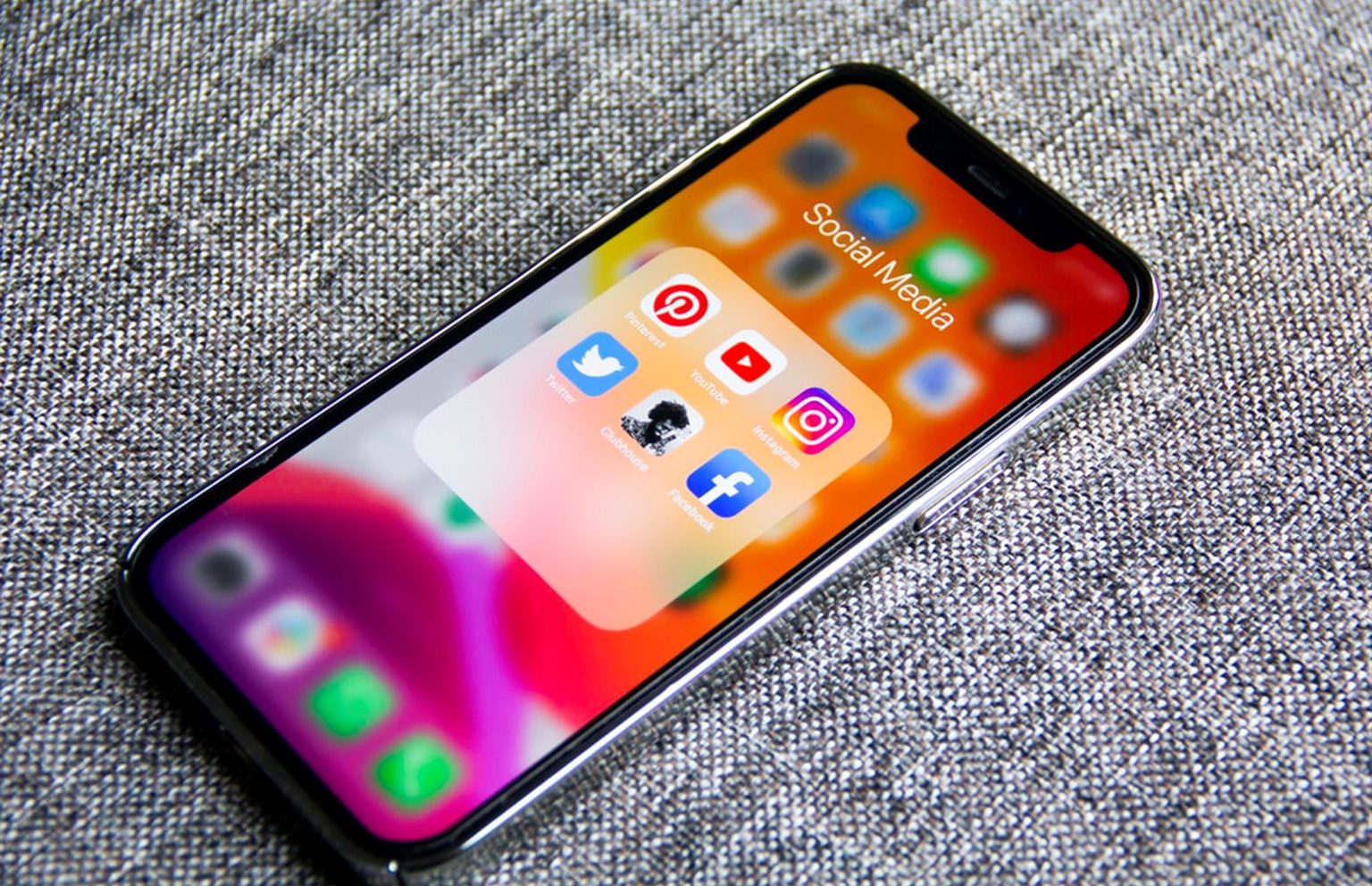

Content Creation and Brand Management for Influencers

Becoming an influencer used to be about posting cute selfies and clever captions. Those days are gone. Today, success demands a deeper mastery: content creation and brand management for influencers. Without these, even the most charismatic creator will struggle to build lasting influence. Followers are no longer passive viewers. They are savvy, critical, and looking for brands — and people — who stand for something. Influencers must treat themselves as brands, with strategies as thoughtful as any Fortune 500 company. If you are serious about building a thriving personal brand, mastering these two disciplines is non-negotiable. Why Content Creation and Brand Management for Influencers Matters Now More Than Ever Standing out is harder than ever. According to a recent report from Statista, there are over 5 billion active social media users. That means attention is fragmented across endless creators, trends, and platforms. Content creation and brand management for influencers isn’t just a nice-to-have. It’s survival. A single viral post without a consistent brand strategy rarely converts into sustainable influence. Take Leah Thomas (@greengirlleah), a sustainability advocate. Every post she shares, sponsored or organic, ties back to her brand promise: environmentalism through an inclusive lens. Her ability to consistently anchor content around her core message ensures both audience loyalty and brand trust. Building a Sustainable Content Creation System Influencers who rely on random inspiration often end up burning out or losing momentum. Building a sustainable content system ensures both consistency and creativity: Monthly Themes: Center content around an idea or cause every month. A fitness influencer, for example, might dedicate June to “Summer Strength,” offering workout tips and recipes. Batch Production Days: Schedule entire days for shooting, editing, and writing. This workflow minimizes decision fatigue and maintains visual consistency across posts. Audience Feedback Loops: Regularly use polls, quizzes, or questions on Instagram Stories to capture real-time feedback. Engaging your audience directly not only guides your content but also deepens trust. Consistency does not mean losing spontaneity; it means creating room for it within a reliable framework. Authentic Brand Development: The Foundation of Influence Branding is far more than a polished Instagram grid. It’s the emotional fingerprint you leave on your followers. To build an authentic brand, ask yourself: What three words should people associate with my name? What recurring values or themes appear in my content? How do I want followers to feel when they engage with me? A notable example is adventure photographer Chris Burkard. His brand centers on exploration, environmental advocacy, and visual storytelling. Every collaboration, whether with outdoor gear companies or travel campaigns, reinforces these themes. Brand management begins with self-awareness and expands through consistent, intentional messaging. Consistency Is the Silent Brand Builder Many influencers mistakenly believe that repetition is boring. In reality, consistency builds trust. Visual Consistency: Select a core palette, editing style, and font that reflect your brand personality. Sudden shifts confuse your audience. Tone Consistency: Whether your voice is educational, funny, bold, or nurturing, maintaining it across captions, videos, and newsletters creates familiarity. When your content feels familiar, audiences are more likely to stop scrolling, engage, and share — even without realizing it. Collaborations That Feel Seamless, Not Forced Brand partnerships are crucial revenue streams. However, mismatched collaborations erode trust faster than any algorithm change. Best practices for collaboration: Prioritize Brand Alignment: Choose partnerships that mirror your mission and values. For instance, a vegan influencer promoting a meat product would immediately alienate their base. Negotiate Creative Freedom: Work with brands that value your voice and allow authentic integration of their product into your content. Well-managed partnerships feel like natural extensions of your storytelling — not interruptions. Rachel Brathen (@yoga_girl) exemplifies this by partnering only with brands that promote wellness, mindfulness, or environmental responsibility. Because the fit is natural, her sponsored posts consistently perform better than generic ads. Common Pitfalls Influencers Face — and How to Avoid Them Even seasoned influencers sometimes falter. Common pitfalls include: Trend-Chasing Without Strategy: Jumping on every viral dance or meme without tying it back to your brand confuses your audience. Over-Promotion: A feed filled exclusively with sponsored content erodes authenticity and damages long-term growth. Ignoring Analytics: Data reveals what resonates. Without it, you’re guessing. Use insights to refine content strategy monthly. Influencers who leverage analytics grow their audiences faster on average than those who don’t. Final Thoughts: Content Creation and Brand Management for Influencers Influencers who master content creation and brand management for influencers position themselves for sustainable, meaningful growth. They don’t chase fleeting trends — they cultivate communities. They don’t sell products — they build trust. Your content is your handshake. Your brand is your reputation. Influencers thriving today aren’t lucky — they’re intentional. They understand that success isn’t given; it’s built, one authentic post, one strategic decision, one genuine connection at a time. With thoughtful content and strong brand management, you won’t just survive the ever-shifting digital marketing landscape. You’ll define it.

Kiki DeVane

Marketing Operations Manager

Kiki started her career wanting to change the world through policy, then discovered that a well-built website could be just as powerful. That pivot led her through event marketing, federal communications, and sponsored content for some of the world’s most recognizable brands. She came out the other side a marketing utility player, skilled across strategy, design, development, and copywriting, allowing her to support client campaigns from the front and behind the scenes.

At Silesky, she’s the connective tissue, keeping projects moving, clients informed, and the team empowered to focus on what they do best. What sets Kiki apart is her ability to move fluidly between the operational and the creative without losing momentum in either direction. Whether she’s architecting a workflow, shaping a campaign, or jumping in on a deliverable, she brings the kind of range that elevates every project and strengthens the team around her.

A systems thinker with a creative soul, Kiki brings order to complexity and a genuine investment in seeing the work land the way it should.

Aizaz UI Hassan

Web Developer & Graphic Designer

Aizaz has been the driving force behind Silesky’s web development for over five years. As both a graphic designer and UI/UX developer, he brings a rare mix of technical precision and creative clarity to every project.

What sets Aizaz apart is his ability to understand and interpret the assignment—no extra hand-holding, just sharp instincts and calm professionalism. When timelines are tight and expectations are high, Aizaz is the teammate you want in your corner.

Creative and detail-oriented, Aizaz builds clean, modern websites that marry style with substance. From intuitive flows to scalable layouts, his work consistently delivers digital experiences that perform as well as they look.

With every project, Aizaz ensures the design feels effortless for users and does the heavy lifting for the brand.

Sue Hilger, MBA

Chief Growth Strategist

As Chief Growth Strategist at Silesky Marketing, Sue plays a key role in expanding the agency’s client base while cultivating long-term partnerships grounded in trust, collaboration, and measurable success. She works closely with organizations to help them meet their business goals—and then go beyond them—through smart, scalable marketing strategies.

With an MBA and deep expertise in both B2B and B2C environments, Sue bridges the gap between strategic planning and hands-on execution. She guides clients through Silesky’s end-to-end process, beginning with in-depth discovery and needs assessments and continuing through branding, messaging, digital advertising, and campaign rollout.

Sue is focused on long-term impact. Many of Silesky’s client relationships span decades, which speaks to her ability to integrate seamlessly, think strategically, and consistently deliver results. For Sue, every engagement is more than a project—it’s a partnership.

Mya Stengel

Content Developer & Video Editor

Mya brings the heart of a storyteller and the precision of a screenwriter to every project. With a background in Hollywood scriptwriting—particularly in the horror genre—she understands how to build intrigue, capture attention, and deliver a message that lands with impact.

A lifelong book lover turned brand storyteller, Mya has a gift for finding each client’s voice and shaping it into something authentic and memorable. Whether she’s writing SEO-driven blog content, editing silent video loops, or cutting together a punchy hero reel, she focuses on what makes a brand distinct and brings it to life with clarity and emotion.

From blog posts to behind-the-scenes edits, plot twists to punchlines, Mya’s work helps brands connect more deeply and tell stories that resonate.

Ashelin Walker

Digital Marketing Strategist

Ashelin is a digital marketing strategist who blends technical know-how with creative insight. At Silesky Marketing, she turns strategy into results—helping clients attract the right leads, connect with their audience, and strengthen their online presence.

She designs high-converting landing pages, launches targeted email campaigns, manages CRM platforms, and creates on-brand video content that performs. From big-picture planning to the freckles of a campaign, Ashelin brings cohesion to the chaos and keeps every piece pulling in the right direction.

What sets Ashelin apart is how seamlessly she connects the tactical to the strategic. She doesn’t just check boxes—she makes sure every effort ladders up to a larger goal. Her work helps clients show up in the right places, with the right message, at the right time.

Susi Silesky

Founder & Brand Architect

As the founder of Silesky Marketing, Susi brings more than 30 years of brand strategy and marketing expertise to the table. Her experience spans ambitious startups, global enterprises, nonprofits, and household-name retailers.

Susi is most energized when she’s helping business owners find their voice, shape their story, and build a brand that reflects their vision and gets the results they deserve.

What sets her apart is her deep understanding of entrepreneurs. She’s built a career not just on strong campaigns, but on building genuine relationships. That blend of empathy and expertise is what makes her work both effective and meaningful.

Susi has led successful marketing initiatives across industries—from healthcare and legal to real estate, B2B tech, and pharma. She’s fluent in French, conversational in Spanish, and skilled at translating complex ideas into clear, compelling brand stories.