

What a Marketing Agency Rebuild Looks Like

From the outside, a five-person agency with a decade of client wins looks like solid ground. The roster was real. Logos built in the late 1990s were still in active use. Campaigns that won local awards were still being referenced by the organizations that commissioned them. Relationships that started with a handshake had turned into multi-year engagements. Silesky Marketing had built something that looked, from every angle, like momentum. Then, in 2006, the agency closed. What followed does not fit neatly into an origin narrative. No pivot announcement came. No press release dressed the closure up as a choice. Instead, the marketing agency rebuild that came next was quiet, unglamorous, and long. Part 2 of this series traced how a single hire and a referral network grew into that five-person operation. This piece covers what happened after the ground gave way, and what Susi Silesky chose to build on top of it. When a Business You Built Stops Five employees is not a number that sounds large. For a boutique agency that launched with no clients, no revenue, and no strategy in April 1996, it represented something significant. Each of those five people had attached their livelihood to work that Susi was generating. By the mid-2000s, the pressure of sustaining that had accumulated in ways that a referral-based, relationship-driven agency without outside funding is not always equipped to absorb. In 2006, the agency closed. No Announcement, No Pivot There was no public statement. No reframe dressed up to make the closure sound like a choice. The business that had grown from a set of letterhead on a front stoop, through a sold piano and eight weeks in Costa Rica, through Jewish nonprofits and bulldog photo shoots and award-winning catering campaigns, stopped. For Susi, the emotional weight of that moment was not abstract. She had built the agency by hand, hired people, sustained relationships, and delivered work that outlasted the clients who commissioned it. Closing was not a strategic reset. It was a loss. The Decision to Keep Working Anyway What she did not do was stop. Between 2009 and 2016, Susi continued working as a freelancer under the name A&M Marketing, a reference to her children, Alex and Mya. The scale was smaller, the budget tighter, and the weight of sustaining the work fell entirely on her while she was also raising her family. She has described this period plainly: “I never really stopped working. I just scaled back and rebuilt smarter.” Scaling back is not the same as giving up. Rebuilding smarter is not the same as starting over. The freelance years were not a gap in the story of Silesky Marketing. They were part of the story where the foundation of what came next was being quietly re-examined, one project and one decision at a time. The Freelance Years Going from a five-person operation to working solo strips away every layer of infrastructure a small agency builds over time. No creative partner to divide the problem with. No team to absorb a difficult client or a chaotic deadline. Just the work, the client relationships, and the discipline to show up for both without anything external holding the structure in place. In the early years, Susi had described her own approach as winging it, building the structure while the work was already in motion. That approach got the agency off the ground, and it also showed its limits when the pressure intensified. The solo years made those limits specific. Strategy first, always, collaboratively with a team she trusted — those three commitments did not come from a curriculum or a consulting engagement. They came from watching what held and what gave way under pressure, then arriving at conclusions the hard way. The freelance period was not comfortable. It was clarifying. What a Rebuild Looks Like From the Inside A rebuild does not look like a relaunch event or a new logo. It looks like a long, quiet period of deciding what to keep and what to leave behind. Susi kept the relationships. The standard for work built to last stayed. So did the instinct for creative decisions that other people had not thought to make yet. What changed was the architecture of how she worked. Less reactive. More deliberate. Grounded in strategy before execution, every time. By the time she was ready to relaunch, she was not trying to return to the agency she had closed. She was building a different one, shaped by everything the first version had cost her. When Silesky Came Back, It Came Back Different In 2016, Susi relaunched the agency. The second iteration shared a name and a founder with the original, but the intention behind every decision had shifted. The first version had grown organically, shaped by whatever the work required in the moment. The second was built from a position of earned understanding, with a clearer sense of the clients she wanted to serve and the kind of work she wanted to do for them. The team that formed around the relaunched agency reflected that shift. Every person brought in was chosen with intention, not assembled out of necessity. The agency that operates today grew directly from those decisions. Silesky Marketing now runs as a fully integrated boutique agency with a small, deliberate team covering strategy, content, social media, design, and web. The structure did not arrive all at once. It was assembled the same way the original agency had been, one relationship and one project at a time, but this time with a clearer blueprint at the center. The Philosophy That Came Out of the Hard Years Susi positions the current agency as the extra seats at the table, close enough to understand a client’s business from the inside, independent enough to see what the people inside it cannot. “Most founders are too close to the fire to see where the smoke is coming from.” That observation did not come from a marketing textbook. A founder who has been in

The Baltimore Marketing Agency Built from a Front Stoop

In April 1996, Susi Silesky became the owner of a marketing agency she did not name, did not plan, and did not ask for. A set of letterhead and business cards appeared on the front stoop of her home. Someone else had designed the logo, chosen the name, and made the decision for her. Most agencies trace their beginnings to a business plan, a financial projection, and a launch date circled on a calendar. This Baltimore marketing agency has a different story—one built on a firing, a trip to Jazz Fest, and a package left on a doorstep. Paris, PR, and the Power of the Unexpected Susi moved to Paris the day after her college graduation as an au pair. She had no clear career direction and no goal beyond perfecting her French. A French relationship changed the timeline. She fell in love. What was meant to be one year abroad soon became four. By spring 1988, she was hired as the American assistant to the CEO of S3C Groupe de Communication Souham, a PR firm in Paris working with major international brands. The client roster included Sara Lee, Gillette, WR Grace, Tiffany & Co., and others. At first, she sat on the sidelines, observing account executives while handling administrative work. Then Sara Lee Corporation asked her to work on their cheesecake campaign. Once she gained direct experience with one client, the rest followed. She spent the next several years working with U.S. brands as the American liaison, building firsthand marketing knowledge at an international level. She returned home in the fall of 1991 with four years of experience nobody had mapped out. From Family Legacy to Community Leadership Back in Baltimore, Susi went straight to work at her father’s company, Quickee Offset, the first short-run printing company in Maryland. From 1991 to 1994, she organized and implemented a rebrand campaign for the 35-year-old printing company, which included a noteworthy billboard touting their work with the Baltimore Orioles. The billboard read: “Our Printing is for the Birds.” In 1994, the family business was sold, and Susi moved into the nonprofit world at the Associated Jewish Community Federation. For two years, she served as the account executive for nearly every agency in the Associated system—overseeing branding, strategy, and collateral. Every organization under the umbrella ran its marketing through the Associated’s internal department, and Susi managed the process. She loved the work. As she puts it, “It may have been my favorite work to date. I truly loved the work, the people, and the mission.” Finding Your Footing When the Ground Shifts The Associated let her go, unexpectedly. In a single moment, the stability she had disappeared. She was devastated. She had loved the job, the organizations, and the work she was doing for every agency in the system. In one moment, all of the stability she had built around the role disappeared. Ink, Paper, and a Prayer: The Surprise That Started it All On the advice of friends, she joined them for a trip to the New Orleans Jazz Fest, returning home with no clearer sense of what came next. Waiting on the front stoop was something unexpected: a complete brand identity. Business letterhead, cards, even a logo—someone had designed it all and named the company without her input. It was April 1996, and the business was called Silesky Marketing. In Susi’s words: “I started my business completely winging the whole thing—exactly what I tell my clients not to do.” She had no revenue, no clients, and no strategy. Just a name, a brand, and a decision she hadn’t made—but chose to run with anyway. The Front Porch That Launched a Legacy Trading Keys for Coastlines: The Pivot That Funded the Future With a company name and no income, Susi needed more than a brand, she needed a market. Her first instinct was bold: help American companies reach the Hispanic community. It made sense on paper. But in practice, there was a problem. After four years of speaking French in Paris, her Spanish had all but disappeared. She had studied it once, yes, but now it sat just out of reach, like a song she almost remembered. If the business was going to work, the language had to come back. So she did what she had already proven she was willing to do: she leapt. It wasn’t a small decision. In fact, it was a big one. It meant leaving the country again, paying her mortgage a month ahead, arranging for someone to care for her two cats, and sitting with the quiet, thrilling fear of stepping away from everything stable. It meant letting go of something she loved: the baby grand Steinway piano she had inherited from her Nana. She sold it, turned memory into motion, and used the money to buy herself eight weeks in Costa Rica. There, life narrowed and deepened all at once. She lived with a local family in Heredia, studied Spanish in the mornings, and spent her days listening, speaking, stumbling, learning. On weekends, she traveled through lush hills and unfamiliar roads, the kind of beauty that reminds you how far you’ve gone from home. It was exhilarating. It was exactly the kind of risk that changes a person. When she returned, she didn’t hesitate. She dove headfirst into Baltimore’s Hispanic community, volunteering, showing up, introducing herself again and again. She placed ads, attended every event she could find, and slowly, connections began to form. A few early clients came through, just enough to suggest she might be onto something. But even then, she could feel it: without deeper roots in Hispanic culture, without time and trust, growth would have its limits. The door had opened, but she was still standing on the outside. The Believers: Carrying the Torch from Old Chapters to New When her initial idea around Hispanic marketing proved harder to sustain, she pivoted, returning to the community she knew best. Gradually, relationships she had built years earlier began to reawaken.

The Psychology of Brand Resonance: Why Customers Stay Loyal to Sub-Optimal Products

Why do buyers choose “sub-optimal” products? You’ve done the work—more features, better reviews, stronger ROI—yet they stay with a competitor that can’t hold a candle to you. This disconnect is rooted in the psychology of brand resonance: why customers stay loyal to sub-optimal products. It isn’t a fluke; it’s a gut-level preference that overrides every spreadsheet you’ve ever built. Most brands fight to be seen, but resonance is what keeps you in the conversation. When a brand strikes an emotional chord, it stops being a choice and becomes a reflex. If you aren’t building that connection into your brand strategy, you are leaving the door wide open for your competitors. What Is Brand Resonance and Why It Breaks the Rules Beyond Recognition Most brands fight to be seen. They spend on ads, pump out content, chase impressions. Visibility matters, but it’s only the starting line. Just because people know you exist doesn’t mean they care. Recognition gets you in the room. Resonance keeps you in the conversation. When a brand strikes an emotional chord, it stops being just a name. It becomes a reflex. A habit. A preference that overrides minor flaws or even bigger competitors. Resonance vs. Product Superiority Think of it like this. Apple doesn’t make the objectively best phone for everyone. But the brand has created a lifestyle, an identity, a sense of belonging. People don’t switch easily—not because they can’t, but because they don’t want to. That’s resonance. Nike built a culture, not just shoes. Patagonia sells values, not jackets. These brands understood early on that features don’t build loyalty. Feelings do. The Psychological Triggers That Anchor Loyalty Identity & Self-Expression We buy what reflects us. Brands that align with how people see themselves—or how they want to be seen—create sticky emotional loyalty. It’s not just about solving a need. It’s about reinforcing who we are. Think about someone who drives a Tesla. Sure, they might like the acceleration or the tech. But a big part of the appeal? It signals innovation, forward-thinking, maybe even a social conscience. Even if another car performs better on paper, that emotional signal can’t be replicated easily. Repetition Breeds Familiarity Our brains trust what they’ve seen before. The more often someone sees your brand show up consistently, the more likely they are to remember and prefer it. This is known as the mere-exposure effect. But here’s the catch: consistency has to be real. If your brand feels different across platforms or your message shifts based on the channel, it weakens trust. Repetition only works when the message stays the same. Storytelling Over Specs People follow stories, not spreadsheets. A narrative binds your brand to an emotion. Specs inform. Stories inspire. One creates a checklist. The other builds a connection. When a brand tells a compelling story, it positions the customer as the hero. And that’s powerful. Because if people feel like your brand helps them express who they are, they’ll choose you—even if someone else offers more. Why Functional Messaging Alone Falls Flat Rational Doesn’t Always Win Marketers love numbers. Performance, ROI, speed, cost savings. But that’s not how most buyers make decisions. They decide based on emotion, then justify it with logic after the fact. You might think you’re selling on features. But your customer might be buying based on how your brand makes them feel. If that emotional signal isn’t clear, no amount of functional proof will close the deal. Brands Are Built on Feel, Not Just Facts From the colors you use to the tone of your copy to the rhythm of your campaigns—these subtle signals shape how your brand is remembered. If everything feels cohesive and distinct, your brand sticks. If it feels scattered or overly tactical, it fades. Buyers don’t always analyze. More often than not, they act based on vibes and intuition. That’s why you need to ensure your personal brand will meet them where they are, and showcase who your business is beyond just the numbers. When Your “Better Product” Is Not Enough Signs You’re Losing to Brand Resonance If your data shows high awareness but low preference, that’s a red flag. If customers engage with your content but still convert with competitors, you’re not lacking information. You’re lacking connection. Another clue? Your messaging is rooted in facts, while your competitor’s message feels like a movement. One talks about what it does. The other talks about what it means. Why You Can’t Out-Feature Your Way In Adding more features won’t help if no one cares. In fact, more complexity can make you harder to understand. People want clarity, not clutter. If your competitor makes them feel seen or understood—even with a weaker product—they win. That emotional clarity can’t be brute-forced with functionality. It has to be felt. Action Steps to Build Resonance Into Your Brand Define What You Emotionally Stand For You know your mission. But what do you feel like to a customer? Confident? Supportive? Rebellious? Trustworthy? Emotion isn’t fluff. It’s positioning. Take a hard look at your brand and ask: if your name disappeared, would people miss what you represent? Build Memory Structures Over Campaigns Campaigns are short-term. Memory is forever. Focus on creating consistent, recognizable signals your audience can’t ignore. That means: A visual identity that shows up the same way, every time A voice that’s distinct and reliable Repeated phrases, promises, or patterns that feel familiar Repetition without coherence is noise. But when everything aligns, it becomes memory. Speak Their Language, Not Yours Drop the industry lingo. Start listening. What phrases do your buyers use when they describe their problems? What metaphors or emotions come up in their reviews? Mirror that. Make your copy feel like it came from their own heads. The more familiar it sounds, the more it resonates. What Silesky Does Differently Strategic Brand Building with Emotional Hooks At Silesky, we don’t just talk branding. We dissect what makes a message stick. We dig past the surface, down to the beliefs, fears, and aspirations your

Inside Silesky Marketing’s New Website

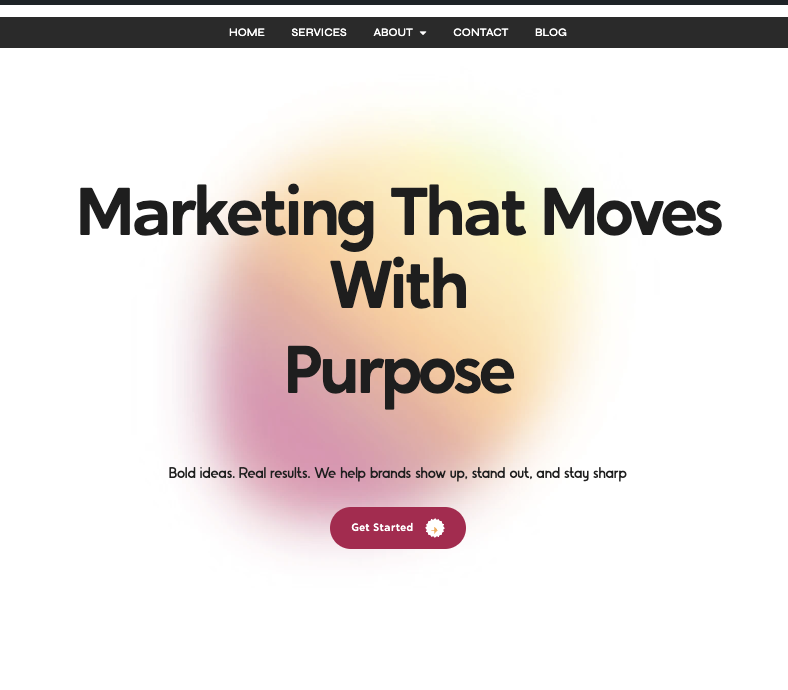
There’s nothing quite like unveiling a new website—especially when it reflects how far we’ve come and how much more we can create for our clients. The Silesky Marketing website is a showcase of the creativity, branding savvy, and heart we pour into every project. Designed to be clear, approachable, and inspiring, it reflects who we are today and the exciting ways we help our clients stand out. Come take a look—you’ll see our personality and passion woven into every page. Homepage: Where Every Visit Begins When visitors land on the homepage, they’re welcomed into the Silesky Marketing experience right away. Bold visuals paired with clean layouts reflect our creative approach, while a dynamic hero banner sets an inviting tone. Clear, organized menus guide guests straight to what matters most, and focused headlines share our brand message without the noise. The design keeps things simple yet personal: Easy navigation for a stress-free experience Friendly calls-to-action that make connecting effortless Subtle color accents and smooth transitions that add a modern, approachable feel Whether someone is exploring services or just getting to know us, the homepage makes sure every journey starts with clarity, comfort, and confidence. Meet Susi: More Than Just a Name on the Door Clients often want to know the person shaping the vision behind the brand. The “About” page provides an honest introduction of Susi Silesky not just as the founder, but as the brand architect of Silesky Marketing. The writing is conversational and approachable, expressing her values and philosophy in a way that feels both personal and professional. On this page, visitors find: An overview of Susi’s marketing background and the principles that guide her work Personal insights that show her dedication to building true client partnerships A design that reflects her thoughtful, hands-on approach to every project With authentic photos and clear storytelling, the page reveals the person behind the brand. Instead of distant professionalism, visitors encounter a genuine leader whose creativity and care are woven into every client experience. What We Do (and How We Make a Difference) A well-structured services page is designed to make it easy for clients to see exactly how Silesky Marketing can help them reach their goals. Each offering is presented with clarity and intention—no jargon, no fluff—just a clear picture of the value we bring. What clients see: Brief, practical explanations of offerings like brand strategy, digital campaigns, and content creation Bullet points that summarize what each service includes and the value it brings Contextual details that help clients find solutions aligned with their needs For those who already know what they want, the page gets straight to the point. For those still exploring, the approachable descriptions offer guidance and confidence—so every client feels supported in finding the right path forward. A Glimpse at Real Results: Stories Behind the Work The portfolio section gives clients a chance to review real outcomes from past work. Instead of long-winded case studies or generic statements, Silesky Marketing’s portfolio relies on concise, meaningful project summaries. Each highlight includes: A snapshot of the client’s challenge and the solution provided A brief overview of the process and outcome Visual cues that make projects easy to scan and understand By sharing these details, the portfolio demonstrates a pattern of success across different industries and marketing needs. Clients get a clear sense of what working with Susi Silesky can achieve. Fresh Takes and Useful Advice: The Blog You’ll Actually Want to Read Silesky Marketing’s blog is designed to offer relevant content for both new and established clients. Posts tackle timely topics, industry changes, and practical marketing advice in a style that’s both readable and actionable. Blog features: Short articles that break down current trends and challenges Practical tips clients can apply to their own marketing efforts Updates and insights from Susi’s professional perspective Bullet points and short paragraphs make it easy for readers to absorb key ideas. The blog serves as both a resource and a conversation starter, ensuring visitors return for new perspectives. Ready to Reach Out? Let’s Make It Simple Reaching out to Silesky Marketing is straightforward. The contact page keeps things simple, making it easy for clients to ask questions or start a conversation without unnecessary barriers. What clients can expect: A user-friendly contact form requesting just the essentials Direct access to phone and email details Social media links and a location map for those seeking alternate ways to connect The responsive design adapts to any device, and every inquiry is treated with care. Clients appreciate knowing their messages are valued and will receive prompt, thoughtful replies. One Site, Many Paths: Why the Experience Feels Effortless Navigation across the website feels natural and seamless. Each page connects logically to the next, supported by gentle prompts and helpful links. Accessibility features ensure all users can interact comfortably with the site. Some notable aspects: Mobile-responsive design and fast load times Consistent branding that builds trust at every touchpoint Integrated accessibility tools for a welcoming experience The site’s design choices don’t just serve aesthetic purposes—they prioritize user needs and create an environment where clients feel supported at every stage. A Fresh Start, Rooted in Relationships Inside Silesky Marketing’s new website, every decision points back to the core of Susi Silesky’s philosophy: building strong client relationships through open communication, smart design, and reliable expertise. Each section, from the homepage to the contact page, reflects a business ready to help clients move forward with confidence. Clients who visit with a clear goal in mind will find answers quickly. Those who are still exploring will feel encouraged to reach out and learn more. The site fosters trust, clarity, and a sense of partnership—qualities that set Silesky Marketing apart in a crowded digital world.

Unlocking Success with a Strategic Marketing Agency Partnership

Partnering with a strategic marketing agency transforms how businesses approach growth, combining tailored strategies with expert collaboration to achieve remarkable results. This partnership bridges the gap between ambitious goals and actionable outcomes, ensuring every marketing effort aligns with your vision. Unlocking success through this approach allows businesses to refine their branding, target the right audiences, and maximize their return on investment. With the right agency by your side, opportunities for growth become more achievable than ever. Understanding the Role of a Strategic Marketing Agency A strategic marketing agency functions as an integral extension of your team, aligning its efforts with your business goals. Unlike traditional agencies, strategic marketing firms provide comprehensive services that combine creativity, precision, and data-driven insights. Core Functions of a Strategic Marketing Agency: Creating audience-specific campaigns that resonate with your target market. Coordinating multi-channel marketing initiatives, including email, social media, and paid ads. Delivering real-time data analysis to enhance decision-making. These agencies tailor their approach to align closely with your objectives, ensuring you stay competitive while focusing on core business operations. With a strong partnership, you’ll consistently stay ahead of market trends and customer demands. Key Benefits of a Marketing Agency Partnership A partnership with a marketing agency offers benefits that go beyond what an in-house team typically provides. With the right agency, your business can amplify its efforts, expand its reach, and achieve meaningful results. Advantages You’ll Gain: Efficiency and Expertise: Agencies provide a range of specialized skills, from content creation to analytics, without the need for costly internal hiring. Access to Advanced Tools: Agencies use sophisticated tools for tracking, automation, and audience insights, allowing precise campaign optimization. Resource Savings: Outsourcing your marketing needs saves time and costs, enabling you to focus on scaling your business. In the hands of a skilled marketing team, these advantages translate into stronger brand loyalty, higher engagement, and sustainable growth. Tailored Marketing Strategies for Unique Business Needs Every business is unique, and its marketing strategies should reflect that individuality. Tailored strategies not only make campaigns more effective but also ensure businesses connect authentically with their audience. Why Customized Strategies Work: Solutions are aligned with industry-specific challenges and market dynamics. Campaigns can address the exact needs and preferences of your target audience. Resources are invested where they create the most value, improving ROI. At Silesky Marketing, we emphasize creating strategies that are as unique as the businesses we serve. By understanding your goals and challenges, we develop campaigns that deliver meaningful results. Building Long-Term Success Through Collaboration Effective collaboration serves as the foundation for a successful marketing partnership. Strategic agencies prioritize transparency, communication, and trust, ensuring their efforts align seamlessly with your vision. Principles of Collaborative Success: Regular Check-ins: Frequent reviews ensure campaigns remain aligned with changing business needs and external factors. Mutual Accountability: Agencies and clients should work together to measure success and refine strategies based on outcomes. Shared Goals: Aligning on objectives fosters a unified approach to achieving business milestones. Silesky Marketing thrives on building genuine partnerships. By fostering trust and delivering consistent results, we ensure long-term growth for every client we serve. Choosing the Right Marketing Agency for Your Business Selecting a marketing agency is a critical step in your business journey. The right agency acts as a partner in achieving your goals, while the wrong one can waste time and resources. Key Steps to Finding the Perfect Fit: Evaluate Their Track Record: Look for case studies and testimonials that reflect their success in your industry. Assess Compatibility: Make sure the agency’s communication style and working methods suit your company culture. Ask Questions: Discuss your specific needs and listen to their approach for tackling your challenges. At Silesky Marketing, we prioritize understanding your unique needs before proposing solutions. This ensures our strategies align with your goals from the start, setting the stage for a productive and rewarding partnership. Conclusion A strategic marketing agency partnership provides the resources, insights, and expertise your business needs to achieve sustainable success. Agencies like Silesky Marketing specialize in crafting tailored strategies, fostering collaboration, and delivering measurable results that help businesses thrive. If you’re ready to amplify your marketing efforts and achieve your goals, let’s work together to transform your vision into reality.

Crafting a Brand Identity That Stands Out in a Crowded Market

Building a brand identity that stands out in a crowded market attracts loyal customers and ensures long-term success. Competing brands constantly seek attention, so your identity must leave a strong, memorable impression. Crafting a Brand Identity That Stands Out in a Crowded Market requires clear visuals, strong values, and consistent messaging. When these elements align, your business can rise above the competition and establish a lasting connection with your audience. What Is Brand Identity and Why Does It Matter? Brand identity includes all the elements that showcase your business to the world, such as visuals, tone, and values. These elements define how audiences perceive your business and interact with it. Visual identity: Your logo, colors, and design create instant recognition and an emotional connection. Tone and voice: Consistent language and personality foster credibility and trust. Core values: Your principles create emotional resonance and loyalty with your audience. A clear brand identity aligns every aspect of your business, from marketing to customer service. Companies with strong identities build trust faster, outpacing competitors in brand recall and customer loyalty. Understanding Your Audience: The First Step Toward Relevance Understanding your audience ensures your brand identity resonates. When you know your customers well, you can meet their needs and reflect their values. Here’s how to begin: Collect data: Use tools like surveys, focus groups, and analytics to gain valuable audience insights. Identify demographics: Pinpoint details such as age, location, and income level. Analyze psychographics: Understand their behaviors, values, and interests. By aligning your brand with your audience’s desires, you increase engagement and loyalty. When customers see themselves reflected in your brand, they feel connected, which deepens trust. Defining Your Brand’s Core Values and Mission Your brand’s mission and values should articulate why your business exists and what it stands for. These elements guide decision-making, attract like-minded customers, and define your identity in the market. To define your mission and values: Ask foundational questions: What problem does your business solve? How do you make a positive impact? Incorporate authenticity: Ensure actions match your stated principles to build trust. Integrate values: Infuse values into every part of your operations, from marketing to customer service. A clear mission gives your audience a reason to choose you. Businesses like Ben & Jerry’s exemplify this by embedding their values into their practices and messaging. Visual Elements That Leave a Lasting Impression Visual branding is a cornerstone of your identity. Your visuals instantly communicate your message, evoking emotions before words come into play. Key considerations include: Logo design: Use timeless, adaptable designs that resonate with your industry and audience. Color choice: Choose colors aligned with your brand’s personality. For example, blue inspires trust, while red evokes energy. Typography: Ensure fonts are legible and match your tone. Consistency is essential. Apply these elements uniformly across websites, social media, and print materials. When done right, your visuals become a powerful recall tool for your brand. Finding and Amplifying Your Brand Voice Your brand voice shapes how customers perceive you. A well-defined voice establishes trust and builds strong relationships with your audience. To amplify your voice: Define tone: Decide if your tone is professional, casual, or humorous, depending on your target audience. Be consistent: Keep your language uniform across emails, ads, and social media. Incorporate storytelling: Share authentic stories that reflect your values and build emotional connections. For instance, brands like Mailchimp have a voice that blends friendliness with expertise. Their approachable tone appeals to businesses of all sizes. Positioning Your Brand in a Competitive Landscape Positioning distinguishes your business from competitors and highlights your unique value. Effective positioning ensures customers understand why your brand is the best choice. Follow these steps to position your brand effectively: Identify differentiators: Highlight features that make you unique, like product quality or exceptional customer service. Showcase your value: Demonstrate how your brand solves specific challenges. Engage directly: Use messaging that speaks to your audience’s priorities. To see strong positioning in action, look at Nike. They focus on innovation and inclusivity, creating an identity that appeals to a broad audience. Creating an Omnichannel Presence for Brand Cohesion Consumers interact with brands across various platforms, from social media to physical stores. Creating a seamless experience across these channels strengthens your identity and keeps customers engaged. Here’s how to achieve cohesion: Unify visuals: Use the same logos, fonts, and colors across all channels. Standardize messaging: Ensure your tone and message remain consistent on every platform. Enhance UX: Focus on user-friendly experiences to make customer interactions smooth and enjoyable. By maintaining cohesion, your brand builds trust and recognition, regardless of where customers encounter it. Measuring the Success of Your Brand Identity Efforts Measuring the effectiveness of your brand identity ensures it stays relevant and impactful. By tracking key performance indicators (KPIs), you can assess progress and make improvements where necessary. Metrics to monitor include: Social engagement: Track likes, comments, and shares to gauge audience connection. Customer retention: Analyze repeat purchases and loyalty program participation. Brand sentiment: Use tools to measure how customers perceive your brand online. Regularly reviewing these metrics keeps your branding efforts aligned with customer expectations and market trends. Adaptability ensures your brand remains competitive over time. Final Thoughts Crafting a strong brand identity ensures your business remains visible, relevant, and memorable in a crowded market. By focusing on visual elements, voice, values, and audience alignment, you create an identity that fosters trust and builds loyalty. At Silesky Marketing, we specialize in creating tailored branding strategies that resonate with your audience and help your business thrive. Reach out today to start building a brand identity that stands out.

John Sindorf

Director of Strategic Alliances

John believes most businesses don’t need more vendors, they need the right strategic partners.

With decades of experience helping small and mid-sized organizations grow, John specializes in connecting business leaders with the expertise they need to overcome challenges, strengthen operations, and scale with confidence. Whether the conversation centers on sales strategy, marketing, AI, or operational efficiency, his focus is always the same: identifying the right solution for the business, not simply adding another service provider.

Known for his relationship-first approach, John builds partnerships rooted in trust, practical guidance, and measurable outcomes. He helps business owners simplify complex decisions, align the right resources, and spend less time managing vendors and more time leading the businesses they’ve worked so hard to build.

Off the clock: You’ll likely find John networking over coffee, strengthening relationships, and proving that the best business opportunities still begin with genuine conversations.

Kiki DeVane

Marketing Operations Manager

Kiki started her career wanting to change the world through policy, then discovered that a well-built website could be just as powerful. That pivot led her through event marketing, federal communications, and sponsored content for some of the world’s most recognizable brands. She came out the other side a marketing utility player, skilled across strategy, design, development, and copywriting, allowing her to support client campaigns from the front and behind the scenes.

At Silesky Marketing, she’s the connective tissue, keeping projects moving, clients informed, and the team empowered to focus on what they do best. What sets Kiki apart is her ability to move fluidly between the operational and the creative without losing momentum in either direction. Whether she’s architecting a workflow, shaping a campaign, or jumping in on a deliverable, she brings the kind of range that elevates every project and strengthens the team around her.

A systems thinker with a creative soul, Kiki brings order to complexity and a genuine investment in seeing the work land the way it should.

Meital Abraham

Market Expansion & Social Media Strategist

Meital is an artist soul with a strong leaning for graphic design. Her love of pulling beautiful things together is evident in everything she touches. She bridges this love of creativity with her understanding of branding for impactful and successful social media posts.

Operating at the intersection of creative expression and business growth, as a Market Expansion & Social Media Strategist, Meital understands a truth many businesses overlook: stagnant growth is rarely a product of a poor offering, but a lack of identity.

Bridging the gap between the “artist within” and the pragmatism of high-level marketing, Meital guides prospects through the high cost of fragmented branding. She transforms inconsistent messaging into a unified visual story, proving that when art and strategy work in tandem, they do more than just look good, they create the authority necessary to capture and dominate market share.

Aizaz UI Hassan

Web Developer & Graphic Designer

Aizaz has been the driving force behind Silesky’s web development for over five years. As both a graphic designer and UI/UX developer, he brings a rare mix of technical precision and creative clarity to every project.

What sets Aizaz apart is his ability to understand and interpret the assignment—no extra hand-holding, just sharp instincts and calm professionalism. When timelines are tight and expectations are high, Aizaz is the teammate you want in your corner.

Creative and detail-oriented, Aizaz builds clean, modern websites that marry style with substance. From intuitive flows to scalable layouts, his work consistently delivers digital experiences that perform as well as they look.

With every project, Aizaz ensures the design feels effortless for users and does the heavy lifting for the brand.

Sue Hilger, MBA

Chief Growth Strategist

As Chief Growth Strategist at Silesky Marketing, Sue plays a key role in expanding the agency’s client base while cultivating long-term partnerships grounded in trust, collaboration, and measurable success. She works closely with organizations to help them meet their business goals—and then go beyond them—through smart, scalable marketing strategies.

With an MBA and deep expertise in both B2B and B2C environments, Sue bridges the gap between strategic planning and hands-on execution. She guides clients through Silesky’s end-to-end process, beginning with in-depth discovery and needs assessments and continuing through branding, messaging, digital advertising, and campaign rollout.

Sue is focused on long-term impact. Many of Silesky’s client relationships span decades, which speaks to her ability to integrate seamlessly, think strategically, and consistently deliver results. For Sue, every engagement is more than a project—it’s a partnership.

Mya Stengel

Content Developer & Video Editor

Mya brings the heart of a storyteller and the precision of a screenwriter to every project. With a background in Hollywood scriptwriting—particularly in the horror genre—she understands how to build intrigue, capture attention, and deliver a message that lands with impact.

A lifelong book lover turned brand storyteller, Mya has a gift for finding each client’s voice and shaping it into something authentic and memorable. Whether she’s writing SEO-driven blog content, editing silent video loops, or cutting together a punchy hero reel, she focuses on what makes a brand distinct and brings it to life with clarity and emotion.

From blog posts to behind-the-scenes edits, plot twists to punchlines, Mya’s work helps brands connect more deeply and tell stories that resonate.

Ashelin Walker

Digital Growth Strategist

Ashelin is a digital marketing strategist who blends technical know-how with creative insight. At Silesky Marketing, she turns strategy into results, helping clients attract the right leads, connect with their audience, and strengthen their online presence.

She designs high-converting landing pages, launches targeted email campaigns, manages CRM platforms, and creates on-brand video content that performs. From big-picture planning to the freckles of a campaign, Ashelin brings cohesion to the chaos and keeps every piece pulling in the right direction.

What sets Ashelin apart is how seamlessly she connects the tactical to the strategic. She doesn’t just check boxes, she makes sure every effort ladders up to a larger goal. Her work helps clients show up in the right places, with the right message, at the right time.

Susi Silesky

Founder & Brand Architect

As the founder of Silesky Marketing, Susi brings more than 30 years of brand strategy and marketing expertise to the table. Her experience spans ambitious startups, global enterprises, nonprofits, and household-name retailers.

Susi is most energized when she’s helping business owners find their voice, shape their story, and build a brand that reflects their vision and gets the results they deserve.

What sets her apart is her deep understanding of entrepreneurs. She’s built a career not just on strong campaigns, but on building genuine relationships. That blend of empathy and expertise is what makes her work both effective and meaningful.

Susi has led successful marketing initiatives across industries—from healthcare and legal to real estate, B2B tech, and pharma. She’s fluent in French, conversational in Spanish, and skilled at translating complex ideas into clear, compelling brand stories.