
The Difference Between a Marketing Agency and a Consultant

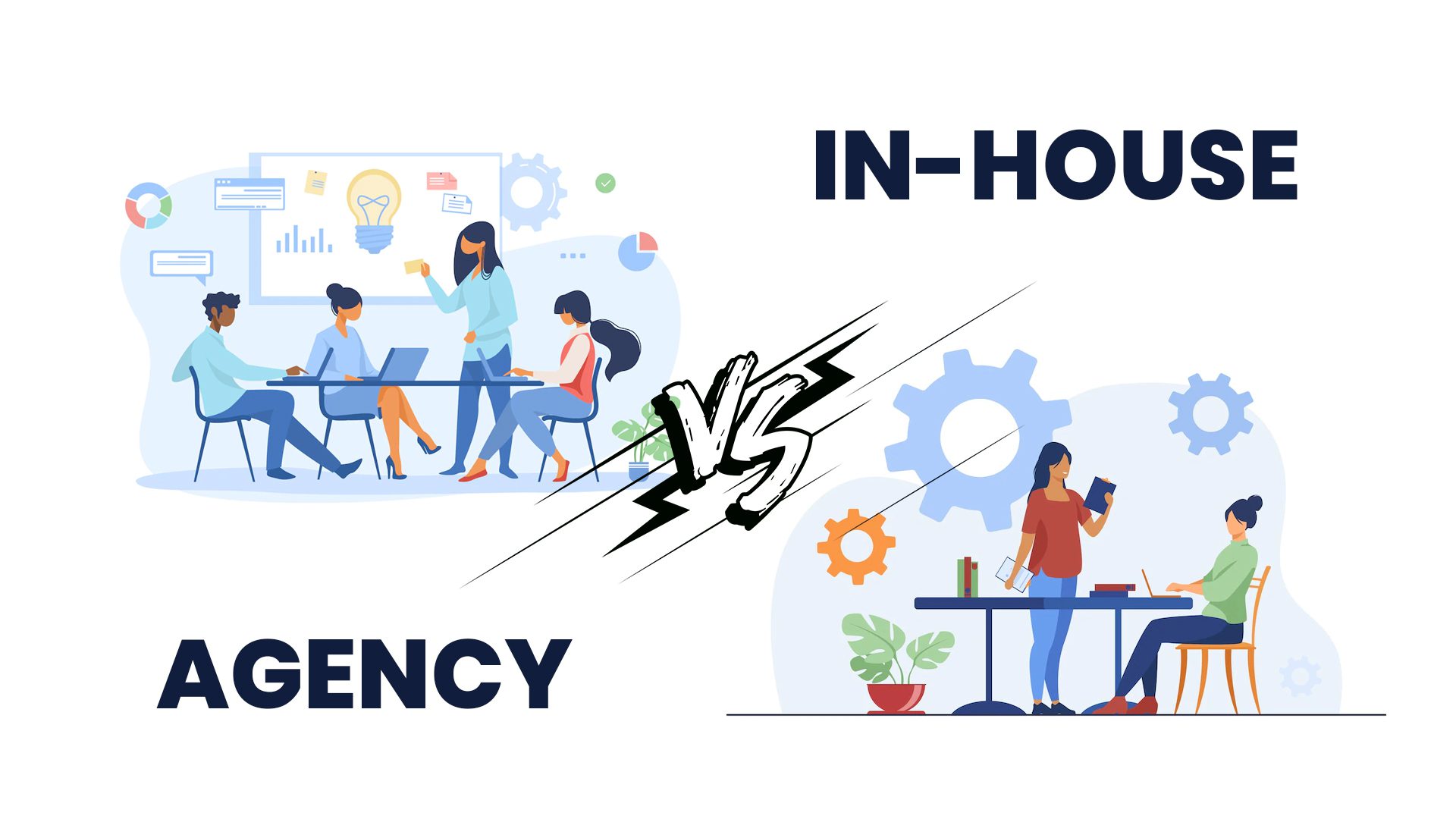
At some point in the past year, someone has probably suggested both. A colleague recommends a consultant; a peer mentions they just hired an agency. Both conversations use the same language (strategy, audience, growth), and both leave you with the impression that the other person solved a problem you also have. The trouble is that a marketing agency vs. a marketing consultant comparison almost never gets a straight answer, because the people recommending each option are often talking past each other without realizing it. They’re not two flavors of the same service. They’re built on different models, deliver different outcomes, and suit different situations. Understanding the actual difference doesn’t require a marketing degree; it requires about five minutes and a clear description of what each model actually does. Two Models, Two Mandates The comparison only works if it treats both models honestly, so that’s where this starts. What a Marketing Strategy Consultant Does A marketing strategy consultant is typically a senior practitioner working independently or through a small firm. Their primary deliverable is direction. They assess where your marketing stands, identify where it’s misaligned with your business goals, and build a plan that addresses the gap. Some consultants stay involved during implementation; most are engaged to diagnose and recommend, not to execute the work themselves. Engagements are often project-based or limited-scope retainers tied to a defined output. The value a consultant brings is expertise at the strategic level and the ability to assess your business from the outside. The model works well when the problem is a thinking problem. What a Full-Service Marketing Agency Does A full-service marketing agency operates across the entire marketing process, from strategy through execution. The team includes specialists in content, design, digital channels, paid media, SEO, and reporting, working in coordination under one roof. Where a consultant hands off a plan, the agency builds the plan and then runs it. Engagements are typically ongoing retainers because marketing that compounds over time depends on sustained, integrated effort rather than a defined deliverable at the end of a contract. The agency owns both the thinking and the doing. At a glance: Marketing Strategy Consultant Full-Service Marketing Agency Core mandate Strategic direction Strategy through execution Who delivers Single practitioner or small firm Cross-functional team of specialists Engagement model Project-based or limited retainer Ongoing retainer What you have at the end A plan A plan, actively running Why Business Owners Search for This Comparison in the First Place Searches like this rarely come from curiosity; they come from a decision that’s currently on the table. What a Growing Business Needs from Marketing Support A business in the $500K–$10M range typically isn’t asking whether to do marketing. The question is why the marketing already in place isn’t producing results that connect to revenue. The problem often isn’t a missing tactic. It’s a collection of disconnected tactics (different vendors, different strategies, different definitions of what “working” means) that aren’t building toward anything. Random acts of marketing are easy to accumulate and surprisingly hard to stop, especially when the alternative isn’t clear. What this audience needs isn’t just a strategy document. They need a partner who can determine what the strategy should be and then carry it out consistently across every channel. The thinking and the doing need to come from the same place, because the gap between them is where execution falls apart. Why the Answer Is Rarely Strategy Advice Alone A well-crafted marketing strategy is genuinely valuable, giving a business a clear direction, a defined audience, and a set of priorities instead of a pile of options. But a strategy document is not a marketing program; it describes what should happen without making anything happen. When the consultant engagement ends, the business ends up holding a plan, and the gap between that strategy and its execution becomes the owner’s responsibility to fill. That’s not a criticism of the model. It’s an accurate description of what the model can and can’t do. Where the Differences Matter for Your Business The practical difference between these two models shows up the moment the strategy ends. What a Consultant’s Model Leaves Undone A strategy consultant’s engagement typically concludes at the beginning of the execution phase, not the end of it. The plan exists, but the work it prescribes hasn’t started. That leaves the business owner responsible for sourcing execution separately: content writers, designers, SEO specialists, paid media managers, and whoever is going to own the reporting. Each of those relationships requires time to establish, requires briefing, and adds coordination overhead that accumulates quickly. A strategy that identified five priorities means five independent execution paths running in parallel, each with its own vendor relationship and its own definition of what success looks like. What You’re Actually Buying Marketing Strategy Consultant Full-Service Marketing Agency Who does the work You source and manage vendors separately One internal team, coordinated across channels What’s delivered at the end A strategic plan or roadmap Ongoing execution with built-in reporting Who handles execution External vendors, you contract independently The agency, across all active channels How performance is tracked Dependent on how you structure vendor accountability Unified reporting across the full marketing program What happens when the plan needs to adapt Typically, a new scope or engagement Adjustment within the ongoing relationship A strategy is worth exactly as much as the execution it enables. Without that execution infrastructure in place, the strategy document sits. What a Full-Service Agency Provides Across the Marketing Process The structural advantage of a full-service agency isn’t convenience; it’s that strategy and execution are designed together by the same team, with no handoff. When the people writing the plan are also running the campaigns and reviewing the reporting each month, the strategy stays connected to what’s actually happening. Adjustments don’t require a new engagement or a new scope; they’re part of how the ongoing relationship works. That’s what separates the agency model in practice: ownership of the execution itself, across every active channel. Content production and publishing,

Marketing CRM vs Sales CRM: The Budget Mistake That Stalls Growth

CRM systems were sold as solutions to complexity. Many teams bought in expecting better visibility, tighter operations, and higher close rates. Instead, they got software no one fully uses, fragmented workflows, and reports that don’t reflect actual performance. This happens because leaders often treat “CRM” as a single category. The marketing CRM vs sales CRM distinction matters more than most realize. When those roles blur, strategy breaks and so does your budget. What a CRM Is Supposed to Do CRM stands for customer relationship management. The definition means little unless the system supports your specific revenue path. CRMs should help your team track interactions and behaviors, automate consistent messaging, and surface useful data at the right time. The problem isn’t the label itself but the function. Marketing and sales teams have different goals, and their systems should reflect those differences. What Is a Marketing CRM? Marketing CRMs help your team build and measure engagement over time. They support volume and timing, not deals and deadlines. Marketing teams use these systems to segment and manage contact lists, automate email campaigns and workflows, track behavioral signals and engagement, and score and qualify leads for handoff to sales. The best setups connect campaign activity to revenue attribution. Without this connection, marketers are guessing which efforts actually produce pipeline and which just consume budget. Where Marketing CRMs Add Value Marketing CRMs excel at managing thousands of contacts simultaneously. A sales rep handles dozens of active opportunities at once. A marketing team manages thousands of prospects at various stages of awareness and interest. Marketing automation tracks website visits, email opens, content downloads, and event attendance. These signals indicate interest levels before anyone talks to sales. A marketing CRM scores these behaviors and surfaces the warmest prospects for direct outreach. Campaign management features let marketing teams launch, track, and optimize nurture sequences. Drip campaigns run automatically based on triggers like form submissions or page visits. This consistency keeps prospects engaged without requiring manual follow-up from your team. What Is a Sales CRM? Sales CRMs manage pipelines and track deals from first conversation to close. Sales teams use these systems to log activity and communication history, set follow-up reminders, organize contacts by deal stage, and forecast revenue based on stage and probability. A good sales CRM helps reps see their priorities clearly. If your system adds friction, your team will abandon the tool and your reports fall apart. Where Sales CRMs Add Value Sales CRMs focus on deal progression through defined stages. Each opportunity moves from qualification to proposal to negotiation to close. Reps see exactly where each deal stands and what action moves it forward. Activity tracking shows rep performance and identifies bottlenecks. How many calls did each rep make this week? How long do deals typically sit in proposal stage? Which reps close at higher rates? Sales CRMs answer these questions with data instead of guesswork. Pipeline forecasting projects revenue based on deal stage and historical close rates. If you know that 30% of proposals turn into closed deals, you forecast accordingly. This visibility helps leadership make hiring decisions, set realistic targets, and allocate resources appropriately. Where CRM Spend Goes Wrong Wasted budget rarely looks dramatic. It creeps in through confusion and compromise. Many companies stack multiple tools with overlapping features. Some try to use one platform for everything without configuring it properly. Others buy based on price rather than purpose. Problems follow. Tools compete instead of complementing each other. Data gets duplicated or lost between systems. Teams use different definitions of success and argue about attribution. When teams fight over attribution, sales productivity drops. When dashboards contradict each other, trust disappears. Every one of these symptoms drains money from strategy and puts it into software maintenance and internal conflict resolution. Common Budget Drains Duplicate Tools: You pay for HubSpot’s marketing features and Salesforce’s sales platform, then discover both teams only use half the features. The overlap costs thousands annually while neither team gets full value from their primary tool. Underutilized Features: Your team uses 20% of your CRM’s capabilities because no one trained them properly or the features don’t match your actual workflow. You’re paying for enterprise functionality while operating at starter level efficiency. Integration Failures: Marketing and sales systems don’t sync properly. Leads get lost during handoff. Attribution becomes impossible because data lives in separate silos. You spend hours manually reconciling reports that should generate automatically. Customization Chaos: Someone customized your CRM heavily to match your process. Now updates break things, new hires need weeks of training, and migrating to a better system feels impossible because of sunk costs. Which CRM Fits Your Strategy? Before choosing any tool, answer three questions. #1. What Is Your Primary Need? If your team struggles to track lead behavior or run consistent campaigns, you need marketing CRM functions. Focus on platforms with strong automation, segmentation, and behavioral tracking. If your challenge is closing deals or managing pipelines, sales CRM features come first. Prioritize platforms with clear deal stages, activity logging, and forecasting tools. Most growing businesses need both functions eventually. The question becomes whether you implement them in one platform or two specialized systems. #2. Where Does Your Process Break Down? Look at your actual handoffs and map them out. Do leads go cold after content engagement? Are reps missing follow-ups? Do sales complain about lead quality while marketing insists they’re sending qualified prospects? The weak spot defines your priority. If leads disappear between marketing qualification and sales outreach, fix the handoff process first. No CRM solves broken processes, but the right one makes good processes more efficient. #3. Do Your Teams Agree on the Data That Matters? If not, no CRM fixes the problem. Without shared terms and goals, even the best tool causes friction. Marketing and sales must agree on what constitutes a qualified lead. They need shared definitions for deal stages, activity types, and success metrics. Document these agreements before shopping for software. When teams align on definitions, CRM selection becomes simpler. You

Best-of-Breed Marketing Tools: How to Scale Without Losing Momentum

You signed up for the platform because the sales demo promised simplicity. One login, one dashboard, one monthly bill. Six months later, your email automations miss half their triggers, your analytics dashboard shows traffic but not conversions, and your content calendar lives in a separate spreadsheet because the built-in planner feels like punishment. The promise of convenience turned into a stack of workarounds. Scaling your marketing in 2026 means recognizing the advantage of best-of-breed tools instead of forcing growth through platforms designed to do everything poorly. The alternative looks different. Specialized tools working together, each excelling at one critical function. Email platforms nail automation sequences. Analytics tools track attribution across every touchpoint. CRMs update in real time without manual exports. Each piece serves a purpose, and together they move faster than any monolith ever could. What follows is not theory. This is what teams building momentum in 2026 are already doing. Why All in One Platforms Slow Growth Instead of Supporting It All-in-one platforms entered the market with a seductive pitch. Consolidate everything, eliminate integration headaches, simplify vendor management. Marketing teams, already stretched thin, bought in. The reality arrived slower than the sales cycle. The Hidden Cost of Convenience Convenience sounds valuable until you measure what you traded for it. All-in-one platforms deliver mediocre functionality across every feature because no single vendor excels at email automation, web analytics, social management, content production, and CRM simultaneously. Email tools inside the platform lack the segmentation depth of dedicated automation systems. Analytics miss conversion attribution because the tracking was not built for journeys spanning multiple touchpoints. Content calendars feel clunky because the team building the CRM added the feature as an afterthought. According to Gartner research, 68% of marketing leaders report their current tech stack is too complex to deliver seamless execution. The complexity comes not from having multiple tools, but from platforms trying to be everything rather than excelling at one thing. When Everything Does a Little, Nothing Does Enough Marketing demands depth in specific areas. Automation precision nurtures leads through sequences spanning multiple steps. Data accuracy attributes revenue to campaigns. Content management flexibility publishes across channels without reformatting everything manually. One platform rarely excels at all three. The result is teams spending hours compensating for weak features. Teams end up: Exporting data to analyze properly elsewhere Rebuilding automations because platform limitations prevent the logic they need Maintaining shadow systems in spreadsheets because the official tools fall short This is not scaling. This is treading water with expensive software. What Best of Breed Means for Marketing Teams Best of breed is not a buzzword borrowed from enterprise software. The concept is straightforward. Choose tools excelling at one function instead of platforms claiming to handle everything. Choosing Specialists Over Generalists In marketing terms, this means separate platforms for distinct functions. ActiveCampaign runs your automation sequences. Google Analytics 4 tracks user behavior and conversions. A dedicated content management system handles publishing workflows. Each tool was built by a team focused on solving one problem exceptionally well. The contrast becomes obvious when you compare feature depth. A specialized email platform offers conditional logic, dynamic content, predictive sending times, and granular segmentation. An email feature inside a general platform offers basic sends and minimal personalization. The difference shows up in the results. Teams using specialized automation platforms report 30% higher open rates and 45% better conversion from nurture sequences compared to teams using bundled email features inside all-in-one systems. The Integration Reality The objection arrives predictably. Will not multiple tools create chaos? Data gets trapped in silos, right? Integration becomes a full-time job, does it not? Modern APIs and connector platforms solved this years ago. Tools like Zapier, Make, and native integrations allow data to flow between systems without manual intervention. When a lead fills out a form on your website, the information populates your CRM, triggers an automation sequence in your email platform, and updates your analytics dashboard. No exports, no manual entry, no lag time. ActiveCampaign alone integrates with over 870 applications. The platforms built for best-of-breed environments prioritize interoperability because their customers succeed through connections, not isolation. Building Your Stack Around Outcomes, Not Features The mistake most teams make is choosing tools based on feature lists. Long lists sound impressive in procurement meetings but mean nothing if the features do not drive your specific outcomes. Start with what you need to achieve: Convert 30% more leads from webinar attendees Reduce customer acquisition cost by tracking attribution accurately Publish content across three channels without duplicating work Segment audiences based on behavior, not demographics alone Match tools to those goals. If accurate attribution is critical, invest in analytics built for tracking spanning multiple touches. If automation sequences need complex conditional logic, choose a platform designed for depth. Features matter only when they serve measurable outcomes. Is Best of Breed Only for Enterprise Teams With Big Budgets? No. Best of breed scales down as effectively as up. The assumption that specialized tools cost more than all-in-one platforms falls apart under scrutiny. Small teams often pay for bundled features they never use. Enterprise pricing tiers force upgrades for one capability when nine others sit idle. Best of breed lets you pay for what you use. Start with three core tools and add as you grow. A regional B2B services firm running on a $4,000 monthly marketing budget built its stack with: ActiveCampaign for email automation at $229/month Google Analytics 4 for free A content management system at $99/month Zapier for integration at $49/month Total spend was $377/month for tools, leading each category. Their previous all-in-one platform cost $599/month and delivered worse performance across every function. They reallocated the savings to paid media and saw lead volume increase by 41% in four months. Budget size does not determine whether best of breed works. Strategic thinking does. The smallest teams benefit from specialized tools when those tools match their specific workflow and outcomes. A three-person marketing department gains as much from purpose-built automation as a 30-person team, often

Too Many Vendors Are Slowing Your Marketing Down

You can feel it, even if you haven’t named it yet. Meetings drag on. Reports don’t line up. Deadlines slip because someone’s still “waiting on data.” You’re not short on ideas or even effort. But you are running into a wall, and that wall is shaped like a bloated stack of tools and partners. It’s not your strategy that’s stuck. It’s that too many vendors are slowing your marketing down, and they’re doing it in ways that don’t show up in a dashboard. Maybe it started with a smart outsourcing decision. Then came a niche tool to fill a gap. Before long, your stack looks like a group project gone rogue. Everyone is working hard. No one is working together. When the Stack Builds Itself, It Builds Inefficiency Most stacks grow by default, not by design. A platform gets added to fix a small gap. Then another. A vendor brings in their preferred tool. Your team signs up for something that promises automation but adds friction instead. Eventually, you’re running a dozen systems that solve yesterday’s problems without supporting today’s priorities. A regional financial services firm we worked with was juggling six tools for customer acquisition and four separate agency contracts. They weren’t underperforming—they were just slow. After a full audit, they cut half the stack, moved reporting in-house, and put strategy under a single lead. Campaign velocity tripled in six months. Results didn’t improve because they added something. They improved because they stopped tripping over everything else. Agencies That Don’t Share Strategy Slow Down Growth Hiring specialists can feel like a win—until you realize no one’s using the same playbook. Your SEO agency is heads down on traffic. The paid team is chasing lead volume. Meanwhile, your email partner is planning nurture flows for a segment that’s no longer even active. This isn’t about talent. It’s about coordination. Vendors often pull in directions that make perfect sense in isolation. But when their work isn’t aligned to shared goals, even high-quality execution turns into missed opportunity. Marketing should move like a relay, not a collection of solo sprints. If vendors aren’t working together, your campaigns won’t land together. What you need isn’t more strategies. It’s a shared scoreboard—and partners who know how their work drives it forward. Tool Sprawl Eats Time Faster Than Budget Every tool promises to save time. But each one adds a new login, another training session, another update cycle. The hidden cost isn’t subscription fees—it’s attention. Switching between ten dashboards a day doesn’t just wear out your team. It slows them down. Gartner reported that nearly two-thirds of marketing leaders believe their current stack is too complex to deliver seamless execution. That’s not a technical issue. That’s a design flaw. Complexity doesn’t create speed. It erodes it. Every new tool should pay for itself in time saved, decisions improved, or results delivered. If it doesn’t, it’s baggage. New Tools, Old Problems You won’t fix fractured workflows by layering more software on top. Without consistent ownership, even the best tools create new problems. You spend weeks onboarding, porting over data, syncing systems—only to discover that the team still isn’t aligned. Marketing builds momentum the same way investing does: through consistency. If your stack resets every quarter, you’re not gaining speed—you’re rebooting your foundation. Shared Responsibility Dilutes Results When five vendors “own performance,” no one owns the outcome. Campaigns fall flat, and the debrief turns into a game of pass-the-blame. The creative team points at the data team. The paid team blames targeting. Everyone has a reason. No one has the result. You don’t fix this by assigning more owners. You fix it by creating one. A single point of strategic ownership cuts down on confusion and forces every contributor to align behind measurable, shared goals. When Management Becomes the Job, Strategy Gets Lost The deeper you get into vendor sprawl, the less time you spend leading strategy. You’re reconciling reports, tracking invoices, coordinating standups, and mediating miscommunications. You stop steering and start herding. At that point, you’re not running a marketing function. You’re running a ticket system with a longer queue each week. How to Simplify Without Losing Impact Simplifying doesn’t mean settling. It means building around clarity. Start with a full audit of your tools and partners. For each, ask: What outcome does this directly support? Can it integrate with our reporting source of truth? Is there feature or role redundancy? Does this partner collaborate well? Are we making decisions faster with it? Then take action: Reduce overlap. Drop tools that duplicate functionality. Centralize strategy under one accountable leader. Align all vendors to shared campaign KPIs. Use tools that connect cleanly with each other. Limit reporting to one unified dashboard. One national e-commerce retailer cut its vendor list by 40%, reducing tool count from 15 to 8. The result? More campaigns shipped per quarter, fewer revisions, and a 22% boost in customer lifetime value. The Upside of Less The biggest gain from consolidation isn’t tidiness. It’s traction. A leaner, more focused vendor model gives your team faster cycles, clearer ownership, and sharper insight into what’s working. Meetings shrink. Reporting gets simpler. Spend becomes easier to control. Most importantly, your team gets to spend more time doing the work, not narrating it. That’s the difference between a busy calendar and actual momentum. You don’t need more options or another round of tools. You need fewer, better-aligned partners working from the same plan and measured by the same results. Start there—and marketing starts to move the way it should. FAQs What’s the clearest sign that I have too many vendors or tools?When your team spends more time aligning platforms or chasing updates than producing campaigns, you’re past the tipping point. Will cutting vendors hurt performance?Only if you cut blindly, start by auditing performance impact. Keep what drives measurable results, and consolidate where possible. How do I keep reporting consistently?Designate a single source of truth. Ensure all tools feed into it, and review dashboards weekly for clarity and

How to Choose the Right Marketing Agency for Your Business

Imagine stepping into 2025’s competitive market landscape, where AI-driven personalization and local relevance define brand success. Choosing the right marketing agency in 2025 isn’t just about finding a service provider—it’s about choosing a business partner who can navigate complexity and drive sustainable growth. Standing at this crossroads, businesses must be sharper than ever. With countless agencies promising overnight success, how do you filter out the noise and find a team that truly fits your goals? Why Choosing the Right Marketing Agency in 2025 Is a Game-Changer Today’s customer expects brands to understand not just their needs but their values. Choosing a local marketing agency familiar with these dynamics becomes crucial. In 2025, marketing is no longer about shouting louder; it’s about speaking smarter, using data-driven insights, tailored experiences, and authentic storytelling. Having a nearby partner provides businesses a front-row seat to local market shifts while staying aligned with broader consumer trends. Beyond Proximity: What to Prioritize While local access offers convenience, effective strategy matters more. Focus on: Specialized expertise in your industry. Strategic clarity beyond surface-level goals. Proof of performance through detailed case studies and metrics. Choosing the right marketing agency in 2025 means finding a partner that understands the nuances of your market and can tailor solutions that resonate. Spot Red Flags Early: Signs the Agency Isn’t the Right Fit Location alone doesn’t guarantee a good match. Watch for these warning signs: Generic, pre-packaged marketing pitches. Promises without clear KPIs or timelines. Communication breakdowns or slow responses. Choosing a proactive, consultative agency is essential for long-term success. Customization: The New Gold Standard One-size-fits-all strategies no longer yield results in 2025. Exceptional agencies: Tailor messaging to specific audience behaviors. Adapt strategies as your business lifecycle evolves. Align content, SEO, and outreach around customized buyer journeys. Effective marketing today thrives on flexibility and personalization, not templates. The Strategic Advantage of Local Knowledge Having the Marketing Agency be near me offers significant tactical benefits: Regional messaging that resonates with local preferences. Established connections with media outlets, influencers, and event organizers. Faster recognition and adaptation to micro-trends within the community. A strong local understanding enhances both regional and national marketing campaigns. Data, AI, and Technology: A Non-Negotiable Marketing in 2025 demands data-driven decision-making. When evaluating agencies, inquire about: Analytics tools and CRM platforms they use. How AI and machine learning enhance segmentation and targeting. Their ability to optimize campaigns in real-time based on data. Agencies relying solely on instinct without technological backing will quickly fall behind. Choosing a Team That Listens and Communicates Strong partnerships are built on transparent and consistent communication. Look for: Clear documentation of deliverables and KPIs. Regular strategy check-ins and reporting. Agile responsiveness to shifts in your marketing needs. A good agency will make collaboration seamless and decision-making quicker. Real-World Takeaway: What Businesses Are Prioritizing in 2025 Recent industry surveys indicate businesses are prioritizing results, responsiveness, and innovation when evaluating agency relationships. According to Clutch’s 2025 Agency Selection Report, businesses cited lack of measurable results (78%), poor responsiveness (63%), and failure to innovate (59%) as the top reasons for switching agencies. Choosing the right marketing agency in 2025 is not just an operational decision; it’s a strategic investment in your company’s future. Choosing the Right Marketing Agency Shapes the Future of Your Business The stakes have never been higher—and the potential rewards never greater—for companies that align with the right marketing partner. In 2025, choosing the right marketing agency could mean the difference between incremental progress and exponential growth. Approach your decision thoughtfully, prioritize expertise over proximity alone, and remember: in a world moving at digital speed, the right agency will help you not just keep up, but lead.

How to Choose the Right Marketing Agency for Your Business

What happens when ambition pairs with the wrong partner? Ideas stall, metrics flatten, and your brand voice gets lost in translation. It’s not a lack of drive—it’s a misalignment in execution. Choosing a marketing agency isn’t just about credentials or creative flair. It’s about fit—strategic, cultural, and operational. The right agency becomes an extension of your team, not just a service provider. They make complex problems feel manageable and long-term growth feel possible. If you’re wondering how to choose the right marketing agency for your business, here’s where to focus—not on hype, but on what truly matters for long-term success. Think Beyond the Portfolio Portfolios can mislead. Big-name clients and glossy visuals don’t always equal a high-performing agency. You’re not buying past work—you’re investing in how well an agency understands your goals. A portfolio might show what an agency has done, but not how they did it—or if it delivered ROI. Instead, evaluate: Industry relevance: Have they tackled challenges in your market? Project context: Were those impressive results achieved on a lean budget or with full enterprise support? Problem-solving: Ask about a campaign that underperformed and what they learned from it. One manufacturing startup chose an agency based on their work with fashion brands. The visuals were strong, but conversions? Practically zero. The audience mismatch was never addressed. Your business deserves more than recycled ideas. Focus on how adaptable the agency is to your world. Let Strategy Drive the Engagement An ad campaign without strategy is like building a house without a blueprint—it might look good, but it won’t last. Strong agencies begin with questions, not pitches. They want to understand your customer lifecycle, sales pipeline, and internal constraints before suggesting solutions. Signs of a strategy-first agency: They ask about your customer acquisition cost and lifetime value They review your analytics before discussing deliverables They align every tactic to measurable business goals Let’s say your organic traffic is solid, but conversions lag. A strategy-first agency won’t just boost traffic—they’ll dig into your funnel, evaluate CTAs, and explore A/B testing. That’s where the value is. Agencies that don’t invest time upfront usually struggle to deliver long-term impact. The best ones won’t even suggest channels until they fully understand your ecosystem. Transparency Is a Non-Negotiable In the age of dashboards and data, opacity is a red flag. If you’re only hearing about impressions and clicks, but never about revenue or conversion cost, you’re missing the full picture. A trustworthy agency provides: Access to real-time dashboards Regular check-ins with actionable insights Honest conversations—even when performance dips A retail brand once shared how their former agency presented “engagement spikes” as wins. But sales were flat, and bounce rates had increased. It took an internal audit to uncover the disconnect. A better approach? Agencies that walk you through the funnel—from top-of-funnel awareness to bottom-line ROI. They’ll share the wins and the learnings, not just the highlights. Because real growth happens when you understand the why behind the numbers—not just the “what.” Chemistry Isn’t Optional—It’s Strategic You’re not hiring robots—you’re building a relationship. And chemistry matters. The right agency will challenge you, listen closely, and adapt. The wrong one will just try to sell you. Think about: Meeting energy: Are conversations energizing or exhausting? Collaboration: Do they ask smart follow-ups or jump to solutions? Communication style: Can you speak openly, or do you feel “managed”? One founder described switching agencies simply because it felt like they were “presented to” rather than involved. That kind of one-sided dynamic slows decision-making and kills momentum. On the flip side, agencies that treat you like a partner—who welcome your input, push your thinking, and respond fast—will make you feel confident even when campaigns hit turbulence. It’s not about being friendly. It’s about mutual respect, shared ownership, and seamless dialogue. Avoid the One-Size-Fits-All Trap You’ve seen them—those tidy little packages labeled Gold, Silver, and Platinum. They look clean, easy to understand, and honestly? Kind of tempting. But here’s the thing: business growth isn’t that predictable. And marketing definitely isn’t a one-size-fits-all deal. A local law firm trying to dominate search results in one city? They’ll need hyper-local SEO, not a broad content strategy. A SaaS startup breaking into a crowded space? They might need a deep thought leadership campaign to gain trust. When agencies push cookie-cutter plans without understanding your business, it shows—usually in weak results and wasted budget. One B2B logistics company we spoke to was sold a social media package… but their audience wasn’t even active on those channels. Their real buyers were reading industry journals and attending trade shows. Six months later, they had to rebuild their entire strategy from scratch. That’s the danger of generic solutions. The best results come from plans shaped around you—your buyers, your budget, your goals. And that’s exactly how Silesky Marketing works—with strategies built from the ground up, tailored to how your business actually grows.

Small Business Marketing Strategies for Long Term Growth

Small business marketing strategies for long-term growth focus on branding, digital presence, and customer retention to create a thriving, sustainable business The Smart Approach to Small Business Growth Most small businesses don’t fail due to poor products or a lack of passion. They fail because they lack a sustainable marketing strategy. Early growth might come from personal referrals or social media buzz, but as competition increases, businesses without a long-term plan plateau or decline. Scaling a business isn’t about following every marketing trend or increasing ad spend—it’s about building a strategy that fosters steady, predictable growth. The key is to understand your audience, position your brand effectively, and implement marketing tactics that continuously generate value. If your goal is long-term success, here’s how to build a strong foundation for sustained business growth. 1. Build a Brand That Stands the Test of Time Your brand isn’t just a logo or a slogan. It’s the perception customers have of your business, shaped by every interaction they have with you. A strong brand builds trust, creates recognition, and sets you apart from competitors. Branding Strategies for Lasting Impact: Develop a Clear Brand Identity: Define what makes your business unique. If you can’t summarize your brand’s value in one sentence, refine your message. Maintain Consistency Across Channels: Every customer touchpoint—from your website to social media—should reflect the same voice, values, and visual identity. Create an Emotional Connection: Businesses that evoke emotions, whether through storytelling or customer engagement, build deeper relationships and lasting loyalty. Example:Apple’s branding isn’t just about sleek product design. It represents innovation, simplicity, and premium quality. Small businesses can apply the same principle by crafting a brand story that highlights their values, mission, and the unique experience they offer. 2. Leverage Digital Marketing for Sustainable Growth A strong online presence is essential, but many small businesses struggle with digital marketing because they lack a strategy. Instead of spreading resources thin, focus on high-impact tactics that generate long-term results. Essential Digital Marketing Strategies: SEO & Content Marketing: Ranking on Google drives organic traffic. Regularly publishing valuable blog content, optimizing service pages, and improving local SEO can increase visibility. Email Marketing for Customer Retention: A well-segmented email list nurtures relationships and encourages repeat sales through targeted offers and personalized content. Social Media with Purpose: Choose platforms where your audience is active and optimize content for engagement rather than just posting for visibility. Example:A boutique bakery benefits more from Instagram (a visual platform) than LinkedIn. Conversely, a business consultant sees more traction by building thought leadership on LinkedIn rather than posting on Instagram or TikTok. 3. Prioritize Customer Retention Over Constant Acquisition Acquiring new customers is important, but keeping them is even more valuable. Studies show that retaining existing customers costs significantly less than acquiring new ones. A strong customer retention strategy ensures repeat business and fosters brand loyalty. Retention Strategies That Drive Growth: Loyalty Programs: Offer discounts, early access, or exclusive perks for repeat customers to encourage long-term relationships. Personalized Follow-Ups: Send post-purchase emails with exclusive offers or surveys to keep customers engaged. Exceptional Customer Experience: Go beyond fixing problems—offer proactive support and personal touches that make customers feel valued. Example:Amazon Prime keeps customers engaged through free shipping, exclusive deals, and fast service. While small businesses can’t replicate this at scale, they can create exclusive perks for repeat buyers, such as VIP discounts or early product access. 4. Strengthen Your Local and Community-Based Marketing Small businesses thrive when they connect with their communities. Competing on a national scale is difficult, but building strong local relationships creates a loyal customer base. Ways to Strengthen Your Local Presence: Optimize for Local SEO: Ensure your business appears in Google searches by maintaining an updated Google My Business profile and encouraging customer reviews. Engage in Community Events: Sponsor local events, collaborate with other small businesses, or support local charities to increase brand credibility. Encourage Word-of-Mouth Marketing: Referral programs and community involvement help customers spread the word about your business. Example:A neighborhood coffee shop partnering with a local bookstore for a “coffee & books” promo can cross-promote both businesses while strengthening their community ties. 5. Track, Adapt, and Improve—Growth is an Ongoing Process Marketing isn’t a one-time effort—it’s an ongoing process. Businesses that consistently analyze and refine their strategies stay ahead of competitors. How to Maintain Marketing Effectiveness: Monitor Key Metrics: Track website traffic, conversion rates, and customer lifetime value to measure performance. Be Willing to Pivot: If a tactic stops working, shift gears. Adapt to changing trends and consumer behaviors. Gather Customer Feedback: Surveys, online reviews, and social media interactions provide valuable insights into what’s working and what needs improvement. Example:Netflix began as a DVD rental company but pivoted to streaming when digital demand rose. Small businesses can adopt the same mindset by remaining flexible and adjusting their strategies based on audience preferences. Long-Term Growth Requires Strategy, Not Shortcuts There’s no one-size-fits-all approach to small business marketing. Sustainable growth doesn’t come from short-term tactics—it’s built on branding, digital marketing, customer retention, local engagement, and continuous improvement. Takeaway: A small business that prioritizes consistency, customer engagement, and adaptability will always outperform one that chases fleeting trends. Now, ask yourself: What’s one marketing change you can implement today that will still benefit your business five years from now?

Driving Business Growth with AI Marketing Tools

Artificial intelligence (AI) is reshaping marketing by helping businesses streamline operations, improve customer engagement, and maximize return on investment (ROI). AI marketing tools empower businesses to enhance growth by automating tasks, personalizing content, and analyzing data for informed decisions. Companies that embrace these innovations gain a competitive advantage by optimizing their strategies and improving efficiency. However, while AI enhances marketing, it cannot fully replace human creativity and expertise. Professional marketers remain essential in guiding AI’s effectiveness and ensuring strategic success. This blog explores the role of AI marketing tools in business growth, their benefits, and why human marketers are still necessary to drive AI-powered success. Understanding AI Marketing Tools AI marketing tools are designed to help businesses analyze data, automate processes, and optimize marketing strategies. These tools use machine learning, predictive analytics, and natural language processing to improve decision-making and campaign execution. Types of AI Marketing Tools: AI-Enhanced CRM Systems – Track customer interactions, predict behaviors, and improve sales pipeline management. Chatbots & Virtual Assistants – Automate customer support and lead nurturing. Predictive Analytics Platforms – Identify trends and optimize marketing campaigns. AI Content Creation Tools – Generate high-quality blog posts, ad copy, and personalized messages. Automated Ad Targeting Software – Optimize digital ad placements using real-time user data. By using AI-driven marketing solutions, businesses can refine their strategies and improve engagement. Benefits of AI Marketing Tools for Business Growth AI-driven marketing tools help businesses achieve efficiency and scalability. They automate repetitive tasks and provide valuable insights that enhance customer relationships and brand outreach. 1. Automating Repetitive Tasks AI reduces manual workload by automating email marketing, social media scheduling, and lead scoring. Marketers can focus on strategy while AI handles data processing and segmentation. Automation minimizes errors, ensuring consistency in messaging and branding. 2. Personalizing Customer Experiences AI tailors content and recommendations based on user behavior and preferences. Dynamic email campaigns adjust messaging to match audience interests. Chatbots offer instant, personalized interactions, enhancing customer satisfaction. 3. Enhancing Data-Driven Decision Making AI interprets consumer behavior patterns, enabling smarter marketing decisions. Real-time analytics provide insights for campaign adjustments and budget allocation (Harvard Business Review). AI helps businesses predict demand and optimize supply chains. 4. Improving Customer Engagement and Retention AI-driven chatbots offer 24/7 support, reducing response times. Sentiment analysis identifies trends in customer feedback for proactive engagement (Forbes). AI-powered loyalty programs enhance customer retention through personalized rewards. Why AI Cannot Fully Replace Human Creativity While AI can generate and analyze data efficiently, it lacks the ability to think creatively, emotionally connect with audiences, and make ethical decisions. Human input is crucial to maintaining authenticity in marketing campaigns. 1. Emotional Intelligence & Brand Storytelling AI can generate content, but it lacks emotional depth and authenticity. Storytelling requires a human touch to evoke emotions and build strong brand identity. Consumers engage more with brands that have a relatable and genuine voice. 2. Ethical Decision-Making in Marketing AI follows data patterns, but ethical considerations often require human intervention. Marketers ensure that campaigns align with brand values and do not alienate audiences. Companies must navigate data privacy laws and ethical advertising practices carefully. 3. Creative Innovation & Originality AI generates content based on existing data, but it cannot conceptualize groundbreaking ideas. Marketing innovation thrives on human intuition, experimentation, and risk-taking. Successful campaigns often rely on humor, emotion, and cultural nuances AI struggles to grasp. 4. Adapting to Unpredictable Market Trends AI can predict trends, but it cannot always anticipate shifts in consumer sentiment. Human marketers quickly adapt strategies to respond to crises or unexpected industry changes. Marketing success depends on flexibility and adaptability, which AI alone cannot provide. How Marketers Enhance AI-Driven Strategies AI is a powerful tool, but it works best when guided by human expertise. Marketers play a non-negotiable role in refining AI-generated content, implementing strategic AI initiatives, and strengthening customer relationships. 1. Refining AI-Generated Content Marketers ensure AI-generated content aligns with brand voice and campaign goals. Human oversight prevents robotic, generic, or uninspiring messaging. Combining AI efficiency with human creativity results in compelling and effective marketing. 2. Strategic AI Implementation AI tools require proper setup and monitoring to maximize their potential. Marketers select and configure AI tools that align with business objectives. Strategic implementation prevents over-reliance on AI and balances automation with human oversight. 3. Leveraging AI Insights for Holistic Strategies AI provides data-driven insights, but marketers interpret them within a broader business context. Human professionals connect AI-generated analytics to real-world market conditions. Marketers use AI insights to craft narratives that resonate with customers. 4. Enhancing Customer Relationships Beyond AI AI can handle inquiries, but human interactions strengthen customer trust and loyalty. Marketers build brand relationships through personalized communication and engagement. A blend of AI efficiency and human connection ensures superior customer experiences. Key AI Marketing Tools to Consider There are various AI-driven tools available to marketers today. These tools help optimize customer interactions, content creation, and data analysis. 1. AI-Enhanced CRM Systems Examples: Salesforce Einstein, HubSpot CRM. Benefits: Automates customer segmentation, optimizes lead management, and provides predictive insights. 2. AI-Powered Content Creation & Curation Examples: Jasper, Copy.ai. Benefits: Generates high-quality content and streamlines messaging across platforms. 3. Predictive Analytics Platforms Examples: Google Analytics AI, IBM Watson Analytics. Benefits: Provides data-driven insights to refine marketing strategies and improve ROI. 4. Chatbots & Virtual Assistants Examples: Drift, ChatGPT-based customer service bots. Benefits: Enhances customer interactions and provides real-time support. 5. AI-Driven Ad Targeting Tools Examples: Google Ads Smart Bidding, Facebook AI Targeting. Benefits: Optimizes ad spend and increases conversion rates through audience targeting (MarketingProfs). Conclusion AI marketing tools are revolutionizing how businesses optimize campaigns, engage customers, and improve decision-making. However, AI alone is not enough. Human marketers bring creativity, strategic thinking, and emotional intelligence that AI cannot replicate. To stay ahead, companies must integrate AI into their marketing strategies while maintaining human oversight. Leveraging AI’s capabilities, guided by professional marketers, will help businesses boost engagement, increase ROI, and achieve long-term success in the digital marketplace.

Unlocking Success with a Strategic Marketing Agency Partnership

Partnering with a strategic marketing agency transforms how businesses approach growth, combining tailored strategies with expert collaboration to achieve remarkable results. This partnership bridges the gap between ambitious goals and actionable outcomes, ensuring every marketing effort aligns with your vision. Unlocking success through this approach allows businesses to refine their branding, target the right audiences, and maximize their return on investment. With the right agency by your side, opportunities for growth become more achievable than ever. Understanding the Role of a Strategic Marketing Agency A strategic marketing agency functions as an integral extension of your team, aligning its efforts with your business goals. Unlike traditional agencies, strategic marketing firms provide comprehensive services that combine creativity, precision, and data-driven insights. Core Functions of a Strategic Marketing Agency: Creating audience-specific campaigns that resonate with your target market. Coordinating multi-channel marketing initiatives, including email, social media, and paid ads. Delivering real-time data analysis to enhance decision-making. These agencies tailor their approach to align closely with your objectives, ensuring you stay competitive while focusing on core business operations. With a strong partnership, you’ll consistently stay ahead of market trends and customer demands. Key Benefits of a Marketing Agency Partnership A partnership with a marketing agency offers benefits that go beyond what an in-house team typically provides. With the right agency, your business can amplify its efforts, expand its reach, and achieve meaningful results. Advantages You’ll Gain: Efficiency and Expertise: Agencies provide a range of specialized skills, from content creation to analytics, without the need for costly internal hiring. Access to Advanced Tools: Agencies use sophisticated tools for tracking, automation, and audience insights, allowing precise campaign optimization. Resource Savings: Outsourcing your marketing needs saves time and costs, enabling you to focus on scaling your business. In the hands of a skilled marketing team, these advantages translate into stronger brand loyalty, higher engagement, and sustainable growth. Tailored Marketing Strategies for Unique Business Needs Every business is unique, and its marketing strategies should reflect that individuality. Tailored strategies not only make campaigns more effective but also ensure businesses connect authentically with their audience. Why Customized Strategies Work: Solutions are aligned with industry-specific challenges and market dynamics. Campaigns can address the exact needs and preferences of your target audience. Resources are invested where they create the most value, improving ROI. At Silesky Marketing, we emphasize creating strategies that are as unique as the businesses we serve. By understanding your goals and challenges, we develop campaigns that deliver meaningful results. Building Long-Term Success Through Collaboration Effective collaboration serves as the foundation for a successful marketing partnership. Strategic agencies prioritize transparency, communication, and trust, ensuring their efforts align seamlessly with your vision. Principles of Collaborative Success: Regular Check-ins: Frequent reviews ensure campaigns remain aligned with changing business needs and external factors. Mutual Accountability: Agencies and clients should work together to measure success and refine strategies based on outcomes. Shared Goals: Aligning on objectives fosters a unified approach to achieving business milestones. Silesky Marketing thrives on building genuine partnerships. By fostering trust and delivering consistent results, we ensure long-term growth for every client we serve. Choosing the Right Marketing Agency for Your Business Selecting a marketing agency is a critical step in your business journey. The right agency acts as a partner in achieving your goals, while the wrong one can waste time and resources. Key Steps to Finding the Perfect Fit: Evaluate Their Track Record: Look for case studies and testimonials that reflect their success in your industry. Assess Compatibility: Make sure the agency’s communication style and working methods suit your company culture. Ask Questions: Discuss your specific needs and listen to their approach for tackling your challenges. At Silesky Marketing, we prioritize understanding your unique needs before proposing solutions. This ensures our strategies align with your goals from the start, setting the stage for a productive and rewarding partnership. Conclusion A strategic marketing agency partnership provides the resources, insights, and expertise your business needs to achieve sustainable success. Agencies like Silesky Marketing specialize in crafting tailored strategies, fostering collaboration, and delivering measurable results that help businesses thrive. If you’re ready to amplify your marketing efforts and achieve your goals, let’s work together to transform your vision into reality.

Kiki DeVane

Marketing Operations Manager

Kiki started her career wanting to change the world through policy, then discovered that a well-built website could be just as powerful. That pivot led her through event marketing, federal communications, and sponsored content for some of the world’s most recognizable brands. She came out the other side a marketing utility player, skilled across strategy, design, development, and copywriting, allowing her to support client campaigns from the front and behind the scenes.

At Silesky, she’s the connective tissue, keeping projects moving, clients informed, and the team empowered to focus on what they do best. What sets Kiki apart is her ability to move fluidly between the operational and the creative without losing momentum in either direction. Whether she’s architecting a workflow, shaping a campaign, or jumping in on a deliverable, she brings the kind of range that elevates every project and strengthens the team around her.

A systems thinker with a creative soul, Kiki brings order to complexity and a genuine investment in seeing the work land the way it should.

Aizaz UI Hassan

Web Developer & Graphic Designer

Aizaz has been the driving force behind Silesky’s web development for over five years. As both a graphic designer and UI/UX developer, he brings a rare mix of technical precision and creative clarity to every project.

What sets Aizaz apart is his ability to understand and interpret the assignment—no extra hand-holding, just sharp instincts and calm professionalism. When timelines are tight and expectations are high, Aizaz is the teammate you want in your corner.

Creative and detail-oriented, Aizaz builds clean, modern websites that marry style with substance. From intuitive flows to scalable layouts, his work consistently delivers digital experiences that perform as well as they look.

With every project, Aizaz ensures the design feels effortless for users and does the heavy lifting for the brand.

Sue Hilger, MBA

Chief Growth Strategist

As Chief Growth Strategist at Silesky Marketing, Sue plays a key role in expanding the agency’s client base while cultivating long-term partnerships grounded in trust, collaboration, and measurable success. She works closely with organizations to help them meet their business goals—and then go beyond them—through smart, scalable marketing strategies.

With an MBA and deep expertise in both B2B and B2C environments, Sue bridges the gap between strategic planning and hands-on execution. She guides clients through Silesky’s end-to-end process, beginning with in-depth discovery and needs assessments and continuing through branding, messaging, digital advertising, and campaign rollout.

Sue is focused on long-term impact. Many of Silesky’s client relationships span decades, which speaks to her ability to integrate seamlessly, think strategically, and consistently deliver results. For Sue, every engagement is more than a project—it’s a partnership.

Mya Stengel

Content Developer & Video Editor

Mya brings the heart of a storyteller and the precision of a screenwriter to every project. With a background in Hollywood scriptwriting—particularly in the horror genre—she understands how to build intrigue, capture attention, and deliver a message that lands with impact.

A lifelong book lover turned brand storyteller, Mya has a gift for finding each client’s voice and shaping it into something authentic and memorable. Whether she’s writing SEO-driven blog content, editing silent video loops, or cutting together a punchy hero reel, she focuses on what makes a brand distinct and brings it to life with clarity and emotion.

From blog posts to behind-the-scenes edits, plot twists to punchlines, Mya’s work helps brands connect more deeply and tell stories that resonate.

Ashelin Walker

Digital Marketing Strategist

Ashelin is a digital marketing strategist who blends technical know-how with creative insight. At Silesky Marketing, she turns strategy into results—helping clients attract the right leads, connect with their audience, and strengthen their online presence.

She designs high-converting landing pages, launches targeted email campaigns, manages CRM platforms, and creates on-brand video content that performs. From big-picture planning to the freckles of a campaign, Ashelin brings cohesion to the chaos and keeps every piece pulling in the right direction.

What sets Ashelin apart is how seamlessly she connects the tactical to the strategic. She doesn’t just check boxes—she makes sure every effort ladders up to a larger goal. Her work helps clients show up in the right places, with the right message, at the right time.

Susi Silesky

Founder & Brand Architect

As the founder of Silesky Marketing, Susi brings more than 30 years of brand strategy and marketing expertise to the table. Her experience spans ambitious startups, global enterprises, nonprofits, and household-name retailers.

Susi is most energized when she’s helping business owners find their voice, shape their story, and build a brand that reflects their vision and gets the results they deserve.

What sets her apart is her deep understanding of entrepreneurs. She’s built a career not just on strong campaigns, but on building genuine relationships. That blend of empathy and expertise is what makes her work both effective and meaningful.

Susi has led successful marketing initiatives across industries—from healthcare and legal to real estate, B2B tech, and pharma. She’s fluent in French, conversational in Spanish, and skilled at translating complex ideas into clear, compelling brand stories.