
The Real Reason Website Redesigns Fall Flat in 2025

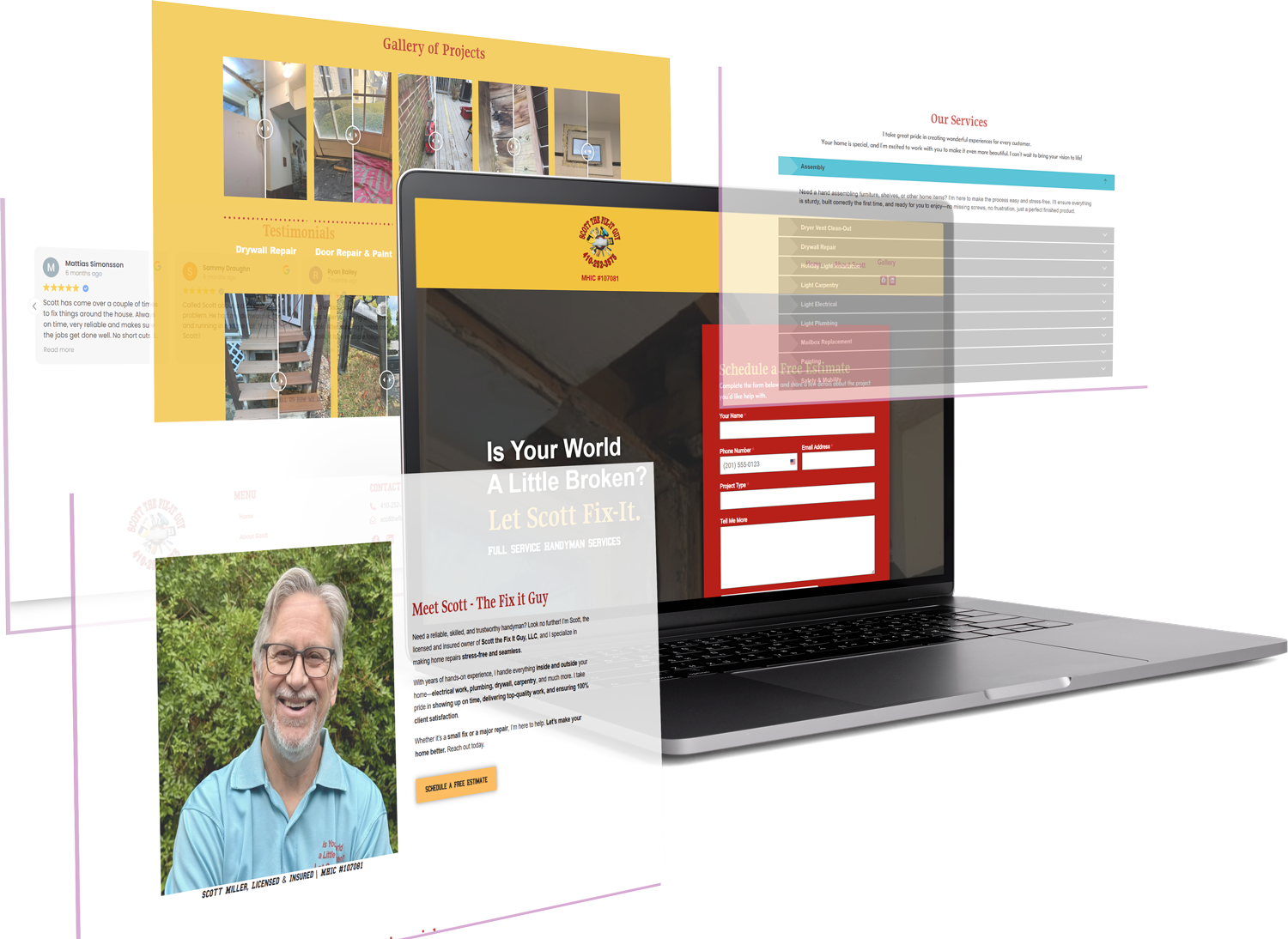
There’s a familiar sting for marketing teams. A new website launches—carefully designed, full of the latest features—yet delivers lackluster results. Modern aesthetics and interactive tools are not enough. Many organizations find the real reason website redesigns fall flat in 2025 goes deeper than looks or technology. What appears to be a design problem often hides strategic gaps and missed opportunities to connect with real users. Chasing Trends Instead of Purpose Every year, new design trends and digital flourishes appear online. Teams feel pressure to adopt these styles—animated transitions, video backgrounds, bold color overlays. The hope is to seem modern and relevant. These design choices can elevate visual appeal, but they may distract from a site’s core goals. For example, a professional services firm might use playful colors to look innovative. This shift can alienate long-time clients who value familiarity and stability. A modern-looking interface doesn’t automatically create a better experience for the audience a business actually serves. Instead of focusing only on visual upgrades, organizations benefit by asking how each design element supports the brand’s promise and the needs of users. Strong online presences are built by aligning aesthetics with clear purpose. Losing Touch with the Real Audience In 2025, data about user behavior is more abundant than ever. Still, meaningful insight often gets lost in translation when teams focus on assumptions about their audience rather than observed behaviors. Redesigns that chase the preferences of hypothetical “ideal” users risk neglecting the routines of current, loyal customers. Imagine a consulting company that revamps its entire site for mobile efficiency, while most clients prefer accessing detailed resources on desktop. Overemphasis on innovation sometimes obscures the practical features that returning users value. Success comes from an ongoing commitment to understanding real users, gathering regular feedback, and responding to actual behaviors—not just statistical trends.Bullet points and heatmaps, paired with honest conversations, often reveal blind spots that site analytics alone can’t capture. Overlooking Fundamental Business Issues Website redesigns typically begin with calls for better aesthetics, faster loading times, or improved SEO rankings. Yet these are often symptoms of more significant, unresolved business challenges. Cosmetic updates alone do not solve deeper problems like unclear service offerings, convoluted product categories, or a lack of trust signals. For instance, a retailer may present a bold new look, but if checkout remains confusing or support is buried, shoppers will leave frustrated. Businesses sometimes invest in visual refreshes, hoping design will compensate for operational shortcomings. It rarely works. Lasting improvements start by identifying the underlying barriers to growth—be it messaging, navigation, or product clarity. Once addressed, design and technology have the foundation they need to make a difference. The Pitfall of “Launch and Leave” Redesign projects often demand months of focused energy, but once a new site goes live, attention tends to shift away quickly. Treating a website launch as a final destination rather than a new starting point can limit long-term success. The most successful organizations treat their websites as evolving platforms, using data and user feedback to drive continuous improvement. Routine content updates, regular usability tests, and small iterative changes keep digital experiences aligned with shifting user expectations. Letting a site stagnate, even if it launched beautifully, invites competitors to outpace you as technology and preferences evolve. Shifting from project-based thinking to a mindset of ongoing growth keeps digital properties relevant and high-performing. Stakeholder Conflicts and Decision Paralysis When every department pushes for visibility, the risk of losing focus rises. Multiple teams lobbying for homepage real estate often results in cluttered layouts and muddled messaging. Features and banners multiply as various voices press their priorities, diluting the clarity of the value proposition. In practice, this might look like a homepage overloaded with pop-ups, promotions, and competing calls to action, leaving visitors unsure where to focus. Without a strong decision-maker to filter input and maintain direction, the user experience suffers. Empowered leadership and a commitment to audience needs over internal politics keep redesign projects on course and user-friendly. Technology Chosen for the Wrong Reasons The landscape of web development in 2025 is saturated with new tools and frameworks—headless CMS platforms, AI-powered plugins, and complex integrations all vying for attention. While these technologies promise flexibility and innovation, they can create headaches if selected without a clear use case. Organizations sometimes add the latest features in hopes of boosting credibility, but end up with slower load times or complicated workflows. For example, an advanced personalization tool may sound attractive, but if it disrupts navigation or fails to deliver relevant content, it can frustrate users and erode trust. New technologies should support clear objectives—streamlining user journeys, improving access to information, or enabling better service—not simply checking boxes for innovation. Measuring Progress That Matters Metrics like page views and session duration are easily tracked, but they don’t always reveal whether a redesign achieved meaningful results. Organizations often celebrate spikes in traffic or lower bounce rates without tying those numbers to business outcomes such as lead quality, customer retention, or sales. Effective measurement strategies focus on actionable KPIs and user behaviors that support broader organizational goals. For example, tracking form completion rates, repeat visits, or average order values yields insights that directly connect web performance to business impact. By prioritizing substance over appearance in measurement, teams are better equipped to adapt their strategies and deliver real value. Building Websites That Stand the Test of Time Digital trends may come and go, but the most resilient websites are built with substance and adaptability. Teams that dedicate time to understanding their audiences, address core business issues, and treat their sites as evolving platforms consistently see stronger results. Thoughtful leadership, strategic use of technology, and focus on authentic metrics set high-performing websites apart. Instead of chasing fleeting trends, organizations should ask tough questions and stay connected with users. This approach leads to lasting digital success. In 2025, the real advantage isn’t having the flashiest site. Success comes from a user experience that is purposeful, consistent, and matched to real-world needs.

10 Different Types of Marketing That Build Real Brand Reach

Most brands can grab attention. The real challenge is keeping it. Building a brand that people trust — and talk about — doesn’t happen through a single flashy campaign. It happens by showing up the right way, at the right moments, time after time. It’s about being part of your audience’s real world, not just their feed. The most effective strategies share a pattern. They aren’t random tactics thrown at the wall. There are different types of marketing that build real brand reach by meeting people where they are and giving them reasons to care. Let’s dig into what truly moves the needle, not just for visibility, but for lasting brand loyalty. Content Marketing: Building Brands with Stories, Not Slogans Attention is earned, not demanded. Brands like HubSpot didn’t rise by outspending competitors — they became trusted by creating resources, templates, and research that their audience needed. Good content marketing doesn’t feel like marketing at all. It’s an invitation to learn, solve problems, and grow with your brand as a natural part of the journey. Social Media Marketing: Earning Trust in Real Time Social media isn’t a megaphone — it’s a campfire. The brands that thrive spark conversations, not campaigns. Take Wendy’s on Twitter. Their off-the-cuff humor and authentic banter build loyalty because they meet people as equals, not targets. Today’s audiences can smell a scripted post from a mile away. Brands that succeed make their audiences feel heard, not handled. SEO Marketing: Showing Up When It Matters Most No flashy ad can replace the quiet power of being there when someone searches for help. That’s where SEO steps in. Whether it’s a local café optimizing “best latte near me” or a national brand ranking for “how to start a podcast,” SEO builds brand presence precisely when it matters most: the moment of need. Good SEO isn’t a trick — it’s a promise fulfilled. Email Marketing: Personal, Not Transactional Email remains unmatched when it feels personal. Not mass newsletters, but thoughtful, relevant touches at just the right moment. Brands like Spotify prove it with campaigns like “Wrapped,” turning user behavior into shareable, personal highlights. People engage because it’s about them, not about the brand. Segmentation, timing, and genuine value transform email from spam into relationship-building. Paid Advertising: Fueling Momentum, Not Faking It Paid media can’t create passion. But it can amplify the real spark you already have. Airbnb’s early Craigslist strategy wasn’t just clever — it was authentic outreach where travelers were already looking. Today’s smart brands use paid ads to reinforce genuine organic momentum, not fake it. When paid feels like an extension of brand experience, it scales trust instead of eroding it. Influencer Marketing: Trust Transfers Audiences trust people faster than they trust brands. Smart influencer marketing recognizes this and respects it. Micro-influencers, with their tightly connected followings, often drive more authentic engagement than celebrity partnerships ever could. A report by Influencer Marketing Hub highlights micro-influencers achieving 60% higher engagement rates than macro ones. (Integrate naturally when mentioning micro-influencers.) It’s not about big reach; it’s about the right reach. Partnership Marketing: Two Brands, One Story Some of the smartest brand moves aren’t solo at all. They’re collaborations. Nike and Apple’s partnership around fitness and tech wasn’t forced — it made perfect sense. Together, they offered a story that neither could tell alone. When partnerships align values and audiences, they double trust, not just exposure. Event Marketing: Where Brands Come Alive A website can tell your story. But an event lets people step inside it. Salesforce’s Dreamforce event doesn’t just showcase software — it builds a movement around innovation and leadership. Even virtual experiences can create emotional resonance when they’re designed to connect, not just impress. Events let people live the brand, and once they do, they rarely forget it. Guerrilla Marketing: Creating Moments, Not Ads Sometimes the best marketing doesn’t look like marketing at all. It looks like a surprise. Burger King’s stunt turned smartphones and McDonald’s locations into opportunities for laughs, downloads, and Whoppers — all at once. Guerrilla marketing works because it’s unexpected. It makes brand experiences feel like discoveries, not campaigns. Community Marketing: Growing Belonging, Not Just Brand Awareness Brands that build real reach don’t chase loyalty. They foster belonging. LEGO’s “Ideas” platform turns fans into creators, voting and collaborating on new sets. That’s not customer retention — it’s brand devotion. Community marketing turns audiences into owners. And when people feel they own a brand, they share it because it’s a piece of their identity. Why These 10 Types of Marketing Matter Real reach can’t be bought in bulk. It’s stitched carefully through thousands of small, genuine moments: a helpful blog post, an unexpected thank-you email, a memorable event, a genuine online interaction. Each strategy offers its own doorway to connection, but the strongest brands blend these approaches naturally, shaped by their DNA, refined by listening to their audience, and sustained by consistent, authentic value. The brands that win in reach are the brands that first win in trust.

How Content Marketing Drives Engagement for Your Business

What grabs your attention more: a hard sales pitch or a story that mirrors your challenges? For most people, it’s the latter. That’s the hidden power of content marketing—it shifts the focus from pushing a product to creating moments of connection. In an age of shrinking attention spans and noisy competition, content that resonates is what keeps audiences engaged—and businesses thriving. So how exactly does content marketing drive engagement? Not in a vague, hand-wavy kind of way, but in ways you can see, measure, and actually use to grow your brand. Let’s unpack what meaningful engagement really looks like—and how strategic content fuels it. Engagement Isn’t Just Likes—It’s a Relationship When people think of “engagement,” they often default to likes, shares, and comments. But true engagement goes deeper. It’s: Spending five minutes reading your blog instead of skimming it in 30 seconds Signing up for your email list because they found your lead magnet genuinely useful Quoting your insights in their own content or sharing it internally with their teams These are signs of a reader who’s not just entertained—but invested. Content marketing is the bridge that turns fleeting interest into a meaningful relationship. For example, a B2B software company sharing data-backed guides on workflow automation builds loyalty by helping people solve real problems—no hard sell required. That level of utility transforms readers into recurring visitors, and visitors into advocates. The Value Exchange: Why Audiences Stick Around People engage when they feel they’re getting something valuable in return for their attention. That doesn’t just mean advice or tips—it’s about feeling seen and heard. Here’s what drives that value exchange: Relevance: Are you solving real problems or just checking off content boxes? Timing: Are you there when they need answers—not just when you want attention? Tone: Do you sound like a trusted peer or a faceless brand? A brand that nails this understands that helpful content today earns trust tomorrow. A great example: HubSpot’s blog constantly ranks for industry-specific questions because it delivers actionable, timely content with a conversational tone. The value exchange is crystal clear. Content Formats That Invite Real Interaction Your insights could be brilliant—but the format needs to match how your audience prefers to consume content. Some of the most engaging formats include: Case studies: These don’t just claim success—they show it through real stories. Short-form video: Ideal for quick tips, behind-the-scenes insights, and humanizing your brand. Webinars and live Q&As: These create real-time interactions that build community. Infographics: Complex ideas become visual, digestible, and shareable. Think about Neil Patel’s marketing content—his blog integrates video, infographics, and checklists throughout, turning passive readers into active participants. When the format meets the audience’s needs, engagement follows naturally. SEO and Engagement Work Together Old-school SEO treated humans and algorithms like opposing forces. Today, SEO is about matching user intent—and that’s the same goal as good content. When you align your content with what people are actually searching for, magic happens: Long-tail content (e.g., “best CRM setup for small nonprofits”) brings in ready-to-act users Answering related questions keeps users on your page longer, improving dwell time Internal linking guides them through a content journey, extending engagement Intent-focused content not only improves rankings—it also delivers more relevant traffic. That’s engagement before a single CTA is clicked. Trust Builds Over Time—Content Makes That Happen Trust doesn’t come from clever copy—it comes from consistency. The more your content shows up with clarity, honesty, and actual value, the more your audience begins to rely on you. Let’s say a law firm consistently publishes plain-language explainers on legal questions people are too afraid to ask. Over time, readers stop seeing them as intimidating professionals and start viewing them as partners. That’s trust. And trust leads to engagement that matters: Comments with follow-up questions Direct inquiries or consultations Word-of-mouth referrals based on valuable content Trust isn’t instant. But content creates the repeated interactions needed to build it. Audience Insight: The Quiet Driver Behind Great Content You can’t drive engagement without knowing your audience. Yet too often, businesses treat content planning as guesswork. Instead, brands that spark engagement do this: Monitor FAQs, support tickets, and social threads for real pain points Use feedback loops from existing content to shape what comes next Segment their audience by behavior and interests to personalize content delivery A fitness brand, for instance, might learn through comments that customers are overwhelmed by contradictory workout advice. That insight fuels a series called “One-Week Routines for Busy People,” tailored to solve a real problem—and engagement surges. When your audience feels understood, they lean in. The Feedback Loop: Engagement That Fuels More Content Every comment, reply, or share is a signal—a window into what your audience cares about. And the smartest marketers treat those signals as roadmaps. Here’s how that looks in action: A blog post gets consistent questions in the comments—turn those into new posts. A video sparks a debate—use that to host a live Q&A. A popular email series prompts replies—compile them into a user-generated FAQ. This iterative approach keeps content human and agile. And it turns content marketing into a conversation, not a monologue. Cross-Platform Content with a Cohesive Voice Your audience is everywhere. So your content should be too—but without losing its identity in the process. Smart brands repurpose with intention: A blog post becomes a LinkedIn thread. That thread becomes a podcast topic. The podcast clips turn into short TikTok videos. Each format speaks its platform’s language while keeping the same core message and tone. It’s not duplication—it’s translation. This makes engagement seamless across channels and invites a broader set of users into your ecosystem. A reader might ignore the blog but love your Instagram Stories. It all counts. The Right Metrics for Measuring Engagement Not all metrics are created equal. A spike in pageviews feels good—but are users staying? Are they doing anything? Here’s what you really want to track: Time on page: Did they linger, or leave right away? Scroll depth: Did they see your CTA—or bounce halfway through?

How to Measure ROI in Digital Marketing for Maximum Profitability

Measure ROI in digital marketing for maximum profitability by tracking key metrics, using data-driven tools, and optimizing strategies. Every business wants its marketing budget to drive revenue, but without an effective measurement system, identifying successful campaigns can be difficult. Businesses that analyze marketing performance metrics can allocate budgets wisely and eliminate ineffective strategies. By focusing on key indicators such as customer acquisition cost, conversion rates, and return on ad spend, companies gain the insights needed to maximize returns. Tracking and refining digital advertising ROI helps businesses maintain a sustainable growth trajectory. What is ROI in Digital Marketing? Return on Investment (ROI) in digital marketing calculates how much revenue is generated compared to the money spent on marketing activities. Businesses that track ROI can adjust their marketing investment analysis to prioritize high-yield strategies. Why ROI Measurement Matters Measuring ROI is more than just a numbers game—it ensures marketing efforts contribute to real business growth. Here’s why tracking ROI is essential: Identifies profitable marketing channels – Avoids overspending on underperforming campaigns. Improves decision-making – Provides data to refine strategies and allocate budgets effectively. Demonstrates business growth – Showcases which efforts contribute most to revenue. Maximizes ad spend efficiency – Helps businesses refine targeting for better conversion rates. How to Calculate ROI The simplest formula to calculate marketing ROI is: ROI (%) = [(Revenue – Marketing Cost) / Marketing Cost] × 100 While this provides a broad overview, deeper insights come from tracking additional performance indicators. Key Metrics for Measuring ROI A strong ROI measurement strategy relies on multiple key performance indicators (KPIs). The following five metrics provide a well-rounded view of digital advertising ROI. 1. Customer Acquisition Cost (CAC) CAC measures how much a business spends to acquire a new customer. It includes ad spend, content creation costs, and marketing tool subscriptions. Formula:CAC = Total Marketing Cost / Number of New Customers Acquired A low CAC indicates an efficient strategy, while a high CAC may signal the need for better targeting or optimized conversion funnels. 2. Customer Lifetime Value (CLV) CLV predicts how much revenue a business can expect from a customer over their entire engagement period. Formula:CLV = Average Purchase Value × Purchase Frequency × Customer Lifespan When CLV is significantly higher than CAC, marketing efforts are sustainable and profitable. 3. Conversion Rate Conversion rate reflects the percentage of visitors who complete a desired action, such as making a purchase or filling out a form. Formula:Conversion Rate = (Total Conversions / Total Visitors) × 100 A high conversion rate indicates effective messaging, while a low rate suggests the need for improvements in the user experience, offers, or targeting. 4. Return on Ad Spend (ROAS) ROAS evaluates the revenue earned per dollar spent on advertising. Formula:ROAS = Revenue from Ads / Cost of Ads A ROAS above 1.0 means the campaign is generating more revenue than it costs, making it a key metric for paid ad performance. 5. Lead-to-Customer Ratio This metric tracks how many leads turn into actual paying customers. Formula:Lead-to-Customer Ratio = (Number of Customers / Number of Leads) × 100 A low lead-to-customer ratio may indicate poor-quality leads or an ineffective sales funnel. Best Tools for Measuring Digital Marketing ROI Using the right tools makes it easier to track and analyze ROI. Businesses rely on a mix of analytics platforms, CRM software, and automation tools. 1. Google Analytics This tool provides insights into website traffic, user behavior, and conversion tracking. It helps businesses identify which marketing channels drive the most revenue. 🔗 Google Analytics | Google 2. Google Ads Manager For businesses investing in PPC advertising, Google Ads Manager offers real-time ad performance tracking and optimization insights. 🔗 Google Ads Manager | Google 3. CRM Software (HubSpot, Salesforce) Customer Relationship Management (CRM) tools track customer interactions and help measure CLV, CAC, and sales cycle efficiency. 🔗 HubSpot CRM | HubSpot 4. Social Media Analytics (Facebook, LinkedIn, Twitter Analytics) Platforms like Facebook and LinkedIn offer analytics that measure engagement, ad performance, and audience growth. 🔗 Facebook Business Suite | Meta 5. Email Marketing Platforms (Mailchimp, ActiveCampaign) Email marketing tools track open rates, click-through rates, and conversions, providing valuable data for campaign optimization. 🔗 Mailchimp Email Marketing | Mailchimp Strategies to Improve Digital Marketing ROI Measuring ROI is only the first step. Businesses must actively refine their marketing strategies to maximize returns. 1. Focus on Profitable Marketing Channels Identify which channels drive the highest ROI and allocate more budget to them. This prevents wasted spending on ineffective platforms. 2. Improve Targeting with Customer Data Leverage audience segmentation and retargeting strategies to engage high-value prospects. Personalized marketing generates better conversions. 3. Optimize Landing Pages for Higher Conversions A/B test page designs, headlines, and CTAs to find the best-performing versions. A slow or confusing landing page can significantly impact ROI. 4. Conduct A/B Testing on Ad Campaigns Testing different visuals, ad copy, and offers allows businesses to refine campaigns based on performance data before scaling efforts. 5. Use Marketing Automation for Efficiency Automated email sequences and lead nurturing campaigns save time while improving conversion rates. AI-driven tools can further enhance personalization. 6. Invest in Retention Strategies It’s more cost-effective to retain customers than acquire new ones. Loyalty programs, special offers, and strong customer support keep existing customers engaged. Final Thoughts on Maximizing Digital Marketing ROI Measuring ROI in digital marketing helps businesses allocate budgets wisely and refine campaigns for maximum profitability. By tracking customer acquisition cost, conversion rates, and return on ad spend, companies can adjust strategies to improve efficiency. Using data-driven tools like Google Analytics, CRM platforms, and social media insights allows for better decision-making. Businesses that consistently test, optimize, and refine their marketing investment analysis will see long-term growth and profitability. A well-structured marketing strategy ensures that every dollar spent contributes to measurable business success.

Aizaz UI Hassan

Web Developer & Graphic Designer

Aizaz has been the driving force behind Silesky’s web development for over five years. As both a graphic designer and UI/UX developer, he brings a rare mix of technical precision and creative clarity to every project.

What sets Aizaz apart is his ability to understand and interpret the assignment—no extra hand-holding, just sharp instincts and calm professionalism. When timelines are tight and expectations are high, Aizaz is the teammate you want in your corner.

Creative and detail-oriented, Aizaz builds clean, modern websites that marry style with substance. From intuitive flows to scalable layouts, his work consistently delivers digital experiences that perform as well as they look.

With every project, Aizaz ensures the design feels effortless for users and does the heavy lifting for the brand.

Sue Hilger, MBA

Chief Growth Strategist

As Chief Growth Strategist at Silesky Marketing, Sue plays a key role in expanding the agency’s client base while cultivating long-term partnerships grounded in trust, collaboration, and measurable success. She works closely with organizations to help them meet their business goals—and then go beyond them—through smart, scalable marketing strategies.

With an MBA and deep expertise in both B2B and B2C environments, Sue bridges the gap between strategic planning and hands-on execution. She guides clients through Silesky’s end-to-end process, beginning with in-depth discovery and needs assessments and continuing through branding, messaging, digital advertising, and campaign rollout.

Sue is focused on long-term impact. Many of Silesky’s client relationships span decades, which speaks to her ability to integrate seamlessly, think strategically, and consistently deliver results. For Sue, every engagement is more than a project—it’s a partnership.

Mya Stengel

Content Developer & Video Editor

Mya brings the heart of a storyteller and the precision of a screenwriter to every project. With a background in Hollywood scriptwriting—particularly in the horror genre—she understands how to build intrigue, capture attention, and deliver a message that lands with impact.

A lifelong book lover turned brand storyteller, Mya has a gift for finding each client’s voice and shaping it into something authentic and memorable. Whether she’s writing SEO-driven blog content, editing silent video loops, or cutting together a punchy hero reel, she focuses on what makes a brand distinct and brings it to life with clarity and emotion.

From blog posts to behind-the-scenes edits, plot twists to punchlines, Mya’s work helps brands connect more deeply and tell stories that resonate.

Ashelin Walker

Digital Marketing Strategist

Ashelin is a digital marketing strategist who blends technical know-how with creative insight. At Silesky Marketing, she turns strategy into results—helping clients attract the right leads, connect with their audience, and strengthen their online presence.

She designs high-converting landing pages, launches targeted email campaigns, manages CRM platforms, and creates on-brand video content that performs. From big-picture planning to the freckles of a campaign, Ashelin brings cohesion to the chaos and keeps every piece pulling in the right direction.

What sets Ashelin apart is how seamlessly she connects the tactical to the strategic. She doesn’t just check boxes—she makes sure every effort ladders up to a larger goal. Her work helps clients show up in the right places, with the right message, at the right time.

Susi Silesky

Founder & Brand Architect

As the founder of Silesky Marketing, Susi brings more than 30 years of brand strategy and marketing expertise to the table. Her experience spans ambitious startups, global enterprises, nonprofits, and household-name retailers.

Susi is most energized when she’s helping business owners find their voice, shape their story, and build a brand that reflects their vision and gets the results they deserve.

What sets her apart is her deep understanding of entrepreneurs. She’s built a career not just on strong campaigns, but on building genuine relationships. That blend of empathy and expertise is what makes her work both effective and meaningful.

Susi has led successful marketing initiatives across industries—from healthcare and legal to real estate, B2B tech, and pharma. She’s fluent in French, conversational in Spanish, and skilled at translating complex ideas into clear, compelling brand stories.