
The Brand That Started It All: A Look Back at Allymac

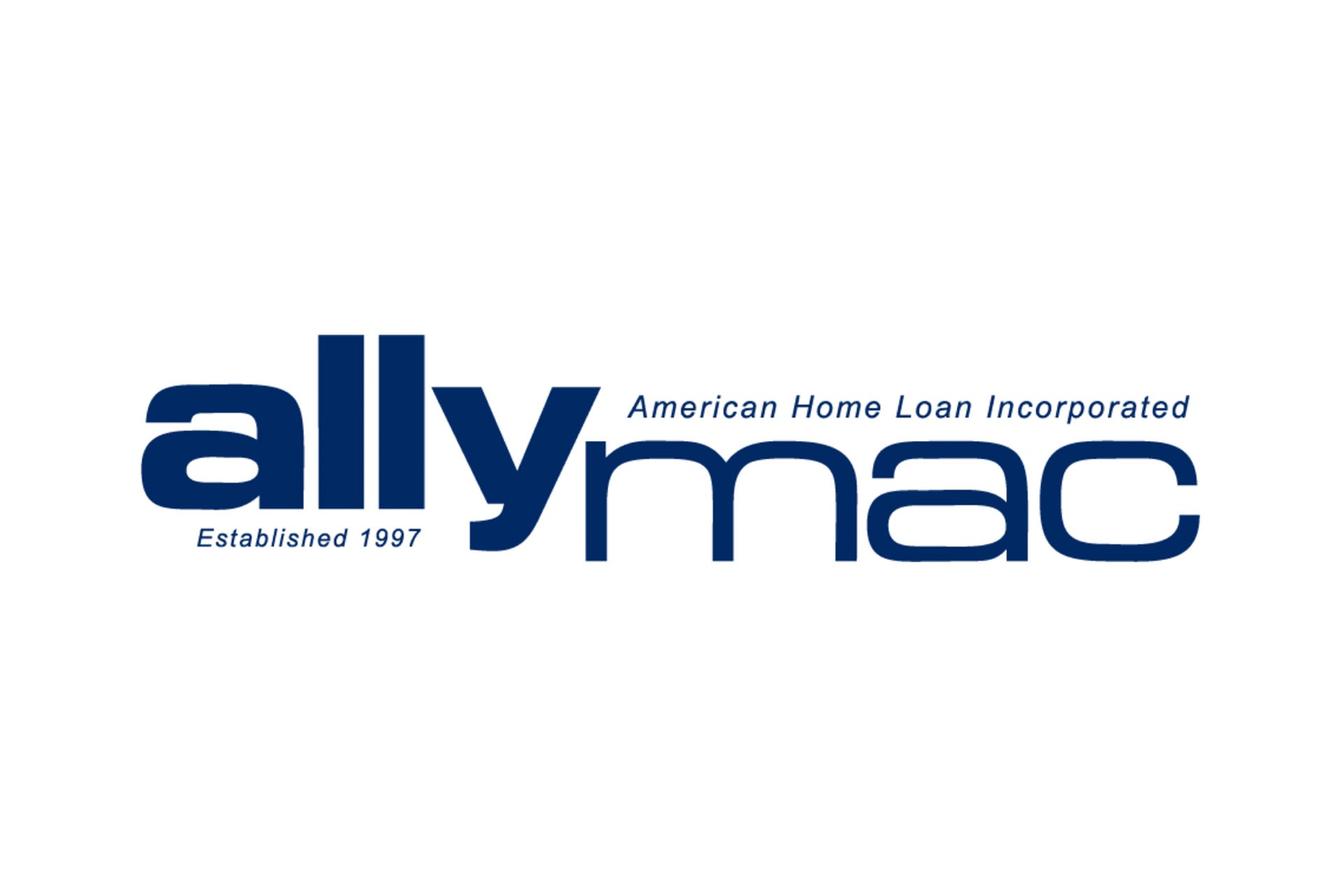
Every agency has a first project. Most people won’t admit what they’re actually looking like. Ours was Allymac, and thirty years later, the work still holds up in ways that have nothing to do with luck. The Allymac brand strategy came together before we had a formalized process, which means it ran entirely on instinct and fundamentals. As it turned out, that’s exactly what the project needed. What Made Allymac Harder Than It Looked The Category Sets the Rules Before You Do Financial services is not a forgiving space for experimentation. Clients walking into a financial conversation need to feel something before a single word gets spoken, and what they need to feel is that they’re in capable hands. The visual language of the brand has to carry that weight on its own, before anyone picks up the phone or books a meeting. That constraint wasn’t a creative limitation. It was the clearest possible brief. The brand needed to signal credibility in a category where credibility is the product. Once that was established, every decision had a filter. First Projects Don’t Come With a Net There was no portfolio to reference, no client precedent to point to, and no established process to follow. Every call the work demanded had to get made on instinct and judgment alone. That kind of environment, if you let it, forces you back to fundamentals rather than reaching for novelty to compensate for uncertainty. The instincts that guided Allymac are the same ones that guide the work today. Know the industry cold. Find what actually sets the brand apart from every other option in the category. Design for trust rather than attention, and build for ten years out instead of the pitch deck. The Decisions That Made the Brand Work Color Does More Than Set a Mood The deep navy palette Allymac landed on wasn’t chosen for aesthetics. Navy in financial services communicates stability and reliability, which are the two things a financial brand has to earn before a prospect will take a meeting. The color was doing strategic work before anyone read a word of copy. This is a distinction most brands miss entirely. Color functions as a positioning decision, not a creative preference. The wrong palette in financial services doesn’t just look off — it signals the wrong thing to the right audience, and that costs you opportunities you’ll never know you lost. Typography That Holds Two Things at Once The Allymac wordmark used lowercase letterforms at a weight and spacing that read as grounded rather than casual, which gave the mark something rare: approachability and authority occupying the same space. Landing that balance is harder than it sounds. Brands that try to serve two registers usually dilute both. Allymac found the point where they could coexist without contradiction, and it held. Restraint Is the Decision Most Brands Skip The layout organized three elements, the wordmark, the descriptor, and the establishment date, without stacking them in a way that felt rigid or templated. The result was a mark that felt considered from every angle. What the logo didn’t have matters as much as what it did. No gradients, no effects, no visual noise competing with the identity. Every absent element represented a decision someone had to make and hold against the pressure to keep adding. That pressure is constant on any branding project, because adding something feels like justifying the work. The brands that age well are almost always the ones where someone said no more than yes. What Allymac Still Gets Right Longevity Comes From Clarity, Not Originality Allymac is no longer in business. The brand had nothing to do with that. The owner made a separate business decision, and the identity outlasted the context it was built for. That distinction matters because it tells you something real about what brand strategy actually does. A brand built for longevity doesn’t depend on a trend cycle to stay relevant. Allymac worked because it was immediately understood, visually appropriate for its category, and distinct enough to be remembered without being novel enough to date itself. Those are the four markers worth building toward on any branding project, in any industry, at any budget: Immediate clarity over creative cleverness Visual fit with the category the brand operates in Enough distinction to register without dependence on trend Scalability across formats without losing coherence The Process Formalized What Instinct Already Knew The difference between how we approached Allymac and how we approach a brand project today isn’t the principles. It’s the repeatability. The instincts that shaped Allymac now live inside a structured process, which means the outcome doesn’t depend on a good day or a lucky read of the brief. Every brand project starts in the same place, regardless of category or budget size. What does this brand need to be known for? What does the audience need to feel before they say a word? Where can the identity introduce distinction without breaking the trust the category requires? From those answers, positioning comes first. Messaging follows. Visual identity earns its decisions by tracing back to the strategic brief rather than running on the designer’s instincts alone. That sequence is what keeps the work from being creative for its own sake. Thirty Years Later, the Fundamentals Haven’t Moved Allymac wasn’t a perfect project. It was a first project. What made it work was that the important decisions were made correctly, and those decisions were made in the right order. Strategy before aesthetics. Trust before attention. Longevity before applause. That’s still the standard. If your brand can’t survive as a single solid color on a pen or a business card without losing its identity, the foundation isn’t ready. If your identity was built around what was trending when you launched, you’ve already started the countdown. A brand that holds up isn’t built by accident. Book a strategy session with Silesky Marketing and find out what yours is actually built on.
Breaking the Red, White & Blue Mold

How our first political campaign proved branding can win attention before a single word is spoken. When we took on our first political campaign at Silesky Marketing, we knew one thing immediately: if we played by the usual rules, we’d disappear. Politics is a sea of sameness. Red. White. Blue. Stars. Stripes. Serif fonts that all blur together. And somewhere in that noise, every candidate is trying to convince voters they’re different. That contradiction is exactly where we saw the opportunity. The Problem: Everyone Looks the Same Walk past a row of campaign signs, and you’ll notice something: they’re practically interchangeable. The colors signal “patriotism,” but they don’t signal identity. That’s a branding failure. Because in a crowded field, recognition is everything. If voters can’t instantly pick you out—visually—you’re already losing attention before your message even lands. The Strategy: Be Bold Enough to Be Remembered Instead of leaning into tradition, we made a deliberate choice: Ditch the expected. Own something distinctive. For Amy Blank’s campaign, we built a visual identity around purple and orange—a combination you rarely see in political branding. Why it worked: Purple subtly bridges red and blue; unity without cliché Orange injects energy, urgency, and action Together, they pop in a landscape of sameness This wasn’t just about looking different. It was about feeling different. The Execution: Cohesion Over Chaos We didn’t stop at a logo. We built a full, consistent brand system: Campaign signage that couldn’t be ignored Branded apparel that supporters were excited to wear Print collateral that looked more like a modern brand than a traditional campaign Messaging anchored in a clear, repeatable idea: “Less Politics. More Action.” “Less Politics. More Action.” doesn’t just read like a tagline, it lands like a release valve! It captures a frustration people already carry and flips it into something hopeful and forward-moving. Candidates tend to over-explain, overpromise, and overcomplicate. This line does the opposite: it strips everything down to what actually matters—results. It quietly challenges the status quo without sounding combative, and that’s the magic. You don’t have to agree with every policy to feel the pull of it—you just have to be tired of the noise. And when a message is that instantly understood, that emotionally resonant, and that easy to repeat, it stops being copy… and starts becoming a rallying cry.   The Moment It Clicked When you see a group of supporters wearing the same bold, nontraditional color palette—standing together, smiling, energized, you realize something: This doesn’t feel like a typical campaign. It feels like a movement. And that’s the shift great branding creates. It turns passive recognition into an emotional connection. What This Taught Us (And Why It Matters) This campaign reinforced a principle we now apply across industries: 1. Safe is invisible If you look like everyone else, you’ll be treated like everyone else. 2. Branding is strategy, not decoration Colors, typography, and design choices aren’t aesthetic decisions—they’re positioning decisions. 3. Differentiation buys attention And attention is the gateway to influence. 4. Consistency builds credibility Every touchpoint should reinforce the same identity. No exceptions. The Bigger Takeaway Political campaigns are just one of the most obvious examples of a crowded market—but the lesson applies everywhere. If your brand blends in, it’s not competing. It’s coasting. And coasting doesn’t win. Our First Campaign—But Not Our Last This project wasn’t just a milestone because it was our first political campaign. It was a turning point in how we approach branding: We don’t aim to fit in. We design to stand out and stay remembered. If you’re building something in a crowded space, here’s the question worth asking: Are you recognizable from across the street… or just another sign in the yard? That answer changes everything.

The Psychology of Brand Resonance: Why Customers Stay Loyal to Sub-Optimal Products

Why do buyers choose “sub-optimal” products? You’ve done the work—more features, better reviews, stronger ROI—yet they stay with a competitor that can’t hold a candle to you. This disconnect is rooted in the psychology of brand resonance: why customers stay loyal to sub-optimal products. It isn’t a fluke; it’s a gut-level preference that overrides every spreadsheet you’ve ever built. Most brands fight to be seen, but resonance is what keeps you in the conversation. When a brand strikes an emotional chord, it stops being a choice and becomes a reflex. If you aren’t building that connection into your brand strategy, you are leaving the door wide open for your competitors. What Is Brand Resonance and Why It Breaks the Rules Beyond Recognition Most brands fight to be seen. They spend on ads, pump out content, chase impressions. Visibility matters, but it’s only the starting line. Just because people know you exist doesn’t mean they care. Recognition gets you in the room. Resonance keeps you in the conversation. When a brand strikes an emotional chord, it stops being just a name. It becomes a reflex. A habit. A preference that overrides minor flaws or even bigger competitors. Resonance vs. Product Superiority Think of it like this. Apple doesn’t make the objectively best phone for everyone. But the brand has created a lifestyle, an identity, a sense of belonging. People don’t switch easily—not because they can’t, but because they don’t want to. That’s resonance. Nike built a culture, not just shoes. Patagonia sells values, not jackets. These brands understood early on that features don’t build loyalty. Feelings do. The Psychological Triggers That Anchor Loyalty Identity & Self-Expression We buy what reflects us. Brands that align with how people see themselves—or how they want to be seen—create sticky emotional loyalty. It’s not just about solving a need. It’s about reinforcing who we are. Think about someone who drives a Tesla. Sure, they might like the acceleration or the tech. But a big part of the appeal? It signals innovation, forward-thinking, maybe even a social conscience. Even if another car performs better on paper, that emotional signal can’t be replicated easily. Repetition Breeds Familiarity Our brains trust what they’ve seen before. The more often someone sees your brand show up consistently, the more likely they are to remember and prefer it. This is known as the mere-exposure effect. But here’s the catch: consistency has to be real. If your brand feels different across platforms or your message shifts based on the channel, it weakens trust. Repetition only works when the message stays the same. Storytelling Over Specs People follow stories, not spreadsheets. A narrative binds your brand to an emotion. Specs inform. Stories inspire. One creates a checklist. The other builds a connection. When a brand tells a compelling story, it positions the customer as the hero. And that’s powerful. Because if people feel like your brand helps them express who they are, they’ll choose you—even if someone else offers more. Why Functional Messaging Alone Falls Flat Rational Doesn’t Always Win Marketers love numbers. Performance, ROI, speed, cost savings. But that’s not how most buyers make decisions. They decide based on emotion, then justify it with logic after the fact. You might think you’re selling on features. But your customer might be buying based on how your brand makes them feel. If that emotional signal isn’t clear, no amount of functional proof will close the deal. Brands Are Built on Feel, Not Just Facts From the colors you use to the tone of your copy to the rhythm of your campaigns—these subtle signals shape how your brand is remembered. If everything feels cohesive and distinct, your brand sticks. If it feels scattered or overly tactical, it fades. Buyers don’t always analyze. More often than not, they act based on vibes and intuition. That’s why you need to ensure your personal brand will meet them where they are, and showcase who your business is beyond just the numbers. When Your “Better Product” Is Not Enough Signs You’re Losing to Brand Resonance If your data shows high awareness but low preference, that’s a red flag. If customers engage with your content but still convert with competitors, you’re not lacking information. You’re lacking connection. Another clue? Your messaging is rooted in facts, while your competitor’s message feels like a movement. One talks about what it does. The other talks about what it means. Why You Can’t Out-Feature Your Way In Adding more features won’t help if no one cares. In fact, more complexity can make you harder to understand. People want clarity, not clutter. If your competitor makes them feel seen or understood—even with a weaker product—they win. That emotional clarity can’t be brute-forced with functionality. It has to be felt. Action Steps to Build Resonance Into Your Brand Define What You Emotionally Stand For You know your mission. But what do you feel like to a customer? Confident? Supportive? Rebellious? Trustworthy? Emotion isn’t fluff. It’s positioning. Take a hard look at your brand and ask: if your name disappeared, would people miss what you represent? Build Memory Structures Over Campaigns Campaigns are short-term. Memory is forever. Focus on creating consistent, recognizable signals your audience can’t ignore. That means: A visual identity that shows up the same way, every time A voice that’s distinct and reliable Repeated phrases, promises, or patterns that feel familiar Repetition without coherence is noise. But when everything aligns, it becomes memory. Speak Their Language, Not Yours Drop the industry lingo. Start listening. What phrases do your buyers use when they describe their problems? What metaphors or emotions come up in their reviews? Mirror that. Make your copy feel like it came from their own heads. The more familiar it sounds, the more it resonates. What Silesky Does Differently Strategic Brand Building with Emotional Hooks At Silesky, we don’t just talk branding. We dissect what makes a message stick. We dig past the surface, down to the beliefs, fears, and aspirations your

Why Smart Brands Are Prioritizing Website Accessibility Right Now

Ever struggled with a cluttered website where reading the text felt like solving a riddle? You’re not alone. Accessibility is no longer just a moral checkbox; it has become a frontline business strategy. Why Smart Brands Are Refreshing for Accessibility in 2025 reflects this evolution—smart brands aren’t adapting out of obligation but because it’s the intelligent move for growth, loyalty, and market resilience. This subtle yet seismic shift has been largely propelled by the Web Content Accessibility Guidelines (WCAG) 2.1 updates published in December 2024. One of the most visible examples is Walmart, which recently adjusted its fonts and colors, enhancing readability and visual contrast for users with impairments. These seemingly small tweaks deliver a far-reaching message: true accessibility starts with thoughtful design. Accessibility in 2025: A New Corporate Imperative The WCAG 2.1 update isn’t just a technical update for developers; it’s a wake-up call for every brand. By tightening standards around contrast ratios, navigation clarity, and interactive elements, accessibility is now a legal obligation across global markets. Walmart’s recent brand refresh showcased how leading companies are reacting early. Rather than drastic visual overhauls, brands are making nuanced but meaningful changes to create more inclusive experiences. Their updated color schemes and font weights offer enhanced legibility, showing how accessibility improvements can align naturally with modern branding aesthetics. In short, refreshing for accessibility today is as much about future-proofing brand relevance as it is about following the law. The Power of Subtle Changes Many of the updates reshaping digital experiences are almost invisible to the average user, yet they represent massive gains for millions: Increased text contrast for users with low vision More distinguishable clickable elements Cleaner navigation for keyboard users While these tweaks might seem minor, they collectively ensure that digital platforms become truly welcoming spaces. This transition is reshaping web design into a tool of empowerment rather than exclusion. Accessibility: A Gateway to Untapped Markets Beyond compliance and ethics, accessibility has serious business implications. More than 1 billion people globally live with a disability, representing a collective disposable income estimated at $13 trillion. Brands refreshing for accessibility tap into a market that has long been underserved but remains fiercely loyal to companies that treat them with dignity and respect. This isn’t theory—it’s proven market dynamics. Companies investing in inclusive strategies often see higher retention rates, greater brand loyalty, and expanded reach across demographics. Accessibility, in this light, becomes a revenue strategy as much as a social commitment. Walmart’s Refresh: A Quiet Revolution Walmart’s adjustments—bolder fonts, higher color contrasts, and smoother UX flow—reflect a deeper shift happening across smart brands. These changes may not have grabbed headlines, but they significantly improved usability for millions of customers who rely on assistive technology or simply need clearer visual hierarchies. What’s compelling about Walmart’s approach is how they folded accessibility naturally into their brand narrative. Rather than making separate “accessible” versions of sites or apps, they made accessibility the default. That’s the blueprint for success in 2025 and beyond. Compliance Isn’t the Endgame Meeting WCAG 2.1 minimum standards is no longer enough to stay competitive. Leading brands are aiming beyond the baseline, embedding accessibility into their entire customer journey. This includes: Designing sites that function seamlessly with screen readers Building mobile-first experiences, mindful of accessibility Offering alternative content formats like video captions and text transcripts Brands shifting to this mindset are positioning themselves as trustworthy, forward-thinking, and genuinely consumer-centric. Delay Means Risk Brands that procrastinate risk more than legal penalties. They risk becoming obsolete in a market increasingly shaped by Generation Z and Generation Alpha—audiences who expect and demand inclusivity as a basic standard. Retroactively adjusting inaccessible sites is not only costly but damaging to the brand reputation. Early movers, like Walmart, are earning goodwill now that will compound over time. In contrast, late adopters face the double blow of higher remediation costs and skeptical, disengaged audiences. Authenticity Wins in the Trust Economy Consumers today are finely attuned to authenticity. Half-hearted gestures toward accessibility are quickly recognized and often publicly criticized. True commitment looks like: Publishing real-time accessibility roadmaps Including disabled voices in usability testing Making accessibility improvements part of marketing narratives without self-congratulation Brands that lead with transparency and action, rather than slogans, will emerge as trusted allies in an increasingly skeptical market. The Strategic Payoff of Accessibility Refreshes Refreshing for accessibility brings measurable advantages that extend far beyond compliance: Better SEO: Search engines reward clean, readable, and properly structured content. Broader audience reach: Inclusive designs welcome aging populations and users across diverse ability spectrums. Enhanced brand loyalty: Consumers remember—and reward—brands that prioritize inclusion. In 2025, accessibility is no longer a back-office technical issue. It’s front-page brand strategy. Why Smart Brands Are Refreshing for Accessibility in 2025 Brands that authentically and consistently embrace accessibility will dominate the future landscape, not because they have checked a compliance box, but because they have built deeper, more human relationships with every user they serve. From Walmart’s subtle yet powerful font and color updates to the broader shifts across industries, accessibility refreshes are shaping a more inclusive and prosperous corporate world. Innovative brands aren’t waiting for tomorrow to act. They’re refreshing today.

Why Smart Brands Are Refreshing for Accessibility in 2025

Ever struggled with a cluttered website where reading the text felt like solving a riddle? You’re not alone. Accessibility is no longer just a moral checkbox; it has become a frontline business strategy. Why Smart Brands Are Refreshing for Accessibility in 2025 reflects this evolution—smart brands aren’t adapting out of obligation but because it’s the intelligent move for growth, loyalty, and market resilience. This subtle yet seismic shift has been largely propelled by the Web Content Accessibility Guidelines (WCAG) 2.1 updates published in December 2024. One of the most visible examples is Walmart, which recently adjusted its fonts and colors, enhancing readability and visual contrast for users with impairments. These seemingly small tweaks deliver a far-reaching message: true accessibility starts with thoughtful design. Accessibility in 2025: A New Corporate Imperative The WCAG 2.1 update isn’t just a technical update for developers; it’s a wake-up call for every brand. By tightening standards around contrast ratios, navigation clarity, and interactive elements, accessibility is now a legal obligation across global markets. Walmart’s recent brand refresh showcased how leading companies are reacting early. Rather than drastic visual overhauls, brands are making nuanced but meaningful changes to create more inclusive experiences. Their updated color schemes and font weights offer enhanced legibility, showing how accessibility improvements can align naturally with modern branding aesthetics. In short, refreshing for accessibility today is as much about future-proofing brand relevance as it is about following the law. The Power of Subtle Changes Many of the updates reshaping digital experiences are almost invisible to the average user, yet they represent massive gains for millions: Increased text contrast for users with low vision More distinguishable clickable elements Cleaner navigation for keyboard users While these tweaks might seem minor, they collectively ensure that digital platforms become truly welcoming spaces. This transition is reshaping web design into a tool of empowerment rather than exclusion. Accessibility: A Gateway to Untapped Markets Beyond compliance and ethics, accessibility has serious business implications. More than 1 billion people globally live with a disability, representing a collective disposable income estimated at $13 trillion. Brands refreshing for accessibility tap into a market that has long been underserved but remains fiercely loyal to companies that treat them with dignity and respect. This isn’t theory—it’s proven market dynamics. Companies investing in inclusive strategies often see higher retention rates, greater brand loyalty, and expanded reach across demographics. Accessibility, in this light, becomes a revenue strategy as much as a social commitment. Walmart’s Refresh: A Quiet Revolution Walmart’s adjustments—bolder fonts, higher color contrasts, and smoother UX flow—reflect a deeper shift happening across smart brands. These changes may not have grabbed headlines, but they significantly improved usability for millions of customers who rely on assistive technology or simply need clearer visual hierarchies. What’s compelling about Walmart’s approach is how they folded accessibility naturally into their brand narrative. Rather than making separate “accessible” versions of sites or apps, they made accessibility the default. That’s the blueprint for success in 2025 and beyond. Compliance Isn’t the Endgame Meeting WCAG 2.1 minimum standards is no longer enough to stay competitive. Leading brands are aiming beyond the baseline, embedding accessibility into their entire customer journey. This includes: Designing sites that function seamlessly with screen readers Building mobile-first experiences, mindful of accessibility Offering alternative content formats like video captions and text transcripts Brands shifting to this mindset are positioning themselves as trustworthy, forward-thinking, and genuinely consumer-centric. Delay Means Risk Brands that procrastinate risk more than legal penalties. They risk becoming obsolete in a market increasingly shaped by Generation Z and Generation Alpha—audiences who expect and demand inclusivity as a basic standard. Retroactively adjusting inaccessible sites is not only costly but damaging to the brand reputation. Early movers, like Walmart, are earning goodwill now that will compound over time. In contrast, late adopters face the double blow of higher remediation costs and skeptical, disengaged audiences. Authenticity Wins in the Trust Economy Consumers today are finely attuned to authenticity. Half-hearted gestures toward accessibility are quickly recognized and often publicly criticized. True commitment looks like: Publishing real-time accessibility roadmaps Including disabled voices in usability testing Making accessibility improvements part of marketing narratives without self-congratulation Brands that lead with transparency and action, rather than slogans, will emerge as trusted allies in an increasingly skeptical market. The Strategic Payoff of Accessibility Refreshes Refreshing for accessibility brings measurable advantages that extend far beyond compliance: Better SEO: Search engines reward clean, readable, and properly structured content. Broader audience reach: Inclusive designs welcome aging populations and users across diverse ability spectrums. Enhanced brand loyalty: Consumers remember—and reward—brands that prioritize inclusion. In 2025, accessibility is no longer a back-office technical issue. It’s front-page brand strategy. Why Smart Brands Are Refreshing for Accessibility in 2025 Brands that authentically and consistently embrace accessibility will dominate the future landscape, not because they have checked a compliance box, but because they have built deeper, more human relationships with every user they serve. From Walmart’s subtle yet powerful font and color updates to the broader shifts across industries, accessibility refreshes are shaping a more inclusive and prosperous corporate world. Innovative brands aren’t waiting for tomorrow to act. They’re refreshing today.

How to Grow Brand Presence on LinkedIn

LinkedIn has transformed from a job-seeking platform into a powerhouse for professional networking, thought leadership, and brand visibility. With over 900 million users, it offers businesses and individuals an opportunity to showcase expertise, attract clients, and build valuable industry relationships. However, simply having a profile isn’t enough. To effectively grow your LinkedIn brand strategy, you need a structured approach—one that includes optimizing your profile, creating high-value content, and engaging with your network consistently. Optimize Your LinkedIn Profile for Maximum Visibility Your LinkedIn profile is often the first impression potential clients, partners, or employers will have of you. A well-optimized profile not only enhances credibility but also improves discoverability in LinkedIn search results. Key Elements of a Strong LinkedIn Profile: Profile Photo & Banner: A high-quality, professional headshot is a must. Complement it with a custom banner that aligns with your brand message. Headline & Summary: Your headline should go beyond your job title—highlight your unique value proposition. In your summary, tell your professional story in a compelling way that speaks directly to your audience. Customized LinkedIn URL: Personalize your LinkedIn URL (e.g., linkedin.com/in/yourname) to make it easier for people to find and connect with you. Experience & Skills: Use bullet points to highlight key achievements, measurable results, and relevant industry skills. Featured Media: Showcase your work with articles, presentations, case studies, or videos to establish credibility. An optimized profile sets the foundation for successful professional networking on LinkedIn and positions you as a trusted industry leader. Create High-Impact Content to Build Authority Content plays a critical role in your LinkedIn engagement tactics. LinkedIn’s algorithm rewards posts that generate conversations and provide value to your audience. Best Practices for LinkedIn Content: Long-Form Articles: Thought leadership pieces help establish your expertise. Share industry trends, research, or case studies to educate your audience. Short-Form Updates: Quick insights, personal experiences, and professional lessons encourage engagement. Visual Content: Infographics, slideshows, and videos make complex topics more digestible and attention-grabbing. LinkedIn Polls & Questions: Interactive content sparks discussions and increases visibility. Consistent Posting Schedule: Aim to post at least three times a week to stay top-of-mind with your audience. Creating content that educates, informs, and inspires is essential for strengthening your LinkedIn brand strategy and maintaining an active presence. Leverage LinkedIn’s Algorithm for Greater Reach Understanding LinkedIn’s algorithm helps maximize post engagement and visibility. Key Algorithm Priorities: Engagement in the First Hour: Posts that receive immediate interaction are shown to more users. Encourage Meaningful Conversations: Comments weigh more than likes or shares in boosting post visibility. Dwell Time: LinkedIn tracks how long users spend on a post. Longer engagement signals valuable content. Hashtag Optimization: Use 3–5 targeted hashtags to reach new audiences while avoiding excessive tagging. Tagging Best Practices: Mentioning relevant individuals or companies can extend reach, but over-tagging can reduce visibility. Mastering these algorithmic preferences ensures your content reaches the right audience and enhances your LinkedIn engagement tactics. Engage Consistently to Build Meaningful Connections A strong LinkedIn presence is built through interaction, not just posting content. Engagement fosters trust, strengthens relationships, and expands your reach. Ways to Increase LinkedIn Engagement: Comment on Industry-Relevant Posts: Adding thoughtful insights to trending discussions increases your visibility. Join & Participate in LinkedIn Groups: Industry groups provide an excellent platform for networking and sharing expertise. Share & Support Others’ Content: Engaging with your peers’ posts fosters reciprocity and strengthens your professional network. Send Personalized Connection Requests: Avoid generic invitations. Instead, mention a shared interest or mutual connection. Building genuine relationships through consistent engagement is essential for professional networking on LinkedIn and long-term brand success. Utilize LinkedIn’s Features to Expand Your Reach LinkedIn provides powerful tools to amplify your brand’s reach and credibility. Essential LinkedIn Features for Brand Growth: LinkedIn Newsletters: Establish authority by regularly delivering valuable content to subscribers. LinkedIn Live & Video Content: Live video fosters real-time engagement, while pre-recorded video enhances storytelling. Employee Advocacy Programs: Encourage team members to interact with and share company content for extended visibility. LinkedIn Stories & Document Posts: Showcase industry insights, workplace culture, or behind-the-scenes moments. Utilizing these features strategically ensures a dynamic and engaging LinkedIn brand strategy. Track Performance with LinkedIn Analytics To refine your LinkedIn strategy, leverage analytics to measure what’s working and what needs improvement. Key LinkedIn Metrics to Monitor: Post Performance: Track impressions, likes, shares, and comments to gauge engagement. Follower Demographics: Understand the industries, job titles, and locations of your audience. Content Trends: Identify high-performing content and refine your posting strategy accordingly. Regularly reviewing analytics allows you to optimize your LinkedIn engagement tactics for maximum impact. Conclusion To effectively grow your LinkedIn brand strategy, focus on profile optimization, high-quality content, and meaningful engagement. Leverage LinkedIn’s features and analytics to refine your approach and build a powerful presence. By consistently adding value, fostering relationships, and adapting your strategy based on data insights, you can establish lasting credibility and influence on LinkedIn.

10 Marketing Statistics to Know in 2023

In today’s fast-paced world, staying informed about the latest trends and statistics is crucial for success. Whether you’re a seasoned marketer or just starting in the field, understanding the numbers behind consumer behavior and industry trends can help you make informed decisions and develop more effective strategies. Here are ten important statistics you need to know in 2023. 10 Marketing Statistics to Know in 2023 Content Marketing’s ROI: Content marketing generates three times more leads than traditional methods, and it costs 62% less. (Source: Content Marketing Institute) Video Content Domination: By 2023, researchers estimate that 82% of all consumer internet traffic will come from video content. (Source: Cisco) Mobile Marketing Impact: Mobile devices are responsible for 58% of all organic search engine visits. Ensuring your strategies are mobile-friendly is essential. (Source: BrightEdge) Voice Search Growth: 55% of all households in the United States are expected to have a smart speaker by 2022. This highlights the importance of optimizing for voice search. (Source: OC&C Strategy Consultants) Social Media Usage: Approximately 54% of social media users use these platforms to research products before making a purchase decision. (Source: GlobalWebIndex) Email Marketing Effectiveness: Email has an average ROI of $42 for every $1 spent, making it one of the most cost-effective channels. (Source: DMA) Influencer Marketing Impact: 63% of consumers trust influencers more than brands when making purchasing decisions. (Source: Edelman) Data Privacy Concerns: 81% of consumers worry about how their data is being used, emphasizing the importance of transparent data practices. (Source: TrustArc) AI: 80% of marketing executives believe AI improves productivity and allows for more personalized customer experiences. (Source: Salesforce) Sustainability Matters: 68% of consumers say they want companies to make it easier for them to be environmentally friendly in their purchase decisions. (Source: IBM) These ten statistics for 2023 underscore the importance of staying informed and adapting to industry trends. Content marketing, video content, mobile optimization, and AI are all critical areas for marketers to focus on. For example, voice search, influencer marketing, and email also offer significant opportunities. Additionally, data privacy and sustainability are becoming increasingly important factors in consumer decision-making. By incorporating these insights into your strategy, you can better connect with your audience and drive success in the ever-evolving world of marketing. Get started today and contact Silesky Marketing for all of your marketing and branding needs.

The Power of Hashtags

In the era of social media dominance, hashtags have become a fundamental element of digital marketing. These simple yet powerful tools help businesses expand their online reach, increase brand visibility, and engage with a broader audience. Understanding Hashtags So, before diving into their marketing potential, let’s clarify what hashtags are. Hashtags are keywords or phrases preceded by the ‘#’ symbol. They categorize and group content across social media platforms, making it easier for users to find and engage with specific topics and trends. Why They Matter a. Enhanced Visibility: One of the primary benefits of using hashtags in marketing is the increased visibility of your content. In fact, when you include relevant hashtags in your posts, your content becomes discoverable to a wider audience beyond your immediate followers. b. Targeted Marketing: Target specific demographics, interests, and trends using this strategy. For instance, if you’re a fitness brand, using #FitnessMotivation or #HealthyLiving can help you reach individuals interested in your niche. c. Brand Recognition: Creating a unique branded hashtag can help build brand recognition and user-generated content. Encourage your audience to use it when sharing their experiences with your products or services. d. Monitoring Conversations: You can monitor conversations around relevant hashtags to gain insights into customer sentiments, market trends, and competitor activities. Strategies for Effective Use in Marketing a. Research and Choose Wisely: Invest time in researching and selecting the most relevant and trending hashtags for your industry or campaign. Tools like Hashtagify, Trendsmap, and social media analytics can assist in identifying popular hashtags. b. Create Branded Hashtags: Develop a unique hashtag that represents your brand or campaign. Make it memorable, easy to spell, and relevant to your message. Encourage your audience to use it and engage with your brand. c. Keep It Concise and Specific: While you can use multiple hashtags in a post, avoid overloading your content with them. Therefore, focus on a few specific and highly relevant ones to maintain readability and engagement. d. Stay Current: Social media trends evolve rapidly, so stay updated on popular and trending hashtags within your industry. Timeliness is crucial for maximizing engagement. e. Monitor and Engage: Actively monitor your hashtags to respond to user-generated content and engage with your audience. Encourage discussions, answer questions, and show appreciation for user contributions. f. Cross-Platform Consistency: Ensure consistency across different social media platforms. Afterall, this creates a unified brand presence and makes it easier for users to find your content. Measure and Adjust To assess the effectiveness of your hashtag strategies, use social media analytics tools to track engagement, reach, and user interactions. Analyze which ones generate the most engagement and refine your approach accordingly. Hashtags are not just a passing trend in digital marketing; they are an integral part of a successful online strategy. When used strategically, they can boost your brand’s visibility, engage your target audience, and help you stay connected to the ever-evolving landscape of social media trends. So, don’t underestimate the power of the pound sign – start incorporating it into your marketing efforts today. Looking for help with social media? Contact Silesky Marketing today!

SEO Blogging Guide for Beginners

Having a strong online presence is crucial for any business or individual looking to reach a wider audience and drive traffic to their website. One effective way to achieve this is through search engine optimization. SEO, or search engine optimization, is the process of optimizing a website to improve its visibility and ranking in search engine results pages. By utilizing SEO techniques, you can increase the chances of your website appearing higher in organic search results and attracting relevant traffic. Read on to learn more in our SEO blogging guide for beginners! Understanding the Basics of SEO Search engine optimization is essential for beginners who are starting to write blogs. Understanding the basics of SEO can greatly benefit beginner bloggers. In fact, it also allows them to optimize their content and increase their visibility on search engines. When it comes to SEO for beginners, there are a few key factors to keep in mind. Firstly, keyword research is crucial for effective SEO. Keyword research involves identifying the terms and phrases that users are searching for related to your blog topic. These keywords should then be strategically incorporated into your blog content. This means, including keywords in the title, headings, and throughout the body of the text. This helps search engines understand the relevance of your content to users’ queries. Also, it increases the chances of your blog showing up in search results. Meta Tags Additionally, optimizing your blog’s meta tags, such as the meta title and meta description, can  improve search engine results. Meta tags are snippets of information about your blog that appear in search engine results. They provide a summary of your blog’s content and can greatly impact user click-through rates. By writing compelling and relevant meta tags, you can entice users to click on your blog when it appears in search results. On-Page Optimization Additionally, another important aspect of SEO for beginners is on-page optimization. On-page optimization involves optimizing the content and structure of your blog to make it more search engine-friendly. This includes properly formatting headings, using descriptive URLs, and including alt text for images. On-page optimization helps search engines understand the content and context of your blog. Ultimately, optimization can improve your sites visibility in search results. Off-Page Optimization Furthermore, off-page optimization is another crucial aspect of SEO for beginners. Off-page optimization involves activities outside of your blog that can impact its visibility and ranking in search engine results. This includes building backlinks from reputable websites, social media sharing, and engaging with your audience on external platforms. Thus, off-page optimization plays a significant role in establishing the credibility and authority of your blog, as search engines consider external signals like backlinks and social media mentions when determining the relevance and value of your content. To achieve high rankings in search engine results, beginners in SEO need to understand and implement these techniques effectively. In today’s digital landscape, search engine optimization is crucial for the success of your blog. If you are in need of boosting your website or blog traffic, contact Silesky Marketing today!

Common Branding Myths

Branding is an essential aspect of any successful business. However, there are several myths surrounding branding that can mislead marketers and affect their marketing strategies. Read on to learn more about common branding myths and debunking them. Branding is More than Catchy Logos  One common myth is that branding is only about creating a memorable logo or catchy tagline. While a logo and tagline are important elements of a brand, they are just one piece of the puzzle. Branding encompasses much more than just visual identity. It involves creating and managing a unique set of associations in the minds of consumers that reflect the core product, its features, functions, and benefits. Branding is Not Just for the Big Names Another myth is that branding is only relevant for large businesses or well-known companies. In reality, every business, regardless of its size or industry, can benefit from effective branding. Effective branding helps businesses stand out from the competition, build trust with customers, and create a strong emotional connection. Furthermore, branding is not a one-time effort. It requires continuous nurturing and management to ensure that the brand remains relevant and resonates with its target audience. Branding Falls on the Entire Company Additionally, there is a misconception that branding is solely the responsibility of the marketing department. In reality, branding is a company-wide effort that involves everyone from the CEO to frontline employees. Each employee plays a role in representing and embodying the brand’s values, messaging, and customer experience. Quality and Functionality Matter Another common myth is that branding is all about making a product or service look good, rather than focusing on its quality or functionality. Branding is not just about aesthetics; it goes beyond surface-level visuals. Branding is about creating a perception of value and trust in the minds of consumers. Therefore, it is essential to focus on delivering a high-quality product or service that meets customer expectations and aligns with the brand’s promise. Lastly, there is a misconception that branding is only effective for consumer-facing businesses. However, branding is just as important for B2B companies. Branding helps establish credibility and trust, differentiate from competitors, and communicate the unique value proposition to potential business partners. Overall, it is important to dispel these common myths about branding. Branding is a comprehensive strategy that goes beyond logos and taglines. It involves creating and managing a unique set of associations that reflect the core product, building trust with customers, and establishing credibility in the market. Branding is not limited to large businesses or consumer-facing companies; it is relevant and beneficial for businesses of all sizes and industries. For more branding information, or to help your company create a successful branding strategy, contact Silesky Marketing today.

Create a Successful Marketing Plan in 2023

Creating a successful marketing plan is crucial for the growth and success of any business. By following a few key steps, businesses can develop a comprehensive marketing plan. This will enable them to meet their goals and compete effectively in the digital marketplace. Read on to learn how to create a successful marketing plan in 2023. Important Steps of a Marketing Plan There are a few important steps on how to create a successful marketing plan in 2023. The first step in creating a successful marketing plan is understanding the company’s mission. This identifies its strengths, weaknesses, opportunities and threats. The analysis will provide a clear understanding of the company’s position in the market and help to develop strategies for growth. The second step is to set measurable, attainable goals that align with the company’s mission. These goals should be specific, time-bound, and measurable to evaluate the success of each marketing effort. The third important step is to develop marketing strategies that are specific and directly aligned with the goals set in the second step. This may include identifying target markets, value propositions, and competitive analysis. This will determine the best approach. Once the marketing strategy has been created, it is important to develop suitable activities that satisfy the needs of the target market. This includes the development of a marketing mix that incorporates product, price, promotion and distribution strategies. This will ensure maximum reach and engagement with the target market. Finally, the implemented marketing strategy should be regularly evaluated to determine its success and identify areas for improvement. Tools for Success Businesses can use various tools to conduct a successful evaluation, such as analytics and customer feedback. In summary, a successful marketing plan for businesses in 2023 should involve understanding the company mission. It also sets specific and measurable goals tied to that mission and analyzes the market and competition. Additionally, the marketing strategy should incorporate a well-rounded marketing mix that considers all aspects of product, price, promotion and distribution. Regular evaluation of the marketing strategy’s success is a crucial final step in ensuring continued growth and competitiveness in today’s digital marketplace. Effective communication that maintains a harmonious relationship with consumers is also crucial, as it ensures regular customer satisfaction and helps manage company revenues effectively. A successful marketing plan for businesses in 2023 involves a comprehensive analysis of the market environment and competition to determine the company’s position. From there, the development of specific and measurable goals that align with the company’s mission is key to success. With a clear understanding of the target market, developing effective marketing strategies and activities that consider all aspects of the marketing mix can help satisfy customer needs. Regular evaluation of the implemented marketing strategies is essential to identify areas for improvement. By following these steps, businesses can develop successful marketing plans and achieve their desired outcomes in 2023.

Branding VS. Logo Design

Branding vs. logo design is important for creating a visual identity for a business or organization. However, they serve different purposes. A logo is a visual symbol or icon representing a brand and typically consists of a graphic and/or typographic design. It serves as a recognizable and memorable mark that helps to identify a company, product, or service. On the other hand, a logo is designed so that consumers will recognize the brand immediately upon seeing the logo. On the other hand, branding encompasses a broader range of elements that collectively shape the perception of a brand in the minds of its audience. This includes the brand’s values, messaging, voice, personality, and visual identity (including the logo). Read on for more information about branding vs. logo design and how they differ. Why is Branding So Important? Branding is the process of defining and communicating what a company or organization stands for and how it wants to be perceived by its audience. So, while a logo is a critical component of a brand’s visual identity, branding encompasses much more than just the logo design. Logo design is a subset of branding explicitly focused on creating a graphic mark representing the brand. The logo should be memorable to consumers, and designing a good logo results in effective branding. Building Effective Branding When building a brand, it is essential to note that it is much more than just logo design and colors. The brand is the company’s emotion and what the business stands for. It is what you want consumers to feel when they see the logo. This is crucial to the company because you want to express the business’s ideals and goals through your branding and convey the message to consumers. Branding should exhibit consistency and follow a good strategy. A logo is for identification, but a brand expresses how you want the audience to see the company. Creating an eye-catching, memorable logo is very important. However, a company needs to have branding that exceeds expectations. Branding is where success for any business starts. Good branding will make it much easier for the company to grow and thrive. At Silesky Marketing, we ensure that your logo and branding are exceptional. For your branding needs, contact Silesky Marketing at 410-205-6168.

How to Make Your Website Stand Out

If you are a business wanting to grow, the best place to start is your website. When people visit a website, they want to navigate quickly and know exactly where to go for what they are looking for. However, clients have a hard time deciphering your website. In that case, they will most likely click away and buy a product or service from competitors. We’ve compiled helpful information on how to make your website stand out against competitors so you don’t have to. Update Often Keeping a website relevant and updated is very important for business. You may decide to update and refresh your business’s branding after a few years. With updates, announce any changes and show your clients what updates are available such as new posts, news, or refreshed brand logo and colors. Clients will want to go and check out the new website and spend some time navigating through it. Create a Blog Blogs bring more traffic to your site and help share information about relevant topics and your business. People will want to learn more about specific topics and return to your site each time. Therefore, post blogs consistently, such as once a week. This will keep things fresh, and clients will know something new each week. Keep It Mobile Friendly Most internet scrolling happens on our phones. There’s nothing more frustrating than trying to navigate through a website that isn’t mobile-friendly. It is best to make sure your website will switch to mobile mode, and everything on it is easy to see and navigate. The goal is for the website to be easily visited on all devices so that it can be accessed at any time. If only a desktop version exists, traffic will differ from what you want. Use Video Current research shows that if a website page has a video, people will stay on the page much longer. Video captures attention and is useful for quickly showing what the website is all about. Video is preferred for delivering a product or service and reaching new and existing customers successfully. Knowing how to make a website stand out against competitors is important. Businesses do much better when they update their websites often and keep things consistent and relevant. If you want to refresh your website or branding, give Silesky Marketing a call.

Tips To Successful Branding

Branding is important for all businesses. However, it’s important to learn effective marketing strategies to strengthen your brand for success. We’re providing you with a few helpful tips to successful branding. Brand Framework What does brand framework mean? It means you need to know your brand like the back of your hand. In fact, it is very important for successfully reinforcing your brand. Afterall, if you are not understanding your brand, it will be difficult to market your products and services effectively. So, how do you get started. We recommend that you do two things first: Brand Audit. This means you will gather information from all your marketing efforts and make sure that your brand is consistent throughout. What we mean is, consistent in the sense that your logo is always shown in the same brand colors and font, that the logo is sized effectively for the platform you have it on, and that your company is projected professionally.  This will help tremendously in reinforcing your brand. Brand Purpose: When you craft your brand to serve your target audience and speak to them in the way they want and need, your business will set itself up for success and prosperity. So how do you do this? Brand Differentiator: The brand differentiator should be 100% unique to your company. For example, the Apple Genius Bar is something that is exclusive to Apple. Brand personality: The uniquely human way your company comes to life. When defined, it should include human traits. (Hint: “affordable” is not a human trait.) When deciding on your brand personality, ask yourself how your company emotionally connects with your customers. Consistency As we like to say in the biz, “consistency is key!” Consistency is one of the most important tips for successfully reinforcing your brand. When you are consistent with your brand, consumers will be able to see your marketing and immediately know what business it is. When you are not consistent, consumers may get confused and not be able to recognize you or your products. It is hard to build awareness to your branding if colors are constantly changed or the logo is often different. You want to stand out and be recognized by your target audience.   Connect With Your Audience Talk your prospects’ language. This cannot be overstated. When you craft your brand to serve your target audience and speak to them in the way they want and need, your business will set itself up for success and prosperity. So, how do you do this? First, consider being present on all social media platforms and maintaining a relationship with your clients. Second, manage customer expectations. This is easy to say, but hard to do. Anticipate their needs before they even know they need them. Third, focus on more face-to-face business transactions and less robotic and AI-driven marketing. Lastly, thank you customers regularly. When you show appreciation for their business you not only make them feel appreciated, but you remind them that you are indeed thinking of them. Successfully reinforcing your brand and building brand identity is not easy. This takes a lot of hard work and dedication. If you want your business to grow and become successful, reinforcing your brand is the way to do it.

Aizaz Ul Hassan

Sr. Graphic Designer & Web Developer

Aizaz has been the driving force behind Silesky’s web development for over 5 years. As both a graphic designer and UI/UX developer, he brings a rare mix of technical precision and creative clarity to every project. What sets Aizaz apart is his ability to understand and interpret the assignment—no extra hand-holding, just sharp instincts and calm professionalism. When timelines are tight and expectations are high, Aizaz is the teammate you want in your corner.

Creative and detail-oriented, Aizaz builds clean, modern websites that marry style with substance. From intuitive flows to scalable layouts, his work consistently delivers digital experiences that perform as well as they look. With every project, Aizaz ensures the design feels effortless for users and does the heavy lifting for the brand.

Off the clock: It's an ongoing mystery.

John Sindorf

Director of Strategic Alliances

John believes most businesses don’t need more vendors, they need the right strategic partners.

With decades of experience helping small and mid-sized organizations grow, John specializes in connecting business leaders with the expertise they need to overcome challenges, strengthen operations, and scale with confidence. Whether the conversation centers on sales strategy, marketing, AI, or operational efficiency, his focus is always the same: identifying the right solution for the business, not simply adding another service provider.

Known for his relationship-first approach, John builds partnerships rooted in trust, practical guidance, and measurable outcomes. He helps business owners simplify complex decisions, align the right resources, and spend less time managing vendors and more time leading the businesses they’ve worked so hard to build

Off the clock: You’ll likely find John networking over coffee, strengthening relationships, and proving that the best business opportunities still begin with genuine conversations.

Kiki DeVane

Marketing Operations Manager

From Capitol Hill to the Content Calendar. The Filibuster Didn't Make the Cut.

Kiki started her career trying to change the world through legislation. She pivoted to marketing after realizing a well-built website could do it faster. What followed was a stretch across event marketing, federal communications, and sponsored content for some of the world's most recognizable brands, enough range to make her what the industry calls a utility player, which mostly means she can do the thing no one else wants to do and make it look intentional.

At Silesky Marketing, her job is to make sure the right work gets to the right person at the right time. When something tries to fall through the cracks, she's already caught it.

Off the clock: Somewhere between a passport stamp and a paintbrush.

Meital Abraham

Market Expansion & Social Media Strategist

Compulsive Jazz Hands

Meital studied fine art, advertising, and philosophy before adding stand-up comedy to the mix, which is either a very strange combination or the exact right training for social media strategy. Comedy teaches you to read a room, adapt to shifting audience energy, and deliver a punchline precisely when it matters. Misread a crowd on stage, and you get silence. Misread it in an algorithm, and it shows in the metrics. Her first corporate accounts were a cemetery, a law firm, and an IT company. She figured them all out.

Off the clock: Currently finding new ways to bedazzle herself and dazzle the audience.

Mya Stengel

Content Developer

Organizing Her Bookshelf = Organizing Her Life

Mya spent years working on her written prose only to pivot into writing for film in Hollywood. She went as far as to work in the film development department at Blumhouse before transitioning to content marketing. What she brought from the development room is the Hollywood standard. Never negotiate. Every draft has a skeleton before it gets a voice. To Mya, every client is a new protagonist to study. Her job is to entirely disappear into a brand's architecture, making the final copy sound authentically like them.

Off the clock: She's in the movie theatre, patiently waiting for Nicole Kidman to remind her that heartbreak feels good in a place like this.

Ashelin Walker

Digital Growth Strategist

The Human Embodiment of a Zen Garden

Before Ashelin was in Google Analytics, she was managing a fast-paced cafe. When the POS system crashed 20 minutes before doors opened, she rebooted it, rerouted the payment terminal, and had the register running before the first customer arrived. That same instinct drives every digital campaign she manages at Silesky Marketing today. She tracks algorithmic shifts, adjusts budgets in real time, and ensures clients see the concrete numbers behind every strategic decision.

Off the clock: She’s likely baking… What? it is a mystery she refuses to solve for us.

Susi Silesky

Founder & Brand Architect

Thinks in two languages. Solves problems in one.

Susi has spent more than 30 years helping clients see what's possible, and clearing the path to get there. She founded Silesky Marketing in 1996 after her early career in Paris, where she worked as the American liaison at S3C Groupe de Communication Souham, working on large-scale marketing campaigns for Sara Lee, Gillette, and Tiffany and Co.

Helping American brands navigate language and cultural differences taught her something that's shaped every engagement since: businesses often struggle to see themselves the way customers do. When she's not in client strategy, she's watching French films, which after thirty years of brand voice reviews pulls her out of English completely.

Off the clock: Scouting for strangers…or as she calls them, her new best friends.