
Website Optimization Services That Turn Visits Into Leads
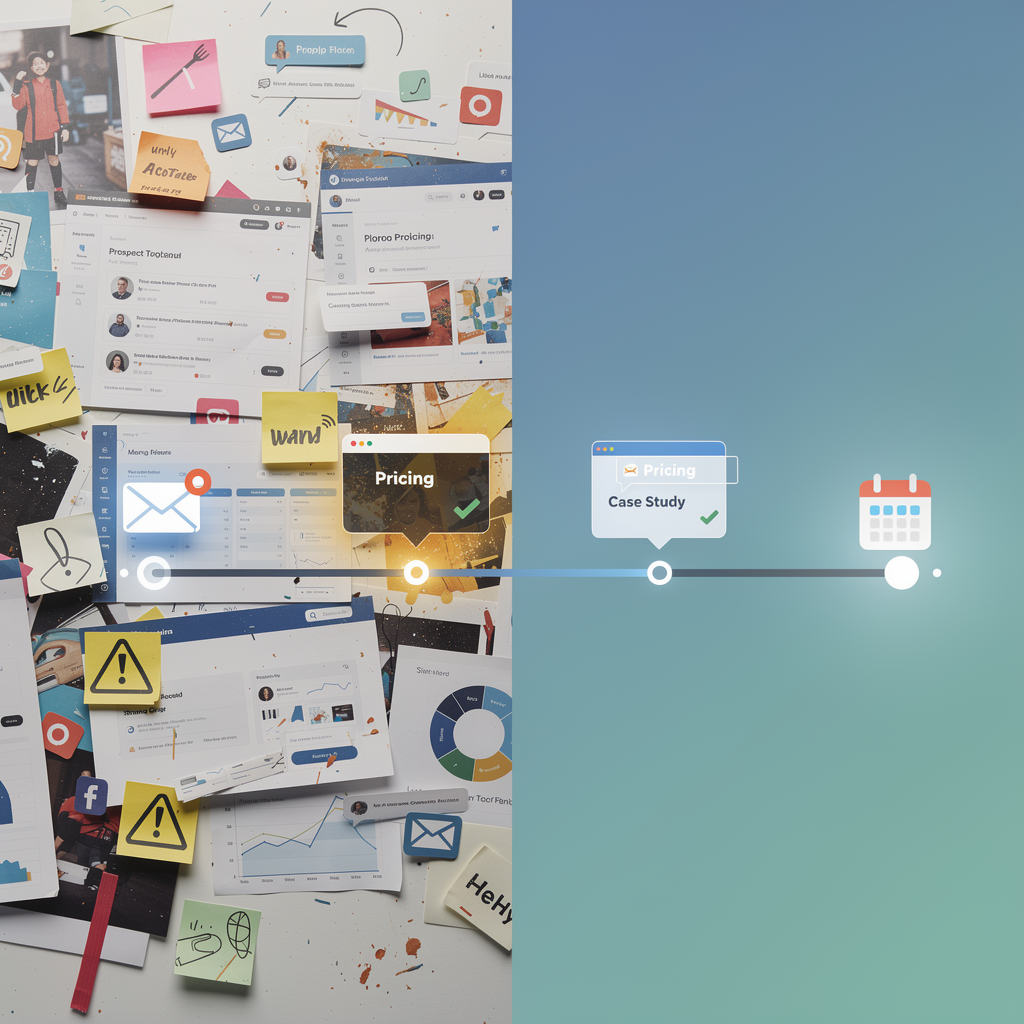
Someone visited your website this week. They landed on your homepage, scrolled for about twenty seconds, and left without filling out a form, clicking a phone number, or reading past the third paragraph. You might have paid for that visit through ad spend, or earned it through years of consistent content work. Either way, the visit produced nothing. Businesses that invest in website optimization services often find that the problem was never traffic. The gap between visits and leads almost always comes down to what the site does once someone arrives. What Your Traffic Numbers Are Not Telling You Traffic reports are easy to read in ways that feel encouraging. Sessions are up, impressions are growing, and pages per visit look steady. None of that tells you whether a single person who landed on your site left with any intention of calling you. The Difference Between a Visit and an Intent Signal A visit is a count. An intent signal is behavior. A visitor who spends time on a specific service page, scrolls past the halfway point on your about page, or returns within 48 hours is showing something a raw session number does not. Most analytics dashboards default to the count, and most teams stop there. Unbounce’s 2025 conversion benchmark report found a median landing page conversion rate of 6.6 percent across industries. Landing page benchmarks offer a useful frame of reference, even though service pages and homepages often convert differently depending on traffic source and page purpose. When your highest-traffic pages are consistently underperforming that range, the issue is almost always in how the page communicates value, not in the volume of people arriving. Where Visitors Drop Off and Why The pages that lose leads most often are the ones you assume are working: Homepage exits happen when the headline does not match what someone expected based on the link they clicked. Service pages lose visitors when the copy describes the process instead of the outcome. Contact forms get the least forgiveness, especially when the value exchange is unclear or the ask feels premature. Exit rate data on those three page types gives you a map of where visitor confidence breaks down. Once you know where they leave, you know where to start. What Website Optimization Services Actually Address The word optimization gets used loosely enough that it has started to lose meaning. Some agencies apply it to any round of site updates. For lead generation, optimization addresses two things. The first is how fast and stable a site performs in real conditions. The second is whether the copy and structure guide a visitor toward a decision. Speed, Structure, and the Five-Second Window Google’s Core Web Vitals measure loading performance, visual stability, and interactivity in real-world conditions. Google frames these signals as part of page experience and notes that they can affect performance in Search when competing pages offer similarly relevant content. Slow pages and unstable layouts create friction in those first few seconds, and friction is what makes visitors leave before they see your offer. Page structure amplifies or reduces that friction. Where your primary call to action appears, how your value statement reads above the fold, and whether your heading hierarchy signals clear navigation all shape what a visitor decides in those first seconds. Most business websites create friction before a visitor reaches your offer: The headline describes the company rather than the problem it solves Navigation presents six or more unlabeled options at once The hero image takes three or more seconds to load on mobile. No visible next step appears until the footer. Each of those points costs you part of the audience you already brought in. Messaging Gaps That Cost You the Form Fill Page speed gets the most attention in optimization conversations, but messaging gaps are often where qualified leads are lost. A site loading in under two seconds still converts nothing when the copy does not address what a prospect needs to hear before making a decision. The most common failure on services pages is language that describes the work rather than the result. “We offer strategic brand development and content marketing” tells a visitor what the agency does. “Your brand should be what a client says when someone asks who they trust,” tells a visitor what changes. The second version moves someone toward a decision. The first gives them no particular reason to stay. Form fill rates drop for a related reason. “Contact us,” says someone to start a conversation without explaining what they get from it. Naming the next step specifically, such as “Get a Website Review” or “Talk to Our Team About Your Site,” changes the perceived cost of clicking. Does Your Website Actually Qualify Your Visitors? A site optimized for lead generation does more than attract clicks. It screens for the right kind of prospect before anyone picks up the phone. The Pages That Create or Lose Lead Confidence Three pages make or break credibility faster than any other. Each one carries a specific job: The about page is where visitors decide whether they trust the people behind the site. The services page is where they decide whether you solve their specific problem. Portfolio work, case studies, or documented client outcomes answer the question running in the background throughout a visit: has this company done this for someone like me? Social proof placed only in the footer functions differently than proof placed where doubt typically enters a buyer’s mind. On a services page, that doubt tends to arrive about halfway down, after a visitor has understood the offer but has not yet decided to act. Placing a testimonial or outcome example at that point does more work than any closing statement. The CTA Architecture Most Sites Get Wrong Most sites offer one CTA repeated in the same form across every page. That approach treats every visitor as being at the same decision stage, and they are not. A first-time visitor who found you through a blog