A CASE STUDY
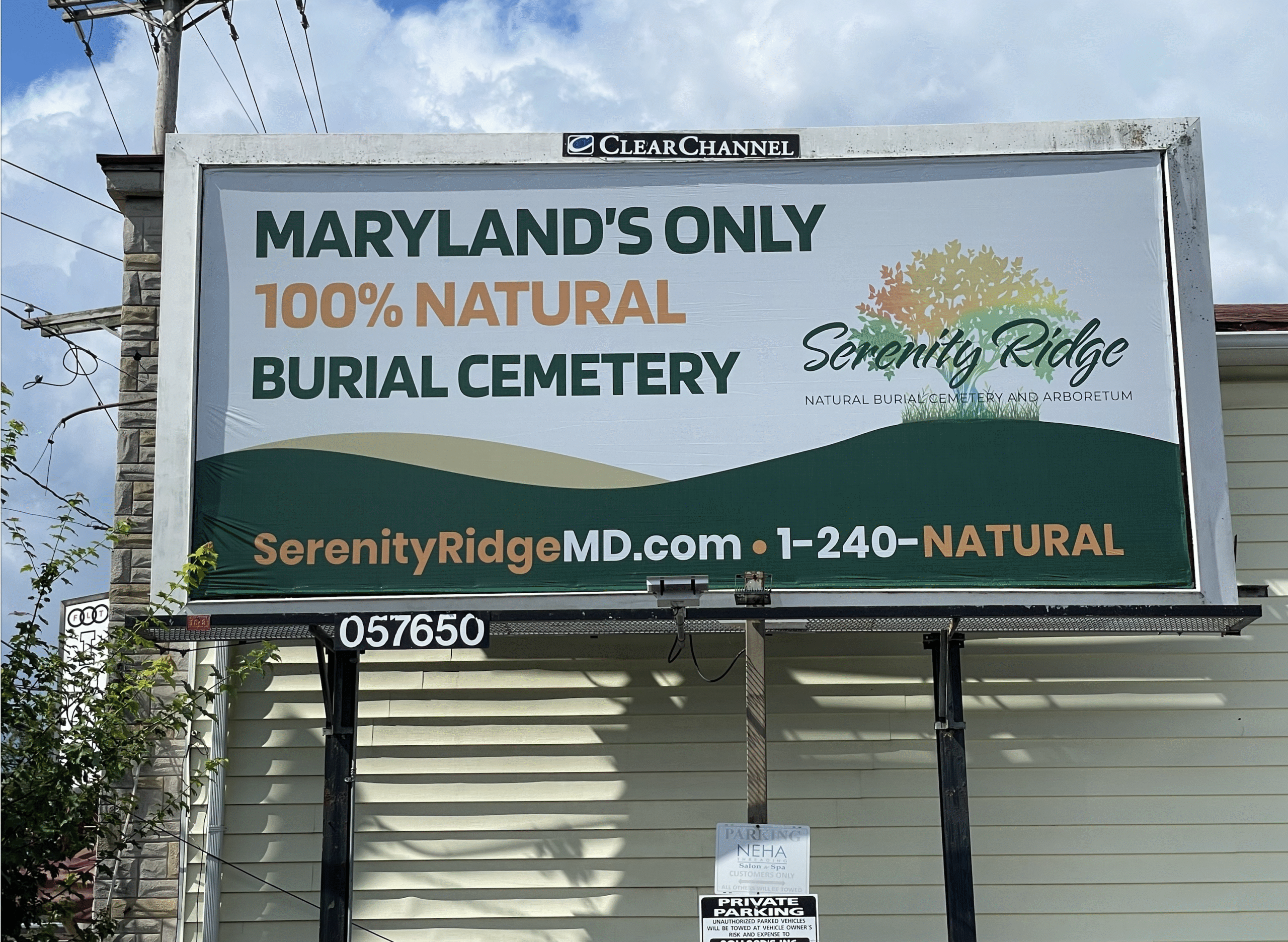
In October 2022, Serenity Ridge Natural Burial Cemetery and Arboretum, Maryland’s only natural burial cemetery, partnered with Silesky Marketing to effectively promote their unique and important natural burial services. Setting the stage for achieving success with cross-channel marketing, Silesky Marketing developed a strategic plan to reach Serenity Ridge’s target audiences. The plan outlined specific goals and objects: to increase brand awareness, educate Marylander’s about Natural Burial, and promote “life” rather than “death” on the Ridge through community events. The multichannel strategy included print advertising in local publications, direct mail to target-specific zip codes, billboards placed in zip codes specifically near the direct mail zip codes, digital banner ads, on-page SEO, email marketing and community-sponsored events. Although the brand started with no social media following and limited brand awareness, Silesky Marketing established the goals from the beginning and aimed to build a strong online and offline presence that would resonate with Serenity’s diverse audience.
Unique Opportunities
From the beginning, there were unique opportunities and challenges to the plan. As the only natural burial cemetery in Maryland, Serenity Ridge needed to educate the public about the benefits of natural burial and highlight its distinctive value proposition; protecting the environment for generations to come. In addition, the marketing message needed to address the religious diversity of the community with their unique customs, and how Serenity Ridge intended to overcome those objections and challenges.
Overcoming Misconceptions
Many people are unfamiliar with the concept of natural burial and may have concerns about the legality, safety, or appropriateness of natural burials. Educating the community involved providing clear, factual information to dispel myths and build trust in the natural burial process.
Highlighting Environmental Benefits
By emphasizing the environmental benefits of natural burials, such as reduced carbon footprints, the avoidance of harmful chemicals, and the promotion of sustainable land use, helped to educate the community. By educating the community on how natural burials contribute to preserving ecosystems and supporting biodiversity, Serenity Ridge attracted environmentally conscious individuals, families and groups very quickly.
Creating Personal and Emotional Connections
Educating the community about natural burial provided an opportunity to connect with the people of Maryland on a personal and emotional level. The concept of returning to the earth in a natural way can resonate deeply with those who value simplicity and a connection to nature. Sharing personal stories and testimonials from families who chose natural burial at Serenity Ridge helped us to illustrate these meaningful experiences and foster a sense of community.
Engaging Diverse Cultural Perspectives
The religious and cultural diversity within the community presented both a challenge and an opportunity. Educating the public about natural burial meant addressing various cultural beliefs and practices surrounding death and burial. Serenity Ridge needed to be sensitive to these differences and offer solutions that respects and accommodates various customs, making natural burial an inclusive option for everyone.
Demonstrating Cost-Effectiveness and Simplicity
For many people, the cost and complexity of traditional funerals are significant concerns. By providing transparent pricing and explaining the straightforward process, Serenity Ridge appealed to those seeking a less complicated and more affordable burial option.
Collaborating with Local Organizations and Thought Leaders
Educating the community also involved partnering with local environmental organizations, religious leaders, and community groups. These collaborations helped the marketing efforts by spreading awareness about the benefits of natural burial and lending credibility to the message.
Utilizing Innovative Marketing Techniques
Finally, Silesky Marketing incorporated innovative marketing techniques to educate the community about natural burial. By leveraging digital tools and creative content, Serenity Ridge effectively reached a wider audience subsequently achieving success with cross-channel marketing,
All of these challenges and opportunities underscored the need for a marketing strategy that was both comprehensive and sensitive to the educational aspect of promoting a natural burial cemetery.