
Your inbox is full. So is everyone else’s. The average professional receives over 120 emails per day, and most of them blur together into a forgettable stream of subject lines and unread notifications. Meanwhile, the mailbox sits nearly empty, save for bills and the occasional catalog nobody asked for.
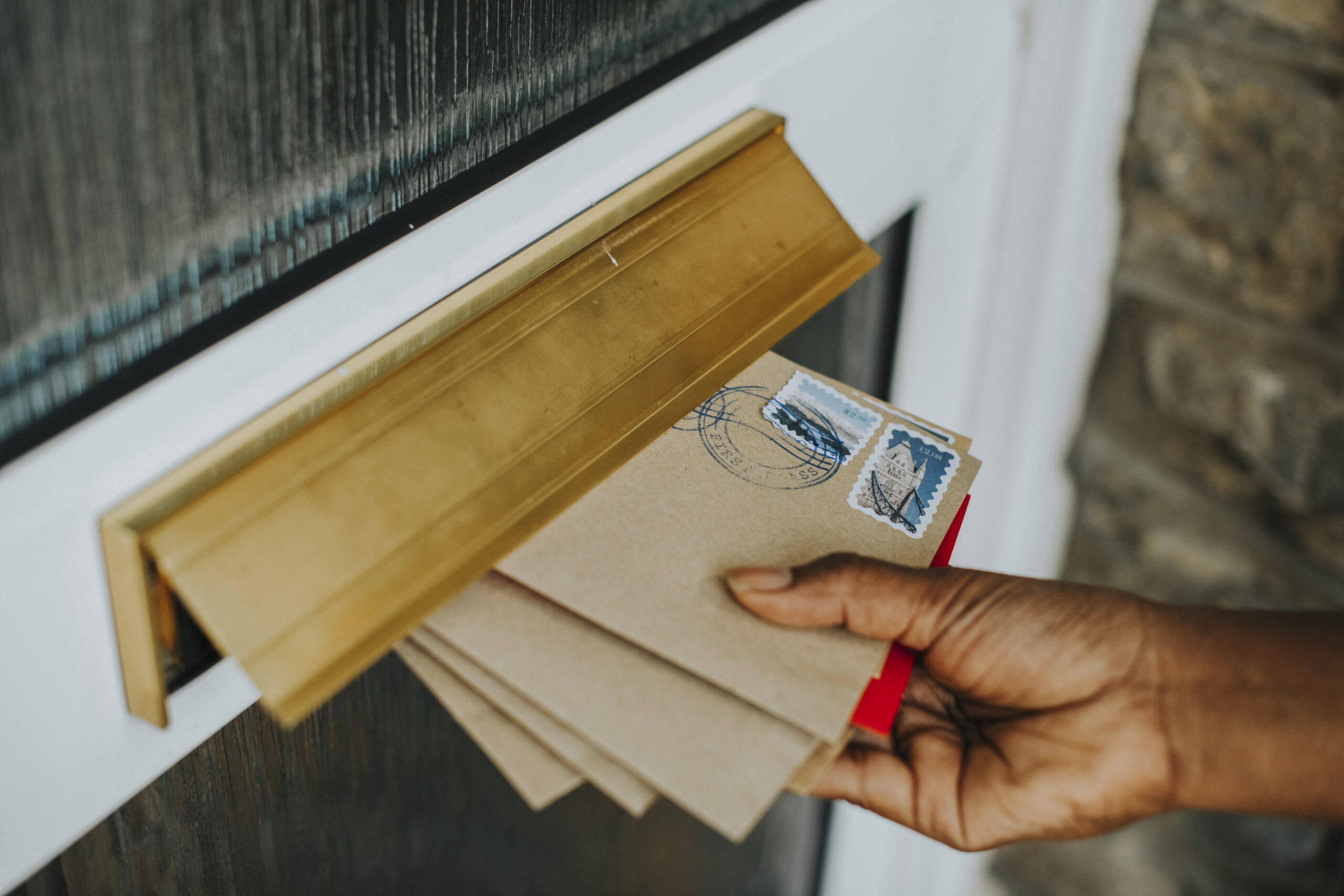
That empty mailbox is an opportunity. A handwritten note lands with weight because it costs something real. It takes time, thought, and intention. It cannot be scheduled, automated, or sent in bulk with a single click. When your client or prospect holds an envelope addressed by hand, they already know this message is different.
Showing up with genuine presence matters now more than ever, and mastering the handwritten holiday note demonstrates the power of that personal connection. This simple act can become the most memorable touchpoint in your entire relationship with a client.
The statistics tell a compelling story. According to the United States Postal Service, the average household now receives only about one personal letter every seven weeks. Compare this to the dozens of marketing emails that arrive daily, and the contrast becomes stark. Scarcity creates attention, and handwritten correspondence is now genuinely scarce.
Why Handwritten Still Wins
Digital fatigue is real, especially during the holidays. According to research from the Data & Marketing Association, email open rates drop by 23% between Thanksgiving and New Year’s Day. Your beautifully designed electronic card drowns in a sea of identical messages. People delete first and feel guilty later.
Physical Mail Gets Attention
Physical mail gets different treatment. Consider what happens when a handwritten envelope arrives:
- Someone opens it immediately. There’s no spam folder for the mailbox.
- The tactile experience registers differently in the brain. You’re not competing with 47 other tabs.
- A 2023 study from Temple University found that handwritten notes create 400% stronger emotional response than digital messages.
- People keep cards on their desks for weeks, creating sustained visibility that your email never gets.
Personalization creates reciprocity. When you invest time writing someone’s name by hand, referencing something specific about your relationship, and physically mailing it, you’ve signaled genuine care. That triggers what psychologist Robert Cialdini calls the reciprocity principle. People feel compelled to return meaningful gestures.
Testing the Approach
We worked with a consulting firm last year that tested this approach. Their senior partner sent 12 handwritten cards to key clients in early December. She referenced specific conversations from the year and shared genuine appreciation. The results:
- Three clients called her in January with new projects
- Two others referred her to colleagues
- Their email blast to 1,200 contacts generated zero responses
The difference wasn’t the medium alone. It was the combination of personal investment and strategic targeting. What you write determines whether that investment pays off.
What Actually Belongs on the Card
Start With Specifics
Reference a real conversation, project milestone, or shared moment from your relationship. The person reading this card should immediately know you wrote it for them, not from a template.
Good example: “Your insight about reframing our Q3 messaging stuck with me. It changed how we approach client conversations.”
Bad example: “Wishing you and your family a wonderful holiday season from all of us.”
The first version proves you were paying attention. The second could go to anyone. When you anchor your message to a real moment, you create recognition. That’s what makes the card memorable weeks later.
If you can’t remember a specific interaction worth mentioning, skip that person. Send them an email instead. This approach only works when you actually have something genuine to say.
Keep Business Light
No pitches, no calls to action, and no “let’s connect in Q1 to discuss opportunities.” This is relationship maintenance, not lead generation.
What works:
- Gratitude for their partnership
- Observation about their work or growth
- Sincere well wishes for the coming year
What doesn’t:
- Service promotions or announcements
- Requests for meetings or calls
- Anything that feels transactional
The moment you ask for something, you’ve turned a gift into a trade. People can smell that immediately.
One of our clients made this mistake beautifully. He sent gorgeous handwritten cards with personal notes, then added a P.S. about his new service offering. Every recipient mentioned the P.S. when they thanked him. Not because they were interested. Because it felt off. The card went from thoughtful to calculated in one line.
If you want to promote something, use email. The holiday card exists in a different category entirely. Respect that boundary.
Close With Warmth
Sign your actual name. Not “The Team at Acme Corp.” Not your title. Just your name.
You can add a personal detail if it feels natural. “We’re heading to Vermont for a few quiet days,” or “Planning to finally finish that novel I started in March.” This makes you human, not just a business contact. But keep it brief. One sentence max.
Three to five sentences total is the sweet spot. More than that, and you’re writing a letter, which changes the dynamic entirely. Notes feel spontaneous and light. Letters feel labored and heavy.
Knowing what to write only solves half the problem. The other half is avoiding the traps that kill authenticity.
Four Fatal Mistakes That Ruin the Gesture
Apologizing for the card itself. “I know this is old-fashioned, but…” or “In this digital age, you probably weren’t expecting…” instantly undercuts what you’re doing. You’ve told them the gesture is outdated before they’ve even read it. Own the choice. No hedging, no disclaimers.
Making it about you. Your company’s growth this year, your new office, your award, and your daughter’s college acceptance. None of that belongs here. This card exists to acknowledge them, not update them on your life. The holiday email blast is for company updates. The handwritten card is for them.
Writing too much. Six sentences become eight, become a full paragraph. You’re trying too hard. The beauty of a handwritten note is its brevity. It respects their time while showing you invested yours. Stop at four sentences. Fight the urge to fill space.
Stressing about perfect handwriting. Your penmanship doesn’t need to be calligraphy. Messy but authentic beats pristine but sterile every time. People know when you’ve agonized over every letter. That defeats the spontaneous, genuine feel you’re building.
When Perfect Looks Wrong
We saw a real example last year where someone clearly drafted their message in Word first, then copied it onto the card in flawless script. It looked manufactured. The recipient showed it to us specifically because it felt weird. Too perfect becomes a problem. Your natural handwriting, even if it’s a bit rough, signals you actually wrote this yourself.
Your content is solid, and your delivery feels authentic. Now you need to get strategic about who receives it and when it arrives.
Who Gets a Card and When
Quality Over Quantity
Twenty meaningful cards beat 200 generic ones. Every time. This isn’t a numbers game.
Your list should include:
- Active clients who’ve been with you all year
- Warm prospects you’ve had multiple real conversations with
- Key referral partners who’ve sent business your way
- People who’d recognize your name immediately and smile when they see your handwriting
Skip these contacts:
- Cold leads you’ve never actually spoken to
- One-time transactions from three years ago
- People you connected with once at a conference
- LinkedIn contacts you’d have to reintroduce yourself to
Think about it this way: would you feel comfortable calling this person right now? Would they take your call? If yes, they’re a candidate for a card. If you have to reintroduce yourself, send them an email instead.
The goal is depth of connection, not breadth of outreach. You want recipients thinking “That was really thoughtful,” not “Why did I get this?”
Timing the Send
Option 1: Early December delivery. Mail by December 10th for arrival before the holiday chaos peaks. Cards that land between December 12th and 18th get prime desk real estate. They’re early enough to feel intentional, late enough to stay visible through the month.
Option 2: New Year’s approach. Flip the script entirely and mail in early January. You’ll stand out in the silence after everyone else has moved on. A “Happy New Year” card arriving January 5th hits differently than the December pile-up. Most businesses stop their holiday outreach on December 23rd. You have the field to yourself in January.
What to avoid: The December 20th to 25th window entirely. Your card arrives with 40 others. It gets lost in the shuffle. Even if they appreciate the gesture, the impact dilutes when it’s competing for attention with family cards, corporate gifts, and year-end paperwork.
Building This Into Your System
Make this sustainable by treating it like the client work it is:
- Block two hours in early December every year on your calendar
- Keep quality stationery stocked year-round, not just holiday-themed cards
- Buy a box of 50 professional cards and replenish when you’re down to 10
- Make it annual, not one time, so consistency builds recognition
People start to expect your card. It becomes part of your brand. The attorney who always sends a handwritten note in December. The consultant who checks in every January. That pattern creates lasting memory.
What Does a 50 Cent Investment Actually Return?
The numbers tell a story that traditional marketing metrics miss. Research from Gallup shows that emotionally connected customers have a 306% higher lifetime value than satisfied but unconnected ones. A handwritten note builds emotional connection in ways digital channels can’t replicate.
The Cost Comparison Math
Compare cost per impression:
- A digital ad might run $2 per thousand views
- A handwritten card costs $0.50 for one person’s complete, undivided attention for 30 seconds minimum
- Recipients typically reread it, show it to colleagues, and keep it visible for weeks
- No banner ad or social media post generates that kind of sustained engagement
Real Client Results
Our clients report measurable differences after implementing this approach:
Accounting firm results: Tracked referral rates before and after sending annual handwritten notes to their top 30 clients. Referrals increased 40% the following year.
Consulting firm results: Saw average deal velocity drop from 90 days to 60 days with prospects who’d received cards. The card didn’t close the deal, but it shortened the sales cycle by keeping the relationship warm.
Marketing agency results: One client sent holiday cards in December to about 25 people in her network. In April, one recipient called with a project. During the kickoff meeting, he mentioned the card unprompted. Said it reminded him to reach out when the need came up. That project turned into $40,000 in revenue.
Why Long Term Thinking Wins
The long game matters here. You’re not trying to close a deal with a holiday card. You’re building relationship equity that compounds over time:
- When they think about who to call six months from now, you’re top of mind
- When they’re asked for a recommendation at a networking event, your name comes up
- When they’re choosing between you and a competitor with identical offerings, the person who took the time to write them matters
Small gestures create disproportionate returns when you’re strategic about who receives them.
Conclusion
The handwritten note represents just one touchpoint in a much longer relationship. It matters because it happens at a moment when attention is scarce and genuine connection is appreciated. But one note, no matter how well crafted, cannot carry a relationship alone.
Building lasting business relationships requires understanding the entire journey, from the first moment someone becomes aware of you to the point where they become an advocate who sends others your way. That journey begins before you ever meet. In the next part of this series, we will map the awareness phase, exploring how strangers become leads in From Stranger to Lead: Mapping the Awareness Phase.