
Marketing Lessons from 30 Years of Building Brands

The marketing lessons Silesky has accumulated over 30 years do not live in the early wins. They do not live in the awards, the referrals, or the campaigns sharp enough that competitors copied them without permission. The lessons live in the distance between how this agency started and how it operates today. Part 3 of this series traced the closure in 2006, the decade of rebuilding, and the relaunch in 2016. This piece covers what three decades of building, losing, and building again leave behind. “I started my business completely winging the whole thing,” Susi says. “Exactly what I tell my clients not to do.” H2: The Standard That Kept Brands Alive for Decades Most agencies measure experience in years listed on a website. Silesky measures it in what held and what did not. Logos and brand systems built in the late 1990s are still in active use today, more than 25 years after Susi and her first hire, Kim Morehead, produced them. Not because the clients are sentimental. Because the work was built to outlast the decade it was made in. H3: One Question Before Any Logo Ships The standard Susi applies to every logo starts with one question. Does the mark work in one solid color, and does it read clearly at pen size? If the answer is no, the logo is not finished. Gradients fail this test. Layered effects fail it. Typography readable only at a specific scale fails it too. Brand systems built without this standard tend to need revisiting within five to seven years, while those built with it age without requiring a rebuild. Clients rarely notice the difference during the project. A decade later, when the file still works exactly as intended, the principle proves itself. H3: Why Clients Push for More and Why That Direction Fails Every first creative review produces the same instinct on the client side. Add. More information on the card. A second color in the logo. Another line in the headline. Susi’s job, as she has practiced it across 30 years, is to move in the opposite direction. The brands with the longest shelf life contain less than the client originally requested. Restraint made them durable. Across hundreds of projects and multiple decades, three principles have not shifted: Simplicity wins. Less is always more. Longevity matters more than trends. The discipline to stop before the work gets crowded is harder to practice than adding one more element. Experience is the only thing teaching you when to stop, and that discipline is what separates brand work with a ten-year shelf life from work feeling dated in three. The same pattern plays out when Silesky steps into a new client relationship. H2: What an Outside Set of Eyes Sees on Day One After three decades of coming into businesses from the outside, Susi describes a consistent pattern. Founders lose the ability to read their own operation the way a stranger reads it. Day-to-day demands replace the outside perspective entirely, and the gaps forming go unnoticed because everyone inside has stopped looking for them. H3: The Gap Between the Pitch and the Page The most common gap Silesky finds at the start of a new client relationship sits between how the founder describes the business in conversation and what the website says. In person, the founder is specific, clear, and confident about what sets them apart. The landing page says something generic and indistinguishable from every competitor in the category. Nobody inside the organization catches this because nobody inside reads the website as a stranger would. Closing this gap, making the written language carry the same specificity and energy as the in-person pitch, is frequently the most valuable work of the first 60 days of a new engagement. H3: When the Brand Has Outgrown the Business Behind It A second pattern shows up in businesses whose marketing has stayed the same while the business moved forward. Expertise grows, clients shift to a different tier, and the work produced looks nothing like it did three years ago. The website, the logo, and the messaging still describe an earlier version of the business, and nobody inside has flagged the distance. Left unaddressed, the misalignment costs real money. Prospects form an impression before they ever make contact, and when the website’s version of the business does not match the conversation, trust erodes before the relationship begins. Two signals Silesky watches for in new engagements: Messaging on the homepage reads like a first-year pitch, not a seasoned operation. Outdated positioning describes work the team stopped doing years ago. H2: What Starting Without a Strategy Teaches You The founding story of Silesky is also its most instructive cautionary tale. The business launched without a plan, without clients, and without revenue, running on instinct, relationships, and a willingness to solve problems in motion. For a time, that approach worked. Then the limits of building without a foundation became clear, and the cost of that clarity was significant. H3: Silesky’s Own Origin as the Cautionary Tale In 2006, the agency closed with five employees. The freelance years following were not comfortable. They were clarifying. Susi spent that period examining what had held and what had given way, then arrived at conclusions the hard way. The relaunch in 2016 was not the old agency reopened. It was a different one, built on a foundation the original never had. Susi now leads every client engagement with strategy before execution. The Silesky process follows a clear sequence. Audit the current marketing first. Identify where the gaps are costing money. Build the plan. From there, the team either hands the plan off or executes it directly, then maintains and adjusts it over time. H3: How to Identify a Client Who Skipped the Strategy Step Clients who arrive without a strategy are easy to identify after 30 years of watching the pattern. Materials exist. Spending is happening. A social feed is running. What none of it has is a legible connection between the

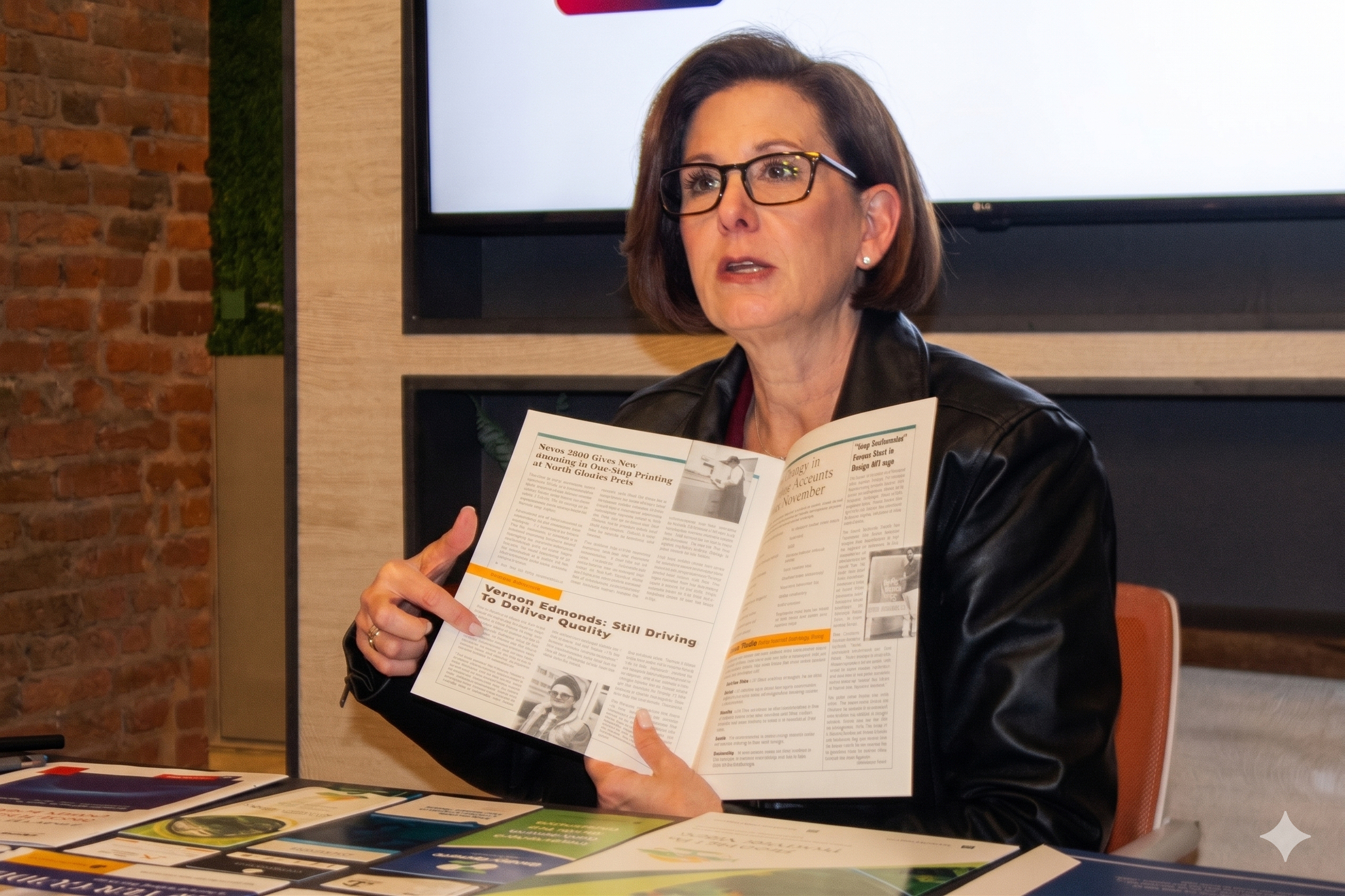
What a Marketing Agency Rebuild Looks Like

From the outside, a five-person agency with a decade of client wins looks like solid ground. The roster was real. Logos built in the late 1990s were still in active use. Campaigns that won local awards were still being referenced by the organizations that commissioned them. Relationships that started with a handshake had turned into multi-year engagements. Silesky Marketing had built something that looked, from every angle, like momentum. Then, in 2006, the agency closed. What followed does not fit neatly into an origin narrative. No pivot announcement came. No press release dressed the closure up as a choice. Instead, the marketing agency rebuild that came next was quiet, unglamorous, and long. Part 2 of this series traced how a single hire and a referral network grew into that five-person operation. This piece covers what happened after the ground gave way, and what Susi Silesky chose to build on top of it. When a Business You Built Stops Five employees is not a number that sounds large. For a boutique agency that launched with no clients, no revenue, and no strategy in April 1996, it represented something significant. Each of those five people had attached their livelihood to work that Susi was generating. By the mid-2000s, the pressure of sustaining that had accumulated in ways that a referral-based, relationship-driven agency without outside funding is not always equipped to absorb. In 2006, the agency closed. No Announcement, No Pivot There was no public statement. No reframe dressed up to make the closure sound like a choice. The business that had grown from a set of letterhead on a front stoop, through a sold piano and eight weeks in Costa Rica, through Jewish nonprofits and bulldog photo shoots and award-winning catering campaigns, stopped. For Susi, the emotional weight of that moment was not abstract. She had built the agency by hand, hired people, sustained relationships, and delivered work that outlasted the clients who commissioned it. Closing was not a strategic reset. It was a loss. The Decision to Keep Working Anyway What she did not do was stop. Between 2009 and 2016, Susi continued working as a freelancer under the name A&M Marketing, a reference to her children, Alex and Mya. The scale was smaller, the budget tighter, and the weight of sustaining the work fell entirely on her while she was also raising her family. She has described this period plainly: “I never really stopped working. I just scaled back and rebuilt smarter.” Scaling back is not the same as giving up. Rebuilding smarter is not the same as starting over. The freelance years were not a gap in the story of Silesky Marketing. They were part of the story where the foundation of what came next was being quietly re-examined, one project and one decision at a time. The Freelance Years Going from a five-person operation to working solo strips away every layer of infrastructure a small agency builds over time. No creative partner to divide the problem with. No team to absorb a difficult client or a chaotic deadline. Just the work, the client relationships, and the discipline to show up for both without anything external holding the structure in place. In the early years, Susi had described her own approach as winging it, building the structure while the work was already in motion. That approach got the agency off the ground, and it also showed its limits when the pressure intensified. The solo years made those limits specific. Strategy first, always, collaboratively with a team she trusted — those three commitments did not come from a curriculum or a consulting engagement. They came from watching what held and what gave way under pressure, then arriving at conclusions the hard way. The freelance period was not comfortable. It was clarifying. What a Rebuild Looks Like From the Inside A rebuild does not look like a relaunch event or a new logo. It looks like a long, quiet period of deciding what to keep and what to leave behind. Susi kept the relationships. The standard for work built to last stayed. So did the instinct for creative decisions that other people had not thought to make yet. What changed was the architecture of how she worked. Less reactive. More deliberate. Grounded in strategy before execution, every time. By the time she was ready to relaunch, she was not trying to return to the agency she had closed. She was building a different one, shaped by everything the first version had cost her. When Silesky Came Back, It Came Back Different In 2016, Susi relaunched the agency. The second iteration shared a name and a founder with the original, but the intention behind every decision had shifted. The first version had grown organically, shaped by whatever the work required in the moment. The second was built from a position of earned understanding, with a clearer sense of the clients she wanted to serve and the kind of work she wanted to do for them. The team that formed around the relaunched agency reflected that shift. Every person brought in was chosen with intention, not assembled out of necessity. The agency that operates today grew directly from those decisions. Silesky Marketing now runs as a fully integrated boutique agency with a small, deliberate team covering strategy, content, social media, design, and web. The structure did not arrive all at once. It was assembled the same way the original agency had been, one relationship and one project at a time, but this time with a clearer blueprint at the center. The Philosophy That Came Out of the Hard Years Susi positions the current agency as the extra seats at the table, close enough to understand a client’s business from the inside, independent enough to see what the people inside it cannot. “Most founders are too close to the fire to see where the smoke is coming from.” That observation did not come from a marketing textbook. A founder who has been in

The Growth Years of Silesky Marketing

The agency that launched without a plan, without clients, and without a single dollar of revenue in April 1996 looked very different by the early 2000s. Part 1 of this series traced how Silesky marketing growth began not with a pitch deck or a launch event but with a set of letterhead on a front stoop, a sold piano, eight weeks in Costa Rica, and a community of clients who already knew and trusted the person behind the work. By the time Susi Silesky replanted herself inside the Baltimore Jewish nonprofit community, something had shifted. The work was coming in. The relationships were holding. The question was no longer whether the business would survive. It was whether it could grow into something real. The answer came in the form of a hire. The Hire That Made It Real Susi describes the moment she brought on Kim Morehead as the moment the business stopped feeling like a freelance operation and started feeling like an agency. Not the first invoice. Not the first client retainer. The hire. That distinction matters because it reflects something true about how small businesses cross a threshold. Revenue is one signal. Bringing another person into the work, staking your livelihood on your ability to sustain them too, is a different kind of commitment entirely. The Partnership That Transformed the Agency When Susi brought on Kim, it wasn’t to fill a rigid graphic design role or a pre-defined job description. Kim joined an agency in the middle of an identity shift. What followed was a creative partnership built in the trenches—solving problems in real-time for a growing roster of Maryland clients. Rather than dividing labor into silos, they built the agency’s foundation side-by-side. They didn’t just share tasks; they shared the risk of expanding into uncharted territory. Navigating the Digital Shift: From Print to Web In the late 90s, web design was the great unknown, a technological disruption much like Artificial Intelligence (AI) is today. Most small agencies were hesitant, but Susi and Kim recognized that the internet was fundamentally changing client needs. Much like today’s pivot toward AI-driven solutions, they accepted projects that required them to build tools they had never used before. This “learn-as-you-go” grit resulted in the agency’s first official website for Sheldon and Sons, marking Silesky’s transition from a boutique print shop to a modern, multi-channel marketing agency. That kind of longevity does not come from following trends. Susi’s design philosophy, as she states it directly, is built on a short set of principles she has carried through every decade of the agency’s work: If a logo does not work in one solid color and fit on the tip of a pen where it reads clearly, it is not a good logo. Simplicity wins. Less is always more! Longevity matters more than trends. These are not abstract values. They are conclusions drawn from watching what holds and what does not, across hundreds of projects and three decades of work. Building a Roster the Hard Way Silesky did not grow by buying ads or chasing new markets. The agency grew through referrals, almost entirely, in the early years. The client relationships that formed during the Associated Jewish Community Federation period became the foundation. Those clients talked. Their networks talked. The roster expanded one name at a time. The Names That Built the Network The story of Silesky’s early expansion wasn’t written in data points or broad market categories; it was written through the trust of individual advocates. In the beginning, growth didn’t come from a sales team, it came from one mortgage lender who saw the value in professional branding, from community leaders in the non-profit sector who spoke highly and loudly of the work Silesky was doing on their behalf, and from local entrepreneurs who opened doors to their own professional circles. These early adopters acted as a bridge, allowing the agency to translate its design expertise across vastly different business landscapes. What began as a niche presence soon scaled into a diverse portfolio: Real Estate & Finance: High-stakes branding for mortgage providers and real estate agents established a reputation for professionalism and market authority. Healthcare & Specialized Services: The agency’s ability to humanize brands led to successful partnerships with dental offices and medical private practices. Trade & Construction: By creating high-impact visual identities for construction companies, Silesky proved that “high design” was just as vital for the trades as it was for the boardroom. The Non-Profit Sector: From the first teenage-focused campaign for a Jewish educational center to complex community initiatives, these projects served as a constant proof of concept. Reputation as a Growth Engine This era of the agency was defined by a pipeline that lacked automation but excelled in human capital. Referral-based growth operates on a simple, rigorous logic: the work must be clear and effective enough that a client feels comfortable staking their own reputation on a recommendation. By consistently delivering results for a local dental office or a regional construction firm, the agency proved its versatility. At Silesky, the work didn’t just speak; it echoed—turning individual projects into a multi-decade network of regional influence. From Nonprofit Work to a Broader Roster The Jewish nonprofit community gave Silesky its footing, but the agency did not stay narrowly defined. As the late 1990s moved into the early 2000s, the roster expanded into private sector work. Printing companies, local businesses, and organizations outside the nonprofit sector began appearing on the client list. Each one came through the same mechanism: a relationship, a referral, a piece of work that someone had seen and remembered. The shift from print and branding into web work marked a real transition. Era 1, the Print Dominance period, gave way to Era 2 as websites became something every client needed, and very few Baltimore agencies were equipped to deliver well. Silesky was already at work before the demand fully arrived. The learning happened alongside the client projects, which meant the agency was building capability and delivering at the

The Baltimore Marketing Agency Built from a Front Stoop

In April 1996, Susi Silesky became the owner of a marketing agency she did not name, did not plan, and did not ask for. A set of letterhead and business cards appeared on the front stoop of her home. Someone else had designed the logo, chosen the name, and made the decision for her. Most agencies trace their beginnings to a business plan, a financial projection, and a launch date circled on a calendar. This Baltimore marketing agency has a different story—one built on a firing, a trip to Jazz Fest, and a package left on a doorstep. Paris, PR, and the Power of the Unexpected Susi moved to Paris the day after her college graduation as an au pair. She had no clear career direction and no goal beyond perfecting her French. A French relationship changed the timeline. She fell in love. What was meant to be one year abroad soon became four. By spring 1988, she was hired as the American assistant to the CEO of S3C Groupe de Communication Souham, a PR firm in Paris working with major international brands. The client roster included Sara Lee, Gillette, WR Grace, Tiffany & Co., and others. At first, she sat on the sidelines, observing account executives while handling administrative work. Then Sara Lee Corporation asked her to work on their cheesecake campaign. Once she gained direct experience with one client, the rest followed. She spent the next several years working with U.S. brands as the American liaison, building firsthand marketing knowledge at an international level. She returned home in the fall of 1991 with four years of experience nobody had mapped out. From Family Legacy to Community Leadership Back in Baltimore, Susi went straight to work at her father’s company, Quickee Offset, the first short-run printing company in Maryland. From 1991 to 1994, she organized and implemented a rebrand campaign for the 35-year-old printing company, which included a noteworthy billboard touting their work with the Baltimore Orioles. The billboard read: “Our Printing is for the Birds.” In 1994, the family business was sold, and Susi moved into the nonprofit world at the Associated Jewish Community Federation. For two years, she served as the account executive for nearly every agency in the Associated system—overseeing branding, strategy, and collateral. Every organization under the umbrella ran its marketing through the Associated’s internal department, and Susi managed the process. She loved the work. As she puts it, “It may have been my favorite work to date. I truly loved the work, the people, and the mission.” Finding Your Footing When the Ground Shifts The Associated let her go, unexpectedly. In a single moment, the stability she had disappeared. She was devastated. She had loved the job, the organizations, and the work she was doing for every agency in the system. In one moment, all of the stability she had built around the role disappeared. Ink, Paper, and a Prayer: The Surprise That Started it All On the advice of friends, she joined them for a trip to the New Orleans Jazz Fest, returning home with no clearer sense of what came next. Waiting on the front stoop was something unexpected: a complete brand identity. Business letterhead, cards, even a logo—someone had designed it all and named the company without her input. It was April 1996, and the business was called Silesky Marketing. In Susi’s words: “I started my business completely winging the whole thing—exactly what I tell my clients not to do.” She had no revenue, no clients, and no strategy. Just a name, a brand, and a decision she hadn’t made—but chose to run with anyway. The Front Porch That Launched a Legacy Trading Keys for Coastlines: The Pivot That Funded the Future With a company name and no income, Susi needed more than a brand, she needed a market. Her first instinct was bold: help American companies reach the Hispanic community. It made sense on paper. But in practice, there was a problem. After four years of speaking French in Paris, her Spanish had all but disappeared. She had studied it once, yes, but now it sat just out of reach, like a song she almost remembered. If the business was going to work, the language had to come back. So she did what she had already proven she was willing to do: she leapt. It wasn’t a small decision. In fact, it was a big one. It meant leaving the country again, paying her mortgage a month ahead, arranging for someone to care for her two cats, and sitting with the quiet, thrilling fear of stepping away from everything stable. It meant letting go of something she loved: the baby grand Steinway piano she had inherited from her Nana. She sold it, turned memory into motion, and used the money to buy herself eight weeks in Costa Rica. There, life narrowed and deepened all at once. She lived with a local family in Heredia, studied Spanish in the mornings, and spent her days listening, speaking, stumbling, learning. On weekends, she traveled through lush hills and unfamiliar roads, the kind of beauty that reminds you how far you’ve gone from home. It was exhilarating. It was exactly the kind of risk that changes a person. When she returned, she didn’t hesitate. She dove headfirst into Baltimore’s Hispanic community, volunteering, showing up, introducing herself again and again. She placed ads, attended every event she could find, and slowly, connections began to form. A few early clients came through, just enough to suggest she might be onto something. But even then, she could feel it: without deeper roots in Hispanic culture, without time and trust, growth would have its limits. The door had opened, but she was still standing on the outside. The Believers: Carrying the Torch from Old Chapters to New When her initial idea around Hispanic marketing proved harder to sustain, she pivoted, returning to the community she knew best. Gradually, relationships she had built years earlier began to reawaken.

The Core Areas a Marketing Audit Must Cover

Marketing dollars disappear quietly. Ads run, dashboards fill with numbers, but the real impact often stays murky. A campaign might generate thousands of clicks, yet if only a handful turn into customers, that spend is nothing more than a leak. In the first post of this series, we showed why audits matter and how skipping them leaves problems hidden until they become costly. Now we turn to what a marketing audit must actually cover to make sure effort and spend aren’t wasted. Too many reviews stop at surface counts like impressions or likes. A proper audit goes deeper. It shows where messages confuse buyers, where budgets flow to the wrong channels, where prospects slip away in the journey, and where reports fail to connect to revenue. This post breaks those into four pillars: messaging, channels, customer journey, and analytics. Together, they give leaders a framework to measure what drives growth—and expose what quietly holds it back. What a Marketing Audit Really Is (and isn’t) Definition and Purpose A marketing audit is a full review of how you attract and keep customers. It isn’t about prettier dashboards or thicker slide decks. It tests whether your marketing efforts actually move the business forward—through sales, revenue, and retention. The difference is simple: Reports show what happened last month. Audits ask why it happened, whether it helped the business, and what must change. Reports summarize activity. Audits reveal cause and effect. Why Surface-Level Reviews Fail Many teams mistake reports for audits. They highlight vanity metrics—impressions, followers, clicks—that look encouraging but can mask waste. A campaign can show rising engagement while quietly draining cash if those interactions never convert. That’s the problem with surface reviews: they tell you people saw your message, but not whether anyone bought, renewed, or recommended you. Without that deeper view, leaders make decisions based on half-truths. Surface Metrics vs. Real Metrics Surface: followers, impressions, pageviews, likes Real: conversion rate, cost per acquisition, customer lifetime value, revenue growth An audit forces the shift. It pushes teams to look beyond easy wins on paper and confront whether marketing is truly delivering. The Four Core Pillars Every useful audit digs into four areas: Messaging and Brand Positioning — is your story clear, consistent, and distinct? Channels and Tactics — how is your budget divided across ads, search, email, social, and other outlets? Customer Journey Mapping — where do prospects drop off, and where does hand-off ownership break down? Analytics and Tracking — are the numbers accurate, and do they tie to revenue? These pillars connect activity to outcomes. Without them, an audit is just a snapshot of clicks and impressions. Pillar 1 — Messaging & Brand Positioning Why Messaging Matters Strong marketing begins with clear, consistent messaging. If prospects don’t understand who you are or why you matter, no channel or campaign can fix it. Messaging shapes first impressions, sets expectations, and signals credibility. Confusion is expensive. When value propositions are vague or inconsistent, buyers hesitate. They leave websites, ignore emails, or choose competitors who explain their offer more clearly. On the other hand, sharp messaging amplifies every other tactic. Paid ads convert more efficiently. Sales calls flow more smoothly. Campaigns reinforce each other instead of pulling in different directions. How to Audit Messaging A messaging audit reviews every touchpoint where your brand speaks to customers. Common areas to examine include: Website headlines, subheadings, and calls to action Sales presentations, proposals, and brochures Ad copy across search, social, and display Email subject lines and nurture sequences Social media bios and posts The goal is to spot whether the same value message repeats across channels, or whether each piece sounds like it belongs to a different company. Common Red Flags A homepage headline that promises one benefit while ads promote another Sales decks that use jargon customers wouldn’t repeat themselves Different tones of voice across marketing, sales, and customer success Value statements that could apply to any competitor in the industry These inconsistencies weaken trust and blur recognition. If a customer can’t repeat what you stand for, they’re less likely to buy—or to remember you later. Benchmarks & Best Practices Research from McKinsey and Harvard Business Review shows that companies with consistent, differentiated positioning outperform peers in both customer trust and long-term revenue. Their findings highlight three common traits of strong messaging: Clarity — Can prospects immediately explain what you do? Consistency — Does every channel reinforce the same promise? Differentiation — Is it obvious how you stand apart from competitors? A quick self-checklist: Can someone outside your industry explain your value after reading your homepage? Do all your channels echo the same identity and tone? Would customers describe you the same way your internal team does? If any answer is no, your audit should flag messaging as a gap that needs fixing before deeper marketing improvements can take hold. Pillar 2 — Channels & Tactics Why Channels Are Often Mismanaged Think of how budgets usually get set. Paid ads get the lion’s share because clicks look immediate. Social media keeps its budget because it feels busy, even if revenue impact is fuzzy. Channels that could deliver better results stay underfunded simply because they’re less familiar. That’s how waste creeps in. Money isn’t lost in one big mistake—it leaks out through inertia. A competitor willing to reallocate boldly can pull ahead without spending more. How to Audit Channel Performance A strong audit doesn’t ask “How much traffic did we get?” It asks, “Did this channel create business outcomes?” Paid Ads — Are keywords or audiences too broad? Do conversions justify the cost? SEO and Content — Is organic growth driving steady traffic and leads? Email Campaigns — Do opens and clicks translate into pipeline? Social Media — Does engagement lead anywhere close to revenue? The point isn’t traffic for traffic’s sake. Each channel must connect to outcomes like leads, opportunities, and customer lifetime value. Surface vs. Deep Channel Metrics Reports often highlight surface signals that look positive but hide gaps. Surface: clicks, impressions,

Why Your Business Needs a Marketing Audit

Marketing budgets feel tight. Yet many teams still spend without knowing what actually works. Imagine pouring thousands into ads, only to learn later that half the people you reached were never going to buy. Meanwhile, competitors pull ahead not by spending more, but by catching problems you never noticed. That’s where a marketing audit makes the difference. It takes a hard look at everything you’re doing, shows what’s paying off, and exposes what isn’t. Instead of relying on gut feel or scattered reports, you get a clear picture of where your money is actually working. This first post in our four-part series explains why every business needs a marketing audit. You’ll learn what an audit really is, what it examines, and the risks of skipping one. You’ll also see how regular audits protect growth and give leaders the confidence to make decisions grounded in facts instead of assumptions. What Exactly Is a Marketing Audit? More Than a Surface Review A marketing audit is a check-up for your marketing. It goes deeper than a campaign ROI report or a quick look at website traffic. An audit connects the dots between data, goals, and outcomes so you can see what’s working and what isn’t. A surface review might catch broken links or low engagement—helpful, but limited. A full audit looks at how every piece fits together, whether it supports your business goals, and where money or opportunities slip away. The difference is simple: one shows the symptoms; the other finds the cause. What a Full Audit Covers Every audit should review six areas.. Together, they give you a full picture of performance. Strategic FitDoes your marketing line up with your business goals? If priorities and reality drift apart, campaigns lose impact and budgets go to waste. Channels and TacticsFrom paid ads to e-newsletters and sponsored events, an audit shows which channels deliver, which overlap, and which are missing. Conversion FunnelEvery stage counts: awareness, consideration, decision, retention. Audits reveal where customers drop off and why. Fixing those leaks often pays off faster than adding new leads. Branding and MessagingConsistency builds trust. If your tone or visuals shift from one channel to the next, credibility takes a hit. Analytics and TrackingBad data leads to bad choices. Audits check whether tracking works, reports are accurate, and the right metrics are being measured. Competitive ViewNo business operates alone. Audits compare your results to peers and industry standards, so you know where you stand. Who Should Conduct the Audit? You can run an audit internally, but bias is a risk. Teams close to the work often miss problems or downplay them. External auditors bring a fresh view. They aren’t tied to past decisions, and they bring benchmarks from across industries. For many companies, that outside perspective quickly pays for itself by uncovering waste and pointing budget back to high-return efforts. Once you know what an audit covers, the next step is seeing which problems they usually expose. Common Pain Points Audits Uncover Even strong marketing teams miss things. Without an audit, small leaks turn into costly drains. Budgets slip away, growth slows, and no one sees why. These are the problems audits reveal most often. Wasted Ad Spend Advertising can eat budgets fast. Money disappears when ads target the wrong audience, when campaigns overlap, or when bids are set too broad. Example: A company runs Google Ads with broad keywords. Reach looks strong on paper, but most clicks come from people who will never buy. The result: steady spend with little return. An audit shows where money is wasted and points to smarter allocation. By cutting weak campaigns and tightening targeting, businesses often save thousands without raising spend. Leaky Conversion Funnels Every funnel loses people. The question is where and why. Audits answer that by mapping the drop-offs. Example: A B2B firm sees 20 percent of visitors bounce from its landing page. The call-to-action is vague, leaving users unsure of the next step. Fixing leaks—unclear CTAs, clunky forms, slow mobile pages—often produces quick wins. Instead of paying for more traffic, an audit helps you get more from the audience you already have. Inconsistent Branding and Messaging Recognition and trust depend on consistency. When slogans, visuals, or tone shift across channels, credibility erodes. Example: A company uses one tagline on its site, another in email, and a third on social. Each works alone, but together they confuse the audience. Audits catch those mismatches. They make sure every channel reflects the same identity, building recognition and loyalty over time. Underused Analytics Data should drive decisions, but many teams rely on incomplete or misleading numbers. Reports often highlight vanity metrics—impressions, likes—while ignoring true indicators like conversions, cost per acquisition, and customer lifetime value. A marketing audit reviews both the data and how it’s gathered. It confirms whether tracking is accurate and reporting is reliable. With clean numbers, decisions shift from guesswork to evidence. Once you see the common pain points, the next question is what happens if you keep ignoring them. Why Skipping Audits Costs More Than You Think Skipping a marketing audit—or downplaying its importance—doesn’t just stall progress. It creates risks that compound over time, often unnoticed until revenue slips or reputation suffers. Budget Misallocation Over Time A small leak in one campaign can turn into a major drain by year’s end. A campaign that wastes ten percent of spend each month can quietly burn tens of thousands. Without an audit, that money slips away unnoticed—resources that could fuel growth instead. Falling Out of Sync with Business Goals Markets change. Customers shift habits. Products evolve. When marketing isn’t checked against those changes, it drifts from what the business really needs. Example: During the pandemic, many brands kept funding in-person events. Their customers had already moved online. Competitors that audited and adjusted captured the demand instead. Audits keep marketing tied to the direction of the business, not yesterday’s priorities. Competitors Exploiting Your Blind Spots Competitors who audit regularly see weaknesses sooner and adapt faster. If your funnel leaks leads

The Real Reason Website Redesigns Fall Flat in 2025

There’s a familiar sting for marketing teams. A new website launches—carefully designed, full of the latest features—yet delivers lackluster results. Modern aesthetics and interactive tools are not enough. Many organizations find the real reason website redesigns fall flat in 2025 goes deeper than looks or technology. What appears to be a design problem often hides strategic gaps and missed opportunities to connect with real users. Chasing Trends Instead of Purpose Every year, new design trends and digital flourishes appear online. Teams feel pressure to adopt these styles—animated transitions, video backgrounds, bold color overlays. The hope is to seem modern and relevant. These design choices can elevate visual appeal, but they may distract from a site’s core goals. For example, a professional services firm might use playful colors to look innovative. This shift can alienate long-time clients who value familiarity and stability. A modern-looking interface doesn’t automatically create a better experience for the audience a business actually serves. Instead of focusing only on visual upgrades, organizations benefit by asking how each design element supports the brand’s promise and the needs of users. Strong online presences are built by aligning aesthetics with clear purpose. Losing Touch with the Real Audience In 2025, data about user behavior is more abundant than ever. Still, meaningful insight often gets lost in translation when teams focus on assumptions about their audience rather than observed behaviors. Redesigns that chase the preferences of hypothetical “ideal” users risk neglecting the routines of current, loyal customers. Imagine a consulting company that revamps its entire site for mobile efficiency, while most clients prefer accessing detailed resources on desktop. Overemphasis on innovation sometimes obscures the practical features that returning users value. Success comes from an ongoing commitment to understanding real users, gathering regular feedback, and responding to actual behaviors—not just statistical trends.Bullet points and heatmaps, paired with honest conversations, often reveal blind spots that site analytics alone can’t capture. Overlooking Fundamental Business Issues Website redesigns typically begin with calls for better aesthetics, faster loading times, or improved SEO rankings. Yet these are often symptoms of more significant, unresolved business challenges. Cosmetic updates alone do not solve deeper problems like unclear service offerings, convoluted product categories, or a lack of trust signals. For instance, a retailer may present a bold new look, but if checkout remains confusing or support is buried, shoppers will leave frustrated. Businesses sometimes invest in visual refreshes, hoping design will compensate for operational shortcomings. It rarely works. Lasting improvements start by identifying the underlying barriers to growth—be it messaging, navigation, or product clarity. Once addressed, design and technology have the foundation they need to make a difference. The Pitfall of “Launch and Leave” Redesign projects often demand months of focused energy, but once a new site goes live, attention tends to shift away quickly. Treating a website launch as a final destination rather than a new starting point can limit long-term success. The most successful organizations treat their websites as evolving platforms, using data and user feedback to drive continuous improvement. Routine content updates, regular usability tests, and small iterative changes keep digital experiences aligned with shifting user expectations. Letting a site stagnate, even if it launched beautifully, invites competitors to outpace you as technology and preferences evolve. Shifting from project-based thinking to a mindset of ongoing growth keeps digital properties relevant and high-performing. Stakeholder Conflicts and Decision Paralysis When every department pushes for visibility, the risk of losing focus rises. Multiple teams lobbying for homepage real estate often results in cluttered layouts and muddled messaging. Features and banners multiply as various voices press their priorities, diluting the clarity of the value proposition. In practice, this might look like a homepage overloaded with pop-ups, promotions, and competing calls to action, leaving visitors unsure where to focus. Without a strong decision-maker to filter input and maintain direction, the user experience suffers. Empowered leadership and a commitment to audience needs over internal politics keep redesign projects on course and user-friendly. Technology Chosen for the Wrong Reasons The landscape of web development in 2025 is saturated with new tools and frameworks—headless CMS platforms, AI-powered plugins, and complex integrations all vying for attention. While these technologies promise flexibility and innovation, they can create headaches if selected without a clear use case. Organizations sometimes add the latest features in hopes of boosting credibility, but end up with slower load times or complicated workflows. For example, an advanced personalization tool may sound attractive, but if it disrupts navigation or fails to deliver relevant content, it can frustrate users and erode trust. New technologies should support clear objectives—streamlining user journeys, improving access to information, or enabling better service—not simply checking boxes for innovation. Measuring Progress That Matters Metrics like page views and session duration are easily tracked, but they don’t always reveal whether a redesign achieved meaningful results. Organizations often celebrate spikes in traffic or lower bounce rates without tying those numbers to business outcomes such as lead quality, customer retention, or sales. Effective measurement strategies focus on actionable KPIs and user behaviors that support broader organizational goals. For example, tracking form completion rates, repeat visits, or average order values yields insights that directly connect web performance to business impact. By prioritizing substance over appearance in measurement, teams are better equipped to adapt their strategies and deliver real value. Building Websites That Stand the Test of Time Digital trends may come and go, but the most resilient websites are built with substance and adaptability. Teams that dedicate time to understanding their audiences, address core business issues, and treat their sites as evolving platforms consistently see stronger results. Thoughtful leadership, strategic use of technology, and focus on authentic metrics set high-performing websites apart. Instead of chasing fleeting trends, organizations should ask tough questions and stay connected with users. This approach leads to lasting digital success. In 2025, the real advantage isn’t having the flashiest site. Success comes from a user experience that is purposeful, consistent, and matched to real-world needs.

Combining Digital and Traditional Marketing for Local Impact

Your business has a strong product and a compelling message, but if your marketing feels disconnected, you might be relying too much on a single approach. Some brands focus entirely on digital marketing and miss local engagement opportunities. Others depend on traditional advertising and struggle to attract online customers. The most effective strategy isn’t digital or traditional—it’s both. A hybrid marketing plan ensures your brand is seen, remembered, and acted upon by local customers. Combining digital and traditional marketing for local impact creates a seamless customer journey, ensuring businesses connect with their audience at multiple touchpoints. This approach strengthens brand credibility, enhances customer experience, and maximizes marketing effectiveness. This guide explores how combining digital and traditional marketing strengthens community impact, improves customer engagement, and drives business growth. Why Traditional Marketing Still Works in a Digital Age Digital marketing dominates headlines, but traditional advertising remains essential—especially for businesses with a local customer base. 1. Tangible Presence Builds Trust Traditional marketing physically integrates into daily life. Unlike digital ads, which can be skipped or blocked, print materials and local sponsorships build lasting recognition and credibility. Billboards and Posters: Reinforce brand awareness among daily commuters. Print Advertising: Local newspapers and magazines attract engaged, loyal readers. Radio and TV Ads: Reach audiences during daily routines, such as commuting or evening entertainment. 2. Traditional Marketing Reaches Less Digitally Active Consumers While younger audiences rely on digital platforms, many consumers still prefer offline engagement. Older demographics respond better to print ads, direct mail, and radio. Local event sponsorships build community trust and brand credibility. Traditional marketing fosters a personal connection that digital strategies can struggle to replicate. Why Digital Marketing is Essential for Local Success Traditional marketing creates awareness, but digital marketing turns awareness into action. Today’s customers expect a business to have an online presence before making a purchase decision. 1. Consumers Research Online Before Buying Even if a customer first hears about a business from a print ad or word-of-mouth, they go online to verify and compare options. 76% of people who conduct a local search visit a store within 24 hours. 88% of consumers trust online reviews as much as personal recommendations. Without a strong digital presence, businesses risk losing customers who want more information before making a decision. 2. Digital Marketing is Cost-Effective and Data-Driven Unlike traditional ads, digital marketing provides real-time analytics, allowing businesses to adjust strategies for better results. Google and Facebook Ads let businesses target specific local audiences. SEO-optimized websites ensure brands appear in relevant local searches. Email and social media campaigns help nurture leads and drive conversions. With measurable outcomes, digital marketing offers a higher return on investment than many traditional methods. How to Seamlessly Integrate Digital & Traditional Marketing The best marketing strategies blend digital and traditional methods to create a seamless customer journey. 1. Drive Digital Engagement Through Traditional Marketing Traditional marketing introduces your brand. Digital marketing deepens customer interaction. Print ads with QR codes that direct users to a website or promo page. Radio ads that encourage social media engagement with a hashtag or contest. Flyers and brochures with social media handles and website links for continued engagement. 2. Use Digital Marketing to Amplify Traditional Efforts Once brand awareness is established through traditional marketing, digital strategies keep customers engaged. Retarget potential customers who have seen a print or TV ad with online ads. Promote in-store events through email and social media campaigns. Feature customer testimonials in digital content to build trust. 3. Ensure Consistent Messaging Across All Channels Customers should experience a unified brand identity whether they interact with your business in-person, on social media, or through print materials. Keep branding uniform across digital and traditional media. Use the same slogans, offers, and visuals across platforms. Offer seamless transitions between offline and online experiences. An integrated approach keeps your brand recognizable and ensures customers receive the same message everywhere they encounter your business. Real-World Success Stories: Businesses That Nailed the Hybrid Approach Neighborhood Café: Flyers & Social Retargeting A local café distributed discount flyers in the neighborhood while running a Facebook and Instagram retargeting campaign aimed at nearby residents. Results: 42% of customers who used the flyer had also engaged with their online ads, reinforcing brand presence across multiple touchpoints. Retail Store: Print & Digital Integration A boutique clothing store placed a newspaper ad featuring a QR code that led to a special online discount page. They then used Google Ads to retarget visitors who scanned the code but didn’t buy immediately. Results: 28% increase in foot traffic. 35% boost in online sales. Fitness Studio: Community Engagement & Digital Follow-Up A fitness studio sponsored a local charity run and gave away branded water bottles with their Instagram handle. They then posted race-day photos online, tagging attendees and encouraging them to share. Results: 50% growth in social media following. 25% increase in new memberships. The Future of Local Marketing is Hybrid Businesses that focus only on traditional marketing risk being overlooked. Those that go fully digital miss out on local engagement. The best strategy is a hybrid approach—leveraging both digital and traditional marketing to create a seamless customer experience. By integrating both strategies, businesses can: Increase brand recognition with traditional advertising. Engage customers in real time through digital channels. Build lasting relationships through community-based marketing efforts. For local businesses looking to make a lasting impact, a well-balanced marketing strategy ensures your brand is everywhere your customers are.

Why AI is a Marketing Tool Not a Replacement for Human Creativity

AI is a tool, not a replacement for human creativity, as it improves efficiency while people drive marketing strategy and emotion. Businesses today integrate AI-driven marketing tools to analyze data, automate tasks, and personalize customer interactions. While AI plays a valuable role in streamlining marketing processes, it cannot replace human creativity, which remains essential for originality, brand storytelling, and emotional engagement. The most successful marketing strategies combine AI’s efficiency with human-led creative strategy, ensuring campaigns resonate with audiences on a deeper level. AI’s Strengths in Marketing AI marketing offers several advantages, primarily in data analysis, automation, and personalized experiences. These capabilities allow businesses to refine marketing strategies and maximize efficiency. 1. AI Delivers Data-Driven Insights AI processes vast amounts of data, identifying patterns that help marketers make informed decisions. AI tools track customer interactions, predicting future behaviors. Sentiment analysis gauges audience reactions to campaigns. Predictive analytics help brands refine strategies based on emerging trends. While AI provides valuable insights, human marketers must interpret and apply the data effectively. A strategy built solely on AI-generated data may lack the creative flexibility needed for meaningful engagement. 2. AI Enables Personalization at Scale Modern consumers expect brands to deliver personalized experiences. AI-driven marketing tools make large-scale personalization possible. AI analyzes customer preferences to generate tailored recommendations. Email marketing platforms use AI to craft personalized subject lines and messaging. AI-powered chatbots provide instant customer support based on previous interactions. Despite these advantages, personalization requires human oversight to maintain brand voice, authenticity, and emotional warmth. 3. AI Automates Repetitive Marketing Tasks AI marketing automation reduces the workload of routine tasks, allowing marketers to focus on high-level strategy. AI optimizes ad placements for better targeting. Automated content scheduling ensures social media consistency. A/B testing platforms analyze campaign performance, refining messaging based on real-time data. Although automation boosts efficiency, marketing teams must maintain control over messaging, ensuring content aligns with business objectives. The Irreplaceable Role of Human Creativity AI supports marketing execution, but human creativity remains the driving force behind effective campaigns. Creativity ensures originality, emotional connection, and ethical responsibility in marketing efforts. 1. Storytelling Builds Stronger Connections AI can analyze data, but it cannot create compelling brand stories that resonate emotionally with audiences. Emotional narratives foster loyalty and trust. Successful campaigns evoke joy, excitement, or empathy—elements AI cannot replicate. Storytelling bridges the gap between data-driven insights and customer relationships. Brands that rely solely on AI-generated content risk sounding robotic and impersonal. Human-led creative strategy ensures messaging remains engaging and relatable. 2. Originality Differentiates Brands AI-driven marketing relies on existing patterns, making it difficult to generate truly original ideas. Human creativity, on the other hand, thrives on breaking norms and thinking beyond traditional marketing trends. Marketers experiment with new formats, visuals, and storytelling techniques. Fresh ideas emerge from brainstorming sessions, not AI-generated templates. Unique branding requires a human touch to stand out in competitive markets. AI enhances execution, but the creative vision that shapes a brand’s identity remains a human responsibility. 3. Ethical Marketing Requires Human Judgment AI lacks the ethical awareness necessary for culturally sensitive marketing. Without human oversight, brands risk publishing content that may be inappropriate, biased, or misinterpreted. AI-generated campaigns may unintentionally reinforce stereotypes. Human marketers assess the impact of messaging on different audiences. Ethical marketing decisions require critical thinking and social awareness. While AI contributes to efficiency, human responsibility is essential for maintaining brand integrity and trust. The Future: AI and Human Creativity Working Together Rather than viewing AI as a replacement for human marketers, businesses should use AI as a tool that enhances creativity and strategy. A balanced approach leads to more effective campaigns. 1. AI Supports Human Creativity, Not the Other Way Around AI streamlines processes, but humans drive brand identity and messaging. Marketers use AI insights to refine creative strategies. AI automates time-consuming tasks, freeing up creative teams for innovation. Human oversight ensures content maintains emotional depth and authenticity. The best marketing strategies leverage AI to complement human-led creative direction. 2. Human Adaptability Keeps Marketing Relevant AI detects trends, but human intuition determines their relevance and impact. Marketing trends evolve, requiring adaptability beyond AI-driven insights. Human decision-making ensures content remains culturally and contextually appropriate. Strategic thinking allows marketers to pivot when AI-generated recommendations fall short. A combination of AI-powered analytics and human expertise ensures brands stay ahead in an ever-changing digital landscape. 3. AI Enhances, But Doesn’t Replace, Customer Engagement Consumers value authenticity, and genuine interactions require a human touch. AI assists with customer service, but human representatives build real relationships. Personalized content should feel natural, not mechanically generated. Brand trust is established through emotional connections, not algorithms alone. Businesses that integrate AI while preserving human creativity achieve a balance between efficiency and meaningful engagement. Conclusion AI marketing is a tool that enhances efficiency, but it cannot replace human creativity. While AI-driven marketing streamlines processes, improves targeting, and personalizes experiences, it lacks originality, emotional intelligence, and ethical judgment. The most effective marketing strategies blend AI capabilities with human-led storytelling and creative strategy. By using AI as a supportive tool rather than a replacement, brands can achieve efficiency while maintaining authenticity and emotional resonance with their audience.

John Sindorf

Director of Strategic Alliances

John believes most businesses don’t need more vendors, they need the right strategic partners.

With decades of experience helping small and mid-sized organizations grow, John specializes in connecting business leaders with the expertise they need to overcome challenges, strengthen operations, and scale with confidence. Whether the conversation centers on sales strategy, marketing, AI, or operational efficiency, his focus is always the same: identifying the right solution for the business, not simply adding another service provider.

Known for his relationship-first approach, John builds partnerships rooted in trust, practical guidance, and measurable outcomes. He helps business owners simplify complex decisions, align the right resources, and spend less time managing vendors and more time leading the businesses they’ve worked so hard to build.

Off the clock: You’ll likely find John networking over coffee, strengthening relationships, and proving that the best business opportunities still begin with genuine conversations.

Kiki DeVane

Marketing Operations Manager

Kiki started her career wanting to change the world through policy, then discovered that a well-built website could be just as powerful. That pivot led her through event marketing, federal communications, and sponsored content for some of the world’s most recognizable brands. She came out the other side a marketing utility player, skilled across strategy, design, development, and copywriting, allowing her to support client campaigns from the front and behind the scenes.

At Silesky Marketing, she’s the connective tissue, keeping projects moving, clients informed, and the team empowered to focus on what they do best. What sets Kiki apart is her ability to move fluidly between the operational and the creative without losing momentum in either direction. Whether she’s architecting a workflow, shaping a campaign, or jumping in on a deliverable, she brings the kind of range that elevates every project and strengthens the team around her.

A systems thinker with a creative soul, Kiki brings order to complexity and a genuine investment in seeing the work land the way it should.

Meital Abraham

Market Expansion & Social Media Strategist

Meital is an artist soul with a strong leaning for graphic design. Her love of pulling beautiful things together is evident in everything she touches. She bridges this love of creativity with her understanding of branding for impactful and successful social media posts.

Operating at the intersection of creative expression and business growth, as a Market Expansion & Social Media Strategist, Meital understands a truth many businesses overlook: stagnant growth is rarely a product of a poor offering, but a lack of identity.

Bridging the gap between the “artist within” and the pragmatism of high-level marketing, Meital guides prospects through the high cost of fragmented branding. She transforms inconsistent messaging into a unified visual story, proving that when art and strategy work in tandem, they do more than just look good, they create the authority necessary to capture and dominate market share.

Aizaz UI Hassan

Web Developer & Graphic Designer

Aizaz has been the driving force behind Silesky’s web development for over five years. As both a graphic designer and UI/UX developer, he brings a rare mix of technical precision and creative clarity to every project.

What sets Aizaz apart is his ability to understand and interpret the assignment—no extra hand-holding, just sharp instincts and calm professionalism. When timelines are tight and expectations are high, Aizaz is the teammate you want in your corner.

Creative and detail-oriented, Aizaz builds clean, modern websites that marry style with substance. From intuitive flows to scalable layouts, his work consistently delivers digital experiences that perform as well as they look.

With every project, Aizaz ensures the design feels effortless for users and does the heavy lifting for the brand.

Sue Hilger, MBA

Chief Growth Strategist

As Chief Growth Strategist at Silesky Marketing, Sue plays a key role in expanding the agency’s client base while cultivating long-term partnerships grounded in trust, collaboration, and measurable success. She works closely with organizations to help them meet their business goals—and then go beyond them—through smart, scalable marketing strategies.

With an MBA and deep expertise in both B2B and B2C environments, Sue bridges the gap between strategic planning and hands-on execution. She guides clients through Silesky’s end-to-end process, beginning with in-depth discovery and needs assessments and continuing through branding, messaging, digital advertising, and campaign rollout.

Sue is focused on long-term impact. Many of Silesky’s client relationships span decades, which speaks to her ability to integrate seamlessly, think strategically, and consistently deliver results. For Sue, every engagement is more than a project—it’s a partnership.

Mya Stengel

Content Developer & Video Editor

Mya brings the heart of a storyteller and the precision of a screenwriter to every project. With a background in Hollywood scriptwriting—particularly in the horror genre—she understands how to build intrigue, capture attention, and deliver a message that lands with impact.

A lifelong book lover turned brand storyteller, Mya has a gift for finding each client’s voice and shaping it into something authentic and memorable. Whether she’s writing SEO-driven blog content, editing silent video loops, or cutting together a punchy hero reel, she focuses on what makes a brand distinct and brings it to life with clarity and emotion.

From blog posts to behind-the-scenes edits, plot twists to punchlines, Mya’s work helps brands connect more deeply and tell stories that resonate.

Ashelin Walker

Digital Growth Strategist

Ashelin is a digital marketing strategist who blends technical know-how with creative insight. At Silesky Marketing, she turns strategy into results, helping clients attract the right leads, connect with their audience, and strengthen their online presence.

She designs high-converting landing pages, launches targeted email campaigns, manages CRM platforms, and creates on-brand video content that performs. From big-picture planning to the freckles of a campaign, Ashelin brings cohesion to the chaos and keeps every piece pulling in the right direction.

What sets Ashelin apart is how seamlessly she connects the tactical to the strategic. She doesn’t just check boxes, she makes sure every effort ladders up to a larger goal. Her work helps clients show up in the right places, with the right message, at the right time.

Susi Silesky

Founder & Brand Architect

As the founder of Silesky Marketing, Susi brings more than 30 years of brand strategy and marketing expertise to the table. Her experience spans ambitious startups, global enterprises, nonprofits, and household-name retailers.

Susi is most energized when she’s helping business owners find their voice, shape their story, and build a brand that reflects their vision and gets the results they deserve.

What sets her apart is her deep understanding of entrepreneurs. She’s built a career not just on strong campaigns, but on building genuine relationships. That blend of empathy and expertise is what makes her work both effective and meaningful.

Susi has led successful marketing initiatives across industries—from healthcare and legal to real estate, B2B tech, and pharma. She’s fluent in French, conversational in Spanish, and skilled at translating complex ideas into clear, compelling brand stories.