Breaking the Red, White & Blue Mold

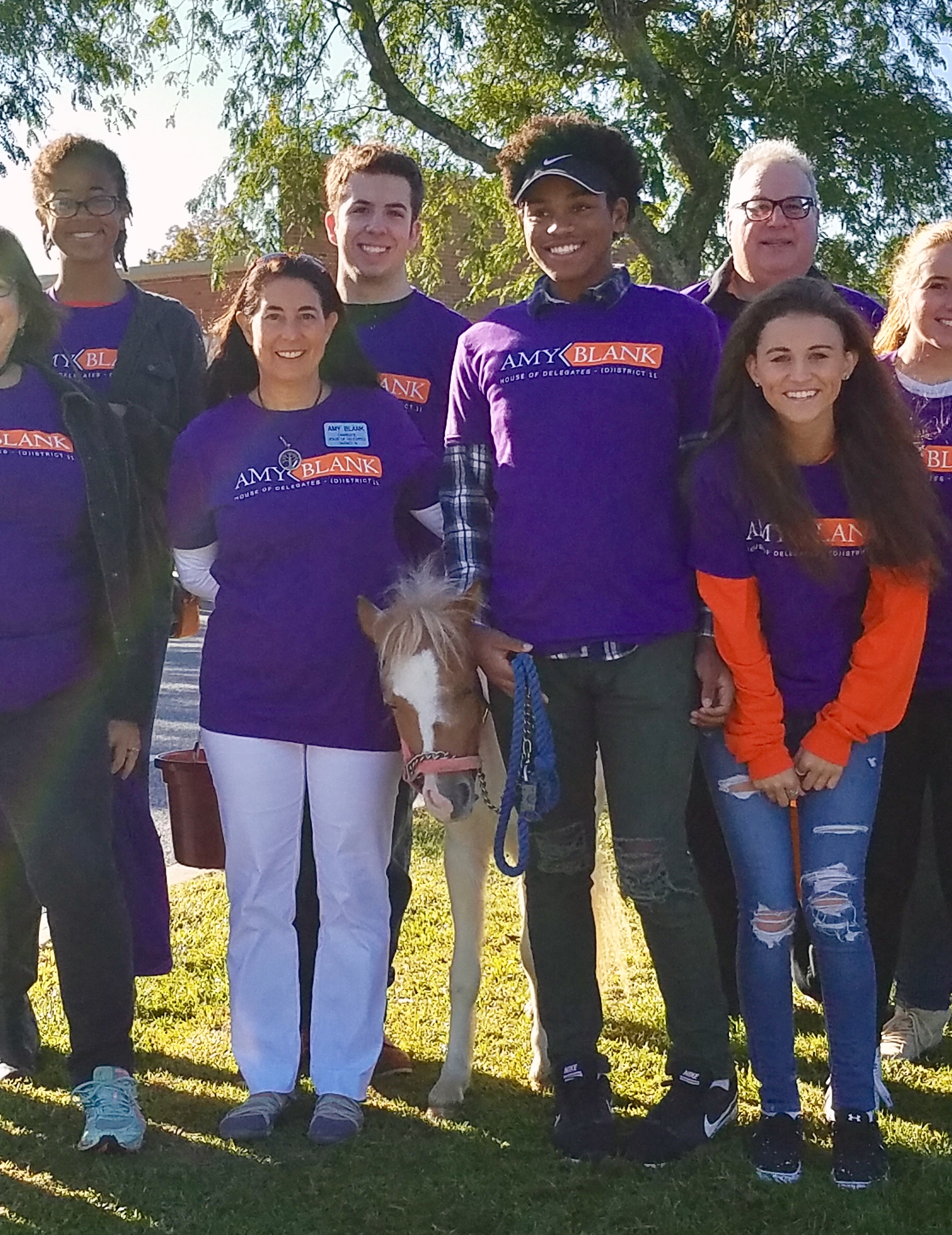
How our first political campaign proved branding can win attention before a single word is spoken. When we took on our first political campaign at Silesky Marketing, we knew one thing immediately: if we played by the usual rules, we’d disappear. Politics is a sea of sameness. Red. White. Blue. Stars. Stripes. Serif fonts that all blur together. And somewhere in that noise, every candidate is trying to convince voters they’re different. That contradiction is exactly where we saw the opportunity. The Problem: Everyone Looks the Same Walk past a row of campaign signs, and you’ll notice something: they’re practically interchangeable. The colors signal “patriotism,” but they don’t signal identity. That’s a branding failure. Because in a crowded field, recognition is everything. If voters can’t instantly pick you out—visually—you’re already losing attention before your message even lands. The Strategy: Be Bold Enough to Be Remembered Instead of leaning into tradition, we made a deliberate choice: Ditch the expected. Own something distinctive. For Amy Blank’s campaign, we built a visual identity around purple and orange—a combination you rarely see in political branding. Why it worked: Purple subtly bridges red and blue; unity without cliché Orange injects energy, urgency, and action Together, they pop in a landscape of sameness This wasn’t just about looking different. It was about feeling different. The Execution: Cohesion Over Chaos We didn’t stop at a logo. We built a full, consistent brand system: Campaign signage that couldn’t be ignored Branded apparel that supporters were excited to wear Print collateral that looked more like a modern brand than a traditional campaign Messaging anchored in a clear, repeatable idea: “Less Politics. More Action.” “Less Politics. More Action.” doesn’t just read like a tagline, it lands like a release valve! It captures a frustration people already carry and flips it into something hopeful and forward-moving. Candidates tend to over-explain, overpromise, and overcomplicate. This line does the opposite: it strips everything down to what actually matters—results. It quietly challenges the status quo without sounding combative, and that’s the magic. You don’t have to agree with every policy to feel the pull of it—you just have to be tired of the noise. And when a message is that instantly understood, that emotionally resonant, and that easy to repeat, it stops being copy… and starts becoming a rallying cry.   The Moment It Clicked When you see a group of supporters wearing the same bold, nontraditional color palette—standing together, smiling, energized, you realize something: This doesn’t feel like a typical campaign. It feels like a movement. And that’s the shift great branding creates. It turns passive recognition into an emotional connection. What This Taught Us (And Why It Matters) This campaign reinforced a principle we now apply across industries: 1. Safe is invisible If you look like everyone else, you’ll be treated like everyone else. 2. Branding is strategy, not decoration Colors, typography, and design choices aren’t aesthetic decisions—they’re positioning decisions. 3. Differentiation buys attention And attention is the gateway to influence. 4. Consistency builds credibility Every touchpoint should reinforce the same identity. No exceptions. The Bigger Takeaway Political campaigns are just one of the most obvious examples of a crowded market—but the lesson applies everywhere. If your brand blends in, it’s not competing. It’s coasting. And coasting doesn’t win. Our First Campaign—But Not Our Last This project wasn’t just a milestone because it was our first political campaign. It was a turning point in how we approach branding: We don’t aim to fit in. We design to stand out and stay remembered. If you’re building something in a crowded space, here’s the question worth asking: Are you recognizable from across the street… or just another sign in the yard? That answer changes everything.


How Generative AI Is Reshaping Campaign Creation in 2025

A single prompt now generates campaign ideas, visuals, and messaging in minutes. For marketers, what once required weeks now happens almost instantly—an evolution driven by generative AI. How generative AI is reshaping campaign creation in 2025 is no longer a concept; it’s transforming each step of the marketing process. Acceleration from Concept to Campaign Launch Creating new campaigns has always demanded time and creative energy. With generative AI, the ideation phase is faster and more targeted: AI tools scan brand guidelines, campaign history, and audience data to recommend concepts closely aligned with current goals. Marketers review creative options, refine messaging, and select assets in a matter of hours. Platforms automate routine production: resizing images, reformatting video, and preparing content for multiple channels without manual intervention. Teams find they can spend less energy on repetitive production and more on strategy, brainstorming, and campaign direction. Personalization at Scale: Practical Realities Personalized marketing once seemed unattainable at a large scale. Now, generative AI makes it accessible and authentic: Platforms analyze behaviors, locations, and purchase histories to shape content for each audience segment. In a retail scenario, product descriptions and email subject lines adjust based on customer preferences and interactions. Marketers track performance data in real time, allowing swift adjustments to content that isn’t resonating. Generative AI adapts to ongoing trends and changing data, so campaign messaging remains relevant and timely. Data-Driven Storytelling and Real-Time Adaptation Campaigns today rely on more than catchy phrases or bold graphics. Modern marketing is fueled by actionable data: Social listening and analytics platforms feed audience sentiment, trending topics, and shifting priorities directly into campaign strategy. If a competitor launches a new offer or a social trend gains traction, generative AI suggests quick pivots in messaging and creative assets. Teams can update campaigns immediately, maintaining engagement and relevance. AI-driven storytelling responds to current market dynamics and internal insights, helping brands stay ahead in a fast-moving environment. Collaboration: Where Human Insight Meets AI Precision Generative AI has become an essential collaborator for marketing teams: AI handles asset creation, drafts copy, and formats content, while marketers shape tone, creativity, and ethical direction. Campaign kickoffs often feature AI-generated concepts or visuals, which spark discussion and lead to innovative ideas. Human review remains critical. Marketers edit, approve, and fine-tune all assets, ensuring every message reflects the brand’s values and voice. This balance empowers marketers to focus on strategic planning and creative vision, while AI manages routine and technical tasks. Ethical Oversight and Content Quality Automated campaign creation also brings heightened responsibility: Built-in compliance checks, bias detection, and brand safety controls are now standard in leading AI tools. Marketers are trained to spot subtle inconsistencies or awkward phrases—so-called “AI artifacts”—to protect authenticity. Every campaign element passes through a rigorous review before launch, preventing off-brand or insensitive content. Quality and ethics are priorities, not afterthoughts. These safeguards help maintain trust and reliability even as campaign development accelerates. Measuring Impact: Evolving Metrics and Deeper Insights Classic metrics like click-through rates and conversions still matter, but generative AI unlocks new ways to measure campaign success: AI dashboards track audience sentiment, creative fatigue, and engagement levels across a wide range of content variants. Marketers can identify which messages and formats are most effective, then quickly iterate to improve results. Campaigns become adaptive processes, evolving with each new data point. Continuous measurement allows for timely optimizations that were previously impossible, raising the standard for what campaign success looks like. Marketers’ Evolving Roles in the AI Era By 2025, the day-to-day responsibilities of marketers have shifted in response to AI’s growing role: Technical know-how with generative platforms is essential, but creativity and ethical judgment remain at the core. Marketers orchestrate the power of AI, setting direction and ensuring campaigns align with broader brand strategy. Less time is spent on repetitive production; more is devoted to ideation, experimentation, and testing new approaches. Far from replacing marketers, AI amplifies their creative impact and strategic influence. Looking Forward Generative AI sits at the center of campaign creation, enabling faster ideation, deeper personalization, and data-driven adaptation. Marketers who integrate these capabilities stay ahead by responding to changing audience needs and shifting trends in real time. The combination of human insight and AI efficiency creates campaigns that connect more authentically—and achieve measurable results. As technology evolves, successful teams will leverage generative AI alongside their own expertise to deliver campaigns that stand out in a rapidly changing digital world.

How the Product Lifecycle Impacts Your Marketing Strategy

When a product enters the marketplace, it’s not starting from scratch — it’s stepping onto a moving track. How the product lifecycle impacts your marketing strategy is a fundamental business reality that often separates thriving brands from those that quickly fade. Understanding this connection allows marketers to anticipate customer needs, adjust messaging, and invest wisely, rather than reacting late and risking brand erosion. What is the Product Lifecycle? The life cycle of a product refers to the stages a product passes through from its inception to its eventual withdrawal from the market. Typically, these stages are: Introduction: Launch phase, where market awareness must be built. Growth: Rapid adoption, increased demand, rising competition. Maturity: Peak sales followed by a slowdown as the market saturates. Decline: Falling demand due to new innovations, changing needs, or market saturation. Recognizing your product’s phase is essential to crafting a relevant marketing strategy. The Product Lifecycle Introduction: Building Awareness The product lifecycle introduction phase is both thrilling and challenging. Awareness is low, consumer skepticism may be high, and the need for education is urgent. Effective marketing focuses on: Storytelling: Connect with audiences emotionally rather than overwhelming them with features. Educational content: Host webinars, write articles, or produce explainer videos to inform potential users. Strategic partnerships: Work with influencers or respected voices in the industry to boost credibility. For instance, when Beyond Meat introduced its plant-based burgers, it framed the product as a revolutionary step toward a sustainable future. Rather than drowning consumers in technical details, the brand offered a compelling vision that aligned with growing environmental concerns. At this early stage, patience and clarity are critical. Marketing must balance creating excitement with setting realistic expectations. Growth Stage: Fueling Expansion As a product gains popularity, it moves into the growth stage — a phase characterized by rising demand, heightened competition, and accelerated brand visibility. Marketing strategies during growth typically shift toward: Social proof: Amplify customer testimonials and case studies to build trust. Channel expansion: Scale marketing across multiple platforms — digital, retail, events. Referral programs: Leverage existing customers to attract new ones through incentives. A perfect example is Slack. Initially adopted by small teams, Slack’s marketing capitalized on the growth phase by highlighting seamless integrations and community success stories. Their rapid word-of-mouth adoption wasn’t accidental — it was engineered through smart marketing decisions during the critical growth phase. In growth, marketing focuses less on “what” the product is and more on “why” it is superior. Maturity Stage: Defending Market Position The maturity stage signals peak product performance, but it’s also where competition is fiercest and growth slows. Key marketing focuses during maturity include: Customer retention: Loyalty programs, VIP customer benefits, and continued engagement. Differentiation: Emotional branding becomes crucial — products alone are rarely enough. Product bundling: Combine products to add value and maintain customer interest. Nike’s handling of the Air Jordan brand offers a textbook example. Instead of resting on past successes, Nike kept the line fresh through limited editions, collaborations, and storytelling tied to nostalgia and aspiration. At maturity, brands must market the experience, not just the product. Maintaining relevance becomes an art form. Decline Stage: Strategic Evolution No product remains dominant forever. The decline stage emerges due to technological advances, shifting consumer behavior, or newer, better alternatives. Options for marketers during decline: Harvest: Maximize profits with minimal investment. Reinvent: Find niche audiences or reframe the product for a new use. Exit: Plan a graceful phase-out while transitioning customers to newer offerings. An example is Kodak. Despite inventing digital photography, it clung too long to film, ultimately facing a massive decline. However, segments of its business, such as instant-print kiosks and niche analog photography communities, continue today, proving there are survival paths even in decline. Early recognition and bold marketing moves during decline can turn a loss into an opportunity. The Product Lifecycle Impact Marketing Strategies In Which Ways? Marketing strategies are dynamic because the product lifecycle demands it. The product lifecycle impacts marketing strategies in distinct ways: Resource distribution: Heavy investment early on shifts to efficiency and retention later. Messaging focus: From education during introduction to emotional loyalty during maturity. Audience targeting: Early adopters give way to mainstream buyers, then niche loyalists. If marketing strategies remain static across lifecycle stages, businesses risk alienating customers who have evolved with the product. What is an Example of Product Life Cycle Success? Apple’s iPod journey illustrates lifecycle-savvy marketing: Introduction: Focused on simplicity (“1,000 songs in your pocket”). Growth: Celebrated lifestyle integration with vibrant campaigns. Maturity: Reinforced ecosystem value by connecting to iTunes. Decline: Transitioned customer focus smoothly toward iPhones without alienating the iPod base. Each marketing decision aligned tightly with the product’s phase, minimizing disruption and maximizing loyalty. Phases of the Product Life Cycle: Marketing Essentials   Phase Primary Marketing Focus Common Tactics Introduction Awareness and education Storytelling, influencer campaigns Growth Market expansion and trust-building Reviews, partnerships, social proof Maturity Loyalty and emotional branding Promotions, bundling, VIP programs Decline Profit harvesting or niche repositioning Targeted messaging, rebranding Conclusion: Marketing with Lifecycle Awareness Knowing how the product lifecycle impacts your marketing strategy isn’t just about theoretical knowledge; it’s about business survival. Lifecycle-aware marketing ensures that efforts resonate with customer expectations, budget allocations are smart, and competitive positioning stays strong. Products, like customers, evolve. Marketing must evolve, too. In the end, the companies that market with the lifecycle rather than against it are the ones that stay in the game the longest.

John Sindorf

Director of Strategic Alliances

John believes most businesses don’t need more vendors, they need the right strategic partners.

With decades of experience helping small and mid-sized organizations grow, John specializes in connecting business leaders with the expertise they need to overcome challenges, strengthen operations, and scale with confidence. Whether the conversation centers on sales strategy, marketing, AI, or operational efficiency, his focus is always the same: identifying the right solution for the business, not simply adding another service provider.

Known for his relationship-first approach, John builds partnerships rooted in trust, practical guidance, and measurable outcomes. He helps business owners simplify complex decisions, align the right resources, and spend less time managing vendors and more time leading the businesses they’ve worked so hard to build.

Off the clock: You’ll likely find John networking over coffee, strengthening relationships, and proving that the best business opportunities still begin with genuine conversations.

Kiki DeVane

Marketing Operations Manager

Kiki started her career wanting to change the world through policy, then discovered that a well-built website could be just as powerful. That pivot led her through event marketing, federal communications, and sponsored content for some of the world’s most recognizable brands. She came out the other side a marketing utility player, skilled across strategy, design, development, and copywriting, allowing her to support client campaigns from the front and behind the scenes.

At Silesky Marketing, she’s the connective tissue, keeping projects moving, clients informed, and the team empowered to focus on what they do best. What sets Kiki apart is her ability to move fluidly between the operational and the creative without losing momentum in either direction. Whether she’s architecting a workflow, shaping a campaign, or jumping in on a deliverable, she brings the kind of range that elevates every project and strengthens the team around her.

A systems thinker with a creative soul, Kiki brings order to complexity and a genuine investment in seeing the work land the way it should.

Meital Abraham

Market Expansion & Social Media Strategist

Meital is an artist soul with a strong leaning for graphic design. Her love of pulling beautiful things together is evident in everything she touches. She bridges this love of creativity with her understanding of branding for impactful and successful social media posts.

Operating at the intersection of creative expression and business growth, as a Market Expansion & Social Media Strategist, Meital understands a truth many businesses overlook: stagnant growth is rarely a product of a poor offering, but a lack of identity.

Bridging the gap between the “artist within” and the pragmatism of high-level marketing, Meital guides prospects through the high cost of fragmented branding. She transforms inconsistent messaging into a unified visual story, proving that when art and strategy work in tandem, they do more than just look good, they create the authority necessary to capture and dominate market share.

Aizaz UI Hassan

Web Developer & Graphic Designer

Aizaz has been the driving force behind Silesky’s web development for over five years. As both a graphic designer and UI/UX developer, he brings a rare mix of technical precision and creative clarity to every project.

What sets Aizaz apart is his ability to understand and interpret the assignment—no extra hand-holding, just sharp instincts and calm professionalism. When timelines are tight and expectations are high, Aizaz is the teammate you want in your corner.

Creative and detail-oriented, Aizaz builds clean, modern websites that marry style with substance. From intuitive flows to scalable layouts, his work consistently delivers digital experiences that perform as well as they look.

With every project, Aizaz ensures the design feels effortless for users and does the heavy lifting for the brand.

Sue Hilger, MBA

Chief Growth Strategist

As Chief Growth Strategist at Silesky Marketing, Sue plays a key role in expanding the agency’s client base while cultivating long-term partnerships grounded in trust, collaboration, and measurable success. She works closely with organizations to help them meet their business goals—and then go beyond them—through smart, scalable marketing strategies.

With an MBA and deep expertise in both B2B and B2C environments, Sue bridges the gap between strategic planning and hands-on execution. She guides clients through Silesky’s end-to-end process, beginning with in-depth discovery and needs assessments and continuing through branding, messaging, digital advertising, and campaign rollout.

Sue is focused on long-term impact. Many of Silesky’s client relationships span decades, which speaks to her ability to integrate seamlessly, think strategically, and consistently deliver results. For Sue, every engagement is more than a project—it’s a partnership.

Mya Stengel

Content Developer & Video Editor

Mya brings the heart of a storyteller and the precision of a screenwriter to every project. With a background in Hollywood scriptwriting—particularly in the horror genre—she understands how to build intrigue, capture attention, and deliver a message that lands with impact.

A lifelong book lover turned brand storyteller, Mya has a gift for finding each client’s voice and shaping it into something authentic and memorable. Whether she’s writing SEO-driven blog content, editing silent video loops, or cutting together a punchy hero reel, she focuses on what makes a brand distinct and brings it to life with clarity and emotion.

From blog posts to behind-the-scenes edits, plot twists to punchlines, Mya’s work helps brands connect more deeply and tell stories that resonate.

Ashelin Walker

Digital Growth Strategist

Ashelin is a digital marketing strategist who blends technical know-how with creative insight. At Silesky Marketing, she turns strategy into results, helping clients attract the right leads, connect with their audience, and strengthen their online presence.

She designs high-converting landing pages, launches targeted email campaigns, manages CRM platforms, and creates on-brand video content that performs. From big-picture planning to the freckles of a campaign, Ashelin brings cohesion to the chaos and keeps every piece pulling in the right direction.

What sets Ashelin apart is how seamlessly she connects the tactical to the strategic. She doesn’t just check boxes, she makes sure every effort ladders up to a larger goal. Her work helps clients show up in the right places, with the right message, at the right time.

Susi Silesky

Founder & Brand Architect

As the founder of Silesky Marketing, Susi brings more than 30 years of brand strategy and marketing expertise to the table. Her experience spans ambitious startups, global enterprises, nonprofits, and household-name retailers.

Susi is most energized when she’s helping business owners find their voice, shape their story, and build a brand that reflects their vision and gets the results they deserve.

What sets her apart is her deep understanding of entrepreneurs. She’s built a career not just on strong campaigns, but on building genuine relationships. That blend of empathy and expertise is what makes her work both effective and meaningful.

Susi has led successful marketing initiatives across industries—from healthcare and legal to real estate, B2B tech, and pharma. She’s fluent in French, conversational in Spanish, and skilled at translating complex ideas into clear, compelling brand stories.