Fixing Customer Acquisition Flaws That Waste Your Sales Budget

The CRM shows 200 new contacts this month. Slack pings with new lead notifications every afternoon. The ad dashboard reports a cost per lead that the team celebrated in the last standup. Sales close are flat, and the budget for next quarter is already under review. What reads as momentum is a warning, because companies spending the most on acquisition right now are often the ones fixing customer acquisition flaws that waste your sales budget without recognizing the process broke before the first dollar left the account. Why Your Sales Budget Is Disappearing Before Any Deal Closes The Gap Between a Lead Generated and a Lead Ready to Buy A whitepaper download and a pricing page visit are not the same signal. One is curiosity. The other is intent. When both get routed into the same follow-up sequence, sales teams spend their hours disqualifying contacts instead of closing deals. Atomic Revenue puts a number on the cost of this confusion: 78% of buyers choose the vendor responding first. Yet the average B2B response time still exceeds 40 hours. That gap exists because the handoff was built around the wrong definition of “ready.” Calibrate lead scoring around intent signals: Time spent on pricing or comparison pages Return visits within a defined window Direct demo or proposal requests Interest signals like content downloads belong in a nurture track, not a sales queue. How Misaligned Targeting Inflates Cost Per Acquisition A $5 lead sounds efficient. But if it requires $500 in sales labor to disqualify, the math reverses. Broad targeting floods the funnel with contacts that the team will spend weeks chasing and lose. None of that time shows up in the cost-per-acquisition figure on the dashboard. Usermaven’s 2026 benchmarks identify the ratio to track. A healthy lifetime value to customer acquisition cost ratio runs 3:1 to 4:1. When it drops to 1:1, the business spends as much acquiring a customer as it earns from one. Audit targeting criteria against closed revenue, strip the segments producing volume without conversion, and reallocate toward the ones where lifetime value justifies the spend. What Does a Flawed Customer Acquisition Process Look Like? When Lead Quality and Close Rate Tell Different Stories A poor close rate on a large pipeline is not a sales performance problem. It is an acquisition quality problem. Increasing spend will not fix it. Publicis Sapient’s 2025 research surfaces a flaw most teams never catch: 77% of firms unknowingly target their own existing customers with paid ads, wasting an estimated 27% of their digital acquisition budget. Companies pay platforms to re-acquire people they already own, while the actual prospect pool gets no attention. The fix is a data audit separating your current customer base from your true addressable market before any budget moves. Messaging That Fills the Room with the Wrong People The message used to pull someone into the funnel sets the expectation for every sales conversation that follows. When top-of-funnel copy promises speed and simplicity, and the product requires a 90-day implementation, the leads arriving in the queue were pre-qualified by the wrong criteria. Tighten acquisition messaging around the specific outcome your best customers describe. Vague promises attract curious contacts. Precise outcomes attract buyers already ready to evaluate. Are You Spending on Volume When Your Sales Cycle Needs Velocity? For most mid-market B2B companies, the answer is yes. Keo Marketing found that 80% of mid-market B2B firms confuse marketing activity with results. Companies without a documented acquisition strategy waste an average of $847,000 annually on vanity metrics. More leads entering a slow process do not produce more revenue. It produces a longer queue of contacts waiting to be disqualified. The Hidden Cost of Nurture Gaps in a Long Sales Cycle A prospect with a 90-day decision cycle does not stay warm without deliberate contact. Acquisition campaigns capture attention, but if follow-up stops after the first touchpoint, leads go cold in the gap. The acquisition budget earns nothing. Map the full decision window before allocating budget. A 60 to 90 day sales cycle needs to be calibrated to sustain engagement across the period, not a single push in month one. Why Retargeting Without a Conversion Strategy Accelerates Waste Retargeting amplifies whatever conversion experience waits at the end of the funnel. If the landing page or follow-up sequence failed to convert a prospect the first time, retargeting sends them back to the same breakdown. This adds cost without fixing the issue. Before reactivating retargeting, audit what the audience encounters on return. Synchronize the message with the specific friction point that stopped them from moving forward the first time. How Do You Fix Customer Acquisition Flaws Without Rebuilding Everything? Surgical adjustment at the handoff points, not a full rebuild. Most acquisition waste concentrates in three places: The criteria defining when a lead moves from marketing to sales The quality and timing of follow-up between the first contact and the close The attribution framework connecting campaign spend to closed revenue. Address those three in sequence, and the system tightens without a full overhaul. Audit the Conversion Points, Not Just the Top of Funnel Top-of-funnel metrics show how many people entered. They do not show where the process stops working. Pull close rate data by lead source and map it against the follow-up sequence each source received. A conversion audit should answer four questions: Which lead sources produce the shortest average time to close? Where in the follow-up sequence do leads most often go quiet What is the close rate difference between leads contacted within 24 hours versus after 48 hours? Which campaign types produce customers with the highest lifetime value Most teams find that two or three points account for the majority of the loss. Match Your Acquisition Spend to Your Actual Sales Cycle Length A company with a 90-day sales cycle that concentrates its spending in a single month builds a pipeline it cannot sustain. Leads generated in January need contact and follow-up through March to close in the quarter. Calibrate spend distribution

Conversion Optimization: Where Leads Become Customers

You have done everything right. The prospect found you through your awareness efforts. They entered consideration and received months of valuable nurturing content. Now they are ready to decide, and suddenly, nothing happens. Leads becoming customers through optimization of your conversion process requires removing the friction that keeps them stuck. The final stage of the customer journey, where deals either close or die, is not usually about competitors. It is about the status quo. The current situation, however painful, feels safer than change. This is where all your previous work either pays off or gets wasted. The psychology here differs from earlier stages. During awareness and consideration, your job was to build interest and trust. Now your job is to overcome the natural human resistance to change. What Happens at the Moment of Decision The decision to buy is rarely rational. People like to believe they weigh pros and cons, evaluate alternatives systematically, and choose the objectively best option. Research from organizations like Gartner consistently shows Gartner otherwise. Emotions drive decisions, and logic justifies them afterward. At the moment of decision, your prospect is feeling something. These feelings determine what happens next: Confidence that you are the right choice Anxiety about making a mistake Excitement about the results they expect Fear about the disruption involved Understanding the emotional state of your prospects during the decision moment helps you address their actual concerns rather than the concerns you assume they have. Risk as the Real Objection When a prospect hesitates, the stated reason is rarely the real reason. They say they need to think about it, check with their team, or wait until next quarter. What they often mean is that the perceived risk of moving forward outweighs the perceived risk of staying still. Your job is to shift that equation. Sometimes this means reducing the perceived risk of choosing you. Sometimes this means increasing the perceived risk of not choosing anyone. The approach depends on what is actually driving the hesitation. Risk takes many forms: Financial risk if the investment does not pay off Career risk if the decision makes them look bad Operational risk if implementation causes disruption Each type of risk requires a different response. The Buyer’s Internal Battle Most B2B purchases involve multiple stakeholders. Even when your primary contact is enthusiastic, they may face skepticism or resistance from others in their organization. According to research on B2B buying behavior, purchases now average eight to ten decision makers Gartner, each with different priorities and concerns. The CFO questions the ROI. The operations team worries about implementation disruption. The CEO wants to know why now instead of next year. Conversion often depends on equipping your champion to win these internal battles. Give them the data, stories, and arguments they need to sell internally. Make it easy for them to explain why this investment makes sense, why you are the right partner, and why waiting costs more than acting. Create stakeholder-specific content that addresses the unique concerns of different roles: An executive summary for the CEO An ROI analysis for the CFO An implementation timeline for operations Each piece equips your champion to answer questions they will face. Does Your Proposal Help or Hurt The proposal is often the last piece of content a prospect sees before making a decision. It should crystallize everything they have learned and felt throughout the consideration process. Too often, proposals do the opposite. They introduce confusion, create new objections, and undermine the relationship that was built. A proposal that works is not a document that describes your services. It is a document that describes their future. It connects what you do to what they need in language that resonates with their goals and concerns. Review your current proposal template critically. Does it focus on your capabilities or their outcomes? Does it address their specific situation or describe generic services? The difference matters enormously. Structure That Guides Decision The fewer steps between decision and action, the less opportunity for second thoughts to creep in. Audit your contracting process from the client’s perspective. Consider the client’s burden: how many pages must they read? What number of forms do they need to complete? How many days does the overall process take? Eliminate every unnecessary step to smooth the transition. Each section should answer the question the reader has at that moment: What do you know about my situation? What will you do for me? What could go wrong? How much will it cost? What do I do next? Address these questions in order, and the proposal guides the prospect toward a decision. Keep proposals as short as possible while answering all necessary questions. Length does not demonstrate thoroughness. It demonstrates an inability to communicate efficiently. Pricing Presentation Psychology How you present pricing affects how it is perceived. A single number with no context feels arbitrary. The same number presented after a detailed value explanation feels justified. The same number positioned between two other options feels like a reasonable middle ground. Consider what comparison you want the prospect to make: Comparing your price to the cost of inaction Comparing it to the value of the expected results Comparing it to the price of inferior alternatives The comparison you set up frames how the number lands. Avoid surprises in pricing. If your proposal contains numbers significantly different from what the prospect expected, they will focus on that surprise rather than your value proposition. Discuss pricing directionally before the proposal arrives. What Creates Urgency Without Pressure Urgency accelerates decisions. Without urgency, prospects delay indefinitely, waiting for a perfect moment that never arrives. But manufactured urgency, the kind that relies on arbitrary deadlines and false scarcity, damages trust and often backfires. Real urgency comes from real consequences: The cost of waiting another quarter The opportunity that will pass if they do not act The competitive disadvantage that grows each month These consequences exist whether you point them out or not. Your job is to make them visible. Help prospects calculate

How a Fresh Website Design Boosts Lead Generation

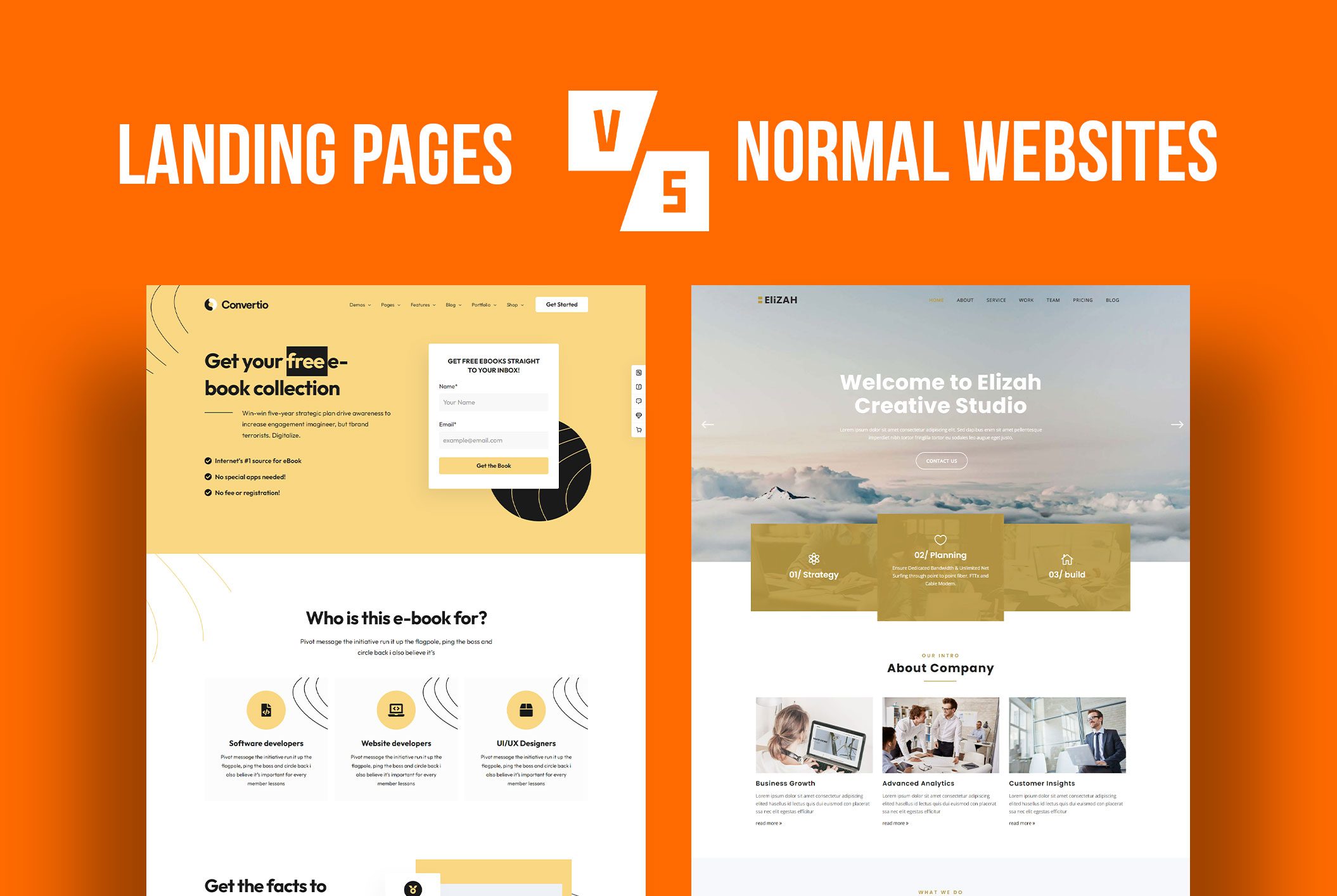
A fresh website design boosts lead generation by creating an inviting, user-friendly experience that encourages visitors to engage and take action. In today’s digital landscape, first impressions matter, and your website often sets the tone for customer relationships. When your site is modern, optimized, and visually appealing, it acts as a magnet for leads, helping your business grow faster and smarter. Why Your Website is Key to Lead Generation Your website serves as your digital storefront, often shaping the first impression potential customers have of your brand. If visitors find it outdated or difficult to use, they’re likely to leave and explore competitors. Essential Features of a High-Converting Website: Responsive Design: Ensure your site looks and works well on all devices. Clear Calls-to-Action (CTAs): Encourage visitors to take specific steps like subscribing or contacting your team. Fast Load Speeds: Keep visitors engaged by reducing wait times. Seamless Navigation: Make it easy for users to find what they need. A website designed with these elements becomes a powerful tool for driving lead generation, ensuring visitors stay and engage rather than bounce. User Experience: The Foundation of Lead Generation User experience (UX) is the secret sauce behind high-performing websites. When visitors enjoy navigating your site, they’re more likely to explore further and engage. How UX Drives Engagement: Simplified Layouts: Organize content to guide visitors toward your CTAs. Faster Load Times: A one-second delay can reduce conversions by up to 7%. Mobile Accessibility: With over half of all web traffic coming from mobile devices, a responsive site is essential. Accessibility Features: Tools like alt text for images and keyboard navigation expand usability. By prioritizing UX in your redesign, you create an inviting digital environment that naturally converts visitors into leads. Mobile Optimization: A Non-Negotiable for Lead Generation More than 50% of internet users browse on mobile devices. If your website isn’t optimized for smaller screens, you risk alienating a huge audience. Benefits of a Mobile-Friendly Website: Higher Engagement: Mobile users expect intuitive design and quick navigation. Improved Load Speed: Optimized mobile pages load faster, reducing bounce rates. Better SEO Rankings: Search engines reward mobile-friendly sites with higher visibility. Example: Consider a local business with a mobile-optimized website. They experience a 30% increase in contact form submissions after redesigning for mobile compatibility. This demonstrates the significant impact of mobile-first design on lead generation. The Power of Visual Design in Building Trust Visitors form opinions about your website almost instantly. A polished, modern design helps establish trust and credibility, while a cluttered, outdated look can drive users away. Tips for Visual Design Success: Professional Images: High-resolution visuals convey quality and attention to detail. Consistent Branding: Use uniform colors, fonts, and imagery to reinforce your brand identity. Whitespace: Allow breathing room between elements to improve focus and readability. Interactive Features: Tools like sliders and animations add a dynamic element to the user experience. By making thoughtful visual updates, your website becomes a compelling representation of your brand, fostering trust that leads to conversions. The Art of Strategic Call-to-Actions (CTAs) A website without CTAs is like a roadmap with no destination. Effective CTAs guide users toward meaningful actions, turning passive visitors into active leads. How to Craft Perfect CTAs: Use Clear Language: Action words like “Subscribe,” “Download,” or “Get Started” motivate users. Strategic Placement: Position CTAs at key points like the header, middle of the page, or after engaging content. Test Multiple Variations: Experiment with wording, colors, and placement to find what resonates. Make Them Stand Out: Use bold designs or contrasting colors to grab attention. Example: A service-based business redesigned its website to include CTAs like “Request a Free Consultation” on every service page. This resulted in a 40% increase in inquiries. SEO and Lead Generation: A Perfect Partnership A fresh website design offers an excellent opportunity to enhance your SEO strategy. Better SEO means higher search engine rankings, which leads to increased traffic and more potential leads. SEO Improvements During a Redesign: Optimized Images: Compress images to maintain quality while improving load times. Meta Descriptions: Include concise, keyword-rich descriptions for better click-through rates. Structured Content: Use headings and subheadings to make content scannable for users and search engines. Internal Links: Guide users to related pages to keep them on your site longer. Real-Life Results: Companies that invest in SEO as part of their redesign often see a 30% increase in organic traffic within six months. Content Matters: How to Engage Visitors Your website’s content plays a critical role in keeping visitors interested and turning them into leads. Without valuable, targeted content, even the best design will fall flat. Content That Converts: Case Studies: Showcase real-world success stories to build credibility. Blog Posts: Provide educational and engaging content to establish authority. Landing Pages: Create focused pages tailored to specific campaigns or audiences. FAQs: Address common questions to make visitors feel understood. Fresh, relevant content aligned with your audience’s needs ensures your site remains both informative and engaging. Measuring the Impact of Your Website Redesign Once your redesign goes live, monitoring performance is essential to assess success and identify areas for improvement. Metrics to Track: Bounce Rate: Indicates how well your site retains visitors. Conversion Rate: Measures how many users take desired actions, like filling out a form. Session Duration: Longer visits suggest higher engagement. Traffic Sources: Pinpoint where your leads are coming from, such as search engines or social media. Using tools like Google Analytics helps you refine your strategies for even better results over time. Conclusion A fresh website design boosts lead generation by delivering a seamless user experience, improving mobile compatibility, and optimizing for SEO. With modern visuals, strategic CTAs, and engaging content, your site can become a powerful driver of business growth. Investing in a website redesign isn’t just about keeping up appearances—it’s about creating a better platform for your business to thrive. Take the first step today and unlock your website’s full potential as a lead-generation powerhouse.

The Ultimate Guide to Effective Web Development Conversion

Effective web development is about more than just creating a visually appealing site—it’s about building a platform that performs seamlessly and turns visitors into customers. The Ultimate Guide to Effective Web Development Conversion details strategies to boost website performance and drive user conversions. Whether you’re launching a new project or refining an existing one, understanding how design, functionality, and user experience intersect is crucial for maximizing results. By aligning these elements with your business goals, you can create a website that not only attracts users but also converts them into valuable leads or sales. The Role of Web Development in Driving Conversions Web development plays a critical role in shaping how users interact with your site and whether they take action. It’s not just about getting the website to work; it’s about crafting an experience that leads visitors toward conversion. Several key factors drive conversion, including speed, functionality, and user engagement. To start, page load speed directly impacts user retention. Studies show that a slow-loading page can cause users to abandon the site, leading to a loss in potential conversions. Web development teams can optimize page speed by compressing images, reducing server response time, and minimizing code bloat. In addition to speed, mobile responsiveness is vital for increasing conversion rates. More than half of today’s web traffic comes from mobile devices, so if your site isn’t optimized for mobile use, you risk losing a large chunk of potential customers. A responsive design adapts to different screen sizes and ensures that the website maintains a consistent experience across all devices. Fast-loading pages keep users engaged and reduce bounce rates. Mobile-responsive designs ensure a seamless experience for all visitors. User-friendly layouts guide visitors toward desired actions easily. Clear navigation reduces friction and improves the overall user experience. Compelling calls-to-action (CTAs) prompt users to take immediate steps, increasing conversion opportunities. By focusing on these aspects, web developers create an environment where visitors can effortlessly engage with content and follow conversion paths. Understanding User Experience Design in Web Development User experience (UX) design is the cornerstone of any successful web development strategy. A well-designed website makes it easy for users to navigate and find the information they need without hassle. Good UX reduces friction points and encourages users to stay on the site longer, which increases the likelihood of conversion. Clear navigation and strategically placed CTAs are vital components of UX design. They guide users through the site without causing confusion or frustration. For example, a confusing layout or hard-to-find buttons may frustrate users, driving them away instead of leading them toward conversion. Moreover, consistent design elements—such as color schemes, fonts, and button styles—foster a cohesive experience. Consistency reassures users that they’re in the right place and makes the entire journey feel seamless. Consistent design elements make the site feel professional and trustworthy. Intuitive navigation improves the ease of use and keeps users engaged. Effective CTAs drive users to perform specific actions, such as making a purchase or signing up for a service. Minimalist design reduces distractions and keeps users focused on the core message. Streamlined content layout ensures users can quickly find what they’re looking for. This attention to user behavior helps businesses create a smoother experience, ensuring that users are more likely to convert. Conversion Optimization Through A/B Testing and Analytics After the website goes live, the work doesn’t stop. Regular testing and optimization are crucial for increasing conversion rates over time. One effective technique for ongoing optimization is A/B testing. In A/B testing, developers test two different versions of a webpage or element (such as a button) to see which performs better. For example, changing the color of a CTA button or moving it to a more prominent location can improve user interaction. Developers can use tools like Google Optimize to run these tests and measure the impact of each change. In addition to A/B testing, it’s essential to monitor analytics. Analytics platforms, such as Google Analytics, track user behavior, including how long they stay on the site and which pages they visit. These insights help identify potential bottlenecks in the user journey. A/B testing allows developers to fine-tune elements for maximum impact. Analytics tools provide data-driven insights for informed decision-making. Conversion funnels highlight where users drop off, helping identify problem areas. Page views and session duration reveal which content resonates most with visitors. User behavior tracking offers deeper insights into how visitors interact with the site. Through A/B testing and analytics, web developers can continuously improve site performance and boost conversion rates. The Importance of Content Management Systems in Web Development A flexible content management system (CMS) is essential for maintaining an up-to-date website. A good CMS makes it easy to update content, ensuring the site remains fresh and relevant to users. This ease of management allows businesses to publish new material regularly, keeping the audience engaged and improving SEO performance. A well-built CMS also integrates with third-party tools, enhancing the site’s functionality. For example, marketing automation platforms and email marketing systems can be seamlessly added to improve user engagement and personalization. User-friendly CMS allows for easy updates without the need for technical expertise. Third-party integrations extend the functionality of the website. Regular content updates keep the site fresh and improve search engine rankings. Automation tools streamline marketing efforts and provide more personalized user experiences. CMS scalability ensures the platform can grow with the business. Web developers should choose a CMS that meets the business’s needs and allows for easy modifications without slowing down site performance. Building Trust with Security and Performance Optimization Trust is a crucial element of any high-converting website. Visitors need to feel secure when interacting with your site, especially if they are providing personal information or making purchases. Web developers can enhance trust by implementing solid security measures, such as SSL certificates and encrypted payment gateways. Beyond security, performance optimization also plays a significant role in building trust. Websites that load quickly and perform well across all devices create a positive impression and encourage users

John Sindorf

Director of Strategic Alliances

John believes most businesses don’t need more vendors, they need the right strategic partners.

With decades of experience helping small and mid-sized organizations grow, John specializes in connecting business leaders with the expertise they need to overcome challenges, strengthen operations, and scale with confidence. Whether the conversation centers on sales strategy, marketing, AI, or operational efficiency, his focus is always the same: identifying the right solution for the business, not simply adding another service provider.

Known for his relationship-first approach, John builds partnerships rooted in trust, practical guidance, and measurable outcomes. He helps business owners simplify complex decisions, align the right resources, and spend less time managing vendors and more time leading the businesses they’ve worked so hard to build.

Off the clock: You’ll likely find John networking over coffee, strengthening relationships, and proving that the best business opportunities still begin with genuine conversations.

Kiki DeVane

Marketing Operations Manager

Kiki started her career wanting to change the world through policy, then discovered that a well-built website could be just as powerful. That pivot led her through event marketing, federal communications, and sponsored content for some of the world’s most recognizable brands. She came out the other side a marketing utility player, skilled across strategy, design, development, and copywriting, allowing her to support client campaigns from the front and behind the scenes.

At Silesky Marketing, she’s the connective tissue, keeping projects moving, clients informed, and the team empowered to focus on what they do best. What sets Kiki apart is her ability to move fluidly between the operational and the creative without losing momentum in either direction. Whether she’s architecting a workflow, shaping a campaign, or jumping in on a deliverable, she brings the kind of range that elevates every project and strengthens the team around her.

A systems thinker with a creative soul, Kiki brings order to complexity and a genuine investment in seeing the work land the way it should.

Meital Abraham

Market Expansion & Social Media Strategist

Meital is an artist soul with a strong leaning for graphic design. Her love of pulling beautiful things together is evident in everything she touches. She bridges this love of creativity with her understanding of branding for impactful and successful social media posts.

Operating at the intersection of creative expression and business growth, as a Market Expansion & Social Media Strategist, Meital understands a truth many businesses overlook: stagnant growth is rarely a product of a poor offering, but a lack of identity.

Bridging the gap between the “artist within” and the pragmatism of high-level marketing, Meital guides prospects through the high cost of fragmented branding. She transforms inconsistent messaging into a unified visual story, proving that when art and strategy work in tandem, they do more than just look good, they create the authority necessary to capture and dominate market share.

Aizaz UI Hassan

Web Developer & Graphic Designer

Aizaz has been the driving force behind Silesky’s web development for over five years. As both a graphic designer and UI/UX developer, he brings a rare mix of technical precision and creative clarity to every project.

What sets Aizaz apart is his ability to understand and interpret the assignment—no extra hand-holding, just sharp instincts and calm professionalism. When timelines are tight and expectations are high, Aizaz is the teammate you want in your corner.

Creative and detail-oriented, Aizaz builds clean, modern websites that marry style with substance. From intuitive flows to scalable layouts, his work consistently delivers digital experiences that perform as well as they look.

With every project, Aizaz ensures the design feels effortless for users and does the heavy lifting for the brand.

Sue Hilger, MBA

Chief Growth Strategist

As Chief Growth Strategist at Silesky Marketing, Sue plays a key role in expanding the agency’s client base while cultivating long-term partnerships grounded in trust, collaboration, and measurable success. She works closely with organizations to help them meet their business goals—and then go beyond them—through smart, scalable marketing strategies.

With an MBA and deep expertise in both B2B and B2C environments, Sue bridges the gap between strategic planning and hands-on execution. She guides clients through Silesky’s end-to-end process, beginning with in-depth discovery and needs assessments and continuing through branding, messaging, digital advertising, and campaign rollout.

Sue is focused on long-term impact. Many of Silesky’s client relationships span decades, which speaks to her ability to integrate seamlessly, think strategically, and consistently deliver results. For Sue, every engagement is more than a project—it’s a partnership.

Mya Stengel

Content Developer & Video Editor

Mya brings the heart of a storyteller and the precision of a screenwriter to every project. With a background in Hollywood scriptwriting—particularly in the horror genre—she understands how to build intrigue, capture attention, and deliver a message that lands with impact.

A lifelong book lover turned brand storyteller, Mya has a gift for finding each client’s voice and shaping it into something authentic and memorable. Whether she’s writing SEO-driven blog content, editing silent video loops, or cutting together a punchy hero reel, she focuses on what makes a brand distinct and brings it to life with clarity and emotion.

From blog posts to behind-the-scenes edits, plot twists to punchlines, Mya’s work helps brands connect more deeply and tell stories that resonate.

Ashelin Walker

Digital Growth Strategist

Ashelin is a digital marketing strategist who blends technical know-how with creative insight. At Silesky Marketing, she turns strategy into results, helping clients attract the right leads, connect with their audience, and strengthen their online presence.

She designs high-converting landing pages, launches targeted email campaigns, manages CRM platforms, and creates on-brand video content that performs. From big-picture planning to the freckles of a campaign, Ashelin brings cohesion to the chaos and keeps every piece pulling in the right direction.

What sets Ashelin apart is how seamlessly she connects the tactical to the strategic. She doesn’t just check boxes, she makes sure every effort ladders up to a larger goal. Her work helps clients show up in the right places, with the right message, at the right time.

Susi Silesky

Founder & Brand Architect

As the founder of Silesky Marketing, Susi brings more than 30 years of brand strategy and marketing expertise to the table. Her experience spans ambitious startups, global enterprises, nonprofits, and household-name retailers.

Susi is most energized when she’s helping business owners find their voice, shape their story, and build a brand that reflects their vision and gets the results they deserve.

What sets her apart is her deep understanding of entrepreneurs. She’s built a career not just on strong campaigns, but on building genuine relationships. That blend of empathy and expertise is what makes her work both effective and meaningful.

Susi has led successful marketing initiatives across industries—from healthcare and legal to real estate, B2B tech, and pharma. She’s fluent in French, conversational in Spanish, and skilled at translating complex ideas into clear, compelling brand stories.