Your Customer Acquisition vs Retention Costs Might Surprise You

Every business owner doing any kind of marketing eventually arrives at the same uncomfortable question. Is the money going in the right direction? Most of the time, it isn’t, and the reason tends to be the same across industries. The budget is aimed at acquisition, which is the expensive end of the customer equation, while retention, the profitable end, mostly takes care of itself. The math on customer retention vs customer acquisition cost has been documented for thirty years. Keeping a customer costs 5 to 25 times less than finding a new one. A 5% improvement in retention can increase profits by 25% to 95%. The question isn’t whether the math works in retention’s favor. It does. The question is what it looks like when you run it against your own numbers. Is Keeping a Customer Actually Cheaper Than Finding a New One? The short answer is yes, by a lot. Acquiring a new customer costs 5 to 25 times more than retaining one you already have, according to three decades of loyalty research. Most businesses have never run that math against their own budget. What Three Decades of Loyalty Research Actually Proves In the early 1990s, a researcher at Bain & Company named Frederick Reichheld published work on customer loyalty that still defines how smart businesses think about growth. His core finding was straightforward. Acquiring a new customer costs 5 to 25 times more than retaining an existing one. For B2B service businesses in construction, professional services, and healthcare, that multiplier tends to land between five and ten. The finding on the profit side is even more striking. A 5% improvement in your customer retention rate can increase your profits by 25% to 95%, depending on your industry. Not revenue. Profits. The range is wide because the effect compounds. Customers who stay spend more over time, cost nothing to acquire again, and refer new clients at rates that customers in their first year rarely match. Here’s what that adds up to at a glance: Acquiring a New Customer Keeping an Existing Customer Relative cost 5–25x higher Your baseline Probability of making a sale 5–20% 60–70% What a 5% improvement delivers Marginal revenue gain 25–95% profit increase Referral behavior Lower (new relationship) Higher (established trust)   What Does It Actually Cost to Acquire a New Customer? For most B2B service businesses, customer acquisition cost runs somewhere between a few hundred and several thousand dollars per client — and that number has risen roughly 60% over the last five years. Most businesses don’t actually know what their own number is. For most B2B service businesses, customer acquisition cost runs somewhere between a few hundred and several thousand dollars per client and has risen roughly 60% over the last five years. Most businesses don’t know what their own number is. How to Calculate Your Own Customer Acquisition Cost Customer acquisition cost, better known as CAC, is the dollar amount your business spends for every new customer it brings in. The formula isn’t complicated. Take everything you spent on marketing and sales during a specific period and divide it by the number of new customers you brought in during that same period. CAC Formula: Total marketing and sales spend ÷ New customers acquired = Your CAC Spend $60,000 on marketing and sales in a year and sign 40 new clients? Your CAC is $1,500. That’s the price tag on every new relationship you started this year. For service businesses, CAC can range from a few hundred dollars to well over $10,000, depending on your sales cycle, your channels, and how much human time goes into closing each deal. What’s shifted in recent years is that the number is climbing across the board. B2B customer acquisition costs have risen roughly 60% over the last five years, primarily because competition on digital advertising platforms has intensified. The same budget that used to bring in thirty clients might now be bringing in twenty, and most businesses haven’t adjusted their strategy to account for it. If your CAC has climbed and you’re not sure what’s driving it, these are the structural issues most often behind the increase. What a Healthy LTV to CAC Ratio Looks Like for Your Business CAC is only half the story. The other half is what each customer is actually worth to your business over the full course of the relationship, a number called customer lifetime value, or LTV. Multiply the average annual revenue a client generates by the average number of years they stay, and you have it. LTV Formula: Average annual revenue per customer × Average years retained = LTV Once you have both numbers, divide them. That ratio, LTV divided by CAC, is the clearest single picture of your marketing efficiency. The benchmark for a sustainable business is 3:1. The 3:1 Benchmark: For every $1 spent acquiring a customer, that customer should return $3 in lifetime revenue. (Source: First Page Sage) Fall below that line, and acquisition costs are outpacing what customers return. Climb above it, and the math is working in your favor. If your ratio is below 3:1, there are two ways to fix it. Either your existing customers need to generate more value over the life of the relationship, or your acquisition costs need to come down. The first is almost always the more efficient path, and it starts on the retention side of the equation. What Are You Losing When a Customer Walks Out the Door? When a customer churns, the full economic impact, once replacement costs and lost referrals are factored in, is typically two to three times higher than the revenue number alone would suggest. The Hidden Revenue Cost of Customer Churn Most businesses track churn as a revenue gap. A client worth $5,000 a year leaves, and the spreadsheet shows a $5,000 hole. The real number is considerably bigger. When someone churns, you have to spend your CAC again just to return to the same revenue base. A client generating $5,000 per
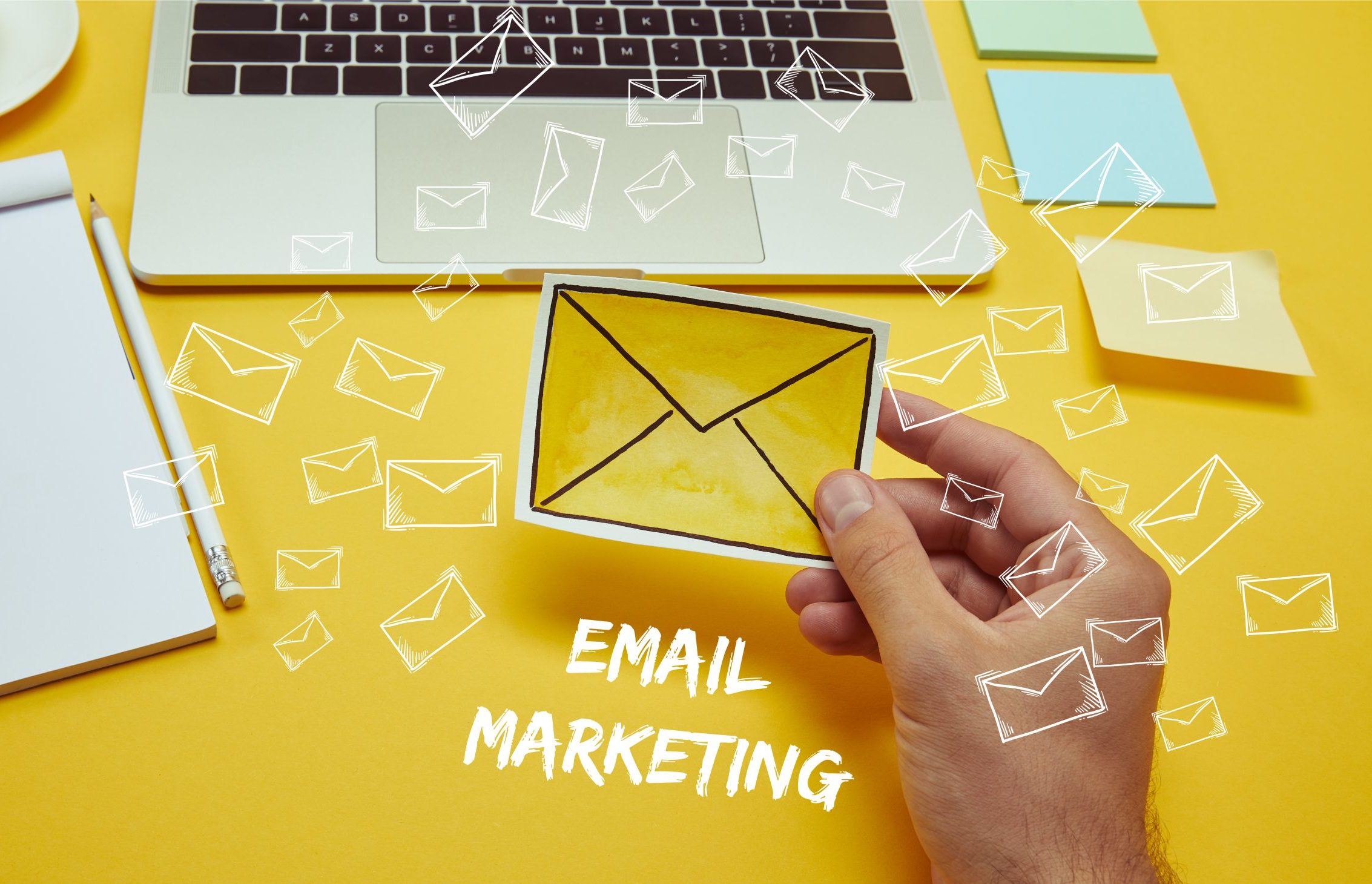
Email Marketing Services That Recover Lost Leads

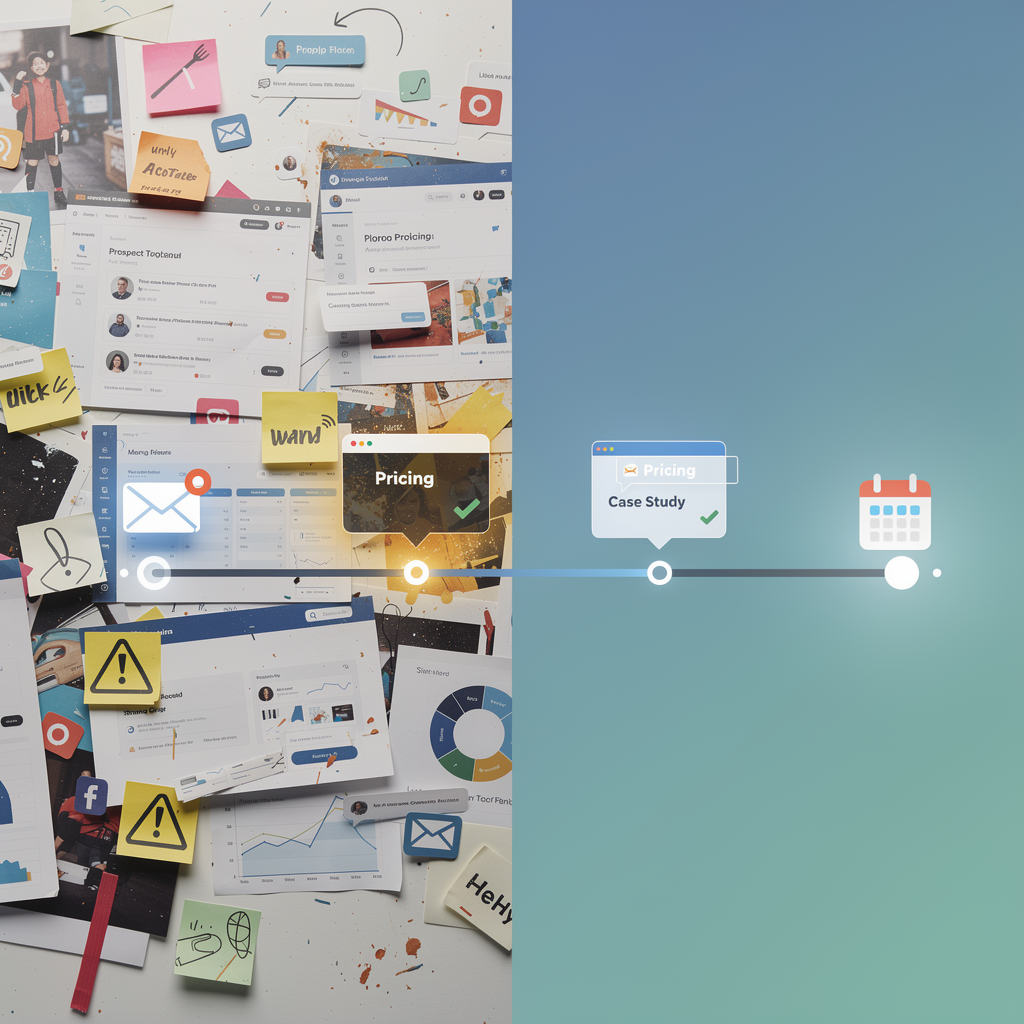
A lead who clicked your email three times, visited your pricing page twice, and never booked is not a cold lead. Most businesses treat the silence as rejection, move on, and spend more money chasing someone new. The gap lives in what happened after the click. Businesses working with focused email marketing services to recover lost leads build their pipeline from contacts they already have, and most are sitting on more opportunities than their current send schedule acknowledges. Why Do Warm Leads Disappear Before They Convert? The short answer is structure. Most email programs are built for outbound volume, not recovery. Messages go out, open rates get reviewed, and contacts who stopped responding get quietly left behind. The problem is architectural, not effort-based, which is why sending more emails to a disengaged list rarely changes the outcome. The Gap Between Sending Emails and Running a Lead Recovery System Sending a newsletter and running a lead recovery system are two different disciplines. A newsletter broadcasts to a full list on a schedule. A recovery system monitors what each contact does, identifies the moment engagement drops, and triggers a response tied to a specific behavior. This difference matters commercially. A newsletter tells everyone the same thing at the same time. A recovery system speaks to where a specific lead stopped, not where the campaign started. One functions as a publishing channel. The other functions as a sales tool. Most businesses have only ever built the first one, and the leads sitting quietly in the list are the visible result. What Happens to Warm Leads When There Is No Follow-Up Sequence Three scenarios repeat across almost every email list. A lead clicked a pricing page twice in January and went quiet in February. A lead read two case studies, started filling out a contact form, and closed the browser before submitting. A lead opened four consecutive emails, then stopped engaging the week after a product announcement. Each contact showed enough interest to act. Without a follow-up sequence tied to those specific behaviors, each one ages out without a second conversation. Follow-up timing ranks among the biggest variables in whether a warm lead converts, and when no sequence exists, the timing decision defaults to never. According to research from Invesp, the probability of selling to an existing engaged contact is substantially higher than converting a new one, and the cost of re-engagement is consistently lower than acquisition. What Do Email Marketing Services Actually Do to Recover Leads? Recovery-focused email work follows three phases. Audit identifies where the existing program broke down. Optimize rebuilds sequences around behavior rather than a calendar. Track measures whether re-engagement is producing pipeline outcomes. Each phase changes what a list produces, and skipping any one of them turns re-engagement from a revenue move into a guessing game. Auditing the List Before Rebuilding the Flow The first step is not writing new emails. A list audit identifies where the existing program broke down before anything new gets built on top of it. A proper audit surfaces these gaps. Which segments went cold and when Which subject lines drove real engagement before the drop-off Where leads stopped responding, and whether send timing played a role Whether the same message types have been repeatedly sent to contacts who stopped engaging with them months earlier Businesses frequently discover they have been re-sending versions of the same email to contacts who stopped responding to the original. Rebuilding without auditing first means the new sequence lands on the same structural fault. Rebuilding Sequences Around Behavior, Not the Calendar Calendar-based programs send the same message to every contact on the same day. A behavior-based recovery sequence treats each contact based on what they did and when they went quiet. Someone who abandoned a contact form receives a different message than someone who visited a service page three times without converting. Research from Campaign Monitor found that behavior-based email segments produce re-engagement rates substantially higher than broadcast sends, because the message arrives in relation to something the contact already did rather than in relation to a fixed date on a marketing schedule. For most lists, this phase is where the largest share of recovery happens. Setting the Metrics That Tell You Recovery Is Working Open rate functions as an early directional signal. When a re-engagement sequence is sent to a cold segment, and the open rate rises, the subject line and timing are reaching the right contacts. The decision metrics sit deeper. Three numbers matter in recovery work. Re-engagement rate measures how many dormant contacts took a meaningful action after receiving the sequence. Reply rate on re-engagement sends shows which contacts in the recovered segment are ready to have a conversation. Conversion rate tracks how many recovered contacts moved from the sequence to a booked call or purchase. Businesses measuring those three outcomes connect email activity to pipeline results rather than inbox behavior, and the difference in how decisions get made is significant. Why Small Fixes in an Existing List Outperform New Campaigns The instinct at the start of Q2 planning is to launch something new. A new campaign, a new offer, a new audience. Before any of those get built, the list from the last 90 days deserves a second look. Businesses entering Q2 with real momentum are generally the ones who fixed what was leaking in Q1, not the ones who added volume to a broken structure. The Math Behind Re-Engaging a Warm List vs. Building a Cold One Acquiring a new lead requires an ad, a landing page, a form submission, and at least one confirmation email before the conversation starts. A dormant contact in an existing list has already completed those steps. Prior awareness shortens the path back to action. The trust-building work already started, even if engagement dropped. The lead is familiar with the brand and the offer being presented. The sales cycle runs shorter because the contact is not starting from zero. Recovery costs less than acquisition in most cases, because

Stopping Revenue Loss Between Email Marketing Campaigns

Most businesses know exactly how a campaign performed. Open rates, click rates, conversions per send. The numbers are clean and easy to report on. But the moment a campaign wraps, the tracking stops and the list goes quiet. Nobody measures what happens next. The gap between sends is where the real damage happens. Subscribers drift. Inboxes change. Competitors fill the silence with their own messages. Stopping the revenue loss between your email marketing campaigns requires paying attention to the weeks when you aren’t sending anything at all, because those weeks carry a cost even when no dashboard reports on them. Businesses treating email as a campaign tool lose money in the pauses. Those treating email as a steady channel keep earning between the big pushes. And the difference shows up in retention, deliverability, and long term revenue. What Happens to Your List When You Go Quiet Subscriber Decay Starts Faster Than You Expect Email lists lose roughly 22% to 25% of their value every year through natural decay. People change jobs, switch email providers, or stop checking the accounts they signed up with. Between campaigns, the rate accelerates. A subscriber who opened every email last month starts forgetting who you are after two or three weeks of silence. By the time your next campaign launches, they treat your message the same way they treat an email from a brand they never signed up for. Recognition fades long before an unsubscribe happens. The Price of Rewarming a Cold Audience When you restart after a quiet period, the first send rarely performs like the last one did. Open rates drop. Click rates fall. Unsubscribes spike. These are predictable consequences of going dark, and they cost real money to reverse. Deliverability compounds the problem. Gmail, Outlook, and Yahoo evaluate sender reputation based on volume consistency. According to Mailchimp’s sender reputation guidelines, a pattern of large spikes followed by weeks of silence looks suspicious to their filtering algorithms. Your domain reputation takes a hit, and future emails land in spam or promotions tabs instead of the primary inbox. Rebuilding sender reputation takes weeks of steady, well received sends. Those first few campaigns after a gap operate at a disadvantage before they even reach the reader. Going quiet doesn’t save effort. Rewarming always costs more than maintaining consistent contact. Why Most Businesses Default to Campaign Thinking The Big Send Mentality Most teams build toward a campaign launch like a product release. There is a planning phase, a creative phase, a QA pass, and then a send. After deployment, the team moves onto other priorities and the email channel goes dormant until the next push. This feels efficient because all the effort is concentrated. But the model treats email like an event instead of a channel. Events have start and end dates. Channels produce revenue continuously. Operating on an event model builds revenue gaps into the schedule by design. Revenue Gets Attributed to Campaigns, Not to Consistency Reporting structures reinforce the cycle. When a campaign drives $20,000 in revenue, the team celebrates and documents the win. Three weeks of silence and eroding subscriber engagement never make the report. There is no line item in most dashboards for “revenue lost during silence.” Because the loss stays invisible, teams never prioritize the gap. How to stop email marketing from wasting your budget starts with changing how success gets measured. Tracking revenue per subscriber over time, instead of per campaign, makes the cost of silence visible and the case for consistent sending obvious. Building Revenue Between Sends Automated Sequences Running Without You Automation fills the gap between campaigns without adding to your team’s workload. Welcome sequences onboard new subscribers the moment they join. Purchase follow up flows keep buyers engaged after the sale. Reengagement triggers reach out to subscribers whose activity has dropped below a set threshold. These sequences run continuously in the background, generating revenue and maintaining list health while the team focuses on other work. Review them at least quarterly to confirm the messaging stays current and the performance data supports the approach. With a strong automation layer, your email channel never goes fully quiet, even when no campaign is scheduled. Sender reputation stays stable, the list stays warm, and revenue keeps flowing between the big pushes. Segmented Touchpoints Over Mass Broadcasts Mass sends are easy to execute but expensive to maintain. When the same message goes to your entire list, you burn attention with subscribers who didn’t need the message while missing the ones who needed something different. Segmented sends solve this. Someone who browsed a specific service page last week gets a relevant follow up. Campaign Monitor’s email segmentation data shows segmented campaigns earn 760% more revenue than unsegmented sends. A customer who purchased 90 days ago gets a check in with a logical next step. Someone who hasn’t opened in 60 days gets a different message than an active clicker. Volume goes down. Relevance goes up. Revenue follows relevance. Fixing the Measurement Gap Tracking Revenue Per Subscriber Over Time Campaign level reporting tells you what a single send earned. Subscriber level tracking tells you what your list is worth over weeks and months. The core areas a marketing audit must cover include this kind of measurement, and email is no exception. Whichever metric you choose, the goal remains the same. Revealing whether your between campaign strategy is working or failing. When revenue per subscriber dips every time you pause sending, the data points directly to the cost of silence. Steady or climbing numbers during non campaign periods confirm your automation and segmentation are doing their job. Building this view requires connecting your email platform to your sales or revenue data, and the visibility changes how teams plan and budget. Setting Baseline Engagement Thresholds Baseline engagement thresholds set a minimum standard your list should maintain between campaigns. If open rates or click rates drop below the floor, a problem needs attention before the next big send. According to HubSpot’s email marketing benchmarks, average open


The Psychology of Brand Resonance and Why Customers Stay Loyal

Why do buyers choose “sub-optimal” products? You’ve done the work—more features, better reviews, stronger ROI—yet they stay with a competitor that can’t hold a candle to you. This disconnect is rooted in the psychology of brand resonance: why customers stay loyal to sub-optimal products. It isn’t a fluke; it’s a gut-level preference that overrides every spreadsheet you’ve ever built. Most brands fight to be seen, but resonance is what keeps you in the conversation. When a brand strikes an emotional chord, it stops being a choice and becomes a reflex. If you aren’t building that connection into your brand strategy, you are leaving the door wide open for your competitors. What Is Brand Resonance and Why It Breaks the Rules Beyond Recognition Most brands fight to be seen. They spend on ads, pump out content, chase impressions. Visibility matters, but it’s only the starting line. Just because people know you exist doesn’t mean they care. Recognition gets you in the room. Resonance keeps you in the conversation. When a brand strikes an emotional chord, it stops being just a name. It becomes a reflex. A habit. A preference that overrides minor flaws or even bigger competitors. Resonance vs. Product Superiority Think of it like this. Apple doesn’t make the objectively best phone for everyone. But the brand has created a lifestyle, an identity, a sense of belonging. People don’t switch easily—not because they can’t, but because they don’t want to. That’s resonance. Nike built a culture, not just shoes. Patagonia sells values, not jackets. These brands understood early on that features don’t build loyalty. Feelings do. The Psychological Triggers That Anchor Loyalty Identity & Self-Expression We buy what reflects us. Brands that align with how people see themselves—or how they want to be seen—create sticky emotional loyalty. It’s not just about solving a need. It’s about reinforcing who we are. Think about someone who drives a Tesla. Sure, they might like the acceleration or the tech. But a big part of the appeal? It signals innovation, forward-thinking, maybe even a social conscience. Even if another car performs better on paper, that emotional signal can’t be replicated easily. Repetition Breeds Familiarity Our brains trust what they’ve seen before. The more often someone sees your brand show up consistently, the more likely they are to remember and prefer it. This is known as the mere-exposure effect. But here’s the catch: consistency has to be real. If your brand feels different across platforms or your message shifts based on the channel, it weakens trust. Repetition only works when the message stays the same. Storytelling Over Specs People follow stories, not spreadsheets. A narrative binds your brand to an emotion. Specs inform. Stories inspire. One creates a checklist. The other builds a connection. When a brand tells a compelling story, it positions the customer as the hero. And that’s powerful. Because if people feel like your brand helps them express who they are, they’ll choose you—even if someone else offers more. Why Functional Messaging Alone Falls Flat Rational Doesn’t Always Win Marketers love numbers. Performance, ROI, speed, cost savings. But that’s not how most buyers make decisions. They decide based on emotion, then justify it with logic after the fact. You might think you’re selling on features. But your customer might be buying based on how your brand makes them feel. If that emotional signal isn’t clear, no amount of functional proof will close the deal. Brands Are Built on Feel, Not Just Facts From the colors you use to the tone of your copy to the rhythm of your campaigns—these subtle signals shape how your brand is remembered. If everything feels cohesive and distinct, your brand sticks. If it feels scattered or overly tactical, it fades. Buyers don’t always analyze. More often than not, they act based on vibes and intuition. That’s why you need to ensure your personal brand will meet them where they are, and showcase who your business is beyond just the numbers. When Your “Better Product” Is Not Enough Signs You’re Losing to Brand Resonance If your data shows high awareness but low preference, that’s a red flag. If customers engage with your content but still convert with competitors, you’re not lacking information. You’re lacking connection. Another clue? Your messaging is rooted in facts, while your competitor’s message feels like a movement. One talks about what it does. The other talks about what it means. Why You Can’t Out-Feature Your Way In Adding more features won’t help if no one cares. In fact, more complexity can make you harder to understand. People want clarity, not clutter. If your competitor makes them feel seen or understood—even with a weaker product—they win. That emotional clarity can’t be brute-forced with functionality. It has to be felt. Action Steps to Build Resonance Into Your Brand Define What You Emotionally Stand For You know your mission. But what do you feel like to a customer? Confident? Supportive? Rebellious? Trustworthy? Emotion isn’t fluff. It’s positioning. Take a hard look at your brand and ask: if your name disappeared, would people miss what you represent? Build Memory Structures Over Campaigns Campaigns are short-term. Memory is forever. Focus on creating consistent, recognizable signals your audience can’t ignore. That means: A visual identity that shows up the same way, every time A voice that’s distinct and reliable Repeated phrases, promises, or patterns that feel familiar Repetition without coherence is noise. But when everything aligns, it becomes memory. Speak Their Language, Not Yours Drop the industry lingo. Start listening. What phrases do your buyers use when they describe their problems? What metaphors or emotions come up in their reviews? Mirror that. Make your copy feel like it came from their own heads. The more familiar it sounds, the more it resonates. What Silesky Does Differently Strategic Brand Building with Emotional Hooks At Silesky, we don’t just talk branding. We dissect what makes a message stick. We dig past the surface, down to the beliefs, fears, and aspirations your

Post-Purchase Power: Turning Customers into Loyal Advocates

The contract is signed. The invoice is paid. Champagne corks pop in the sales meeting. For most companies, this moment marks mission accomplished. The prospect has become a customer. Time to move on to the next lead. This thinking creates businesses that churn. The sale is not an ending but a beginning. Every interaction after the signature determines whether this customer becomes a one time transaction, a long-term relationship, or an active advocate. Your ability to turn satisfied customers into loyal advocates reflects the post purchase power that separates sustainable growth from constant replacement. Your strategy for the period after signing determines your business trajectory. Nothing matters more than how you show up now. The Economics Make This Personal Research shows acquiring a new customer costs five to 25 times more than retaining an existing one. A small improvement in retention rate can dramatically increase lifetime value. Advocates who refer new business create customer acquisition at virtually zero cost. These numbers explain why the most profitable companies obsess over what happens after the sale. Real value in customer relationships develops over time, not at the moment of conversion. Retention economics favor depth over breadth, relationships over transactions. Consider what this means for your resource allocation. Spending 80% of your budget attracting new customers and 20% keeping them means betting against proven returns. Math argues for balance at minimum, and often for prioritizing retention. What Really Happens After Someone Buys Most business owners find the psychology of the post purchase period counterintuitive. You might expect that buying brings relief or satisfaction. Sometimes it does. More often, especially with significant purchases, anxiety replaces excitement. Psychologists call this buyer’s remorse, and it affects nearly every major purchase decision. The cognitive dissonance between the desire to be a smart decision maker and the uncertainty about whether this choice was correct creates psychological discomfort. Yesterday’s enthusiastic customer wakes up today wondering if they made a mistake. Understanding this pattern helps you intervene appropriately. Customers experiencing buyer’s remorse need validation that confirms their good judgment, not another sales pitch. The Validation Window Determines Everything The first few days and weeks after purchase are critical. During this window, customers actively look for validation. Every signal gets noticed, interpreted through the lens of their anxiety. Key indicators customers watch for include: Response time – Prompt welcome communication reassures while delayed responses worry Onboarding clarity – Smooth processes validate while confusion suggests trouble ahead Attention to detail – Personalized touches prove you care while generic messages disappoint Problem resolution – Quick responses to concerns signal your commitment Everything during this period either confirms their good judgment or amplifies their doubts. Design your post sale communication specifically to address buyer’s remorse. Remind them why they chose you. Share success stories from similar clients. Acknowledge the significance of their decision and your commitment to making it worthwhile. Setting the Relationship Tone Your behavior in the validation window sets expectations for the entire relationship. Attentive and responsive now means customers expect that treatment to continue. Absent or slow now means customers assume this is what working with you will be like. This asymmetry is powerful. Going above and beyond in the first few weeks creates a halo effect that colors future interactions positively. Falling short creates a negative filter that makes later excellence harder to recognize. Invest disproportionately in the first 30 days. Returns on this investment exceed almost any other allocation of client service resources. Onboarding Creates Your Foundation The correlation between onboarding experience and long term retention is striking. Customers who have smooth, well structured onboarding stay longer, spend more, and refer more frequently than those who struggle through a chaotic start. During onboarding, customers form their working model of your company. Critical lessons learned include: How to get help when they need it What your communication style and frequency will be How you handle problems and unexpected issues Whether you deliver on your promises What level of service they can expect All of these become the baseline against which everything else gets measured. Treat onboarding as a product, not a process. Design it intentionally. Test it regularly. Improve it continuously. Quality of your onboarding experience directly predicts customer lifetime value. Structure Without Rigidity Good onboarding has clear structure. Expectations get set about what will happen, when, and who is responsible. Milestones get defined and celebrated when reached. Questions get answered before they become frustrations. But structure should not mean rigidity. Every customer’s situation is different. Your onboarding process needs enough flexibility to accommodate unique needs while maintaining the consistency that creates a reliable experience. Document your standard onboarding process while building in decision points for customization. This balance provides the benefits of structure without the constraints of inflexibility. Time to First Value The most important onboarding metric is time to first value. How quickly does the customer experience a meaningful benefit from their purchase? Longer delays give doubt more opportunity to grow. Designing for quick wins builds momentum and confidence. Early moments where the customer can see concrete progress do not need to be large. Visible evidence that the decision to buy is paying off matters most. Identify what first value looks like for your offering. Then engineer your onboarding process to deliver that value as quickly as possible without sacrificing quality. What Keeps Customers Coming Back Retention is not a single decision made once. Rather, it represents a series of small decisions made repeatedly. Every interaction, every invoice, every result creates an opportunity for the customer to mentally renew or reconsider the relationship. Companies that retain best do not rely on contracts or switching costs. Instead, they create genuine value that makes staying the obvious choice. Problems get solved consistently. Needs get anticipated. Working together feels easy. Retention results from the accumulation of positive moments minus negative moments. Your job is to maximize the positives and minimize the negatives across every touchpoint. Consistent Delivery Beats Exceptional Moments Research on customer loyalty reveals a surprising finding. Exceptional moments

Conversion Optimization: Where Leads Become Customers

You have done everything right. The prospect found you through your awareness efforts. They entered consideration and received months of valuable nurturing content. Now they are ready to decide, and suddenly, nothing happens. Leads becoming customers through optimization of your conversion process requires removing the friction that keeps them stuck. The final stage of the customer journey, where deals either close or die, is not usually about competitors. It is about the status quo. The current situation, however painful, feels safer than change. This is where all your previous work either pays off or gets wasted. The psychology here differs from earlier stages. During awareness and consideration, your job was to build interest and trust. Now your job is to overcome the natural human resistance to change. What Happens at the Moment of Decision The decision to buy is rarely rational. People like to believe they weigh pros and cons, evaluate alternatives systematically, and choose the objectively best option. Research from organizations like Gartner consistently shows Gartner otherwise. Emotions drive decisions, and logic justifies them afterward. At the moment of decision, your prospect is feeling something. These feelings determine what happens next: Confidence that you are the right choice Anxiety about making a mistake Excitement about the results they expect Fear about the disruption involved Understanding the emotional state of your prospects during the decision moment helps you address their actual concerns rather than the concerns you assume they have. Risk as the Real Objection When a prospect hesitates, the stated reason is rarely the real reason. They say they need to think about it, check with their team, or wait until next quarter. What they often mean is that the perceived risk of moving forward outweighs the perceived risk of staying still. Your job is to shift that equation. Sometimes this means reducing the perceived risk of choosing you. Sometimes this means increasing the perceived risk of not choosing anyone. The approach depends on what is actually driving the hesitation. Risk takes many forms: Financial risk if the investment does not pay off Career risk if the decision makes them look bad Operational risk if implementation causes disruption Each type of risk requires a different response. The Buyer’s Internal Battle Most B2B purchases involve multiple stakeholders. Even when your primary contact is enthusiastic, they may face skepticism or resistance from others in their organization. According to research on B2B buying behavior, purchases now average eight to ten decision makers Gartner, each with different priorities and concerns. The CFO questions the ROI. The operations team worries about implementation disruption. The CEO wants to know why now instead of next year. Conversion often depends on equipping your champion to win these internal battles. Give them the data, stories, and arguments they need to sell internally. Make it easy for them to explain why this investment makes sense, why you are the right partner, and why waiting costs more than acting. Create stakeholder-specific content that addresses the unique concerns of different roles: An executive summary for the CEO An ROI analysis for the CFO An implementation timeline for operations Each piece equips your champion to answer questions they will face. Does Your Proposal Help or Hurt The proposal is often the last piece of content a prospect sees before making a decision. It should crystallize everything they have learned and felt throughout the consideration process. Too often, proposals do the opposite. They introduce confusion, create new objections, and undermine the relationship that was built. A proposal that works is not a document that describes your services. It is a document that describes their future. It connects what you do to what they need in language that resonates with their goals and concerns. Review your current proposal template critically. Does it focus on your capabilities or their outcomes? Does it address their specific situation or describe generic services? The difference matters enormously. Structure That Guides Decision The fewer steps between decision and action, the less opportunity for second thoughts to creep in. Audit your contracting process from the client’s perspective. Consider the client’s burden: how many pages must they read? What number of forms do they need to complete? How many days does the overall process take? Eliminate every unnecessary step to smooth the transition. Each section should answer the question the reader has at that moment: What do you know about my situation? What will you do for me? What could go wrong? How much will it cost? What do I do next? Address these questions in order, and the proposal guides the prospect toward a decision. Keep proposals as short as possible while answering all necessary questions. Length does not demonstrate thoroughness. It demonstrates an inability to communicate efficiently. Pricing Presentation Psychology How you present pricing affects how it is perceived. A single number with no context feels arbitrary. The same number presented after a detailed value explanation feels justified. The same number positioned between two other options feels like a reasonable middle ground. Consider what comparison you want the prospect to make: Comparing your price to the cost of inaction Comparing it to the value of the expected results Comparing it to the price of inferior alternatives The comparison you set up frames how the number lands. Avoid surprises in pricing. If your proposal contains numbers significantly different from what the prospect expected, they will focus on that surprise rather than your value proposition. Discuss pricing directionally before the proposal arrives. What Creates Urgency Without Pressure Urgency accelerates decisions. Without urgency, prospects delay indefinitely, waiting for a perfect moment that never arrives. But manufactured urgency, the kind that relies on arbitrary deadlines and false scarcity, damages trust and often backfires. Real urgency comes from real consequences: The cost of waiting another quarter The opportunity that will pass if they do not act The competitive disadvantage that grows each month These consequences exist whether you point them out or not. Your job is to make them visible. Help prospects calculate

The Art of Nurturing: Guiding Prospects through Consideration

Your ads reach thousands. Your content gets read. People recognize your name at conferences. The awareness machine runs smoothly. But recognition does not pay invoices. Most people who know your brand will never seriously evaluate it. They remain distant observers, aware you exist but never motivated to engage. The gap between awareness and serious evaluation stops most prospects cold. This is where consideration enters through guiding prospects, which makes the art of nurturing a critical skill. You transform passive recognition into active evaluation. You help the right people conclude you deserve their attention. The consideration journey rarely moves in straight lines. Prospects advance and retreat, accelerate and stall, vanish and resurface. Your nurturing must accommodate this reality instead of fighting it. What Triggers Movement Into Consideration Nobody browses marketing agencies or software vendors for entertainment. The shift into consideration happens when circumstances change. Common triggers include: A problem escalates from annoying to urgent A goal suddenly becomes achievable An obstacle grows intolerable Budget approval comes through New leadership demands fresh approaches Competitive pressure creates urgency You cannot manufacture these moments. You cannot make a prospect’s vendor fail or their boss demand results. What you control is your presence and positioning when these triggers fire. Understanding typical triggers helps you recognize when prospects enter consideration mode. New executives often reevaluate partnerships. Missed quarterly targets create urgency. Budget cycles open windows. Competitive threats drive exploration. Staying Present Through Consistent Value The prospect who received valuable content from you for six months remembers you differently from the one who only encountered cold outreach yesterday. The first relationship feels like a continuation. The second feels like starting from scratch. Nurturing matters even when people are not yet ready to buy. You invest in future consideration, building credibility that matters when circumstances shift. The investment feels inefficient now, but pays compound returns later. Calculate customer lifetime value, then work backward to determine how much relationship building justifies. The math often supports far more nurturing investment than businesses typically make. Recognizing Consideration Signals Some prospects announce their consideration clearly. They complete contact forms, request proposals, and schedule calls. These obvious signals are easy to spot and address. Other signals hide in plain sight: Three pricing page visits in one week Multiple case study downloads in a single session Sudden engagement with every email after months of silence Extended time on implementation documentation Questions about specific features or integrations Behavioral tracking reveals these subtler patterns. The prospect clearly evaluating deserves different treatment than the one casually browsing. Implement lead scoring to quantify these signals. Assign point values to different behaviors, then prioritize outreach to prospects whose scores indicate active consideration. Research shows organizations using behavioral lead scoring experience a 77% lift in lead generation ROI compared to those relying solely on demographic data. Does Email Still Work for Nurturing Email feels old. Inboxes overflow. Open rates decline. Yet email remains the most effective channel for sustained prospect nurturing, with B2B marketers reporting it as their second most effective channel for generating qualified leads. What changed is not whether email works but what kind of email works. The batch and blast approach, treating every subscriber identically, is dead. The thoughtful, segmented, value-driven approach treating email like a relationship thrives. Email’s directness gives it advantages other channels lack: You control message timing You control exact messaging Recipients have your message waiting No algorithm determines visibility Research shows 71% of B2B marketers use email newsletters for lead nurturing, and 42% cite email as their most effective marketing channel overall. Earning the Right to Stay in the Inbox Every email asks for attention and time. In exchange, you must deliver enough value that recipients feel glad they opened it. Fall short too often, and they stop opening. Fall short badly, and they unsubscribe. Value takes different forms. Genuinely useful information that they cannot easily find elsewhere. An entertaining perspective brightening their day. An invitation to something exclusive. Early access to something valuable. The form matters less than consistent delivery of something worth having. Track open rates and click rates at individual levels, not just aggregates. Declining engagement from specific prospects signals that your content no longer resonates with their needs. Segmentation Beyond Demographics While segmenting by industry or company size starts the process, behavioral segmentation is far more powerful. The key is understanding their actions: What content engaged them? What interests have they shown? What actions did they take or skip? Sending the same email to a prospect who downloaded your cost reduction guide and one who downloaded your innovation guide wastes the information their behavior provided. Using that insight to tailor your messages is essential for relevance. Build powerful segments by combining demographic data with behavioral patterns. This fusion results in highly targeted groups receiving content that directly addresses their demonstrated needs and interests. What Content Serves the Consideration Phase Awareness content casts wide nets. It addresses topics many potential clients might find interesting, even without actively evaluating solutions. Consideration content speaks directly to evaluation. People in consideration have specific questions they need answered: How does this actually work? What results can I realistically expect? How do you compare to alternatives? What would working with you actually be like? What could go wrong, and how do you handle it? Consideration content answers these questions thoroughly and honestly. It assumes interest exists and helps readers determine whether that interest should deepen into action. Case Studies That Show Rather Than Tell Generic case studies are mere endorsements, listing services and flattering quotes. Effective case studies are narratives rich with detail, allowing the reader to truly envision themselves in the client’s position. The best examples reveal the reality: the challenges, complications, and constraints that made success difficult. They don’t just state choices; they explain the strategic rationale. Crucially, they quantify results with precision, so readers can immediately gauge the potential value of a similar outcome. Structure case studies around client journeys, not your services: What were they struggling with? What did they

The Power of Presence: Mastering the Handwritten Holiday Note

Your inbox is full. So is everyone else’s. The average professional receives over 120 emails per day, and most of them blur together into a forgettable stream of subject lines and unread notifications. Meanwhile, the mailbox sits nearly empty, save for bills and the occasional catalog nobody asked for. That empty mailbox is an opportunity. A handwritten note lands with weight because it costs something real. It takes time, thought, and intention. It cannot be scheduled, automated, or sent in bulk with a single click. When your client or prospect holds an envelope addressed by hand, they already know this message is different. Showing up with genuine presence matters now more than ever, and mastering the handwritten holiday note demonstrates the power of that personal connection. This simple act can become the most memorable touchpoint in your entire relationship with a client. The statistics tell a compelling story. According to the United States Postal Service, the average household now receives only about one personal letter every seven weeks. Compare this to the dozens of marketing emails that arrive daily, and the contrast becomes stark. Scarcity creates attention, and handwritten correspondence is now genuinely scarce. Why Handwritten Still Wins Digital fatigue is real, especially during the holidays. According to research from the Data & Marketing Association, email open rates drop by 23% between Thanksgiving and New Year’s Day. Your beautifully designed electronic card drowns in a sea of identical messages. People delete first and feel guilty later. Physical Mail Gets Attention Physical mail gets different treatment. Consider what happens when a handwritten envelope arrives: Someone opens it immediately. There’s no spam folder for the mailbox. The tactile experience registers differently in the brain. You’re not competing with 47 other tabs. A 2023 study from Temple University found that handwritten notes create 400% stronger emotional response than digital messages. People keep cards on their desks for weeks, creating sustained visibility that your email never gets. Personalization creates reciprocity. When you invest time writing someone’s name by hand, referencing something specific about your relationship, and physically mailing it, you’ve signaled genuine care. That triggers what psychologist Robert Cialdini calls the reciprocity principle. People feel compelled to return meaningful gestures. Testing the Approach We worked with a consulting firm last year that tested this approach. Their senior partner sent 12 handwritten cards to key clients in early December. She referenced specific conversations from the year and shared genuine appreciation. The results: Three clients called her in January with new projects Two others referred her to colleagues Their email blast to 1,200 contacts generated zero responses The difference wasn’t the medium alone. It was the combination of personal investment and strategic targeting. What you write determines whether that investment pays off. What Actually Belongs on the Card Start With Specifics Reference a real conversation, project milestone, or shared moment from your relationship. The person reading this card should immediately know you wrote it for them, not from a template. Good example: “Your insight about reframing our Q3 messaging stuck with me. It changed how we approach client conversations.” Bad example: “Wishing you and your family a wonderful holiday season from all of us.” The first version proves you were paying attention. The second could go to anyone. When you anchor your message to a real moment, you create recognition. That’s what makes the card memorable weeks later. If you can’t remember a specific interaction worth mentioning, skip that person. Send them an email instead. This approach only works when you actually have something genuine to say. Keep Business Light No pitches, no calls to action, and no “let’s connect in Q1 to discuss opportunities.” This is relationship maintenance, not lead generation. What works: Gratitude for their partnership Observation about their work or growth Sincere well wishes for the coming year What doesn’t: Service promotions or announcements Requests for meetings or calls Anything that feels transactional The moment you ask for something, you’ve turned a gift into a trade. People can smell that immediately. One of our clients made this mistake beautifully. He sent gorgeous handwritten cards with personal notes, then added a P.S. about his new service offering. Every recipient mentioned the P.S. when they thanked him. Not because they were interested. Because it felt off. The card went from thoughtful to calculated in one line. If you want to promote something, use email. The holiday card exists in a different category entirely. Respect that boundary. Close With Warmth Sign your actual name. Not “The Team at Acme Corp.” Not your title. Just your name. You can add a personal detail if it feels natural. “We’re heading to Vermont for a few quiet days,” or “Planning to finally finish that novel I started in March.” This makes you human, not just a business contact. But keep it brief. One sentence max. Three to five sentences total is the sweet spot. More than that, and you’re writing a letter, which changes the dynamic entirely. Notes feel spontaneous and light. Letters feel labored and heavy. Knowing what to write only solves half the problem. The other half is avoiding the traps that kill authenticity. Four Fatal Mistakes That Ruin the Gesture Apologizing for the card itself. “I know this is old-fashioned, but…” or “In this digital age, you probably weren’t expecting…” instantly undercuts what you’re doing. You’ve told them the gesture is outdated before they’ve even read it. Own the choice. No hedging, no disclaimers. Making it about you. Your company’s growth this year, your new office, your award, and your daughter’s college acceptance. None of that belongs here. This card exists to acknowledge them, not update them on your life. The holiday email blast is for company updates. The handwritten card is for them. Writing too much. Six sentences become eight, become a full paragraph. You’re trying too hard. The beauty of a handwritten note is its brevity. It respects their time while showing you invested yours. Stop at four sentences. Fight the urge to

Why Audience-Centric Marketing Matters More Than Ever

Businesses have more options than ever to reach potential customers, but so do their competitors. This reality makes it crucial for companies to prioritize meaningful connections and customer loyalty, which is why audience-centric marketing matters more than ever. Rather than relying solely on traditional product-focused strategies, brands are shifting to an approach that emphasizes understanding and meeting the unique needs, values, and preferences of their audience. By placing customers at the heart of marketing, companies like Silesky Marketing can foster lasting relationships, increase engagement, and ultimately drive long-term success. Audience-centric marketing is no longer just an option; it’s the path forward for brands looking to connect deeply in a competitive world. The Shift to Audience-Centric Marketing Marketing has changed significantly over the years. What started as product-focused advertising has now evolved to center on customer experiences and preferences. Traditional methods prioritized product features and benefits, but audience-centric marketing flips this approach. Now, brands focus on their audience’s needs, values, and emotions. This shift reflects a transformation in consumer expectations: customers want more than products. They want meaningful interactions and solutions that fit their lives. Audience-centric marketing prioritizes empathy and engagement. It requires a clear understanding of who the audience is, what they care about, and how they prefer to engage. By focusing on these factors, businesses make smarter decisions about where to invest time and resources. Some hallmarks of this shift include: Prioritizing value-driven messaging over traditional product pitches Building marketing strategies based on customer insights and feedback Creating personalized content that resonates with diverse audience segments Focusing on long-term relationship-building over short-term sales goals This approach ensures customers feel valued and understood, which strengthens loyalty and boosts brand advocacy. Understanding What Audience-Centric Marketing Entails At its core, audience-centric marketing focuses on seeing marketing efforts from the audience’s perspective, not the product’s. It’s about engaging customers in ways that match their needs and preferences. This strategy goes beyond simply identifying target demographics. It’s about understanding their motivations, challenges, and values. Every marketing message, interaction, and channel focuses on creating an experience that feels relevant and engaging. Audience-centric marketing includes several key principles: Empathy: Brands connect by addressing their audience’s needs and experiences. Personalization: They tailor content, messaging, and offers for different audience segments. Engagement: Ongoing dialogue and interaction help customers feel heard. Relevance: Content and campaigns deliver real value to customers. Transparency: Being open about brand values builds trust with the audience. By adopting an audience-centric approach, brands create authentic connections. This attracts new customers and builds lasting relationships that are essential for retention. Why Audience-Centric Marketing is Vital Today With consumers bombarded by thousands of ads daily, standing out is a challenge. Audience-centric marketing helps solve this by creating content that resonates with customers. Today, this approach is essential, as audiences quickly ignore marketing that feels impersonal or irrelevant. Several factors make audience-centric marketing vital: Customer Choice: With more options available, customers are selective about the brands they support. Digital Noise: The average person sees thousands of marketing messages daily; audience-centric content cuts through better. Demand for Personalization: Modern customers expect brands to speak to them individually, not as part of a mass audience. Transparency and Authenticity: People engage more with brands they view as honest and transparent. Increased Competition: Growing competition in digital spaces requires unique, audience-focused approaches. This customer-first approach helps brands stand out and aligns with evolving consumer expectations. It makes customers feel valued and understood, which drives engagement and builds lasting loyalty. Key Components of Audience-Centric Marketing A successful audience-centric marketing approach has a few essential components. Each ensures the brand connects authentically with the audience: Data-Driven Insights: Gathering data helps businesses understand preferences and behaviors, allowing a tailored approach. Personalized Content: Messages feel personal and relevant to individuals, whether through emails, social media, or ads. Engagement Opportunities: Encouraging feedback, interaction, and dialogue keeps customers feeling connected and invested in the brand. Emphasis on Customer Values: Marketing that aligns with customer values fosters a deeper bond. Cross-Channel Consistency: Delivering a cohesive experience across platforms enhances brand perception. Proactive Problem Solving: Anticipating audience needs and addressing potential issues builds trust and satisfaction. Each component creates a brand experience that feels personal and memorable. When done well, customers feel the brand truly understands them. Benefits of Audience-Centric Marketing An audience-centric marketing strategy offers many tangible benefits beyond brand awareness. By prioritizing the audience, businesses see improved engagement, higher customer satisfaction, and enhanced loyalty. Here’s how audience-centric marketing pays off: Increased Engagement: Personalized, relevant content captures attention more effectively. Customer Loyalty: A customer-first approach makes clients feel valued, increasing repeat business. Enhanced Conversion Rates: Content that speaks to audience needs is more likely to convert. Stronger Brand Reputation: Brands that align with customer values are more trusted. Reduced Churn: Customers who feel understood are less likely to switch to competitors. Better Word-of-Mouth: Satisfied customers often share positive experiences with others. These benefits show why audience-centric marketing is essential for brands looking to grow and remain competitive. Implementing an Audience-Centric Approach Shifting to an audience-centric approach is challenging but worthwhile. Here’s a basic roadmap for making this transition: Gather Data: Use surveys, customer feedback, and analytics to understand audience demographics and preferences. Define Audience Segments: Create segments based on demographics, behavior, and interests for more personalized messaging. Engage with Customers Regularly: Build relationships by interacting with audiences on social media, email, and other platforms. Create Tailored Content: Develop content that speaks to specific needs, from blog posts to personalized offers. Analyze and Adapt: Continuously evaluate performance and adjust strategies based on feedback and data insights. Invest in Automation Tools: Automation helps deliver timely, relevant information to customers. Following these steps, businesses can shift to a more audience-focused strategy, enhancing relationships and driving results. Audience-Centric Marketing and Customer Retention Retaining customers is as important as attracting new ones, and audience-centric marketing plays a key role in both. Customers who feel understood are more likely to stay loyal to a brand. Focusing on audience needs and interests creates a connection

John Sindorf

Director of Strategic Alliances

John believes most businesses don’t need more vendors; they need the right strategic partners.

With decades of experience helping small and mid-sized organizations grow, John specializes in connecting business leaders with the expertise they need to overcome challenges, strengthen operations, and scale with confidence. Whether the conversation centers on sales strategy, marketing, AI, or operational efficiency, his focus is always the same: identifying the right solution for the business, not simply adding another service provider.
Known for his relationship-first approach, John builds partnerships rooted in trust, practical guidance, and measurable outcomes. He helps business owners simplify complex decisions, align the right resources, and spend less time managing vendors and more time leading the businesses they’ve worked so hard to build.

Off the clock: You’ll likely find John networking over coffee, strengthening relationships, and proving that the best business opportunities still begin with genuine conversations.

Kiki DeVane

Marketing Operations Manager

Kiki started her career wanting to change the world through policy, then discovered that a well-built website could be just as powerful. That pivot led her through event marketing, federal communications, and sponsored content for some of the world’s most recognizable brands. She came out the other side a marketing utility player, skilled across strategy, design, development, and copywriting, allowing her to support client campaigns from the front and behind the scenes.

At Silesky, she’s the connective tissue, keeping projects moving, clients informed, and the team empowered to focus on what they do best. What sets Kiki apart is her ability to move fluidly between the operational and the creative without losing momentum in either direction. Whether she’s architecting a workflow, shaping a campaign, or jumping in on a deliverable, she brings the kind of range that elevates every project and strengthens the team around her.

A systems thinker with a creative soul, Kiki brings order to complexity and a genuine investment in seeing the work land the way it should.

Aizaz UI Hassan

Web Developer & Graphic Designer

Aizaz has been the driving force behind Silesky’s web development for over five years. As both a graphic designer and UI/UX developer, he brings a rare mix of technical precision and creative clarity to every project.

What sets Aizaz apart is his ability to understand and interpret the assignment—no extra hand-holding, just sharp instincts and calm professionalism. When timelines are tight and expectations are high, Aizaz is the teammate you want in your corner.

Creative and detail-oriented, Aizaz builds clean, modern websites that marry style with substance. From intuitive flows to scalable layouts, his work consistently delivers digital experiences that perform as well as they look.

With every project, Aizaz ensures the design feels effortless for users and does the heavy lifting for the brand.

Sue Hilger, MBA

Chief Growth Strategist

As Chief Growth Strategist at Silesky Marketing, Sue plays a key role in expanding the agency’s client base while cultivating long-term partnerships grounded in trust, collaboration, and measurable success. She works closely with organizations to help them meet their business goals—and then go beyond them—through smart, scalable marketing strategies.

With an MBA and deep expertise in both B2B and B2C environments, Sue bridges the gap between strategic planning and hands-on execution. She guides clients through Silesky’s end-to-end process, beginning with in-depth discovery and needs assessments and continuing through branding, messaging, digital advertising, and campaign rollout.

Sue is focused on long-term impact. Many of Silesky’s client relationships span decades, which speaks to her ability to integrate seamlessly, think strategically, and consistently deliver results. For Sue, every engagement is more than a project—it’s a partnership.

Mya Stengel

Content Developer & Video Editor

Mya brings the heart of a storyteller and the precision of a screenwriter to every project. With a background in Hollywood scriptwriting—particularly in the horror genre—she understands how to build intrigue, capture attention, and deliver a message that lands with impact.

A lifelong book lover turned brand storyteller, Mya has a gift for finding each client’s voice and shaping it into something authentic and memorable. Whether she’s writing SEO-driven blog content, editing silent video loops, or cutting together a punchy hero reel, she focuses on what makes a brand distinct and brings it to life with clarity and emotion.

From blog posts to behind-the-scenes edits, plot twists to punchlines, Mya’s work helps brands connect more deeply and tell stories that resonate.

Ashelin Walker

Digital Marketing Strategist

Ashelin is a digital marketing strategist who blends technical know-how with creative insight. At Silesky Marketing, she turns strategy into results—helping clients attract the right leads, connect with their audience, and strengthen their online presence.

She designs high-converting landing pages, launches targeted email campaigns, manages CRM platforms, and creates on-brand video content that performs. From big-picture planning to the freckles of a campaign, Ashelin brings cohesion to the chaos and keeps every piece pulling in the right direction.

What sets Ashelin apart is how seamlessly she connects the tactical to the strategic. She doesn’t just check boxes—she makes sure every effort ladders up to a larger goal. Her work helps clients show up in the right places, with the right message, at the right time.

Susi Silesky

Founder & Brand Architect

As the founder of Silesky Marketing, Susi brings more than 30 years of brand strategy and marketing expertise to the table. Her experience spans ambitious startups, global enterprises, nonprofits, and household-name retailers.

Susi is most energized when she’s helping business owners find their voice, shape their story, and build a brand that reflects their vision and gets the results they deserve.

What sets her apart is her deep understanding of entrepreneurs. She’s built a career not just on strong campaigns, but on building genuine relationships. That blend of empathy and expertise is what makes her work both effective and meaningful.

Susi has led successful marketing initiatives across industries—from healthcare and legal to real estate, B2B tech, and pharma. She’s fluent in French, conversational in Spanish, and skilled at translating complex ideas into clear, compelling brand stories.