
30 Years of Building Brands You Will Remember

In April 1996, Susi Silesky launched a business by doing the one thing she now tells every client never to do. No strategy, no plan, no market research. Just a name on a set of letterhead left on a front stoop, and a decision to run with it. Thirty years of building brands later, that admission is not an embarrassing footnote. It is the most clarifying thing she has ever said about why brand work fails and what it actually takes to produce something worth remembering. Building Brands Without a Plan Has a Price What Susi Learned by Starting Wrong The cost of launching without a strategy doesn’t show up in month one. Work keeps moving, and projects keep shipping. The problem surfaces later, when the business has been running for a year and hasn’t built toward anything in particular. No positioning has accumulated. No clear audience has formed around the work. The marketing has been active, but the brand hasn’t grown. That gap between activity and direction is exactly what Susi was operating inside when she started, and it’s the same gap she sees in most of the businesses that come to Silesky after trying marketing that didn’t work. What Scattered Marketing Actually Costs a Brand The businesses that arrive with this problem usually don’t think they have a strategy problem. They think they have a results problem. The social feed is running. Someone is writing blogs. A designer did a logo two years ago. Each piece exists, but none of it connects. There’s no line from the Instagram post to the sales conversation to the website to the actual expertise behind the business. What that disconnection produces over time isn’t just wasted spend on individual campaigns. It’s a brand that never accumulates equity. Every dollar spent on a tactic with no strategy behind it starts from zero, and the fix isn’t a better tactic. Building Brands That Last Requires One Thing Before Everything Else Building Brands Starts With Knowing What You’re Actually Saying Before Susi touched a logo concept for Sheldon and Sons, she ran Scott Sheldon through a 30-point brand questionnaire. The goal wasn’t to gather information for a brief. It was to find the thing the brand needed to say that no competitor was saying. Somewhere in that conversation, Scott mentioned his bulldog, Angus. Susi saw it immediately. The bulldog could carry the repositioning from a standard printing company to a luxury brand without a single word of corporate positioning copy. That insight didn’t come from staring at a blank canvas. It came from asking the right questions before picking up a pen. The logos and brand systems Silesky built for clients in the late 1990s that are still in active use today weren’t accidents. They were the output of a process that started with strategy and moved to creative only after the strategic question had an answer. Building Brands That Outlast Trends Means Choosing Longevity Over Novelty Susi’s standard for every logo Silesky produces has never changed: does it work in one solid color, and does it read clearly at the size of a pen tip? That test exists because trends have a predictable shelf life, and longevity is the only metric that actually serves the client. A brand built around a visual style that’s popular in 2024 requires a redesign by 2029. A brand built around a clear, simple mark that names something specific about the business doesn’t age out. Three markers separate a brand built to last from one built for the moment: Holds at any size in a single color without losing its meaning Specific enough that no competitor can claim the same positioning A stranger encountering it in year ten reads it the same way they would have in year one Building Brands Across Three Decades Confirms What Breaks and What Holds Building Brands Through Every Industry Shift Exposed the Same Pattern The cost of launching without a strategy doesn’t show up in month one. Work keeps moving, and projects keep shipping. The problem surfaces later, when the business has been running for a year and hasn’t built toward anything in particular. No positioning has accumulated. No clear audience has formed around the work. The marketing has been active, but the brand hasn’t grown. That gap between activity and direction is exactly what Susi was operating inside when she started, and it’s the same gap she sees in most of the businesses that come to Silesky after trying marketing that didn’t work. Building Brands After a Setback Taught Silesky What Strategy Actually Means When the agency closed in 2006, it wasn’t a strategic decision. It was a forced stop. What followed was not a gap in the Silesky story. A decade of freelance work under the name A&M Marketing was the period during which the most important conclusions were formed. Operating without a team or infrastructure stripped away every buffer the five-person operation had provided, and the limits of work driven by instinct became impossible to ignore. The agency that relaunched in 2016 was built on those conclusions. Every engagement now runs in the same deliberate sequence, starting with an audit, identifying the gaps, building the plan, and executing against it or handing it to someone who can. Building Brands That People Remember Takes a Partner Who Sees What You Can’t Building Brands From the Inside Out Requires an Outside Eye A founder running a $10 million business is too close to the daily operation to see where the brand has drifted from the actual company. By the time a prospect moves from the sales pitch to the landing page to the social feed, they’ve encountered three versions of a brand that never agreed on what it was saying. None of it is wrong on its own, but none of it is pointing in the same direction, which means none of it is building. Silesky’s position in every client engagement is the same one Susi has occupied since the beginning.


What a Marketing Agency Rebuild Looks Like

From the outside, a five-person agency with a decade of client wins looks like solid ground. The roster was real. Logos built in the late 1990s were still in active use. Campaigns that won local awards were still being referenced by the organizations that commissioned them. Relationships that started with a handshake had turned into multi-year engagements. Silesky Marketing had built something that looked, from every angle, like momentum. Then, in 2006, the agency closed. What followed does not fit neatly into an origin narrative. No pivot announcement came. No press release dressed the closure up as a choice. Instead, the marketing agency rebuild that came next was quiet, unglamorous, and long. Part 2 of this series traced how a single hire and a referral network grew into that five-person operation. This piece covers what happened after the ground gave way, and what Susi Silesky chose to build on top of it. When a Business You Built Stops Five employees is not a number that sounds large. For a boutique agency that launched with no clients, no revenue, and no strategy in April 1996, it represented something significant. Each of those five people had attached their livelihood to work that Susi was generating. By the mid-2000s, the pressure of sustaining that had accumulated in ways that a referral-based, relationship-driven agency without outside funding is not always equipped to absorb. In 2006, the agency closed. No Announcement, No Pivot There was no public statement. No reframe dressed up to make the closure sound like a choice. The business that had grown from a set of letterhead on a front stoop, through a sold piano and eight weeks in Costa Rica, through Jewish nonprofits and bulldog photo shoots and award-winning catering campaigns, stopped. For Susi, the emotional weight of that moment was not abstract. She had built the agency by hand, hired people, sustained relationships, and delivered work that outlasted the clients who commissioned it. Closing was not a strategic reset. It was a loss. The Decision to Keep Working Anyway What she did not do was stop. Between 2009 and 2016, Susi continued working as a freelancer under the name A&M Marketing, a reference to her children, Alex and Mya. The scale was smaller, the budget tighter, and the weight of sustaining the work fell entirely on her while she was also raising her family. She has described this period plainly: “I never really stopped working. I just scaled back and rebuilt smarter.” Scaling back is not the same as giving up. Rebuilding smarter is not the same as starting over. The freelance years were not a gap in the story of Silesky Marketing. They were part of the story where the foundation of what came next was being quietly re-examined, one project and one decision at a time. The Freelance Years Going from a five-person operation to working solo strips away every layer of infrastructure a small agency builds over time. No creative partner to divide the problem with. No team to absorb a difficult client or a chaotic deadline. Just the work, the client relationships, and the discipline to show up for both without anything external holding the structure in place. In the early years, Susi had described her own approach as winging it, building the structure while the work was already in motion. That approach got the agency off the ground, and it also showed its limits when the pressure intensified. The solo years made those limits specific. Strategy first, always, collaboratively with a team she trusted — those three commitments did not come from a curriculum or a consulting engagement. They came from watching what held and what gave way under pressure, then arriving at conclusions the hard way. The freelance period was not comfortable. It was clarifying. What a Rebuild Looks Like From the Inside A rebuild does not look like a relaunch event or a new logo. It looks like a long, quiet period of deciding what to keep and what to leave behind. Susi kept the relationships. The standard for work built to last stayed. So did the instinct for creative decisions that other people had not thought to make yet. What changed was the architecture of how she worked. Less reactive. More deliberate. Grounded in strategy before execution, every time. By the time she was ready to relaunch, she was not trying to return to the agency she had closed. She was building a different one, shaped by everything the first version had cost her. When Silesky Came Back, It Came Back Different In 2016, Susi relaunched the agency. The second iteration shared a name and a founder with the original, but the intention behind every decision had shifted. The first version had grown organically, shaped by whatever the work required in the moment. The second was built from a position of earned understanding, with a clearer sense of the clients she wanted to serve and the kind of work she wanted to do for them. The team that formed around the relaunched agency reflected that shift. Every person brought in was chosen with intention, not assembled out of necessity. The agency that operates today grew directly from those decisions. Silesky Marketing now runs as a fully integrated boutique agency with a small, deliberate team covering strategy, content, social media, design, and web. The structure did not arrive all at once. It was assembled the same way the original agency had been, one relationship and one project at a time, but this time with a clearer blueprint at the center. The Philosophy That Came Out of the Hard Years Susi positions the current agency as the extra seats at the table, close enough to understand a client’s business from the inside, independent enough to see what the people inside it cannot. “Most founders are too close to the fire to see where the smoke is coming from.” That observation did not come from a marketing textbook. A founder who has been in

The Growth Years of Silesky Marketing

The agency that launched without a plan, without clients, and without a single dollar of revenue in April 1996 looked very different by the early 2000s. Part 1 of this series traced how Silesky marketing growth began not with a pitch deck or a launch event but with a set of letterhead on a front stoop, a sold piano, eight weeks in Costa Rica, and a community of clients who already knew and trusted the person behind the work. By the time Susi Silesky replanted herself inside the Baltimore Jewish nonprofit community, something had shifted. The work was coming in. The relationships were holding. The question was no longer whether the business would survive. It was whether it could grow into something real. The answer came in the form of a hire. The Hire That Made It Real Susi describes the moment she brought on Kim Morehead as the moment the business stopped feeling like a freelance operation and started feeling like an agency. Not the first invoice. Not the first client retainer. The hire. That distinction matters because it reflects something true about how small businesses cross a threshold. Revenue is one signal. Bringing another person into the work, staking your livelihood on your ability to sustain them too, is a different kind of commitment entirely. The Partnership That Transformed the Agency When Susi brought on Kim, it wasn’t to fill a rigid graphic design role or a pre-defined job description. Kim joined an agency in the middle of an identity shift. What followed was a creative partnership built in the trenches—solving problems in real-time for a growing roster of Maryland clients. Rather than dividing labor into silos, they built the agency’s foundation side-by-side. They didn’t just share tasks; they shared the risk of expanding into uncharted territory. Navigating the Digital Shift: From Print to Web In the late 90s, web design was the great unknown, a technological disruption much like Artificial Intelligence (AI) is today. Most small agencies were hesitant, but Susi and Kim recognized that the internet was fundamentally changing client needs. Much like today’s pivot toward AI-driven solutions, they accepted projects that required them to build tools they had never used before. This “learn-as-you-go” grit resulted in the agency’s first official website for Sheldon and Sons, marking Silesky’s transition from a boutique print shop to a modern, multi-channel marketing agency. That kind of longevity does not come from following trends. Susi’s design philosophy, as she states it directly, is built on a short set of principles she has carried through every decade of the agency’s work: If a logo does not work in one solid color and fit on the tip of a pen where it reads clearly, it is not a good logo. Simplicity wins. Less is always more! Longevity matters more than trends. These are not abstract values. They are conclusions drawn from watching what holds and what does not, across hundreds of projects and three decades of work. Building a Roster the Hard Way Silesky did not grow by buying ads or chasing new markets. The agency grew through referrals, almost entirely, in the early years. The client relationships that formed during the Associated Jewish Community Federation period became the foundation. Those clients talked. Their networks talked. The roster expanded one name at a time. The Names That Built the Network The story of Silesky’s early expansion wasn’t written in data points or broad market categories; it was written through the trust of individual advocates. In the beginning, growth didn’t come from a sales team, it came from one mortgage lender who saw the value in professional branding, from community leaders in the non-profit sector who spoke highly and loudly of the work Silesky was doing on their behalf, and from local entrepreneurs who opened doors to their own professional circles. These early adopters acted as a bridge, allowing the agency to translate its design expertise across vastly different business landscapes. What began as a niche presence soon scaled into a diverse portfolio: Real Estate & Finance: High-stakes branding for mortgage providers and real estate agents established a reputation for professionalism and market authority. Healthcare & Specialized Services: The agency’s ability to humanize brands led to successful partnerships with dental offices and medical private practices. Trade & Construction: By creating high-impact visual identities for construction companies, Silesky proved that “high design” was just as vital for the trades as it was for the boardroom. The Non-Profit Sector: From the first teenage-focused campaign for a Jewish educational center to complex community initiatives, these projects served as a constant proof of concept. Reputation as a Growth Engine This era of the agency was defined by a pipeline that lacked automation but excelled in human capital. Referral-based growth operates on a simple, rigorous logic: the work must be clear and effective enough that a client feels comfortable staking their own reputation on a recommendation. By consistently delivering results for a local dental office or a regional construction firm, the agency proved its versatility. At Silesky, the work didn’t just speak; it echoed—turning individual projects into a multi-decade network of regional influence. From Nonprofit Work to a Broader Roster The Jewish nonprofit community gave Silesky its footing, but the agency did not stay narrowly defined. As the late 1990s moved into the early 2000s, the roster expanded into private sector work. Printing companies, local businesses, and organizations outside the nonprofit sector began appearing on the client list. Each one came through the same mechanism: a relationship, a referral, a piece of work that someone had seen and remembered. The shift from print and branding into web work marked a real transition. Era 1, the Print Dominance period, gave way to Era 2 as websites became something every client needed, and very few Baltimore agencies were equipped to deliver well. Silesky was already at work before the demand fully arrived. The learning happened alongside the client projects, which meant the agency was building capability and delivering at the

The Baltimore Marketing Agency Built from a Front Stoop

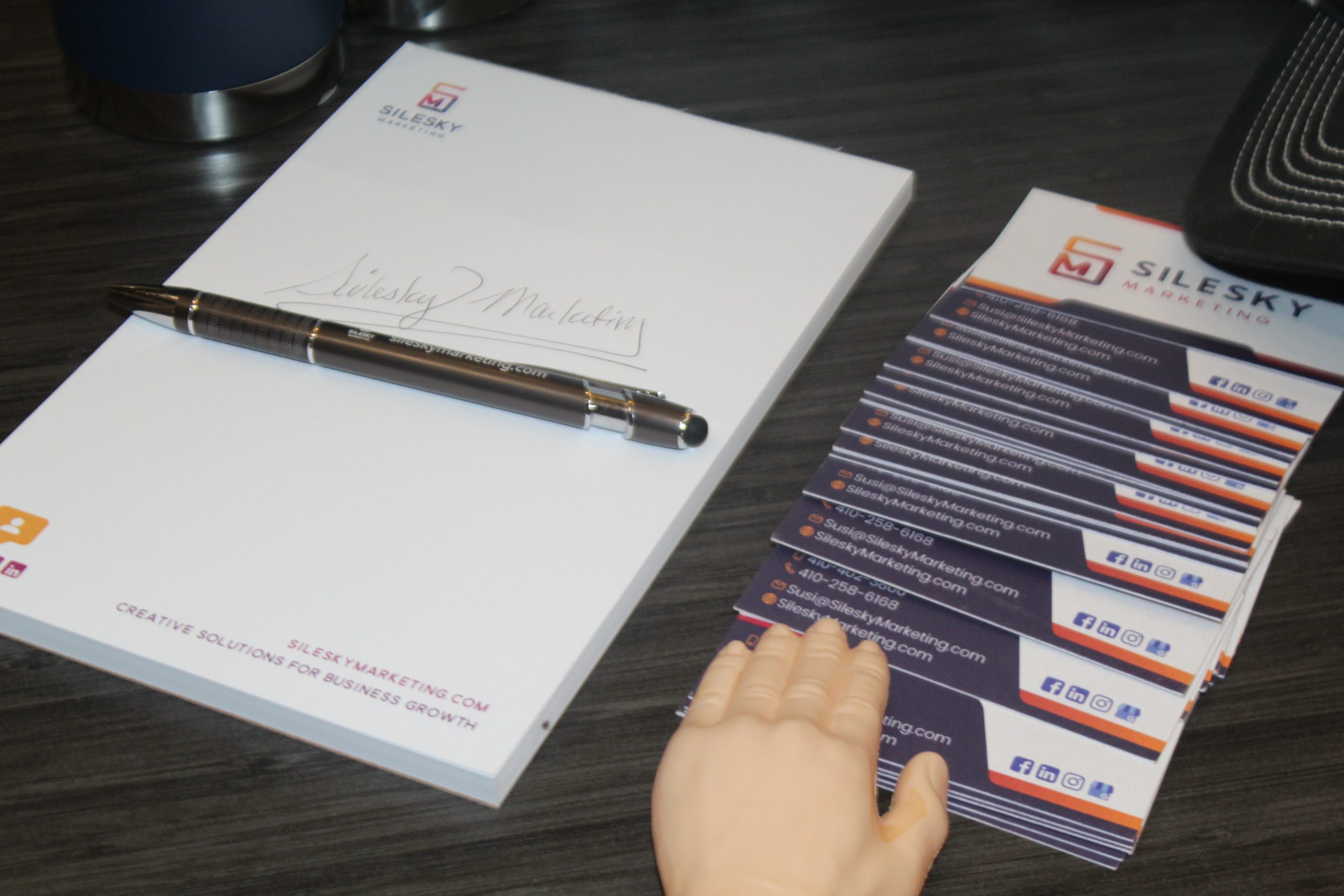
In April 1996, Susi Silesky became the owner of a marketing agency she did not name, did not plan, and did not ask for. A set of letterhead and business cards appeared on the front stoop of her home. Someone else had designed the logo, chosen the name, and made the decision for her. Most agencies trace their beginnings to a business plan, a financial projection, and a launch date circled on a calendar. This Baltimore marketing agency has a different story—one built on a firing, a trip to Jazz Fest, and a package left on a doorstep. Paris, PR, and the Power of the Unexpected Susi moved to Paris the day after her college graduation as an au pair. She had no clear career direction and no goal beyond perfecting her French. A French relationship changed the timeline. She fell in love. What was meant to be one year abroad soon became four. By spring 1988, she was hired as the American assistant to the CEO of S3C Groupe de Communication Souham, a PR firm in Paris working with major international brands. The client roster included Sara Lee, Gillette, WR Grace, Tiffany & Co., and others. At first, she sat on the sidelines, observing account executives while handling administrative work. Then Sara Lee Corporation asked her to work on their cheesecake campaign. Once she gained direct experience with one client, the rest followed. She spent the next several years working with U.S. brands as the American liaison, building firsthand marketing knowledge at an international level. She returned home in the fall of 1991 with four years of experience nobody had mapped out. From Family Legacy to Community Leadership Back in Baltimore, Susi went straight to work at her father’s company, Quickee Offset, the first short-run printing company in Maryland. From 1991 to 1994, she organized and implemented a rebrand campaign for the 35-year-old printing company, which included a noteworthy billboard touting their work with the Baltimore Orioles. The billboard read: “Our Printing is for the Birds.” In 1994, the family business was sold, and Susi moved into the nonprofit world at the Associated Jewish Community Federation. For two years, she served as the account executive for nearly every agency in the Associated system—overseeing branding, strategy, and collateral. Every organization under the umbrella ran its marketing through the Associated’s internal department, and Susi managed the process. She loved the work. As she puts it, “It may have been my favorite work to date. I truly loved the work, the people, and the mission.” Finding Your Footing When the Ground Shifts The Associated let her go, unexpectedly. In a single moment, the stability she had disappeared. She was devastated. She had loved the job, the organizations, and the work she was doing for every agency in the system. In one moment, all of the stability she had built around the role disappeared. Ink, Paper, and a Prayer: The Surprise That Started it All On the advice of friends, she joined them for a trip to the New Orleans Jazz Fest, returning home with no clearer sense of what came next. Waiting on the front stoop was something unexpected: a complete brand identity. Business letterhead, cards, even a logo—someone had designed it all and named the company without her input. It was April 1996, and the business was called Silesky Marketing. In Susi’s words: “I started my business completely winging the whole thing—exactly what I tell my clients not to do.” She had no revenue, no clients, and no strategy. Just a name, a brand, and a decision she hadn’t made—but chose to run with anyway. The Front Porch That Launched a Legacy Trading Keys for Coastlines: The Pivot That Funded the Future With a company name and no income, Susi needed more than a brand, she needed a market. Her first instinct was bold: help American companies reach the Hispanic community. It made sense on paper. But in practice, there was a problem. After four years of speaking French in Paris, her Spanish had all but disappeared. She had studied it once, yes, but now it sat just out of reach, like a song she almost remembered. If the business was going to work, the language had to come back. So she did what she had already proven she was willing to do: she leapt. It wasn’t a small decision. In fact, it was a big one. It meant leaving the country again, paying her mortgage a month ahead, arranging for someone to care for her two cats, and sitting with the quiet, thrilling fear of stepping away from everything stable. It meant letting go of something she loved: the baby grand Steinway piano she had inherited from her Nana. She sold it, turned memory into motion, and used the money to buy herself eight weeks in Costa Rica. There, life narrowed and deepened all at once. She lived with a local family in Heredia, studied Spanish in the mornings, and spent her days listening, speaking, stumbling, learning. On weekends, she traveled through lush hills and unfamiliar roads, the kind of beauty that reminds you how far you’ve gone from home. It was exhilarating. It was exactly the kind of risk that changes a person. When she returned, she didn’t hesitate. She dove headfirst into Baltimore’s Hispanic community, volunteering, showing up, introducing herself again and again. She placed ads, attended every event she could find, and slowly, connections began to form. A few early clients came through, just enough to suggest she might be onto something. But even then, she could feel it: without deeper roots in Hispanic culture, without time and trust, growth would have its limits. The door had opened, but she was still standing on the outside. The Believers: Carrying the Torch from Old Chapters to New When her initial idea around Hispanic marketing proved harder to sustain, she pivoted, returning to the community she knew best. Gradually, relationships she had built years earlier began to reawaken.

Why Audience-Centric Marketing Matters More Than Ever

Businesses have more options than ever to reach potential customers, but so do their competitors. This reality makes it crucial for companies to prioritize meaningful connections and customer loyalty, which is why audience-centric marketing matters more than ever. Rather than relying solely on traditional product-focused strategies, brands are shifting to an approach that emphasizes understanding and meeting the unique needs, values, and preferences of their audience. By placing customers at the heart of marketing, companies like Silesky Marketing can foster lasting relationships, increase engagement, and ultimately drive long-term success. Audience-centric marketing is no longer just an option; it’s the path forward for brands looking to connect deeply in a competitive world. The Shift to Audience-Centric Marketing Marketing has changed significantly over the years. What started as product-focused advertising has now evolved to center on customer experiences and preferences. Traditional methods prioritized product features and benefits, but audience-centric marketing flips this approach. Now, brands focus on their audience’s needs, values, and emotions. This shift reflects a transformation in consumer expectations: customers want more than products. They want meaningful interactions and solutions that fit their lives. Audience-centric marketing prioritizes empathy and engagement. It requires a clear understanding of who the audience is, what they care about, and how they prefer to engage. By focusing on these factors, businesses make smarter decisions about where to invest time and resources. Some hallmarks of this shift include: Prioritizing value-driven messaging over traditional product pitches Building marketing strategies based on customer insights and feedback Creating personalized content that resonates with diverse audience segments Focusing on long-term relationship-building over short-term sales goals This approach ensures customers feel valued and understood, which strengthens loyalty and boosts brand advocacy. Understanding What Audience-Centric Marketing Entails At its core, audience-centric marketing focuses on seeing marketing efforts from the audience’s perspective, not the product’s. It’s about engaging customers in ways that match their needs and preferences. This strategy goes beyond simply identifying target demographics. It’s about understanding their motivations, challenges, and values. Every marketing message, interaction, and channel focuses on creating an experience that feels relevant and engaging. Audience-centric marketing includes several key principles: Empathy: Brands connect by addressing their audience’s needs and experiences. Personalization: They tailor content, messaging, and offers for different audience segments. Engagement: Ongoing dialogue and interaction help customers feel heard. Relevance: Content and campaigns deliver real value to customers. Transparency: Being open about brand values builds trust with the audience. By adopting an audience-centric approach, brands create authentic connections. This attracts new customers and builds lasting relationships that are essential for retention. Why Audience-Centric Marketing is Vital Today With consumers bombarded by thousands of ads daily, standing out is a challenge. Audience-centric marketing helps solve this by creating content that resonates with customers. Today, this approach is essential, as audiences quickly ignore marketing that feels impersonal or irrelevant. Several factors make audience-centric marketing vital: Customer Choice: With more options available, customers are selective about the brands they support. Digital Noise: The average person sees thousands of marketing messages daily; audience-centric content cuts through better. Demand for Personalization: Modern customers expect brands to speak to them individually, not as part of a mass audience. Transparency and Authenticity: People engage more with brands they view as honest and transparent. Increased Competition: Growing competition in digital spaces requires unique, audience-focused approaches. This customer-first approach helps brands stand out and aligns with evolving consumer expectations. It makes customers feel valued and understood, which drives engagement and builds lasting loyalty. Key Components of Audience-Centric Marketing A successful audience-centric marketing approach has a few essential components. Each ensures the brand connects authentically with the audience: Data-Driven Insights: Gathering data helps businesses understand preferences and behaviors, allowing a tailored approach. Personalized Content: Messages feel personal and relevant to individuals, whether through emails, social media, or ads. Engagement Opportunities: Encouraging feedback, interaction, and dialogue keeps customers feeling connected and invested in the brand. Emphasis on Customer Values: Marketing that aligns with customer values fosters a deeper bond. Cross-Channel Consistency: Delivering a cohesive experience across platforms enhances brand perception. Proactive Problem Solving: Anticipating audience needs and addressing potential issues builds trust and satisfaction. Each component creates a brand experience that feels personal and memorable. When done well, customers feel the brand truly understands them. Benefits of Audience-Centric Marketing An audience-centric marketing strategy offers many tangible benefits beyond brand awareness. By prioritizing the audience, businesses see improved engagement, higher customer satisfaction, and enhanced loyalty. Here’s how audience-centric marketing pays off: Increased Engagement: Personalized, relevant content captures attention more effectively. Customer Loyalty: A customer-first approach makes clients feel valued, increasing repeat business. Enhanced Conversion Rates: Content that speaks to audience needs is more likely to convert. Stronger Brand Reputation: Brands that align with customer values are more trusted. Reduced Churn: Customers who feel understood are less likely to switch to competitors. Better Word-of-Mouth: Satisfied customers often share positive experiences with others. These benefits show why audience-centric marketing is essential for brands looking to grow and remain competitive. Implementing an Audience-Centric Approach Shifting to an audience-centric approach is challenging but worthwhile. Here’s a basic roadmap for making this transition: Gather Data: Use surveys, customer feedback, and analytics to understand audience demographics and preferences. Define Audience Segments: Create segments based on demographics, behavior, and interests for more personalized messaging. Engage with Customers Regularly: Build relationships by interacting with audiences on social media, email, and other platforms. Create Tailored Content: Develop content that speaks to specific needs, from blog posts to personalized offers. Analyze and Adapt: Continuously evaluate performance and adjust strategies based on feedback and data insights. Invest in Automation Tools: Automation helps deliver timely, relevant information to customers. Following these steps, businesses can shift to a more audience-focused strategy, enhancing relationships and driving results. Audience-Centric Marketing and Customer Retention Retaining customers is as important as attracting new ones, and audience-centric marketing plays a key role in both. Customers who feel understood are more likely to stay loyal to a brand. Focusing on audience needs and interests creates a connection

10 Different Types of Marketing That Build Real Brand Reach

Most brands can grab attention. The real challenge is keeping it. Building a brand that people trust — and talk about — doesn’t happen through a single flashy campaign. It happens by showing up the right way, at the right moments, time after time. It’s about being part of your audience’s real world, not just their feed. The most effective strategies share a pattern. They aren’t random tactics thrown at the wall. There are different types of marketing that build real brand reach by meeting people where they are and giving them reasons to care. Let’s dig into what truly moves the needle, not just for visibility, but for lasting brand loyalty. Content Marketing: Building Brands with Stories, Not Slogans Attention is earned, not demanded. Brands like HubSpot didn’t rise by outspending competitors — they became trusted by creating resources, templates, and research that their audience needed. Good content marketing doesn’t feel like marketing at all. It’s an invitation to learn, solve problems, and grow with your brand as a natural part of the journey. Social Media Marketing: Earning Trust in Real Time Social media isn’t a megaphone — it’s a campfire. The brands that thrive spark conversations, not campaigns. Take Wendy’s on Twitter. Their off-the-cuff humor and authentic banter build loyalty because they meet people as equals, not targets. Today’s audiences can smell a scripted post from a mile away. Brands that succeed make their audiences feel heard, not handled. SEO Marketing: Showing Up When It Matters Most No flashy ad can replace the quiet power of being there when someone searches for help. That’s where SEO steps in. Whether it’s a local café optimizing “best latte near me” or a national brand ranking for “how to start a podcast,” SEO builds brand presence precisely when it matters most: the moment of need. Good SEO isn’t a trick — it’s a promise fulfilled. Email Marketing: Personal, Not Transactional Email remains unmatched when it feels personal. Not mass newsletters, but thoughtful, relevant touches at just the right moment. Brands like Spotify prove it with campaigns like “Wrapped,” turning user behavior into shareable, personal highlights. People engage because it’s about them, not about the brand. Segmentation, timing, and genuine value transform email from spam into relationship-building. Paid Advertising: Fueling Momentum, Not Faking It Paid media can’t create passion. But it can amplify the real spark you already have. Airbnb’s early Craigslist strategy wasn’t just clever — it was authentic outreach where travelers were already looking. Today’s smart brands use paid ads to reinforce genuine organic momentum, not fake it. When paid feels like an extension of brand experience, it scales trust instead of eroding it. Influencer Marketing: Trust Transfers Audiences trust people faster than they trust brands. Smart influencer marketing recognizes this and respects it. Micro-influencers, with their tightly connected followings, often drive more authentic engagement than celebrity partnerships ever could. A report by Influencer Marketing Hub highlights micro-influencers achieving 60% higher engagement rates than macro ones. (Integrate naturally when mentioning micro-influencers.) It’s not about big reach; it’s about the right reach. Partnership Marketing: Two Brands, One Story Some of the smartest brand moves aren’t solo at all. They’re collaborations. Nike and Apple’s partnership around fitness and tech wasn’t forced — it made perfect sense. Together, they offered a story that neither could tell alone. When partnerships align values and audiences, they double trust, not just exposure. Event Marketing: Where Brands Come Alive A website can tell your story. But an event lets people step inside it. Salesforce’s Dreamforce event doesn’t just showcase software — it builds a movement around innovation and leadership. Even virtual experiences can create emotional resonance when they’re designed to connect, not just impress. Events let people live the brand, and once they do, they rarely forget it. Guerrilla Marketing: Creating Moments, Not Ads Sometimes the best marketing doesn’t look like marketing at all. It looks like a surprise. Burger King’s stunt turned smartphones and McDonald’s locations into opportunities for laughs, downloads, and Whoppers — all at once. Guerrilla marketing works because it’s unexpected. It makes brand experiences feel like discoveries, not campaigns. Community Marketing: Growing Belonging, Not Just Brand Awareness Brands that build real reach don’t chase loyalty. They foster belonging. LEGO’s “Ideas” platform turns fans into creators, voting and collaborating on new sets. That’s not customer retention — it’s brand devotion. Community marketing turns audiences into owners. And when people feel they own a brand, they share it because it’s a piece of their identity. Why These 10 Types of Marketing Matter Real reach can’t be bought in bulk. It’s stitched carefully through thousands of small, genuine moments: a helpful blog post, an unexpected thank-you email, a memorable event, a genuine online interaction. Each strategy offers its own doorway to connection, but the strongest brands blend these approaches naturally, shaped by their DNA, refined by listening to their audience, and sustained by consistent, authentic value. The brands that win in reach are the brands that first win in trust.

Building Momentum Through Consistency in Marketing

Momentum in marketing doesn’t happen overnight. It’s built by showing up, delivering value, and maintaining a steady rhythm. Consistency is the backbone of successful marketing strategies, enabling brands to foster trust, strengthen visibility, and create a lasting impression. In this blog, we explore how consistency in marketing builds momentum and why it’s essential for long-term growth. Why Consistency Is Key to Marketing Success Consistency ensures your brand remains recognizable and reliable in the eyes of your audience. When customers see your messaging regularly across platforms, it builds trust and familiarity. Enhances Brand Recall: Regular exposure to your brand makes it easier for customers to remember you. Increases Trust: Consistent messaging signals stability and professionalism. Improves Engagement: Audiences are more likely to interact with predictable, value-driven content. Boosts Confidence: Customers feel more comfortable engaging with brands that consistently meet their expectations. Take Patagonia, for instance. The outdoor brand’s messaging about sustainability is consistent across advertisements, social media, and product descriptions, reinforcing its identity as an environmentally responsible company. How Consistency Builds Marketing Momentum Momentum is the result of small, consistent actions accumulating over time. A consistent marketing approach ensures every effort contributes to your larger goals. Steady Relationship Building: Repeated interactions strengthen customer trust. Reinforced Branding: A clear, cohesive message across platforms creates a unified brand identity. Compound Results: Each campaign builds on the success of previous efforts. Better Data Insights: Regular activities provide measurable patterns, helping refine strategies. For example, a business that publishes blogs twice a month not only attracts visitors but also improves SEO over time. Momentum builds as more people visit the website, engage with the content, and eventually convert into customers. Core Elements of a Consistent Marketing Strategy 1. Unified Branding Your branding is the foundation of consistency. It encompasses visual elements, tone, and messaging. Use the same color schemes, fonts, and logos across platforms. Maintain a consistent tone in blogs, social posts, and advertisements. Align your messaging with your core values. 2. Regular Posting Schedule Audiences expect predictability. A reliable schedule ensures they know when and where to find your updates. Plan content through a marketing calendar. Use automation tools to maintain consistent timing. Prioritize frequency, whether weekly, biweekly, or monthly. 3. Valuable Content Content should always provide value, not just fill a quota. Create blog posts, videos, or social updates that address audience pain points. Avoid generic messaging; tailor content to resonate deeply. Use visuals and infographics to enhance engagement. 4. Cross-Channel Alignment Ensure all platforms deliver a cohesive message. Coordinate campaigns across social media, email, and your website. Repurpose content in formats suitable for each platform. Use consistent calls to action (CTAs) to drive desired outcomes. Challenges to Maintaining Consistency 1. Lack of Time or Resources Smaller teams often struggle to produce regular content due to limited resources. 2. Content Fatigue It’s easy to run out of fresh ideas when creating content frequently. 3. Changing Market Conditions Trends and shifts can disrupt planned strategies, requiring quick adaptations. 4. Unrealistic Expectations Hoping for immediate results can lead to disappointment and an inconsistent focus. For example, a startup may focus heavily on one platform but fail to sustain engagement due to limited bandwidth. Practical Solutions for Overcoming Challenges Batch Content Creation Create multiple posts, videos, or emails during one session to save time later. Outsource When Necessary If resources are tight, collaborate with freelancers or marketing agencies to maintain consistency. Leverage Automation Tools Platforms like Hootsuite or Mailchimp streamline scheduling and posting tasks. Stay Flexible While consistency is vital, be prepared to adapt when necessary. For example, pivoting a campaign to address a trending topic can keep your brand relevant. The Long-Term Benefits of Consistent Marketing Consistency delivers tangible and lasting rewards, such as: Improved Customer Loyalty: Regular interactions build trust and retention. Enhanced SEO: Fresh, frequent content boosts search engine rankings. Better Predictability: Consistent efforts create more predictable performance metrics. Stronger Brand Positioning: Reliable messaging helps establish your brand as a leader in your industry. For instance, businesses that maintain steady social media activity see higher engagement rates and more organic growth over time. Practical Steps to Start Building Momentum Set Clear Goals: Identify what you aim to achieve—brand awareness, lead generation, or customer loyalty. Develop a Content Calendar: Outline posts, blogs, or campaigns for the month ahead. Focus on Quality Over Quantity: Aim for fewer, high-impact pieces rather than constant but low-value updates. Measure Performance Regularly: Use tools like Google Analytics to track results. Celebrate Progress: Acknowledge small wins to keep your team motivated. Final Thoughts Building momentum through consistency in marketing requires commitment and focus, but the results are worth the effort. A steady marketing strategy not only solidifies your brand’s presence but also fosters trust, engagement, and sustainable growth. By planning carefully, aligning your efforts, and delivering value consistently, you can achieve long-term success that compounds over time.

How to Elevate Your Brand Through Creative Marketing Expertise

Standing out in the crowded market has never been more important for businesses aiming to thrive. Success lies in blending innovation with strategy to create campaigns that captivate and inspire. Creative marketing expertise shows how to elevate your brand by blending innovation, strategy, and emotional connection. It’s not just about being noticed—it’s about building meaningful connections that foster trust, loyalty, and long-term growth. Whether you’re a small startup or an established business, understanding how to leverage creative marketing is key to staying ahead. Adopting innovative strategies can transform your brand’s impact and growth. The Fundamentals of Creative Marketing Expertise Defining Creative Marketing Expertise Creative marketing expertise means crafting impactful and unique ways to promote your business. It involves: Combining imaginative thinking with proven techniques. Aligning campaigns with specific brand goals. Using storytelling to engage customers emotionally. With the right expertise, brands don’t just capture attention—they create lasting impressions. The Role of Creativity in Marketing Creativity brings life to marketing strategies, pushing brands to rise above competitors. It empowers businesses to: Craft visually engaging content. Form meaningful connections with audiences. Reinforce trust by showcasing authenticity. By embracing creativity, businesses unlock avenues for stronger audience engagement. How Creative Marketing Elevates Your Brand Aligning Marketing with Brand Values When your marketing aligns with your core values, it builds credibility and trust. Creative campaigns help you: Emphasize what makes your brand special. Differentiate from competitors. Cultivate a loyal customer base. These campaigns reinforce your mission, connecting deeply with audiences. Creating Emotional Connections with Your Audience Emotional marketing strengthens bonds with customers. Successful campaigns tap into: Personal experiences that evoke nostalgia. Aspirational themes that inspire. Messages of trust and unity. By leveraging emotions, brands transform casual customers into devoted advocates. Leveraging Visual Storytelling to Build Trust Visual storytelling conveys your message powerfully. It simplifies complex ideas while leaving lasting impressions. Effective visuals: Communicate authenticity. Engage audiences quickly. Highlight your brand’s narrative. Videos, infographics, and bold imagery bring your story to life. Innovative Marketing Techniques for Brand Growth Personalization and Its Impact on Customer Engagement Personalization builds stronger customer relationships by making people feel valued. Techniques include: Addressing customers by name in emails. Recommending products based on previous purchases. Curating experiences that resonate personally. This approach demonstrates that your brand understands and appreciates its audience. The Power of Data-Driven Creativity Data and creativity together ensure campaigns achieve maximum impact. This strategy: Identifies customer preferences using analytics. Tailors marketing messages for specific audiences. Tracks campaign success for ongoing optimization. Data doesn’t hinder creativity; instead, it guides it toward greater results. Integrating Social Media as a Creative Canvas Social media platforms are powerful tools for experimentation and innovation. Strategies include: Producing short-form videos for platforms like TikTok. Creating interactive polls and live events. Sharing behind-the-scenes content that humanizes your brand. Social platforms keep your brand relevant and relatable. Collaborating with Marketing Experts Why Hiring Marketing Experts Matters Marketing experts bring industry knowledge and creative insight, helping businesses reach their goals. Their value includes: Recognizing untapped opportunities. Staying ahead of evolving trends. Executing innovative campaigns effectively. Experts streamline your marketing efforts for better results. Understanding Silesky Marketing’s Approach Silesky Marketing takes a collaborative, client-focused approach. Their process emphasizes: Clear communication to align with your vision. Tailored strategies for measurable results. Continuous adaptation to ensure growth. With experts like Silesky Marketing, businesses achieve strategic and creative excellence. Proven Strategies for Long-Term Success Tracking Metrics and Adjusting Strategies Tracking metrics ensures campaigns stay effective. Brands should: Monitor engagement rates, conversions, and customer feedback. Adjust approaches based on data insights. Maintain flexibility to adapt to market changes. This iterative process builds a foundation for sustained success. Case Studies: Real Success Stories from Creative Campaigns Examples of creative marketing in action include: A local business tripled website traffic by using targeted ads. An online store saw a 40% increase in sales after launching a personalized email campaign. A national brand regained market share with visually impactful video ads. These results highlight the potential of combining creativity and strategy. The Future of Your Brand Through Creative Marketing Creative marketing expertise transforms how brands connect with their audience. By blending innovation with strategy, businesses can achieve deeper relationships, stronger growth, and lasting success. Working with partners like Silesky Marketing helps ensure these efforts are tailored and effective. Now is the time to elevate your brand and redefine its potential.

How to Identify Your Target Audience for Maximum Impact

Marketing thrives on connection, and connection happens when you reach the right people with the right message. Addressing how to identify your target audience for maximum impact ensures your efforts generate meaningful results. Whether you’re refining an established strategy or building a campaign from scratch, understanding your audience empowers every decision. This article outlines actionable methods to define, analyze, and reach your audience using tools and techniques that connect meaningfully. At Silesky Marketing, we specialize in strategies designed to ensure every campaign resonates with precision and purpose. Understanding the Importance of a Target Audience Marketing without a clear audience wastes time and resources. Your target audience shapes your messaging, platform choices, and timing, creating a foundation for every marketing effort. Identifying this group enhances your efficiency, allowing campaigns to focus on results. Here’s why defining your audience matters: Higher Engagement: Tailored messages lead to more clicks, shares, and meaningful interactions. Cost Efficiency: Campaigns reach people most likely to convert, saving money. Loyalty Building: When customers feel understood, they become long-term supporters. Smarter Insights: Clear targeting highlights patterns that shape future decisions. This focus delivers personalized content and builds stronger connections. As a result, businesses see improved return on investment. Defining Your Target Market Defining your broader market before identifying a specific audience helps refine your approach. A target market establishes boundaries for categorizing potential customers based on shared needs or characteristics. Ask these questions to outline your market: Where is my product or service most needed? Which industries rely on the solutions I offer? What traits unite my existing customers? For instance, a landscaping business may target suburban homeowners, while a software company might focus on mid-sized businesses. Broad categories provide a structure to narrow and personalize your outreach. Conducting Demographic Analysis Demographics offer measurable characteristics that help shape your marketing decisions. They provide a factual picture of your audience and guide your messaging. Important factors for demographic analysis include: Age: Identify generational influences on buying habits. Gender: Evaluate how your product appeals across gender identities. Income Levels: Align pricing with financial realities. Location: Understand geographic influences on preferences. Access demographic data through surveys, databases, or tools like Google Analytics. For example, a coffee shop targeting urban professionals might highlight premium blends to match their audience’s taste and disposable income. Psychographics: Going Beyond the Surface Demographics tell you who your audience is, but psychographics explain why they choose your brand. This analysis explores their interests, values, and decision-making habits. Questions to consider when analyzing psychographics: What drives their purchase decisions? How do they spend their leisure time? Which values guide their choices? For instance, a fitness company might find that its customers prioritize convenience, driving decisions to highlight accessible workout solutions. Psychographics add depth to campaigns, making messages more relatable. Leveraging Market Research Tools Market research tools simplify audience analysis, offering insights that shape effective strategies. These resources provide data on preferences, behaviors, and engagement patterns. Use tools like: Google Analytics: Tracks user behavior on websites. Social Media Insights: Platforms like Instagram and Facebook reveal audience engagement metrics. Surveys: Tools like Typeform collect detailed feedback. CRM Systems: Platforms such as Salesforce monitor customer interactions. For example, Google Analytics might show high traffic from mobile users, leading you to optimize campaigns for mobile-first experiences. Analyzing Competitor Audiences Studying your competitors uncovers new opportunities to connect with your audience. Competitor analysis doesn’t mean imitation—it means identifying gaps to enhance your approach. Steps for effective competitor analysis: Evaluate their messaging for patterns that resonate. Review social media interactions for themes and feedback. Analyze keywords with tools like SEMrush. Read customer reviews to find unmet needs. For example, if a competitor markets solely to families, a childcare business might tailor their services to busy professionals instead. The Role of Buyer Personas in Marketing Buyer personas help businesses visualize and empathize with their target audience. These profiles clarify customer needs, guiding marketing efforts. Create personas by including: Demographics: Basic traits such as age and education. Challenges: Problems your product solves. Values: What drives their decisions? Communication Channels: Platforms they prefer. For example, a SaaS company could have personas for IT managers focused on security and small business owners prioritizing usability. Personas create sharper, more relatable campaigns. The Significance of Audience Feedback Audience feedback reveals real-world insights about customer preferences and experiences. Direct input shapes future campaigns and refines your approach. Ways to gather feedback include: Social media polls Online reviews Email surveys Focus groups For instance, if customers praise your customer service, your brand can highlight it in ads. Brands that listen to foster trust, loyalty, and repeat business. Using Data Analytics for Targeting Data analytics transform raw numbers into actionable insights. These tools enable you to monitor campaign effectiveness and adjust strategies. Key metrics to track include: Conversion rates by demographic group Engagement rates on specific platforms Website navigation behavior Geographic success patterns For example, analytics might reveal that email campaigns drive the most engagement, encouraging you to invest in personalized email marketing. Adapting Strategies for Evolving Audiences Audience preferences constantly change. Staying ahead means monitoring these shifts and adapting your strategy to meet new demands. Adapt your strategy by: Monitoring changes in values or interests. Testing messaging styles or visuals. Introducing campaigns on emerging platforms. Flexibility ensures relevance. For instance, a clothing brand might launch sustainable collections in response to increased environmental awareness among its audience.

How to Craft Compelling Value Propositions

Creating a compelling value proposition forms a critical aspect of your business strategy. It serves as the foundation for your marketing efforts and helps communicate the benefits of your product or service to potential customers. Understanding how to craft compelling value propositions can attract and retain clients with expert tips for creating effective value propositions. By mastering this skill, you can differentiate your offerings in a competitive market and make your business stand out. This article delves into the process and techniques for developing a strong value proposition that resonates with your target audience and drives success. What is a Value Proposition? A value proposition is a concise statement explaining why a customer should choose your product or service over your competitors. It highlights the unique benefits and solutions your offering provides. Essentially, it answers the question, “Why should I buy from you?” A well-crafted value proposition can set your business apart in a crowded marketplace, making it a critical tool for attracting new clients and retaining existing ones. Key Components of a Value Proposition A strong value proposition typically includes several key components: Headline: A clear and concise statement capturing the essence of your value proposition. Subheadline: An additional sentence or two providing more detail and supporting the headline. Bullet Points: A list of the key benefits or features of your product or service. Visual Elements: Images or graphics that help illustrate the value proposition and make it more engaging. By combining these elements, you can create a value proposition that is both informative and compelling. Importance of a Strong Value Proposition In today’s competitive business environment, having a strong value proposition remains crucial. A compelling value proposition attracts potential customers and helps retain them. Key reasons to have a strong value proposition: Clear communication: Articulates the unique benefits of your offering. Customer attraction: Makes it easier for customers to understand why they should choose your product or service. Guided marketing strategies: Helps align your team’s efforts towards a common goal. Competitive edge: Differentiates your business in a crowded market. Customer loyalty: Encourages repeat business and customer referrals. Understanding Your Target Audience To craft an effective value proposition, you must understand your target audience. This involves researching and defining your ideal customer. Start by identifying the demographics, needs, and pain points of your target market. Conduct surveys, interviews, and focus groups to gather insights. The better you understand your audience, the more accurately you can tailor your value proposition to meet their needs and preferences. Steps to understand your target audience: Demographic analysis: Identify age, gender, income, and education levels. Behavioral insights: Understand purchasing habits and preferences. Pain point identification: Recognize challenges your audience faces. Feedback collection: Use surveys and interviews for direct input. Market trends: Stay updated with industry trends affecting your audience. Unique Selling Points Your unique selling points (USPs) are the specific features and benefits that set your product or service apart from the competition. These can include superior quality, innovative features, exceptional customer service, or cost-effectiveness. Clearly identifying your USPs is essential in differentiating your offerings and ensuring that your value proposition stands out. Consider these aspects when defining your USPs: Quality: Is your product superior in quality? Features: What unique features does your product offer? Customer service: How does your customer service compare to others? Cost: Is your product more cost-effective? Innovation: Does your product offer something new to the market? Crafting the Value Proposition Now that you understand the components, it’s time to craft your value proposition. Follow these steps: Identify the main benefit: What is the primary advantage that your product or service offers? Address the customer’s pain points: How does your offering solve the customer’s problems or fulfill their needs? Highlight your USPs: What makes your product or service unique? Create a headline: Write a clear and compelling headline that captures the main benefit. Add a subheadline: Provide additional detail to support the headline. Include bullet points: List the key benefits or features. Incorporate visuals: Use images or graphics to enhance your message. Testing Your Value Proposition Once you’ve crafted your value proposition, you need to test it to ensure its effectiveness. You can do this through A/B testing, surveys, and focus groups. Gather feedback from your target audience and make adjustments as needed. Testing helps you refine your value proposition and ensures that it resonates with your potential customers. Methods for testing your value proposition: A/B testing: Compare different versions to see which performs better. Surveys: Collect feedback directly from your target audience. Focus groups: Gain in-depth insights from a select group of potential customers. Analytics: Use web analytics to track engagement and conversion rates. Customer feedback: Regularly solicit feedback from your customers to make continuous improvements. Communicating Your Value Proposition After crafting and testing your value proposition, you must effectively communicate it to your audience. Use various marketing channels such as your website, social media, email marketing, and advertising campaigns to share your value proposition. Ensure that your messaging remains consistent across all platforms and clearly conveys the unique benefits of your product or service. Effective communication strategies: Website: Feature your value proposition prominently on your homepage. Social media: Share posts and updates that highlight your value proposition. Email marketing: Include your value proposition in your email campaigns. Advertising: Use targeted ads to reach your ideal customers. Sales team: Train your sales team to articulate the value proposition clearly. Examples of Effective Value Propositions Looking at examples of successful value propositions can provide inspiration and guidance. Consider companies like Apple, whose value proposition centers on innovation and user experience, or Amazon, which emphasizes convenience and vast selection. Analyze these examples to understand what makes them effective and how you can apply similar principles to your own value proposition. Successful value proposition examples: Apple: Focuses on innovation and user experience. Amazon: Emphasizes convenience and a vast selection of products. Tesla: Highlights sustainability and cutting-edge technology. Netflix: Offers unlimited streaming with a wide variety of content. Common Mistakes to Avoid

How Organizations Worldwide Are Empowering Women and Girls

Empowering women and girls stands as a driving force for positive societal change globally. These endeavors not only offer avenues for growth and education but also create a more equitable world for all. Gender disparities persist worldwide, hindering millions of women and girls from accessing education, healthcare, and economic opportunities. Addressing these inequalities, and empowering women and girls, remains paramount in building fairer and more prosperous societies. Organizations Leading the Charge Thankfully, there are numerous organizations dedicated to empowering women and girls. Each organization has its unique mission and approach, but all share a common goal: to create a world where every woman and girl has the chance to fulfill her potential. Here are a few noteworthy organizations making a significant impact: Girls Who Code: This organization aims to close the gender gap in technology by providing programming skills and opportunities for young girls. Through various programs, they equip girls with coding skills and mentorship, preparing them for careers in the tech industry. HeForShe: An initiative by UN Women, HeForShe encourages men and boys to become advocates for gender equality. By involving men in the conversation and promoting solidarity, it strives for a world where both genders have equal opportunities and rights. Kiva: While not solely focused on women, Kiva empowers women entrepreneurs by providing them with microloans to start or expand their businesses. This support enables women to become financially independent and contribute to their communities. Malala Fund: Named after the Nobel laureate Malala Yousafzai, this organization advocates for girls’ education globally, working to ensure that all girls can complete 12 years of safe, quality education. Women for Women International: This organization supports marginalized women survivors of war and conflict by offering them resources, skills training, and financial assistance to rebuild their lives and communities. How You Can Contribute The work of these organizations is transformative, but they need support to continue making a difference. Here are several ways you can contribute to their success and further the cause of empowering women and girls: Donate: Financial contributions play a significant role in sustaining the operations of these organizations. Consider making a donation, no matter how small, to support their programs and initiatives. Volunteer: Many organizations rely on volunteers to carry out their missions. Offer your time and skills by volunteering locally or remotely to support their projects and campaigns. Raise Awareness: Spread the word about these organizations and the issues they address. Use social media, organize events, or engage in discussions to raise awareness and encourage others to join the cause. Advocate for Change: Support policies and initiatives that promote gender equality and empower women and girls. Write to lawmakers, participate in advocacy campaigns, and use your voice to effect positive change. Shop Ethically: Support businesses that prioritize gender equality and fair treatment of women in their workforce and supply chains. Impact of Empowerment: The impact of empowering women and girls is far-reaching and multifaceted. When women and girls are empowered, the benefits extend beyond individual lives to entire communities and nations. Economic Growth: Empowering women economically has a direct correlation with a nation’s economic growth. Studies show that when women have access to education and economic opportunities, they reinvest a significant portion of their income into their families and communities, leading to poverty reduction and economic development. By supporting organizations that empower women economically, we contribute to building stronger economies and more resilient societies. Health and Well-being: Access to quality healthcare and reproductive rights is fundamental to women’s well-being. Empowering women with education about health and reproductive rights not only enhances their quality of life but also leads to healthier families. Organizations that focus on providing healthcare services and education for women and girls contribute to reducing maternal mortality rates, improving child health, and fostering healthier societies. Overcoming Challenges: Despite progress, several challenges persist in the journey towards gender equality and women’s empowerment. Cultural and Social Norms: Deeply ingrained cultural and social norms often limit women’s opportunities and rights. Discriminatory practices, stereotypes, and biases hinder women and girls from fully realizing their potential. Organizations working in this field face the challenge of addressing these norms and fostering societal change towards gender equality. Access to Education and Resources: In many parts of the world, women and girls still face barriers in accessing education, healthcare, and economic resources. Lack of educational opportunities, early marriage, and gender-based violence prevent many from reaching their full potential. Organizations working towards empowerment confront these challenges by providing resources, scholarships, and safe spaces for education and skill development. In overcoming these challenges, it becomes increasingly important to support and amplify the work of organizations that advocate for women’s rights and empowerment. By addressing these obstacles, we can move closer to a world where women and girls have equal opportunities to thrive and contribute positively to society. Final Thoughts Empowering women and girls is not just a moral imperative; it’s an investment in a more prosperous, peaceful, and equitable world. The efforts of organizations dedicated to this cause are invaluable, but they need collective support to create lasting change. By contributing in any way you can, whether through donations, volunteering, advocacy, or conscious consumerism, you can be a part of the movement towards a future where every woman and girl can thrive. Together, let’s empower and uplift, ensuring a brighter tomorrow for generations to come.

Why Blogging is Better Than Paid Ads

In today’s digital landscape, businesses are constantly vying for consumer attention. The methods employed to capture this attention range from traditional advertising to modern digital marketing strategies. Two prevalent avenues for gaining visibility and engagement are blogging and paid advertising. While both possess their unique strengths, the merits of blogging often outweigh those of paid ads in numerous ways. Understanding why blogging is better than paid ads is crucial for optimizing long-term marketing strategies. Building Long-Term Credibility and Authority Blogging: A Foundation for Trust Blogging serves as an invaluable tool for establishing a brand’s credibility and authority within its niche. By consistently delivering valuable, informative, and relevant content, a blog becomes a go-to resource for consumers seeking information. Over time, this steady flow of quality content nurtures trust and reliability, fostering a loyal readership base. Moreover, blog posts offer the opportunity to showcase industry expertise, thereby positioning the brand as a thought leader. Through in-depth analyses, tutorials, case studies, and informative articles, businesses can demonstrate their knowledge and proficiency, ultimately gaining the trust and respect of their audience. Paid Ads: Instant Visibility, Short-Lived Impact Paid ads offer immediate visibility but have a transient impact. Despite placing brands directly in front of their target audience, once the campaign ends or the budget exhausts, the visibility diminishes. While effective for immediate traffic, paid ads lack the sustained credibility-building aspect found in blogging. Cost-Effectiveness and Sustainability Blogging: Cost-Efficient and Sustainable Blogging is a cost-effective and sustainable approach to marketing. With minimal investment in comparison to paid ads, businesses can create a compendium of evergreen content that continues to drive organic traffic long after it’s published. Well-optimized blog posts can rank in search engines, generating continuous traffic without additional spending, thus providing ongoing returns on the initial investment of time and effort. Paid Ads: Budget-Dependent and Temporary Paid advertising demands a substantial budget to maintain visibility. The moment the ad spend ceases, the visibility and traffic plummet. The sustainability of paid ads is contingent upon the continuous allocation of resources, making it a more costly long-term strategy compared to blogging. Organic Traffic and SEO Benefits Blogging: Organic Reach and SEO Advantages Blogging significantly contributes to organic traffic. High-quality content optimized for search engines aids in improving a website’s search ranking, driving organic traffic over time. Through strategic keyword usage, regular content updates, and backlink acquisition, blogs enhance a website’s SEO, attracting qualified leads and potential customers organically. Paid Ads: Limited SEO Impact, Reliance on Budget While paid ads can provide immediate traffic, they do not contribute to a website’s organic ranking. Once the ad campaign ends, the website’s visibility is solely reliant on its organic SEO efforts. Paid ads offer little to no lasting SEO benefits, making them less advantageous in the long run compared to blogging’s consistent and sustainable impact on search rankings. Audience Engagement and Relationship Building Blogging: Fostering Engagement and Relationships Blogs create opportunities for interaction and engagement with the audience. Comments, social shares, and feedback from readers facilitate a dialogue between the brand and its customers. This interaction fosters a sense of community, enabling businesses to understand their audience better, address their concerns, and tailor content to meet their needs. Such engagement fosters long-term relationships and brand loyalty. Paid Ads: Limited Interaction, Transactional Nature Paid ads typically lack the interactive element found in blogging. They function on a transactional basis, aiming to drive immediate action rather than fostering ongoing engagement or relationship-building with the audience. While effective in driving conversions, they often miss the chance to establish a deeper connection between the brand and its consumers. Flexibility and Diversification of Content Blogging: Diverse Content Formats and Flexibility One of the significant advantages of blogging lies in its flexibility to experiment with diverse content formats. Blogs aren’t limited to textual content alone; they offer the versatility to incorporate various media types such as infographics, videos, podcasts, and interactive content. This diversity in content formats allows brands to cater to different audience preferences, appealing to visual, auditory, and interactive learners. Furthermore, the flexibility of a blog enables brands to explore a wide range of topics within their niche. They can cover trending industry news, evergreen how-to guides, opinion pieces, or even behind-the-scenes glimpses into their operations. This variety keeps the content fresh and engaging, catering to the diverse interests of the audience while showcasing the brand’s multifaceted expertise. Paid Ads: Limited Format and Message Constraints Paid ads commonly face constraints in format and messaging due to limited space. These restrictions often hinder conveying comprehensive information or engaging storytelling, which can impact brand perception and connection with the audience. Ownership and Control of Brand Narrative Blogging: Ownership of Brand Storytelling Blogging allows brands to take ownership of their storytelling. Through blog posts, brands can articulate their narrative, values, and mission in a comprehensive manner. They have control over the tone, style, and messaging, enabling them to craft a compelling brand story that resonates with their audience. This narrative control is pivotal in shaping how the brand is perceived and remembered by its audience. Additionally, owning a blog means owning the platform. Unlike paid ads that are hosted on third-party platforms, a blog resides on the brand’s website. This ownership ensures full control over content visibility, design, and user experience, reducing dependency on external platforms and algorithm changes that might affect reach and visibility. Paid Ads: Reliance on External Platforms and Messaging Constraints Paid advertising relinquishes control over the platform where the ad is displayed. Brands are subject to the rules, algorithms, and changes imposed by the advertising platform. This lack of control can pose risks, as changes in algorithms or policies might affect ad performance or visibility, leaving brands at the mercy of the platform’s decisions. Moreover, due to the limited space in ads, the brand’s narrative and storytelling are often condensed, making it challenging to convey a comprehensive brand message or evoke an emotional connection with the audience. Final Thoughts Blogging emerges as a multifaceted marketing strategy that not only offers

Common Marketing Questions Answered for Small Business Owners

If you own a business, or learning about marketing, you probably have a ton of These questions may include the basics of marketing or how marketing helps with business growth. Here are some FAQs about marketing, and our answers. How Does Marketing Drive Revenue? By analyzing data as well as customer product preferences, a business can boost their revenue through marketing. Strategic marketing plans will target promotions and reach the intended target audience with promotional offers. Marketing to drive revenue is important because it creates awareness to customers about a business’s products or services and influences the customer to make a buying decision. This will eventually lead to a boost in revenue due to sales. Revenue marketing involves immense focus for a more targeted goal. What Is Content Marketing? Content marketing is referred to as a marketing approach that focuses on creating content that is consistent and relevant to the brand of the business. The point of content marketing is to attract customers and keep the target audience entertained. Content marketing helps drive profits by attracting customers who will in turn, buy the product or service that is being sold. It is important to create content that is eye catching and relevant to the brand. Customers are more likely to click to the business page if they see interesting or informative content that pertains to what they are looking for. How Does a Marketing Strategy Work? This FAQ about marketing is very important. A marketing strategy is created to reach a business’s goals with a long-term plan. The goal is reached by knowing what the customers want and need and being the better choice than competitors. With a marketing strategy, it is vital to determine the target audience as well as deciding the digital marketing channels that will be used to reach that target audience. There are four different types of marketing strategies which include the four Ps of marketing. These are product, price, place, and promotion. The four Ps of marketing are also referred to as the marketing mix which are used to achieve marketing goals and objectives. The marketing strategy works by creating and executing the marketing plan that will result in a boost of customers and sales for the product or service that is being provided. It is very important to maintain the marketing strategy and be consistent to ensure success. What Is Social Media Marketing? Social media marketing is a digital channel that is used to reach customers to sell a product or service. A business can experience massive growth through social networks by motivating their customers to buy their products. This is a very useful tool in marketing for businesses to grow and build on success. If you are a business wanting to grow, you may have asked yourself some or all these questions. It is important to find the right marketing agency who can help answer these questions and help build your business. At Silesky Marketing, this is exactly what we do. Check out our website to learn more sileskymarketing.com.

Common Myths in the Marketing Industry

If you are a business owner, you may have heard many misconceptions about marketing and its effectiveness. However, your business could experience tremendous growth with the correct marketing strategy. Knowing the common myths in the marketing industry is essential, so you don’t prevent your business from growth and success.   MYTH: Small Businesses Don’t Need Marketing One common myth in the marketing industry is that small businesses don’t need marketing. If the business is local, they may feel it is unnecessary to create marketing campaigns because they can rely on regular customers. If businesses rely only on word of mouth or foot traffic, they will not grow much. Relying solely on these two strategies also puts the company at risk for competition. A good marketing plan can help the business grow, stand up against the competition, and gain new customers while retaining old ones.   MYTH: There’s No Need to Market to Existing Customers Having regular customers does not mean you do not have to market to them. It is a common myth in the marketing industry because businesses forget that their customers may still go elsewhere if they have not heard from you in a while or are pursued by your competition with an offer they think they cannot refuse! Customer loyalty should be a priority for any business, and marketing can help. Marketing to existing customers lets them know that their wants and needs matter. Staying in touch with your customers with email marketing or phone calls will impact the customer’s interest in working with you on a future project. MYTH: Social Media is Not for Business It is easy to think that social media is not a place for your business simply because so much nonsense is posted. Unfortunately, this is a pervasive myth. Social media is precious for business marketing. It is an affordable and effective way to market your business and spread information about the products or services offered. Social media is also an excellent way to engage with consumers and discover what your customers want from your products or services. Many common myths in the marketing industry keep businesses from thriving. Knowing about these myths can help ensure you get all the benefits of growth and success. To schedule a consultation, please call our offices at 410-205-6168 or utilize our scheduler to get access to our calendar.    

Aizaz Ul Hassan

Sr. Graphic Designer & Web Developer

Aizaz has been the driving force behind Silesky’s web development for over 5 years. As both a graphic designer and UI/UX developer, he brings a rare mix of technical precision and creative clarity to every project. What sets Aizaz apart is his ability to understand and interpret the assignment—no extra hand-holding, just sharp instincts and calm professionalism. When timelines are tight and expectations are high, Aizaz is the teammate you want in your corner.

Creative and detail-oriented, Aizaz builds clean, modern websites that marry style with substance. From intuitive flows to scalable layouts, his work consistently delivers digital experiences that perform as well as they look. With every project, Aizaz ensures the design feels effortless for users and does the heavy lifting for the brand.

Off the clock: It's an ongoing mystery.

John Sindorf

Director of Strategic Alliances

John believes most businesses don’t need more vendors, they need the right strategic partners.

With decades of experience helping small and mid-sized organizations grow, John specializes in connecting business leaders with the expertise they need to overcome challenges, strengthen operations, and scale with confidence. Whether the conversation centers on sales strategy, marketing, AI, or operational efficiency, his focus is always the same: identifying the right solution for the business, not simply adding another service provider.

Known for his relationship-first approach, John builds partnerships rooted in trust, practical guidance, and measurable outcomes. He helps business owners simplify complex decisions, align the right resources, and spend less time managing vendors and more time leading the businesses they’ve worked so hard to build

Off the clock: You’ll likely find John networking over coffee, strengthening relationships, and proving that the best business opportunities still begin with genuine conversations.

Kiki DeVane

Marketing Operations Manager

From Capitol Hill to the Content Calendar. The Filibuster Didn't Make the Cut.

Kiki started her career trying to change the world through legislation. She pivoted to marketing after realizing a well-built website could do it faster. What followed was a stretch across event marketing, federal communications, and sponsored content for some of the world's most recognizable brands, enough range to make her what the industry calls a utility player, which mostly means she can do the thing no one else wants to do and make it look intentional.

At Silesky Marketing, her job is to make sure the right work gets to the right person at the right time. When something tries to fall through the cracks, she's already caught it.

Off the clock: Somewhere between a passport stamp and a paintbrush.

Meital Abraham

Market Expansion & Social Media Strategist

Compulsive Jazz Hands

Meital studied fine art, advertising, and philosophy before adding stand-up comedy to the mix, which is either a very strange combination or the exact right training for social media strategy. Comedy teaches you to read a room, adapt to shifting audience energy, and deliver a punchline precisely when it matters. Misread a crowd on stage, and you get silence. Misread it in an algorithm, and it shows in the metrics. Her first corporate accounts were a cemetery, a law firm, and an IT company. She figured them all out.

Off the clock: Currently finding new ways to bedazzle herself and dazzle the audience.

Mya Stengel

Content Developer

Organizing Her Bookshelf = Organizing Her Life

Mya spent years working on her written prose only to pivot into writing for film in Hollywood. She went as far as to work in the film development department at Blumhouse before transitioning to content marketing. What she brought from the development room is the Hollywood standard. Never negotiate. Every draft has a skeleton before it gets a voice. To Mya, every client is a new protagonist to study. Her job is to entirely disappear into a brand's architecture, making the final copy sound authentically like them.

Off the clock: She's in the movie theatre, patiently waiting for Nicole Kidman to remind her that heartbreak feels good in a place like this.

Ashelin Walker

Digital Growth Strategist

The Human Embodiment of a Zen Garden

Before Ashelin was in Google Analytics, she was managing a fast-paced cafe. When the POS system crashed 20 minutes before doors opened, she rebooted it, rerouted the payment terminal, and had the register running before the first customer arrived. That same instinct drives every digital campaign she manages at Silesky Marketing today. She tracks algorithmic shifts, adjusts budgets in real time, and ensures clients see the concrete numbers behind every strategic decision.

Off the clock: She’s likely baking… What? it is a mystery she refuses to solve for us.

Susi Silesky

Founder & Brand Architect

Thinks in two languages. Solves problems in one.

Susi has spent more than 30 years helping clients see what's possible, and clearing the path to get there. She founded Silesky Marketing in 1996 after her early career in Paris, where she worked as the American liaison at S3C Groupe de Communication Souham, working on large-scale marketing campaigns for Sara Lee, Gillette, and Tiffany and Co.

Helping American brands navigate language and cultural differences taught her something that's shaped every engagement since: businesses often struggle to see themselves the way customers do. When she's not in client strategy, she's watching French films, which after thirty years of brand voice reviews pulls her out of English completely.

Off the clock: Scouting for strangers…or as she calls them, her new best friends.