Paris, PR, and the Power of the Unexpected
Susi moved to Paris the day after her college graduation as an au pair. She had no clear career direction and no goal beyond perfecting her French. A French relationship changed the timeline. She fell in love. What was meant to be one year abroad soon became four.
By spring 1988, she was hired as the American assistant to the CEO of S3C Groupe de Communication Souham, a PR firm in Paris working with major international brands. The client roster included Sara Lee, Gillette, WR Grace, Tiffany & Co., and others. At first, she sat on the sidelines, observing account executives while handling administrative work. Then Sara Lee Corporation asked her to work on their cheesecake campaign. Once she gained direct experience with one client, the rest followed. She spent the next several years working with U.S. brands as the American liaison, building firsthand marketing knowledge at an international level.
She returned home in the fall of 1991 with four years of experience nobody had mapped out.
From Family Legacy to Community Leadership
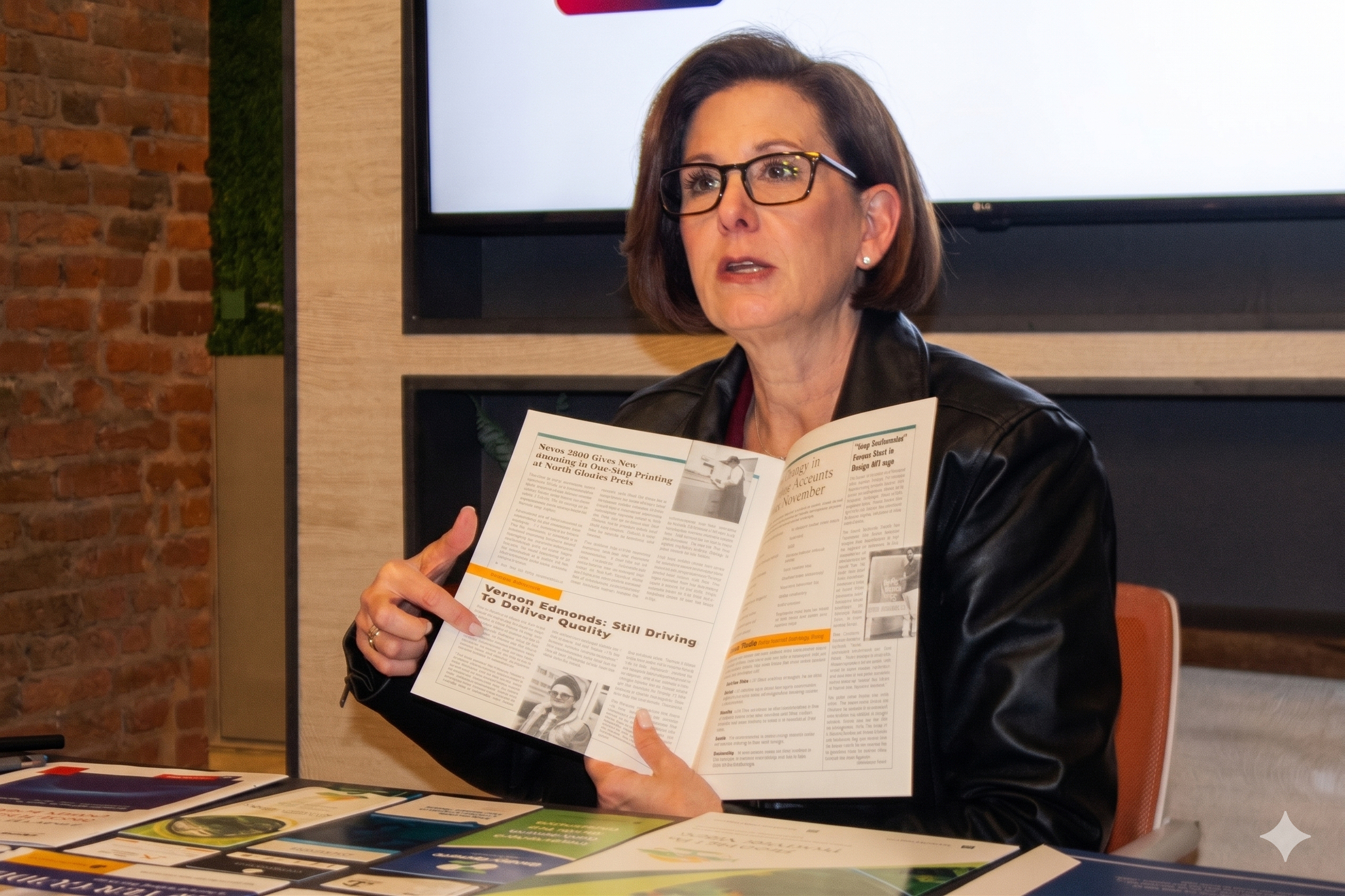
Back in Baltimore, Susi went straight to work at her father’s company, Quickee Offset, the first short-run printing company in Maryland. From 1991 to 1994, she organized and implemented a rebrand campaign for the 35-year-old printing company, which included a noteworthy billboard touting their work with the Baltimore Orioles. The billboard read: “Our Printing is for the Birds.”
In 1994, the family business was sold, and Susi moved into the nonprofit world at the Associated Jewish Community Federation. For two years, she served as the account executive for nearly every agency in the Associated system—overseeing branding, strategy, and collateral. Every organization under the umbrella ran its marketing through the Associated’s internal department, and Susi managed the process. She loved the work. As she puts it, “It may have been my favorite work to date. I truly loved the work, the people, and the mission.”
Finding Your Footing When the Ground Shifts
Ink, Paper, and a Prayer: The Surprise That Started it All
On the advice of friends, she joined them for a trip to the New Orleans Jazz Fest, returning home with no clearer sense of what came next.
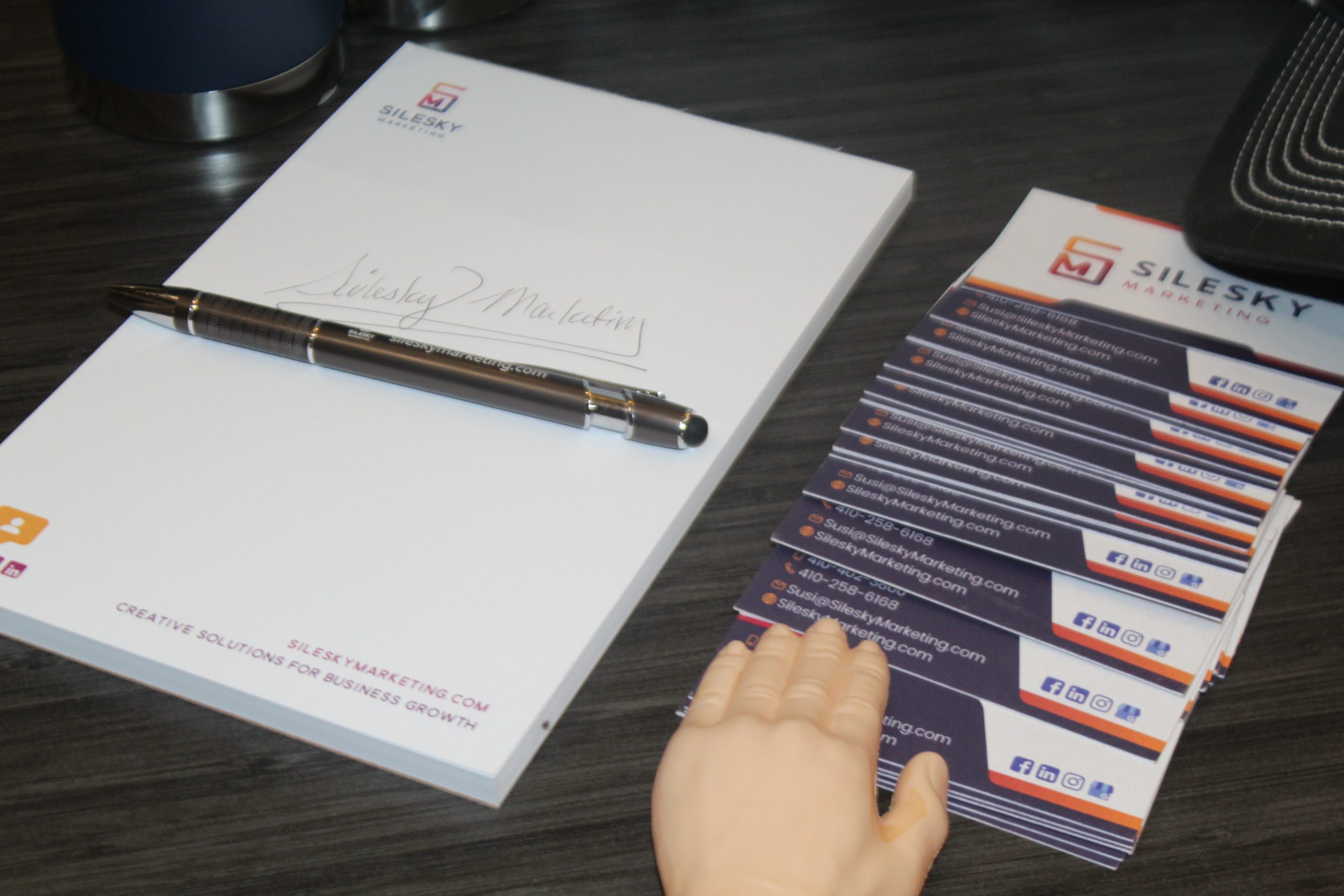
Waiting on the front stoop was something unexpected: a complete brand identity. Business letterhead, cards, even a logo—someone had designed it all and named the company without her input. It was April 1996, and the business was called Silesky Marketing.
In Susi’s words: “I started my business completely winging the whole thing—exactly what I tell my clients not to do.”
She had no revenue, no clients, and no strategy. Just a name, a brand, and a decision she hadn’t made—but chose to run with anyway.
The Front Porch That Launched a Legacy
Trading Keys for Coastlines: The Pivot That Funded the Future
With a company name and no income, Susi needed more than a brand, she needed a market. Her first instinct was bold: help American companies reach the Hispanic community. It made sense on paper. But in practice, there was a problem. After four years of speaking French in Paris, her Spanish had all but disappeared. She had studied it once, yes, but now it sat just out of reach, like a song she almost remembered.
If the business was going to work, the language had to come back.
So she did what she had already proven she was willing to do: she leapt.
It wasn’t a small decision. In fact, it was a big one. It meant leaving the country again, paying her mortgage a month ahead, arranging for someone to care for her two cats, and sitting with the quiet, thrilling fear of stepping away from everything stable. It meant letting go of something she loved: the baby grand Steinway piano she had inherited from her Nana. She sold it, turned memory into motion, and used the money to buy herself eight weeks in Costa Rica.
There, life narrowed and deepened all at once. She lived with a local family in Heredia, studied Spanish in the mornings, and spent her days listening, speaking, stumbling, learning. On weekends, she traveled through lush hills and unfamiliar roads, the kind of beauty that reminds you how far you’ve gone from home. It was exhilarating. It was exactly the kind of risk that changes a person.
When she returned, she didn’t hesitate. She dove headfirst into Baltimore’s Hispanic community, volunteering, showing up, introducing herself again and again. She placed ads, attended every event she could find, and slowly, connections began to form. A few early clients came through, just enough to suggest she might be onto something.
But even then, she could feel it: without deeper roots in Hispanic culture, without time and trust, growth would have its limits. The door had opened, but she was still standing on the outside.
The Believers: Carrying the Torch from Old Chapters to New
When her initial idea around Hispanic marketing proved harder to sustain, she pivoted, returning to the community she knew best.
Gradually, relationships she had built years earlier began to reawaken. Organizations she had once supported through the federation’s internal marketing department—Jewish Vocational Services, Jewish Museum of Maryland, CHAI, Baltimore Jewish Council, Jewish Big Brother Big Sister, along with various synagogues and community institutions—started engaging her independently for projects ranging from branding and collateral to some of their earliest websites.
It was a natural, if somewhat delicate, shift. Work that had previously been handled inside a centralized structure was now, in some cases, being outsourced. For Susi, it was a turning point: her first steady stream of paying clients, built on trust and familiarity.
For Susi, the direction was clear. What had started as uncertainty was beginning, quietly but unmistakably, to take shape.
Thirty Years from a Front Stoop
A few of the brand systems Susi created during those early years are still in use more than 25 years later—names like Sheldon & Sons, Glen Burnie Transmission, and many more that continue to carry her work forward. The work outlasted the institutions, the leadership, and the circumstances surrounding every decision made along the way.
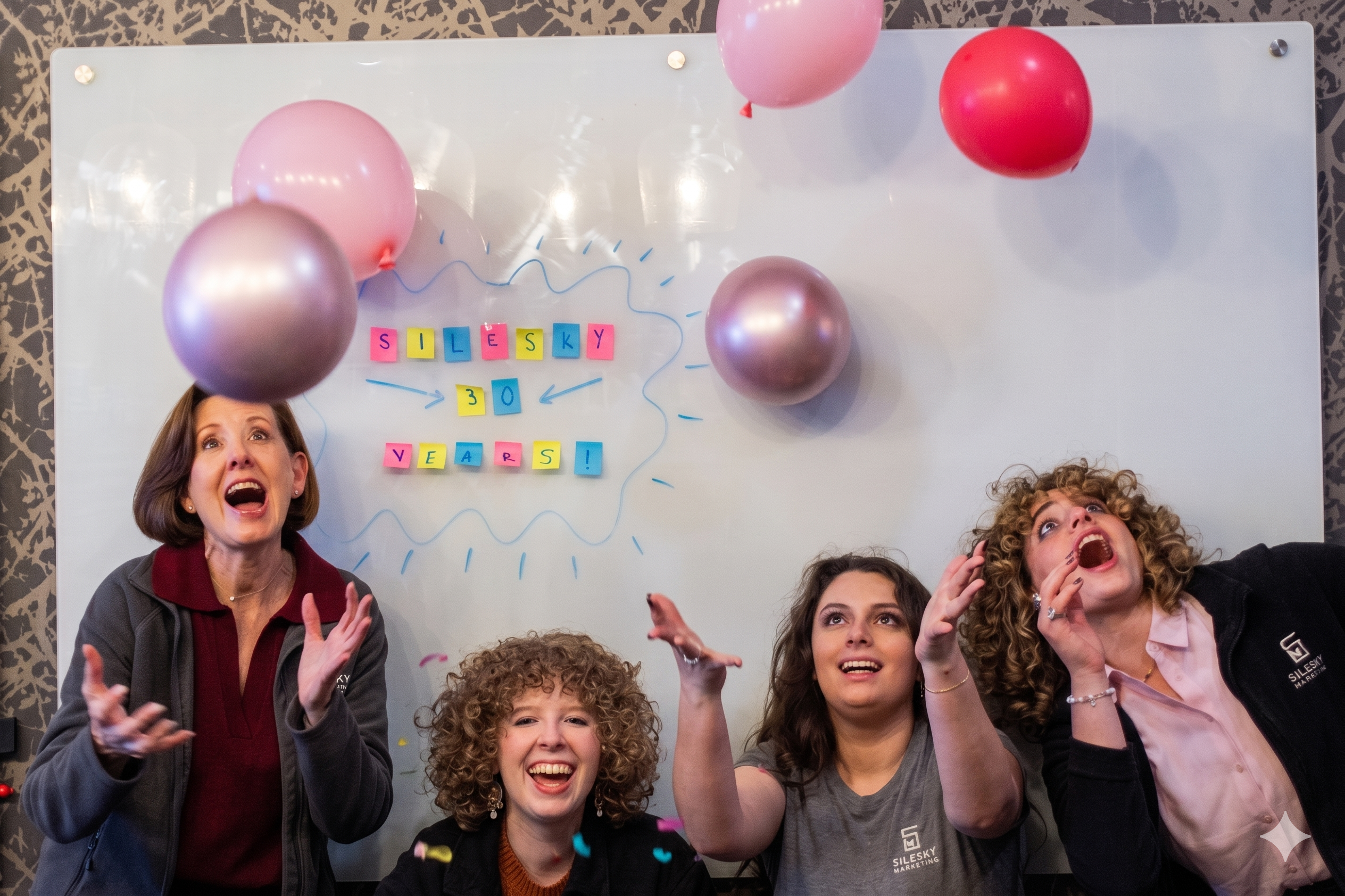
Silesky Marketing turns 30 this April. The agency began without a plan, without projections, and without permission. No spreadsheet forecasted the revenue. No client list existed before the first call. A woman who had been fired, who had left and returned, who found a set of letterhead waiting on her doorstep—decided to trust her instinct and move.
That same instinct still runs through the agency today. Every brand built, every campaign launched, every recommendation delivered traces back to the way Susi started: move when the moment calls for it. Build the structure while the work is already in motion. Tell clients the truth about what their brand needs—even when it’s not what they expect to hear.
Over time, the team grew. Services expanded—from print and branding into website development, content development, SEO, social media, and fully integrated marketing. But the principle never shifted. Start with what’s real. Skip the noise. Do the work.
Next week, Part 2 picks up where the early years left off, following Silesky Marketing from local nonprofits into corporate boardrooms, and into a very different scale of work.