Direct mail marketing in the digital age matters because it offers a personal, tangible connection that digital methods alone can’t match. While digital marketing continues to dominate, many people still sift through their mailboxes daily. A well-crafted piece of mail, arriving at the right time with a compelling call to action, can significantly enhance your overall marketing strategy. Businesses that understand the value of direct mail often use it alongside digital campaigns, creating a powerful combination that drives results.
The Value of Tangible Marketing in a Digital World
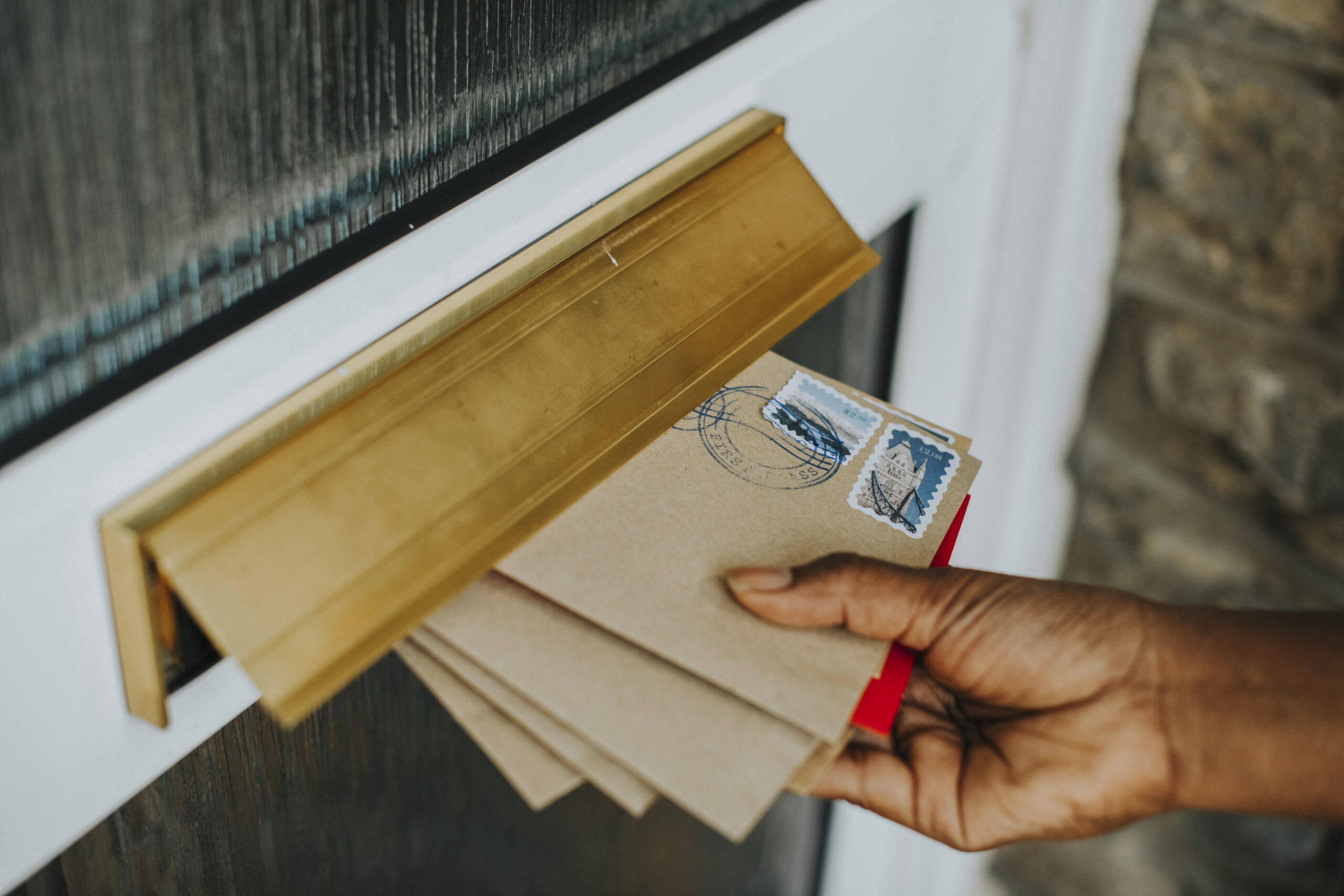
Direct mail offers something digital channels cannot—a physical experience. When customers receive a postcard or brochure in their hands, it feels more personal than an email or online ad. This tangible aspect often leads to a higher response rate than digital marketing. People are less likely to ignore a physical piece of mail, and it tends to stay visible in homes for days or weeks.
Moreover, direct mail benefits from less competition. While inboxes and social media feeds are filled with ads, mailboxes are often emptier, giving your message more room to shine. As a result, businesses that embrace direct mail marketing can stand out, especially when they combine it with an effective digital strategy.
Some key advantages include:
- The physical nature of mail creates a lasting impression.
- Direct mail often stays in homes, keeping your brand visible longer.
- There is less competition for attention compared to crowded inboxes.
Additionally, with fewer companies utilizing direct mail, this method allows your business to differentiate itself and capture audience attention in a unique way.
Standing Out Amid Digital Overload
Consumers receive countless emails and online ads each day. This digital overload makes it easy for your message to get lost. Direct mail, however, stands out because it offers a refreshing alternative. When fewer companies are using physical mail, your message is more likely to capture attention.
People still check their mailboxes daily, and when they receive a physical piece of mail, they tend to engage with it longer than they would with an online ad. A targeted direct mail piece can create a strong impression, particularly if it arrives at the right moment with an appealing offer or call to action. This combination of relevance and timing is crucial to driving results.
- Direct mail captures attention in less cluttered spaces.
- Physical mail lasts longer than digital messages, giving recipients more time to act.
- Combining an offer with the right timing can significantly improve response rates.
By utilizing direct mail effectively, businesses can better position their offers, ensuring the message resonates when it counts.
The Symbiotic Relationship Between Direct Mail and Digital Campaigns
Direct mail does not compete with digital marketing—it complements it. Businesses can maximize their outreach by combining the two strategies. Direct mail often leads recipients to engage with digital platforms, creating a seamless omnichannel experience. This integration allows businesses to amplify their messages across both physical and digital mediums.
Some successful examples of integrating direct mail with digital campaigns include:
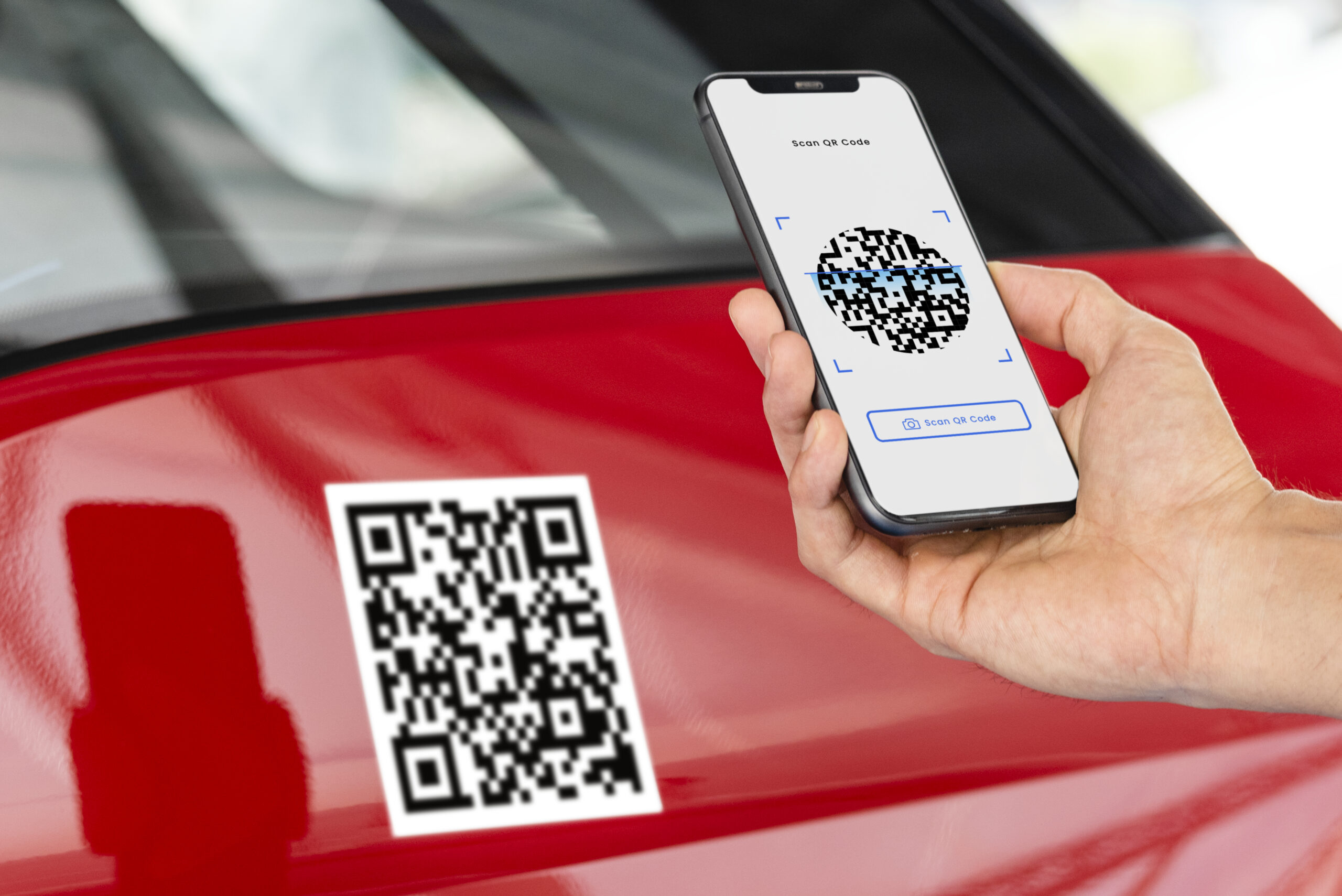
- Adding QR codes or personalized URLs to direct mail that lead customers to a website.
- Using data from digital campaigns to send targeted mail to specific customers.
- Following up direct mail campaigns with digital ads or email reminders to reinforce the message.
This approach strengthens customer engagement and leads to higher conversion rates. Businesses that blend both strategies often see better overall performance than when relying solely on digital campaigns.
Direct Mail as a Trusted, Personal Communication Tool
Consumers are constantly bombarded by online ads and email scams, which can erode trust in digital channels. On the other hand, direct mail often feels more legitimate. When customers receive a physical piece of mail, they perceive it as a more credible form of communication, especially when it’s personalized.
Businesses can use direct mail to create a sense of authenticity and trust. A well-designed mailer with a personalized message or exclusive offer demonstrates that a company values its customers. This personal touch can go a long way in building loyalty and encouraging engagement.
Advantages of using direct mail as a personal communication channel include:
- Physical mail builds stronger trust compared to online ads.
- Personalized mail increases the likelihood of customer engagement.
- Customers feel valued when they receive exclusive offers or discounts by mail.
In a world where digital messages are fleeting, direct mail offers a refreshing and trusted way to connect with customers on a personal level.
The Cost-Effectiveness of Direct Mail
Although direct mail may seem expensive compared to digital ads, it offers significant value when executed properly. A direct mail piece remains in the home for longer, often revisited multiple times, which boosts brand awareness and engagement. This staying power can result in a better return on investment over time.
Printing and mailing costs can be managed by using modern tools like variable data printing, which allows businesses to personalize each mail piece at scale. Additionally, automated mailing services make it easy to send out campaigns regularly without needing extensive resources.
- Direct mail is more cost-effective when personalized.
- Automated services reduce the time and effort needed to manage campaigns.
- Direct mail often generates a higher ROI compared to digital-only methods.
When combined with digital strategies, direct mail becomes even more cost-effective. Businesses can repurpose content from digital campaigns for their mailers, saving time and resources while reaching a broader audience.
Maximizing Impact with Clear Calls to Action
Direct mail works best when it includes a clear and actionable call to action. The right message, sent at the right time, can encourage customers to take immediate steps, whether it’s visiting your website or redeeming a discount. To make that happen, your call to action needs to be simple, clear, and easy to follow.
To maximize impact, consider these tips:
- Use bold, direct language in your call to action.
- Offer time-sensitive promotions to create urgency.
- Include QR codes or personalized URLs to simplify the response process.
By incorporating these elements, you can drive higher response rates and track the success of your direct mail campaigns more effectively.
The Future of Direct Mail in a Digital-Centric World
Despite the rapid rise of digital marketing, direct mail continues to hold a vital place in the marketing landscape. Its unique ability to offer a tactile experience, combined with the benefits of digital strategies, makes it an essential tool for businesses looking to engage customers. As people continue to check their physical mail, direct mail remains a highly effective way to get your message in front of them.
For businesses wanting to create a well-rounded marketing strategy, direct mail will remain relevant for the foreseeable future. Incorporating both digital and direct mail marketing will give your company a competitive edge.
Direct Mail Marketing’s Enduring Relevance
Direct mail marketing continues to offer unmatched value in today’s digital-centric world. Its ability to cut through the clutter and provide a personal touch helps businesses stand out. When paired with digital strategies, it becomes even more powerful, creating a cohesive marketing approach that drives engagement and results. Companies that integrate direct mail into their comprehensive marketing plans can build stronger connections with their audiences and achieve long-term success.