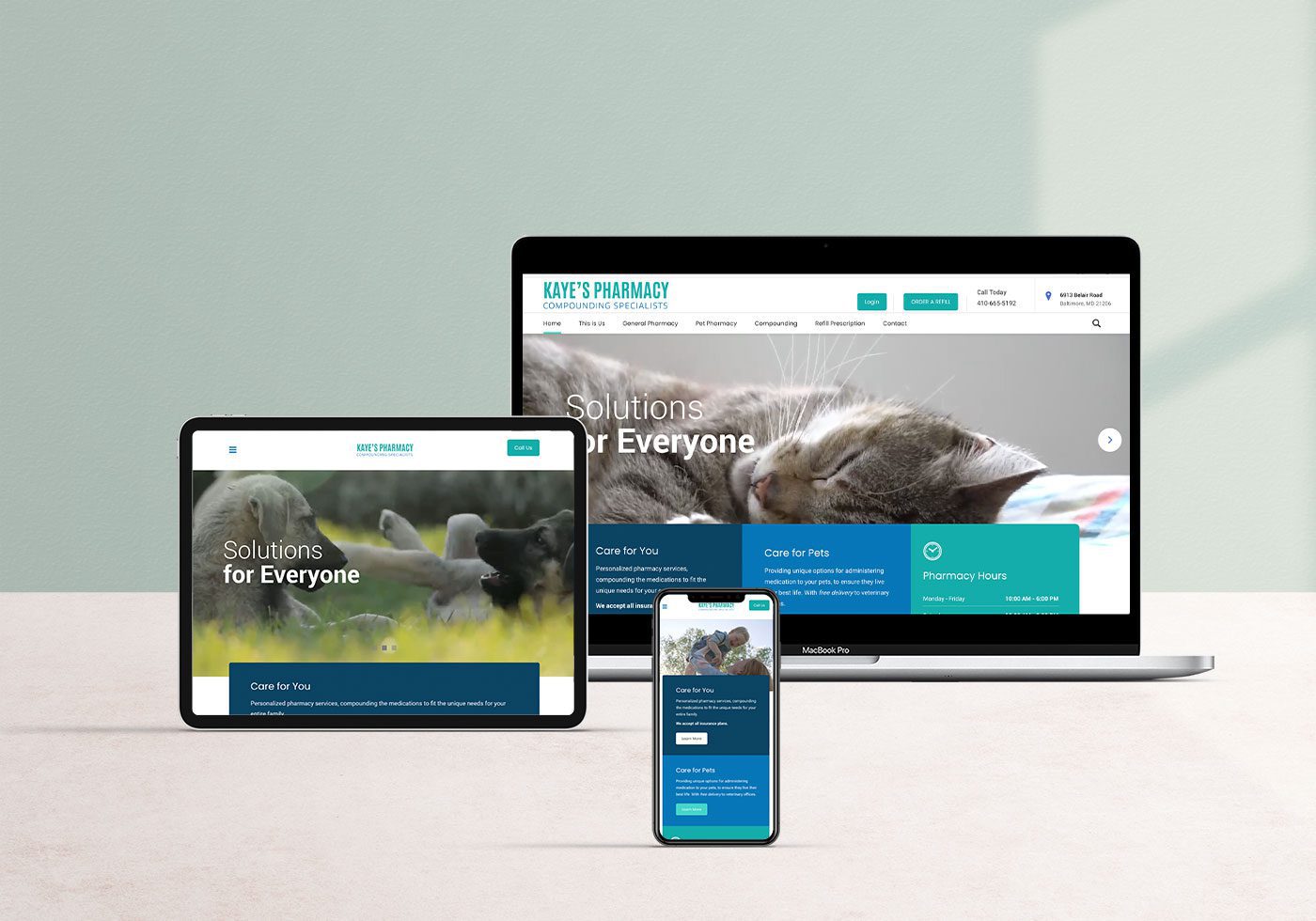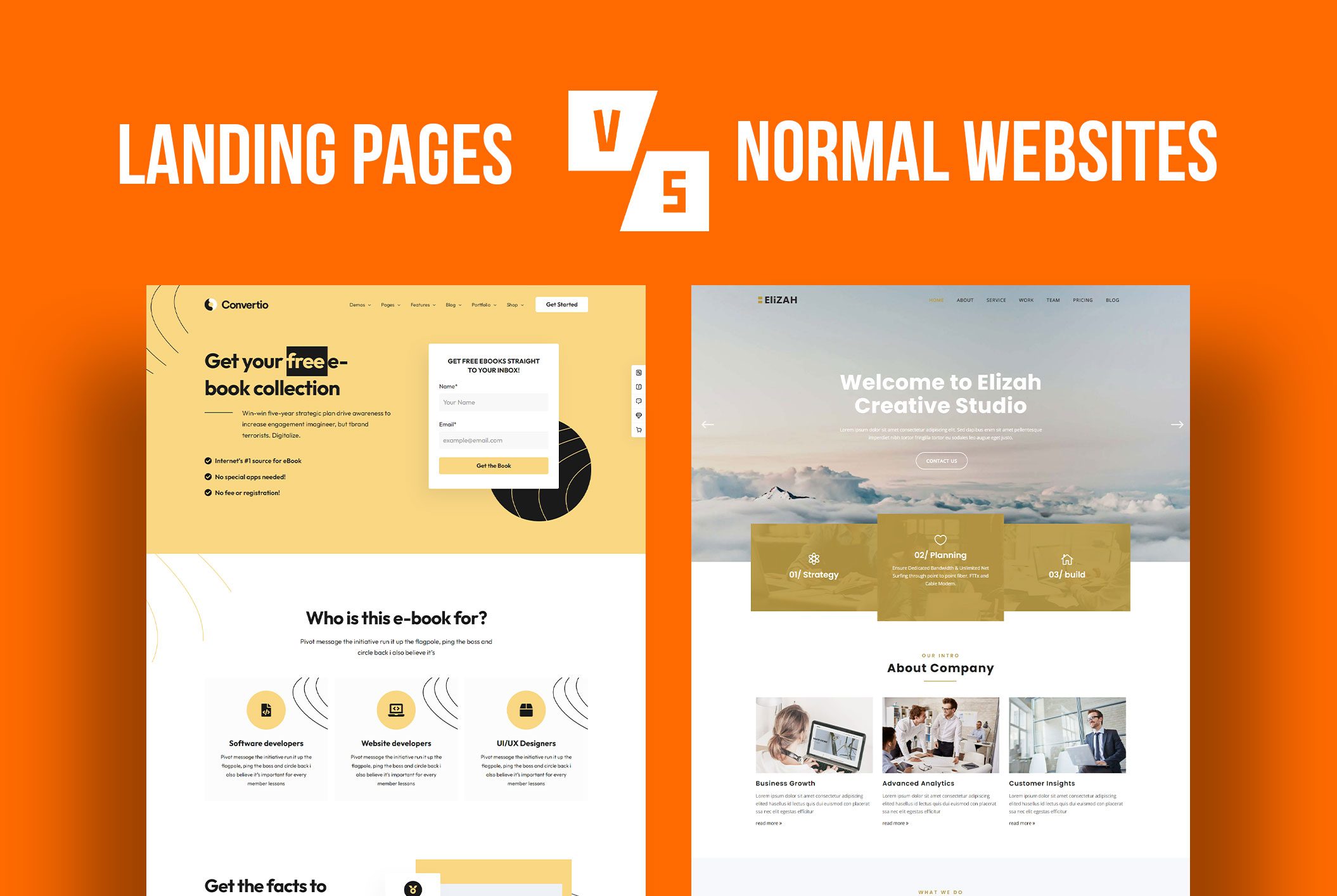

There’s a familiar sting for marketing teams. A new website launches—carefully designed, full of the latest features—yet delivers lackluster results. Modern aesthetics and interactive tools are not enough. Many organizations find the real reason website redesigns fall flat in 2025 goes deeper than looks or technology. What appears to be a design problem often hides strategic gaps and missed opportunities to connect with real users.
Chasing Trends Instead of Purpose
Every year, new design trends and digital flourishes appear online. Teams feel pressure to adopt these styles—animated transitions, video backgrounds, bold color overlays. The hope is to seem modern and relevant.
-
These design choices can elevate visual appeal, but they may distract from a site’s core goals.
-
-
A modern-looking interface doesn’t automatically create a better experience for the audience a business actually serves.
Instead of focusing only on visual upgrades, organizations benefit by asking how each design element supports the brand’s promise and the needs of users. Strong online presences are built by aligning aesthetics with clear purpose.
Losing Touch with the Real Audience
In 2025, data about user behavior is more abundant than ever. Still, meaningful insight often gets lost in translation when teams focus on assumptions about their audience rather than observed behaviors.
-
Redesigns that chase the preferences of hypothetical “ideal” users risk neglecting the routines of current, loyal customers.
-
Imagine a consulting company that revamps its entire site for mobile efficiency, while most clients prefer accessing detailed resources on desktop.
-
Overemphasis on innovation sometimes obscures the practical features that returning users value.
Success comes from an ongoing commitment to understanding real users, gathering regular feedback, and responding to actual behaviors—not just statistical trends.
Bullet points and heatmaps, paired with honest conversations, often reveal blind spots that site analytics alone can’t capture.
Overlooking Fundamental Business Issues
Website redesigns typically begin with calls for better aesthetics, faster loading times, or improved SEO rankings. Yet these are often symptoms of more significant, unresolved business challenges.
-
Cosmetic updates alone do not solve deeper problems like unclear service offerings, convoluted product categories, or a lack of trust signals.
-
For instance, a retailer may present a bold new look, but if checkout remains confusing or support is buried, shoppers will leave frustrated.
-
Businesses sometimes invest in visual refreshes, hoping design will compensate for operational shortcomings. It rarely works.
Lasting improvements start by identifying the underlying barriers to growth—be it messaging, navigation, or product clarity. Once addressed, design and technology have the foundation they need to make a difference.
The Pitfall of “Launch and Leave”
Redesign projects often demand months of focused energy, but once a new site goes live, attention tends to shift away quickly. Treating a website launch as a final destination rather than a new starting point can limit long-term success.
-
The most successful organizations treat their websites as evolving platforms, using data and user feedback to drive continuous improvement.
-
Routine content updates, regular usability tests, and small iterative changes keep digital experiences aligned with shifting user expectations.
-
Letting a site stagnate, even if it launched beautifully, invites competitors to outpace you as technology and preferences evolve.
Shifting from project-based thinking to a mindset of ongoing growth keeps digital properties relevant and high-performing.
Stakeholder Conflicts and Decision Paralysis
When every department pushes for visibility, the risk of losing focus rises. Multiple teams lobbying for homepage real estate often results in cluttered layouts and muddled messaging.
-
Features and banners multiply as various voices press their priorities, diluting the clarity of the value proposition.
-
In practice, this might look like a homepage overloaded with pop-ups, promotions, and competing calls to action, leaving visitors unsure where to focus.
-
Without a strong decision-maker to filter input and maintain direction, the user experience suffers.
Empowered leadership and a commitment to audience needs over internal politics keep redesign projects on course and user-friendly.
Technology Chosen for the Wrong Reasons
The landscape of web development in 2025 is saturated with new tools and frameworks—headless CMS platforms, AI-powered plugins, and complex integrations all vying for attention.
-
While these technologies promise flexibility and innovation, they can create headaches if selected without a clear use case.
-
Organizations sometimes add the latest features in hopes of boosting credibility, but end up with slower load times or complicated workflows.
-
For example, an advanced personalization tool may sound attractive, but if it disrupts navigation or fails to deliver relevant content, it can frustrate users and erode trust.
New technologies should support clear objectives—streamlining user journeys, improving access to information, or enabling better service—not simply checking boxes for innovation.
Measuring Progress That Matters
Metrics like page views and session duration are easily tracked, but they don’t always reveal whether a redesign achieved meaningful results.
-
Organizations often celebrate spikes in traffic or lower bounce rates without tying those numbers to business outcomes such as lead quality, customer retention, or sales.
-
Effective measurement strategies focus on actionable KPIs and user behaviors that support broader organizational goals.
-
For example, tracking form completion rates, repeat visits, or average order values yields insights that directly connect web performance to business impact.
By prioritizing substance over appearance in measurement, teams are better equipped to adapt their strategies and deliver real value.
Building Websites That Stand the Test of Time
Digital trends may come and go, but the most resilient websites are built with substance and adaptability. Teams that dedicate time to understanding their audiences, address core business issues, and treat their sites as evolving platforms consistently see stronger results.
-
Thoughtful leadership, strategic use of technology, and focus on authentic metrics set high-performing websites apart.
-
Instead of chasing fleeting trends, organizations should ask tough questions and stay connected with users. This approach leads to lasting digital success.
-