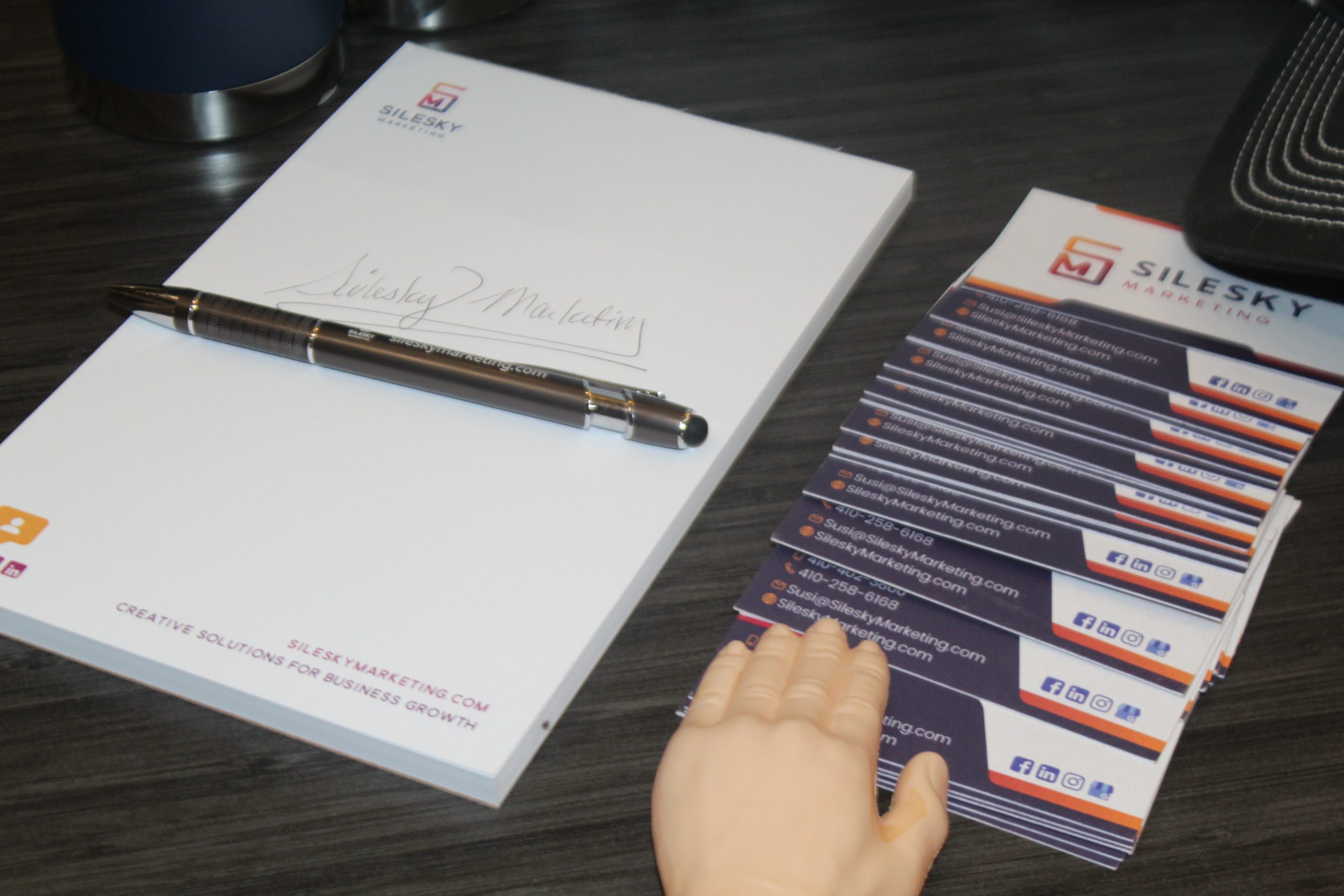

In April 1996, Susi Silesky launched a business by doing the one thing she now tells every client never to do. No strategy, no plan, no market research. Just a name on a set of letterhead left on a front stoop, and a decision to run with it. Thirty years of building brands later, that admission is not an embarrassing footnote. It is the most clarifying thing she has ever said about why brand work fails and what it actually takes to produce something worth remembering.
Building Brands Without a Plan Has a Price
What Susi Learned by Starting Wrong
The cost of launching without a strategy doesn’t show up in month one. Work keeps moving, and projects keep shipping. The problem surfaces later, when the business has been running for a year and hasn’t built toward anything in particular. No positioning has accumulated. No clear audience has formed around the work. The marketing has been active, but the brand hasn’t grown. That gap between activity and direction is exactly what Susi was operating inside when she started, and it’s the same gap she sees in most of the businesses that come to Silesky after trying marketing that didn’t work.
What Scattered Marketing Actually Costs a Brand
The businesses that arrive with this problem usually don’t think they have a strategy problem. They think they have a results problem. The social feed is running. Someone is writing blogs. A designer did a logo two years ago. Each piece exists, but none of it connects. There’s no line from the Instagram post to the sales conversation to the website to the actual expertise behind the business. What that disconnection produces over time isn’t just wasted spend on individual campaigns. It’s a brand that never accumulates equity. Every dollar spent on a tactic with no strategy behind it starts from zero, and the fix isn’t a better tactic.
Building Brands That Last Requires One Thing Before Everything Else
Building Brands Starts With Knowing What You’re Actually Saying
Before Susi touched a logo concept for Sheldon and Sons, she ran Scott Sheldon through a 30-point brand questionnaire. The goal wasn’t to gather information for a brief. It was to find the thing the brand needed to say that no competitor was saying. Somewhere in that conversation, Scott mentioned his bulldog, Angus. Susi saw it immediately. The bulldog could carry the repositioning from a standard printing company to a luxury brand without a single word of corporate positioning copy. That insight didn’t come from staring at a blank canvas. It came from asking the right questions before picking up a pen. The logos and brand systems Silesky built for clients in the late 1990s that are still in active use today weren’t accidents. They were the output of a process that started with strategy and moved to creative only after the strategic question had an answer.
Building Brands That Outlast Trends Means Choosing Longevity Over Novelty
Susi’s standard for every logo Silesky produces has never changed: does it work in one solid color, and does it read clearly at the size of a pen tip? That test exists because trends have a predictable shelf life, and longevity is the only metric that actually serves the client. A brand built around a visual style that’s popular in 2024 requires a redesign by 2029. A brand built around a clear, simple mark that names something specific about the business doesn’t age out. Three markers separate a brand built to last from one built for the moment:
- Holds at any size in a single color without losing its meaning
- Specific enough that no competitor can claim the same positioning
- A stranger encountering it in year ten reads it the same way they would have in year one
Building Brands Across Three Decades Confirms What Breaks and What Holds
Building Brands Through Every Industry Shift Exposed the Same Pattern
Building Brands After a Setback Taught Silesky What Strategy Actually Means
When the agency closed in 2006, it wasn’t a strategic decision. It was a forced stop. What followed was not a gap in the Silesky story. A decade of freelance work under the name A&M Marketing was the period during which the most important conclusions were formed. Operating without a team or infrastructure stripped away every buffer the five-person operation had provided, and the limits of work driven by instinct became impossible to ignore. The agency that relaunched in 2016 was built on those conclusions. Every engagement now runs in the same deliberate sequence, starting with an audit, identifying the gaps, building the plan, and executing against it or handing it to someone who can.
Building Brands That People Remember Takes a Partner Who Sees What You Can’t
Building Brands From the Inside Out Requires an Outside Eye
A founder running a $10 million business is too close to the daily operation to see where the brand has drifted from the actual company. By the time a prospect moves from the sales pitch to the landing page to the social feed, they’ve encountered three versions of a brand that never agreed on what it was saying. None of it is wrong on its own, but none of it is pointing in the same direction, which means none of it is building. Silesky’s position in every client engagement is the same one Susi has occupied since the beginning. Close enough to understand the business from the inside, independent enough to see what the people inside it cannot. That’s not a service description. It’s what thirty years of watching brand drift cost companies before anyone named it.
Building Brands That Hold Means Telling Clients What They Need to Hear
The honest read on what a brand needs is not always the comfortable one. A logo the founder loves might not be doing the work. A campaign running for two years might be generating activity, but there’s no evidence that it’s generating revenue. The willingness to name that, clearly and specifically, without softening it into a suggestion, is a function of experience rather than personality. Thirty years of watching what breaks a brand gives you a different conversation with a client than six years does. That conversation is the service.
What Building Brands for Thirty Years Actually Leaves Behind
Thirty years of building brands doesn’t produce a formula. It produces a clear eye for what fails and a specific set of questions that have to be answered before any creative work begins. The brands still in active use 25 years after Silesky built them weren’t accidents. They were the result of a process that started with strategy, moved to creative only when the strategic question had an answer, and ended with something worth remembering.
If your brand is running but not building, it’s time to find out why.
Reach out to Silesky Marketing, and let’s start with the strategy