Facebook as a Customer Service Channel
A. The Role of Facebook in Customer Interaction
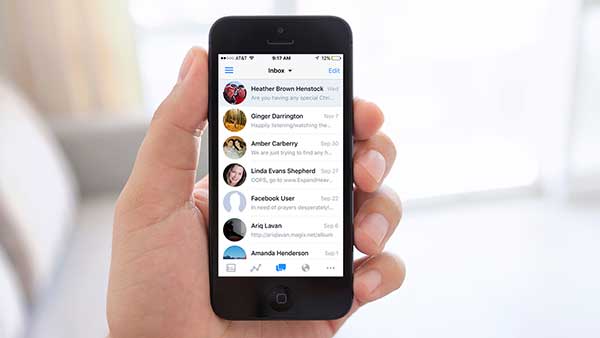
Facebook has become an essential tool for customer service, with countless businesses using it to respond to customer inquiries and provide support. Customers now expect immediate answers to their questions, making Facebook a key player in shaping how they view a brand. To keep up with these expectations, businesses must actively engage with their customers on this platform.
B. Customer Expectations in the Digital Era
We live in a time when customers want quick solutions to their online queries. If a business takes too long to respond on a fast-paced platform like Facebook, it can lead to customer frustration and a tarnished reputation. Companies must adapt their customer service to offer prompt and effective responses, or they risk losing customer engagement.
The Impact of Neglecting Facebook Messages
A. Damage to Brand Reputation
Ignoring messages on Facebook can have serious consequences for a brand’s image. Negative customer experiences can quickly become public, affecting how potential customers see the brand. A single unresolved complaint can escalate into a larger issue, so it’s crucial for businesses to stay alert and responsive on Facebook to maintain a positive reputation. Moreover, in today’s connected world, a damaged reputation can spread rapidly across platforms, making it even more imperative to address issues promptly.
B. Loss of Business Opportunities
Not responding to Facebook messages can mean missing out on business. Customers often ask about products or services, and if they don’t receive a timely reply, they might go to a competitor instead. Quick responses can also take advantage of the spontaneous purchasing decisions that social media can inspire, affecting a company’s profits. Furthermore, being responsive on Facebook can help capture leads that might otherwise be lost to more attentive competitors.
C. Decrease in Customer Loyalty
Loyalty comes from a business’s ability to show customers that it values and respects their concerns. When messages go unanswered, it can signal to customers that their business isn’t important, leading to a decline in loyalty. This can have lasting effects on customer retention and the overall value they bring to the business over time. Additionally, consistent and thoughtful communication can reverse negative trends and rebuild customer trust.
Best Practices for Managing Facebook Messages
A. Implementing an Efficient Response System
Businesses should have a system in place to handle customer messages efficiently. This might include automatic replies to acknowledge messages, followed by personalized responses. Such a system ensures that every customer feels heard and valued. To further enhance efficiency, businesses can integrate customer relationship management (CRM) tools that track conversations and customer history. This integration allows for more informed and context-rich interactions, further elevating the customer experience.
B. Training and Empowering Your Team
It’s important to train employees to manage social media interactions effectively. Giving your team the right knowledge and tools can lead to faster issue resolution and higher customer satisfaction. Keeping up with regular training ensures that your team is informed about the latest best practices and technology. Additionally, creating a supportive environment where team members can share insights and feedback can foster continuous improvement. Encouraging employees to take initiative and providing them with autonomy can also enhance their ability to provide exceptional service.
C. Monitoring and Adapting Strategies
Keeping an eye on how quickly your team responds to Facebook messages and what customers are saying can offer insights into your customer service’s effectiveness. Use this information to continually refine your communication strategies, ensuring that you’re meeting customer needs and staying ahead in a dynamic digital environment.
Enhancing Engagement Through Timely Responses
Responding quickly to Facebook messages can greatly improve customer engagement. Showing that your business is attentive and responsive encourages customers to interact more, creating a sense of community and loyalty. This proactive approach not only nurtures existing customer relationships but also attracts new ones, as prospective clients often gauge a brand’s quality by its online responsiveness. Moreover, timely responses can lead to increased word-of-mouth referrals, as satisfied customers are more likely to recommend your brand to others.
Leveraging Automated Tools for Better Efficiency
Using automated tools like chatbots can help manage incoming messages and provide quick answers to common questions. This allows your team to focus on more complex issues, ensuring that customer service is efficient without losing the personal touch that customers appreciate. Additionally, these tools can gather preliminary information, streamlining the process when a human agent takes over. It’s also worth noting that automation can operate around the clock, providing answers to customers even outside of regular business hours.
Analyzing the Impact of Response Times on Sales
There’s a clear link between how fast a business responds on social media and its sales. Quick responses can make the difference in securing a sale. By analyzing response times, businesses can measure how well they’re doing in customer service and make necessary adjustments. Furthermore, this analysis can reveal peak times for customer inquiries, allowing businesses to allocate resources more effectively. Tracking response times also helps in setting realistic expectations for customers, contributing to a more transparent and trustworthy relationship.
Call to Action: Review and Revitalize Your Facebook Communication Strategy
Businesses should take the time to review and improve their Facebook communication strategies. By adopting the best practices mentioned here, your business can not only meet but exceed customer expectations, leading to greater satisfaction, loyalty, and growth. Begin by assessing your current response system and making the necessary changes to become more responsive. Every message counts, and so does every customer.
The Strategic Value of Facebook Communication
Responding to Facebook messages is a strategic business practice that influences customer satisfaction, brand reputation, and overall success. In the competitive world of digital marketing, overlooking customer service on Facebook can lead to significant losses, while good communication can drive growth. It’s essential for companies to prioritize their responsiveness on Facebook. Timely interaction not only resolves customer issues but also showcases a company’s commitment to its audience. Moreover, this responsiveness can differentiate a brand in a crowded market, attracting and retaining loyal customers.