

The Real Reason Website Redesigns Fall Flat in 2025

There’s a familiar sting for marketing teams. A new website launches—carefully designed, full of the latest features—yet delivers lackluster results. Modern aesthetics and interactive tools are not enough. Many organizations find the real reason website redesigns fall flat in 2025 goes deeper than looks or technology. What appears to be a design problem often hides strategic gaps and missed opportunities to connect with real users. Chasing Trends Instead of Purpose Every year, new design trends and digital flourishes appear online. Teams feel pressure to adopt these styles—animated transitions, video backgrounds, bold color overlays. The hope is to seem modern and relevant. These design choices can elevate visual appeal, but they may distract from a site’s core goals. For example, a professional services firm might use playful colors to look innovative. This shift can alienate long-time clients who value familiarity and stability. A modern-looking interface doesn’t automatically create a better experience for the audience a business actually serves. Instead of focusing only on visual upgrades, organizations benefit by asking how each design element supports the brand’s promise and the needs of users. Strong online presences are built by aligning aesthetics with clear purpose. Losing Touch with the Real Audience In 2025, data about user behavior is more abundant than ever. Still, meaningful insight often gets lost in translation when teams focus on assumptions about their audience rather than observed behaviors. Redesigns that chase the preferences of hypothetical “ideal” users risk neglecting the routines of current, loyal customers. Imagine a consulting company that revamps its entire site for mobile efficiency, while most clients prefer accessing detailed resources on desktop. Overemphasis on innovation sometimes obscures the practical features that returning users value. Success comes from an ongoing commitment to understanding real users, gathering regular feedback, and responding to actual behaviors—not just statistical trends.Bullet points and heatmaps, paired with honest conversations, often reveal blind spots that site analytics alone can’t capture. Overlooking Fundamental Business Issues Website redesigns typically begin with calls for better aesthetics, faster loading times, or improved SEO rankings. Yet these are often symptoms of more significant, unresolved business challenges. Cosmetic updates alone do not solve deeper problems like unclear service offerings, convoluted product categories, or a lack of trust signals. For instance, a retailer may present a bold new look, but if checkout remains confusing or support is buried, shoppers will leave frustrated. Businesses sometimes invest in visual refreshes, hoping design will compensate for operational shortcomings. It rarely works. Lasting improvements start by identifying the underlying barriers to growth—be it messaging, navigation, or product clarity. Once addressed, design and technology have the foundation they need to make a difference. The Pitfall of “Launch and Leave” Redesign projects often demand months of focused energy, but once a new site goes live, attention tends to shift away quickly. Treating a website launch as a final destination rather than a new starting point can limit long-term success. The most successful organizations treat their websites as evolving platforms, using data and user feedback to drive continuous improvement. Routine content updates, regular usability tests, and small iterative changes keep digital experiences aligned with shifting user expectations. Letting a site stagnate, even if it launched beautifully, invites competitors to outpace you as technology and preferences evolve. Shifting from project-based thinking to a mindset of ongoing growth keeps digital properties relevant and high-performing. Stakeholder Conflicts and Decision Paralysis When every department pushes for visibility, the risk of losing focus rises. Multiple teams lobbying for homepage real estate often results in cluttered layouts and muddled messaging. Features and banners multiply as various voices press their priorities, diluting the clarity of the value proposition. In practice, this might look like a homepage overloaded with pop-ups, promotions, and competing calls to action, leaving visitors unsure where to focus. Without a strong decision-maker to filter input and maintain direction, the user experience suffers. Empowered leadership and a commitment to audience needs over internal politics keep redesign projects on course and user-friendly. Technology Chosen for the Wrong Reasons The landscape of web development in 2025 is saturated with new tools and frameworks—headless CMS platforms, AI-powered plugins, and complex integrations all vying for attention. While these technologies promise flexibility and innovation, they can create headaches if selected without a clear use case. Organizations sometimes add the latest features in hopes of boosting credibility, but end up with slower load times or complicated workflows. For example, an advanced personalization tool may sound attractive, but if it disrupts navigation or fails to deliver relevant content, it can frustrate users and erode trust. New technologies should support clear objectives—streamlining user journeys, improving access to information, or enabling better service—not simply checking boxes for innovation. Measuring Progress That Matters Metrics like page views and session duration are easily tracked, but they don’t always reveal whether a redesign achieved meaningful results. Organizations often celebrate spikes in traffic or lower bounce rates without tying those numbers to business outcomes such as lead quality, customer retention, or sales. Effective measurement strategies focus on actionable KPIs and user behaviors that support broader organizational goals. For example, tracking form completion rates, repeat visits, or average order values yields insights that directly connect web performance to business impact. By prioritizing substance over appearance in measurement, teams are better equipped to adapt their strategies and deliver real value. Building Websites That Stand the Test of Time Digital trends may come and go, but the most resilient websites are built with substance and adaptability. Teams that dedicate time to understanding their audiences, address core business issues, and treat their sites as evolving platforms consistently see stronger results. Thoughtful leadership, strategic use of technology, and focus on authentic metrics set high-performing websites apart. Instead of chasing fleeting trends, organizations should ask tough questions and stay connected with users. This approach leads to lasting digital success. In 2025, the real advantage isn’t having the flashiest site. Success comes from a user experience that is purposeful, consistent, and matched to real-world needs.
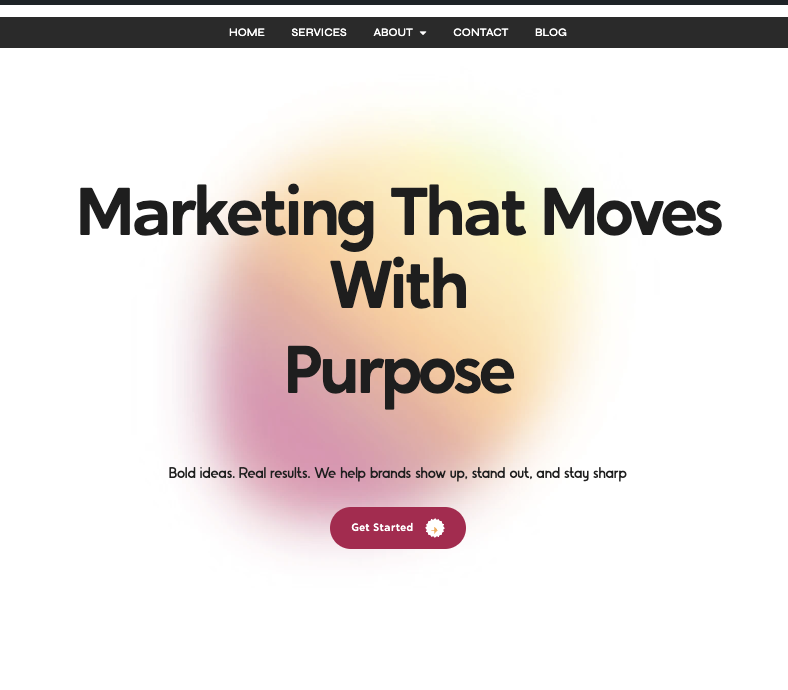

Inside Silesky Marketing’s New Website

There’s nothing quite like unveiling a new website—especially when it reflects how far we’ve come and how much more we can create for our clients. The Silesky Marketing website is a showcase of the creativity, branding savvy, and heart we pour into every project. Designed to be clear, approachable, and inspiring, it reflects who we are today and the exciting ways we help our clients stand out. Come take a look—you’ll see our personality and passion woven into every page. Homepage: Where Every Visit Begins When visitors land on the homepage, they’re welcomed into the Silesky Marketing experience right away. Bold visuals paired with clean layouts reflect our creative approach, while a dynamic hero banner sets an inviting tone. Clear, organized menus guide guests straight to what matters most, and focused headlines share our brand message without the noise. The design keeps things simple yet personal: Easy navigation for a stress-free experience Friendly calls-to-action that make connecting effortless Subtle color accents and smooth transitions that add a modern, approachable feel Whether someone is exploring services or just getting to know us, the homepage makes sure every journey starts with clarity, comfort, and confidence. Meet Susi: More Than Just a Name on the Door Clients often want to know the person shaping the vision behind the brand. The “About” page provides an honest introduction of Susi Silesky not just as the founder, but as the brand architect of Silesky Marketing. The writing is conversational and approachable, expressing her values and philosophy in a way that feels both personal and professional. On this page, visitors find: An overview of Susi’s marketing background and the principles that guide her work Personal insights that show her dedication to building true client partnerships A design that reflects her thoughtful, hands-on approach to every project With authentic photos and clear storytelling, the page reveals the person behind the brand. Instead of distant professionalism, visitors encounter a genuine leader whose creativity and care are woven into every client experience. What We Do (and How We Make a Difference) A well-structured services page is designed to make it easy for clients to see exactly how Silesky Marketing can help them reach their goals. Each offering is presented with clarity and intention—no jargon, no fluff—just a clear picture of the value we bring. What clients see: Brief, practical explanations of offerings like brand strategy, digital campaigns, and content creation Bullet points that summarize what each service includes and the value it brings Contextual details that help clients find solutions aligned with their needs For those who already know what they want, the page gets straight to the point. For those still exploring, the approachable descriptions offer guidance and confidence—so every client feels supported in finding the right path forward. A Glimpse at Real Results: Stories Behind the Work The portfolio section gives clients a chance to review real outcomes from past work. Instead of long-winded case studies or generic statements, Silesky Marketing’s portfolio relies on concise, meaningful project summaries. Each highlight includes: A snapshot of the client’s challenge and the solution provided A brief overview of the process and outcome Visual cues that make projects easy to scan and understand By sharing these details, the portfolio demonstrates a pattern of success across different industries and marketing needs. Clients get a clear sense of what working with Susi Silesky can achieve. Fresh Takes and Useful Advice: The Blog You’ll Actually Want to Read Silesky Marketing’s blog is designed to offer relevant content for both new and established clients. Posts tackle timely topics, industry changes, and practical marketing advice in a style that’s both readable and actionable. Blog features: Short articles that break down current trends and challenges Practical tips clients can apply to their own marketing efforts Updates and insights from Susi’s professional perspective Bullet points and short paragraphs make it easy for readers to absorb key ideas. The blog serves as both a resource and a conversation starter, ensuring visitors return for new perspectives. Ready to Reach Out? Let’s Make It Simple Reaching out to Silesky Marketing is straightforward. The contact page keeps things simple, making it easy for clients to ask questions or start a conversation without unnecessary barriers. What clients can expect: A user-friendly contact form requesting just the essentials Direct access to phone and email details Social media links and a location map for those seeking alternate ways to connect The responsive design adapts to any device, and every inquiry is treated with care. Clients appreciate knowing their messages are valued and will receive prompt, thoughtful replies. One Site, Many Paths: Why the Experience Feels Effortless Navigation across the website feels natural and seamless. Each page connects logically to the next, supported by gentle prompts and helpful links. Accessibility features ensure all users can interact comfortably with the site. Some notable aspects: Mobile-responsive design and fast load times Consistent branding that builds trust at every touchpoint Integrated accessibility tools for a welcoming experience The site’s design choices don’t just serve aesthetic purposes—they prioritize user needs and create an environment where clients feel supported at every stage. A Fresh Start, Rooted in Relationships Inside Silesky Marketing’s new website, every decision points back to the core of Susi Silesky’s philosophy: building strong client relationships through open communication, smart design, and reliable expertise. Each section, from the homepage to the contact page, reflects a business ready to help clients move forward with confidence. Clients who visit with a clear goal in mind will find answers quickly. Those who are still exploring will feel encouraged to reach out and learn more. The site fosters trust, clarity, and a sense of partnership—qualities that set Silesky Marketing apart in a crowded digital world.

Why Smart Brands Are Refreshing for Accessibility in 2025

Ever struggled with a cluttered website where reading the text felt like solving a riddle? You’re not alone. Accessibility is no longer just a moral checkbox; it has become a frontline business strategy. Why Smart Brands Are Refreshing for Accessibility in 2025 reflects this evolution—smart brands aren’t adapting out of obligation but because it’s the intelligent move for growth, loyalty, and market resilience. This subtle yet seismic shift has been largely propelled by the Web Content Accessibility Guidelines (WCAG) 2.1 updates published in December 2024. One of the most visible examples is Walmart, which recently adjusted its fonts and colors, enhancing readability and visual contrast for users with impairments. These seemingly small tweaks deliver a far-reaching message: true accessibility starts with thoughtful design. Accessibility in 2025: A New Corporate Imperative The WCAG 2.1 update isn’t just a technical update for developers; it’s a wake-up call for every brand. By tightening standards around contrast ratios, navigation clarity, and interactive elements, accessibility is now a legal obligation across global markets. Walmart’s recent brand refresh showcased how leading companies are reacting early. Rather than drastic visual overhauls, brands are making nuanced but meaningful changes to create more inclusive experiences. Their updated color schemes and font weights offer enhanced legibility, showing how accessibility improvements can align naturally with modern branding aesthetics. In short, refreshing for accessibility today is as much about future-proofing brand relevance as it is about following the law. The Power of Subtle Changes Many of the updates reshaping digital experiences are almost invisible to the average user, yet they represent massive gains for millions: Increased text contrast for users with low vision More distinguishable clickable elements Cleaner navigation for keyboard users While these tweaks might seem minor, they collectively ensure that digital platforms become truly welcoming spaces. This transition is reshaping web design into a tool of empowerment rather than exclusion. Accessibility: A Gateway to Untapped Markets Beyond compliance and ethics, accessibility has serious business implications. More than 1 billion people globally live with a disability, representing a collective disposable income estimated at $13 trillion. Brands refreshing for accessibility tap into a market that has long been underserved but remains fiercely loyal to companies that treat them with dignity and respect. This isn’t theory—it’s proven market dynamics. Companies investing in inclusive strategies often see higher retention rates, greater brand loyalty, and expanded reach across demographics. Accessibility, in this light, becomes a revenue strategy as much as a social commitment. Walmart’s Refresh: A Quiet Revolution Walmart’s adjustments—bolder fonts, higher color contrasts, and smoother UX flow—reflect a deeper shift happening across smart brands. These changes may not have grabbed headlines, but they significantly improved usability for millions of customers who rely on assistive technology or simply need clearer visual hierarchies. What’s compelling about Walmart’s approach is how they folded accessibility naturally into their brand narrative. Rather than making separate “accessible” versions of sites or apps, they made accessibility the default. That’s the blueprint for success in 2025 and beyond. Compliance Isn’t the Endgame Meeting WCAG 2.1 minimum standards is no longer enough to stay competitive. Leading brands are aiming beyond the baseline, embedding accessibility into their entire customer journey. This includes: Designing sites that function seamlessly with screen readers Building mobile-first experiences, mindful of accessibility Offering alternative content formats like video captions and text transcripts Brands shifting to this mindset are positioning themselves as trustworthy, forward-thinking, and genuinely consumer-centric. Delay Means Risk Brands that procrastinate risk more than legal penalties. They risk becoming obsolete in a market increasingly shaped by Generation Z and Generation Alpha—audiences who expect and demand inclusivity as a basic standard. Retroactively adjusting inaccessible sites is not only costly but damaging to the brand reputation. Early movers, like Walmart, are earning goodwill now that will compound over time. In contrast, late adopters face the double blow of higher remediation costs and skeptical, disengaged audiences. Authenticity Wins in the Trust Economy Consumers today are finely attuned to authenticity. Half-hearted gestures toward accessibility are quickly recognized and often publicly criticized. True commitment looks like: Publishing real-time accessibility roadmaps Including disabled voices in usability testing Making accessibility improvements part of marketing narratives without self-congratulation Brands that lead with transparency and action, rather than slogans, will emerge as trusted allies in an increasingly skeptical market. The Strategic Payoff of Accessibility Refreshes Refreshing for accessibility brings measurable advantages that extend far beyond compliance: Better SEO: Search engines reward clean, readable, and properly structured content. Broader audience reach: Inclusive designs welcome aging populations and users across diverse ability spectrums. Enhanced brand loyalty: Consumers remember—and reward—brands that prioritize inclusion. In 2025, accessibility is no longer a back-office technical issue. It’s front-page brand strategy. Why Smart Brands Are Refreshing for Accessibility in 2025 Brands that authentically and consistently embrace accessibility will dominate the future landscape, not because they have checked a compliance box, but because they have built deeper, more human relationships with every user they serve. From Walmart’s subtle yet powerful font and color updates to the broader shifts across industries, accessibility refreshes are shaping a more inclusive and prosperous corporate world. Innovative brands aren’t waiting for tomorrow to act. They’re refreshing today.

Choosing the Right Marketing Agency in 2025

Imagine stepping into 2025’s competitive market landscape, where AI-driven personalization and local relevance define brand success. Choosing the right marketing agency in 2025 isn’t just about finding a service provider—it’s about choosing a business partner who can navigate complexity and drive sustainable growth. Standing at this crossroads, businesses must be sharper than ever. With countless agencies promising overnight success, how do you filter out the noise and find a team that truly fits your goals? Why Choosing the Right Marketing Agency in 2025 Is a Game-Changer Today’s customer expects brands to understand not just their needs but their values. Choosing a local marketing agency familiar with these dynamics becomes crucial. In 2025, marketing is no longer about shouting louder; it’s about speaking smarter, using data-driven insights, tailored experiences, and authentic storytelling. Having a nearby partner provides businesses a front-row seat to local market shifts while staying aligned with broader consumer trends. Beyond Proximity: What to Prioritize While local access offers convenience, effective strategy matters more. Focus on: Specialized expertise in your industry. Strategic clarity beyond surface-level goals. Proof of performance through detailed case studies and metrics. Choosing the right marketing agency in 2025 means finding a partner that understands the nuances of your market and can tailor solutions that resonate. Spot Red Flags Early: Signs the Agency Isn’t the Right Fit Location alone doesn’t guarantee a good match. Watch for these warning signs: Generic, pre-packaged marketing pitches. Promises without clear KPIs or timelines. Communication breakdowns or slow responses. Choosing a proactive, consultative agency is essential for long-term success. Customization: The New Gold Standard One-size-fits-all strategies no longer yield results in 2025. Exceptional agencies: Tailor messaging to specific audience behaviors. Adapt strategies as your business lifecycle evolves. Align content, SEO, and outreach around customized buyer journeys. Effective marketing today thrives on flexibility and personalization, not templates. The Strategic Advantage of Local Knowledge Having the Marketing Agency be near me offers significant tactical benefits: Regional messaging that resonates with local preferences. Established connections with media outlets, influencers, and event organizers. Faster recognition and adaptation to micro-trends within the community. A strong local understanding enhances both regional and national marketing campaigns. Data, AI, and Technology: A Non-Negotiable Marketing in 2025 demands data-driven decision-making. When evaluating agencies, inquire about: Analytics tools and CRM platforms they use. How AI and machine learning enhance segmentation and targeting. Their ability to optimize campaigns in real-time based on data. Agencies relying solely on instinct without technological backing will quickly fall behind. Choosing a Team That Listens and Communicates Strong partnerships are built on transparent and consistent communication. Look for: Clear documentation of deliverables and KPIs. Regular strategy check-ins and reporting. Agile responsiveness to shifts in your marketing needs. A good agency will make collaboration seamless and decision-making quicker. Real-World Takeaway: What Businesses Are Prioritizing in 2025 Recent industry surveys indicate businesses are prioritizing results, responsiveness, and innovation when evaluating agency relationships. According to Clutch’s 2025 Agency Selection Report, businesses cited lack of measurable results (78%), poor responsiveness (63%), and failure to innovate (59%) as the top reasons for switching agencies. Choosing the right marketing agency in 2025 is not just an operational decision; it’s a strategic investment in your company’s future. Choosing the Right Marketing Agency Shapes the Future of Your Business The stakes have never been higher—and the potential rewards never greater—for companies that align with the right marketing partner. In 2025, choosing the right marketing agency could mean the difference between incremental progress and exponential growth. Approach your decision thoughtfully, prioritize expertise over proximity alone, and remember: in a world moving at digital speed, the right agency will help you not just keep up, but lead.

When ‘Goodbye’ Can Be the Secret Sauce to Losing a Client

Saying goodbye to a client might feel counterproductive, but sometimes, it’s the most strategic move you can make. Losing a client isn’t always a failure; instead, it can be a way to strengthen your professional relationships, refine your processes, and focus on better-aligned opportunities. Why Saying Goodbye Feels Like a Risk Parting ways with a client feels counterintuitive. Businesses naturally aim to keep clients happy and engaged, making the idea of a farewell seem like a failure. Yet, some relationships can do more harm than good when they’re forced to continue. Why do businesses hesitate to say goodbye? Revenue Concerns: Letting go of a client might mean losing income, which can be particularly worrisome for smaller businesses. Fear of Negative Perception: Saying goodbye might seem unprofessional or lead to criticism, especially if the client is vocal about their dissatisfaction. Emotional Attachments: Long-term clients often develop close relationships with their providers, making separation feel personal. Conflict Aversion: Many professionals avoid difficult conversations, fearing conflict or awkwardness. Despite these fears, knowing when to part ways is essential for maintaining focus on your business’s values and priorities. A graceful farewell reinforces integrity and can even leave the door open for future opportunities. Signs It’s Time to Let a Client Go Identifying when a client relationship is no longer productive takes honest reflection. Here are some clear signs it’s time to consider a professional goodbye: Constant Misalignment: If your vision and the client’s expectations are always at odds, it’s a red flag. Regular misalignment causes stress, missed goals, and diminished trust. Low Profitability: When a client requires disproportionate resources compared to the value they bring, the relationship becomes unsustainable. Toxic Behavior: Disrespect, poor communication, or excessive demands can erode your team’s morale and impact overall productivity. Shifting Priorities: Sometimes, clients evolve in ways that no longer match your offerings or expertise. A farewell may allow them to find a better fit. Emotional Drain: If interactions with a client consistently cause frustration or burnout, the partnership may no longer be viable. Example: Imagine a social media marketing firm working with a client who constantly requests free services beyond the original agreement. The constant strain on resources may overshadow the value of keeping the client, making a professional farewell the best choice. How to Say Goodbye Without Burning Bridges Ending a client relationship is delicate, but when handled well, it preserves goodwill and professionalism. Follow these steps to ensure a smooth and respectful process: Evaluate the Decision Take time to reflect on the reasons for saying goodbye. Is it about misalignment, resource strain, or shifting goals? Be confident that parting ways aligns with your long-term vision. Plan the Conversation Use empathetic yet firm language to approach the client. For instance: “We’ve appreciated working with you, but we believe your needs might be better served by another provider.” “Our priorities have shifted, and we want to ensure you receive the best possible support moving forward.” Show Appreciation Highlight positive aspects of the relationship, such as achievements or milestones. Gratitude goes a long way in leaving a positive impression. Provide Solutions Suggest alternatives to help the client transition smoothly. For example: Recommend a trusted partner who specializes in their needs. Provide resources, tools, or contacts that may assist them after your departure. Formalize the Transition Summarize the decision in writing, detailing next steps, timelines, and any unresolved deliverables. Clear documentation prevents confusion or disputes. End on a Positive Note Offer goodwill for the future. Saying, “We hope to work together again under different circumstances,” leaves the door open for potential collaborations. Pro Tip: Practice the conversation beforehand. Rehearsing your words can help you remain calm and professional during the actual discussion. The Benefits of Saying Goodbye Though parting ways can feel like a loss, it often brings unexpected rewards. Here’s why: Resource Optimization: Letting go of high-maintenance clients frees up time and energy to focus on those who align with your vision. This shift improves overall efficiency. Brand Integrity: Setting boundaries reflects a commitment to quality and professionalism. Clients respect businesses that stand by their values. Stronger Team Morale: Difficult client relationships can harm employee satisfaction. Ending these partnerships fosters a healthier work environment. Potential for Future Collaboration: A respectful goodbye keeps the relationship intact, leaving room for renewed opportunities down the line. Opportunities for Growth: Ending unproductive relationships creates space for better-aligned clients or new business ventures. Example: A consulting firm parting ways with a small, demanding client might later secure a larger, more aligned client whose goals better match their expertise. Rethinking Client Retention Strategies Traditional retention strategies emphasize keeping every client, but quality matters more than quantity. Aligning with the right clients strengthens your business and builds lasting trust. Ways to Balance Retention and Alignment Set Clear Expectations: Use detailed contracts and onboarding sessions to establish goals and boundaries. Regularly Review Relationships: Evaluate each client’s fit with your business quarterly or biannually. Prioritize Communication: Open channels of communication help prevent misunderstandings and foster trust. Establish Exit Strategies: Create processes for parting ways that ensure professionalism and clarity. Key Takeaway: Retention isn’t about holding onto every client—it’s about maintaining the right ones for your business to thrive. Examples of Successful Goodbyes Many businesses have benefited from knowing when to step away from clients. Digital Marketing Agency: A firm ended a partnership with a client whose budget repeatedly caused scope creep. The agency later secured a high-value client whose consistent goals allowed for better results. Freelance Consultant: A consultant said goodbye to a toxic client, which freed time to pursue a passion project that eventually became a full-time venture. Software Company: A tech provider referred a misaligned client to a competitor better equipped to handle their needs. This strengthened the relationship between both businesses and the client. These examples show that a thoughtful goodbye can pave the way for meaningful growth. A New Perspective on Saying Goodbye Saying goodbye to a client isn’t failure—it’s a strategic decision that reflects your business’s commitment to integrity and growth.

Leap Year; a Marketing Goldmine

Advertising thrives on seizing unique moments and turning them into golden opportunities. Leap year, a marketing goldmine, gifts us an extra day on February 29. Which, is one such moment ripe for innovative marketing strategies. It’s a time when using advertising to your advantage during a leap year can truly make a brand stand out and deepen customer engagement. As we delve into the world of leap year promotions, we’ll uncover the power of strategic planning, the spark of creativity, and the impact of using a mix of marketing channels effectively. The Essence of Leap Year Let’s start by understanding the leap year’s basic concept. A leap year happens every four years to keep our calendar in sync with the Earth’s orbit around the Sun, adding an extra day. In fact, the leap year’s rarity makes it a curious phenomenon that naturally draws attention. For advertisers, this is like a blank canvas, ready to be transformed into a memorable campaign. Using this day wisely can significantly enhance brand recall and foster deeper customer engagement. The Novelty Factor Adding the leap year to your marketing strategy introduces a layer of novelty. This can effectively break through the noise of traditional advertising, offering a fresh perspective that captivates the audience’s interest. Engaging consumers with something as unique as a leap year can spark conversations, making your brand a part of those discussions. Planning Your Leap Year Strategy A successful leap year campaign starts with careful planning and a touch of creativity. Setting clear objectives and timing your campaign to perfection can make all the difference, turning this additional day into a powerful marketing tool. Goal Setting First, define your campaign’s aims. It could be anything from boosting sales, increasing online traffic, to enhancing brand awareness. These goals will guide every decision you make. The Element of Anticipation Building anticipation is key. Consider rolling out teasers leading up to February 29th. This creates a sense of excitement and curiosity around what your brand is planning, ensuring your audience is eagerly waiting for the big reveal. A Unique Approach Don’t shy away from thinking outside the box. Leap Year; a Marketing Goldmine is unique, and your campaign should mirror this uniqueness. Whether it’s through innovative offers, engaging storytelling, or interactive campaigns, make sure your approach is as distinctive as the day itself. Maximizing Impact with Cross-Channel Marketing The leap year campaign’s success heavily relies on the seamless integration of multiple marketing channels. This strategic approach ensures your message is consistent and engaging and reaches your audience wherever they are. Digital Footprint In today’s digital age, having a strong online presence is non-negotiable. Tailor your digital marketing efforts to include leap year-themed email campaigns, engaging social media posts, and interactive web content. Each digital touchpoint is an opportunity to connect and engage with your audience. The Power of Personalization Leveraging data to personalize your marketing messages can significantly increase engagement. Use customer data to tailor your leap year messages, making each interaction feel exclusive and directly relevant to the individual recipient. Bridging the Offline and Online Worlds Don’t limit your leap year campaign to online channels. Integrating offline strategies, like in-store promotions or events that complement your online efforts, can create a cohesive and immersive brand experience for your customers. Innovative Leap Year Campaign Ideas Creativity is at the heart of memorable leap year campaigns. Here are a few ideas to inspire your next leap year marketing initiative: “Leap Into Savings” Deals Offer special “leap into savings” discounts that are valid only on February 29. This creates a sense of urgency and exclusivity, encouraging customers to take advantage of these once-in-four-years deals. Engagement-Driven Contests Host a leap year-themed contest that encourages user-generated content. For instance, ask your audience to share how they’re making the most of the extra day with a specific hashtag. This not only boosts engagement but also increases your brand’s visibility. Storytelling with a Twist Use the leap year as a storytelling framework to highlight your brand’s journey, growth, and evolution. Share stories of resilience, milestones achieved, or how your brand plans to leap forward. This can create a deeper emotional connection with your audience. Additional Sections for a Comprehensive Strategy Leveraging Leap Year for B2B Marketing For B2B companies, the leap year presents an unparalleled opportunity to strengthen business relationships. Tailor your messaging to emphasize long-term growth and partnership, reflecting the additional time the leap year symbolizes. Hosting exclusive webinars or roundtables on February 29 can position your brand as a thought leader, offering valuable insights that resonate with the leap year’s theme of growth and advancement. Sustainability and Social Responsibility Align your leap year campaign with sustainability efforts or social responsibility initiatives. This not only elevates your brand’s image but also resonates with consumers increasingly valuing ethical and sustainable practices. A campaign focused on planting trees for every purchase made on February 29, for example, can effectively combine marketing objectives with social impact. Technological Innovation The leap year advertising is a chance to showcase your creativity. In particularly, take this moment to showcase product development or a new service offering. Launching a new app, new technology, new team members, will all underscore your brand’s commitment to progress and creativity. Highlighting how these advancements make a difference in your customers’ lives aligns perfectly with the leap year’s theme of taking a significant leap forward. Wrapping Up Leveraging leap year advertising is about embracing the uniqueness of the occasion with creativity and strategic planning. By setting clear objectives, utilizing a cross-channel approach, and crafting innovative campaigns, brands can turn this extra day into a powerful marketing opportunity. Whether it’s through personalized messaging, sustainability initiatives, or showcasing technological advancements, the leap year offers a myriad of ways for businesses to connect with their audience, drive engagement, and achieve their marketing goals. Remember, the leap year is not just another day; it’s a chance to make your brand leap ahead in the minds and hearts of your consumers.

Drive Your Brand Around Town

Marketing changes constantly. Meaning, the vehicles we use to catch the eye of your target audience. In fact, we often use a mix of old and new strategies. The key is to stay present in your target audience’s mind. In our opinion, when you drive your brand around town, like our client, Defender One Security, you leave an impression. We’ll delve into cross-channel marketing in this blog. For now, understand that the right approach is always to build lasting relationships with your audience both while interacting directly and when riding around town. Increasing Brand Identity To truly understand your brand, you need to look beyond its basic values and what makes it unique. It’s about exploring the stories that link your brand to its audience. These stories should touch people personally. A compelling narrative can transform a simple product into a cherished part of daily life. A skilled branding agency can find these stories and blend them into your marketing. This makes your brand feel more real on every platform. Every time people interact with your brand, they’ll get a sense of its identity and values. Craft a Target Audience Persona Knowing your audience is more than just numbers and facts. It’s about getting to know their daily lives, struggles, and dreams. When you create detailed profiles of each target audience, your marketing speaks directly to them. In fact, this personalized approach boosts engagement and forges deeper emotional bonds with your brand. It’s like having a conversation with a friend rather than a faceless entity. We promise — it makes your marketing more powerful and more effective. Master Cross-Channel Marketing Marketing is about a consistent brand experience at every point of contact. We call this cross-channel marketing. Your message stays the same but fits each channel’s style and strengths. Moreover, this approach makes your brand more memorable and improves the customer journey. Consistency is key! Afterall, consistency in marketing reassures customers that they can expect the same quality and service wherever they encounter your brand. Your brand’s message will be unified, whether people find you online or in person. Elevate Your Digital Storefront Your website is more than a marketing tool; it’s your brand’s home online. Building an advanced website means creating experiences that draw your target TO you! You’ll want professional, mobile design, easy navigation, and content that people want to read. In addition, your website needs to be present in all of your marketing. Driving your brand around town? Include your website. This ensures everyone knows how to reach your storefront quickly and effortlessly. Promote Your Message Through Social Media The minute you wrap your vehicle, don’t forget to promote it on your social channels. Again, your target audience should not only see you drive around town, be able to search your domain to your storefront, but also communicate directly with you on social media. Social helps communicate with your customers in real time. You can ask questions, craft a survey, post images, and tailor your marketing to the way they engage with your brand. Social media gives you insights to fine-tune your marketing across the other channels and more personally engage with your audience. New Marketing, Same Strategy The Power of Influencer Marketing By now, you’ve heard of Influencer Marketing. But, you might wonder what you can do to engage this type of marketing for your business. Well, let’s consider service providers like professional security companies or law firms.  Influencer marketing might require some intense creativity due to the nature of these industries, but, we have some ideas: Influencers have thousands, sometimes millions, of followers. When their values align with your services, influencers can bring business to your website, and your storefront. Influencers know how to educate their followers and keep them engaged. So, for example, if you are a lawyer offering Workers Comp legal services, the right influencer, who experienced a workers comp claim, can speak to your services and point prospects in your direction. Influencers humanize your brand by not being officially connected to your business. Influencers often have niche audiences based on specific interests, like “wear n carry” rights, or “construction workers,” etc. Overall, while influencer marketing might not be the most traditional approach for service providers, it can still be a powerful tool for reaching new clients. Working with local influencers makes your brand seem more genuine. These people have the trust of your target audience. This strategy can really boost your brand’s visibility and trustworthiness. It encourages engagement and builds a community around what you offer. Ensuring Continuous Improvement Making your brand known locally is an ongoing task. It involves regular checks, learning from data, and making your marketing better. Talking with your audience, hearing their opinions, and staying up-to-date with local happenings can give you great ideas for future campaigns. This process keeps your marketing fresh and effective, keeping your brand in the minds of your local audience. Partnering for Success Teaming up with a full-service marketing agency gives you the know-how and tools to deal with today’s marketing challenges. These partnerships offer a range of skills and tech, from smart analytics to creative design. They make sure every part of your brand’s marketing is the best it can be. Customer Engagement Techniques Engaging with customers is the heart of building a local brand. It’s about creating a two-way conversation that feels genuine and rewarding. In this section, we’ll look at two key techniques that can help you connect with your audience in meaningful ways. Utilizing Interactive Content Interactive content is a dynamic way to captivate your audience. Quizzes, polls, and interactive infographics invite your audience to participate rather than just observe. This active participation makes your brand more memorable and can provide valuable feedback. Embracing Customer Feedback Listening to your customers is crucial. Encourage them to share their thoughts through surveys, reviews, and social media. This feedback is gold—it helps you understand what they love and what can be improved. By acting on this feedback, you show that you

SEO Blogging Guide for Beginners

Having a strong online presence is crucial for any business or individual looking to reach a wider audience and drive traffic to their website. One effective way to achieve this is through search engine optimization. SEO, or search engine optimization, is the process of optimizing a website to improve its visibility and ranking in search engine results pages. By utilizing SEO techniques, you can increase the chances of your website appearing higher in organic search results and attracting relevant traffic. Read on to learn more in our SEO blogging guide for beginners! Understanding the Basics of SEO Search engine optimization is essential for beginners who are starting to write blogs. Understanding the basics of SEO can greatly benefit beginner bloggers. In fact, it also allows them to optimize their content and increase their visibility on search engines. When it comes to SEO for beginners, there are a few key factors to keep in mind. Firstly, keyword research is crucial for effective SEO. Keyword research involves identifying the terms and phrases that users are searching for related to your blog topic. These keywords should then be strategically incorporated into your blog content. This means, including keywords in the title, headings, and throughout the body of the text. This helps search engines understand the relevance of your content to users’ queries. Also, it increases the chances of your blog showing up in search results. Meta Tags Additionally, optimizing your blog’s meta tags, such as the meta title and meta description, can  improve search engine results. Meta tags are snippets of information about your blog that appear in search engine results. They provide a summary of your blog’s content and can greatly impact user click-through rates. By writing compelling and relevant meta tags, you can entice users to click on your blog when it appears in search results. On-Page Optimization Additionally, another important aspect of SEO for beginners is on-page optimization. On-page optimization involves optimizing the content and structure of your blog to make it more search engine-friendly. This includes properly formatting headings, using descriptive URLs, and including alt text for images. On-page optimization helps search engines understand the content and context of your blog. Ultimately, optimization can improve your sites visibility in search results. Off-Page Optimization Furthermore, off-page optimization is another crucial aspect of SEO for beginners. Off-page optimization involves activities outside of your blog that can impact its visibility and ranking in search engine results. This includes building backlinks from reputable websites, social media sharing, and engaging with your audience on external platforms. Thus, off-page optimization plays a significant role in establishing the credibility and authority of your blog, as search engines consider external signals like backlinks and social media mentions when determining the relevance and value of your content. To achieve high rankings in search engine results, beginners in SEO need to understand and implement these techniques effectively. In today’s digital landscape, search engine optimization is crucial for the success of your blog. If you are in need of boosting your website or blog traffic, contact Silesky Marketing today!

Common Branding Myths

Branding is an essential aspect of any successful business. However, there are several myths surrounding branding that can mislead marketers and affect their marketing strategies. Read on to learn more about common branding myths and debunking them. Branding is More than Catchy Logos  One common myth is that branding is only about creating a memorable logo or catchy tagline. While a logo and tagline are important elements of a brand, they are just one piece of the puzzle. Branding encompasses much more than just visual identity. It involves creating and managing a unique set of associations in the minds of consumers that reflect the core product, its features, functions, and benefits. Branding is Not Just for the Big Names Another myth is that branding is only relevant for large businesses or well-known companies. In reality, every business, regardless of its size or industry, can benefit from effective branding. Effective branding helps businesses stand out from the competition, build trust with customers, and create a strong emotional connection. Furthermore, branding is not a one-time effort. It requires continuous nurturing and management to ensure that the brand remains relevant and resonates with its target audience. Branding Falls on the Entire Company Additionally, there is a misconception that branding is solely the responsibility of the marketing department. In reality, branding is a company-wide effort that involves everyone from the CEO to frontline employees. Each employee plays a role in representing and embodying the brand’s values, messaging, and customer experience. Quality and Functionality Matter Another common myth is that branding is all about making a product or service look good, rather than focusing on its quality or functionality. Branding is not just about aesthetics; it goes beyond surface-level visuals. Branding is about creating a perception of value and trust in the minds of consumers. Therefore, it is essential to focus on delivering a high-quality product or service that meets customer expectations and aligns with the brand’s promise. Lastly, there is a misconception that branding is only effective for consumer-facing businesses. However, branding is just as important for B2B companies. Branding helps establish credibility and trust, differentiate from competitors, and communicate the unique value proposition to potential business partners. Overall, it is important to dispel these common myths about branding. Branding is a comprehensive strategy that goes beyond logos and taglines. It involves creating and managing a unique set of associations that reflect the core product, building trust with customers, and establishing credibility in the market. Branding is not limited to large businesses or consumer-facing companies; it is relevant and beneficial for businesses of all sizes and industries. For more branding information, or to help your company create a successful branding strategy, contact Silesky Marketing today.

Create a Successful Marketing Plan in 2023

Creating a successful marketing plan is crucial for the growth and success of any business. By following a few key steps, businesses can develop a comprehensive marketing plan. This will enable them to meet their goals and compete effectively in the digital marketplace. Read on to learn how to create a successful marketing plan in 2023. Important Steps of a Marketing Plan There are a few important steps on how to create a successful marketing plan in 2023. The first step in creating a successful marketing plan is understanding the company’s mission. This identifies its strengths, weaknesses, opportunities and threats. The analysis will provide a clear understanding of the company’s position in the market and help to develop strategies for growth. The second step is to set measurable, attainable goals that align with the company’s mission. These goals should be specific, time-bound, and measurable to evaluate the success of each marketing effort. The third important step is to develop marketing strategies that are specific and directly aligned with the goals set in the second step. This may include identifying target markets, value propositions, and competitive analysis. This will determine the best approach. Once the marketing strategy has been created, it is important to develop suitable activities that satisfy the needs of the target market. This includes the development of a marketing mix that incorporates product, price, promotion and distribution strategies. This will ensure maximum reach and engagement with the target market. Finally, the implemented marketing strategy should be regularly evaluated to determine its success and identify areas for improvement. Tools for Success Businesses can use various tools to conduct a successful evaluation, such as analytics and customer feedback. In summary, a successful marketing plan for businesses in 2023 should involve understanding the company mission. It also sets specific and measurable goals tied to that mission and analyzes the market and competition. Additionally, the marketing strategy should incorporate a well-rounded marketing mix that considers all aspects of product, price, promotion and distribution. Regular evaluation of the marketing strategy’s success is a crucial final step in ensuring continued growth and competitiveness in today’s digital marketplace. Effective communication that maintains a harmonious relationship with consumers is also crucial, as it ensures regular customer satisfaction and helps manage company revenues effectively. A successful marketing plan for businesses in 2023 involves a comprehensive analysis of the market environment and competition to determine the company’s position. From there, the development of specific and measurable goals that align with the company’s mission is key to success. With a clear understanding of the target market, developing effective marketing strategies and activities that consider all aspects of the marketing mix can help satisfy customer needs. Regular evaluation of the implemented marketing strategies is essential to identify areas for improvement. By following these steps, businesses can develop successful marketing plans and achieve their desired outcomes in 2023.

Aizaz Ul Hassan

Sr. Graphic Designer & Web Developer

Aizaz has been the driving force behind Silesky’s web development for over 5 years. As both a graphic designer and UI/UX developer, he brings a rare mix of technical precision and creative clarity to every project. What sets Aizaz apart is his ability to understand and interpret the assignment—no extra hand-holding, just sharp instincts and calm professionalism. When timelines are tight and expectations are high, Aizaz is the teammate you want in your corner.

Creative and detail-oriented, Aizaz builds clean, modern websites that marry style with substance. From intuitive flows to scalable layouts, his work consistently delivers digital experiences that perform as well as they look. With every project, Aizaz ensures the design feels effortless for users and does the heavy lifting for the brand.

Off the clock: It's an ongoing mystery.

John Sindorf

Director of Strategic Alliances

John believes most businesses don’t need more vendors, they need the right strategic partners.

With decades of experience helping small and mid-sized organizations grow, John specializes in connecting business leaders with the expertise they need to overcome challenges, strengthen operations, and scale with confidence. Whether the conversation centers on sales strategy, marketing, AI, or operational efficiency, his focus is always the same: identifying the right solution for the business, not simply adding another service provider.

Known for his relationship-first approach, John builds partnerships rooted in trust, practical guidance, and measurable outcomes. He helps business owners simplify complex decisions, align the right resources, and spend less time managing vendors and more time leading the businesses they’ve worked so hard to build

Off the clock: You’ll likely find John networking over coffee, strengthening relationships, and proving that the best business opportunities still begin with genuine conversations.

Kiki DeVane

Marketing Operations Manager

From Capitol Hill to the Content Calendar. The Filibuster Didn't Make the Cut.

Kiki started her career trying to change the world through legislation. She pivoted to marketing after realizing a well-built website could do it faster. What followed was a stretch across event marketing, federal communications, and sponsored content for some of the world's most recognizable brands, enough range to make her what the industry calls a utility player, which mostly means she can do the thing no one else wants to do and make it look intentional.

At Silesky Marketing, her job is to make sure the right work gets to the right person at the right time. When something tries to fall through the cracks, she's already caught it.

Off the clock: Somewhere between a passport stamp and a paintbrush.

Meital Abraham

Market Expansion & Social Media Strategist

Compulsive Jazz Hands

Meital studied fine art, advertising, and philosophy before adding stand-up comedy to the mix, which is either a very strange combination or the exact right training for social media strategy. Comedy teaches you to read a room, adapt to shifting audience energy, and deliver a punchline precisely when it matters. Misread a crowd on stage, and you get silence. Misread it in an algorithm, and it shows in the metrics. Her first corporate accounts were a cemetery, a law firm, and an IT company. She figured them all out.

Off the clock: Currently finding new ways to bedazzle herself and dazzle the audience.

Mya Stengel

Content Developer

Organizing Her Bookshelf = Organizing Her Life

Mya spent years working on her written prose only to pivot into writing for film in Hollywood. She went as far as to work in the film development department at Blumhouse before transitioning to content marketing. What she brought from the development room is the Hollywood standard. Never negotiate. Every draft has a skeleton before it gets a voice. To Mya, every client is a new protagonist to study. Her job is to entirely disappear into a brand's architecture, making the final copy sound authentically like them.

Off the clock: She's in the movie theatre, patiently waiting for Nicole Kidman to remind her that heartbreak feels good in a place like this.

Ashelin Walker

Digital Growth Strategist

The Human Embodiment of a Zen Garden

Before Ashelin was in Google Analytics, she was managing a fast-paced cafe. When the POS system crashed 20 minutes before doors opened, she rebooted it, rerouted the payment terminal, and had the register running before the first customer arrived. That same instinct drives every digital campaign she manages at Silesky Marketing today. She tracks algorithmic shifts, adjusts budgets in real time, and ensures clients see the concrete numbers behind every strategic decision.

Off the clock: She’s likely baking… What? it is a mystery she refuses to solve for us.

Susi Silesky

Founder & Brand Architect

Thinks in two languages. Solves problems in one.

Susi has spent more than 30 years helping clients see what's possible, and clearing the path to get there. She founded Silesky Marketing in 1996 after her early career in Paris, where she worked as the American liaison at S3C Groupe de Communication Souham, working on large-scale marketing campaigns for Sara Lee, Gillette, and Tiffany and Co.

Helping American brands navigate language and cultural differences taught her something that's shaped every engagement since: businesses often struggle to see themselves the way customers do. When she's not in client strategy, she's watching French films, which after thirty years of brand voice reviews pulls her out of English completely.

Off the clock: Scouting for strangers…or as she calls them, her new best friends.