The Marketing Trends and Industry News Reshaping Business Strategy

Staying informed about the latest marketing trends, technologies, and industry news is crucial for success. With the ever-changing landscape, marketing professionals need to proactively adapt and rise to the occasion. Let’s explore some of the recent developments that are shaping the marketing industry. Conversational Marketing Conversational marketing, powered by chatbots and messaging platforms, is gaining popularity as a personalized and real-time way to engage with customers. Brands are leveraging AI-driven chatbots to deliver instant responses, gather customer insights, and guide users through the buying journey. Moreover, this trend highlights the importance of providing seamless and interactive experiences that mirror natural conversations. Privacy and Data Regulations With growing concerns about data privacy and security, new regulations like the General Data Protection Regulation (GDPR) and the California Consumer Privacy Act (CCPA) are reshaping how marketers collect, store, and utilize consumer data. Adhering to these regulations is not only a legal requirement but also an opportunity to build trust and transparency with customers. Video Marketing Evolution Video content continues to dominate as a preferred form of communication. Short-form videos on platforms like TikTok and Reels are captivating younger audiences, while live streaming and interactive videos foster engagement and authenticity. Marketers are discovering innovative ways to tell their brand stories through video, catering to diverse audience preferences. Sustainability and Social Responsibility Consumers are increasingly drawn to brands that align with their values. Sustainability has become a significant consideration. Again, brands that prioritize environmental responsibility and social impact are increasingly resonating with conscious consumers. Incorporating sustainability into your marketing strategy can not only attract a loyal customer base but also contribute to positive change. Voice Search and Smart Speakers The rise of voice assistants like Amazon’s Alexa, Google Assistant, and Apple’s Siri is changing the way people search for information and make purchase decisions. Optimizing content for voice search requires understanding natural language queries and delivering concise, valuable answers. This trend underscores the importance of adapting SEO strategies to include voice search optimization. Augmented Reality (AR) and Virtual Reality (VR) AR and VR technologies are opening up new avenues for immersive customer experiences. Brands are using AR to allow customers to visualize products in their real-world environments before purchasing. VR is being utilized for virtual try-ons, interactive storytelling, and virtual events. Incorporating these technologies can create memorable and engaging interactions with your audience. Remote Work and Digital Collaboration COVID-19 accelerated the shift towards remote work and digital collaboration tools. Marketing teams everywhere are embracing virtual collaboration platforms for brainstorming, content creation, and project management. Indeed, flexibility in work arrangements is likely to remain a significant aspect of the marketing industry, enabling teams to collaborate seamlessly from different locations. Micro-Moments and Personalization Micro-moments refer to those instances when consumers turn to their devices for quick answers. Brands that anticipate and cater to these moments with relevant and valuable content can capture attention and influence purchase decisions. Personalization remains a cornerstone of effective marketing, with advanced AI systems enabling increasingly tailored messaging and recommendations. In conclusion, staying updated on the latest trends and news in the marketing industry is essential for maintaining a competitive edge. So, as technology and consumer behaviors evolve, embracing these changes and adapting strategies accordingly will allow marketers to connect with their audience more effectively and drive meaningful results. By keeping a finger on the pulse of industry developments, marketing professionals can navigate the ever-changing landscape with confidence. Contact Silesky Marketing today.


How to Create a Marketing Plan That Actually Produces Results

Creating a successful marketing plan is crucial for the growth and success of any business. By following a few key steps, businesses can develop a comprehensive marketing plan. This will enable them to meet their goals and compete effectively in the digital marketplace. Read on to learn how to create a successful marketing plan in 2023. Important Steps of a Marketing Plan There are a few important steps on how to create a successful marketing plan in 2023. The first step in creating a successful marketing plan is understanding the company’s mission. This identifies its strengths, weaknesses, opportunities and threats. The analysis will provide a clear understanding of the company’s position in the market and help to develop strategies for growth. The second step is to set measurable, attainable goals that align with the company’s mission. These goals should be specific, time-bound, and measurable to evaluate the success of each marketing effort. The third important step is to develop marketing strategies that are specific and directly aligned with the goals set in the second step. This may include identifying target markets, value propositions, and competitive analysis. This will determine the best approach. Once the marketing strategy has been created, it is important to develop suitable activities that satisfy the needs of the target market. This includes the development of a marketing mix that incorporates product, price, promotion and distribution strategies. This will ensure maximum reach and engagement with the target market. Finally, the implemented marketing strategy should be regularly evaluated to determine its success and identify areas for improvement. Tools for Success Businesses can use various tools to conduct a successful evaluation, such as analytics and customer feedback. In summary, a successful marketing plan for businesses in 2023 should involve understanding the company mission. It also sets specific and measurable goals tied to that mission and analyzes the market and competition. Additionally, the marketing strategy should incorporate a well-rounded marketing mix that considers all aspects of product, price, promotion and distribution. Regular evaluation of the marketing strategy’s success is a crucial final step in ensuring continued growth and competitiveness in today’s digital marketplace. Effective communication that maintains a harmonious relationship with consumers is also crucial, as it ensures regular customer satisfaction and helps manage company revenues effectively. A successful marketing plan for businesses in 2023 involves a comprehensive analysis of the market environment and competition to determine the company’s position. From there, the development of specific and measurable goals that align with the company’s mission is key to success. With a clear understanding of the target market, developing effective marketing strategies and activities that consider all aspects of the marketing mix can help satisfy customer needs. Regular evaluation of the implemented marketing strategies is essential to identify areas for improvement. By following these steps, businesses can develop successful marketing plans and achieve their desired outcomes in 2023.

Marketing Strategies for Business Growth

If you have your own business, you know that marketing is a key component for success. After all, businesses that employ marketing see greater sales and growth. In fact, it is harder for a business to have success without implementing a strong and effective marketing strategy. In this blog, we’re sharing a few of our favorite marketing strategies for business growth.   Customer Mastery Skills One essential marketing skill is to understand and shape customer purchase behavior. By knowing what it is that you can provide for them; what service do you offer that they need? Once you figure this out, you are more likely to have a successful marketing campaign and increase your annual sales. We recommend that after you determine what it is that your customers need and want from you, do it more! Easy to say, we know. Yet, when you shape emerging habits with new offerings, or sustain habits using existing sales efforts, you’ve mastered the customer process.  Remember, when consumers are delighted by new experiences, even long-held beliefs can change, making them more willing to repeat the behavior.       Content Marketing You’ve heard it before, “content is king.” This statement couldn’t be more true. Being able to create high-quality, relevant, and SEO-friendly content is a skill that will benefit your business greatly. We recommend aligning your brand message with your consumer mindset. Making sure your content is consistent with relevant keywords will also benefit your search engine performance. Remember, your customers want to learn information about your products but they also want it in the fastest way possible. If consumers are researching a product, they are looking for reasons to buy based on what it does and how it could be useful to them. If you are trying to grab their attention, you want to be sure you have succinctly described the product so you grab their attention and close the sales cycle.   Social Media Management If there ever was a more essential marketing skill to learn it would be social media management. Social Media allows for easy and effective brand building. According to Sprout Social, 97% of Fortune 500 companies have a social media presence. From instagram to Facebook, TikTok and YouTube to LinkedIn and Pinterest, brands are looking for better ways to connect with their customers. But, what about you? Is your using social media to your advantage? The truth is, with new features and tools added nearly every day, it is essential to embrace the marketing skills needed to effectively use social media for your business. Furthermore, over 70% of businesses surveyed in 2021 said they rely on social media for customer engagement and brand awareness. This is 9% higher than email marketing and 45% higher than TV/radio advertising. After all, social media puts your brand in front of people much more quickly and easily than other forms of marketing. Social media is a lot like a website because it’s also a great place to tell your company story, to promote your products and services, introduce new team members, and host online sales events. In addition, social media is a great place to build relationships with your current customers and target customers. If you are posting regularly, remember to interact on the posts, share to other pages, or send in a FB message to your prospects. Learning the ins and outs of effective social media marketing will benefit your business in the long run and will help increase your brand awareness.   Video Marketing Content may be king, but video is definitely queen. Video marketing is taking the marketing world by storm and if your business is not embracing video, just step aside because you will be irrelevant before you can spell “viscountess.” Leveraging video to improve your overall marketing strategy will benefit your business significantly. For example, instead of creating a post on social media, try creating a REEL. These short 30-second videos grab the attention of a wider audience much faster than anything else you can post these days. in 2022, streaming online videos and downloads accounted for 82% of total internet traffic! Marketing is something that takes patience, hard work and consistency. As a full-service marketing agency that knows the ins and outs of business. Silesky Marketing can help, learn more on our website sileskymarketing.com.

New Year, New Resolutions for Growth

With each new year comes opportunities for businesses to become better than ever. When the new year approaches, it is good to start thinking of new business resolutions for growth. Here are our top three New Year, new resolutions for growth in 2023.   Expand Social Media Channels New Year. New Resolution for Business means time to make some changes. Devoting time to social media and other digital channels is very important for small businesses. More and more people are using social media which is a top business trend that is expected to grow in 2023. There are many platforms that businesses can use to reach a wide variety of consumers by advertising and engaging directly with the customers using different marketing techniques.  This helps build customer loyalty as well as helps the business build their image and brand.   Learn a New Business Skill The world of business is full of learning opportunity. Learning new software, apps, or other business-related information can not only help your business thrive but can help you grow as a business owner. Your business will not take off if it stays in a bubble. Keeping up with the new trends is the perfect way to learn something new. Being able to adapt to new things is always a win when it comes to your business.   Stay Consistent Consistency is the key to success. Whether it is posting daily, writing weekly blogs, or making videos, it is important to be consistent so the business attracts more followers as well as increases traffic to the site.  This reflects on your business and staying consistent will give the image that your business is true to their customers and care about their content. It is fact that consistently leads to results, especially in business.   New Year’s resolutions can be a very helpful tool when it comes to your business. Creating new business resolutions for growth is the perfect way to start the new year.

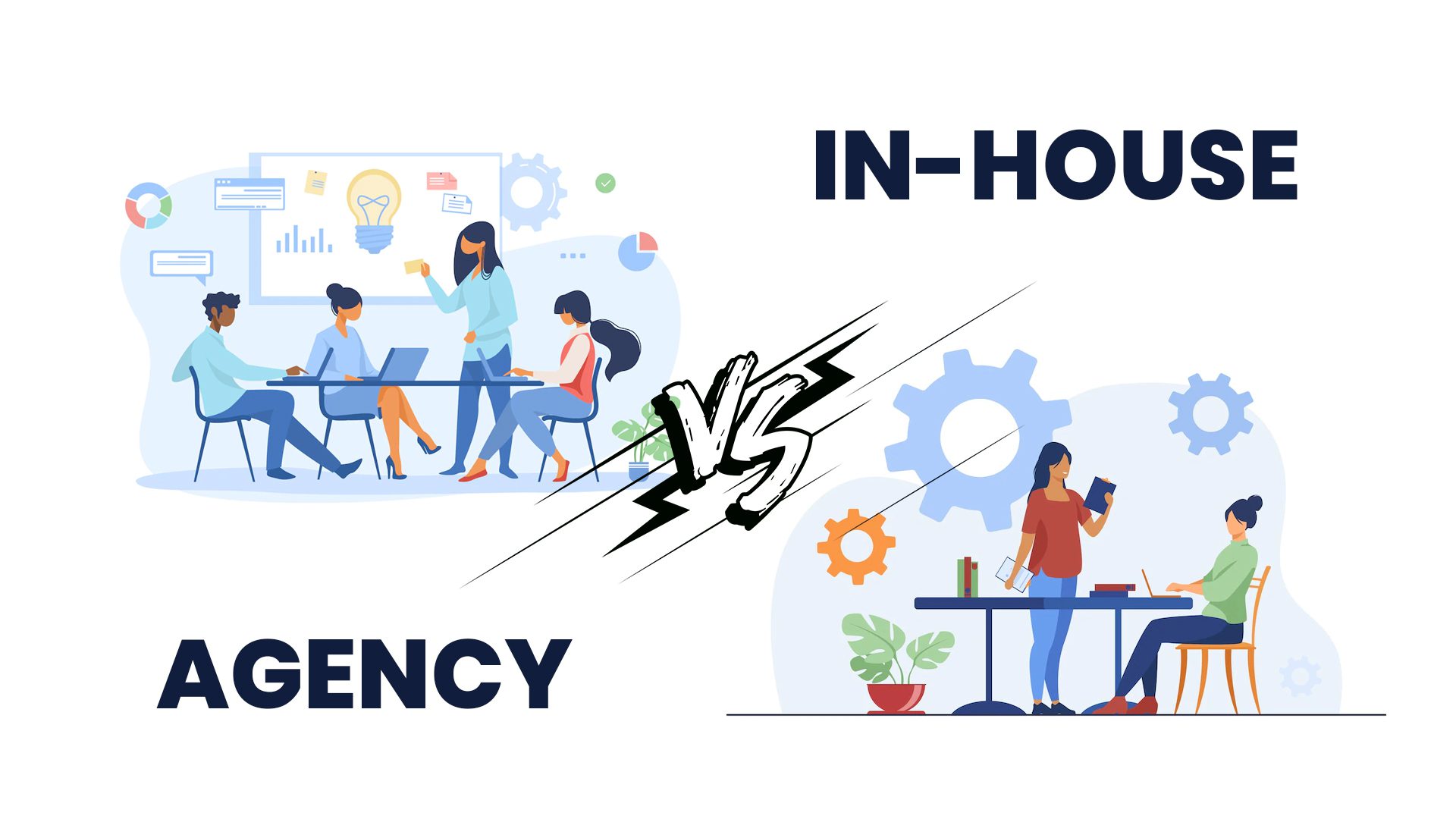
In-house Agency vs Outsourced Agency

So, you want to market your business. The first step is to decide whether you want to create an in-house marketing team vs working with an agency. Each of these solutions has pros and cons; what works best for one company might not for another.   Marketing Agency PROS vs CONS Expertise – You are now working with experts who have a wide berth of knowledge and are not limited one-dimensionally. Some agencies may specialize in specific industries. However, all agencies understand how to make the best use of your budget, build your brand voice and message, and track analytics. Agencies can also show you a return on your investment. Capabilities, software, and tools – As marketing professionals, agencies have all the right tools and software to build your brand effectively. There is no need to purchase your own software or invest in a bank of information.  Agencies have more training and experience, and can focus on helping you reach your goals and objectives. Specialties – Agencies are composed of people with different degrees of specialization who work together to create multiple cross-channel campaigns, whereas an in-house team might be limited in this area. Scalability – At busy times of the year, some in-house agencies may not have the bandwidth to sustain or increase your marketing presence. Multiple clients – While agencies are committed to each brand they work with, some clients could feel put off by the notion that the agency is working just as hard with other clients. However, this is often not the case. Your account managers are a part of your team and want to see you succeed. Control – Sometimes it is hard for businesses to relinquish any control over their marketing efforts, but agencies function best with some wiggle room. They value your input, and will not move forward with any big strategy decisions unless you grant your permission first. The ability to trust your agency to pursue your best interest doesn’t always happen overnight.   In-House Marketing Team PROS vs CONS Brand familiarity: – The people who work within your company know the brand — presumably inside and out. They have a thorough understanding of what you do, why you do it, and what goes into it on a daily basis. While agencies are committed to getting to know the ins and outs of your brand, in-house teams have a different stake in the game. Accessibility – Everyone works for the same company. Focus – Your in-house team does nothing but marketing for you and cash their paycheck. Recruiting Talent – Putting together a solid in-house team that works well together is a massive time and financial investment. Expenses – A successful marketing team uses SEO tools. In fact, this is another reason why an agency is a better idea. SEO training requires consistent CEU clases to keep up with industry trends. In-house marketing departments typically freelancers if your employees aren’t trained in everything you need to accomplish your goals. You can usually count on an agency to have the necessary tools already at their disposal, so you don’t have to fund them independently. Capability and Scalability – When putting together your team, you are limited to the skills found within your applicant pool and the resources you have to work with. Assembling your dream marketing team can be a long and costly process. In-house teams often have less access to specialized skill sets. Similarly, any employee turnover can offset the balance of your team and lead to setbacks. This puts pressure on the remaining staff, which could lead to lagging performance. Compare this to an agency, where there is no risk of your strategy being put on hold.   At Silesky, we pride ourselves on being an outside agency with an in-house attitude. Want to learn more about what that means? Give us a call.

When you Fail to Plan, you Plan to Fail.

Good marketing doesn’t happen overnight. As the saying goes, when you fail to plan, you plan to fail. Good marketing is a process that follows a well-thought-out plan to achieve specific marketing goals. Backed by research, a marketing plan can help you increase revenue and profits, rise above competitors, gain greater visibility, and more. While this does sound a bit daunting, it’s always best to start by analyzing your current situation.   Where Are You? Start by asking yourself and your team members a few basic questions. For example: what does our company exist to do? Reflect on the company’s mission statement as well as past successes, past failures, situations you have learned from, etc. Then, dive into your realistic goals and next steps by conducting a SWOT analysis to review the company’s current strengths, weaknesses, opportunities, and threats. Competition Once you’ve answered these questions, it’s time to compare the results with your competitors’. How have other companies in your same market navigated similar issues? How have they modified their approaches when faced with threats? Moreover, think about why and how customers use your product or service. What problems does your product or service solve? If it doesn’t stand out, it’s time to assess the things you can do to differentiate yourself from your competition. Burger King and McDonald’s both sell burgers. Nike and Adidas both sell sneakers. Avis and Hertz both rent cars. What’s the difference in their brand? What makes you choose one over the other. Thinking about what makes your business different is essential to its longterm success.   Target Audience As a business, understanding your target audience is vital. Start by designing your customer personas. Typically, every business has more than one target audience. To hone in on your top tier target audience think about a typical day in the life of your best customer. Do they live close by? Is distance even relevant? What is their purchase intention? Do they typically need your product or service right away, or during a specific time of year? What is the common thread; are they the CEO who makes the decision to purchase, or in a support role? Do they fall inside a specific age group? Ethnic Group? Religious Group? Google Analytics offers extensive data about who is visiting your website. You can find age, gender, location, income, education level, profession, marital status and more to help set your ideal target audience. Set Measurable Goals Regardless of what you want to achieve, it is essential to set goals to assess your progress. Developing a “SMART” plan encourages you to create goals that are specific, measurable, attainable, relevant, and  time-bound. This approach helps you stay on track, identify and correct shortcomings, visualize your goals, and allocate time and resources wisely. Budget If you know you will have a limited budget, sometimes it is best to determine the budget through the previous four steps. It’s important to remember that your strategic marketing plan is an investment in both the short and long term success of your business. So, spend wisely but maintain an annual marketing budget so you can track what has worked year in and year out. Strategy Mix The strategy mix consists of the Four P’s of Marketing: product, price, promotion, and place. Each P has its own tool. For example, Price can be discounts, payment period, credit terms. Place can mean where your clients can buy from you; your physical locations versus online, or in other stores. An effective marketing strategy combines the 4 Ps in order to  establish the product or services’ position within the market.   Don’t rush through this process. It’s a big deal and when done correctly, it reaps great rewards! What are you doing to ensure that your marketing efforts are delivering the results you’re looking for? Let us know at creative@sileskymarketing.com.

Kiki DeVane

Marketing Operations Manager

Kiki started her career wanting to change the world through policy, then discovered that a well-built website could be just as powerful. That pivot led her through event marketing, federal communications, and sponsored content for some of the world’s most recognizable brands. She came out the other side a marketing utility player, skilled across strategy, design, development, and copywriting, allowing her to support client campaigns from the front and behind the scenes.

At Silesky, she’s the connective tissue, keeping projects moving, clients informed, and the team empowered to focus on what they do best. What sets Kiki apart is her ability to move fluidly between the operational and the creative without losing momentum in either direction. Whether she’s architecting a workflow, shaping a campaign, or jumping in on a deliverable, she brings the kind of range that elevates every project and strengthens the team around her.

A systems thinker with a creative soul, Kiki brings order to complexity and a genuine investment in seeing the work land the way it should.

Aizaz UI Hassan

Web Developer & Graphic Designer

Aizaz has been the driving force behind Silesky’s web development for over five years. As both a graphic designer and UI/UX developer, he brings a rare mix of technical precision and creative clarity to every project.

What sets Aizaz apart is his ability to understand and interpret the assignment—no extra hand-holding, just sharp instincts and calm professionalism. When timelines are tight and expectations are high, Aizaz is the teammate you want in your corner.

Creative and detail-oriented, Aizaz builds clean, modern websites that marry style with substance. From intuitive flows to scalable layouts, his work consistently delivers digital experiences that perform as well as they look.

With every project, Aizaz ensures the design feels effortless for users and does the heavy lifting for the brand.

Sue Hilger, MBA

Chief Growth Strategist

As Chief Growth Strategist at Silesky Marketing, Sue plays a key role in expanding the agency’s client base while cultivating long-term partnerships grounded in trust, collaboration, and measurable success. She works closely with organizations to help them meet their business goals—and then go beyond them—through smart, scalable marketing strategies.

With an MBA and deep expertise in both B2B and B2C environments, Sue bridges the gap between strategic planning and hands-on execution. She guides clients through Silesky’s end-to-end process, beginning with in-depth discovery and needs assessments and continuing through branding, messaging, digital advertising, and campaign rollout.

Sue is focused on long-term impact. Many of Silesky’s client relationships span decades, which speaks to her ability to integrate seamlessly, think strategically, and consistently deliver results. For Sue, every engagement is more than a project—it’s a partnership.

Mya Stengel

Content Developer & Video Editor

Mya brings the heart of a storyteller and the precision of a screenwriter to every project. With a background in Hollywood scriptwriting—particularly in the horror genre—she understands how to build intrigue, capture attention, and deliver a message that lands with impact.

A lifelong book lover turned brand storyteller, Mya has a gift for finding each client’s voice and shaping it into something authentic and memorable. Whether she’s writing SEO-driven blog content, editing silent video loops, or cutting together a punchy hero reel, she focuses on what makes a brand distinct and brings it to life with clarity and emotion.

From blog posts to behind-the-scenes edits, plot twists to punchlines, Mya’s work helps brands connect more deeply and tell stories that resonate.

Ashelin Walker

Digital Marketing Strategist

Ashelin is a digital marketing strategist who blends technical know-how with creative insight. At Silesky Marketing, she turns strategy into results—helping clients attract the right leads, connect with their audience, and strengthen their online presence.

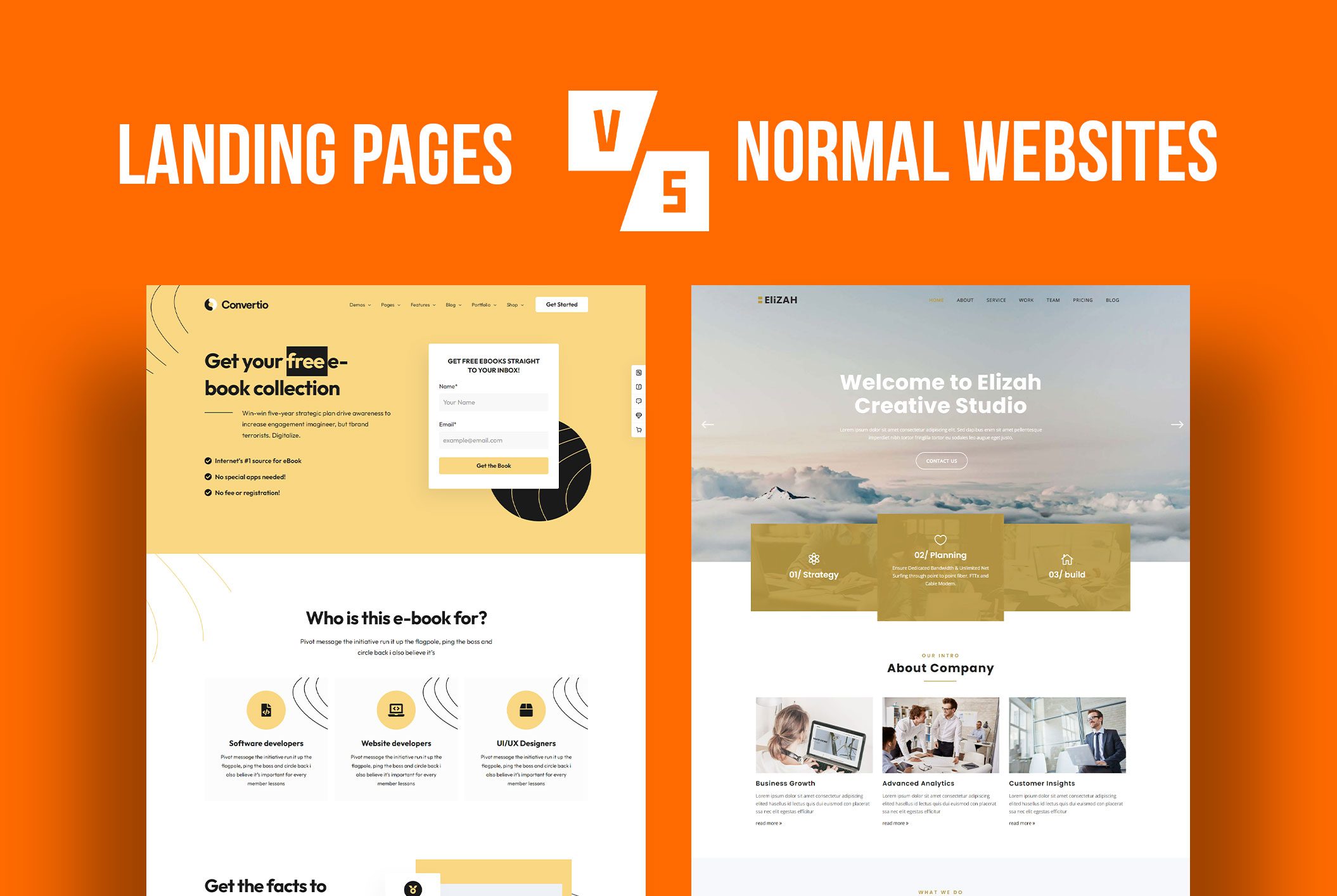
She designs high-converting landing pages, launches targeted email campaigns, manages CRM platforms, and creates on-brand video content that performs. From big-picture planning to the freckles of a campaign, Ashelin brings cohesion to the chaos and keeps every piece pulling in the right direction.

What sets Ashelin apart is how seamlessly she connects the tactical to the strategic. She doesn’t just check boxes—she makes sure every effort ladders up to a larger goal. Her work helps clients show up in the right places, with the right message, at the right time.

Susi Silesky

Founder & Brand Architect

As the founder of Silesky Marketing, Susi brings more than 30 years of brand strategy and marketing expertise to the table. Her experience spans ambitious startups, global enterprises, nonprofits, and household-name retailers.

Susi is most energized when she’s helping business owners find their voice, shape their story, and build a brand that reflects their vision and gets the results they deserve.

What sets her apart is her deep understanding of entrepreneurs. She’s built a career not just on strong campaigns, but on building genuine relationships. That blend of empathy and expertise is what makes her work both effective and meaningful.

Susi has led successful marketing initiatives across industries—from healthcare and legal to real estate, B2B tech, and pharma. She’s fluent in French, conversational in Spanish, and skilled at translating complex ideas into clear, compelling brand stories.