Digital Business Cards Wow Your Audience

Does anyone really ever remember where they put your business card? Okay, that’s a rhetorical question. Enter digital business cards – born out of necessity during the crucible of COVID, and now an unstoppable force in the realm of networking and brand elevation. Digital business cards don’t just impress; they wow your audience, spearheading a new era in how we connect and showcase our brands. Frankly, we’re over the need for printed cards. Afterall, it’s more paper that ultimately hurts our beloved earth. Okay, sure, digital footprint could also be impacting Mother Nature. But, in the long-run we’re eliminating so much wasted paper!! Plus, who doesn’t love the idea of downloading your information into your prospects phone. The chances they’ll recognize your call just skyrocketed! Perhaps we’ll eliminate the word “ghosting” from our vocab. Indeed, digital cards are not just environmentally friendly, they’re multimedia powerhouses. These cards are capable of captivating your audience like never before. With direct links to social media profiles, seamless integration into digital contact lists, and even the ability to host video, these cards are the epitome of modern connectivity. The Role of the Branding Agency Driving this incredible transformation are the visionaries of branding agencies. Branding agencies shape digital identities that leave an indelible mark on our target markets. In this digital age, they’re not just essential; they’re the architects of our online presence, guiding us towards unparalleled success. The Big Advantages Digital business cards stand out for their versatility and effectiveness. They offer a suite of benefits that extend beyond traditional networking methods. This revolutionizes how professionals connect, share, and engage with their audience. They provide a solid foundation for building meaningful business relationships. Easy Sharing and Accessibility Digital business cards shine with their unparalleled ease of sharing and accessibility. The digital format eliminates physical constraints, allowing professionals to share their cards via email, text, or social media with a simple click or QR code scan. This convenience ensures that your contact information is readily accessible, fostering seamless interactions and follow-ups. Dynamic Content and Multimedia Integration The capacity for dynamic content and multimedia integration sets digital business cards apart. They offer a richer and more engaging experience. Recipients can interact with embedded videos, view image galleries, or click through to websites and social media. This gives a comprehensive understanding of your business. This multimedia approach not only enhances engagement but also provides a platform for storytelling. It allows businesses to share their journey and values in a compelling way. Real-Time Updates and Customization The flexibility to update and customize digital business cards in real-time is a game-changer. Whether it’s a change in job title, contact information, or the addition of new achievements, updates can be made instantly without the need for reprinting. This ensures that your network always has access to the most current and relevant information, keeping your professional image polished and up-to-date. Embracing the Digital Age Digital business cards are more than just a digital version of a traditional networking tool; they are a strategic asset for growth and networking. By leveraging these cards effectively, businesses can expand their reach, enhance their brand presence, and cultivate stronger relationships with clients and partners. Enhancing Brand Visibility with Social Media Marketing Agencies The integration of digital business cards with social media strategies, facilitated by social media marketing agencies, significantly boosts brand visibility. By sharing your digital card across social platforms, you can engage a broader audience, driving traffic to your website and enhancing online presence. This strategy capitalizes on the interconnected nature of digital platforms, magnifying the reach and impact of your digital business card. Boosting SEO with Blogs Incorporating digital business cards into your blog content can also bolster your SEO efforts. By crafting blog posts that highlight the innovative features and benefits of your digital business card, you attract organic traffic to your site. This approach, known as blogging for SEO, enhances your search engine visibility, making it easier for potential clients to discover your business online. Cross-Channel Marketing Opportunities Digital business cards unlock new possibilities for cross-channel marketing, enabling a unified and integrated approach across various marketing mediums. Whether through email campaigns, direct mail marketing to B2B, website development, or app development, digital business cards serve as a nexus for your marketing efforts. This cohesive strategy ensures that your brand message is consistently communicated across all channels, reinforcing your brand identity and engaging customers on multiple fronts. Networking in the Digital Age The advent of digital business cards marks a significant shift in networking practices. In the digital age, the ability to connect and share information instantly is paramount. Digital business cards facilitate these connections, providing a modern solution that aligns with the speed and convenience expected by today’s professionals. They bridge the gap between traditional face-to-face interactions and the digital networking landscape, offering a versatile tool that adapts to various networking scenarios. Environmental Impact and Sustainability Digital business cards also reflect a growing awareness of environmental sustainability. By moving away from paper-based cards, businesses and individuals demonstrate a commitment to reducing waste and conserving resources. This shift not only benefits the environment but also resonates with eco-conscious clients and partners, aligning with broader corporate social responsibility goals. Measuring the Impact of Digital Business Cards It’s crucial to understand how effective digital business cards are. This understanding helps refine strategies and maximize return on investment. Analytics and tracking features are often built into digital card platforms. They provide insights into card sharing and interactions. This data lets businesses measure their digital cards’ reach and engagement. It informs future marketing decisions. It also helps develop strategies to enhance brand visibility and growth. Final Thoughts Digital business cards are a forward-thinking tool for networking, brand promotion, and growth. Professionals and businesses embracing them can harness digital technology. This creates meaningful connections and enhances brand presence. It also drives business success. In the digital landscape, the value of innovative and flexible tools is increasing. Digital business cards are sustainable and essential for networking.


Marketing & Branding Build Credibility

In today’s competitive business landscape, establishing credibility is crucial for the success and growth of any company. Credibility not only helps in gaining the trust of customers but also sets a foundation for long-term relationships and brand loyalty. One powerful way to enhance credibility is through effective branding and marketing strategies. Consistency Breeds Trust Branding involves creating a consistent visual identity, including logos, color schemes, and design elements, that represents your company’s values and mission. When customers see this consistency across your marketing materials, website, social media profiles, and products or services, it instills a sense of trust and reliability. It sends the message that your business is well-established, organized, and committed to delivering on its promises. Clear Brand Messaging Effective branding goes beyond aesthetics; it encompasses your brand’s voice, mission, and values. A well-defined brand message communicates to customers who you are, what you stand for, and what they can expect from your products or services. Furthermore, when your marketing efforts consistently convey this message, it builds credibility by showing that you have a clear purpose and are genuinely invested in meeting your customers’ needs. Quality Assurance Through branding and marketing, you can emphasize the quality and excellence of your products or services. Customer testimonials, case studies, and product demonstrations showcase the positive experiences of previous customers, and demonstrate that your offerings are reliable and of high quality. This transparency and social proof contribute to your credibility. Professionalism and Reliability A polished and professional brand image, reflected in your marketing materials, can make a significant impact on how potential clients or customers perceive your business. A well-designed website, attention to detail in your marketing content, and professional visuals all signal that you take your business seriously. This professionalism breeds trust and credibility. Thought Leadership and Expertise Content marketing plays a vital role in establishing your company as a thought leader and industry expert. By consistently creating and sharing valuable content, you position your brand as knowledgeable and trustworthy. Customers are more likely to trust a company that demonstrates expertise in its field. Responsive and Engaging Customer Service Effective marketing strategies extend beyond the initial sale. Maintaining open communication with customers demonstrates your commitment to their satisfaction. Responsiveness and engagement contribute to your reputation for excellent customer service and reliability. Social Media Presence A strong social media presence is a valuable tool for building credibility. Regularly posting relevant content, responding to comments and inquiries, and engaging with your audience demonstrates your transparency and commitment to customer interaction. This active presence bolsters trust and authenticity. Reputation Management Moveover, branding and marketing also enable you to manage your online reputation effectively. You can address negative reviews and feedback, demonstrating your willingness to resolve issues and improve. This proactive approach to reputation management shows your dedication to maintaining credibility. Credibility is a currency that can greatly impact your company’s success. By investing in branding and marketing strategies that convey consistency, clear messaging, professionalism, and expertise, you can build trust and loyalty among your target audience. In a world where consumers have endless choices, credibility sets your business apart and fosters lasting relationships with customers. Embrace branding and marketing as powerful tools to boost your company’s credibility and pave the way for long-term success. Get started today and contact Silesky Marketing for all of your marketing and branding needs.

The Importance of Consistent Branding

Whether you’re a startup, a small business, or a global conglomerate, maintaining a cohesive brand image is crucial to your success. In this blog, we’ll delve into the profound significance of consistent branding and how it becomes the cornerstone of your business’s identity and growth. Recognition Encountering a familiar color palette, a distinct logo, or a specific tagline instantly triggers associations with a particular brand. Consistent branding ensures that these visual cues remain uniform across various touchpoints, from your website and social media to packaging and advertising. Over time, this recognition fosters a sense of familiarity, building trust and reliability among your audience. Trust and Reliability In a world where consumers have a multitude of choices, trust becomes the currency of successful businesses. Consistent branding is like a handshake—an introduction that establishes a promise to customers. When your branding elements, messaging, and tone align seamlessly, you project a professional and dependable brand image. This, in turn, cultivates trust and reliability, making customers more likely to choose your brand over competitors. Emotional Connection Consistent branding isn’t just about logos and colors; it’s about the stories and emotions those elements evoke. Your brand’s identity isn’t just the product you sell—it’s the experience you offer, the values you uphold, and the emotions you ignite. Through consistent branding, you craft a narrative that resonates with your target audience, forming a deep emotional connection. Customers aren’t just buying products; they’re investing in a story that aligns with their own values and aspirations. Longevity and Adaptation While consistency is vital, branding has to evolve with the times. Your approach to must adapt to changing market trends and consumer preferences. When you establish a strong foundation of consistent branding, it becomes easier to introduce new products, expand into different markets, or refresh your image without losing your core identity. Adaptation becomes seamless when you have a consistent brand as your guiding compass. Business Growth Consistent branding is an investment. As customers identify and resonate with your brand, they become loyal supporters who advocate for your products and services. Word-of-mouth referrals, positive online reviews, and social media buzz all stem from a strong and consistent brand presence. This organic growth not only attracts new customers but also fuels repeat business, driving your bottom line upwards. Lasting Impression Consistent branding isn’t just a visual choice; it’s a strategic decision that shapes how your audience perceives and interacts with your brand. By cultivating recognition, trust, and emotional connections, you lay the groundwork for sustained growth and success. As you navigate the dynamic landscape of business, remember that your consistent branding isn’t just a logo—it’s the face, the story, and the essence of your brand. Embrace it, nurture it, and watch it forge an enduring impression on the hearts and minds of your customers. If you are wanting to build your brand image, Silesky Marketing is here to help. Contact us today for assistance on your brand journey!

Analyzing the Anatomy of a Proper Brand

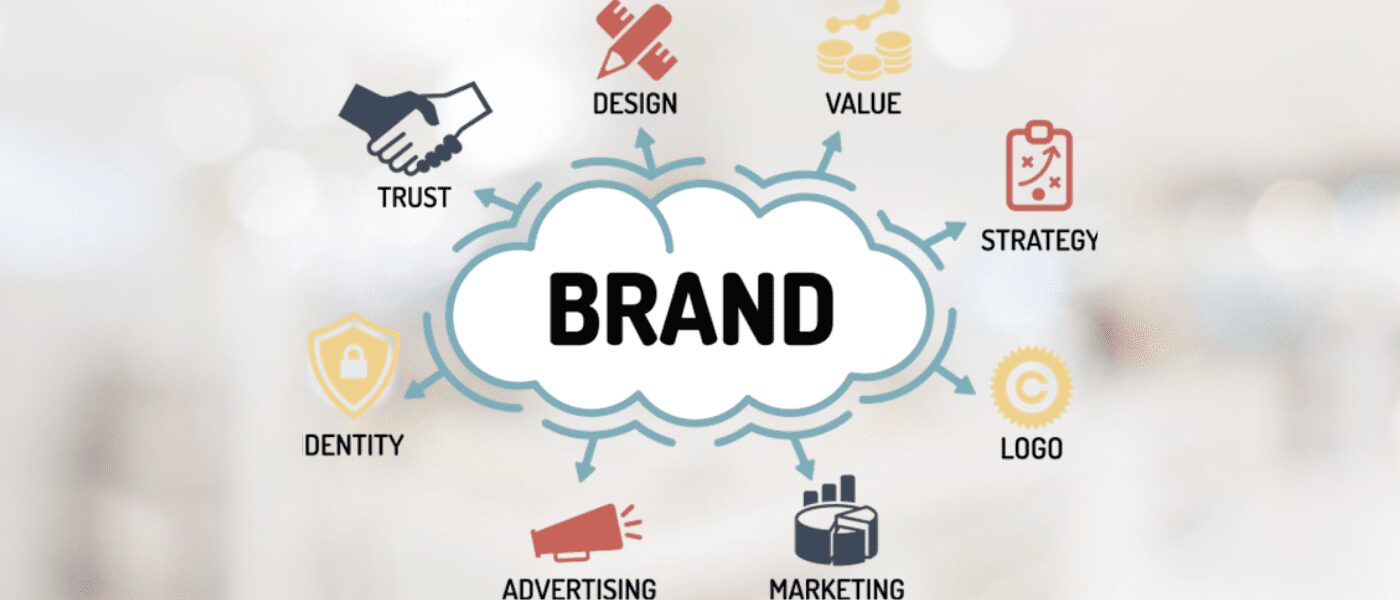
Analyzing the Anatomy of a Proper Brand In the vast and dynamic world of business, brands are the lifeblood that fuels success. A proper brand has the power to captivate audiences, foster loyalty, and stand the test of time. From the iconic swoosh of Nike to the bitten apple of Apple, brands have the ability to shape our perceptions and influence our choices. But what truly makes a brand proper? In this blog, we will delve into the intricacies of brand analysis, examining the key components that contribute to a successful and enduring brand. Brand Identity At the core of every proper brand lies a clear and compelling identity. Brand identity encompasses the brand’s mission, vision, values, and personality. A well-defined identity helps establish an emotional connection with consumers, fostering trust and loyalty. Analyzing a brand’s identity involves understanding its target audience, market positioning, and unique selling propositions. Visual Identity Visual elements are crucial for brand recognition and recall. Analyzing a proper brand involves scrutinizing its visual identity, including the logo, color palette, typography, and design elements. The visual identity should align with the brand’s identity, evoke the desired emotions, and differentiate the brand from its competitors. Brand Messaging An effective brand communicates a consistent and compelling message. Analyzing brand messaging involves examining the brand’s tagline, slogans, voice, and tone. A proper brand message should resonate with the target audience, convey the brand’s unique value proposition, and be aligned with its overall identity. Customer Experience A proper brand is built on delivering exceptional customer experiences. Analyzing a brand’s customer experience involves assessing the interactions customers have with the brand at every touchpoint, both online and offline. This includes evaluating customer service, product quality, user interface, and overall satisfaction. A positive customer experience fosters brand advocacy and generates repeat business. Market Positioning Understanding a brand’s position in the market is crucial for analyzing its effectiveness. Examining market positioning involves assessing the brand’s target market, competition, and unique selling points. Proper market positioning enables a brand to differentiate itself, identify growth opportunities, and effectively cater to its customers’ needs. Brand Equity Brand equity refers to the value and perception associated with a brand. Analyzing brand equity involves measuring brand awareness, brand loyalty, brand associations, and perceived quality. A proper brand possesses strong brand equity, which translates into increased customer trust, higher market share, and premium pricing. Adaptability and Innovation In today’s fast-paced world, proper brands need to adapt and innovate to stay relevant. Analyzing a brand’s adaptability and innovation involves assessing its ability to evolve with changing consumer preferences, embrace new technologies, and anticipate future trends. A proper brand embraces a growth mindset, constantly seeking opportunities for improvement and expansion. Analyzing a proper brand goes beyond surface-level observations. It requires a comprehensive examination of its identity, visual elements, messaging, customer experience, market positioning, brand equity, and adaptability. By dissecting these components, businesses can gain valuable insights to strengthen their brands, resonate with their target audience, and drive long-term success. A proper brand is an artful blend of strategy, creativity, and customer-centricity, captivating hearts and minds in a way that transcends the ordinary.

The Common Branding Myths Costing Small Businesses Real Growth

Branding is an essential aspect of any successful business. However, there are several myths surrounding branding that can mislead marketers and affect their marketing strategies. Read on to learn more about common branding myths and debunking them. Branding is More than Catchy Logos  One common myth is that branding is only about creating a memorable logo or catchy tagline. While a logo and tagline are important elements of a brand, they are just one piece of the puzzle. Branding encompasses much more than just visual identity. It involves creating and managing a unique set of associations in the minds of consumers that reflect the core product, its features, functions, and benefits. Branding is Not Just for the Big Names Another myth is that branding is only relevant for large businesses or well-known companies. In reality, every business, regardless of its size or industry, can benefit from effective branding. Effective branding helps businesses stand out from the competition, build trust with customers, and create a strong emotional connection. Furthermore, branding is not a one-time effort. It requires continuous nurturing and management to ensure that the brand remains relevant and resonates with its target audience. Branding Falls on the Entire Company Additionally, there is a misconception that branding is solely the responsibility of the marketing department. In reality, branding is a company-wide effort that involves everyone from the CEO to frontline employees. Each employee plays a role in representing and embodying the brand’s values, messaging, and customer experience. Quality and Functionality Matter Another common myth is that branding is all about making a product or service look good, rather than focusing on its quality or functionality. Branding is not just about aesthetics; it goes beyond surface-level visuals. Branding is about creating a perception of value and trust in the minds of consumers. Therefore, it is essential to focus on delivering a high-quality product or service that meets customer expectations and aligns with the brand’s promise. Lastly, there is a misconception that branding is only effective for consumer-facing businesses. However, branding is just as important for B2B companies. Branding helps establish credibility and trust, differentiate from competitors, and communicate the unique value proposition to potential business partners. Overall, it is important to dispel these common myths about branding. Branding is a comprehensive strategy that goes beyond logos and taglines. It involves creating and managing a unique set of associations that reflect the core product, building trust with customers, and establishing credibility in the market. Branding is not limited to large businesses or consumer-facing companies; it is relevant and beneficial for businesses of all sizes and industries. For more branding information, or to help your company create a successful branding strategy, contact Silesky Marketing today.

The Importance of Building Brand Identity

To stand out in a crowded market and build brand equity, businesses need to develop a strong and unique brand identity that effectively communicates their core values and differentiation from competitors. Recently, there has been much emphasis on the importance of brand identity in business management literature. In the past, brand structures were straightforward with few sub-brands and simple business strategies. Read on to learn more about the importance of building brand identity. Brand Identity Creating a brand identity involves many key elements such as defining corporate values, mission, vision, and culture. Additionally, it is crucial to measure constantly the impact of the brand on all stakeholders and adapt communication strategies accordingly. One of the key factors in developing a brand identity is consistency. To ensure a brand’s credibility and relevance, companies should regularly evaluate their brand identity and make necessary adjustments. Customers make purchasing decisions based on how well they perceive that a company understands their needs and values. Moreover, a company’s brand identity needs to transmit its uniqueness and differentiation from competitors. Brand Value Another key factor in building a brand identity is understanding the concept of brand value. Businesses need to differentiate themselves from competitors and build a loyal relationship with their customers. This can be achieved by determining their brand identity and consistently meeting customer expectations in all interactions. Brand Identity Vs. Brand Image It is crucial to differentiate between brand identity and brand image. Brand identity involves creating a bond between the brand and consumers, offering functional, emotional, and self-expressed benefits. Developing a brand identity is an active process that depends on the company’s strategy and vision. Brand image, on the other hand, is how a brand is perceived by customers. In conclusion, developing a strong brand identity is becoming increasingly critical for businesses to stand out in today’s complex and competitive market. Consistency is key in developing a brand identity, and companies should regularly evaluate their brand’s impact on stakeholders to ensure that communication strategies are working effectively. Furthermore, investing resources in building a strong brand identity is essential in creating brand equity. Therefore, businesses should understand the importance of creating and maintaining a strong brand identity to create a loyal customer base and differentiate themselves from competitors. If you are wanting to build your brand image, Silesky Marketing is here to help. Contact us today for assistance on your brand journey!

Branding vs Logo Design: Understanding What Each One Does

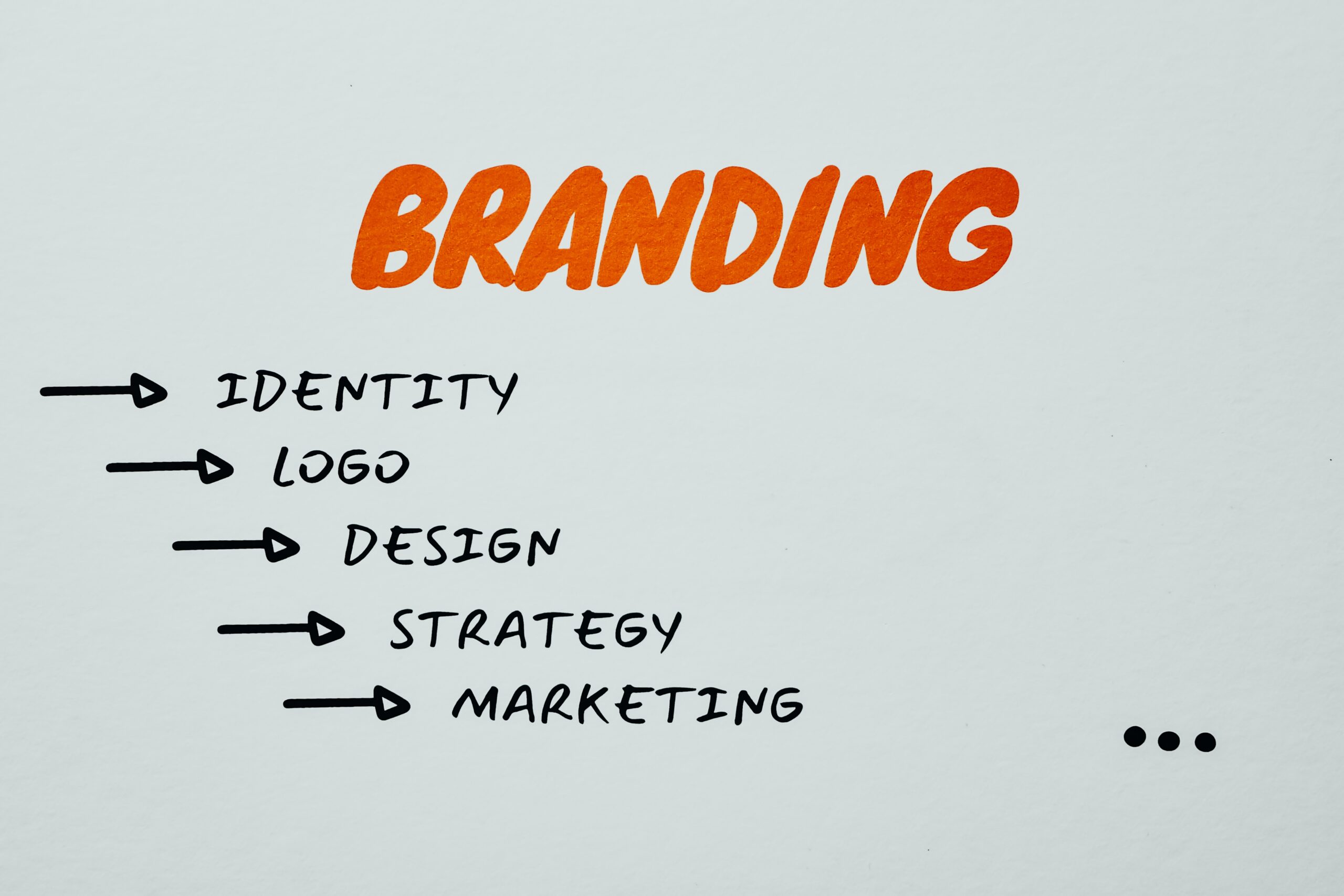
Branding vs. logo design is important for creating a visual identity for a business or organization. However, they serve different purposes. A logo is a visual symbol or icon representing a brand and typically consists of a graphic and/or typographic design. It serves as a recognizable and memorable mark that helps to identify a company, product, or service. On the other hand, a logo is designed so that consumers will recognize the brand immediately upon seeing the logo. On the other hand, branding encompasses a broader range of elements that collectively shape the perception of a brand in the minds of its audience. This includes the brand’s values, messaging, voice, personality, and visual identity (including the logo). Read on for more information about branding vs. logo design and how they differ. Why is Branding So Important? Branding is the process of defining and communicating what a company or organization stands for and how it wants to be perceived by its audience. So, while a logo is a critical component of a brand’s visual identity, branding encompasses much more than just the logo design. Logo design is a subset of branding explicitly focused on creating a graphic mark representing the brand. The logo should be memorable to consumers, and designing a good logo results in effective branding. Building Effective Branding When building a brand, it is essential to note that it is much more than just logo design and colors. The brand is the company’s emotion and what the business stands for. It is what you want consumers to feel when they see the logo. This is crucial to the company because you want to express the business’s ideals and goals through your branding and convey the message to consumers. Branding should exhibit consistency and follow a good strategy. A logo is for identification, but a brand expresses how you want the audience to see the company. Creating an eye-catching, memorable logo is very important. However, a company needs to have branding that exceeds expectations. Branding is where success for any business starts. Good branding will make it much easier for the company to grow and thrive. At Silesky Marketing, we ensure that your logo and branding are exceptional. For your branding needs, contact Silesky Marketing at 410-205-6168.

The Importance of Branding for Business

In business, branding is extremely important. Branding is so much more than just colors and a logo. In fact, branding is the identity of your entire business and helps your customers recognize the company. Branding is a vital part of business because the competition is rising everyday with social media and new brands being created. For businesses, the number of new businesses is creating difficulties, so branding is the focus to get your business to stand out over all others. Read on to understand the importance of branding for business.  Business Recognition As we’ve stated, one of the most important reasons for branding is to stand out among all other businesses. You want your business to be recognized and loved by consumers so they will choose your products over competing products. If your branding is strong, consumers will be likely to choose you over competitors and your company will stay in their minds. If branding is boring and does not entice consumers, they will move on quickly and not remember the business at all. Be sure to create a logo that stands out and has attractive colors. It needs to be something that will stay in the minds of those who see it and keep them wanting to come back. Improve Advertising Advertising is essential for getting your products or services noticed. Branding and advertising are like the bread and butter for businesses.  If you want to have successful advertising, the branding needs to be created and be eye catching as well. The point of advertising is to show what your business is all about. You want to show the world the values and identity of the business and represent the products and services in the best way possible. This all starts with your brand. When incorporating your branding into your advertising, you will gain recognition for your brand. Branding Creates Loyal Customers Recognizing your brand is just the start. You want customers to continue to come back to purchase your products and services. When you have amazing branding, your customers will be able to relate themselves to the values and morals of the business and want to choose your brand over all others. Branding helps build relationships with customers by connected to the audience. The goal is to create a brand that people will care about and stick to. The importance of branding for business is very strong. Branding is the building block for your business and the success of your business. If you want to build your brand and marketing, contact Silesky Marketing today!

Practical Branding Tips for Building a More Recognizable Business

Branding is important for all businesses. However, it’s important to learn effective marketing strategies to strengthen your brand for success. We’re providing you with a few helpful tips to successful branding. Brand Framework What does brand framework mean? It means you need to know your brand like the back of your hand. In fact, it is very important for successfully reinforcing your brand. Afterall, if you are not understanding your brand, it will be difficult to market your products and services effectively. So, how do you get started. We recommend that you do two things first: Brand Audit. This means you will gather information from all your marketing efforts and make sure that your brand is consistent throughout. What we mean is, consistent in the sense that your logo is always shown in the same brand colors and font, that the logo is sized effectively for the platform you have it on, and that your company is projected professionally.  This will help tremendously in reinforcing your brand. Brand Purpose: When you craft your brand to serve your target audience and speak to them in the way they want and need, your business will set itself up for success and prosperity. So how do you do this? Brand Differentiator: The brand differentiator should be 100% unique to your company. For example, the Apple Genius Bar is something that is exclusive to Apple. Brand personality: The uniquely human way your company comes to life. When defined, it should include human traits. (Hint: “affordable” is not a human trait.) When deciding on your brand personality, ask yourself how your company emotionally connects with your customers. Consistency As we like to say in the biz, “consistency is key!” Consistency is one of the most important tips for successfully reinforcing your brand. When you are consistent with your brand, consumers will be able to see your marketing and immediately know what business it is. When you are not consistent, consumers may get confused and not be able to recognize you or your products. It is hard to build awareness to your branding if colors are constantly changed or the logo is often different. You want to stand out and be recognized by your target audience.   Connect With Your Audience Talk your prospects’ language. This cannot be overstated. When you craft your brand to serve your target audience and speak to them in the way they want and need, your business will set itself up for success and prosperity. So, how do you do this? First, consider being present on all social media platforms and maintaining a relationship with your clients. Second, manage customer expectations. This is easy to say, but hard to do. Anticipate their needs before they even know they need them. Third, focus on more face-to-face business transactions and less robotic and AI-driven marketing. Lastly, thank you customers regularly. When you show appreciation for their business you not only make them feel appreciated, but you remind them that you are indeed thinking of them. Successfully reinforcing your brand and building brand identity is not easy. This takes a lot of hard work and dedication. If you want your business to grow and become successful, reinforcing your brand is the way to do it.

Kiki DeVane

Marketing Operations Manager

Kiki started her career wanting to change the world through policy, then discovered that a well-built website could be just as powerful. That pivot led her through event marketing, federal communications, and sponsored content for some of the world’s most recognizable brands. She came out the other side a marketing utility player, skilled across strategy, design, development, and copywriting, allowing her to support client campaigns from the front and behind the scenes.

At Silesky, she’s the connective tissue, keeping projects moving, clients informed, and the team empowered to focus on what they do best. What sets Kiki apart is her ability to move fluidly between the operational and the creative without losing momentum in either direction. Whether she’s architecting a workflow, shaping a campaign, or jumping in on a deliverable, she brings the kind of range that elevates every project and strengthens the team around her.

A systems thinker with a creative soul, Kiki brings order to complexity and a genuine investment in seeing the work land the way it should.

Aizaz UI Hassan

Web Developer & Graphic Designer

Aizaz has been the driving force behind Silesky’s web development for over five years. As both a graphic designer and UI/UX developer, he brings a rare mix of technical precision and creative clarity to every project.

What sets Aizaz apart is his ability to understand and interpret the assignment—no extra hand-holding, just sharp instincts and calm professionalism. When timelines are tight and expectations are high, Aizaz is the teammate you want in your corner.

Creative and detail-oriented, Aizaz builds clean, modern websites that marry style with substance. From intuitive flows to scalable layouts, his work consistently delivers digital experiences that perform as well as they look.

With every project, Aizaz ensures the design feels effortless for users and does the heavy lifting for the brand.

Sue Hilger, MBA

Chief Growth Strategist

As Chief Growth Strategist at Silesky Marketing, Sue plays a key role in expanding the agency’s client base while cultivating long-term partnerships grounded in trust, collaboration, and measurable success. She works closely with organizations to help them meet their business goals—and then go beyond them—through smart, scalable marketing strategies.

With an MBA and deep expertise in both B2B and B2C environments, Sue bridges the gap between strategic planning and hands-on execution. She guides clients through Silesky’s end-to-end process, beginning with in-depth discovery and needs assessments and continuing through branding, messaging, digital advertising, and campaign rollout.

Sue is focused on long-term impact. Many of Silesky’s client relationships span decades, which speaks to her ability to integrate seamlessly, think strategically, and consistently deliver results. For Sue, every engagement is more than a project—it’s a partnership.

Mya Stengel

Content Developer & Video Editor

Mya brings the heart of a storyteller and the precision of a screenwriter to every project. With a background in Hollywood scriptwriting—particularly in the horror genre—she understands how to build intrigue, capture attention, and deliver a message that lands with impact.

A lifelong book lover turned brand storyteller, Mya has a gift for finding each client’s voice and shaping it into something authentic and memorable. Whether she’s writing SEO-driven blog content, editing silent video loops, or cutting together a punchy hero reel, she focuses on what makes a brand distinct and brings it to life with clarity and emotion.

From blog posts to behind-the-scenes edits, plot twists to punchlines, Mya’s work helps brands connect more deeply and tell stories that resonate.

Ashelin Walker

Digital Marketing Strategist

Ashelin is a digital marketing strategist who blends technical know-how with creative insight. At Silesky Marketing, she turns strategy into results—helping clients attract the right leads, connect with their audience, and strengthen their online presence.

She designs high-converting landing pages, launches targeted email campaigns, manages CRM platforms, and creates on-brand video content that performs. From big-picture planning to the freckles of a campaign, Ashelin brings cohesion to the chaos and keeps every piece pulling in the right direction.

What sets Ashelin apart is how seamlessly she connects the tactical to the strategic. She doesn’t just check boxes—she makes sure every effort ladders up to a larger goal. Her work helps clients show up in the right places, with the right message, at the right time.

Susi Silesky

Founder & Brand Architect

As the founder of Silesky Marketing, Susi brings more than 30 years of brand strategy and marketing expertise to the table. Her experience spans ambitious startups, global enterprises, nonprofits, and household-name retailers.

Susi is most energized when she’s helping business owners find their voice, shape their story, and build a brand that reflects their vision and gets the results they deserve.

What sets her apart is her deep understanding of entrepreneurs. She’s built a career not just on strong campaigns, but on building genuine relationships. That blend of empathy and expertise is what makes her work both effective and meaningful.

Susi has led successful marketing initiatives across industries—from healthcare and legal to real estate, B2B tech, and pharma. She’s fluent in French, conversational in Spanish, and skilled at translating complex ideas into clear, compelling brand stories.