How Political Campaign Marketing Reaches and Mobilizes Voters

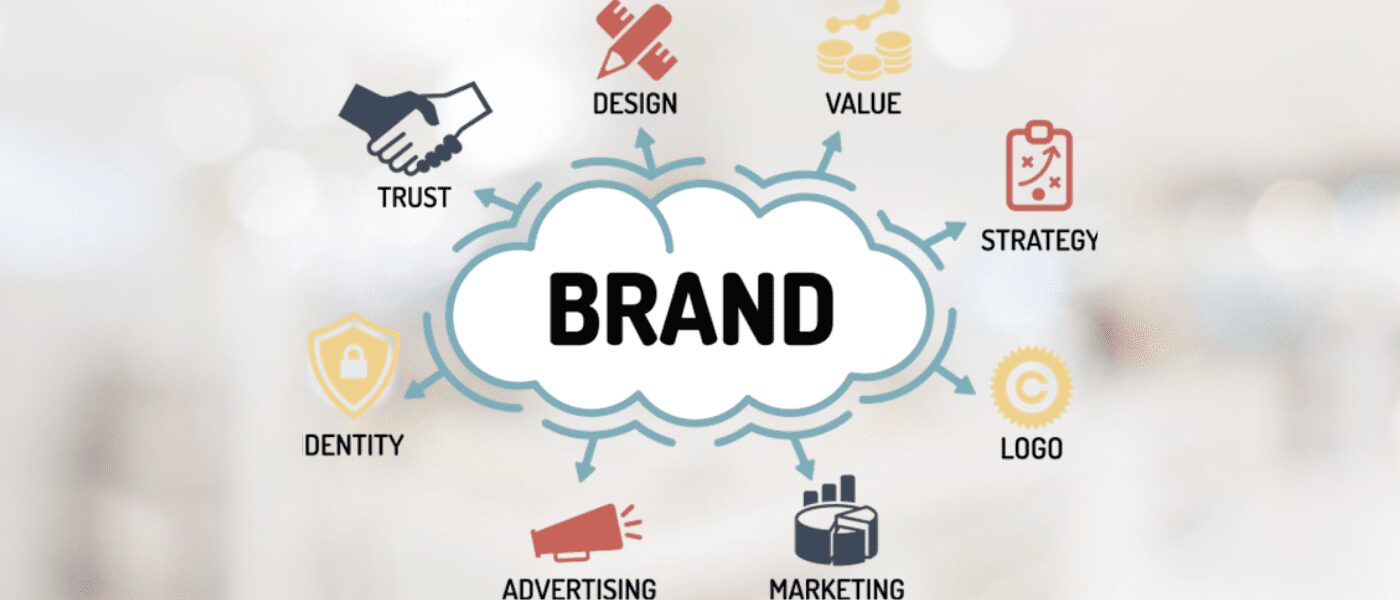
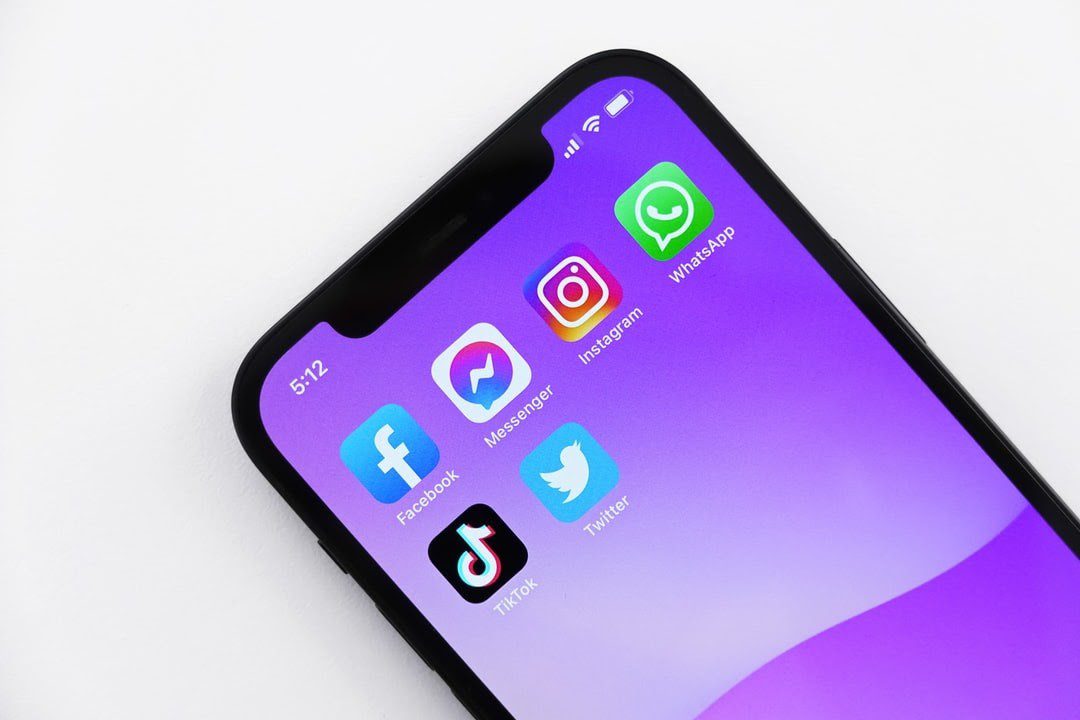
Embarking on a political campaign is a monumental undertaking that requires careful planning and execution. In today’s political landscape, effective marketing strategies are essential for reaching and engaging voters. As a potential candidate, understanding the intricacies of political marketing is crucial for your long-term goals. This blog post will explore key aspects of marketing for political campaigns, providing valuable insights for candidates seeking to make a meaningful impact. Crafting Your Political Brand Establishing a Unique Identity Before diving into the world of marketing, candidates must define their political brand. This involves creating a distinct identity that resonates with voters. Collaborating with a Branding Agency can be instrumental in developing a logo, slogan, and overall brand strategy that sets you apart from other candidates. Leveraging the Expertise of a Marketing Agency A marketing agency that specializing in political campaigns can be a game-changer. These agencies possess the experience and know-how to navigate the complexities of political marketing. From defining target demographics to creating compelling messages, their expertise can significantly enhance your campaign’s effectiveness. Expanding Your Reach with Advertising Agencies In addition to marketing agencies, collaborating with Advertising Agencies is crucial for amplifying your campaign’s reach. These agencies specialize in creating impactful ad campaigns across various media channels, ensuring that your message reaches a broad and diverse audience. Utilizing their expertise can provide an extra layer of visibility to your political brand. The Role of Public Relations in Political Branding Public Relations (PR) is another key element in shaping your political brand. PR professionals can help manage your public image, handle crises, and foster positive relationships with the media. Building a strong PR strategy ensures that your campaign is portrayed positively, fostering trust and credibility among voters. Embracing Cross-Channel Marketing The Power of Cross-Channel Integration In the digital era, Cross Channel Marketing is a pivotal strategy for political campaigns. This approach involves seamlessly integrating various channels such as social media, email, and traditional advertising to create a cohesive and impactful message. A well-executed cross-channel strategy ensures that your campaign reaches voters through multiple touchpoints, maximizing exposure and engagement. Social Media Marketing: A Cornerstone Social Media Marketing has become an indispensable tool for political candidates. Platforms like Facebook, Twitter, and Instagram allow candidates to connect directly with voters, share their vision, and address concerns. Partnering with a Social Media Marketing agency can optimize your online presence, ensuring that your message reaches the right audience. Utilizing Blogging for SEO Blogging is not only a content-sharing platform but also a powerful tool for Search Engine Optimization (SEO). Regularly publishing informative and relevant blog posts can boost your campaign’s visibility on search engines, making it easier for potential voters to find information about your candidacy. Cross-Channel Analytics Understanding the analytics of cross-channel marketing is vital for refining your strategy. Utilizing data-driven insights helps you identify which channels are most effective, allowing you to allocate resources strategically. This analytical approach ensures that your campaign remains dynamic and responsive to voter engagement trends. Building a Robust Online Presence The Role of a Website A candidate’s website serves as the digital headquarters of their campaign. Website Development is a critical component, ensuring a user-friendly interface, informative content, and seamless navigation. Investing in a well-designed website is an investment in your campaign’s credibility and accessibility. Harnessing the Potential of App Development Innovative candidates are increasingly turning to App Development to enhance voter engagement. A dedicated campaign app can provide supporters with real-time updates, volunteer opportunities, and a platform to connect with like-minded individuals. App Development adds a modern and dynamic dimension to your campaign’s outreach. Maximizing Website Content for Voter Education Beyond aesthetics, your campaign website should serve as an educational hub for voters. Providing detailed information about your stance on key issues, your background, and upcoming events creates transparency and fosters voter trust. Regularly updating content keeps visitors informed and engaged. Engaging Voters through Gamification Apps Incorporating gamification elements into your campaign app can make the political process more engaging for voters. Implementing quizzes, challenges, and interactive features encourages participation and fosters a sense of community among supporters. Gamification adds a unique and enjoyable aspect to your campaign’s digital presence. Targeting B2B Connections Personalized Outreach to Businesses For candidates focusing on Business-to-Business (B2B) connections, Direct Mail Marketing remains a viable strategy. Crafting targeted messages and sending physical materials to businesses in Anne Arundel County can create a personalized touch that resonates with local entrepreneurs and decision-makers. Personalized Digital Components Direct Mail Marketing doesn’t have to be limited to physical materials. Integrating personalized digital components, such as QR codes linking to exclusive online content or surveys, enhances the interactive aspect of your B2B outreach. This innovative approach combines traditional methods with modern engagement strategies. Measuring Campaign Success Applying analytics to your B2B Direct Mail Marketing allows you to gauge its effectiveness. Tracking metrics such as response rates, website visits from the campaign, and social media engagement provides valuable insights. This data-driven approach enables you to refine your B2B marketing strategy for optimal results. Conclusion In conclusion, marketing for political campaigns is a multifaceted endeavor that requires a strategic approach. From crafting a compelling political brand to leveraging cross-channel marketing and embracing online tools, candidates must navigate this landscape with precision. Partnering with specialized agencies, be it a Branding Agency, Marketing Agency, or Social Media Marketing agency, can provide the expertise needed for a successful campaign. By incorporating these strategies, candidates can build a strong presence, connect with voters, and make a lasting impact on their political journey.
How Branded Merchandise Builds Awareness and Drives Business Growth

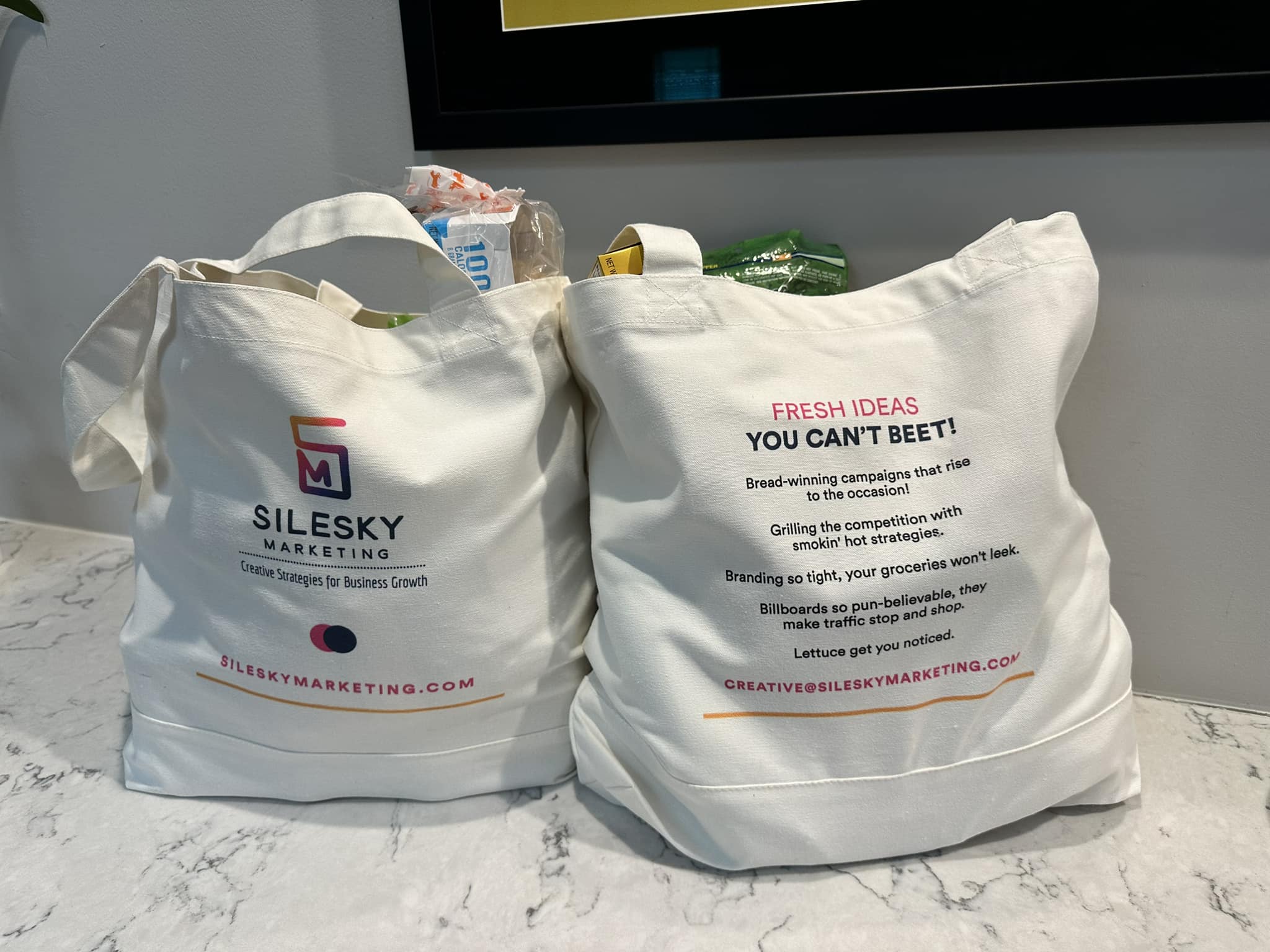
Businesses are always looking for fresh, creative ways to stand out and connect with their audience. The power of swag in your business, especially as branded merchandise, will boost brand awareness and foster business growth. This blog explores the many ways that adding swag to your marketing efforts can be beneficial. We’ll explore the reasons behind incorporating swag in your marketing activities. The Impact of Swag Building Brand Visibility Swag plays a pivotal role in enhancing and solidifying a business’s branding strategy. These tangible items, such as branded wearable items, merchandise, and promotional products, serve as powerful tools to create a lasting impression. When thoughtfully designed and aligned with a company’s visual identity, swag materials act as walking billboards, spreading brand awareness wherever they go. The use of high-quality, aesthetically pleasing swag not only fosters a sense of pride among employees but also transforms them into brand ambassadors. Whether it’s a well-designed T-shirt, a stylish tote bag, or a sleek water bottle, these items create a tangible connection between the brand and its audience. In turn, this connection can lead to increased brand loyalty, customer engagement, and even word-of-mouth marketing. Swag materials serve as a tangible representation of a business’s values and identity, reinforcing its presence in the minds of both existing and potential customers. Enhancing Customer Loyalty Enhancing sustainable business growth through the strategic integration of swag, or promotional merchandise, is a key component of strong marketing. By aligning swag offerings with eco-friendly and sustainable materials, you not only reinforce brand visibility but also contribute to a positive environmental impact. By prioritizing products that are reusable, recyclable, or made from responsibly sourced materials, you can reduce your carbon footprint and promote a circular economy. Through thoughtful customization and design, swag becomes a powerful tool for fostering brand loyalty, engaging customers, and communicating our dedication to environmental stewardship. This approach not only propels brand image but also inspires others to embrace sustainable practices, creating a ripple effect for a greener and more responsible business ecosystem. Expanding Reach Through Social Media In fact, expanding your business reach through the strategic use of social media swag promotions has proven to be an effective and innovative marketing approach. When strategically incorporated into social media campaigns, these items not only enhance brand visibility but also foster a sense of community and loyalty among followers. By encouraging users to showcase their swag on various social platforms, companies can tap into the power of user-generated content, effectively turning customers into brand advocates. The visual appeal of swag in posts generates organic engagement, leading to increased reach and exposure within the target demographic. In essence, leveraging swag as a social media promotional tool not only transforms customers into walking billboards but also cultivates a dynamic and interactive online presence, ultimately driving brand awareness and boosting overall marketing effectiveness. The Role of Swag in Community Building While swag is a powerful tool for marketing and brand visibility, it also plays a crucial role in building and nurturing a community around your brand. When people wear your branded apparel or use your merchandise in public, they signal to others that they are part of a larger group with shared interests or values. This can create a sense of belonging and community among customers, which is invaluable for a brand. By providing swag that people are proud to use and share, you can foster a community that will support and advocate for your brand organically. Engaging with this community through events, social media, and other platforms can further strengthen the bond between your brand and its supporters, turning customers into loyal fans. Strategic Integration of Swag Aligning with Marketing Goals For swag to effectively contribute to your business’s growth, it must be seamlessly integrated into your overarching marketing strategy, aligning with specific marketing objectives, whether that’s boosting brand awareness, generating leads, or driving direct sales. Collaboration with an advertising agency, particularly one versed in cross-channel marketing, can ensure your swag initiatives complement and amplify your broader marketing efforts, creating a cohesive and impactful brand narrative across all touch-points. Leveraging Cross-Channel Marketing Swag’s versatility extends its influence beyond physical branding, making it a pivotal component of cross-channel marketing strategies. Promoting a branded item as a complementary gift in purchases can be highlighted across email, social media, and direct mail marketing campaigns, particularly to B2B clients. This integrated approach guarantees a consistent brand message across all channels, enhancing impact and engagement, and driving home the message that your brand values innovation and thoughtful engagement with its audience. Driving Digital Engagement In our digital-centric world, swag also serves as a conduit to online engagement. Incorporating QR codes on physical items can guide users to your website, app, or social media pages, fostering a smooth transition from tangible to digital interaction. This strategy, developed alongside agencies specializing in website development and app development, not only enhances the user experience but also boosts both digital and physical engagement, creating a holistic brand experience that resonates on multiple levels. Execution and Analysis Choosing the Right Swag The effectiveness of swag hinges on selecting items that are not just practical and appealing but also resonate with your brand identity and audience’s preferences. The decision-making process can benefit from the expertise of a branding agency, ensuring your swag effectively embodies your brand message and distinguishes itself in a saturated market. Thoughtful selection of swag items can turn everyday objects into powerful marketing tools, embedding your brand into the fabric of recipients’ lives. Measuring Success To fully leverage the power of swag, it’s vital to assess its impact on your marketing goals. This entails monitoring metrics such as brand awareness, engagement, and conversion rates. Partnering with a marketing agency skilled in SEO and analytics can provide deep insights into the effectiveness of your swag initiatives, allowing for strategic adjustments and optimization to drive even greater success. Continuous Innovation The dynamic nature of marketing and business demands an evolving approach to swag. Keeping pace with trends and continuously innovating

B2B Blueprint: Direct Mail Marketing Unleashed

In the ever-evolving landscape of B2B marketing, strategies come and go, but some timeless techniques continue to stand out. Direct Mail Marketing, overlooked in the digital age, makes a powerful comeback, central to the B2B Blueprint. In this blog post, we’ll delve into the intricacies of unleashing the full potential of Direct Mail Marketing for B2B businesses. The Resurgence of Direct Mail Marketing Direct Mail Marketing is experiencing a revival, proving that sometimes, the old-school methods are the most effective. In an era saturated with digital noise, a well-crafted physical mail piece can captivate attention in ways that emails and online ads struggle to do. In a world dominated by virtual interactions, the tangible nature of direct mail creates a unique and memorable experience for recipients. Holding a well-designed mail piece engages multiple senses, leaving a lasting impression that digital communication often fails to achieve. Crafting Compelling Direct Mail Campaigns Understanding Your Audience Before launching into a Direct Mail campaign, it’s crucial to understand your B2B audience. Identify their pain points, preferences, and challenges. This information forms the foundation for creating personalized and relevant content that resonates with your recipients. Designing Eye-Catching Mail Pieces In the world of Direct Mail Marketing, the design is key. Your mail piece should not only convey your message effectively but also stand out visually. Collaborating with a skilled Branding Agency can ensure that your direct mail materials align seamlessly with your overall brand identity, making a lasting impression. The power of a well-designed mail piece lies not only in aesthetics but also in functionality. Incorporating interactive elements or QR codes can bridge the gap between offline and online experiences, encouraging recipients to take immediate action. Integration with Cross Channel Marketing Direct Mail doesn’t exist in isolation. Integrating it into your Cross Channel Marketing strategy can amplify its impact. Sync your offline efforts with online channels, such as social media and email campaigns, to create a cohesive brand presence that leaves a lasting impression. Maximizing the effectiveness of cross-channel integration requires a seamless transition between the physical and digital realms. Ensure that your direct mail campaign includes clear calls-to-action directing recipients to your online platforms for further engagement. Maximizing ROI through Data-Driven Strategies Utilizing Analytics for Optimization In the digital age, data is king. Direct Mail Marketing is no exception. Leverage analytics to track the performance of your campaigns. Analyzing response rates, conversion metrics, and customer feedback allows you to refine and optimize future mailings for maximum return on investment. Targeted Campaigns for Anne Arundel County Businesses For businesses in Anne Arundel County, personalized and localized campaigns can yield exceptional results. Tailoring your message to address the specific needs and interests of businesses in this area can significantly increase engagement and response rates. Data-driven insights enable you to go beyond demographics and create hyper-personalized campaigns. Utilize customer data to segment your audience effectively, delivering messages that resonate on a deeper level and drive higher conversion rates. Direct Mail in the Digital Age: A Harmonious Blend Synergy with Digital Marketing Strategies Contrary to the misconception that Direct Mail and digital strategies are at odds, they can coexist harmoniously. Incorporating Direct Mail into your Social Media Marketing and Blog for SEO initiatives can create a powerful synergy, reaching your audience through multiple touchpoints and reinforcing your brand message. Driving Traffic with Website and App Development Offers Direct Mail can serve as a gateway to your digital presence. Including exclusive offers related to Website Development or App Development in your mailers can incentivize recipients to visit your online platforms, seamlessly integrating your offline and online marketing efforts. In the age of digital connectivity, your online presence is a vital extension of your brand. Direct Mail acts as a catalyst, driving traffic to your website or app, where potential clients can explore your offerings in more detail. Navigating Compliance: Ensuring Ethical Direct Mail Practices Navigating the world of Direct Mail involves more than just creative design and strategic planning. Ethical considerations and compliance with regulations play a crucial role. Ensuring that your campaigns adhere to privacy laws and industry standards builds trust with your audience and safeguards your brand reputation. Data Privacy and Consent Respecting the privacy of your recipients is paramount. Clearly communicate how you obtained their information and provide easy opt-out options. Prioritize obtaining explicit consent for receiving direct mail, reinforcing a commitment to ethical practices. Staying Informed on Postal Regulations Direct Mail is subject to postal regulations that vary by region. Stay informed about mailing requirements, postage rates, and delivery standards. Complying with these regulations not only avoids penalties but also ensures the seamless delivery of your marketing materials. Incorporating ethical considerations into your Direct Mail strategy not only safeguards your brand but also positions your business as one that values transparency and customer well-being. By navigating compliance with diligence, you enhance the overall impact and success of your B2B Direct Mail campaigns. Directing Success with Direct Mail Direct Mail Marketing is a potent tool in the B2B arsenal when executed strategically. Partnering with a Marketing Agency well-versed in the nuances of B2B marketing can elevate your campaigns and contribute to the growth of your business. As you embark on this journey, remember that Direct Mail is not just a marketing technique; it’s a powerful means of forging lasting connections and propelling your brand towards sustained success. By embracing Direct Mail Marketing in Anne Arundel County and beyond, B2B businesses can navigate the competitive landscape with a renewed vigor, standing out from the digital noise and leaving an indelible mark on their target audience.

How Cross-Channel Marketing Builds a Unified Brand Presence

Navigating the swift currents of the business world demands a strategic, multi-dimensional approach. Enter the “Cross Channel Chronicles,” an exploration of the practical impact of cross-channel marketing strategies on business growth. We dissect the intricacies of seamlessly weaving a unified brand presence across diverse marketing channels, ultimately propelling sustainable success. Understanding Cross Channel Marketing Breaking Down Silos Traditional marketing strategies often operate in silos, limiting the potential for holistic brand growth. Cross-channel marketing transcends these barriers, fostering seamless collaboration between different mediums such as social media, direct mail, and more. This section examines the importance of breaking down silos for a unified marketing front. Cross-channel strategies dismantle the walls separating marketing channels, creating a unified force that propels brand growth. By fostering collaboration between social media, direct mail, and other mediums, businesses can create a seamless customer journey that resonates across platforms. This integrated approach ensures a consistent brand message and maximizes the impact of marketing efforts. The Role of Social Media Marketing Leveraging Social Media It goes without explaining that social media is here to stay. But, did you know that it is a cornerstone for brand visibility? With the help of a reputable Social Media Marketing agency you can engage your customers, educate prospects, and promote your business effortlessly and as you wish. There is no need to be placed on an insertion schedule, or egged on by a media sales rep. Social media is ideal for building brand loyalty, and ultimately boosting your business visibility. In addition, Social Media is a powerful tool to develop loyalty. Platforms such as Facebook, Instagram, Pinterest, and Linkedin, are just a few well-known social platforms to reach your target audience. Crafting brand messages, on brand not only increases visibility but fosters connections. Website and it’s role in cross channel marketing Your online presence needs to be as organized as your office and/or storefront. When clients come to visit, be sure to ask yourself… “can they find what I want them to find?” “Is my site easy to navigate and more importantly, does it present my brand correctly?” A well-designed website and user-friendly app can be instrumental in attracting and retaining customers. To succeed in cross-channel integration, connect your social media platforms to your website and ensure they’re easy to locate. Also, make sure all social links are active to avoid frustrating dead ends. Additionally, use website analytics and customer data to customize content and offers according to user behaviors, preferences, and demographics. Tailor website content, product suggestions, and promotions to different audience segments to boost engagement and conversions.   Direct Mail Marketing in B2B Navigating the B2B Landscape In an era dominated by digital communication, direct mail marketing to B2B stands out as a unique and effective strategy. Dive into the nuances of reaching businesses directly through targeted mail campaigns. Understand how personalized messages can cut through the digital noise and establish meaningful connections. In the B2B landscape, where digital communication prevails, direct mail marketing emerges as a distinctive and effective strategy. Explore the nuances of reaching businesses directly through targeted mail campaigns, discovering how personalized messages can cut through the digital noise and establish meaningful connections. Uncover the power of tangible communication in building lasting relationships within the B2B sector. Collaborating with a Marketing Agency Power of Collaboration Enlisting the expertise of a Marketing Agency can be a game-changer. Whether it’s a Branding Agency or an Ad Agency, find out how professional assistance can fine-tune your cross-channel marketing strategy. Explore the benefits of strategic partnerships to drive results and propel business growth. The journey to effective cross-channel marketing often involves collaboration with specialized agencies. Whether it’s a Branding Agency shaping your brand identity or an Ad Agency optimizing your advertising efforts, professional assistance can fine-tune your strategy. Dive into the power of collaboration, exploring how strategic partnerships with marketing agencies drive tangible results and propel sustainable business growth. Blogging for SEO & The Cross-Channel Approach Content as a Catalyst Blogging goes beyond simply sharing insights – it’s a pivotal strategy for boosting SEO. Quality content not only enriches your website but also elevates its search engine rankings. Embracing a cross-channel approach to blogging further amplifies your online visibility and impact. Don’t Forget … Email Marketing Unlocking the Power of Emails Email marketing remains a potent tool in cross-channel strategies. Targeted emails nurture leads, drive conversions, and integrate into your overall marketing mix. Email marketing allows you to frequently speak with your audience. In fact, email marketing is one of the best ways to nurture leads, drive conversions, and integrate prospects into your cross-channel marketing efforts. Final Thoughts As we conclude our exploration into the Cross Channel Chronicles, it’s evident that a multi-faceted marketing approach is key to sustained business growth. Embrace the diversity of marketing channels, leverage the expertise of agencies, and let your brand flourish in the interconnected landscape of the business world. In the ever-evolving journey of entrepreneurship, cross-channel marketing is your compass to navigate and thrive.

The Importance of a Marketing Campaign

Most businesses that struggle with marketing aren’t doing nothing. They’re posting on social media, running paid ads, updating their website, and sending the occasional email. The activity is there. What isn’t there is the thread connecting all of it to a single measurable purpose, and that missing thread is what the importance of a marketing campaign actually comes down to. What Separates a Marketing Campaign from a List of Marketing Activities A marketing campaign is not a schedule of marketing activities. It’s a structured effort built around one purpose, aimed at a defined audience, and measured against a specific outcome. Posting on social media and running paid ads are tactics. A campaign is what gives those tactics a shared direction and a coherent story. When a business treats tactics as the strategy, posting because that’s what you do and running ads because everyone runs ads, the outputs exist but they don’t build toward anything. Each activity runs independently, and the audience receiving those messages can’t find the thread connecting them, because there isn’t one. That distinction sounds simple. In practice, it’s where most business marketing falls apart. What Disconnected Marketing Actually Costs You The real cost of disconnected marketing is trust, and it accumulates slowly enough that most businesses don’t notice until they’ve been losing it for a year. The numbers can look like they should be working. Traffic comes in. Social posts get engagement. Ads generate clicks. But leads don’t convert at the rate the business needs, brand recognition doesn’t compound, and the investment keeps not moving the needle. Most of the time, the explanation isn’t the channel or the budget. It’s the absence of a campaign holding everything together. Research consistently shows that marketers with documented campaign strategies significantly outperform those without one, and the gap isn’t explained by spending levels. Businesses that plan around a defined goal, a consistent message, and a structured timeline aren’t spending more. They’re spending with direction. The cost goes beyond the dashboard, too. When a business’s messaging shifts from channel to channel, when ads promote one thing and the website implies another, the audience doesn’t experience that as variety. They experience it as inconsistency. That inconsistency quietly erodes the confidence that would have eventually converted them, and it compounds over time until it costs far more than any single channel’s budget ever did. What Every Effective Marketing Campaign Requires Three elements separate a real campaign from a collection of marketing activities. Most businesses can name them once they see the list. The harder part is accepting that doing more of the same tactics on a tighter schedule isn’t what changes the outcome. A Defined Goal Tied to a Specific Audience A campaign needs one clear objective. Not a list of hopes, not a general aim toward more visibility, but a single measurable outcome with a timeframe attached. More qualified leads from a specific industry segment. Greater brand recognition among a defined buyer profile. Faster conversion from a particular traffic source. That goal only becomes actionable when it connects to a specific audience. “Small business owners” isn’t an audience. “B2B construction companies in the $2M to $8M revenue range that have tried paid advertising before and stopped” is. The tighter the audience definition, the more precisely every element of the campaign can speak to that person’s actual situation rather than a generic approximation of it. A Consistent Message Across Every Channel The message a campaign delivers should be recognizable whether someone encounters it in a search result, a paid ad, an email, or a piece of direct mail. Format shapes the delivery, but the core claim and tone stay consistent throughout. Inconsistency is nearly invisible to the business running the campaign and immediately apparent to the audience receiving it. Research from Marq’s State of Brand Consistency report found that consistent brand presentation across channels increases revenue by an average of 23%. When every touchpoint reinforces the same message, confidence builds faster. Conflicting touchpoints prevent that confidence from ever accumulating. Random Acts of Marketing A Campaign Each channel runs independently All channels reinforce the same message Goals differ by platform One goal, adapted across platforms Audience loosely defined Specific audience with documented characteristics No timeline or endpoint Defined timeline with measurable checkpoints Results measured in isolation Results measured against one campaign objective A Timeline with Measurable Checkpoints A campaign has a beginning, a middle, and a defined end, and that structure isn’t arbitrary. It’s what makes results readable. Without a timeline, there’s no baseline to measure against, no point to assess what’s working and adjust, and no clean moment at which the business can honestly evaluate whether the investment performed. The checkpoints within that timeline matter as much as the timeline itself. A 90-day campaign reviewed once at day 91 isn’t a checkpoint structure. It’s delayed accountability. Effective campaigns build in shorter review intervals, typically every two to four weeks, where specific metrics are evaluated against the campaign goal and adjustments are made while there’s still time to affect the outcome. Understanding what marketing results look like at 3, 6, and 12 months helps calibrate what each interval should realistically show. How to Move from Scattered Tactics to a Real Campaign Shifting from disconnected marketing to a deliberate campaign doesn’t require a bigger budget. It requires a different starting point. Before any tactic gets planned, three questions need honest answers: who specifically is this for, what specific outcome do we want by a specific date, and how will we know if it’s working? Businesses that can’t answer all three are running activities. Those that can are running a campaign. Those questions aren’t difficult to ask. Sitting down to answer them honestly, without an active campaign already running in the background, is where most businesses find the real work begins. If your marketing is active but nothing connects, the problem usually isn’t the channel or the budget. The activities exist. What doesn’t exist is the campaign that would make them work together. The right

Sponsorships Help Build Brand Awareness

You may have been to events or seen organizations with other businesses. sponsors. There are many kinds of sponsorships, including charitable or endorsements. No matter the type of sponsorship, they all influence how consumers see your brand. Sponsorships can even be seen as a kind of advertising because they can help build your brand’s reputation. Learn more about how sponsorships help build brand awareness and trust in your business. Building Brand Awareness and Exposure Sponsorships allow the mention of a brand from a company or business. Whether it is to display the company’s products and services or to just acknowledge the brand, it builds awareness to the company. Sponsorships allow for a company to exhibit what their message is for their brand. This way, consumers will see the company’s values and mission and are more likely to remember them and purchase their products and services. Using sponsorships can also lead to partnerships with the same views and morals. Charities Typically, charitable sponsors are more likely to gain brand awareness and earn loyalty from customers. People are more willing to buy products and services from a company if they know that the company is helping others in the process. Sponsoring things like festivals, and events can help a brand advocate for the causes they believe in. Often, sponsors will find other brands that value the same things as they do. For instance, if one company truly values a cause, they will want to sponsor another brand that is relevant to that cause. This is a form of collaborative marketing which is another way to build brand awareness and attract customers who are not yet a part of the current demographic. Sponsorships Open Up Opportunities With sponsorships, a brand can open up the market to more customers. As mentioned before, these sponsorships can gain consumers from different demographics. There are a lot of different events that can offer amazing opportunities to sponsors and gain network settings. It is a good idea to take advantage of sponsorships if you are a business hoping to build brand awareness and business growth. Sponsorships help build brand awareness as well as trust from consumers. It is a good idea to try and build your brand in a good light so that you can build on customer loyalty as well. Brand building is extremely important for all businesses. For more information on building your brand, give Silesky Marketing a call!

Valentine’s Day Marketing Strategies for Businesses

Valentine’s Day presents an abundance of opportunities for business marketing. Many people celebrate Valentine’s Day and tend to spend a lot of money on their loved ones. This is the perfect time to leverage the holiday of love for your business. Here are some marketing strategies that are useful for eCommerce businesses. Have a Valentine’s Day Sale During Valentine’s Day, millions of consumers shop online and in stores for their significant others and family members. This is the best time for your business to send out promotional emails or come up with discounts on selected items specifically for Valentine’s Day. Customers love sales and involving holidays and offering coupons and deals is a sure way to bring traffic to your business.   Offer Benefits Many stores offer Valentine’s Day discounts and deals; however, you can make your business stand out by offering incentives as well. These benefits could include free shipping on orders of a certain price, free shipping on all items until Valentine’s Day, or even gift wrapping for the holiday. You can also offer a gift with a purchase of a certain amount such as a tote bag or a festive T-shirt. These deals are the perfect Valentine’s Day marketing strategy for your business.   Promote Relevant Products for Valentine’s Day Make sure that your website and business social media channels are flashing Valentine’s Day hearts and love. You want your products to stand out as Valentine’s gifts over birthday gifts or everyday items. If you focus on the theme of red, pink, and glitter, you can’t go wrong! Design special Valentine’s Day limited edition items that can’t be bought any other time of year. This will make your business stand out and can increase your sales. With Valentine’s Day just around the corner, it is best to start promoting Valentine’s items quickly! This is the time of year when sales spike for businesses who have products relevant to the theme of love and hearts. Follow these marketing strategies for Valentine’s Day for your business and you won’t be sorry you did.

How to Keep Your Brand Consistent Across Every Marketing Channel

Keys to cross channel branding include consistent and recognizable branding so viewers remember your business. So, how do we accomplish that? Let’s review a few steps to maintain brand consistency across marketing channels: KNOW YOUR AUDIENCE Before you begin piecing together your brand strategy, you must understand whom you are trying to reach. Creating buyer personas is a great way to stitch together an idea of who you are selling to, what problem they are looking to solve, what they like and dislike, how they spend time online, etc. In addition, factors like tone, style, and frequency can affect how potential customers respond to your brand. CHOOSE YOUR VOICE Once you’ve thoroughly analyzed your target audience and what they respond best to, you can determine the brand voice. A brand voice can be humorous or serious, casual or professional, instructional or emotional. What would your brand’s personality be if it were personified? Think about which key elements of your business you would want to be immediately understood by your audience. CREATE A BRAND GUIDE Members of your target audience should be able to identify your marketing within only a few seconds of seeing it. Ideally, your audience should be able to tell it’s your brand without the logo. To accomplish this, you need to have a brand guide, which is a mapped-out set of rules and standards for visual and written material. A proper brand guide includes a specific color palate, tone and voice, font, copy, images, and more. It is also vital that these features stand out from the competition. Keeping brand uniformity increases brand recognition in any marketing channel, even if they require different approaches.   BALANCE FREQUENCY Striking the balance between under- and over-communicating is tricky; it’s essential to stay relevant in the minds of potential customers without overwhelming them. Creating a marketing calendar allows the brand to remain active without spamming followers. Maintaining frequency and consistency helps your audience know what to expect from you and want to hear more about your offer.   BE HUMAN Marketing is all about personality. Your audience should never feel like they are interacting with a faceless bot, but rather a human who cares about and can relate to their needs. People who feel seen and heard are more likely to trust the brand. Moreover, providing a personal response to any question or customer service issue is a great way to reinforce your brand and its dedication to its customers. Brand consistency throughout all marketing channels is vital to the brand’s success. At the end of the day, a poorly managed brand is sometimes worse than no brand at all. At Silesky Marketing, we would love the opportunity to help create a brand and strategy conducive to this approach. Schedule a meeting with our team to learn more about our background and how we can help your brand grow.

Kiki DeVane

Marketing Operations Manager

Kiki started her career wanting to change the world through policy, then discovered that a well-built website could be just as powerful. That pivot led her through event marketing, federal communications, and sponsored content for some of the world’s most recognizable brands. She came out the other side a marketing utility player, skilled across strategy, design, development, and copywriting, allowing her to support client campaigns from the front and behind the scenes.

At Silesky, she’s the connective tissue, keeping projects moving, clients informed, and the team empowered to focus on what they do best. What sets Kiki apart is her ability to move fluidly between the operational and the creative without losing momentum in either direction. Whether she’s architecting a workflow, shaping a campaign, or jumping in on a deliverable, she brings the kind of range that elevates every project and strengthens the team around her.

A systems thinker with a creative soul, Kiki brings order to complexity and a genuine investment in seeing the work land the way it should.

Aizaz UI Hassan

Web Developer & Graphic Designer

Aizaz has been the driving force behind Silesky’s web development for over five years. As both a graphic designer and UI/UX developer, he brings a rare mix of technical precision and creative clarity to every project.

What sets Aizaz apart is his ability to understand and interpret the assignment—no extra hand-holding, just sharp instincts and calm professionalism. When timelines are tight and expectations are high, Aizaz is the teammate you want in your corner.

Creative and detail-oriented, Aizaz builds clean, modern websites that marry style with substance. From intuitive flows to scalable layouts, his work consistently delivers digital experiences that perform as well as they look.

With every project, Aizaz ensures the design feels effortless for users and does the heavy lifting for the brand.

Sue Hilger, MBA

Chief Growth Strategist

As Chief Growth Strategist at Silesky Marketing, Sue plays a key role in expanding the agency’s client base while cultivating long-term partnerships grounded in trust, collaboration, and measurable success. She works closely with organizations to help them meet their business goals—and then go beyond them—through smart, scalable marketing strategies.

With an MBA and deep expertise in both B2B and B2C environments, Sue bridges the gap between strategic planning and hands-on execution. She guides clients through Silesky’s end-to-end process, beginning with in-depth discovery and needs assessments and continuing through branding, messaging, digital advertising, and campaign rollout.

Sue is focused on long-term impact. Many of Silesky’s client relationships span decades, which speaks to her ability to integrate seamlessly, think strategically, and consistently deliver results. For Sue, every engagement is more than a project—it’s a partnership.

Mya Stengel

Content Developer & Video Editor

Mya brings the heart of a storyteller and the precision of a screenwriter to every project. With a background in Hollywood scriptwriting—particularly in the horror genre—she understands how to build intrigue, capture attention, and deliver a message that lands with impact.

A lifelong book lover turned brand storyteller, Mya has a gift for finding each client’s voice and shaping it into something authentic and memorable. Whether she’s writing SEO-driven blog content, editing silent video loops, or cutting together a punchy hero reel, she focuses on what makes a brand distinct and brings it to life with clarity and emotion.

From blog posts to behind-the-scenes edits, plot twists to punchlines, Mya’s work helps brands connect more deeply and tell stories that resonate.

Ashelin Walker

Digital Marketing Strategist

Ashelin is a digital marketing strategist who blends technical know-how with creative insight. At Silesky Marketing, she turns strategy into results—helping clients attract the right leads, connect with their audience, and strengthen their online presence.

She designs high-converting landing pages, launches targeted email campaigns, manages CRM platforms, and creates on-brand video content that performs. From big-picture planning to the freckles of a campaign, Ashelin brings cohesion to the chaos and keeps every piece pulling in the right direction.

What sets Ashelin apart is how seamlessly she connects the tactical to the strategic. She doesn’t just check boxes—she makes sure every effort ladders up to a larger goal. Her work helps clients show up in the right places, with the right message, at the right time.

Susi Silesky

Founder & Brand Architect

As the founder of Silesky Marketing, Susi brings more than 30 years of brand strategy and marketing expertise to the table. Her experience spans ambitious startups, global enterprises, nonprofits, and household-name retailers.

Susi is most energized when she’s helping business owners find their voice, shape their story, and build a brand that reflects their vision and gets the results they deserve.

What sets her apart is her deep understanding of entrepreneurs. She’s built a career not just on strong campaigns, but on building genuine relationships. That blend of empathy and expertise is what makes her work both effective and meaningful.

Susi has led successful marketing initiatives across industries—from healthcare and legal to real estate, B2B tech, and pharma. She’s fluent in French, conversational in Spanish, and skilled at translating complex ideas into clear, compelling brand stories.