Master Omnichannel Marketing for Consistent Messaging

Mastering omnichannel marketing is crucial for businesses that want to deliver consistent messaging across all platforms and channels. Today, creating seamless interactions is more important than ever. Aligning your marketing efforts ensures your message stays uniform, which builds stronger relationships with your audience and drives better engagement. Through this strategy, you can ensure your business’s voice resonates across all customer touchpoints, no matter where they interact with your brand. What is Omnichannel Marketing? Omnichannel marketing is more than using multiple platforms. It creates a fully integrated experience for your customers. Every touchpoint connects, allowing smooth interactions no matter where your audience encounters your brand. Whether browsing a mobile app, receiving an email, or visiting your store, omnichannel marketing creates a unified journey for your customer. For instance, a customer might browse a product on your website, receive a personalized email offering a discount based on that product, and later visit your store to complete the purchase. This series of interactions becomes a cohesive message, building trust. Key elements of omnichannel marketing: Seamless Integration: Every platform works together to create a cohesive journey. Personalization: Messages adjust to individual customer behavior, boosting relevance. Consistency: The message stays the same across platforms, avoiding confusion. By focusing on these elements, your business can maintain a stronger brand presence and improve customer satisfaction. Why Consistent Messaging is Important in Omnichannel Marketing Consistency in messaging is the key to brand success. Customers expect the same voice, tone, and message whether they interact with your website, social media, or in-store. If your message varies across platforms, it can confuse customers and weaken your brand’s impact. For instance, offering different promotions on your website than what’s in your emails can frustrate customers. Instead, aligning all your marketing channels creates a seamless customer experience. Why does consistent messaging matter? Brand Recognition: Repeated exposure to the same message strengthens brand identity. Customer Trust: Consistency builds customer confidence, encouraging engagement. Clarity: A unified message eliminates ambiguity, allowing customers to interact smoothly across platforms. By delivering consistent messaging, you create a stronger connection with your audience, and they are more likely to trust and engage with your brand. Steps to Build an Effective Omnichannel Marketing Strategy Creating a strong omnichannel marketing strategy doesn’t have to be overwhelming. With a few manageable steps, you can build a strategy that connects with your customers wherever they are. Know Your Audience: To connect effectively, understand where your customers spend time and how they interact with your brand. Analyzing customer behavior will reveal where to focus your efforts. Segment Your Customers: Personalization is essential in omnichannel marketing. Segment your audience based on preferences, location, and past interactions to send tailored messages. Integrate All Platforms: Ensure that all your platforms, from email campaigns to in-store promotions, work in harmony. A centralized content management system can streamline integration. Monitor and Optimize: Continuously assess your strategy’s effectiveness by tracking customer behavior across channels. Regularly adjust your messaging based on insights. Key actions to take: Use tools to monitor performance across channels. Personalize messaging based on customer segments. Keep refining your strategy as you gain insights. These steps will help you build a robust strategy that stays connected with your audience. Benefits of Consistent Omnichannel Marketing There are many benefits to mastering omnichannel marketing, but one of the biggest advantages is the ability to build deeper customer relationships through consistency. Customers encountering the same messaging across platforms are more likely to trust your brand, engage with content, and make purchases. Other key benefits include: Increased Engagement: Seamless communication across platforms encourages more customer engagement. Stronger Loyalty: Consistent messaging reinforces brand identity and encourages return customers. Higher Conversion Rates: A smooth customer journey increases the chances of converting interactions into sales. A well-executed omnichannel marketing strategy can significantly improve customer retention and create a competitive edge in a crowded market. Additionally, when businesses maintain consistency across multiple platforms, they stay top-of-mind with their audience, increasing the likelihood of repeated engagement and fostering long-term loyalty. Challenges to Implementing Omnichannel Marketing Despite its benefits, omnichannel marketing poses challenges, especially for businesses that lack cohesive data systems or streamlined communication. However, understanding these obstacles can help you overcome them. Common challenges include: Data Silos: Different teams might manage customer data separately, preventing a unified customer experience. Technological Barriers: Some platforms may not integrate easily, making it harder to create cohesive messaging. Inconsistent Branding: Without clear guidelines, different teams may produce conflicting messages that hurt your brand. You can tackle these challenges by: Using a customer relationship management (CRM) system to centralize data and ensure consistency. Developing brand guidelines that ensure every team maintains the same message across all platforms. Implementing automation tools to keep messaging consistent without requiring manual input for each platform. By addressing these challenges, you can streamline your marketing efforts and ensure consistency across all channels. The Role of Technology in Omnichannel Marketing Technology plays a critical role in ensuring omnichannel marketing success. It connects platforms and ensures consistent communication with your audience. Key technologies include: CRM Systems: These systems help you centralize customer data, making personalization and consistency easier. Automation Tools: These tools automate processes like sending personalized emails or posting on social media, saving time while ensuring consistency. Data Analytics: Advanced analytics help businesses track customer interactions across channels, allowing for continuous optimization of the omnichannel strategy. Additionally, new technological trends like artificial intelligence (AI) and machine learning can enhance personalization. These tools use customer data to predict behaviors and preferences, enabling businesses to tailor their messaging in real-time. As technology advances, incorporating these innovations will be critical for maintaining effective omnichannel marketing strategies. The Future of Omnichannel Marketing Looking forward, businesses must adapt to emerging platforms and technologies to keep up with customer expectations. AI-driven personalization, voice search, and wearable technology will continue to shape how businesses connect with their audiences. Staying agile and innovative will be essential to thriving in this evolving digital landscape. Emerging trends include: AI and Machine Learning: These technologies allow businesses to

Guerrilla Marketing Strategies for Startups on a Budget

Startups face the challenge of making their mark in an already competitive market. Limited resources and tight budgets add to this difficulty. However, guerrilla marketing offers an innovative solution, allowing startups to capture attention and create buzz without spending heavily. By focusing on creativity, audience engagement, and resourcefulness, startups can build awareness and leave lasting impressions. Guerrilla marketing strategies not only save money but also amplify brand reach in ways traditional marketing cannot. What is Guerrilla Marketing? Guerrilla marketing uses unconventional and creative tactics to promote brands and products. The goal is to surprise consumers, spark conversation, and generate a lasting impact. Unlike traditional advertising, which typically requires hefty financial investment, guerrilla marketing relies on imagination and bold execution. The beauty of this approach lies in its ability to adapt to a brand’s needs. Startups often benefit because these strategies are designed to create high impact on low budgets. From street art and flash mobs to viral social media content, the goal is to build memorable campaigns that customers want to talk about and share. Here are the key characteristics of guerrilla marketing: It emphasizes creativity over cost. It uses the element of surprise to capture attention. It often engages with audiences in unexpected, everyday settings. The campaigns are usually short-term but highly impactful. By implementing these creative approaches, startups can generate substantial buzz with minimal financial resources. Why Startups Need Guerrilla Marketing Startups often operate under tight financial constraints, which makes guerrilla marketing an ideal fit. It allows businesses to reach their target audience without needing to allocate large sums toward advertising. Guerrilla marketing creates powerful emotional connections and makes a lasting impression, which is exactly what startups need. This form of marketing is not only cost-effective but it also: Generates Word-of-Mouth: Startups can prompt their audience to share content organically, reducing the need for paid promotions. Builds Brand Awareness: By surprising and delighting audiences, guerrilla campaigns can make startups stand out in a sea of larger competitors. Creates Emotional Connections: Guerrilla marketing taps into emotions, encouraging consumers to remember and engage with the brand. By taking creative risks, startups can disrupt the market and draw attention, even when up against much larger players. This strategy allows smaller businesses to compete in terms of visibility and recognition, all without breaking the bank. Principles of Guerrilla Marketing Guerrilla marketing is most effective when startups understand and follow its core principles. These principles guide the strategy and ensure campaigns stay true to their intended impact. By adhering to these guidelines, startups can maximize their campaign’s success and reach. Creativity is Crucial: Standout ideas make an impression, so startups need to push the boundaries of their creativity. Surprise Works: The element of surprise makes campaigns memorable and buzzworthy. Know Your Audience: Campaigns should resonate with the target audience, aligning with their values and interests. Keep Costs Low: Effective guerrilla marketing doesn’t need a large budget. Smart, strategic choices can deliver powerful results. Encourage Sharing: Ensure the campaign is shareable to maximize its reach without requiring paid advertising. Startups can use these principles to create marketing moments that leave an impact. Whether executed online or in the real world, these campaigns are designed to stick in the minds of consumers. Leveraging Social Media for Guerrilla Tactics Social media provides a powerful platform for guerrilla marketing. It’s both cost-effective and capable of amplifying a campaign’s reach beyond its initial audience. Startups can use social media to enhance their guerrilla marketing by integrating creativity with the platform’s viral potential. Transitioning from physical to digital tactics allows for even more dynamic audience engagement. Some social media strategies include: Create Shareable Content: Use videos, memes, and posts that encourage people to share with their networks. Hashtag Campaigns: Develop a unique hashtag to track engagement and encourage followers to participate. Real-Time Interaction: Startups can engage their audience through live events, Q&As, or reactions to trending topics. Tap into Trends: Aligning with popular trends can help campaigns gain momentum and visibility. Platforms like Instagram, TikTok, and Twitter are ideal for guerrilla marketing, as they allow startups to interact with users directly. The key to success lies in creating fun, shareable content that encourages conversations and audience participation. The Power of Word-of-Mouth Marketing Word-of-mouth marketing remains one of the most effective forms of advertising, especially when paired with guerrilla marketing strategies. People are more likely to trust recommendations from friends or family than they are from traditional advertisements. Startups can use this organic form of promotion to their advantage by creating campaigns that encourage conversation. The benefits of word-of-mouth include: Trustworthiness: People value the opinions of those they trust over promotional content. Amplified Reach: A conversation about your brand can spread to audiences you never targeted directly. Cost Savings: This form of marketing requires little to no financial investment but can deliver great returns. Startups can drive word-of-mouth by offering excellent products, delivering outstanding experiences, and creating campaigns that get people talking. Using Public Spaces to Create Impact Public spaces present exciting opportunities for guerrilla marketing campaigns. Startups can transform everyday locations into captivating brand experiences. With a little creativity, these public encounters can leave a memorable impression. Some tactics for public space campaigns include: Street Art or Murals: Brands can commission artists to create attention-grabbing, location-specific works that tie into their message. Pop-Up Events: Hosting a temporary event in a busy area can attract passersby and generate buzz. Flash Mobs: Staging a flash mob or live performance adds an unexpected and entertaining element to public marketing. By using these spaces, startups can engage with their community in fun and creative ways that don’t require large investments. Influencer Collaboration on a Budget Startups often assume influencer marketing is expensive, but collaborating with micro-influencers can be both effective and affordable. Micro-influencers have smaller but highly engaged audiences, making them ideal for startups looking to connect authentically with potential customers. Ways to collaborate with influencers include: Offer Free Products: Provide products to influencers in exchange for honest reviews and posts. Co-Create

Direct Mail Marketing in the Digital Age Matters

Direct mail marketing in the digital age matters because it offers a personal, tangible connection that digital methods alone can’t match. While digital marketing continues to dominate, many people still sift through their mailboxes daily. A well-crafted piece of mail, arriving at the right time with a compelling call to action, can significantly enhance your overall marketing strategy. Businesses that understand the value of direct mail often use it alongside digital campaigns, creating a powerful combination that drives results. The Value of Tangible Marketing in a Digital World Direct mail offers something digital channels cannot—a physical experience. When customers receive a postcard or brochure in their hands, it feels more personal than an email or online ad. This tangible aspect often leads to a higher response rate than digital marketing. People are less likely to ignore a physical piece of mail, and it tends to stay visible in homes for days or weeks. Moreover, direct mail benefits from less competition. While inboxes and social media feeds are filled with ads, mailboxes are often emptier, giving your message more room to shine. As a result, businesses that embrace direct mail marketing can stand out, especially when they combine it with an effective digital strategy. Some key advantages include: The physical nature of mail creates a lasting impression. Direct mail often stays in homes, keeping your brand visible longer. There is less competition for attention compared to crowded inboxes. Additionally, with fewer companies utilizing direct mail, this method allows your business to differentiate itself and capture audience attention in a unique way. Standing Out Amid Digital Overload Consumers receive countless emails and online ads each day. This digital overload makes it easy for your message to get lost. Direct mail, however, stands out because it offers a refreshing alternative. When fewer companies are using physical mail, your message is more likely to capture attention. People still check their mailboxes daily, and when they receive a physical piece of mail, they tend to engage with it longer than they would with an online ad. A targeted direct mail piece can create a strong impression, particularly if it arrives at the right moment with an appealing offer or call to action. This combination of relevance and timing is crucial to driving results. Direct mail captures attention in less cluttered spaces. Physical mail lasts longer than digital messages, giving recipients more time to act. Combining an offer with the right timing can significantly improve response rates. By utilizing direct mail effectively, businesses can better position their offers, ensuring the message resonates when it counts. The Symbiotic Relationship Between Direct Mail and Digital Campaigns Direct mail does not compete with digital marketing—it complements it. Businesses can maximize their outreach by combining the two strategies. Direct mail often leads recipients to engage with digital platforms, creating a seamless omnichannel experience. This integration allows businesses to amplify their messages across both physical and digital mediums. Some successful examples of integrating direct mail with digital campaigns include: Adding QR codes or personalized URLs to direct mail that lead customers to a website. Using data from digital campaigns to send targeted mail to specific customers. Following up direct mail campaigns with digital ads or email reminders to reinforce the message. This approach strengthens customer engagement and leads to higher conversion rates. Businesses that blend both strategies often see better overall performance than when relying solely on digital campaigns. Direct Mail as a Trusted, Personal Communication Tool Consumers are constantly bombarded by online ads and email scams, which can erode trust in digital channels. On the other hand, direct mail often feels more legitimate. When customers receive a physical piece of mail, they perceive it as a more credible form of communication, especially when it’s personalized. Businesses can use direct mail to create a sense of authenticity and trust. A well-designed mailer with a personalized message or exclusive offer demonstrates that a company values its customers. This personal touch can go a long way in building loyalty and encouraging engagement. Advantages of using direct mail as a personal communication channel include: Physical mail builds stronger trust compared to online ads. Personalized mail increases the likelihood of customer engagement. Customers feel valued when they receive exclusive offers or discounts by mail. In a world where digital messages are fleeting, direct mail offers a refreshing and trusted way to connect with customers on a personal level. The Cost-Effectiveness of Direct Mail Although direct mail may seem expensive compared to digital ads, it offers significant value when executed properly. A direct mail piece remains in the home for longer, often revisited multiple times, which boosts brand awareness and engagement. This staying power can result in a better return on investment over time. Printing and mailing costs can be managed by using modern tools like variable data printing, which allows businesses to personalize each mail piece at scale. Additionally, automated mailing services make it easy to send out campaigns regularly without needing extensive resources. Direct mail is more cost-effective when personalized. Automated services reduce the time and effort needed to manage campaigns. Direct mail often generates a higher ROI compared to digital-only methods. When combined with digital strategies, direct mail becomes even more cost-effective. Businesses can repurpose content from digital campaigns for their mailers, saving time and resources while reaching a broader audience. Maximizing Impact with Clear Calls to Action Direct mail works best when it includes a clear and actionable call to action. The right message, sent at the right time, can encourage customers to take immediate steps, whether it’s visiting your website or redeeming a discount. To make that happen, your call to action needs to be simple, clear, and easy to follow. To maximize impact, consider these tips: Use bold, direct language in your call to action. Offer time-sensitive promotions to create urgency. Include QR codes or personalized URLs to simplify the response process. By incorporating these elements, you can drive higher response rates and track the success of your direct

The Ultimate Guide to Multi-Channel Marketing

Connecting with your target audience requires a comprehensive approach that goes beyond a single platform. The Ultimate Guide to Multi-Channel Marketing outlines how to connect with your audience across various platforms successfully. A seamless and consistent brand experience is essential in today’s business environment. By strategically leveraging multiple channels—such as social media, search engine marketing, and content marketing—you can engage with customers more effectively and drive meaningful results. Whether you aim to build brand awareness, increase conversions, or foster customer loyalty, knowing how to implement a multi-channel strategy is crucial for success. Understanding Multi-Channel Marketing Multi-channel marketing engages your audience across multiple platforms—both online and offline. Each channel offers a unique opportunity to connect with potential customers, but the key lies in integrating these channels to deliver a unified experience. The ultimate goal is to create a seamless customer journey where every interaction reinforces your brand message and strengthens the relationship with your audience. Social media, search engine marketing, and content marketing work together to reach a broader audience. For instance, you can use social media campaigns to attract attention, search engine marketing to drive traffic, and content marketing to engage and convert leads. When done correctly, multi-channel marketing ensures that your brand remains top-of-mind across all platforms. Effective Channels Social Media Marketing Social media marketing allows you to build brand awareness and engage with your audience in real-time. Platforms like Facebook, Instagram, LinkedIn, and Twitter let you target specific demographics and create meaningful interactions. By sharing content that resonates with your audience, you can drive traffic to your website and build a loyal following. Additionally, using social media advertising can boost visibility and reach a wider audience. Search Engine Marketing (SEM) Search engine marketing (SEM) includes both paid search (PPC) and organic search (SEO) strategies. Paid search ads can provide immediate visibility for your business, while SEO helps you build long-term traffic by optimizing your website for search engines. Together, these strategies ensure that your business appears at the top of search results when customers look for related products or services. Content Marketing (Blogs & Videos) Content marketing plays a crucial role in engaging your audience and establishing authority in your industry. By creating valuable content—such as blog posts, videos, and infographics—you can educate your audience and guide them through the sales funnel. Content can be shared across various channels, reinforcing your brand message and driving engagement. Additionally, repurposing content for different platforms allows you to reach a broader audience without creating entirely new material. Email Marketing Email marketing offers a direct way to communicate with your audience. Personalized email campaigns can nurture relationships, provide valuable content, and drive conversions. By segmenting your audience, you can tailor your messages to meet specific needs, making email marketing an incredibly effective tool for customer retention. Additionally, email campaigns can complement other channels by promoting new blog posts, social media updates, or special offers. Mobile/SMS Marketing With the widespread use of smartphones, mobile and SMS marketing have become indispensable. SMS campaigns allow businesses to send direct, timely messages to customers, resulting in higher engagement rates. In addition, mobile marketing includes app-based strategies and push notifications, which help keep your brand top-of-mind. By integrating mobile marketing into your strategy, you can reach your audience on the go and ensure they stay connected to your brand. Direct Mail and Print Advertising Direct mail and print advertising still hold value, especially for reaching certain demographics. Personalized direct mail campaigns can build strong connections with your audience, while print advertising in magazines and newspapers offers a tangible way to engage potential customers. By integrating traditional marketing channels with digital efforts, you can create a more comprehensive multi-channel strategy. TV & Radio Advertising Television and radio advertising remain effective for reaching a mass audience and building brand awareness. These channels offer broad reach and can be integrated with digital campaigns to create a cohesive message across all platforms. For instance, a TV ad can be supported by social media campaigns and email follow-ups, reinforcing your brand message and driving traffic to your website. Developing a Strategic Multi-Channel Marketing Plan Start with a Strategic Plan Begin by outlining your multi-channel marketing goals and defining your target audience. Determine which channels will be most effective for your business and how each will contribute to your objectives. A well-structured plan guides your efforts and ensures that all channels work together cohesively. As you develop your strategy, consider starting with a few key channels that align most closely with your audience and goals. Start Small and Invest in a CRM Starting small allows you to test and refine your strategy before expanding to additional channels. Investing in customer relationship management (CRM) tools or conducting target customer research helps you better understand your audience’s preferences and behaviors. This approach allows you to tailor your marketing efforts more effectively, ensuring that your messages resonate with your target audience. Identify the Most Effective Channels Not all channels will deliver the same results. Use your research and initial campaigns to identify which platforms generate the highest engagement and conversions. Focus on these high-performing channels, but remain open to exploring new opportunities as your strategy evolves. By continuously monitoring performance, you can adjust your approach to maximize results. Ensure Consistent Branding and Messaging Consistency is crucial in multi-channel marketing. Develop clear brand guidelines to maintain uniform messaging, tone, and visual elements across all channels. This consistency helps reinforce your brand’s identity, making it more recognizable and trustworthy. Additionally, consistent branding ensures that your audience receives a cohesive experience, regardless of the platform they use to interact with your brand. Track Measurable KPI’s and ROI To evaluate your multi-channel marketing strategy’s success, track key performance indicators (KPIs) and return on investment (ROI) for each channel. Use analytics tools to monitor metrics such as website traffic, social media engagement, email open rates, and conversion rates. Regularly reviewing this data allows you to make informed decisions and optimize your strategy for better results. Challenges and How to Overcome

Achieving Success with Cross-Channel Marketing

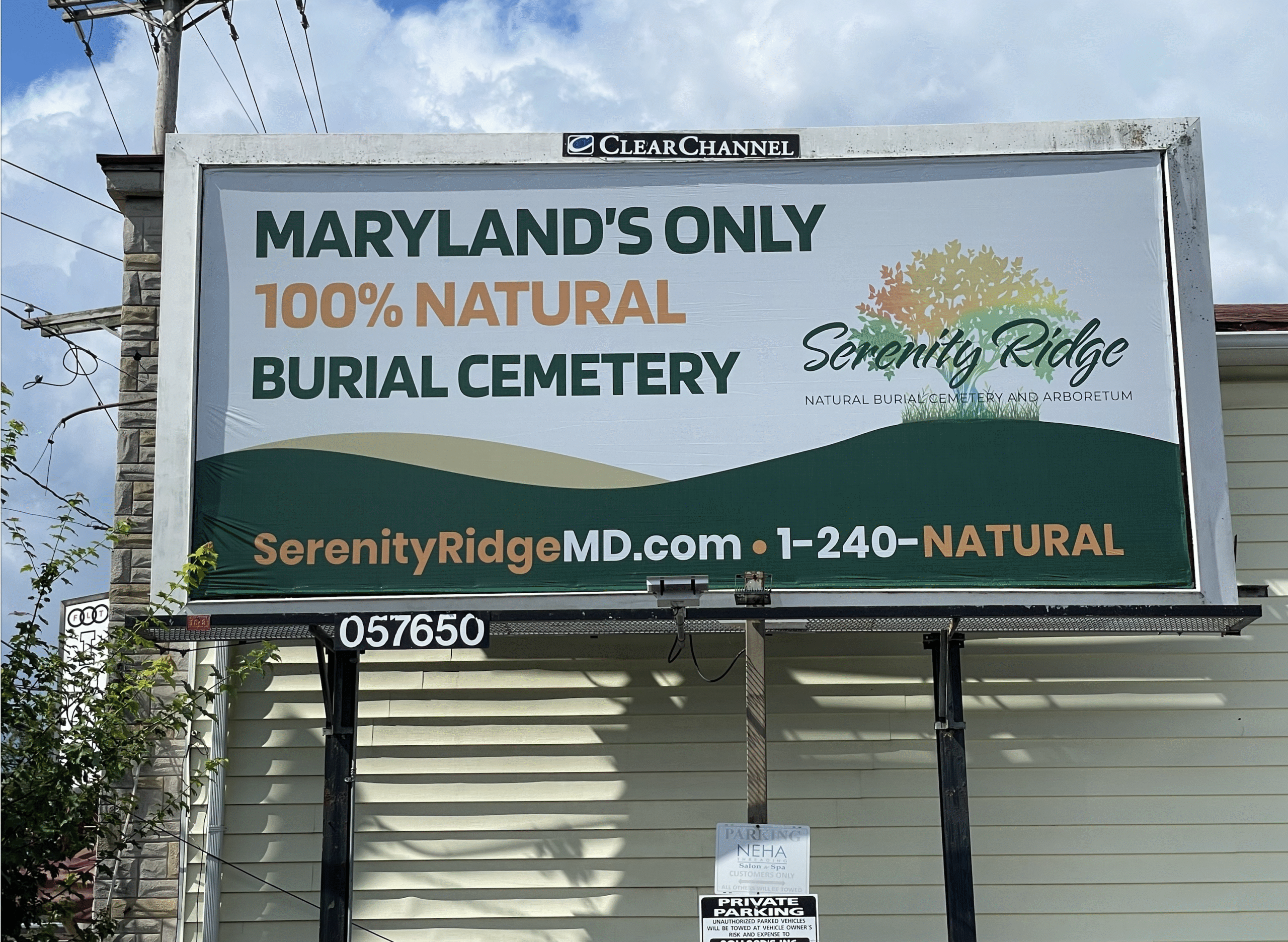
Achieving success with cross-channel marketing is harder when the category doesn’t exist yet. In October 2022, Serenity Ridge opened as Maryland’s only natural burial cemetery with no audience and no prior market awareness. Silesky Marketing built both from scratch. By August 2024, the campaign had produced more than 200 burials and an email list of 1,077 subscribers. Open rates ran between 50 and 70 percent, and organic search drove more than half of all site traffic. What Cross-Channel Marketing Actually Requires Cross-channel marketing requires that different channels reinforce one another rather than operate independently. Most marketing plans fail because they concentrate resources on one channel and call it a strategy. The average buyer needs multiple exposures across different contexts before taking action. Cross-channel marketing distributes those exposures deliberately across formats and environments. The aim isn’t omnipresence but intentional presence, where each channel builds on what the last one started. Why a Single Channel Can’t Do the Job Alone A business running only paid social ads reaches people in one mindset and one context. A geographically matched billboard adds physical presence and makes the brand feel familiar. When direct mail arrives in the same zip code, that familiarity deepens into something that feels deliberate. Those three formats together accomplish what none of them could do alone. The Serenity Ridge case runs the same principle across six channels and two years. The results were earned, not assumed, and the question of how requires unpacking each stage.   How Serenity Ridge Launched with No Audience and No Category Serenity Ridge launched by building category awareness before building brand awareness. As Maryland’s only natural burial cemetery, it entered a market where most residents had never encountered the service. Before demand could exist, the market needed to know the category existed at all. The Challenge of Marketing a Service Most People Haven’t Considered Natural burial is legal, regulated, and practiced across the country, but public awareness in Maryland was limited. Most residents had little sense of what natural burial actually involves [LINK: https://www.greenburialcouncil.org/what-is-green-burial/ | anchor: “what natural burial actually involves”]. Questions about legality, cost, and religious compatibility came up in the early stages. The marketing plan had to address all three before it could ask anyone to consider Serenity Ridge. Three barriers Silesky Marketing identified at the start: Most Maryland residents had no prior exposure to natural burial as an option Addressing religious and cultural objections required respectful, specific answers Pricing clarity, compared to traditional burial, needed to be built into the messaging Silesky Marketing addressed all of this through content, educating the audience before pitching the service. That approach positioned Serenity Ridge as a credible, thoughtful resource rather than a cemetery looking for customers. How the Cross-Channel Strategy Was Built The strategy ran across six distinct channels over two years. Each launched at a different stage based on the audience’s readiness and the campaign’s overall arc. Channel Launch Timing Primary Goal Social media advertising Pre-launch, before October 2022 Build brand awareness from zero Print and direct mail Late 2023 Reach offline and older demographics Billboards October 2023 Geographic visibility in target zip codes On-page SEO and blogging December 2023 Build long-term organic search presence Email marketing 2023 onward Nurture and maintain subscriber engagement Social Media Came First Social media advertising launched before Serenity Ridge’s grand opening, and that timing was deliberate. Building an audience before the doors opened meant the business had people to convert from day one. Content across the early campaign covered: Posts explaining what natural burial is, why it’s legal, and how it works Early testimonials from families who chose Serenity Ridge Answering misconceptions about cost and religious compatibility with factual content Deeply personal stories that connected the cemetery’s mission to real Maryland lives By Spring 2023, engagement metrics were climbing. By Spring 2024, those numbers had tripled. Print, Mail, and Billboards Extended the Reach Offline channels launched in late 2023 to reach audiences with limited digital presence. Direct mail went to 15,000 households across targeted Maryland zip codes. Billboards launched that October in areas that overlapped with those same mail zones. The overlap meant a household might receive a mailer and drive past a Serenity Ridge billboard that same week. Howard Berg, Serenity Ridge’s owner, appeared on Fox45 News during this period. That exposure added a layer of credibility that no paid placement could replicate. SEO and Email Created Long-Term Engagement On-page SEO launched in December 2023. Silesky Marketing used Google Analytics to track performance and refine the content strategy as the campaign matured. Throughout 2024, organic search consistently accounted for more than 50 percent of Serenity Ridge’s total traffic. That figure reflects keyword optimization, informative landing pages, and regular blogging. Email marketing built steadily alongside the SEO work, and by August 2024 the list held 1,077 subscribers. Open rates ran between 50 and 70 percent, well above industry averages for comparable campaigns [LINK: https://mailchimp.com/resources/email-marketing-benchmarks/ | anchor: “industry averages for comparable campaigns”]. What Achieving Success with Cross-Channel Marketing Looks Like Achieving success with cross-channel marketing depends on coordination, not just channel count. The Serenity Ridge campaign wasn’t exceptional because of the channels it used. It was exceptional because of how those channels were coordinated and sequenced. Why Coordination Beats Concentration The difference between a scattered multichannel effort and a campaign that compounds is how the channels are staged. Direct mail and billboards worked better together than either would have alone. Social media built familiarity while email deepened it, and SEO turned that accumulated attention into a permanent, searchable asset. Multichannel campaigns consistently outperform those built around one channel. What made this strategy work: Each channel launched at a deliberate point in the sequence rather than all at once Overlapping geographic zones connected offline and online placements Addressing the same core objections across channels kept the message coherent What the Results Showed After Two Years Two years of coordinated multichannel marketing produced measurable growth across every channel Silesky Marketing ran. The Numbers Across All Channels Metric Result Burials completed 200+

Why Direct Mail Creates a Lasting Impression

Direct mail remains a powerful marketing tool because it creates a lasting impression by engaging the senses, fostering personal connections, and delivering tangible content that resonates. While digital marketing dominates, direct mail allows businesses to connect with their audience in a unique and memorable way. For companies aiming to stand out in a crowded market, understanding the lasting impact of direct mail can be the key to building stronger, more enduring relationships with customers. Let’s explore how this traditional approach continues to significantly impact modern marketing strategies. Why Direct Mail Marketing Benefits Are Still Relevant In a world increasingly driven by digital interactions, direct mail holds its ground by offering a tangible experience that engages multiple senses. The tactile nature of direct mail—feeling the paper, seeing vibrant colors, and even sensing the weight—creates an immediate and memorable connection. This is something that digital communications, which often rely solely on visual elements, struggle to achieve. People tend to associate physical mail with importance, making them more likely to engage with its content than with an easily overlooked email or online ad. Direct mail also benefits from a higher perceived value. The act of receiving something in the mail often conveys a sense of personal importance. Unlike emails that can be ignored or deleted with a click, physical mail encourages recipients to take a moment to explore the content, increasing the likelihood of meaningful engagement. As a result, direct mail not only reaches your audience but resonates with them, enhancing the overall effectiveness of your marketing efforts. The Lasting Impact of Direct Mail in an Overwhelmed Market With the digital world teeming with ads, emails, and notifications, consumers are constantly bombarded with information. Amidst this digital noise, direct mail offers a refreshing break that demands attention. Unlike a fleeting online ad or a disposable email, direct mail arrives at a recipient’s home or office and physically occupies their space, making it difficult to ignore. This tangibility ensures that your message stands out in an environment where digital content often gets lost. Furthermore, the staying power of direct mail adds to its lasting impact. While a digital ad disappears in seconds, a piece of direct mail lingers—whether pinned to a board, placed on a desk, or stored for later use. This physical presence ensures your message is seen multiple times, helping create a lasting memory associated with your brand. Direct mail serves as a continuous reminder of your brand, helping to keep your company top-of-mind long after the initial point of contact. Building Personal Connections Through Direct Mail Direct mail excels in building personal connections, an area where digital marketing often falls short. By personalizing direct mail with the recipient’s name, tailored offers, or even a handwritten note, businesses can create a deeper sense of connection. This level of personalization makes recipients feel valued, increasing their likelihood of responding positively to your message. Furthermore, the creativity that direct mail allows can enhance these personal connections. From choosing unique shapes and sizes to incorporating special finishes like embossing or foil stamping, the possibilities for customization are nearly endless. These creative touches make the mailer stand out and communicate that your brand is willing to go the extra mile. As a result, the emotional bond with your audience strengthens, making your brand more memorable. Effective Direct Mail Strategies That Lead to Success Success in direct mail marketing requires strategic planning, starting with targeted outreach. Identifying and understanding your audience is critical. By segmenting your audience based on demographics, past interactions, or buying behaviors, you can tailor your message to those who are most likely to respond. This precision improves conversion rates and ensures your marketing dollars are well-spent. Additionally, integrating direct mail with digital campaigns can amplify its effectiveness. For instance, including a QR code in your direct mail that leads to a personalized landing page bridges the physical and digital worlds. This multi-channel approach provides a cohesive experience for the recipient, enhances engagement, and allows you to track the effectiveness of your campaign with measurable data. Direct Mail: Tangibility Meets Emotional Engagement The physical nature of direct mail gives it an edge in emotional engagement. In a world saturated with virtual interactions, receiving something tangible can evoke a strong emotional response. Whether it’s the texture of the paper, the surprise of an unexpected gift, or the joy of receiving a personalized message, direct mail can create a memorable experience that resonates emotionally with the recipient. This emotional engagement often extends beyond the initial interaction. When a piece of direct mail evokes a positive emotion, it helps build a favorable association with the brand. This positive sentiment can translate into stronger brand loyalty and long-term customer relationships. For businesses, this means direct mail is not just about immediate results but about building lasting connections that can drive future success. Going Forward: Direct mail continues to be an effective tool for creating lasting impressions in a marketing landscape dominated by digital channels. Its ability to engage the senses, create personal connections, and deliver tangible experiences makes it a valuable component of any marketing strategy. For businesses like Silesky Marketing, incorporating direct mail can lead to stronger customer relationships and more impactful marketing efforts. By leveraging the unique strengths of direct mail and integrating it with other marketing channels, companies can create memorable experiences that resonate with their audience long after the mail has been delivered.

The Human Element in Event Promotion

Promoting an event often brings to mind images of targeted ads, social media campaigns, and email marketing blasts. While these tools are undeniably effective, there’s a crucial component that can make or break the success of an event: the human element. Incorporating the human element in event promotion can enhance engagement and attendance, making your events stand out. At Silesky Marketing, we believe in leveraging the power of human connections to create memorable and successful events. Integrating a personal touch into your event promotion strategies can significantly enhance engagement and attendance. Understanding the Human Element in Event Promotion The human element in event promotion refers to personal, authentic interactions that foster genuine connections with the audience. This approach goes beyond traditional marketing tactics, emphasizing empathy, trust, and engagement. By prioritizing the human element, event promoters can create a more relatable and inviting atmosphere. This encourages attendees to feel more connected to the event and its purpose. Incorporating the human element means focusing on the emotional aspects of your event. Emotional engagement can significantly impact an attendee’s decision to participate. When people feel emotionally connected to an event, they are more likely to attend and become active participants. This connection can be established through various strategies, including personalized communication, storytelling, and interactive content. The Importance of Personal Touches in Event Promotion Adding a personal touch to event promotion significantly enhances the overall experience for potential attendees. Personalized messages, tailored content, and direct interactions make individuals feel valued and appreciated. When people feel a personal connection to an event, they are more likely to attend and participate actively. This approach not only boosts attendance rates but also fosters a sense of community and loyalty among attendees. Personalized messages show attendees they are valued. Tailored content makes promotions more relevant. Direct interactions foster stronger connections. Furthermore, personal touches can create memorable experiences. These experiences not only encourage initial attendance but also inspire repeat participation in future events. By consistently delivering personalized experiences, you build a loyal audience that eagerly anticipates your events. Leveraging Social Media for Human-Centric Promotion Social media platforms are powerful tools for event promotion, but their true potential is unlocked when used to foster human connections. Therefore, engage with your audience by responding to comments, sharing user-generated content, and hosting live sessions. These interactions create a sense of community and make your audience feel heard and valued. Additionally, behind-the-scenes content and personal stories related to the event can humanize your brand and make it more relatable. Respond to comments to show attentiveness. Share user-generated content to build community. Host live sessions to engage directly with your audience. To further enhance engagement, consider creating exclusive social media groups or pages for your event. These platforms can serve as spaces for attendees to connect, share experiences, and build anticipation. Regularly updating these groups with event news, sneak peeks, and interactive posts keeps the audience engaged and excited. The Role of Storytelling in Event Promotion Storytelling is a powerful way to incorporate the human element into event promotion. Sharing stories that resonate with your audience creates an emotional connection, making your event more memorable. Whether it’s the story behind the event, testimonials from past attendees, or narratives highlighting the event’s impact, storytelling can transform a promotional campaign into an engaging and inspiring experience. Share the story behind the event. Include testimonials from past attendees. Highlight the event’s impact through narratives. Consider utilizing various formats to tell your stories. Videos, blog posts, podcasts, and social media posts can all be effective mediums for storytelling. Using a mix of formats can reach different segments of your audience and keep the promotional content fresh and engaging. Personalized Invitations and Direct Communication Sending personalized invitations and engaging in direct communication with potential attendees can make a significant difference in event promotion. Personalized emails, messages, and even phone calls convey a sense of importance and exclusivity. This approach shows that you value each attendee individually, increasing the likelihood of their participation. Additionally, direct communication allows for immediate feedback and questions, fostering a more interactive and responsive promotional process. Send personalized emails to make attendees feel special. Use direct messages to engage personally. Make phone calls for a more direct approach. Additionally, consider segmenting your audience to tailor invitations more effectively. By understanding the unique preferences and interests of different segments, you can craft invitations that resonate more deeply. This segmentation can lead to higher response rates and a more engaged audience. Building Trust Through Authentic Interactions Authenticity is key to building trust with your audience. Authentic interactions, whether online or in person, establish credibility and reliability. Be transparent about your event’s goals, what attendees can expect, and how they will benefit. Authenticity builds trust, which in turn encourages more people to engage with and attend your event. Trust is the foundation of any successful relationship, including those formed through event promotion. Be transparent about event goals. Clearly outline what attendees can expect. Highlight attendee benefits to build trust. Transparency should extend to all aspects of your event. From pricing and schedules to speaker information and event logistics, clear and honest communication helps manage expectations and builds a foundation of trust. Attendees are more likely to commit to an event when they feel informed and assured. Utilizing Influencers and Brand Ambassadors Influencers and brand ambassadors play a crucial role in adding a human element to your event promotion. These individuals often have a loyal following and can authentically promote your event through their personal experiences and endorsements. Partnering with influencers who align with your event’s values and target audience can amplify your reach and enhance credibility. Their genuine recommendations can significantly impact attendance and engagement. Partner with influencers who align with your event’s values. Use brand ambassadors to reach a loyal audience. Leverage personal endorsements to build credibility. It’s also beneficial to involve influencers and brand ambassadors in the planning stages of your event. Their insights and feedback can help shape the event to better meet the needs

How to Use Leap Year as a Creative Marketing Advantage

Advertising thrives on seizing unique moments and turning them into golden opportunities. Leap year, a marketing goldmine, gifts us an extra day on February 29. Which, is one such moment ripe for innovative marketing strategies. It’s a time when using advertising to your advantage during a leap year can truly make a brand stand out and deepen customer engagement. As we delve into the world of leap year promotions, we’ll uncover the power of strategic planning, the spark of creativity, and the impact of using a mix of marketing channels effectively. The Essence of Leap Year Let’s start by understanding the leap year’s basic concept. A leap year happens every four years to keep our calendar in sync with the Earth’s orbit around the Sun, adding an extra day. In fact, the leap year’s rarity makes it a curious phenomenon that naturally draws attention. For advertisers, this is like a blank canvas, ready to be transformed into a memorable campaign. Using this day wisely can significantly enhance brand recall and foster deeper customer engagement. The Novelty Factor Adding the leap year to your marketing strategy introduces a layer of novelty. This can effectively break through the noise of traditional advertising, offering a fresh perspective that captivates the audience’s interest. Engaging consumers with something as unique as a leap year can spark conversations, making your brand a part of those discussions. Planning Your Leap Year Strategy A successful leap year campaign starts with careful planning and a touch of creativity. Setting clear objectives and timing your campaign to perfection can make all the difference, turning this additional day into a powerful marketing tool. Goal Setting First, define your campaign’s aims. It could be anything from boosting sales, increasing online traffic, to enhancing brand awareness. These goals will guide every decision you make. The Element of Anticipation Building anticipation is key. Consider rolling out teasers leading up to February 29th. This creates a sense of excitement and curiosity around what your brand is planning, ensuring your audience is eagerly waiting for the big reveal. A Unique Approach Don’t shy away from thinking outside the box. Leap Year; a Marketing Goldmine is unique, and your campaign should mirror this uniqueness. Whether it’s through innovative offers, engaging storytelling, or interactive campaigns, make sure your approach is as distinctive as the day itself. Maximizing Impact with Cross-Channel Marketing The leap year campaign’s success heavily relies on the seamless integration of multiple marketing channels. This strategic approach ensures your message is consistent and engaging and reaches your audience wherever they are. Digital Footprint In today’s digital age, having a strong online presence is non-negotiable. Tailor your digital marketing efforts to include leap year-themed email campaigns, engaging social media posts, and interactive web content. Each digital touchpoint is an opportunity to connect and engage with your audience. The Power of Personalization Leveraging data to personalize your marketing messages can significantly increase engagement. Use customer data to tailor your leap year messages, making each interaction feel exclusive and directly relevant to the individual recipient. Bridging the Offline and Online Worlds Don’t limit your leap year campaign to online channels. Integrating offline strategies, like in-store promotions or events that complement your online efforts, can create a cohesive and immersive brand experience for your customers. Innovative Leap Year Campaign Ideas Creativity is at the heart of memorable leap year campaigns. Here are a few ideas to inspire your next leap year marketing initiative: “Leap Into Savings” Deals Offer special “leap into savings” discounts that are valid only on February 29. This creates a sense of urgency and exclusivity, encouraging customers to take advantage of these once-in-four-years deals. Engagement-Driven Contests Host a leap year-themed contest that encourages user-generated content. For instance, ask your audience to share how they’re making the most of the extra day with a specific hashtag. This not only boosts engagement but also increases your brand’s visibility. Storytelling with a Twist Use the leap year as a storytelling framework to highlight your brand’s journey, growth, and evolution. Share stories of resilience, milestones achieved, or how your brand plans to leap forward. This can create a deeper emotional connection with your audience. Additional Sections for a Comprehensive Strategy Leveraging Leap Year for B2B Marketing For B2B companies, the leap year presents an unparalleled opportunity to strengthen business relationships. Tailor your messaging to emphasize long-term growth and partnership, reflecting the additional time the leap year symbolizes. Hosting exclusive webinars or roundtables on February 29 can position your brand as a thought leader, offering valuable insights that resonate with the leap year’s theme of growth and advancement. Sustainability and Social Responsibility Align your leap year campaign with sustainability efforts or social responsibility initiatives. This not only elevates your brand’s image but also resonates with consumers increasingly valuing ethical and sustainable practices. A campaign focused on planting trees for every purchase made on February 29, for example, can effectively combine marketing objectives with social impact. Technological Innovation The leap year advertising is a chance to showcase your creativity. In particularly, take this moment to showcase product development or a new service offering. Launching a new app, new technology, new team members, will all underscore your brand’s commitment to progress and creativity. Highlighting how these advancements make a difference in your customers’ lives aligns perfectly with the leap year’s theme of taking a significant leap forward. Wrapping Up Leveraging leap year advertising is about embracing the uniqueness of the occasion with creativity and strategic planning. By setting clear objectives, utilizing a cross-channel approach, and crafting innovative campaigns, brands can turn this extra day into a powerful marketing opportunity. Whether it’s through personalized messaging, sustainability initiatives, or showcasing technological advancements, the leap year offers a myriad of ways for businesses to connect with their audience, drive engagement, and achieve their marketing goals. Remember, the leap year is not just another day; it’s a chance to make your brand leap ahead in the minds and hearts of your consumers.

How Vehicle Branding Keeps Your Business Top of Mind

Marketing changes constantly. Meaning, the vehicles we use to catch the eye of your target audience. In fact, we often use a mix of old and new strategies. The key is to stay present in your target audience’s mind. In our opinion, when you drive your brand around town, like our client, Defender One Security, you leave an impression. We’ll delve into cross-channel marketing in this blog. For now, understand that the right approach is always to build lasting relationships with your audience both while interacting directly and when riding around town. Increasing Brand Identity To truly understand your brand, you need to look beyond its basic values and what makes it unique. It’s about exploring the stories that link your brand to its audience. These stories should touch people personally. A compelling narrative can transform a simple product into a cherished part of daily life. A skilled branding agency can find these stories and blend them into your marketing. This makes your brand feel more real on every platform. Every time people interact with your brand, they’ll get a sense of its identity and values. Craft a Target Audience Persona Knowing your audience is more than just numbers and facts. It’s about getting to know their daily lives, struggles, and dreams. When you create detailed profiles of each target audience, your marketing speaks directly to them. In fact, this personalized approach boosts engagement and forges deeper emotional bonds with your brand. It’s like having a conversation with a friend rather than a faceless entity. We promise — it makes your marketing more powerful and more effective. Master Cross-Channel Marketing Marketing is about a consistent brand experience at every point of contact. We call this cross-channel marketing. Your message stays the same but fits each channel’s style and strengths. Moreover, this approach makes your brand more memorable and improves the customer journey. Consistency is key! Afterall, consistency in marketing reassures customers that they can expect the same quality and service wherever they encounter your brand. Your brand’s message will be unified, whether people find you online or in person. Elevate Your Digital Storefront Your website is more than a marketing tool; it’s your brand’s home online. Building an advanced website means creating experiences that draw your target TO you! You’ll want professional, mobile design, easy navigation, and content that people want to read. In addition, your website needs to be present in all of your marketing. Driving your brand around town? Include your website. This ensures everyone knows how to reach your storefront quickly and effortlessly. Promote Your Message Through Social Media The minute you wrap your vehicle, don’t forget to promote it on your social channels. Again, your target audience should not only see you drive around town, be able to search your domain to your storefront, but also communicate directly with you on social media. Social helps communicate with your customers in real time. You can ask questions, craft a survey, post images, and tailor your marketing to the way they engage with your brand. Social media gives you insights to fine-tune your marketing across the other channels and more personally engage with your audience. New Marketing, Same Strategy The Power of Influencer Marketing By now, you’ve heard of Influencer Marketing. But, you might wonder what you can do to engage this type of marketing for your business. Well, let’s consider service providers like professional security companies or law firms.  Influencer marketing might require some intense creativity due to the nature of these industries, but, we have some ideas: Influencers have thousands, sometimes millions, of followers. When their values align with your services, influencers can bring business to your website, and your storefront. Influencers know how to educate their followers and keep them engaged. So, for example, if you are a lawyer offering Workers Comp legal services, the right influencer, who experienced a workers comp claim, can speak to your services and point prospects in your direction. Influencers humanize your brand by not being officially connected to your business. Influencers often have niche audiences based on specific interests, like “wear n carry” rights, or “construction workers,” etc. Overall, while influencer marketing might not be the most traditional approach for service providers, it can still be a powerful tool for reaching new clients. Working with local influencers makes your brand seem more genuine. These people have the trust of your target audience. This strategy can really boost your brand’s visibility and trustworthiness. It encourages engagement and builds a community around what you offer. Ensuring Continuous Improvement Making your brand known locally is an ongoing task. It involves regular checks, learning from data, and making your marketing better. Talking with your audience, hearing their opinions, and staying up-to-date with local happenings can give you great ideas for future campaigns. This process keeps your marketing fresh and effective, keeping your brand in the minds of your local audience. Partnering for Success Teaming up with a full-service marketing agency gives you the know-how and tools to deal with today’s marketing challenges. These partnerships offer a range of skills and tech, from smart analytics to creative design. They make sure every part of your brand’s marketing is the best it can be. Customer Engagement Techniques Engaging with customers is the heart of building a local brand. It’s about creating a two-way conversation that feels genuine and rewarding. In this section, we’ll look at two key techniques that can help you connect with your audience in meaningful ways. Utilizing Interactive Content Interactive content is a dynamic way to captivate your audience. Quizzes, polls, and interactive infographics invite your audience to participate rather than just observe. This active participation makes your brand more memorable and can provide valuable feedback. Embracing Customer Feedback Listening to your customers is crucial. Encourage them to share their thoughts through surveys, reviews, and social media. This feedback is gold—it helps you understand what they love and what can be improved. By acting on this feedback, you show that you

Kiki DeVane

Marketing Operations Manager

Kiki started her career wanting to change the world through policy, then discovered that a well-built website could be just as powerful. That pivot led her through event marketing, federal communications, and sponsored content for some of the world’s most recognizable brands. She came out the other side a marketing utility player, skilled across strategy, design, development, and copywriting, allowing her to support client campaigns from the front and behind the scenes.

At Silesky, she’s the connective tissue, keeping projects moving, clients informed, and the team empowered to focus on what they do best. What sets Kiki apart is her ability to move fluidly between the operational and the creative without losing momentum in either direction. Whether she’s architecting a workflow, shaping a campaign, or jumping in on a deliverable, she brings the kind of range that elevates every project and strengthens the team around her.

A systems thinker with a creative soul, Kiki brings order to complexity and a genuine investment in seeing the work land the way it should.

Aizaz UI Hassan

Web Developer & Graphic Designer

Aizaz has been the driving force behind Silesky’s web development for over five years. As both a graphic designer and UI/UX developer, he brings a rare mix of technical precision and creative clarity to every project.

What sets Aizaz apart is his ability to understand and interpret the assignment—no extra hand-holding, just sharp instincts and calm professionalism. When timelines are tight and expectations are high, Aizaz is the teammate you want in your corner.

Creative and detail-oriented, Aizaz builds clean, modern websites that marry style with substance. From intuitive flows to scalable layouts, his work consistently delivers digital experiences that perform as well as they look.

With every project, Aizaz ensures the design feels effortless for users and does the heavy lifting for the brand.

Sue Hilger, MBA

Chief Growth Strategist

As Chief Growth Strategist at Silesky Marketing, Sue plays a key role in expanding the agency’s client base while cultivating long-term partnerships grounded in trust, collaboration, and measurable success. She works closely with organizations to help them meet their business goals—and then go beyond them—through smart, scalable marketing strategies.

With an MBA and deep expertise in both B2B and B2C environments, Sue bridges the gap between strategic planning and hands-on execution. She guides clients through Silesky’s end-to-end process, beginning with in-depth discovery and needs assessments and continuing through branding, messaging, digital advertising, and campaign rollout.

Sue is focused on long-term impact. Many of Silesky’s client relationships span decades, which speaks to her ability to integrate seamlessly, think strategically, and consistently deliver results. For Sue, every engagement is more than a project—it’s a partnership.

Mya Stengel

Content Developer & Video Editor

Mya brings the heart of a storyteller and the precision of a screenwriter to every project. With a background in Hollywood scriptwriting—particularly in the horror genre—she understands how to build intrigue, capture attention, and deliver a message that lands with impact.

A lifelong book lover turned brand storyteller, Mya has a gift for finding each client’s voice and shaping it into something authentic and memorable. Whether she’s writing SEO-driven blog content, editing silent video loops, or cutting together a punchy hero reel, she focuses on what makes a brand distinct and brings it to life with clarity and emotion.

From blog posts to behind-the-scenes edits, plot twists to punchlines, Mya’s work helps brands connect more deeply and tell stories that resonate.

Ashelin Walker

Digital Marketing Strategist

Ashelin is a digital marketing strategist who blends technical know-how with creative insight. At Silesky Marketing, she turns strategy into results—helping clients attract the right leads, connect with their audience, and strengthen their online presence.

She designs high-converting landing pages, launches targeted email campaigns, manages CRM platforms, and creates on-brand video content that performs. From big-picture planning to the freckles of a campaign, Ashelin brings cohesion to the chaos and keeps every piece pulling in the right direction.

What sets Ashelin apart is how seamlessly she connects the tactical to the strategic. She doesn’t just check boxes—she makes sure every effort ladders up to a larger goal. Her work helps clients show up in the right places, with the right message, at the right time.

Susi Silesky

Founder & Brand Architect

As the founder of Silesky Marketing, Susi brings more than 30 years of brand strategy and marketing expertise to the table. Her experience spans ambitious startups, global enterprises, nonprofits, and household-name retailers.

Susi is most energized when she’s helping business owners find their voice, shape their story, and build a brand that reflects their vision and gets the results they deserve.

What sets her apart is her deep understanding of entrepreneurs. She’s built a career not just on strong campaigns, but on building genuine relationships. That blend of empathy and expertise is what makes her work both effective and meaningful.

Susi has led successful marketing initiatives across industries—from healthcare and legal to real estate, B2B tech, and pharma. She’s fluent in French, conversational in Spanish, and skilled at translating complex ideas into clear, compelling brand stories.