Posts

How Hashtags Expand Your Social Media Reach and Brand Visibility

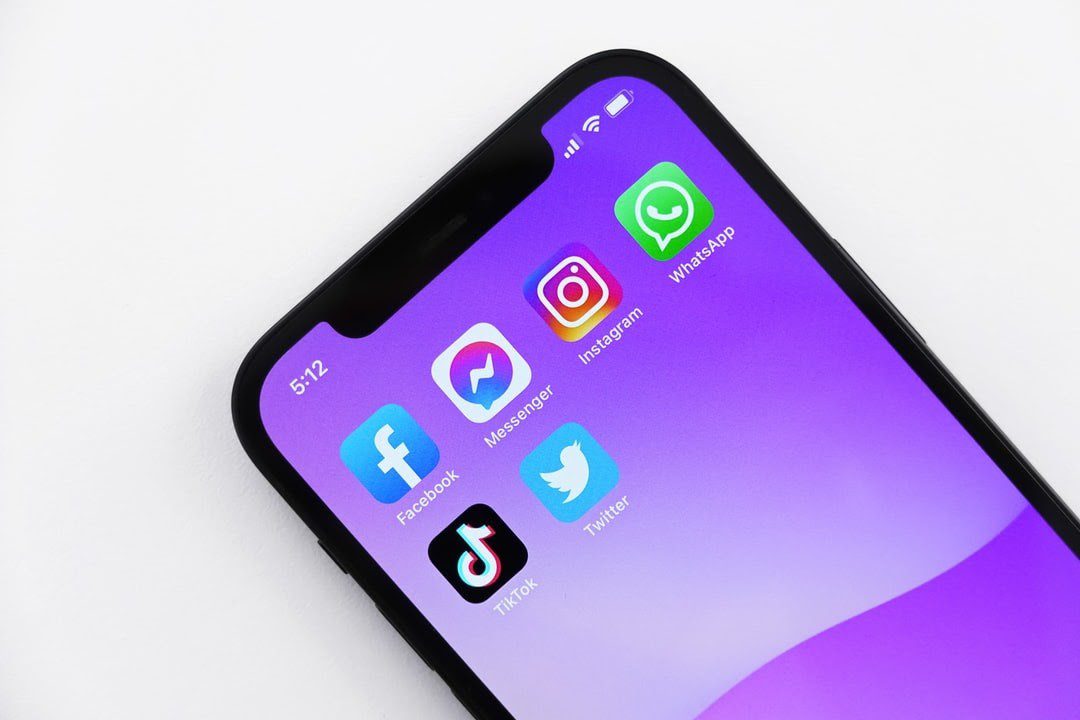
In the era of social media dominance, hashtags have become a fundamental element of digital marketing. These simple yet powerful tools help businesses expand their online reach, increase brand visibility, and engage with a broader audience. Understanding Hashtags So, before diving into their marketing potential, let’s clarify what hashtags are. Hashtags are keywords or phrases preceded by the ‘#’ symbol. They categorize and group content across social media platforms, making it easier for users to find and engage with specific topics and trends. Why They Matter a. Enhanced Visibility: One of the primary benefits of using hashtags in marketing is the increased visibility of your content. In fact, when you include relevant hashtags in your posts, your content becomes discoverable to a wider audience beyond your immediate followers. b. Targeted Marketing: Target specific demographics, interests, and trends using this strategy. For instance, if you’re a fitness brand, using #FitnessMotivation or #HealthyLiving can help you reach individuals interested in your niche. c. Brand Recognition: Creating a unique branded hashtag can help build brand recognition and user-generated content. Encourage your audience to use it when sharing their experiences with your products or services. d. Monitoring Conversations: You can monitor conversations around relevant hashtags to gain insights into customer sentiments, market trends, and competitor activities. Strategies for Effective Use in Marketing a. Research and Choose Wisely: Invest time in researching and selecting the most relevant and trending hashtags for your industry or campaign. Tools like Hashtagify, Trendsmap, and social media analytics can assist in identifying popular hashtags. b. Create Branded Hashtags: Develop a unique hashtag that represents your brand or campaign. Make it memorable, easy to spell, and relevant to your message. Encourage your audience to use it and engage with your brand. c. Keep It Concise and Specific: While you can use multiple hashtags in a post, avoid overloading your content with them. Therefore, focus on a few specific and highly relevant ones to maintain readability and engagement. d. Stay Current: Social media trends evolve rapidly, so stay updated on popular and trending hashtags within your industry. Timeliness is crucial for maximizing engagement. e. Monitor and Engage: Actively monitor your hashtags to respond to user-generated content and engage with your audience. Encourage discussions, answer questions, and show appreciation for user contributions. f. Cross-Platform Consistency: Ensure consistency across different social media platforms. Afterall, this creates a unified brand presence and makes it easier for users to find your content. Measure and Adjust To assess the effectiveness of your hashtag strategies, use social media analytics tools to track engagement, reach, and user interactions. Analyze which ones generate the most engagement and refine your approach accordingly. Hashtags are not just a passing trend in digital marketing; they are an integral part of a successful online strategy. When used strategically, they can boost your brand’s visibility, engage your target audience, and help you stay connected to the ever-evolving landscape of social media trends. So, don’t underestimate the power of the pound sign – start incorporating it into your marketing efforts today. Looking for help with social media? Contact Silesky Marketing today!

Threads: The Next Evolution in Social Media

The world of social media is constantly evolving. In recent years, we’ve seen a shift towards platforms that prioritize meaningful connections and engaging discussions over endless scrolling and shallow interactions. One such platform that has gained significant attention is “Threads.” Threads is not just another social media platform; it’s a refreshing take on how we connect, share, and communicate in the digital age. The Birth of Threads Threads emerged in response to growing concerns about the negative effects of traditional social media platforms. The founders recognized that many existing platforms were contributing to social isolation, misinformation, and the erosion of genuine human connections. They set out to create a platform that would address these issues and foster a more positive and productive online environment. Key Features Focused Conversations: The platform encourages users to engage in meaningful conversations rather than mindless scrolling. Instead of a cluttered feed, the platform centers around topic-based threads where users can discuss specific subjects. This approach promotes in-depth discussions and reduces the noise commonly found on other social media platforms. Anonymity and Civility: Threads places a strong emphasis on civil discourse. Users have the option to engage anonymously in discussions, which can reduce fear of judgment and promote open dialogue. The platform also employs advanced moderation tools to maintain a respectful and safe environment for all users. Customizable Feed: Unlike traditional social media, this app doesn’t bombard users with algorithmically-curated content. Instead, users have more control over their feed, selecting topics and threads they’re interested in, ensuring a more tailored and relevant experience. Quality Over Quantity: Threads measures success not by the number of likes or followers but by the quality of conversations. Users are encouraged to contribute thoughtfully to discussions, fostering a more supportive and informative community. Verified Expertise: To combat the spread of misinformation, Threads introduces a system for verifying users with expertise in specific fields. This allows users to identify credible sources of information and promotes fact-based discussions. Impact This platform has already made significant waves in the social media landscape. Here are some reasons why it’s garnering so much attention: A Return to Authenticity: Threads brings back the authenticity that has been lacking on many mainstream platforms. Users are more likely to engage genuinely when they can discuss topics they are passionate about with like-minded individuals. Reduced Polarization: By encouraging civil discourse and verified expertise, Threads aims to bridge the gap between differing viewpoints and reduce the polarization that has become all too common on other platforms. Enhanced Well-being: The reduced emphasis on metrics like likes and follower counts can positively impact users’ mental well-being. It promotes a healthier relationship with social media by focusing on quality interactions rather than popularity contests. A Source of Reliable Information: In an era of rampant misinformation, Threads’ commitment to verified expertise provides a platform where users can find credible information and sources. Threads represents a promising step forward in the evolution of social media. By fostering meaningful conversations, promoting anonymity where needed, and emphasizing civility and expertise, Threads is addressing many of the concerns that have plagued traditional social media platforms. While it may not replace existing platforms entirely, it offers a compelling alternative for those seeking a more thoughtful and productive online experience. As Threads continues to grow, it has the potential to reshape how we connect and communicate in the digital age, putting the focus back on genuine human interactions and informed discussions.

The Marketing Trends and Industry News Reshaping Business Strategy

Staying informed about the latest marketing trends, technologies, and industry news is crucial for success. With the ever-changing landscape, marketing professionals need to proactively adapt and rise to the occasion. Let’s explore some of the recent developments that are shaping the marketing industry. Conversational Marketing Conversational marketing, powered by chatbots and messaging platforms, is gaining popularity as a personalized and real-time way to engage with customers. Brands are leveraging AI-driven chatbots to deliver instant responses, gather customer insights, and guide users through the buying journey. Moreover, this trend highlights the importance of providing seamless and interactive experiences that mirror natural conversations. Privacy and Data Regulations With growing concerns about data privacy and security, new regulations like the General Data Protection Regulation (GDPR) and the California Consumer Privacy Act (CCPA) are reshaping how marketers collect, store, and utilize consumer data. Adhering to these regulations is not only a legal requirement but also an opportunity to build trust and transparency with customers. Video Marketing Evolution Video content continues to dominate as a preferred form of communication. Short-form videos on platforms like TikTok and Reels are captivating younger audiences, while live streaming and interactive videos foster engagement and authenticity. Marketers are discovering innovative ways to tell their brand stories through video, catering to diverse audience preferences. Sustainability and Social Responsibility Consumers are increasingly drawn to brands that align with their values. Sustainability has become a significant consideration. Again, brands that prioritize environmental responsibility and social impact are increasingly resonating with conscious consumers. Incorporating sustainability into your marketing strategy can not only attract a loyal customer base but also contribute to positive change. Voice Search and Smart Speakers The rise of voice assistants like Amazon’s Alexa, Google Assistant, and Apple’s Siri is changing the way people search for information and make purchase decisions. Optimizing content for voice search requires understanding natural language queries and delivering concise, valuable answers. This trend underscores the importance of adapting SEO strategies to include voice search optimization. Augmented Reality (AR) and Virtual Reality (VR) AR and VR technologies are opening up new avenues for immersive customer experiences. Brands are using AR to allow customers to visualize products in their real-world environments before purchasing. VR is being utilized for virtual try-ons, interactive storytelling, and virtual events. Incorporating these technologies can create memorable and engaging interactions with your audience. Remote Work and Digital Collaboration COVID-19 accelerated the shift towards remote work and digital collaboration tools. Marketing teams everywhere are embracing virtual collaboration platforms for brainstorming, content creation, and project management. Indeed, flexibility in work arrangements is likely to remain a significant aspect of the marketing industry, enabling teams to collaborate seamlessly from different locations. Micro-Moments and Personalization Micro-moments refer to those instances when consumers turn to their devices for quick answers. Brands that anticipate and cater to these moments with relevant and valuable content can capture attention and influence purchase decisions. Personalization remains a cornerstone of effective marketing, with advanced AI systems enabling increasingly tailored messaging and recommendations. In conclusion, staying updated on the latest trends and news in the marketing industry is essential for maintaining a competitive edge. So, as technology and consumer behaviors evolve, embracing these changes and adapting strategies accordingly will allow marketers to connect with their audience more effectively and drive meaningful results. By keeping a finger on the pulse of industry developments, marketing professionals can navigate the ever-changing landscape with confidence. Contact Silesky Marketing today.

The Importance of Consistent Branding

Whether you’re a startup, a small business, or a global conglomerate, maintaining a cohesive brand image is crucial to your success. In this blog, we’ll delve into the profound significance of consistent branding and how it becomes the cornerstone of your business’s identity and growth. Recognition Encountering a familiar color palette, a distinct logo, or a specific tagline instantly triggers associations with a particular brand. Consistent branding ensures that these visual cues remain uniform across various touchpoints, from your website and social media to packaging and advertising. Over time, this recognition fosters a sense of familiarity, building trust and reliability among your audience. Trust and Reliability In a world where consumers have a multitude of choices, trust becomes the currency of successful businesses. Consistent branding is like a handshake—an introduction that establishes a promise to customers. When your branding elements, messaging, and tone align seamlessly, you project a professional and dependable brand image. This, in turn, cultivates trust and reliability, making customers more likely to choose your brand over competitors. Emotional Connection Consistent branding isn’t just about logos and colors; it’s about the stories and emotions those elements evoke. Your brand’s identity isn’t just the product you sell—it’s the experience you offer, the values you uphold, and the emotions you ignite. Through consistent branding, you craft a narrative that resonates with your target audience, forming a deep emotional connection. Customers aren’t just buying products; they’re investing in a story that aligns with their own values and aspirations. Longevity and Adaptation While consistency is vital, branding has to evolve with the times. Your approach to must adapt to changing market trends and consumer preferences. When you establish a strong foundation of consistent branding, it becomes easier to introduce new products, expand into different markets, or refresh your image without losing your core identity. Adaptation becomes seamless when you have a consistent brand as your guiding compass. Business Growth Consistent branding is an investment. As customers identify and resonate with your brand, they become loyal supporters who advocate for your products and services. Word-of-mouth referrals, positive online reviews, and social media buzz all stem from a strong and consistent brand presence. This organic growth not only attracts new customers but also fuels repeat business, driving your bottom line upwards. Lasting Impression Consistent branding isn’t just a visual choice; it’s a strategic decision that shapes how your audience perceives and interacts with your brand. By cultivating recognition, trust, and emotional connections, you lay the groundwork for sustained growth and success. As you navigate the dynamic landscape of business, remember that your consistent branding isn’t just a logo—it’s the face, the story, and the essence of your brand. Embrace it, nurture it, and watch it forge an enduring impression on the hearts and minds of your customers. If you are wanting to build your brand image, Silesky Marketing is here to help. Contact us today for assistance on your brand journey!

Why Humor in Marketing Helps Brands Cut Through the Noise

In the fast-paced world of marketing, where attention spans are shrinking and competition is fierce, one strategy stands out amidst the noise: humor. Leveraging comedy in marketing campaigns can grab attention and create a lasting impact. Humor is a universal language that transcends barriers and brings people together. When incorporated effectively into marketing, it can humanize your brand and foster a genuine connection. Here are a few reasons why comedy is a valuable tool in your marketing arsenal: Cuts Through the Clutter: In an inundated digital landscape, funny content stands out. It grabs attention and makes people pause to engage with your message. Memorability: People are more likely to remember something that made them laugh. A funny ad or campaign has a higher chance of being shared and talked about, thus extending its organic reach. Positive Associations: If your audience associates your brand with positive emotions like joy and laughter, they’re more likely to have a favorable perception of it. Building Rapport: Humor shows humanity. It makes your audience feel like they’re interacting with real people rather than faceless corporations. Strategies for Using Humor in Marketing: Know Your Audience: The first rule of any marketing campaign, humorous or not, is understanding your audience. What tickles their funny bone? Tailor your content to resonate with their preferences and sensibilities. Relatable Situations: Tap into relatable everyday situations that your audience can empathize with. When people recognize themselves in your content, they’re more likely to connect with and remember it. Surprise Twist: Incorporate unexpected (but relevant) twists or punchlines that catch your audience off guard. The element of surprise enhances the entertainment value and makes your content memorable. Puns and Wordplay: Clever wordplay, puns, and double entendres add a layer of wit to your content. Just ensure they’re relevant and not forced. Visual Humor: Visual content, like memes or cartoons, can be extremely effective in conveying humor. They’re easily shareable and can quickly go viral if they strike the right chord. Storytelling: Weave humor into your brand’s storytelling. Narratives with a touch of humor are more likely to capture attention and create emotional connections. Case Studies: Old Spice: The Man Your Man Could Smell Like: Old Spice’s hilarious campaign featuring the “Old Spice Guy” garnered millions of views and rejuvenated the brand’s image, making it relevant to a younger audience. Dollar Shave Club: Our Blades Are F*ing Great:** Dollar Shave Club’s irreverent and humorous launch video not only introduced their product but also established a unique brand identity that resonated with consumers. Oreo’s Timely Twitter Humor: Oreo’s quick-witted and humorous tweets during events like the Super Bowl blackout showcased their real-time marketing prowess and garnered widespread attention. Caution and Consideration: While humor can be a powerful tool, it’s important to approach it with sensitivity and caution. Cultural nuances, current events, and social issues can greatly impact the reception of humorous content. Always test your ideas with a diverse group and be ready to adapt if your humor misses the mark. Humor is a bridge that connects your brand with its audience on a personal level. It’s a way to show that you don’t take yourself too seriously and that you’re here to make people smile. Through well-crafted humor, you can grab attention, create lasting impressions, and turn your brand into a household name. So go ahead, embrace the laughter, and let your brand’s personality shine through the power of humor. Looking to infuse humor into your brand and campaigns? Contact Silesky Marketing today!

What Not to do When Creating a new Website

So you want to build a new website. We have a list we call “what not to do when creating a new website” that might help. Don’t ignore mobile responsiveness With a large portion of internet users accessing websites on mobile devices, it’s crucial to have a website that looks and functions well on various screen sizes. Neglecting mobile responsiveness can lead to a poor user experience and lower search engine rankings. Don’t overload with content Avoid overwhelming visitors with too much content, especially on the homepage. Cluttered pages make it difficult for users to find what they’re looking for and can increase the website’s load time. Simplify navigation Keep your website’s navigation simple and intuitive. Complicated menus or confusing links can frustrate users and make it challenging for them to find what they need. Focus on page speed Slow-loading websites deter visitors and can negatively impact your search engine rankings. Optimize images, use caching, and choose a reliable hosting provider to improve your website’s speed. Pay close attention to SEO best practices If you want your website to be discovered by search engines, pay attention to search engine optimization (SEO). Neglecting SEO can hinder your website’s visibility and organic traffic. Accessibility is critical. Ensure your website is accessible to all users, including those with disabilities. Use alt tags for images, provide proper contrast for text, and follow accessibility guidelines. Using too many pop-ups Pop-ups can be intrusive and disrupt the user experience. If you must use them, do so sparingly and make it easy for users to close them. Neglecting security: Protect your website and its users by implementing proper security measures. Use HTTPS, keep your software up to date, and regularly back up your data. Not testing across different browsers: Your website may look and function differently on various browsers. Test your website on popular browsers to ensure consistent performance. Ignoring analytics: Install website analytics to track user behavior, popular content, and conversion rates. Analyzing this data will help you make informed decisions to improve your website. LESS is ALWAYS More. The Silesky Marketing mantra– less is ALWAYS more. Keep your design cohesive and professional by using a limited number of fonts and a consistent color scheme. Easy Contact System Make it easy for visitors to get in touch with you. Display clear contact information or a contact form prominently on your website. Test before you launch! Always thoroughly test your website before launching. Check for broken links, spelling errors, and any functionality issues. By avoiding these common mistakes, you’ll be on your way to creating a more effective and user-friendly website. Need more help? We’re here to help.

The SEO Metrics That Show Whether Your Strategy Is Working

Implementing an effective SEO strategy is essential for improving your website’s visibility and driving organic traffic. However, without proper measurement and analysis, it’s challenging to gauge the success of your SEO efforts. By tracking key metrics and analyzing the results, you can gain valuable insights into the performance of your website’s optimization. In this blog, we will explore the essential for unveiling the metrics for SEO. Organic Traffic Organic traffic is a primary indicator of the success of your SEO efforts. It represents the number of visitors who arrive at your website through search engine results, excluding paid advertising. Afterall, tools like Google Analytics allow you to track the overall organic traffic to your site, as well as segment it based on specific keywords or landing pages. Monitoring organic traffic over time helps identify trends, measure the impact of SEO optimizations, and evaluate the effectiveness of your content strategy. Keyword Rankings Keywords play a vital role in SEO, as they are the terms users search for to find relevant information. Monitoring your keyword rankings provides insights into how well your website is performing in search engine results pages (SERPs). Tools like SEMrush or Moz can track your keyword rankings and provide data on their position, search volume, and competition level. Indeed, by regularly monitoring your keyword rankings, you can assess the impact of your SEO efforts, identify opportunities for improvement, and adjust your keyword targeting strategy accordingly. Click-Through Rate (CTR) The click-through rate measures the percentage of users who click on your website’s link when it appears in the search results. A higher CTR indicates that your website’s title tag and meta description are enticing and relevant to users’ search queries. Google Search Console provides data on your website’s average CTR for specific keywords and pages. By analyzing CTR data, you can identify opportunities to improve your click-through rates, optimize your meta tags, and enhance your search result snippets to attract more clicks. Conversion Rate In fact, while driving traffic to your website is important, the ultimate goal is to convert visitors into customers or subscribers. Monitoring the conversion rate helps you understand how effectively your website is converting organic traffic into desired actions, such as purchases, form submissions, or newsletter sign-ups. Google Analytics allows you to set up conversion tracking and provides data on conversion rates for different traffic sources, including organic search. So, by analyzing conversion rates, you can identify areas of improvement on your website, optimize landing pages, and enhance user experience to maximize conversions. Backlinks & Referring Domains Backlinks are links from other websites that direct users to your site. They are essential for building authority and improving search engine rankings. Thus, monitoring the number and quality of backlinks, as well as referring domains, provides insights into the effectiveness of your link-building efforts. In addition, tools like Ahrefs or Majestic can help track and analyze your backlink profile, including the number of backlinks, domain authority, and anchor text distribution. By monitoring backlinks, you can identify opportunities for outreach, measure the impact of your link-building campaigns, and make informed decisions to improve your website’s authority. Measuring SEO results is crucial for evaluating the effectiveness of your optimization efforts and making data-driven decisions to improve your website’s performance. In conclusion, by tracking metrics such as organic traffic, keyword rankings, CTR, conversion rate, and backlinks, you can gain valuable insights into the impact of your SEO strategy. Regular monitoring and analysis allow you to identify strengths, weaknesses, and opportunities for improvement, ultimately driving organic visibility, increasing website traffic, and achieving your business goals in the competitive digital landscape.

Essentials for Effective Social Media Posting

In today’s digital age, social media has become an integral part of our daily lives. For businesses, social media platforms provide an invaluable opportunity to connect with their target audience, build brand awareness, and drive engagement. However, with the ever-increasing noise and competition, there are essentials for effective social media posting.  There area many, but to stand out and resonate with your audience we will explore the top three essentials for creating effective social media posts that capture attention and drive meaningful interactions. Compelling Visual Content In the fast-scrolling world of social media, captivating visuals are a game-changer. The first essential element of an effective social media post is compelling visual content. Humans are visual beings, and eye-catching imagery or videos can instantly grab attention and entice users to engage further. Incorporate high-quality images, vibrant colors, and visually appealing graphics that align with your brand’s identity. Consider utilizing tools such as Canva or Adobe Spark to create professional-looking visuals that tell a story and evoke emotions. Engaging and Authentic Copy While visuals are crucial, the accompanying copy is equally significant in conveying your message effectively. Engaging and authentic copy is the second essential element of a successful social media post. Craft concise, attention-grabbing captions that spark curiosity, evoke emotions, or provide value to your audience. Use clear and concise language, avoiding jargon or complex terms. Tailor your copy to the specific social media platform and audience you’re targeting, considering the tone and style that resonates best with your followers. Inject personality into your copy to humanize your brand and foster connections. Strategic Hashtags and Call-to-Actions To expand your reach and increase the discoverability of your social media posts, incorporating strategic hashtags and call-to-actions (CTAs) is essential. Hashtags categorize your content, making it easier for users interested in specific topics to find your posts. Research popular and relevant hashtags within your industry or niche, and use them strategically in your posts. Additionally, CTAs provide clear instructions to your audience, encouraging them to take a desired action. Whether it’s to like, comment, share, or visit your website, a compelling CTA can significantly impact engagement rates. Make your CTAs concise, actionable, and time-sensitive to create a sense of urgency. Crafting effective social media posts requires a thoughtful blend of captivating visuals, engaging and authentic copy, and strategic hashtags and CTAs. These three essentials play a crucial role in capturing attention, conveying your message, and driving meaningful interactions with your audience. Remember to experiment, analyze your data, and adjust your approach as needed to optimize your social media strategy. By mastering these essentials, you can elevate your brand’s social media presence, foster meaningful connections, and achieve your business goals in the ever-evolving digital landscape.

Analyzing the Anatomy of a Proper Brand

Analyzing the Anatomy of a Proper Brand In the vast and dynamic world of business, brands are the lifeblood that fuels success. A proper brand has the power to captivate audiences, foster loyalty, and stand the test of time. From the iconic swoosh of Nike to the bitten apple of Apple, brands have the ability to shape our perceptions and influence our choices. But what truly makes a brand proper? In this blog, we will delve into the intricacies of brand analysis, examining the key components that contribute to a successful and enduring brand. Brand Identity At the core of every proper brand lies a clear and compelling identity. Brand identity encompasses the brand’s mission, vision, values, and personality. A well-defined identity helps establish an emotional connection with consumers, fostering trust and loyalty. Analyzing a brand’s identity involves understanding its target audience, market positioning, and unique selling propositions. Visual Identity Visual elements are crucial for brand recognition and recall. Analyzing a proper brand involves scrutinizing its visual identity, including the logo, color palette, typography, and design elements. The visual identity should align with the brand’s identity, evoke the desired emotions, and differentiate the brand from its competitors. Brand Messaging An effective brand communicates a consistent and compelling message. Analyzing brand messaging involves examining the brand’s tagline, slogans, voice, and tone. A proper brand message should resonate with the target audience, convey the brand’s unique value proposition, and be aligned with its overall identity. Customer Experience A proper brand is built on delivering exceptional customer experiences. Analyzing a brand’s customer experience involves assessing the interactions customers have with the brand at every touchpoint, both online and offline. This includes evaluating customer service, product quality, user interface, and overall satisfaction. A positive customer experience fosters brand advocacy and generates repeat business. Market Positioning Understanding a brand’s position in the market is crucial for analyzing its effectiveness. Examining market positioning involves assessing the brand’s target market, competition, and unique selling points. Proper market positioning enables a brand to differentiate itself, identify growth opportunities, and effectively cater to its customers’ needs. Brand Equity Brand equity refers to the value and perception associated with a brand. Analyzing brand equity involves measuring brand awareness, brand loyalty, brand associations, and perceived quality. A proper brand possesses strong brand equity, which translates into increased customer trust, higher market share, and premium pricing. Adaptability and Innovation In today’s fast-paced world, proper brands need to adapt and innovate to stay relevant. Analyzing a brand’s adaptability and innovation involves assessing its ability to evolve with changing consumer preferences, embrace new technologies, and anticipate future trends. A proper brand embraces a growth mindset, constantly seeking opportunities for improvement and expansion. Analyzing a proper brand goes beyond surface-level observations. It requires a comprehensive examination of its identity, visual elements, messaging, customer experience, market positioning, brand equity, and adaptability. By dissecting these components, businesses can gain valuable insights to strengthen their brands, resonate with their target audience, and drive long-term success. A proper brand is an artful blend of strategy, creativity, and customer-centricity, captivating hearts and minds in a way that transcends the ordinary.

Kiki DeVane

Marketing Operations Manager

Kiki started her career wanting to change the world through policy, then discovered that a well-built website could be just as powerful. That pivot led her through event marketing, federal communications, and sponsored content for some of the world’s most recognizable brands. She came out the other side a marketing utility player, skilled across strategy, design, development, and copywriting, allowing her to support client campaigns from the front and behind the scenes.

At Silesky, she’s the connective tissue, keeping projects moving, clients informed, and the team empowered to focus on what they do best. What sets Kiki apart is her ability to move fluidly between the operational and the creative without losing momentum in either direction. Whether she’s architecting a workflow, shaping a campaign, or jumping in on a deliverable, she brings the kind of range that elevates every project and strengthens the team around her.

A systems thinker with a creative soul, Kiki brings order to complexity and a genuine investment in seeing the work land the way it should.

Aizaz UI Hassan

Web Developer & Graphic Designer

Aizaz has been the driving force behind Silesky’s web development for over five years. As both a graphic designer and UI/UX developer, he brings a rare mix of technical precision and creative clarity to every project.

What sets Aizaz apart is his ability to understand and interpret the assignment—no extra hand-holding, just sharp instincts and calm professionalism. When timelines are tight and expectations are high, Aizaz is the teammate you want in your corner.

Creative and detail-oriented, Aizaz builds clean, modern websites that marry style with substance. From intuitive flows to scalable layouts, his work consistently delivers digital experiences that perform as well as they look.

With every project, Aizaz ensures the design feels effortless for users and does the heavy lifting for the brand.

Sue Hilger, MBA

Chief Growth Strategist

As Chief Growth Strategist at Silesky Marketing, Sue plays a key role in expanding the agency’s client base while cultivating long-term partnerships grounded in trust, collaboration, and measurable success. She works closely with organizations to help them meet their business goals—and then go beyond them—through smart, scalable marketing strategies.

With an MBA and deep expertise in both B2B and B2C environments, Sue bridges the gap between strategic planning and hands-on execution. She guides clients through Silesky’s end-to-end process, beginning with in-depth discovery and needs assessments and continuing through branding, messaging, digital advertising, and campaign rollout.

Sue is focused on long-term impact. Many of Silesky’s client relationships span decades, which speaks to her ability to integrate seamlessly, think strategically, and consistently deliver results. For Sue, every engagement is more than a project—it’s a partnership.

Mya Stengel

Content Developer & Video Editor

Mya brings the heart of a storyteller and the precision of a screenwriter to every project. With a background in Hollywood scriptwriting—particularly in the horror genre—she understands how to build intrigue, capture attention, and deliver a message that lands with impact.

A lifelong book lover turned brand storyteller, Mya has a gift for finding each client’s voice and shaping it into something authentic and memorable. Whether she’s writing SEO-driven blog content, editing silent video loops, or cutting together a punchy hero reel, she focuses on what makes a brand distinct and brings it to life with clarity and emotion.

From blog posts to behind-the-scenes edits, plot twists to punchlines, Mya’s work helps brands connect more deeply and tell stories that resonate.

Ashelin Walker

Digital Marketing Strategist

Ashelin is a digital marketing strategist who blends technical know-how with creative insight. At Silesky Marketing, she turns strategy into results—helping clients attract the right leads, connect with their audience, and strengthen their online presence.

She designs high-converting landing pages, launches targeted email campaigns, manages CRM platforms, and creates on-brand video content that performs. From big-picture planning to the freckles of a campaign, Ashelin brings cohesion to the chaos and keeps every piece pulling in the right direction.

What sets Ashelin apart is how seamlessly she connects the tactical to the strategic. She doesn’t just check boxes—she makes sure every effort ladders up to a larger goal. Her work helps clients show up in the right places, with the right message, at the right time.

Susi Silesky

Founder & Brand Architect

As the founder of Silesky Marketing, Susi brings more than 30 years of brand strategy and marketing expertise to the table. Her experience spans ambitious startups, global enterprises, nonprofits, and household-name retailers.

Susi is most energized when she’s helping business owners find their voice, shape their story, and build a brand that reflects their vision and gets the results they deserve.

What sets her apart is her deep understanding of entrepreneurs. She’s built a career not just on strong campaigns, but on building genuine relationships. That blend of empathy and expertise is what makes her work both effective and meaningful.

Susi has led successful marketing initiatives across industries—from healthcare and legal to real estate, B2B tech, and pharma. She’s fluent in French, conversational in Spanish, and skilled at translating complex ideas into clear, compelling brand stories.