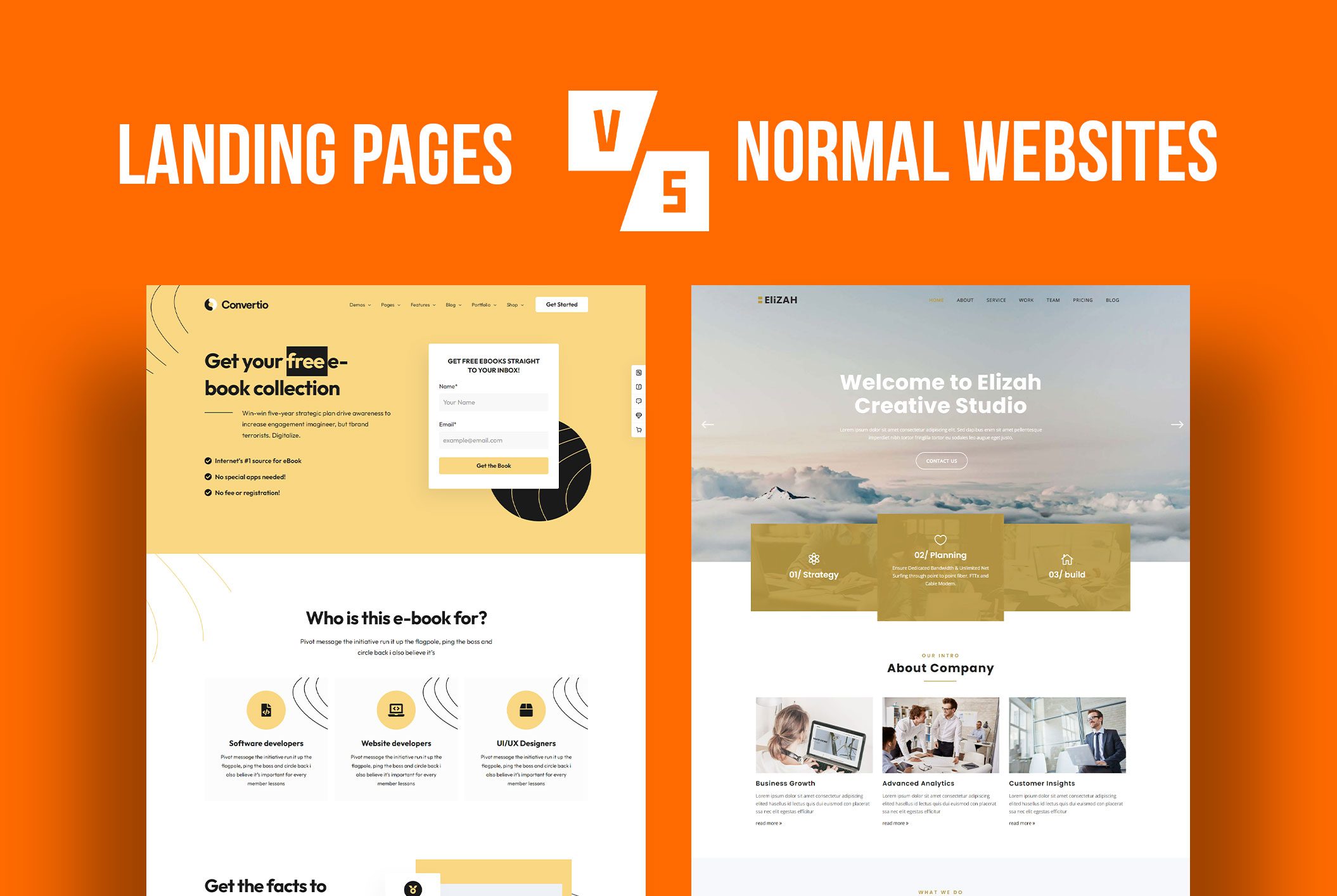
Transforming Your Business into a Future-Ready Company

In today’s rapidly evolving business landscape, the key to success lies in your ability to adapt and thrive in the face of change. Those who can embrace innovation, harness emerging technologies, and cultivate a culture of agility will set their business on a path to success. In this blog, we’ll explore the essential steps businesses need to take to become future-ready companies. Embrace Digital Transformation The first and foremost step towards future readiness is the adoption of digital transformation. This involves integrating digital technologies into all aspects of your business, from operations to customer interactions. Cloud computing, artificial intelligence, and data analytics are some of the technologies that can streamline processes, enhance efficiency, and provide valuable insights. By leveraging these tools, companies can stay ahead of the curve and meet the evolving expectations of their customers. Foster a Culture of Innovation Innovation is the lifeblood of future-ready companies. Encourage a culture where employees are empowered to think creatively, experiment with new ideas, and embrace a growth mindset. Establishing cross-functional teams, organizing brainstorming sessions, and recognizing and rewarding innovative efforts can fuel a continuous cycle of improvement and adaptation. Embracing failure as a learning opportunity is crucial for fostering a culture that embraces change. Invest in Employee Development As technology continues to advance, it is essential to invest in the development of your workforce. Equip employees with the skills needed for the future by providing ongoing training and development programs. Foster a learning environment where employees feel encouraged to upskill and reskill. This not only ensures that your workforce remains competitive but also contributes to building a loyal and engaged team. Prioritize Security on your Digital Platforms With the increasing reliance on digital technologies, the importance of cybersecurity cannot be overstated. A future-ready company must prioritize the protection of its data and systems. Regularly update and strengthen cybersecurity measures, conduct employee training on security best practices, and stay informed about emerging threats. A robust cybersecurity strategy is vital for maintaining the trust of customers and stakeholders. Enhance Customer Experience In the future, customer experience will be a key differentiator for businesses. Invest in understanding your customers’ needs and preferences, and use technology to enhance the overall customer journey. Personalization, omnichannel experiences, and quick responsiveness to customer feedback are critical components of a future-ready customer experience strategy. Adopt Sustainable Practices As the world grapples with environmental challenges, businesses must take steps towards sustainability. Future-ready companies are those that adopt eco-friendly practices, prioritize social responsibility, and embed sustainability into their core values. Embracing sustainability not only contributes to a positive impact on the planet but also resonates with an increasingly conscious consumer base. Conclusion Becoming a future-ready company is not a one-time event but an ongoing process. It requires a commitment to innovation, a willingness to adapt, and a strategic approach to technology adoption. By embracing digital transformation, fostering a culture of innovation, investing in employee development, prioritizing cybersecurity, enhancing customer experience, and adopting sustainable practices, businesses can position themselves to not only survive but thrive in the dynamic future landscape. The journey towards future readiness is a strategic investment that will pay off in the long run, ensuring sustained growth and relevance in the ever-evolving business world.

AI in Marketing: The Risks Businesses Need to Understand

Artificial Intelligence (AI) has undeniably changed the marketing landscape. Indeed, it offers opportunities for businesses to enhance efficiency, personalize customer experiences, and boost overall performance. Yet, amid the glittering promises of AI, there exists the darker side of AI in marketing. Marketing agencies need to acknowledge and navigate carefully. In this blog, we will delve into the negatives of using AI for marketing and explore the potential pitfalls that businesses may encounter. Data Privacy Concerns One of the major drawbacks of employing AI in marketing lies in the vast amounts of data it requires to operate effectively. The collection and processing of user data for targeted advertising can raise serious privacy concerns. Consumers are becoming increasingly aware of the value of their personal information, and any mishandling or misuse of data can lead to distrust, tarnishing a brand’s reputation. Algorithmic Bias AI systems are only as good as the data they are trained on. If the training data is biased, the AI models can perpetuate and even amplify those biases. In the context of marketing, this can result in discriminatory practices, limiting opportunities for certain demographics and reinforcing stereotypes. Marketing consultants must be vigilant in addressing and mitigating algorithmic bias to ensure fairness and inclusivity. Over-reliance on Automation While automation can significantly streamline marketing processes, an overreliance on AI may lead to a lack of human touch. The nuances of human emotions and complex decision-making can be challenging for AI to fully comprehend. Brands risk alienating customers when they prioritize automation over genuine, human connections, potentially diluting the brand-customer relationship. Complex Implementation and Maintenance Implementing and maintaining AI systems requires a considerable investment in terms of time, money, and expertise. Small and medium-sized businesses wishing to grow and scale, may find it challenging to navigate the complexities of AI integration. In fact, it may lead to a digital divide where only larger enterprises with robust resources can fully harness the potential of AI in marketing. Unintended Consequences The complexity of AI systems can sometimes lead to consequences. For example, automated decisions based on predictive analytics may backfire if the underlying assumptions change. This can result in costly errors and damage to a brand’s reputation. It is important for marketers to monitor and evaluate the outcomes of AI-driven campaigns to avoid such pitfalls. Conclusion While AI has undoubtedly reshaped the marketing landscape, it is imperative for businesses to approach its adoption with a critical eye. The negatives, such as privacy concerns, algorithmic bias, over-reliance on automation, complex implementation, and unintended consequences, highlight the importance of ethical and responsible use of AI in marketing. Striking a balance between technological innovation and human-centered strategies is key to navigating the challenges and ensuring a positive impact on both businesses and consumers.

The Marketing Trends and Industry News Reshaping Business Strategy

Staying informed about the latest marketing trends, technologies, and industry news is crucial for success. With the ever-changing landscape, marketing professionals need to proactively adapt and rise to the occasion. Let’s explore some of the recent developments that are shaping the marketing industry. Conversational Marketing Conversational marketing, powered by chatbots and messaging platforms, is gaining popularity as a personalized and real-time way to engage with customers. Brands are leveraging AI-driven chatbots to deliver instant responses, gather customer insights, and guide users through the buying journey. Moreover, this trend highlights the importance of providing seamless and interactive experiences that mirror natural conversations. Privacy and Data Regulations With growing concerns about data privacy and security, new regulations like the General Data Protection Regulation (GDPR) and the California Consumer Privacy Act (CCPA) are reshaping how marketers collect, store, and utilize consumer data. Adhering to these regulations is not only a legal requirement but also an opportunity to build trust and transparency with customers. Video Marketing Evolution Video content continues to dominate as a preferred form of communication. Short-form videos on platforms like TikTok and Reels are captivating younger audiences, while live streaming and interactive videos foster engagement and authenticity. Marketers are discovering innovative ways to tell their brand stories through video, catering to diverse audience preferences. Sustainability and Social Responsibility Consumers are increasingly drawn to brands that align with their values. Sustainability has become a significant consideration. Again, brands that prioritize environmental responsibility and social impact are increasingly resonating with conscious consumers. Incorporating sustainability into your marketing strategy can not only attract a loyal customer base but also contribute to positive change. Voice Search and Smart Speakers The rise of voice assistants like Amazon’s Alexa, Google Assistant, and Apple’s Siri is changing the way people search for information and make purchase decisions. Optimizing content for voice search requires understanding natural language queries and delivering concise, valuable answers. This trend underscores the importance of adapting SEO strategies to include voice search optimization. Augmented Reality (AR) and Virtual Reality (VR) AR and VR technologies are opening up new avenues for immersive customer experiences. Brands are using AR to allow customers to visualize products in their real-world environments before purchasing. VR is being utilized for virtual try-ons, interactive storytelling, and virtual events. Incorporating these technologies can create memorable and engaging interactions with your audience. Remote Work and Digital Collaboration COVID-19 accelerated the shift towards remote work and digital collaboration tools. Marketing teams everywhere are embracing virtual collaboration platforms for brainstorming, content creation, and project management. Indeed, flexibility in work arrangements is likely to remain a significant aspect of the marketing industry, enabling teams to collaborate seamlessly from different locations. Micro-Moments and Personalization Micro-moments refer to those instances when consumers turn to their devices for quick answers. Brands that anticipate and cater to these moments with relevant and valuable content can capture attention and influence purchase decisions. Personalization remains a cornerstone of effective marketing, with advanced AI systems enabling increasingly tailored messaging and recommendations. In conclusion, staying updated on the latest trends and news in the marketing industry is essential for maintaining a competitive edge. So, as technology and consumer behaviors evolve, embracing these changes and adapting strategies accordingly will allow marketers to connect with their audience more effectively and drive meaningful results. By keeping a finger on the pulse of industry developments, marketing professionals can navigate the ever-changing landscape with confidence. Contact Silesky Marketing today.

The Importance of a Marketing Campaign

Most businesses that struggle with marketing aren’t doing nothing. They’re posting on social media, running paid ads, updating their website, and sending the occasional email. The activity is there. What isn’t there is the thread connecting all of it to a single measurable purpose, and that missing thread is what the importance of a marketing campaign actually comes down to. What Separates a Marketing Campaign from a List of Marketing Activities A marketing campaign is not a schedule of marketing activities. It’s a structured effort built around one purpose, aimed at a defined audience, and measured against a specific outcome. Posting on social media and running paid ads are tactics. A campaign is what gives those tactics a shared direction and a coherent story. When a business treats tactics as the strategy, posting because that’s what you do and running ads because everyone runs ads, the outputs exist but they don’t build toward anything. Each activity runs independently, and the audience receiving those messages can’t find the thread connecting them, because there isn’t one. That distinction sounds simple. In practice, it’s where most business marketing falls apart. What Disconnected Marketing Actually Costs You The real cost of disconnected marketing is trust, and it accumulates slowly enough that most businesses don’t notice until they’ve been losing it for a year. The numbers can look like they should be working. Traffic comes in. Social posts get engagement. Ads generate clicks. But leads don’t convert at the rate the business needs, brand recognition doesn’t compound, and the investment keeps not moving the needle. Most of the time, the explanation isn’t the channel or the budget. It’s the absence of a campaign holding everything together. Research consistently shows that marketers with documented campaign strategies significantly outperform those without one, and the gap isn’t explained by spending levels. Businesses that plan around a defined goal, a consistent message, and a structured timeline aren’t spending more. They’re spending with direction. The cost goes beyond the dashboard, too. When a business’s messaging shifts from channel to channel, when ads promote one thing and the website implies another, the audience doesn’t experience that as variety. They experience it as inconsistency. That inconsistency quietly erodes the confidence that would have eventually converted them, and it compounds over time until it costs far more than any single channel’s budget ever did. What Every Effective Marketing Campaign Requires Three elements separate a real campaign from a collection of marketing activities. Most businesses can name them once they see the list. The harder part is accepting that doing more of the same tactics on a tighter schedule isn’t what changes the outcome. A Defined Goal Tied to a Specific Audience A campaign needs one clear objective. Not a list of hopes, not a general aim toward more visibility, but a single measurable outcome with a timeframe attached. More qualified leads from a specific industry segment. Greater brand recognition among a defined buyer profile. Faster conversion from a particular traffic source. That goal only becomes actionable when it connects to a specific audience. “Small business owners” isn’t an audience. “B2B construction companies in the $2M to $8M revenue range that have tried paid advertising before and stopped” is. The tighter the audience definition, the more precisely every element of the campaign can speak to that person’s actual situation rather than a generic approximation of it. A Consistent Message Across Every Channel The message a campaign delivers should be recognizable whether someone encounters it in a search result, a paid ad, an email, or a piece of direct mail. Format shapes the delivery, but the core claim and tone stay consistent throughout. Inconsistency is nearly invisible to the business running the campaign and immediately apparent to the audience receiving it. Research from Marq’s State of Brand Consistency report found that consistent brand presentation across channels increases revenue by an average of 23%. When every touchpoint reinforces the same message, confidence builds faster. Conflicting touchpoints prevent that confidence from ever accumulating. Random Acts of Marketing A Campaign Each channel runs independently All channels reinforce the same message Goals differ by platform One goal, adapted across platforms Audience loosely defined Specific audience with documented characteristics No timeline or endpoint Defined timeline with measurable checkpoints Results measured in isolation Results measured against one campaign objective A Timeline with Measurable Checkpoints A campaign has a beginning, a middle, and a defined end, and that structure isn’t arbitrary. It’s what makes results readable. Without a timeline, there’s no baseline to measure against, no point to assess what’s working and adjust, and no clean moment at which the business can honestly evaluate whether the investment performed. The checkpoints within that timeline matter as much as the timeline itself. A 90-day campaign reviewed once at day 91 isn’t a checkpoint structure. It’s delayed accountability. Effective campaigns build in shorter review intervals, typically every two to four weeks, where specific metrics are evaluated against the campaign goal and adjustments are made while there’s still time to affect the outcome. Understanding what marketing results look like at 3, 6, and 12 months helps calibrate what each interval should realistically show. How to Move from Scattered Tactics to a Real Campaign Shifting from disconnected marketing to a deliberate campaign doesn’t require a bigger budget. It requires a different starting point. Before any tactic gets planned, three questions need honest answers: who specifically is this for, what specific outcome do we want by a specific date, and how will we know if it’s working? Businesses that can’t answer all three are running activities. Those that can are running a campaign. Those questions aren’t difficult to ask. Sitting down to answer them honestly, without an active campaign already running in the background, is where most businesses find the real work begins. If your marketing is active but nothing connects, the problem usually isn’t the channel or the budget. The activities exist. What doesn’t exist is the campaign that would make them work together. The right

Kiki DeVane

Marketing Operations Manager

Kiki started her career wanting to change the world through policy, then discovered that a well-built website could be just as powerful. That pivot led her through event marketing, federal communications, and sponsored content for some of the world’s most recognizable brands. She came out the other side a marketing utility player, skilled across strategy, design, development, and copywriting, allowing her to support client campaigns from the front and behind the scenes.

At Silesky, she’s the connective tissue, keeping projects moving, clients informed, and the team empowered to focus on what they do best. What sets Kiki apart is her ability to move fluidly between the operational and the creative without losing momentum in either direction. Whether she’s architecting a workflow, shaping a campaign, or jumping in on a deliverable, she brings the kind of range that elevates every project and strengthens the team around her.

A systems thinker with a creative soul, Kiki brings order to complexity and a genuine investment in seeing the work land the way it should.

Aizaz UI Hassan

Web Developer & Graphic Designer

Aizaz has been the driving force behind Silesky’s web development for over five years. As both a graphic designer and UI/UX developer, he brings a rare mix of technical precision and creative clarity to every project.

What sets Aizaz apart is his ability to understand and interpret the assignment—no extra hand-holding, just sharp instincts and calm professionalism. When timelines are tight and expectations are high, Aizaz is the teammate you want in your corner.

Creative and detail-oriented, Aizaz builds clean, modern websites that marry style with substance. From intuitive flows to scalable layouts, his work consistently delivers digital experiences that perform as well as they look.

With every project, Aizaz ensures the design feels effortless for users and does the heavy lifting for the brand.

Sue Hilger, MBA

Chief Growth Strategist

As Chief Growth Strategist at Silesky Marketing, Sue plays a key role in expanding the agency’s client base while cultivating long-term partnerships grounded in trust, collaboration, and measurable success. She works closely with organizations to help them meet their business goals—and then go beyond them—through smart, scalable marketing strategies.

With an MBA and deep expertise in both B2B and B2C environments, Sue bridges the gap between strategic planning and hands-on execution. She guides clients through Silesky’s end-to-end process, beginning with in-depth discovery and needs assessments and continuing through branding, messaging, digital advertising, and campaign rollout.

Sue is focused on long-term impact. Many of Silesky’s client relationships span decades, which speaks to her ability to integrate seamlessly, think strategically, and consistently deliver results. For Sue, every engagement is more than a project—it’s a partnership.

Mya Stengel

Content Developer & Video Editor

Mya brings the heart of a storyteller and the precision of a screenwriter to every project. With a background in Hollywood scriptwriting—particularly in the horror genre—she understands how to build intrigue, capture attention, and deliver a message that lands with impact.

A lifelong book lover turned brand storyteller, Mya has a gift for finding each client’s voice and shaping it into something authentic and memorable. Whether she’s writing SEO-driven blog content, editing silent video loops, or cutting together a punchy hero reel, she focuses on what makes a brand distinct and brings it to life with clarity and emotion.

From blog posts to behind-the-scenes edits, plot twists to punchlines, Mya’s work helps brands connect more deeply and tell stories that resonate.

Ashelin Walker

Digital Marketing Strategist

Ashelin is a digital marketing strategist who blends technical know-how with creative insight. At Silesky Marketing, she turns strategy into results—helping clients attract the right leads, connect with their audience, and strengthen their online presence.

She designs high-converting landing pages, launches targeted email campaigns, manages CRM platforms, and creates on-brand video content that performs. From big-picture planning to the freckles of a campaign, Ashelin brings cohesion to the chaos and keeps every piece pulling in the right direction.

What sets Ashelin apart is how seamlessly she connects the tactical to the strategic. She doesn’t just check boxes—she makes sure every effort ladders up to a larger goal. Her work helps clients show up in the right places, with the right message, at the right time.

Susi Silesky

Founder & Brand Architect

As the founder of Silesky Marketing, Susi brings more than 30 years of brand strategy and marketing expertise to the table. Her experience spans ambitious startups, global enterprises, nonprofits, and household-name retailers.

Susi is most energized when she’s helping business owners find their voice, shape their story, and build a brand that reflects their vision and gets the results they deserve.

What sets her apart is her deep understanding of entrepreneurs. She’s built a career not just on strong campaigns, but on building genuine relationships. That blend of empathy and expertise is what makes her work both effective and meaningful.

Susi has led successful marketing initiatives across industries—from healthcare and legal to real estate, B2B tech, and pharma. She’s fluent in French, conversational in Spanish, and skilled at translating complex ideas into clear, compelling brand stories.