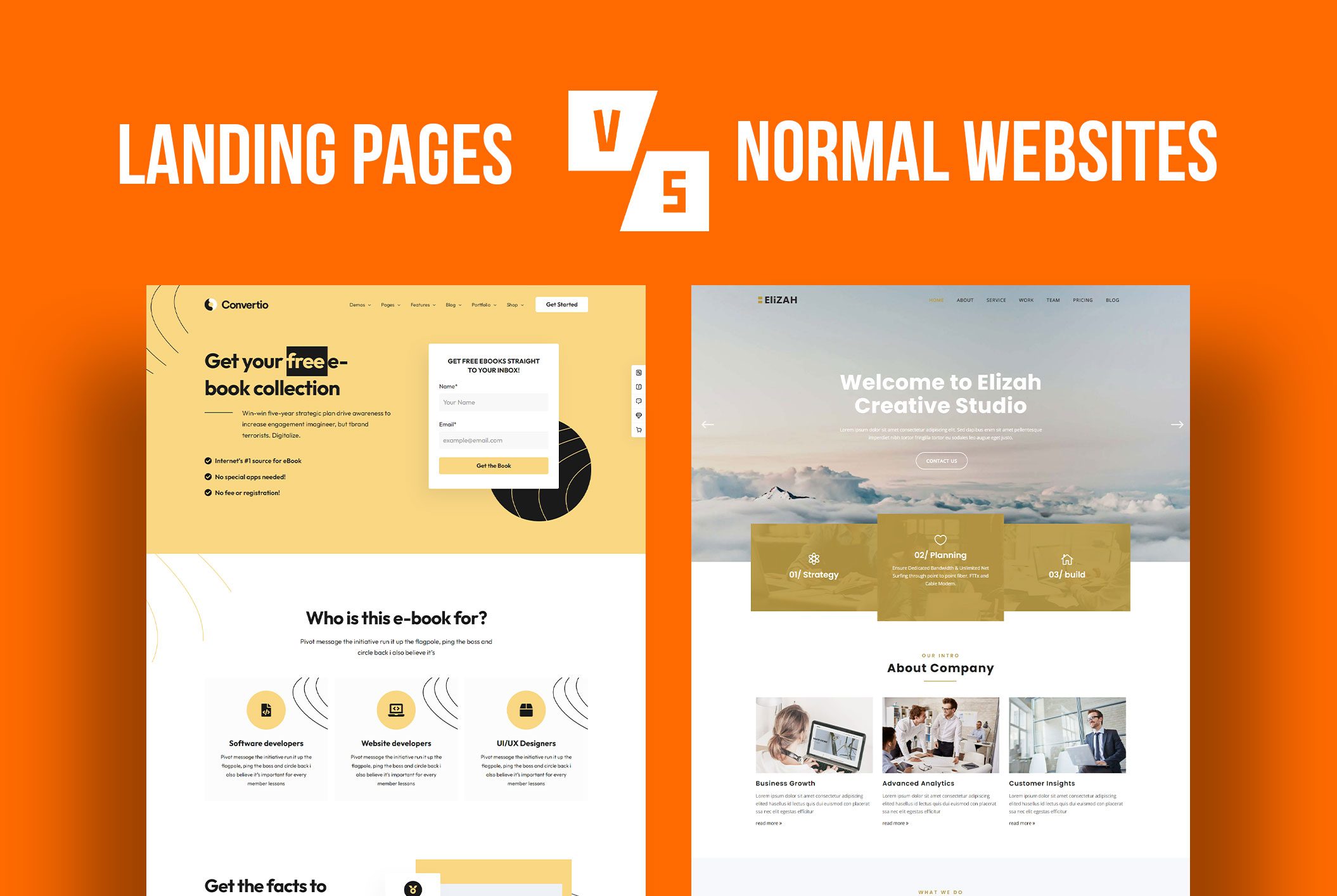
How to Choose the Right Marketing Agency for Your Business

What happens when ambition pairs with the wrong partner? Ideas stall, metrics flatten, and your brand voice gets lost in translation. It’s not a lack of drive—it’s a misalignment in execution. Choosing a marketing agency isn’t just about credentials or creative flair. It’s about fit—strategic, cultural, and operational. The right agency becomes an extension of your team, not just a service provider. They make complex problems feel manageable and long-term growth feel possible. If you’re wondering how to choose the right marketing agency for your business, here’s where to focus—not on hype, but on what truly matters for long-term success. Think Beyond the Portfolio Portfolios can mislead. Big-name clients and glossy visuals don’t always equal a high-performing agency. You’re not buying past work—you’re investing in how well an agency understands your goals. A portfolio might show what an agency has done, but not how they did it—or if it delivered ROI. Instead, evaluate: Industry relevance: Have they tackled challenges in your market? Project context: Were those impressive results achieved on a lean budget or with full enterprise support? Problem-solving: Ask about a campaign that underperformed and what they learned from it. One manufacturing startup chose an agency based on their work with fashion brands. The visuals were strong, but conversions? Practically zero. The audience mismatch was never addressed. Your business deserves more than recycled ideas. Focus on how adaptable the agency is to your world. Let Strategy Drive the Engagement An ad campaign without strategy is like building a house without a blueprint—it might look good, but it won’t last. Strong agencies begin with questions, not pitches. They want to understand your customer lifecycle, sales pipeline, and internal constraints before suggesting solutions. Signs of a strategy-first agency: They ask about your customer acquisition cost and lifetime value They review your analytics before discussing deliverables They align every tactic to measurable business goals Let’s say your organic traffic is solid, but conversions lag. A strategy-first agency won’t just boost traffic—they’ll dig into your funnel, evaluate CTAs, and explore A/B testing. That’s where the value is. Agencies that don’t invest time upfront usually struggle to deliver long-term impact. The best ones won’t even suggest channels until they fully understand your ecosystem. Transparency Is a Non-Negotiable In the age of dashboards and data, opacity is a red flag. If you’re only hearing about impressions and clicks, but never about revenue or conversion cost, you’re missing the full picture. A trustworthy agency provides: Access to real-time dashboards Regular check-ins with actionable insights Honest conversations—even when performance dips A retail brand once shared how their former agency presented “engagement spikes” as wins. But sales were flat, and bounce rates had increased. It took an internal audit to uncover the disconnect. A better approach? Agencies that walk you through the funnel—from top-of-funnel awareness to bottom-line ROI. They’ll share the wins and the learnings, not just the highlights. Because real growth happens when you understand the why behind the numbers—not just the “what.” Chemistry Isn’t Optional—It’s Strategic You’re not hiring robots—you’re building a relationship. And chemistry matters. The right agency will challenge you, listen closely, and adapt. The wrong one will just try to sell you. Think about: Meeting energy: Are conversations energizing or exhausting? Collaboration: Do they ask smart follow-ups or jump to solutions? Communication style: Can you speak openly, or do you feel “managed”? One founder described switching agencies simply because it felt like they were “presented to” rather than involved. That kind of one-sided dynamic slows decision-making and kills momentum. On the flip side, agencies that treat you like a partner—who welcome your input, push your thinking, and respond fast—will make you feel confident even when campaigns hit turbulence. It’s not about being friendly. It’s about mutual respect, shared ownership, and seamless dialogue. Avoid the One-Size-Fits-All Trap You’ve seen them—those tidy little packages labeled Gold, Silver, and Platinum. They look clean, easy to understand, and honestly? Kind of tempting. But here’s the thing: business growth isn’t that predictable. And marketing definitely isn’t a one-size-fits-all deal. A local law firm trying to dominate search results in one city? They’ll need hyper-local SEO, not a broad content strategy. A SaaS startup breaking into a crowded space? They might need a deep thought leadership campaign to gain trust. When agencies push cookie-cutter plans without understanding your business, it shows—usually in weak results and wasted budget. One B2B logistics company we spoke to was sold a social media package… but their audience wasn’t even active on those channels. Their real buyers were reading industry journals and attending trade shows. Six months later, they had to rebuild their entire strategy from scratch. That’s the danger of generic solutions. The best results come from plans shaped around you—your buyers, your budget, your goals. And that’s exactly how Silesky Marketing works—with strategies built from the ground up, tailored to how your business actually grows.


Why AI is a Marketing Tool Not a Replacement for Human Creativity

AI is a tool, not a replacement for human creativity, as it improves efficiency while people drive marketing strategy and emotion. Businesses today integrate AI-driven marketing tools to analyze data, automate tasks, and personalize customer interactions. While AI plays a valuable role in streamlining marketing processes, it cannot replace human creativity, which remains essential for originality, brand storytelling, and emotional engagement. The most successful marketing strategies combine AI’s efficiency with human-led creative strategy, ensuring campaigns resonate with audiences on a deeper level. AI’s Strengths in Marketing AI marketing offers several advantages, primarily in data analysis, automation, and personalized experiences. These capabilities allow businesses to refine marketing strategies and maximize efficiency. 1. AI Delivers Data-Driven Insights AI processes vast amounts of data, identifying patterns that help marketers make informed decisions. AI tools track customer interactions, predicting future behaviors. Sentiment analysis gauges audience reactions to campaigns. Predictive analytics help brands refine strategies based on emerging trends. While AI provides valuable insights, human marketers must interpret and apply the data effectively. A strategy built solely on AI-generated data may lack the creative flexibility needed for meaningful engagement. 2. AI Enables Personalization at Scale Modern consumers expect brands to deliver personalized experiences. AI-driven marketing tools make large-scale personalization possible. AI analyzes customer preferences to generate tailored recommendations. Email marketing platforms use AI to craft personalized subject lines and messaging. AI-powered chatbots provide instant customer support based on previous interactions. Despite these advantages, personalization requires human oversight to maintain brand voice, authenticity, and emotional warmth. 3. AI Automates Repetitive Marketing Tasks AI marketing automation reduces the workload of routine tasks, allowing marketers to focus on high-level strategy. AI optimizes ad placements for better targeting. Automated content scheduling ensures social media consistency. A/B testing platforms analyze campaign performance, refining messaging based on real-time data. Although automation boosts efficiency, marketing teams must maintain control over messaging, ensuring content aligns with business objectives. The Irreplaceable Role of Human Creativity AI supports marketing execution, but human creativity remains the driving force behind effective campaigns. Creativity ensures originality, emotional connection, and ethical responsibility in marketing efforts. 1. Storytelling Builds Stronger Connections AI can analyze data, but it cannot create compelling brand stories that resonate emotionally with audiences. Emotional narratives foster loyalty and trust. Successful campaigns evoke joy, excitement, or empathy—elements AI cannot replicate. Storytelling bridges the gap between data-driven insights and customer relationships. Brands that rely solely on AI-generated content risk sounding robotic and impersonal. Human-led creative strategy ensures messaging remains engaging and relatable. 2. Originality Differentiates Brands AI-driven marketing relies on existing patterns, making it difficult to generate truly original ideas. Human creativity, on the other hand, thrives on breaking norms and thinking beyond traditional marketing trends. Marketers experiment with new formats, visuals, and storytelling techniques. Fresh ideas emerge from brainstorming sessions, not AI-generated templates. Unique branding requires a human touch to stand out in competitive markets. AI enhances execution, but the creative vision that shapes a brand’s identity remains a human responsibility. 3. Ethical Marketing Requires Human Judgment AI lacks the ethical awareness necessary for culturally sensitive marketing. Without human oversight, brands risk publishing content that may be inappropriate, biased, or misinterpreted. AI-generated campaigns may unintentionally reinforce stereotypes. Human marketers assess the impact of messaging on different audiences. Ethical marketing decisions require critical thinking and social awareness. While AI contributes to efficiency, human responsibility is essential for maintaining brand integrity and trust. The Future: AI and Human Creativity Working Together Rather than viewing AI as a replacement for human marketers, businesses should use AI as a tool that enhances creativity and strategy. A balanced approach leads to more effective campaigns. 1. AI Supports Human Creativity, Not the Other Way Around AI streamlines processes, but humans drive brand identity and messaging. Marketers use AI insights to refine creative strategies. AI automates time-consuming tasks, freeing up creative teams for innovation. Human oversight ensures content maintains emotional depth and authenticity. The best marketing strategies leverage AI to complement human-led creative direction. 2. Human Adaptability Keeps Marketing Relevant AI detects trends, but human intuition determines their relevance and impact. Marketing trends evolve, requiring adaptability beyond AI-driven insights. Human decision-making ensures content remains culturally and contextually appropriate. Strategic thinking allows marketers to pivot when AI-generated recommendations fall short. A combination of AI-powered analytics and human expertise ensures brands stay ahead in an ever-changing digital landscape. 3. AI Enhances, But Doesn’t Replace, Customer Engagement Consumers value authenticity, and genuine interactions require a human touch. AI assists with customer service, but human representatives build real relationships. Personalized content should feel natural, not mechanically generated. Brand trust is established through emotional connections, not algorithms alone. Businesses that integrate AI while preserving human creativity achieve a balance between efficiency and meaningful engagement. Conclusion AI marketing is a tool that enhances efficiency, but it cannot replace human creativity. While AI-driven marketing streamlines processes, improves targeting, and personalizes experiences, it lacks originality, emotional intelligence, and ethical judgment. The most effective marketing strategies blend AI capabilities with human-led storytelling and creative strategy. By using AI as a supportive tool rather than a replacement, brands can achieve efficiency while maintaining authenticity and emotional resonance with their audience.

How to Measure ROI in Digital Marketing for Maximum Profitability

Measure ROI in digital marketing for maximum profitability by tracking key metrics, using data-driven tools, and optimizing strategies. Every business wants its marketing budget to drive revenue, but without an effective measurement system, identifying successful campaigns can be difficult. Businesses that analyze marketing performance metrics can allocate budgets wisely and eliminate ineffective strategies. By focusing on key indicators such as customer acquisition cost, conversion rates, and return on ad spend, companies gain the insights needed to maximize returns. Tracking and refining digital advertising ROI helps businesses maintain a sustainable growth trajectory. What is ROI in Digital Marketing? Return on Investment (ROI) in digital marketing calculates how much revenue is generated compared to the money spent on marketing activities. Businesses that track ROI can adjust their marketing investment analysis to prioritize high-yield strategies. Why ROI Measurement Matters Measuring ROI is more than just a numbers game—it ensures marketing efforts contribute to real business growth. Here’s why tracking ROI is essential: Identifies profitable marketing channels – Avoids overspending on underperforming campaigns. Improves decision-making – Provides data to refine strategies and allocate budgets effectively. Demonstrates business growth – Showcases which efforts contribute most to revenue. Maximizes ad spend efficiency – Helps businesses refine targeting for better conversion rates. How to Calculate ROI The simplest formula to calculate marketing ROI is: ROI (%) = [(Revenue – Marketing Cost) / Marketing Cost] × 100 While this provides a broad overview, deeper insights come from tracking additional performance indicators. Key Metrics for Measuring ROI A strong ROI measurement strategy relies on multiple key performance indicators (KPIs). The following five metrics provide a well-rounded view of digital advertising ROI. 1. Customer Acquisition Cost (CAC) CAC measures how much a business spends to acquire a new customer. It includes ad spend, content creation costs, and marketing tool subscriptions. Formula:CAC = Total Marketing Cost / Number of New Customers Acquired A low CAC indicates an efficient strategy, while a high CAC may signal the need for better targeting or optimized conversion funnels. 2. Customer Lifetime Value (CLV) CLV predicts how much revenue a business can expect from a customer over their entire engagement period. Formula:CLV = Average Purchase Value × Purchase Frequency × Customer Lifespan When CLV is significantly higher than CAC, marketing efforts are sustainable and profitable. 3. Conversion Rate Conversion rate reflects the percentage of visitors who complete a desired action, such as making a purchase or filling out a form. Formula:Conversion Rate = (Total Conversions / Total Visitors) × 100 A high conversion rate indicates effective messaging, while a low rate suggests the need for improvements in the user experience, offers, or targeting. 4. Return on Ad Spend (ROAS) ROAS evaluates the revenue earned per dollar spent on advertising. Formula:ROAS = Revenue from Ads / Cost of Ads A ROAS above 1.0 means the campaign is generating more revenue than it costs, making it a key metric for paid ad performance. 5. Lead-to-Customer Ratio This metric tracks how many leads turn into actual paying customers. Formula:Lead-to-Customer Ratio = (Number of Customers / Number of Leads) × 100 A low lead-to-customer ratio may indicate poor-quality leads or an ineffective sales funnel. Best Tools for Measuring Digital Marketing ROI Using the right tools makes it easier to track and analyze ROI. Businesses rely on a mix of analytics platforms, CRM software, and automation tools. 1. Google Analytics This tool provides insights into website traffic, user behavior, and conversion tracking. It helps businesses identify which marketing channels drive the most revenue. 🔗 Google Analytics | Google 2. Google Ads Manager For businesses investing in PPC advertising, Google Ads Manager offers real-time ad performance tracking and optimization insights. 🔗 Google Ads Manager | Google 3. CRM Software (HubSpot, Salesforce) Customer Relationship Management (CRM) tools track customer interactions and help measure CLV, CAC, and sales cycle efficiency. 🔗 HubSpot CRM | HubSpot 4. Social Media Analytics (Facebook, LinkedIn, Twitter Analytics) Platforms like Facebook and LinkedIn offer analytics that measure engagement, ad performance, and audience growth. 🔗 Facebook Business Suite | Meta 5. Email Marketing Platforms (Mailchimp, ActiveCampaign) Email marketing tools track open rates, click-through rates, and conversions, providing valuable data for campaign optimization. 🔗 Mailchimp Email Marketing | Mailchimp Strategies to Improve Digital Marketing ROI Measuring ROI is only the first step. Businesses must actively refine their marketing strategies to maximize returns. 1. Focus on Profitable Marketing Channels Identify which channels drive the highest ROI and allocate more budget to them. This prevents wasted spending on ineffective platforms. 2. Improve Targeting with Customer Data Leverage audience segmentation and retargeting strategies to engage high-value prospects. Personalized marketing generates better conversions. 3. Optimize Landing Pages for Higher Conversions A/B test page designs, headlines, and CTAs to find the best-performing versions. A slow or confusing landing page can significantly impact ROI. 4. Conduct A/B Testing on Ad Campaigns Testing different visuals, ad copy, and offers allows businesses to refine campaigns based on performance data before scaling efforts. 5. Use Marketing Automation for Efficiency Automated email sequences and lead nurturing campaigns save time while improving conversion rates. AI-driven tools can further enhance personalization. 6. Invest in Retention Strategies It’s more cost-effective to retain customers than acquire new ones. Loyalty programs, special offers, and strong customer support keep existing customers engaged. Final Thoughts on Maximizing Digital Marketing ROI Measuring ROI in digital marketing helps businesses allocate budgets wisely and refine campaigns for maximum profitability. By tracking customer acquisition cost, conversion rates, and return on ad spend, companies can adjust strategies to improve efficiency. Using data-driven tools like Google Analytics, CRM platforms, and social media insights allows for better decision-making. Businesses that consistently test, optimize, and refine their marketing investment analysis will see long-term growth and profitability. A well-structured marketing strategy ensures that every dollar spent contributes to measurable business success.

How Data Privacy Impacts Digital Marketing and Customer Trust

How data privacy impacts digital marketing and customer trust is now a defining concern for businesses and consumers alike. Companies rely on data to personalize experiences, optimize campaigns, and measure engagement. However, increasing privacy concerns and evolving regulations are forcing businesses to rethink their approach. Consumers expect brands to be transparent about how their data is collected, stored, and used. Regulations such as the General Data Protection Regulation (GDPR) and the California Consumer Privacy Act (CCPA) enforce stricter rules, making compliance a priority. Businesses that fail to adopt privacy-first marketing practices risk legal penalties, reputational damage, and loss of customer confidence. By prioritizing responsible data collection, ethical marketing, and secure storage, businesses can maintain trust and long-term customer relationships. Companies that adapt to this privacy-conscious era will not only stay compliant but also strengthen their brand credibility in a competitive digital landscape. The Role of Data Privacy in Digital Marketing Data privacy is now a defining factor in how businesses develop and implement marketing strategies. New privacy laws and shifting consumer attitudes require brands to rethink how they collect, store, and use customer data. Ways Data Privacy Affects Digital Marketing Regulatory Compliance – Laws such as GDPR and CCPA require companies to obtain user consent before collecting personal data. Decline of Third-Party Cookies – Companies must transition to first-party data collection for audience insights. Enhanced Consumer Control – Users have the right to access, modify, or delete their personal data. Stronger Security Requirements – Businesses must implement encryption and authentication to protect sensitive data. Impact on Ad Targeting – Restrictions on tracking limit the effectiveness of traditional digital advertising. How Businesses Can Adapt Leverage First-Party Data – Collect insights directly through website interactions, surveys, and email sign-ups. Adopt Privacy-Compliant Analytics – Use tools that measure engagement without storing personal identifiers. Implement Consent-Based Marketing – Offer clear opt-in and opt-out options for data collection. Communicate Transparency – Provide easily accessible privacy policies and updates. By embracing ethical marketing practices, businesses can maintain audience engagement while complying with evolving privacy regulations. Why Customer Trust Relies on Data Privacy Customer trust is critical for business success. A 2023 Cisco survey found that 81% of consumers consider a company’s data protection efforts a key factor in determining trustworthiness. Mishandling data can lead to loss of confidence, negative publicity, and regulatory scrutiny. Factors That Build Consumer Trust Clear Privacy Policies – Customers appreciate transparency in how their data is collected and used. Strong Data Security – Encryption, authentication, and firewalls protect consumer information. User Control Over Data – Businesses that allow users to manage their data preferences earn more trust. Accountability and Responsiveness – Companies that quickly address privacy concerns demonstrate reliability. Consequences of Poor Data Privacy Practices Loss of Customer Trust – Once lost, trust is difficult to regain. Legal and Financial Risks – Fines and lawsuits can significantly impact business operations. Reputational Damage – High-profile data breaches lead to negative media attention and brand distrust. Best Practices for Strengthening Trust Publish Clear Privacy Policies – Ensure policies are easy to understand and readily accessible. Secure Consumer Data – Invest in cybersecurity tools to prevent unauthorized access. Empower Customers – Provide users with control over their data preferences. By prioritizing customer data protection, businesses can reinforce trust and strengthen their brand reputation. How Digital Marketers Can Adapt to a Privacy-First Landscape The decline of third-party tracking and increased privacy regulations require marketers to rethink their engagement strategies. Invasive tracking is no longer viable, and businesses must shift to ethical, consent-driven campaigns. Privacy-Friendly Marketing Strategies First-Party Data Collection Gather data through customer interactions, loyalty programs, and email sign-ups. Offer value exchanges, such as discounts or exclusive content, for voluntary data sharing. Contextual Targeting Display ads based on webpage content rather than user behavior tracking. Use keyword-based targeting to align ads with relevant topics. Privacy-Compliant Analytics Implement analytics tools that track engagement without storing personal identifiers. Use AI-driven insights to personalize marketing without violating privacy laws. Permission-Based Marketing Require explicit opt-ins for email lists and promotional campaigns. Offer users privacy settings to customize data-sharing preferences. Enhanced Security Measures Apply multi-factor authentication to protect sensitive customer data. Conduct regular security audits to detect vulnerabilities. By adopting privacy-first digital marketing techniques, businesses can engage audiences while respecting their data rights. The Future of Digital Marketing in a Privacy-Centric World As data privacy laws evolve, digital marketers must prepare for a future where ethical, transparent engagement is the standard. Emerging Trends in Privacy-First Marketing Zero-Party Data Collection – Encouraging customers to voluntarily share their preferences for tailored experiences. AI-Powered Personalization – Leveraging machine learning to optimize marketing strategies without invasive tracking. Stronger Global Privacy Regulations – More governments implementing GDPR-like laws to enhance consumer protections. Privacy-Focused Branding – Businesses using privacy as a competitive advantage to differentiate themselves. Companies that embrace ethical marketing practices will build stronger customer relationships and maintain long-term success. The Path Forward: Building Trust Through Privacy-First Marketing Data privacy is transforming digital marketing, making customer data protection a priority for businesses worldwide. As regulations increase and consumers demand more transparency, companies must shift toward privacy-first digital marketing strategies to maintain compliance and trust. By committing to ethical data practices, businesses can build lasting relationships with their customers while staying compliant in an evolving digital landscape.

Driving Business Growth with AI Marketing Tools

Artificial intelligence (AI) is reshaping marketing by helping businesses streamline operations, improve customer engagement, and maximize return on investment (ROI). AI marketing tools empower businesses to enhance growth by automating tasks, personalizing content, and analyzing data for informed decisions. Companies that embrace these innovations gain a competitive advantage by optimizing their strategies and improving efficiency. However, while AI enhances marketing, it cannot fully replace human creativity and expertise. Professional marketers remain essential in guiding AI’s effectiveness and ensuring strategic success. This blog explores the role of AI marketing tools in business growth, their benefits, and why human marketers are still necessary to drive AI-powered success. Understanding AI Marketing Tools AI marketing tools are designed to help businesses analyze data, automate processes, and optimize marketing strategies. These tools use machine learning, predictive analytics, and natural language processing to improve decision-making and campaign execution. Types of AI Marketing Tools: AI-Enhanced CRM Systems – Track customer interactions, predict behaviors, and improve sales pipeline management. Chatbots & Virtual Assistants – Automate customer support and lead nurturing. Predictive Analytics Platforms – Identify trends and optimize marketing campaigns. AI Content Creation Tools – Generate high-quality blog posts, ad copy, and personalized messages. Automated Ad Targeting Software – Optimize digital ad placements using real-time user data. By using AI-driven marketing solutions, businesses can refine their strategies and improve engagement. Benefits of AI Marketing Tools for Business Growth AI-driven marketing tools help businesses achieve efficiency and scalability. They automate repetitive tasks and provide valuable insights that enhance customer relationships and brand outreach. 1. Automating Repetitive Tasks AI reduces manual workload by automating email marketing, social media scheduling, and lead scoring. Marketers can focus on strategy while AI handles data processing and segmentation. Automation minimizes errors, ensuring consistency in messaging and branding. 2. Personalizing Customer Experiences AI tailors content and recommendations based on user behavior and preferences. Dynamic email campaigns adjust messaging to match audience interests. Chatbots offer instant, personalized interactions, enhancing customer satisfaction. 3. Enhancing Data-Driven Decision Making AI interprets consumer behavior patterns, enabling smarter marketing decisions. Real-time analytics provide insights for campaign adjustments and budget allocation (Harvard Business Review). AI helps businesses predict demand and optimize supply chains. 4. Improving Customer Engagement and Retention AI-driven chatbots offer 24/7 support, reducing response times. Sentiment analysis identifies trends in customer feedback for proactive engagement (Forbes). AI-powered loyalty programs enhance customer retention through personalized rewards. Why AI Cannot Fully Replace Human Creativity While AI can generate and analyze data efficiently, it lacks the ability to think creatively, emotionally connect with audiences, and make ethical decisions. Human input is crucial to maintaining authenticity in marketing campaigns. 1. Emotional Intelligence & Brand Storytelling AI can generate content, but it lacks emotional depth and authenticity. Storytelling requires a human touch to evoke emotions and build strong brand identity. Consumers engage more with brands that have a relatable and genuine voice. 2. Ethical Decision-Making in Marketing AI follows data patterns, but ethical considerations often require human intervention. Marketers ensure that campaigns align with brand values and do not alienate audiences. Companies must navigate data privacy laws and ethical advertising practices carefully. 3. Creative Innovation & Originality AI generates content based on existing data, but it cannot conceptualize groundbreaking ideas. Marketing innovation thrives on human intuition, experimentation, and risk-taking. Successful campaigns often rely on humor, emotion, and cultural nuances AI struggles to grasp. 4. Adapting to Unpredictable Market Trends AI can predict trends, but it cannot always anticipate shifts in consumer sentiment. Human marketers quickly adapt strategies to respond to crises or unexpected industry changes. Marketing success depends on flexibility and adaptability, which AI alone cannot provide. How Marketers Enhance AI-Driven Strategies AI is a powerful tool, but it works best when guided by human expertise. Marketers play a non-negotiable role in refining AI-generated content, implementing strategic AI initiatives, and strengthening customer relationships. 1. Refining AI-Generated Content Marketers ensure AI-generated content aligns with brand voice and campaign goals. Human oversight prevents robotic, generic, or uninspiring messaging. Combining AI efficiency with human creativity results in compelling and effective marketing. 2. Strategic AI Implementation AI tools require proper setup and monitoring to maximize their potential. Marketers select and configure AI tools that align with business objectives. Strategic implementation prevents over-reliance on AI and balances automation with human oversight. 3. Leveraging AI Insights for Holistic Strategies AI provides data-driven insights, but marketers interpret them within a broader business context. Human professionals connect AI-generated analytics to real-world market conditions. Marketers use AI insights to craft narratives that resonate with customers. 4. Enhancing Customer Relationships Beyond AI AI can handle inquiries, but human interactions strengthen customer trust and loyalty. Marketers build brand relationships through personalized communication and engagement. A blend of AI efficiency and human connection ensures superior customer experiences. Key AI Marketing Tools to Consider There are various AI-driven tools available to marketers today. These tools help optimize customer interactions, content creation, and data analysis. 1. AI-Enhanced CRM Systems Examples: Salesforce Einstein, HubSpot CRM. Benefits: Automates customer segmentation, optimizes lead management, and provides predictive insights. 2. AI-Powered Content Creation & Curation Examples: Jasper, Copy.ai. Benefits: Generates high-quality content and streamlines messaging across platforms. 3. Predictive Analytics Platforms Examples: Google Analytics AI, IBM Watson Analytics. Benefits: Provides data-driven insights to refine marketing strategies and improve ROI. 4. Chatbots & Virtual Assistants Examples: Drift, ChatGPT-based customer service bots. Benefits: Enhances customer interactions and provides real-time support. 5. AI-Driven Ad Targeting Tools Examples: Google Ads Smart Bidding, Facebook AI Targeting. Benefits: Optimizes ad spend and increases conversion rates through audience targeting (MarketingProfs). Conclusion AI marketing tools are revolutionizing how businesses optimize campaigns, engage customers, and improve decision-making. However, AI alone is not enough. Human marketers bring creativity, strategic thinking, and emotional intelligence that AI cannot replicate. To stay ahead, companies must integrate AI into their marketing strategies while maintaining human oversight. Leveraging AI’s capabilities, guided by professional marketers, will help businesses boost engagement, increase ROI, and achieve long-term success in the digital marketplace.

Personalized Marketing Through First-Party Data

In an increasingly privacy-conscious world, businesses are shifting to personalized marketing through first-party data to build genuine relationships with their customers. This strategy leverages data that customers willingly share to create tailored campaigns that are both respectful and effective. By focusing on this approach, businesses can enhance engagement, foster loyalty, and future-proof their marketing efforts. What Is First-Party Data and Why Does It Matter? First-party data refers to the information collected directly from your audience. This data includes: Website Analytics: Page visits, clicks, and session durations. Purchase Behavior: Products bought, order frequency, and preferences. Customer Feedback: Surveys, reviews, and support inquiries. Email Engagement: Open rates, click-through rates, and subscription details. This data is not only accurate but also ethical because it comes directly from your customers. Unlike third-party data, it ensures compliance with privacy laws like GDPR and CCPA, while eliminating the need for expensive external data sources. Additionally, first-party data empowers businesses to: Build trust by being transparent about data usage. Create personalized campaigns that reflect customer interests. Reduce costs associated with buying third-party lists. By making first-party data the cornerstone of your strategy, you’re investing in sustainable, customer-centric marketing practices. The Importance of Personalized Marketing Generic marketing no longer resonates in today’s world. Customers expect tailored experiences, and brands that fail to deliver risk losing their audience. Personalized marketing stands out by: Enhancing Relevance: Messaging aligns with customer needs and interests. Boosting Engagement: Higher click-through rates and conversions. Strengthening Loyalty: Customers are more likely to stick with brands that “get” them. For example, a customer who regularly purchases athletic gear may appreciate a discount on running shoes or a curated guide to the latest fitness trends. This level of customization deepens emotional connections, turning occasional buyers into lifelong advocates. How First-Party Data Fuels Personalized Marketing First-party data provides the foundation for personalization by offering rich insights into customer behavior. Here’s how it drives results: 1. Deeper Audience Insights Using first-party data, businesses can analyze: Demographics: Age, location, and interests. Behavioral Trends: Purchase cycles and website navigation. Preferences: Products or services customers engage with most frequently. These insights allow businesses to segment audiences effectively, ensuring that every message feels relevant. 2. Improved Trust and Transparency Customers are more likely to engage when they know their data is being used ethically. Sharing how first-party data improves their experience—such as personalized offers or faster service—builds trust and encourages further engagement. 3. Enhanced Campaign Performance Tailored campaigns are naturally more effective. With first-party data, businesses can: Send timely promotions based on customer behavior (e.g., abandoned cart emails). Offer targeted recommendations that drive upsells or cross-sells. Avoid irrelevant messaging, reducing the likelihood of customer churn. 4. Cost-Effective Solutions Owning your data eliminates the need for costly third-party providers. By focusing on your own audience, you reduce acquisition costs and improve ROI. Practical Tips for Collecting First-Party Data To collect data responsibly and effectively, follow these tips: Be Transparent: Clearly communicate what data you’re collecting and how it will be used. Include a privacy policy on your website. Use Value-Driven Incentives: Offer discounts, free resources, or exclusive access in exchange for information like email addresses or preferences. Leverage Interactive Tools: Use surveys, polls, or quizzes to engage customers while gathering insights. Simplify Opt-Ins: Make it easy for users to sign up or share their data by minimizing friction in the process. For example, a clothing retailer might offer a 10% discount in exchange for signing up for their newsletter, allowing them to collect valuable email addresses while providing immediate value to the customer. Overcoming Challenges in Personalized Marketing Through First-Party Data Despite its advantages, leveraging first-party data comes with challenges. Here’s how to address them: 1. Data Silos When data is stored across multiple systems, creating a unified customer view can be difficult. Solution: Use tools like a Customer Data Platform (CDP) to centralize information. 2. Privacy Compliance Evolving regulations require strict adherence to privacy laws. Solution: Regularly update your data policies and train your team on compliance best practices. 3. Limited Resources Collecting and analyzing first-party data requires time and expertise. Solution: Start small, using free or affordable tools like Google Analytics, and scale up as you grow. By addressing these obstacles, businesses can unlock the full potential of first-party data without compromising trust or efficiency. Real-World Examples of Success Amazon Amazon’s recommendation engine is powered by first-party data, using browsing and purchase history to suggest relevant products. This personalization drives both customer loyalty and sales growth. Netflix Netflix uses viewing habits to create tailored recommendations, ensuring users always find content that matches their preferences. This strategy enhances retention rates and boosts user satisfaction. Sephora Sephora collects data through its loyalty program, combining in-store and online behaviors to deliver personalized promotions and product suggestions. These brands highlight how first-party data can transform customer experiences, turning ordinary interactions into memorable ones. Best Practices for Success To ensure your efforts yield results, follow these best practices: Prioritize Consent: Always ask for explicit permission before collecting data. Segment Smartly: Group customers into categories (e.g., new, repeat, VIP) for tailored messaging. Automate Where Possible: Use tools like email automation platforms to deliver personalized campaigns at scale. Analyze Results: Continuously measure campaign performance and refine your strategy accordingly. By focusing on these principles, businesses can achieve sustainable growth while maintaining customer satisfaction. The Future of Personalized Marketing Through First-Party Data As privacy regulations tighten and third-party cookies disappear, the importance of first-party data will only grow. Future trends include: AI Integration: Advanced tools that analyze data in real time to create hyper-personalized experiences. Privacy-First Innovation: New tools that prioritize compliance while simplifying data collection. Omnichannel Strategies: Integrating offline and online data for a seamless customer experience. Brands that invest in ethical data practices today will be best positioned to thrive in the customer-centric future. Personalize Your Marketing Personalized marketing through first-party data is a game-changer for businesses seeking to engage customers meaningfully while respecting their privacy. By responsibly collecting and leveraging this data, brands can create tailored

Unlocking Success with a Strategic Marketing Agency Partnership

Partnering with a strategic marketing agency transforms how businesses approach growth, combining tailored strategies with expert collaboration to achieve remarkable results. This partnership bridges the gap between ambitious goals and actionable outcomes, ensuring every marketing effort aligns with your vision. Unlocking success through this approach allows businesses to refine their branding, target the right audiences, and maximize their return on investment. With the right agency by your side, opportunities for growth become more achievable than ever. Understanding the Role of a Strategic Marketing Agency A strategic marketing agency functions as an integral extension of your team, aligning its efforts with your business goals. Unlike traditional agencies, strategic marketing firms provide comprehensive services that combine creativity, precision, and data-driven insights. Core Functions of a Strategic Marketing Agency: Creating audience-specific campaigns that resonate with your target market. Coordinating multi-channel marketing initiatives, including email, social media, and paid ads. Delivering real-time data analysis to enhance decision-making. These agencies tailor their approach to align closely with your objectives, ensuring you stay competitive while focusing on core business operations. With a strong partnership, you’ll consistently stay ahead of market trends and customer demands. Key Benefits of a Marketing Agency Partnership A partnership with a marketing agency offers benefits that go beyond what an in-house team typically provides. With the right agency, your business can amplify its efforts, expand its reach, and achieve meaningful results. Advantages You’ll Gain: Efficiency and Expertise: Agencies provide a range of specialized skills, from content creation to analytics, without the need for costly internal hiring. Access to Advanced Tools: Agencies use sophisticated tools for tracking, automation, and audience insights, allowing precise campaign optimization. Resource Savings: Outsourcing your marketing needs saves time and costs, enabling you to focus on scaling your business. In the hands of a skilled marketing team, these advantages translate into stronger brand loyalty, higher engagement, and sustainable growth. Tailored Marketing Strategies for Unique Business Needs Every business is unique, and its marketing strategies should reflect that individuality. Tailored strategies not only make campaigns more effective but also ensure businesses connect authentically with their audience. Why Customized Strategies Work: Solutions are aligned with industry-specific challenges and market dynamics. Campaigns can address the exact needs and preferences of your target audience. Resources are invested where they create the most value, improving ROI. At Silesky Marketing, we emphasize creating strategies that are as unique as the businesses we serve. By understanding your goals and challenges, we develop campaigns that deliver meaningful results. Building Long-Term Success Through Collaboration Effective collaboration serves as the foundation for a successful marketing partnership. Strategic agencies prioritize transparency, communication, and trust, ensuring their efforts align seamlessly with your vision. Principles of Collaborative Success: Regular Check-ins: Frequent reviews ensure campaigns remain aligned with changing business needs and external factors. Mutual Accountability: Agencies and clients should work together to measure success and refine strategies based on outcomes. Shared Goals: Aligning on objectives fosters a unified approach to achieving business milestones. Silesky Marketing thrives on building genuine partnerships. By fostering trust and delivering consistent results, we ensure long-term growth for every client we serve. Choosing the Right Marketing Agency for Your Business Selecting a marketing agency is a critical step in your business journey. The right agency acts as a partner in achieving your goals, while the wrong one can waste time and resources. Key Steps to Finding the Perfect Fit: Evaluate Their Track Record: Look for case studies and testimonials that reflect their success in your industry. Assess Compatibility: Make sure the agency’s communication style and working methods suit your company culture. Ask Questions: Discuss your specific needs and listen to their approach for tackling your challenges. At Silesky Marketing, we prioritize understanding your unique needs before proposing solutions. This ensures our strategies align with your goals from the start, setting the stage for a productive and rewarding partnership. Conclusion A strategic marketing agency partnership provides the resources, insights, and expertise your business needs to achieve sustainable success. Agencies like Silesky Marketing specialize in crafting tailored strategies, fostering collaboration, and delivering measurable results that help businesses thrive. If you’re ready to amplify your marketing efforts and achieve your goals, let’s work together to transform your vision into reality.

Master Omnichannel Marketing for Consistent Messaging

Mastering omnichannel marketing is crucial for businesses that want to deliver consistent messaging across all platforms and channels. Today, creating seamless interactions is more important than ever. Aligning your marketing efforts ensures your message stays uniform, which builds stronger relationships with your audience and drives better engagement. Through this strategy, you can ensure your business’s voice resonates across all customer touchpoints, no matter where they interact with your brand. What is Omnichannel Marketing? Omnichannel marketing is more than using multiple platforms. It creates a fully integrated experience for your customers. Every touchpoint connects, allowing smooth interactions no matter where your audience encounters your brand. Whether browsing a mobile app, receiving an email, or visiting your store, omnichannel marketing creates a unified journey for your customer. For instance, a customer might browse a product on your website, receive a personalized email offering a discount based on that product, and later visit your store to complete the purchase. This series of interactions becomes a cohesive message, building trust. Key elements of omnichannel marketing: Seamless Integration: Every platform works together to create a cohesive journey. Personalization: Messages adjust to individual customer behavior, boosting relevance. Consistency: The message stays the same across platforms, avoiding confusion. By focusing on these elements, your business can maintain a stronger brand presence and improve customer satisfaction. Why Consistent Messaging is Important in Omnichannel Marketing Consistency in messaging is the key to brand success. Customers expect the same voice, tone, and message whether they interact with your website, social media, or in-store. If your message varies across platforms, it can confuse customers and weaken your brand’s impact. For instance, offering different promotions on your website than what’s in your emails can frustrate customers. Instead, aligning all your marketing channels creates a seamless customer experience. Why does consistent messaging matter? Brand Recognition: Repeated exposure to the same message strengthens brand identity. Customer Trust: Consistency builds customer confidence, encouraging engagement. Clarity: A unified message eliminates ambiguity, allowing customers to interact smoothly across platforms. By delivering consistent messaging, you create a stronger connection with your audience, and they are more likely to trust and engage with your brand. Steps to Build an Effective Omnichannel Marketing Strategy Creating a strong omnichannel marketing strategy doesn’t have to be overwhelming. With a few manageable steps, you can build a strategy that connects with your customers wherever they are. Know Your Audience: To connect effectively, understand where your customers spend time and how they interact with your brand. Analyzing customer behavior will reveal where to focus your efforts. Segment Your Customers: Personalization is essential in omnichannel marketing. Segment your audience based on preferences, location, and past interactions to send tailored messages. Integrate All Platforms: Ensure that all your platforms, from email campaigns to in-store promotions, work in harmony. A centralized content management system can streamline integration. Monitor and Optimize: Continuously assess your strategy’s effectiveness by tracking customer behavior across channels. Regularly adjust your messaging based on insights. Key actions to take: Use tools to monitor performance across channels. Personalize messaging based on customer segments. Keep refining your strategy as you gain insights. These steps will help you build a robust strategy that stays connected with your audience. Benefits of Consistent Omnichannel Marketing There are many benefits to mastering omnichannel marketing, but one of the biggest advantages is the ability to build deeper customer relationships through consistency. Customers encountering the same messaging across platforms are more likely to trust your brand, engage with content, and make purchases. Other key benefits include: Increased Engagement: Seamless communication across platforms encourages more customer engagement. Stronger Loyalty: Consistent messaging reinforces brand identity and encourages return customers. Higher Conversion Rates: A smooth customer journey increases the chances of converting interactions into sales. A well-executed omnichannel marketing strategy can significantly improve customer retention and create a competitive edge in a crowded market. Additionally, when businesses maintain consistency across multiple platforms, they stay top-of-mind with their audience, increasing the likelihood of repeated engagement and fostering long-term loyalty. Challenges to Implementing Omnichannel Marketing Despite its benefits, omnichannel marketing poses challenges, especially for businesses that lack cohesive data systems or streamlined communication. However, understanding these obstacles can help you overcome them. Common challenges include: Data Silos: Different teams might manage customer data separately, preventing a unified customer experience. Technological Barriers: Some platforms may not integrate easily, making it harder to create cohesive messaging. Inconsistent Branding: Without clear guidelines, different teams may produce conflicting messages that hurt your brand. You can tackle these challenges by: Using a customer relationship management (CRM) system to centralize data and ensure consistency. Developing brand guidelines that ensure every team maintains the same message across all platforms. Implementing automation tools to keep messaging consistent without requiring manual input for each platform. By addressing these challenges, you can streamline your marketing efforts and ensure consistency across all channels. The Role of Technology in Omnichannel Marketing Technology plays a critical role in ensuring omnichannel marketing success. It connects platforms and ensures consistent communication with your audience. Key technologies include: CRM Systems: These systems help you centralize customer data, making personalization and consistency easier. Automation Tools: These tools automate processes like sending personalized emails or posting on social media, saving time while ensuring consistency. Data Analytics: Advanced analytics help businesses track customer interactions across channels, allowing for continuous optimization of the omnichannel strategy. Additionally, new technological trends like artificial intelligence (AI) and machine learning can enhance personalization. These tools use customer data to predict behaviors and preferences, enabling businesses to tailor their messaging in real-time. As technology advances, incorporating these innovations will be critical for maintaining effective omnichannel marketing strategies. The Future of Omnichannel Marketing Looking forward, businesses must adapt to emerging platforms and technologies to keep up with customer expectations. AI-driven personalization, voice search, and wearable technology will continue to shape how businesses connect with their audiences. Staying agile and innovative will be essential to thriving in this evolving digital landscape. Emerging trends include: AI and Machine Learning: These technologies allow businesses to

Aligning Marketing Goals with Business Growth Goals

Achieving sustainable growth requires more than setting business targets. It demands a well-aligned marketing strategy that supports those goals. When marketing goals align with business growth goals, companies can develop strategies that drive measurable success and ensure long-term progress. Without this alignment, efforts can become fragmented, leading to wasted resources and missed opportunities. Whether the focus is on increasing revenue, expanding market share, or improving customer retention, aligning marketing with business objectives is crucial for sustained success. This step-by-step guide will help businesses ensure their marketing strategies work in harmony with their growth objectives, maximizing efficiency and results. Why Aligning Marketing and Business Growth Goals Leads to Success Failing to align marketing goals with business growth objectives can lead to wasted resources and disjointed efforts. Marketing should drive the company toward its overall goals, ensuring every campaign supports growth. When aligned correctly, marketing helps businesses in several ways: Unified vision: Ensures departments work toward the same objectives. Resource efficiency: Prevents wasting time and resources on irrelevant efforts. Consistent messaging: Aligns communication across all channels, enhancing brand representation. Trackable success: Makes it easier to measure marketing impact in terms of growth. Faster adaptability: Marketing can adjust quickly when goals relate to changing business conditions. By aligning marketing with growth objectives, efforts become more targeted and effective. This ensures marketing directly contributes to business-wide success. Step 1: Define Clear Business Objectives Clearly defining your company’s objectives is the first step to aligning marketing with business growth. These goals serve as the foundation for marketing activities and give direction. Business objectives might include increasing market share, boosting revenue, or expanding into new markets. For instance, a company aiming to boost revenue by 15% within the next fiscal year will focus on: Lead generation: Attract new customers. Customer acquisition: Increase the customer base. Sales funnel optimization: Streamline the lead conversion process. Alternatively, if the objective is to expand market share, marketing might prioritize: Geographic expansion: Target new regions or demographics. Brand awareness campaigns: Increase visibility in key areas. Partnership development: Collaborate with local businesses or influencers. Having clear business objectives allows marketing teams to tailor their strategies, ensuring that all efforts work toward shared goals. Step 2: Conduct a Thorough Market Analysis A thorough market analysis is essential for aligning marketing with business growth. Understanding the competitive landscape, target audience, and market trends will help identify growth opportunities and allow marketing to make the most impact. Without this insight, businesses might misdirect their marketing efforts. A well-rounded market analysis includes: Competitor research: Identify competitors’ strengths and weaknesses. Audience insights: Understand your audience’s demographics, behaviors, and preferences. Industry trends: Spot emerging trends that could benefit or disrupt your business. SWOT analysis: Evaluate strengths, weaknesses, opportunities, and threats to shape your marketing approach. By fully understanding your position in the market, you can better align marketing with business growth objectives and stay ahead of competitors. Step 3: Set Measurable Marketing Goals To track progress and ensure alignment, marketing goals must be measurable. Using the SMART framework—Specific, Measurable, Achievable, Relevant, and Time-bound—creates clear objectives that marketing can pursue. Goals should reflect business priorities, ensuring every effort contributes to overall growth. For example, if your business focuses on customer retention, marketing goals could include: Increase repeat customer purchases by 20% in six months. Launch a loyalty program in the next quarter. Boost email campaign open rates by 15%. Setting measurable goals keeps marketing teams accountable and allows for performance tracking. It ensures marketing supports overall growth objectives, driving real business value. Step 4: Create a Comprehensive Marketing Strategy A comprehensive marketing strategy is crucial for achieving growth. This plan outlines the steps, channels, and resources necessary to meet your business objectives. Crafting a well-thought-out strategy ensures marketing efforts are aligned and coordinated with business goals. Key elements of a marketing strategy include: Marketing channels: Which platforms (social media, email marketing, paid ads) will deliver the best results? Target audience segmentation: Tailor messages and campaigns for different audience groups. Content planning: What types of content (blogs, videos, case studies) will resonate with your audience? Budget allocation: How will resources be distributed across campaigns? With a clear strategy, marketing becomes a structured process, driving the business toward its growth objectives. The plan should also be flexible to adapt to changing market conditions or shifts in business goals. Step 5: Align Marketing KPIs with Business Metrics To ensure marketing contributes directly to business growth, align marketing Key Performance Indicators (KPIs) with key business metrics. KPIs should reflect the business outcomes your marketing supports, such as revenue, customer acquisition, or brand visibility. For instance, if the business objective is to increase revenue, some relevant marketing KPIs might include: Cost-per-lead (CPL): Focus on generating high-quality leads efficiently. Conversion rate: Track how well leads convert into customers. Average deal size: Implement strategies to increase sales per customer. When KPIs reflect key business metrics, it’s easy to see how marketing drives growth. This alignment ensures marketing efforts are both accountable and impactful. Step 6: Monitor Progress and Make Adjustments Even with a solid strategy, it’s vital to monitor progress and make necessary adjustments. Marketing is dynamic, and ongoing performance tracking helps ensure campaigns stay aligned with business goals. This ongoing evaluation allows businesses to adapt strategies quickly and optimize for better results. Key steps for effective monitoring include: Regular performance reviews: Use analytics tools to track key metrics like traffic, engagement, and conversions. Data-driven adjustments: Adjust campaigns based on performance data to improve results. Business goal alignment checks: Regularly revisit business objectives to ensure marketing efforts remain relevant. Monitoring progress helps fine-tune marketing strategies and ensure continued alignment with growth targets. This adaptive approach guarantees that marketing remains effective as both the market and business evolve. Step 7: Foster Cross-Departmental Collaboration Effective alignment requires collaboration between marketing and other departments. Cross-departmental collaboration helps ensure that every aspect of the business works in unison to achieve growth goals. For instance: Sales and marketing collaboration: Align campaigns with the sales pipeline to generate leads that are

Kiki DeVane

Marketing Operations Manager

Kiki started her career wanting to change the world through policy, then discovered that a well-built website could be just as powerful. That pivot led her through event marketing, federal communications, and sponsored content for some of the world’s most recognizable brands. She came out the other side a marketing utility player, skilled across strategy, design, development, and copywriting, allowing her to support client campaigns from the front and behind the scenes.

At Silesky, she’s the connective tissue, keeping projects moving, clients informed, and the team empowered to focus on what they do best. What sets Kiki apart is her ability to move fluidly between the operational and the creative without losing momentum in either direction. Whether she’s architecting a workflow, shaping a campaign, or jumping in on a deliverable, she brings the kind of range that elevates every project and strengthens the team around her.

A systems thinker with a creative soul, Kiki brings order to complexity and a genuine investment in seeing the work land the way it should.

Aizaz UI Hassan

Web Developer & Graphic Designer

Aizaz has been the driving force behind Silesky’s web development for over five years. As both a graphic designer and UI/UX developer, he brings a rare mix of technical precision and creative clarity to every project.

What sets Aizaz apart is his ability to understand and interpret the assignment—no extra hand-holding, just sharp instincts and calm professionalism. When timelines are tight and expectations are high, Aizaz is the teammate you want in your corner.

Creative and detail-oriented, Aizaz builds clean, modern websites that marry style with substance. From intuitive flows to scalable layouts, his work consistently delivers digital experiences that perform as well as they look.

With every project, Aizaz ensures the design feels effortless for users and does the heavy lifting for the brand.

Sue Hilger, MBA

Chief Growth Strategist

As Chief Growth Strategist at Silesky Marketing, Sue plays a key role in expanding the agency’s client base while cultivating long-term partnerships grounded in trust, collaboration, and measurable success. She works closely with organizations to help them meet their business goals—and then go beyond them—through smart, scalable marketing strategies.

With an MBA and deep expertise in both B2B and B2C environments, Sue bridges the gap between strategic planning and hands-on execution. She guides clients through Silesky’s end-to-end process, beginning with in-depth discovery and needs assessments and continuing through branding, messaging, digital advertising, and campaign rollout.

Sue is focused on long-term impact. Many of Silesky’s client relationships span decades, which speaks to her ability to integrate seamlessly, think strategically, and consistently deliver results. For Sue, every engagement is more than a project—it’s a partnership.

Mya Stengel

Content Developer & Video Editor

Mya brings the heart of a storyteller and the precision of a screenwriter to every project. With a background in Hollywood scriptwriting—particularly in the horror genre—she understands how to build intrigue, capture attention, and deliver a message that lands with impact.

A lifelong book lover turned brand storyteller, Mya has a gift for finding each client’s voice and shaping it into something authentic and memorable. Whether she’s writing SEO-driven blog content, editing silent video loops, or cutting together a punchy hero reel, she focuses on what makes a brand distinct and brings it to life with clarity and emotion.

From blog posts to behind-the-scenes edits, plot twists to punchlines, Mya’s work helps brands connect more deeply and tell stories that resonate.

Ashelin Walker

Digital Marketing Strategist

Ashelin is a digital marketing strategist who blends technical know-how with creative insight. At Silesky Marketing, she turns strategy into results—helping clients attract the right leads, connect with their audience, and strengthen their online presence.

She designs high-converting landing pages, launches targeted email campaigns, manages CRM platforms, and creates on-brand video content that performs. From big-picture planning to the freckles of a campaign, Ashelin brings cohesion to the chaos and keeps every piece pulling in the right direction.

What sets Ashelin apart is how seamlessly she connects the tactical to the strategic. She doesn’t just check boxes—she makes sure every effort ladders up to a larger goal. Her work helps clients show up in the right places, with the right message, at the right time.

Susi Silesky

Founder & Brand Architect

As the founder of Silesky Marketing, Susi brings more than 30 years of brand strategy and marketing expertise to the table. Her experience spans ambitious startups, global enterprises, nonprofits, and household-name retailers.

Susi is most energized when she’s helping business owners find their voice, shape their story, and build a brand that reflects their vision and gets the results they deserve.

What sets her apart is her deep understanding of entrepreneurs. She’s built a career not just on strong campaigns, but on building genuine relationships. That blend of empathy and expertise is what makes her work both effective and meaningful.

Susi has led successful marketing initiatives across industries—from healthcare and legal to real estate, B2B tech, and pharma. She’s fluent in French, conversational in Spanish, and skilled at translating complex ideas into clear, compelling brand stories.