How Content Marketing Drives Engagement for Your Business

What grabs your attention more: a hard sales pitch or a story that mirrors your challenges? For most people, it’s the latter. That’s the hidden power of content marketing—it shifts the focus from pushing a product to creating moments of connection. In an age of shrinking attention spans and noisy competition, content that resonates is what keeps audiences engaged—and businesses thriving. So how exactly does content marketing drive engagement? Not in a vague, hand-wavy kind of way, but in ways you can see, measure, and actually use to grow your brand. Let’s unpack what meaningful engagement really looks like—and how strategic content fuels it. Engagement Isn’t Just Likes—It’s a Relationship When people think of “engagement,” they often default to likes, shares, and comments. But true engagement goes deeper. It’s: Spending five minutes reading your blog instead of skimming it in 30 seconds Signing up for your email list because they found your lead magnet genuinely useful Quoting your insights in their own content or sharing it internally with their teams These are signs of a reader who’s not just entertained—but invested. Content marketing is the bridge that turns fleeting interest into a meaningful relationship. For example, a B2B software company sharing data-backed guides on workflow automation builds loyalty by helping people solve real problems—no hard sell required. That level of utility transforms readers into recurring visitors, and visitors into advocates. The Value Exchange: Why Audiences Stick Around People engage when they feel they’re getting something valuable in return for their attention. That doesn’t just mean advice or tips—it’s about feeling seen and heard. Here’s what drives that value exchange: Relevance: Are you solving real problems or just checking off content boxes? Timing: Are you there when they need answers—not just when you want attention? Tone: Do you sound like a trusted peer or a faceless brand? A brand that nails this understands that helpful content today earns trust tomorrow. A great example: HubSpot’s blog constantly ranks for industry-specific questions because it delivers actionable, timely content with a conversational tone. The value exchange is crystal clear. Content Formats That Invite Real Interaction Your insights could be brilliant—but the format needs to match how your audience prefers to consume content. Some of the most engaging formats include: Case studies: These don’t just claim success—they show it through real stories. Short-form video: Ideal for quick tips, behind-the-scenes insights, and humanizing your brand. Webinars and live Q&As: These create real-time interactions that build community. Infographics: Complex ideas become visual, digestible, and shareable. Think about Neil Patel’s marketing content—his blog integrates video, infographics, and checklists throughout, turning passive readers into active participants. When the format meets the audience’s needs, engagement follows naturally. SEO and Engagement Work Together Old-school SEO treated humans and algorithms like opposing forces. Today, SEO is about matching user intent—and that’s the same goal as good content. When you align your content with what people are actually searching for, magic happens: Long-tail content (e.g., “best CRM setup for small nonprofits”) brings in ready-to-act users Answering related questions keeps users on your page longer, improving dwell time Internal linking guides them through a content journey, extending engagement Intent-focused content not only improves rankings—it also delivers more relevant traffic. That’s engagement before a single CTA is clicked. Trust Builds Over Time—Content Makes That Happen Trust doesn’t come from clever copy—it comes from consistency. The more your content shows up with clarity, honesty, and actual value, the more your audience begins to rely on you. Let’s say a law firm consistently publishes plain-language explainers on legal questions people are too afraid to ask. Over time, readers stop seeing them as intimidating professionals and start viewing them as partners. That’s trust. And trust leads to engagement that matters: Comments with follow-up questions Direct inquiries or consultations Word-of-mouth referrals based on valuable content Trust isn’t instant. But content creates the repeated interactions needed to build it. Audience Insight: The Quiet Driver Behind Great Content You can’t drive engagement without knowing your audience. Yet too often, businesses treat content planning as guesswork. Instead, brands that spark engagement do this: Monitor FAQs, support tickets, and social threads for real pain points Use feedback loops from existing content to shape what comes next Segment their audience by behavior and interests to personalize content delivery A fitness brand, for instance, might learn through comments that customers are overwhelmed by contradictory workout advice. That insight fuels a series called “One-Week Routines for Busy People,” tailored to solve a real problem—and engagement surges. When your audience feels understood, they lean in. The Feedback Loop: Engagement That Fuels More Content Every comment, reply, or share is a signal—a window into what your audience cares about. And the smartest marketers treat those signals as roadmaps. Here’s how that looks in action: A blog post gets consistent questions in the comments—turn those into new posts. A video sparks a debate—use that to host a live Q&A. A popular email series prompts replies—compile them into a user-generated FAQ. This iterative approach keeps content human and agile. And it turns content marketing into a conversation, not a monologue. Cross-Platform Content with a Cohesive Voice Your audience is everywhere. So your content should be too—but without losing its identity in the process. Smart brands repurpose with intention: A blog post becomes a LinkedIn thread. That thread becomes a podcast topic. The podcast clips turn into short TikTok videos. Each format speaks its platform’s language while keeping the same core message and tone. It’s not duplication—it’s translation. This makes engagement seamless across channels and invites a broader set of users into your ecosystem. A reader might ignore the blog but love your Instagram Stories. It all counts. The Right Metrics for Measuring Engagement Not all metrics are created equal. A spike in pageviews feels good—but are users staying? Are they doing anything? Here’s what you really want to track: Time on page: Did they linger, or leave right away? Scroll depth: Did they see your CTA—or bounce halfway through?

How Data Privacy Impacts Digital Marketing and Customer Trust

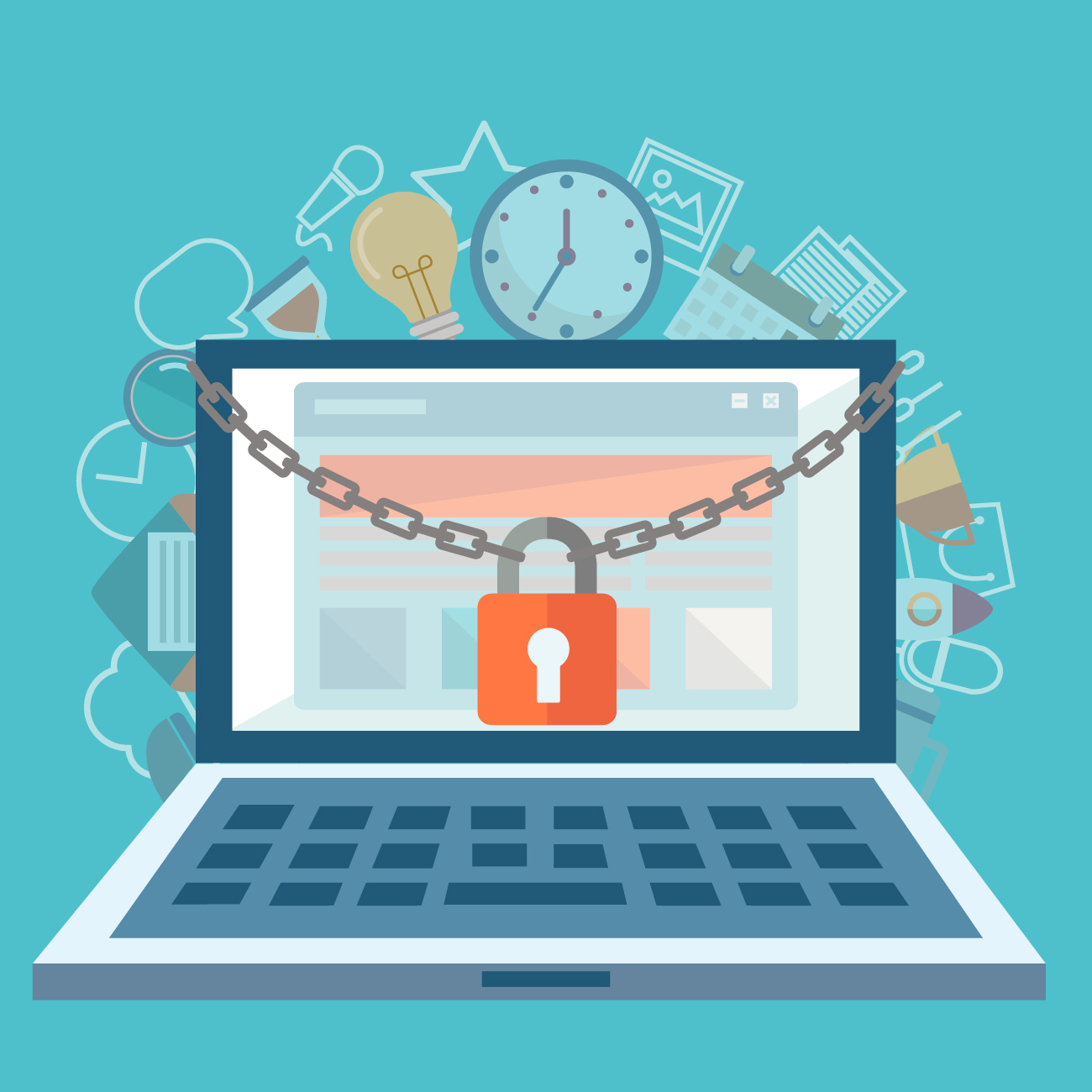
How data privacy impacts digital marketing and customer trust is now a defining concern for businesses and consumers alike. Companies rely on data to personalize experiences, optimize campaigns, and measure engagement. However, increasing privacy concerns and evolving regulations are forcing businesses to rethink their approach. Consumers expect brands to be transparent about how their data is collected, stored, and used. Regulations such as the General Data Protection Regulation (GDPR) and the California Consumer Privacy Act (CCPA) enforce stricter rules, making compliance a priority. Businesses that fail to adopt privacy-first marketing practices risk legal penalties, reputational damage, and loss of customer confidence. By prioritizing responsible data collection, ethical marketing, and secure storage, businesses can maintain trust and long-term customer relationships. Companies that adapt to this privacy-conscious era will not only stay compliant but also strengthen their brand credibility in a competitive digital landscape. The Role of Data Privacy in Digital Marketing Data privacy is now a defining factor in how businesses develop and implement marketing strategies. New privacy laws and shifting consumer attitudes require brands to rethink how they collect, store, and use customer data. Ways Data Privacy Affects Digital Marketing Regulatory Compliance – Laws such as GDPR and CCPA require companies to obtain user consent before collecting personal data. Decline of Third-Party Cookies – Companies must transition to first-party data collection for audience insights. Enhanced Consumer Control – Users have the right to access, modify, or delete their personal data. Stronger Security Requirements – Businesses must implement encryption and authentication to protect sensitive data. Impact on Ad Targeting – Restrictions on tracking limit the effectiveness of traditional digital advertising. How Businesses Can Adapt Leverage First-Party Data – Collect insights directly through website interactions, surveys, and email sign-ups. Adopt Privacy-Compliant Analytics – Use tools that measure engagement without storing personal identifiers. Implement Consent-Based Marketing – Offer clear opt-in and opt-out options for data collection. Communicate Transparency – Provide easily accessible privacy policies and updates. By embracing ethical marketing practices, businesses can maintain audience engagement while complying with evolving privacy regulations. Why Customer Trust Relies on Data Privacy Customer trust is critical for business success. A 2023 Cisco survey found that 81% of consumers consider a company’s data protection efforts a key factor in determining trustworthiness. Mishandling data can lead to loss of confidence, negative publicity, and regulatory scrutiny. Factors That Build Consumer Trust Clear Privacy Policies – Customers appreciate transparency in how their data is collected and used. Strong Data Security – Encryption, authentication, and firewalls protect consumer information. User Control Over Data – Businesses that allow users to manage their data preferences earn more trust. Accountability and Responsiveness – Companies that quickly address privacy concerns demonstrate reliability. Consequences of Poor Data Privacy Practices Loss of Customer Trust – Once lost, trust is difficult to regain. Legal and Financial Risks – Fines and lawsuits can significantly impact business operations. Reputational Damage – High-profile data breaches lead to negative media attention and brand distrust. Best Practices for Strengthening Trust Publish Clear Privacy Policies – Ensure policies are easy to understand and readily accessible. Secure Consumer Data – Invest in cybersecurity tools to prevent unauthorized access. Empower Customers – Provide users with control over their data preferences. By prioritizing customer data protection, businesses can reinforce trust and strengthen their brand reputation. How Digital Marketers Can Adapt to a Privacy-First Landscape The decline of third-party tracking and increased privacy regulations require marketers to rethink their engagement strategies. Invasive tracking is no longer viable, and businesses must shift to ethical, consent-driven campaigns. Privacy-Friendly Marketing Strategies First-Party Data Collection Gather data through customer interactions, loyalty programs, and email sign-ups. Offer value exchanges, such as discounts or exclusive content, for voluntary data sharing. Contextual Targeting Display ads based on webpage content rather than user behavior tracking. Use keyword-based targeting to align ads with relevant topics. Privacy-Compliant Analytics Implement analytics tools that track engagement without storing personal identifiers. Use AI-driven insights to personalize marketing without violating privacy laws. Permission-Based Marketing Require explicit opt-ins for email lists and promotional campaigns. Offer users privacy settings to customize data-sharing preferences. Enhanced Security Measures Apply multi-factor authentication to protect sensitive customer data. Conduct regular security audits to detect vulnerabilities. By adopting privacy-first digital marketing techniques, businesses can engage audiences while respecting their data rights. The Future of Digital Marketing in a Privacy-Centric World As data privacy laws evolve, digital marketers must prepare for a future where ethical, transparent engagement is the standard. Emerging Trends in Privacy-First Marketing Zero-Party Data Collection – Encouraging customers to voluntarily share their preferences for tailored experiences. AI-Powered Personalization – Leveraging machine learning to optimize marketing strategies without invasive tracking. Stronger Global Privacy Regulations – More governments implementing GDPR-like laws to enhance consumer protections. Privacy-Focused Branding – Businesses using privacy as a competitive advantage to differentiate themselves. Companies that embrace ethical marketing practices will build stronger customer relationships and maintain long-term success. The Path Forward: Building Trust Through Privacy-First Marketing Data privacy is transforming digital marketing, making customer data protection a priority for businesses worldwide. As regulations increase and consumers demand more transparency, companies must shift toward privacy-first digital marketing strategies to maintain compliance and trust. By committing to ethical data practices, businesses can build lasting relationships with their customers while staying compliant in an evolving digital landscape.

Leveraging Trends to Align with Health-Conscious Buyers

The demand for health-conscious products and services has grown exponentially, reshaping industries and creating new opportunities for brands to connect with mindful consumers. By aligning with trends and understanding buyer priorities, businesses can establish trust, boost loyalty, and ultimately drive growth. This blog explores actionable strategies for leveraging trends to align with health-conscious buyers while providing insights into emerging behaviors and preferences. Understanding the Health-Conscious Consumer Health-conscious consumers prioritize wellness in every aspect of their lives, from diet and fitness to mental health and environmental sustainability. These individuals actively seek products that align with their values, including transparency, clean ingredients, and ethical sourcing. Key characteristics of health-conscious buyers include: A preference for organic or clean-label products. A commitment to sustainable practices and brands with environmental awareness. A growing focus on mental health and holistic wellness alongside physical health. Industries such as food and beverage, personal care, and fitness technology have seen the most significant shift toward health-conscious trends. Businesses that meet these demands often see stronger brand loyalty and increased word-of-mouth advocacy. Why Aligning with Trends Matters Consumer trends serve as a reflection of evolving priorities and provide invaluable insights into market needs. For health-conscious buyers, trends often reveal their changing expectations, such as a greater focus on mental well-being or a desire for eco-friendly products. Benefits of aligning with these trends include: Increased relevance: Staying ahead of trends ensures your business remains top-of-mind for customers. Enhanced loyalty: Buyers are more likely to support brands that reflect their values. Market differentiation: Trend-driven marketing allows your brand to stand out in a competitive market. Failing to adapt risks losing relevance in an increasingly health-focused world, as consumers are quick to move on to brands that better meet their needs. Key Health Trends Shaping Buyer Behavior Keeping pace with emerging health trends is essential to connecting with health-conscious consumers. Here are four major trends shaping consumer behavior today: Organic and Clean-Label Products Shoppers are scrutinizing ingredient labels more than ever, opting for products free of additives, preservatives, and artificial chemicals. Plant-Based and Sustainable Diets The rise of flexitarian diets has pushed plant-based products into the mainstream, with buyers seeking both health and environmental benefits. Wearable Tech and Data-Driven Wellness Fitness trackers and health apps enable consumers to monitor everything from sleep patterns to hydration levels, fostering more personalized wellness routines. Mental Health and Holistic Wellness Products and services that promote mindfulness, self-care, and emotional well-being are rapidly gaining traction. These trends reveal not just what consumers want but also how businesses can create value by aligning with these priorities. Strategies to Align with Health-Conscious Buyers To build meaningful connections with health-conscious consumers, brands must take a proactive and authentic approach. Key strategies include: Emphasizing Sustainability: Highlight your efforts to reduce waste, source ethically, and adopt eco-friendly packaging. Transparent Communication: Clearly disclose product ingredients, sourcing, and manufacturing processes to earn trust. Personalized Marketing: Use customer data to tailor messages that address individual health goals, such as fitness milestones or dietary preferences. Example: A personal care brand could spotlight its cruelty-free certifications and promote refillable packaging options, appealing to buyers who value sustainability and animal welfare. Leveraging Technology to Monitor Trends Staying ahead of health-conscious trends requires effective use of technology to gather and analyze data. Tools like Google Trends, social media analytics, and industry reports can reveal emerging buyer preferences in real-time. Additionally, AI-driven tools enable businesses to predict consumer behavior and refine their strategies accordingly. Case Study: A fitness app that tracks user activity could identify increasing interest in guided meditation sessions and introduce new features to address this demand, staying relevant while fostering deeper engagement. Building Trust with Health-Conscious Consumers Trust is at the core of any relationship with health-conscious buyers. These consumers demand authenticity and are quick to turn away from brands that make exaggerated or misleading claims. To build and maintain trust: Be Authentic: Share your company’s mission and values in an honest, relatable way. Address Concerns: Respond openly to questions about product safety, sourcing, or certifications. Tell Stories: Use storytelling to connect emotionally with your audience, such as highlighting real customer experiences or supplier partnerships. Developing Tailored Marketing Campaigns Marketing to health-conscious buyers requires a nuanced approach that speaks directly to their priorities. Some best practices include: Incorporating health-focused visuals and messaging into campaigns. Collaborating with influencers who embody health-conscious values to amplify your message. Timing campaigns around seasonal health trends, such as fitness goals in January or hydration during summer months. Personalized campaigns not only resonate more deeply but also demonstrate your commitment to understanding and meeting consumer needs. The Role of Social Responsibility in Buyer Decisions Health-conscious buyers increasingly expect brands to take a stand on social and environmental issues. By aligning with these values, businesses can strengthen their connection with their audience. Examples of impactful initiatives include: Supporting causes like reducing single-use plastics or improving access to nutrition education. Participating in community health events to build goodwill. Consumers want to see businesses doing more than just selling—they expect action that aligns with their values. Measuring the Impact of Trend-Driven Marketing To ensure success, businesses must track the impact of their efforts. Key performance indicators (KPIs) for trend-driven marketing include: Engagement rates on social media campaigns. Sales growth in trend-related product categories. Customer retention rates among health-conscious buyers. Regularly collecting and analyzing feedback can also reveal areas for improvement, ensuring your strategy remains effective and relevant. Trends to Watch in 2025 and Beyond As consumer behaviors continue to evolve, here are some trends to keep an eye on: Holistic Wellness Ecosystems: Integrating fitness, mental health, and nutrition into unified services. Personalized Nutrition: Advancements in DNA testing for tailored diets. Virtual Reality in Wellness: VR-enabled fitness classes and immersive meditation experiences. Adopting these innovations early can position your brand as a leader in the health-conscious space. Conclusion Aligning with trends isn’t just about staying current—it’s about building deeper connections with health-conscious consumers by understanding and meeting their needs. By emphasizing authenticity, leveraging technology, and staying attuned

Omnichannel Success for a Seamless Customer Journey

In a world where customer expectations are sky-high, businesses cannot afford fragmented experiences. Every interaction with a brand, whether online or offline, contributes to a customer’s perception. Omnichannel success for a seamless customer journey enables brands to create a connected experience where transitions between touchpoints are effortless and satisfying. By integrating all customer-facing channels, companies can align their efforts, increase customer retention, and deliver exceptional value. In this blog, we’ll explore the key elements of an omnichannel strategy, its benefits, and actionable steps to ensure seamless execution. What Is Omnichannel Success? Omnichannel success refers to providing a consistent and personalized experience across all customer touchpoints—whether they’re engaging with your business online, in-store, or through social media. The goal is to integrate these channels so customers feel like they’re interacting with a unified brand rather than disjointed parts. Core elements of an omnichannel strategy include: Consistent Messaging: Whether it’s an email, Instagram ad, or website banner, the message should reflect your brand’s identity and tone. Data Synchronization: Centralized systems ensure customer data is shared across platforms, providing a holistic view of their journey. Frictionless Transitions: Customers should be able to switch between devices or platforms without losing their progress or context. Example in Action: Consider a customer browsing furniture on a retailer’s website. Later, they visit the store and receive personalized recommendations based on their online activity. This seamless interaction demonstrates omnichannel success in action. The Benefits of a Seamless Customer Journey Why does creating a seamless customer journey matter so much? Because consistency and ease directly impact a customer’s loyalty, satisfaction, and likelihood to recommend your business. Key benefits include: Higher Customer Retention When customers can interact with your brand effortlessly, they’re more likely to return for future purchases. Increased Revenue A frictionless journey reduces drop-offs and encourages customers to complete their purchases, leading to higher conversion rates. Stronger Brand Loyalty Customers who experience smooth transitions between touchpoints are more inclined to become repeat buyers and advocates. Improved Customer Satisfaction By eliminating pain points, you deliver a better overall experience, keeping customers happy and engaged. Enhanced Data Insights Tracking customer behavior across channels provides valuable insights for optimizing future strategies. Did you know? According to McKinsey, companies that implement seamless customer journeys see up to a 20% increase in customer satisfaction and a 15% rise in revenue growth. Building a Winning Omnichannel Strategy Creating a successful omnichannel approach requires careful planning and execution. Follow these steps to deliver a seamless customer journey: 1. Understand Your Audience Use customer feedback, surveys, and analytics to understand behavior and preferences. Develop personas to represent your target audience and their needs. 2. Integrate Technology Implement customer relationship management (CRM) tools to centralize data. Leverage AI-driven personalization to customize experiences. 3. Streamline All Touchpoints Optimize your website, mobile app, and in-store experience to reflect consistent branding. Ensure channels are compatible with each other for smooth transitions. 4. Emphasize Personalization Use dynamic content in emails or ads to reflect individual customer preferences. Tailor recommendations based on browsing history or purchase behavior. 5. Test and Adjust Regularly Conduct A/B tests to identify what resonates with customers. Analyze key performance indicators (KPIs) like retention rates and conversion rates to refine strategies. Challenges in Achieving Omnichannel Success While the benefits of omnichannel success are undeniable, implementing it comes with challenges. Here’s how to address the most common obstacles: 1. Disconnected Systems Challenge: Siloed data between departments leads to inconsistencies. Solution: Use integrated tools like Salesforce or HubSpot to unify customer data. 2. Limited Resources Challenge: Small businesses may lack the resources to manage multiple channels effectively. Solution: Prioritize high-performing platforms and expand as your budget grows. 3. Inconsistent Messaging Challenge: Different teams creating separate campaigns can dilute your brand voice. Solution: Create a centralized branding guide and ensure all teams follow it. Technology as the Backbone of Omnichannel Strategies Technology plays a pivotal role in ensuring seamless customer journeys. From automation to data tracking, modern tools simplify the complexities of managing multiple channels. Essential technologies include: CRM Platforms Tools like Zoho CRM and Salesforce consolidate customer data for consistent messaging. Chatbots Chatbots on websites and apps offer real-time support to customers across touchpoints. Artificial Intelligence (AI) AI-powered personalization delivers tailored product recommendations or reminders based on customer behavior. Inventory Management Systems Synchronize inventory across online and offline stores to avoid discrepancies. By leveraging these technologies, businesses can stay agile and provide exceptional service at every stage of the journey. Measuring Omnichannel Success Tracking your strategy’s performance is critical to understanding its impact and making data-driven improvements. Use these key performance indicators (KPIs) to evaluate success: Customer Retention Rate: Measures how many customers continue to engage with your brand. Net Promoter Score (NPS): Tracks how likely customers are to recommend your business. Cart Abandonment Rate: Identifies how often customers leave without completing purchases. Average Order Value (AOV): Tracks the average spend per transaction across channels. Analyzing these KPIs regularly ensures your omnichannel strategy remains aligned with customer expectations. Real-Life Examples of Omnichannel Success Some of the world’s top brands have mastered omnichannel marketing. Let’s look at their strategies: Nike: The Nike app integrates in-store and online shopping, allowing customers to reserve items online and pick them up in-store. Amazon: With features like “Buy Online, Pick Up in Store,” Amazon offers seamless transitions between physical and digital touchpoints. Sephora: The beauty retailer combines in-store technology with its app to provide personalized product recommendations and loyalty rewards. These examples highlight how innovative strategies can create lasting impressions and drive customer loyalty. Conclusion Achieving omnichannel success for a seamless customer journey is essential for businesses that want to stay ahead in a competitive market. By unifying your touchpoints, leveraging technology, and personalizing the customer experience, you can meet and exceed customer expectations. The rewards are clear: higher retention, increased revenue, and stronger customer relationships. Start small, embrace innovation, and watch your brand flourish as you deliver the seamless experiences today’s customers demand.

Personalized Marketing Through First-Party Data

In an increasingly privacy-conscious world, businesses are shifting to personalized marketing through first-party data to build genuine relationships with their customers. This strategy leverages data that customers willingly share to create tailored campaigns that are both respectful and effective. By focusing on this approach, businesses can enhance engagement, foster loyalty, and future-proof their marketing efforts. What Is First-Party Data and Why Does It Matter? First-party data refers to the information collected directly from your audience. This data includes: Website Analytics: Page visits, clicks, and session durations. Purchase Behavior: Products bought, order frequency, and preferences. Customer Feedback: Surveys, reviews, and support inquiries. Email Engagement: Open rates, click-through rates, and subscription details. This data is not only accurate but also ethical because it comes directly from your customers. Unlike third-party data, it ensures compliance with privacy laws like GDPR and CCPA, while eliminating the need for expensive external data sources. Additionally, first-party data empowers businesses to: Build trust by being transparent about data usage. Create personalized campaigns that reflect customer interests. Reduce costs associated with buying third-party lists. By making first-party data the cornerstone of your strategy, you’re investing in sustainable, customer-centric marketing practices. The Importance of Personalized Marketing Generic marketing no longer resonates in today’s world. Customers expect tailored experiences, and brands that fail to deliver risk losing their audience. Personalized marketing stands out by: Enhancing Relevance: Messaging aligns with customer needs and interests. Boosting Engagement: Higher click-through rates and conversions. Strengthening Loyalty: Customers are more likely to stick with brands that “get” them. For example, a customer who regularly purchases athletic gear may appreciate a discount on running shoes or a curated guide to the latest fitness trends. This level of customization deepens emotional connections, turning occasional buyers into lifelong advocates. How First-Party Data Fuels Personalized Marketing First-party data provides the foundation for personalization by offering rich insights into customer behavior. Here’s how it drives results: 1. Deeper Audience Insights Using first-party data, businesses can analyze: Demographics: Age, location, and interests. Behavioral Trends: Purchase cycles and website navigation. Preferences: Products or services customers engage with most frequently. These insights allow businesses to segment audiences effectively, ensuring that every message feels relevant. 2. Improved Trust and Transparency Customers are more likely to engage when they know their data is being used ethically. Sharing how first-party data improves their experience—such as personalized offers or faster service—builds trust and encourages further engagement. 3. Enhanced Campaign Performance Tailored campaigns are naturally more effective. With first-party data, businesses can: Send timely promotions based on customer behavior (e.g., abandoned cart emails). Offer targeted recommendations that drive upsells or cross-sells. Avoid irrelevant messaging, reducing the likelihood of customer churn. 4. Cost-Effective Solutions Owning your data eliminates the need for costly third-party providers. By focusing on your own audience, you reduce acquisition costs and improve ROI. Practical Tips for Collecting First-Party Data To collect data responsibly and effectively, follow these tips: Be Transparent: Clearly communicate what data you’re collecting and how it will be used. Include a privacy policy on your website. Use Value-Driven Incentives: Offer discounts, free resources, or exclusive access in exchange for information like email addresses or preferences. Leverage Interactive Tools: Use surveys, polls, or quizzes to engage customers while gathering insights. Simplify Opt-Ins: Make it easy for users to sign up or share their data by minimizing friction in the process. For example, a clothing retailer might offer a 10% discount in exchange for signing up for their newsletter, allowing them to collect valuable email addresses while providing immediate value to the customer. Overcoming Challenges in Personalized Marketing Through First-Party Data Despite its advantages, leveraging first-party data comes with challenges. Here’s how to address them: 1. Data Silos When data is stored across multiple systems, creating a unified customer view can be difficult. Solution: Use tools like a Customer Data Platform (CDP) to centralize information. 2. Privacy Compliance Evolving regulations require strict adherence to privacy laws. Solution: Regularly update your data policies and train your team on compliance best practices. 3. Limited Resources Collecting and analyzing first-party data requires time and expertise. Solution: Start small, using free or affordable tools like Google Analytics, and scale up as you grow. By addressing these obstacles, businesses can unlock the full potential of first-party data without compromising trust or efficiency. Real-World Examples of Success Amazon Amazon’s recommendation engine is powered by first-party data, using browsing and purchase history to suggest relevant products. This personalization drives both customer loyalty and sales growth. Netflix Netflix uses viewing habits to create tailored recommendations, ensuring users always find content that matches their preferences. This strategy enhances retention rates and boosts user satisfaction. Sephora Sephora collects data through its loyalty program, combining in-store and online behaviors to deliver personalized promotions and product suggestions. These brands highlight how first-party data can transform customer experiences, turning ordinary interactions into memorable ones. Best Practices for Success To ensure your efforts yield results, follow these best practices: Prioritize Consent: Always ask for explicit permission before collecting data. Segment Smartly: Group customers into categories (e.g., new, repeat, VIP) for tailored messaging. Automate Where Possible: Use tools like email automation platforms to deliver personalized campaigns at scale. Analyze Results: Continuously measure campaign performance and refine your strategy accordingly. By focusing on these principles, businesses can achieve sustainable growth while maintaining customer satisfaction. The Future of Personalized Marketing Through First-Party Data As privacy regulations tighten and third-party cookies disappear, the importance of first-party data will only grow. Future trends include: AI Integration: Advanced tools that analyze data in real time to create hyper-personalized experiences. Privacy-First Innovation: New tools that prioritize compliance while simplifying data collection. Omnichannel Strategies: Integrating offline and online data for a seamless customer experience. Brands that invest in ethical data practices today will be best positioned to thrive in the customer-centric future. Personalize Your Marketing Personalized marketing through first-party data is a game-changer for businesses seeking to engage customers meaningfully while respecting their privacy. By responsibly collecting and leveraging this data, brands can create tailored

Building a Purpose-Driven Brand for Lasting Growth

Building a purpose-driven brand is more than a strategic choice—it’s a commitment to aligning your business with values that resonate deeply with your audience. By weaving a meaningful purpose into your brand’s DNA, you create a foundation for sustainable growth, enduring trust, and genuine connections. A purpose-driven brand doesn’t just sell products or services; it solves meaningful problems and reflects the ideals of its customers. Let’s explore how you can develop such a brand and why it can lead to lasting success. What Makes a Purpose-Driven Brand? A purpose-driven brand is built on a mission that goes beyond financial gain. Its purpose is to address societal or cultural needs while delivering value to its customers. This mission serves as the brand’s guiding principle, influencing decisions at every level. Key Characteristics of a Purpose-Driven Brand Mission-Led Operations: The brand’s actions consistently align with a defined purpose. Authenticity: The mission isn’t a marketing gimmick but a genuine commitment. Customer Alignment: The brand’s purpose resonates with its target audience. Community Engagement: The brand actively participates in initiatives that reflect its values. For instance, brands like Patagonia and TOMS Shoes have built their reputations by embedding sustainability and social good into their operations, inspiring customers and fostering loyalty. Why Purpose-Driven Branding Is Essential In today’s world, customers expect more than just quality products—they want to support brands that share their values. A purpose-driven approach sets your business apart, builds trust, and fosters deeper connections. The Benefits of Purpose-Driven Branding Stronger Customer Loyalty: Customers remain loyal to brands that reflect their personal beliefs. Competitive Differentiation: Purpose helps your brand stand out in a crowded market. Employee Engagement: Teams feel more motivated when they work for a mission-driven company. Sustainable Growth: A clear purpose creates a solid foundation for long-term success. According to a 2021 study by Zeno Group, customers are four times more likely to purchase from brands with a strong purpose, reinforcing the idea that purpose drives profitability. How to Build a Purpose-Driven Brand 1. Define Your Purpose The first step to creating a purpose-driven brand is identifying your “why.” Ask yourself: What impact do you want your business to have on the world? What challenges or needs can your brand address? How does your purpose align with your customers’ values? A strong mission statement encapsulates this purpose in a simple, inspiring way. For example, Warby Parker’s mission—to provide affordable eyewear while giving back—is both clear and impactful. 2. Understand Your Audience Your purpose should align with what matters most to your customers. Conduct research to uncover their key values and pain points. For example: Are they concerned about sustainability? Do they value inclusivity and representation? Are they seeking transparency and ethical practices? The closer your mission aligns with your audience’s values, the more meaningful your connection will be. 3. Integrate Purpose into Business Practices Your purpose shouldn’t exist only in marketing materials—it must be evident in your operations, partnerships, and products. Examples of Purpose in Action: Use sustainable materials and ethical production methods. Collaborate with nonprofits or organizations that align with your mission. Offer transparency in sourcing, pricing, or impact reporting. When every aspect of your business reflects your purpose, customers can feel your authenticity. Purpose-Driven Marketing Strategies Once your purpose is clear, marketing becomes a critical tool for communicating it effectively. Customers should see your mission in action through storytelling, campaigns, and initiatives. 1. Leverage Storytelling People connect with stories, not statistics. Share narratives that humanize your mission, such as: The story behind your brand’s purpose. Real-life examples of how you’ve impacted customers or communities. Employee or customer testimonials tied to your mission. 2. Consistent Messaging Across Channels Your purpose should be evident in every customer interaction. Whether it’s through social media, email campaigns, or packaging, ensure your messaging reinforces your brand’s mission. 3. Collaborate for Greater Reach Partnerships amplify your message. For example, working with a nonprofit that supports your mission not only expands your impact but also boosts your credibility. The Role of Transparency in Purpose-Driven Brands Trust is the foundation of a purpose-driven brand, and transparency is key to building it. Customers expect brands to be open about their progress, challenges, and impact. How to Practice Transparency Share Your Impact: Publish reports or updates that detail how your efforts are creating change. Admit Challenges: If your brand faces setbacks, be honest about them and share how you’re working to improve. Encourage Dialogue: Invite customer feedback and engage in open conversations about your mission. Transparency fosters trust, making customers more likely to support your brand in the long term. Examples of Purpose-Driven Brands in Action 1. Patagonia Patagonia’s mission to “save our home planet” informs every aspect of its business, from sustainable clothing production to environmental activism. 2. The Body Shop This beauty brand is committed to ethical sourcing and cruelty-free practices, reflecting its dedication to environmental and social causes. 3. Ben & Jerry’s Known for its social activism, Ben & Jerry’s uses its platform to advocate for causes like racial justice, climate action, and LGBTQ+ rights—all while delivering great ice cream. Overcoming Common Challenges in Purpose-Driven Branding While purpose-driven branding offers immense benefits, it comes with challenges. 1. Balancing Purpose with Profit Businesses often worry that focusing on purpose might hinder profitability. However, research shows that purpose-driven brands often outperform their peers financially by attracting loyal customers. 2. Avoiding Perceived Inauthenticity Customers are quick to call out “purpose-washing.” To avoid this, ensure that your actions align with your stated mission. 3. Communicating Effectively If your purpose isn’t clear or compelling, it may not resonate. Invest in clear, consistent messaging to avoid confusion. Steps to Implement a Purpose-Driven Strategy Define Your Mission: Clarify your purpose and articulate it in a way that resonates with your audience. Engage Employees: Build an internal culture that reflects your mission. Take Action: Implement initiatives that bring your purpose to life. Measure Impact: Use data to track and communicate your progress transparently. How Purpose Fuels Lasting Growth Purpose-driven brands enjoy a variety of long-term

Sustainable Marketing Strategies for Modern Brands

Sustainability is no longer just a nice-to-have for brands—it’s a competitive necessity. Consumers increasingly demand that companies prioritize environmental and ethical responsibility in their practices. Sustainable marketing strategies bridge the gap between profitability and purpose, enabling brands to build long-term loyalty while supporting the planet. By focusing on eco-conscious initiatives, brands can establish themselves as leaders in a market where values matter as much as products. What Is Sustainable Marketing? Sustainable marketing promotes products and services in ways that are socially responsible and environmentally friendly. Instead of focusing on quick wins or short-term profits, it emphasizes long-term impacts that benefit businesses, communities, and the planet. This strategy involves practices such as: Reducing the use of non-recyclable packaging. Promoting initiatives like ethical sourcing or carbon neutrality. Educating customers about mindful consumption. For example, brands like Patagonia champion sustainability by encouraging consumers to repair their old gear rather than buy new products. This strategy aligns perfectly with their commitment to reducing waste while earning consumer trust. Why Modern Brands Need Sustainable Marketing Sustainable marketing isn’t just about keeping up with trends—it’s essential for businesses aiming to stay relevant in today’s competitive environment. Here’s why it matters: Customer Loyalty: People are more likely to support brands that align with their values. Sustainability fosters emotional connections with consumers. Market Differentiation: In crowded markets, sustainable practices can set brands apart from competitors. Operational Efficiency: By reducing waste and using resources efficiently, brands can lower costs in the long term. Compliance With Regulations: Governments are enforcing stricter environmental laws. Adopting sustainability now prepares brands for the future. For instance, younger generations, such as Millennials and Gen Z, often prioritize purchasing from companies that demonstrate genuine environmental responsibility. Ignoring these values could alienate a critical demographic. Core Principles of Sustainable Marketing A successful sustainable marketing strategy rests on the following principles: Transparency: Be honest about your sustainability efforts. Consumers value authenticity and dislike greenwashing. Durability: Design products that last longer to reduce waste. Focus on quality over quantity. Engagement: Involve your customers in your sustainability journey. Campaigns like recycling programs or sustainability challenges strengthen brand relationships. Collaboration: Work with other organizations, such as NGOs or local communities, to amplify your impact. These principles ensure your marketing isn’t just eco-friendly in theory but impactful in practice. Steps to Build a Sustainable Marketing Strategy Building a sustainable marketing strategy requires thoughtful planning and deliberate execution. Follow these actionable steps: Set Clear Sustainability Goals Start by defining what sustainability looks like for your brand. Goals should be specific and measurable. For example: Cut greenhouse gas emissions by 25% over five years. Transition to 100% renewable energy by 2030. Eliminate single-use plastics in all packaging by 2025. Concrete goals not only guide your marketing but also hold your brand accountable. Rethink Product Design and Packaging Your products and their packaging are critical to your sustainability story. Consider: Using biodegradable or compostable packaging materials. Offering refillable or reusable product containers. Minimizing packaging without compromising product safety. For example, The Body Shop allows customers to refill shampoo and lotion bottles in-store, reducing single-use plastic waste while engaging eco-conscious consumers. Prioritize Digital Marketing Digital marketing is a sustainable alternative to print materials, which often generate significant waste. Focus on: Social media platforms for targeted campaigns. Email marketing to deliver personalized, paper-free promotions. SEO-driven content marketing, such as blogs and videos, to share your sustainability story. By shifting your efforts online, you not only reduce your carbon footprint but also reach a broader audience. Involve Your Audience Sustainable marketing works best when customers feel like they’re part of the journey. Engage them by: Hosting challenges, such as encouraging customers to share their upcycling ideas. Rewarding eco-friendly behavior, like recycling old products for store credit. Sharing customer success stories to inspire others to participate. Certify Your Sustainability Efforts Certifications provide credibility and demonstrate accountability. Programs like Fair Trade, CarbonNeutral, and B Corporation help validate your claims. Highlight these achievements in your marketing to build trust and differentiate your brand. The Role of Technology in Sustainable Marketing Technology is a game-changer for brands aiming to adopt sustainable marketing strategies. Here’s how: AI and Analytics: Predict consumer behavior and tailor campaigns to reduce wasted ad spend. This precision ensures resources are used efficiently. Blockchain: Blockchain verifies ethical sourcing in supply chains, ensuring your materials come from responsible sources. Social Media Platforms: Tools like Instagram Reels or TikTok videos allow brands to share their sustainability efforts directly with consumers, building transparency. For example, a brand could create a short video showing how it sources materials responsibly, helping consumers understand the impact of their purchases. Sustainable Marketing in Action Patagonia Patagonia’s campaigns encourage thoughtful consumption, such as repairing old clothes instead of buying new ones. Their “Worn Wear” initiative promotes repairing gear, reducing waste, and saving customers money. Unilever Unilever has integrated sustainability into its entire supply chain. Through initiatives like its “Sustainable Living Plan,” it has reduced carbon emissions while improving living standards for workers globally. Nike Nike’s “Move to Zero” campaign shows its commitment to achieving zero carbon emissions and zero waste. This effort includes using recycled materials in products and sustainable manufacturing processes. Challenges in Sustainable Marketing Despite its advantages, sustainable marketing comes with challenges that brands must address: Greenwashing Concerns: Consumers are increasingly skeptical of vague claims. Brands need to back up statements with data and certifications. Initial Costs: Transitioning to sustainable practices often requires upfront investments in materials or technology. However, these costs are typically offset by long-term savings. Consumer Education: Some audiences may not fully understand the benefits of sustainable products. Clear, accessible communication is key to bridging this gap. By proactively addressing these challenges, brands can avoid missteps and build trust with their audience. Benefits of Sustainable Marketing for Brands Sustainable marketing creates opportunities to: Build stronger customer relationships based on shared values. Achieve long-term savings by reducing waste and streamlining resources. Gain a competitive edge in a market increasingly driven by eco-conscious consumers. For brands, the benefits extend far beyond revenue.

Building Momentum Through Consistency in Marketing

Momentum in marketing doesn’t happen overnight. It’s built by showing up, delivering value, and maintaining a steady rhythm. Consistency is the backbone of successful marketing strategies, enabling brands to foster trust, strengthen visibility, and create a lasting impression. In this blog, we explore how consistency in marketing builds momentum and why it’s essential for long-term growth. Why Consistency Is Key to Marketing Success Consistency ensures your brand remains recognizable and reliable in the eyes of your audience. When customers see your messaging regularly across platforms, it builds trust and familiarity. Enhances Brand Recall: Regular exposure to your brand makes it easier for customers to remember you. Increases Trust: Consistent messaging signals stability and professionalism. Improves Engagement: Audiences are more likely to interact with predictable, value-driven content. Boosts Confidence: Customers feel more comfortable engaging with brands that consistently meet their expectations. Take Patagonia, for instance. The outdoor brand’s messaging about sustainability is consistent across advertisements, social media, and product descriptions, reinforcing its identity as an environmentally responsible company. How Consistency Builds Marketing Momentum Momentum is the result of small, consistent actions accumulating over time. A consistent marketing approach ensures every effort contributes to your larger goals. Steady Relationship Building: Repeated interactions strengthen customer trust. Reinforced Branding: A clear, cohesive message across platforms creates a unified brand identity. Compound Results: Each campaign builds on the success of previous efforts. Better Data Insights: Regular activities provide measurable patterns, helping refine strategies. For example, a business that publishes blogs twice a month not only attracts visitors but also improves SEO over time. Momentum builds as more people visit the website, engage with the content, and eventually convert into customers. Core Elements of a Consistent Marketing Strategy 1. Unified Branding Your branding is the foundation of consistency. It encompasses visual elements, tone, and messaging. Use the same color schemes, fonts, and logos across platforms. Maintain a consistent tone in blogs, social posts, and advertisements. Align your messaging with your core values. 2. Regular Posting Schedule Audiences expect predictability. A reliable schedule ensures they know when and where to find your updates. Plan content through a marketing calendar. Use automation tools to maintain consistent timing. Prioritize frequency, whether weekly, biweekly, or monthly. 3. Valuable Content Content should always provide value, not just fill a quota. Create blog posts, videos, or social updates that address audience pain points. Avoid generic messaging; tailor content to resonate deeply. Use visuals and infographics to enhance engagement. 4. Cross-Channel Alignment Ensure all platforms deliver a cohesive message. Coordinate campaigns across social media, email, and your website. Repurpose content in formats suitable for each platform. Use consistent calls to action (CTAs) to drive desired outcomes. Challenges to Maintaining Consistency 1. Lack of Time or Resources Smaller teams often struggle to produce regular content due to limited resources. 2. Content Fatigue It’s easy to run out of fresh ideas when creating content frequently. 3. Changing Market Conditions Trends and shifts can disrupt planned strategies, requiring quick adaptations. 4. Unrealistic Expectations Hoping for immediate results can lead to disappointment and an inconsistent focus. For example, a startup may focus heavily on one platform but fail to sustain engagement due to limited bandwidth. Practical Solutions for Overcoming Challenges Batch Content Creation Create multiple posts, videos, or emails during one session to save time later. Outsource When Necessary If resources are tight, collaborate with freelancers or marketing agencies to maintain consistency. Leverage Automation Tools Platforms like Hootsuite or Mailchimp streamline scheduling and posting tasks. Stay Flexible While consistency is vital, be prepared to adapt when necessary. For example, pivoting a campaign to address a trending topic can keep your brand relevant. The Long-Term Benefits of Consistent Marketing Consistency delivers tangible and lasting rewards, such as: Improved Customer Loyalty: Regular interactions build trust and retention. Enhanced SEO: Fresh, frequent content boosts search engine rankings. Better Predictability: Consistent efforts create more predictable performance metrics. Stronger Brand Positioning: Reliable messaging helps establish your brand as a leader in your industry. For instance, businesses that maintain steady social media activity see higher engagement rates and more organic growth over time. Practical Steps to Start Building Momentum Set Clear Goals: Identify what you aim to achieve—brand awareness, lead generation, or customer loyalty. Develop a Content Calendar: Outline posts, blogs, or campaigns for the month ahead. Focus on Quality Over Quantity: Aim for fewer, high-impact pieces rather than constant but low-value updates. Measure Performance Regularly: Use tools like Google Analytics to track results. Celebrate Progress: Acknowledge small wins to keep your team motivated. Final Thoughts Building momentum through consistency in marketing requires commitment and focus, but the results are worth the effort. A steady marketing strategy not only solidifies your brand’s presence but also fosters trust, engagement, and sustainable growth. By planning carefully, aligning your efforts, and delivering value consistently, you can achieve long-term success that compounds over time.

Why Personalized Marketing Outshines Generic Campaigns

Consumers no longer respond to generic marketing blasts that lack personal relevance. Today, they expect tailored experiences that speak directly to their preferences, interests, and behaviors. Personalized Marketing Outshines Generic Campaigns by delivering tailored experiences that drive engagement and conversions. By using customer data effectively, businesses can deliver messages that resonate, creating deeper connections and achieving measurable success. The Core Benefits of Personalized Marketing Better Customer Engagement Personalized marketing catches attention by delivering content that matters to the individual. Whether it’s a product recommendation based on browsing history or an email greeting with the recipient’s name, these touches create an engaging experience. Studies show that personalized emails generate 26% more opens. Social media ads tailored to user preferences often achieve significantly higher click-through rates. Engaged customers are more likely to share positive experiences with others. When customers feel understood, they naturally pay more attention to what a brand has to say. Stronger Brand Loyalty Loyalty grows when brands consistently meet customer needs. Personalization builds trust by demonstrating a deep understanding of individual preferences. Over time, these consistent interactions foster long-term relationships. Example: Netflix’s recommendation engine keeps users engaged by suggesting shows they’re likely to enjoy based on viewing habits. Tailored loyalty programs reward repeat customers with offers that reflect their past purchases. Such tactics help businesses reduce churn and secure recurring revenue streams. Higher Conversion Rates Relevance is the key to turning prospects into customers. Personalized campaigns deliver just that, reducing decision-making friction and increasing the likelihood of action. E-commerce brands see a 20% revenue boost through personalized product recommendations. Abandoned cart emails with personalized reminders drive higher recovery rates. When the right message reaches the right person at the right time, the results speak for themselves. Why Generic Campaigns Fall Short Lack of Relevance Generic campaigns attempt to appeal to everyone, often diluting the message’s impact. Without personalization, content fails to resonate, leading to lower engagement rates. Example: A shoe company sending promotions for men’s footwear to women diminishes interest and trust. Unfocused campaigns waste resources by targeting disinterested audiences. Missed Emotional Connection Brands that ignore the personal touch miss opportunities to connect on a human level. People relate to messages that acknowledge their individuality, and failing to do so makes the interaction feel transactional. How to Execute Personalized Marketing Successfully Understand Your Audience Deeply The foundation of personalization lies in knowing your audience. Gather data using tools such as: CRM platforms to track customer history and preferences. Surveys and feedback forms to understand expectations directly. Analytics tools like Google Analytics to study website behavior. Segment Your Audience Effectively Segmentation involves dividing your customer base into smaller groups based on shared characteristics such as age, interests, or purchasing habits. This allows for more precise targeting. Example: An online bookstore can segment by genres and recommend mystery novels to mystery fans. Utilize Automation Tools Automation enables personalization at scale. Use platforms like HubSpot or Mailchimp to send tailored emails, create dynamic website content, and generate personalized product recommendations. Personalized Marketing Across Channels Email Campaigns Emails remain a powerful tool for personalization. Add recipient names in subject lines for higher open rates. Use behavioral triggers like abandoned cart reminders. Social Media Ads Social platforms offer robust targeting options. For example: Facebook allows you to tailor ads based on user demographics and past interactions. Instagram Stories can be used to deliver highly visual, targeted promotions. Website Personalization Dynamic websites that adapt to user behavior offer better experiences. Example: Amazon’s homepage customizes product suggestions for every visitor, increasing time spent on-site. Challenges in Personalized Marketing Maintaining Privacy While customers appreciate personalization, they value privacy equally. Striking the right balance involves transparency and adhering to regulations like GDPR. Inform users about how their data will be used. Provide opt-out options for marketing communications. Scaling Efforts Scaling personalization can feel daunting for smaller businesses. Silesky Marketing specializes in crafting personalized marketing strategies that are both effective and scalable, helping even lean teams achieve impactful results with ease. Avoiding Over-Personalization Too much personalization may feel intrusive. Avoid referencing overly detailed data unless it’s clear why the information is relevant. Case Study: How Personalization Drives Success Consider Spotify’s “Wrapped” campaign. By delivering personalized listening summaries to every user, Spotify creates a viral, shareable moment each year. This approach drives immense engagement. It strengthens customer bonds by celebrating individual tastes. Such creative uses of personalization showcase its potential to delight audiences. Conclusion Personalized marketing is not just a trend—it’s a necessity for brands looking to thrive in an increasingly competitive landscape. It outshines generic campaigns by delivering relevance, building loyalty, and driving measurable results. Investing in tools and strategies that prioritize personalization can transform how your business connects with its customers. By meeting their unique needs and expectations, you foster relationships that go beyond transactions, ensuring success for years to come.

John Sindorf

Director of Strategic Alliances

John believes most businesses don’t need more vendors; they need the right strategic partners.

With decades of experience helping small and mid-sized organizations grow, John specializes in connecting business leaders with the expertise they need to overcome challenges, strengthen operations, and scale with confidence. Whether the conversation centers on sales strategy, marketing, AI, or operational efficiency, his focus is always the same: identifying the right solution for the business, not simply adding another service provider.
Known for his relationship-first approach, John builds partnerships rooted in trust, practical guidance, and measurable outcomes. He helps business owners simplify complex decisions, align the right resources, and spend less time managing vendors and more time leading the businesses they’ve worked so hard to build.

Off the clock: You’ll likely find John networking over coffee, strengthening relationships, and proving that the best business opportunities still begin with genuine conversations.

Kiki DeVane

Marketing Operations Manager

Kiki started her career wanting to change the world through policy, then discovered that a well-built website could be just as powerful. That pivot led her through event marketing, federal communications, and sponsored content for some of the world’s most recognizable brands. She came out the other side a marketing utility player, skilled across strategy, design, development, and copywriting, allowing her to support client campaigns from the front and behind the scenes.

At Silesky, she’s the connective tissue, keeping projects moving, clients informed, and the team empowered to focus on what they do best. What sets Kiki apart is her ability to move fluidly between the operational and the creative without losing momentum in either direction. Whether she’s architecting a workflow, shaping a campaign, or jumping in on a deliverable, she brings the kind of range that elevates every project and strengthens the team around her.

A systems thinker with a creative soul, Kiki brings order to complexity and a genuine investment in seeing the work land the way it should.

Aizaz UI Hassan

Web Developer & Graphic Designer

Aizaz has been the driving force behind Silesky’s web development for over five years. As both a graphic designer and UI/UX developer, he brings a rare mix of technical precision and creative clarity to every project.

What sets Aizaz apart is his ability to understand and interpret the assignment—no extra hand-holding, just sharp instincts and calm professionalism. When timelines are tight and expectations are high, Aizaz is the teammate you want in your corner.

Creative and detail-oriented, Aizaz builds clean, modern websites that marry style with substance. From intuitive flows to scalable layouts, his work consistently delivers digital experiences that perform as well as they look.

With every project, Aizaz ensures the design feels effortless for users and does the heavy lifting for the brand.

Sue Hilger, MBA

Chief Growth Strategist

As Chief Growth Strategist at Silesky Marketing, Sue plays a key role in expanding the agency’s client base while cultivating long-term partnerships grounded in trust, collaboration, and measurable success. She works closely with organizations to help them meet their business goals—and then go beyond them—through smart, scalable marketing strategies.

With an MBA and deep expertise in both B2B and B2C environments, Sue bridges the gap between strategic planning and hands-on execution. She guides clients through Silesky’s end-to-end process, beginning with in-depth discovery and needs assessments and continuing through branding, messaging, digital advertising, and campaign rollout.

Sue is focused on long-term impact. Many of Silesky’s client relationships span decades, which speaks to her ability to integrate seamlessly, think strategically, and consistently deliver results. For Sue, every engagement is more than a project—it’s a partnership.

Mya Stengel

Content Developer & Video Editor

Mya brings the heart of a storyteller and the precision of a screenwriter to every project. With a background in Hollywood scriptwriting—particularly in the horror genre—she understands how to build intrigue, capture attention, and deliver a message that lands with impact.

A lifelong book lover turned brand storyteller, Mya has a gift for finding each client’s voice and shaping it into something authentic and memorable. Whether she’s writing SEO-driven blog content, editing silent video loops, or cutting together a punchy hero reel, she focuses on what makes a brand distinct and brings it to life with clarity and emotion.

From blog posts to behind-the-scenes edits, plot twists to punchlines, Mya’s work helps brands connect more deeply and tell stories that resonate.

Ashelin Walker

Digital Marketing Strategist

Ashelin is a digital marketing strategist who blends technical know-how with creative insight. At Silesky Marketing, she turns strategy into results—helping clients attract the right leads, connect with their audience, and strengthen their online presence.

She designs high-converting landing pages, launches targeted email campaigns, manages CRM platforms, and creates on-brand video content that performs. From big-picture planning to the freckles of a campaign, Ashelin brings cohesion to the chaos and keeps every piece pulling in the right direction.

What sets Ashelin apart is how seamlessly she connects the tactical to the strategic. She doesn’t just check boxes—she makes sure every effort ladders up to a larger goal. Her work helps clients show up in the right places, with the right message, at the right time.

Susi Silesky

Founder & Brand Architect

As the founder of Silesky Marketing, Susi brings more than 30 years of brand strategy and marketing expertise to the table. Her experience spans ambitious startups, global enterprises, nonprofits, and household-name retailers.

Susi is most energized when she’s helping business owners find their voice, shape their story, and build a brand that reflects their vision and gets the results they deserve.

What sets her apart is her deep understanding of entrepreneurs. She’s built a career not just on strong campaigns, but on building genuine relationships. That blend of empathy and expertise is what makes her work both effective and meaningful.

Susi has led successful marketing initiatives across industries—from healthcare and legal to real estate, B2B tech, and pharma. She’s fluent in French, conversational in Spanish, and skilled at translating complex ideas into clear, compelling brand stories.