
How the Future of Marketing Analytics Changes What You Measure

Data-driven decision-making is becoming the cornerstone of successful businesses, and staying ahead of the curve means adopting the latest tools. Google Analytics 4 transforms analytics with AI insights and cross-platform tracking, defining the future of analytics for businesses. As companies strive to understand their customers better, GA4 offers a new level of sophistication and precision. Its advanced features not only provide deeper insights but also ensure compliance with increasing data privacy demands. This innovation marks a significant evolution from previous versions, making it essential for businesses looking to harness the full potential of their data. Introduction to Google Analytics 4 Google Analytics 4, often abbreviated as GA4, represents a major shift from its predecessor, Universal Analytics. Launched to provide deeper insights and more robust data analysis capabilities, GA4 is designed to meet the needs of modern businesses. Unlike Universal Analytics, which focused on page views and sessions, GA4 emphasizes user-centric measurements and events, offering a more comprehensive understanding of customer behavior. GA4’s advanced features include: AI-powered insights Cross-platform tracking Enhanced privacy controls This transition represents a fundamental change in how data is collected, processed, and utilized. This shift is essential as businesses navigate an increasingly complex digital environment. Enhanced Insights and Analysis GA4 provides more granular insights than ever before. It uses machine learning to identify trends and patterns, allowing businesses to make more informed decisions. For example, GA4 can help identify which marketing campaigns are driving the most engagement or which customer segments are most valuable. Moreover, GA4’s enhanced analysis capabilities mean that businesses can now track a wider range of user interactions. This includes interactions across websites, apps, and other digital platforms. This comprehensive tracking is crucial for understanding the full customer journey and optimizing marketing strategies accordingly. Why GA4 is the Future of Analytics The move to GA4 is driven by the need for more accurate and actionable data. Traditional analytics methods often fell short in capturing the full customer journey, especially with the rise of mobile and app usage. GA4 addresses this gap by providing a unified view of user interactions across different platforms and devices. This holistic approach enables businesses to gain a deeper understanding of their audience, leading to more effective marketing strategies. Key reasons GA4 is the future of analytics include: Unified data collection: Combines data from websites, apps, and other digital touchpoints. Enhanced privacy features: Ensures compliance with regulations like GDPR and CCPA. User-centric measurements: Focuses on individual user actions rather than sessions. GA4’s privacy features, such as cookieless tracking and granular data controls, balance data collection with user privacy. This balance is crucial for building trust with customers. Customization and Flexibility GA4 offers a high level of customization, allowing businesses to tailor their analytics to their specific needs. Users can create custom reports and dashboards that highlight the most relevant metrics for their business. This flexibility ensures that businesses can focus on the data that matters most to them. Additionally, GA4 supports custom events and parameters. This means businesses can track specific actions that are important to their operations, such as form submissions, product purchases, or video plays. This level of customization is key for businesses looking to gain deeper insights into their user interactions. Enhanced Features of Google Analytics 4 GA4 is packed with features that set it apart from previous versions. One of the most notable is the use of machine learning to provide predictive insights. This AI-driven approach helps businesses identify trends and anomalies in their data, enabling them to make informed decisions quickly. Key features of GA4 include: Predictive insights: Uses AI to predict future actions like churn probability and potential revenue. Event-driven data model: Captures every user action as an event, providing a more granular view of behavior. Seamless integration: Works smoothly with other Google tools like Google Ads and BigQuery. This event-driven approach allows for more detailed tracking of user interactions, such as button clicks, page scrolls, and video plays. This builds a comprehensive picture of user engagement. Real-Time Reporting and Analysis GA4’s real-time reporting capabilities are a significant upgrade. Businesses can now access live data about user interactions, allowing them to respond quickly to trends and issues. This real-time analysis is particularly valuable for businesses running time-sensitive marketing campaigns or dealing with high-traffic events. Additionally, GA4 provides a more intuitive and user-friendly interface for real-time reporting. This makes it easier for businesses to monitor their data and make quick adjustments as needed. Real-time insights are crucial for staying competitive in today’s fast-paced digital environment. Cross-Platform Tracking and Integration In today’s digital world, users interact with brands across multiple devices and platforms. GA4’s cross-platform tracking capabilities are designed to address this complexity. By unifying data from websites, mobile apps, and other digital touchpoints, GA4 provides a seamless view of the customer journey. Benefits of cross-platform tracking include: Holistic view of user behavior: Ensures no interaction is missed. Better data analysis: Combines data from various sources for deeper insights. Enhanced marketing strategies: Informs more effective and personalized marketing efforts. Moreover, GA4 integrates seamlessly with other Google tools, such as Google Ads and BigQuery. This integration allows for more sophisticated data analysis and reporting. Comprehensive User Profiles GA4 enables businesses to create comprehensive user profiles by combining data from multiple sources. This includes data from websites, apps, and other digital platforms. These detailed profiles provide a complete picture of user behavior, helping businesses understand their audience better and tailor their marketing strategies accordingly. In addition, GA4’s cross-platform tracking capabilities allow businesses to track user interactions across different devices. This means businesses can see how users move between their website and app, providing valuable insights into the overall customer journey. This level of detail is crucial for optimizing marketing efforts and improving user experiences. Privacy and Compliance in GA4 As data privacy regulations become more stringent, businesses must adapt their analytics practices to comply. GA4 addresses these challenges with a range of privacy-focused features. Privacy features in GA4 include: Cookieless tracking: Allows data gathering without relying on


Leveraging Reporting for Business Growth

Today’s data-driven landscape demands that businesses sift through vast information and distill actionable insights. Our blog will explore why effective reporting is crucial in marketing and how you can use it to drive business expansion. Effective reporting turns raw data into a strategic asset, directly influencing tactics and strategies. With the right tools, businesses understand past performances and predict future trends. Managers use these insights to craft strategies that preempt competitor moves and capture new market opportunities. As businesses grow, the complexity of data increases, making robust reporting tools not just useful but necessary. The Importance of Reporting in Strategic Decision-Making Effective Data Utilization: Reporting bridges raw data and actionable insights. In marketing, campaigns generate massive data quantities. The challenge lies in collecting and analyzing this data effectively. Sophisticated reporting tools help businesses spot patterns, trends, and outliers. Consequently, marketers refine strategies based on data rather than assumptions. Enhanced data utilization leads to targeted marketing efforts and improved outcomes. These tools allow companies to scale their data analysis with their growth, ensuring no valuable insight is lost. Effective utilization of data also fosters a culture of evidence-based decision-making, strengthening strategic alignments across departments. Transforming Insights into Actions: Moreover, once reporting turns data into insights, the next step is to take action. These insights equip decision-makers to adjust marketing campaigns, optimize budgets, and shift strategic focuses. Such agility improves marketing efficiency and effectiveness, boosting ROI and growth. Actionable insights empower teams across the organization, not just at the executive level. This shared knowledge fosters unity and alignment towards the company’s goals. It also facilitates quicker pivoting in strategy in response to market feedback, keeping campaigns effective and relevant. Key Components of Effective Reporting Systems Automation and Integration: In modern marketing, integrating various data sources is vital. Effective systems automate data collection across platforms into a unified dashboard. This integration saves time, ensures accuracy, and offers a complete customer journey view. Automation enhances data report consistency and reliability, making them indispensable for any strategy. Automated reports free up time for marketers to focus on strategy rather than data management. This time efficiency can be crucial during periods of rapid market change. Real-Time Data Access: Furthermore, accessing and analyzing data quickly is critical. Real-time reporting lets businesses make swift decisions in response to market trends or unexpected shifts. This advantage is particularly valuable during significant events or promotions, allowing immediate tactical adjustments. The ability to react instantly to market data can dramatically enhance operational responsiveness. Real-time insights also help in managing crises or capitalizing on a sudden market opportunity, providing a competitive edge. Customization and Flexibility: Businesses have unique needs and goals, making customizable reports essential. Whether focusing on specific KPIs, comparing time periods, or segmenting data, flexible reporting tools help businesses concentrate on what matters most. Tailored reports ensure that departments extract relevant insights. Customization also supports various user preferences and roles, enhancing the usability of reports across the organization. This flexibility helps in maintaining relevance and accuracy in reporting as the business evolves. Leveraging Reporting to Drive Growth Identifying Opportunities and Challenges: Effective reporting reveals both opportunities and challenges within a marketing strategy. For example, a sudden spike in website traffic after a campaign launch might indicate success. Conversely, a drop in engagement on a popular platform might signal a need for reevaluation. These insights guide both immediate decisions and long-term planning. They also help in quantifying the impact of various marketing actions, providing clear metrics for success or areas for improvement. Identifying these factors quickly helps companies to stay agile and responsive to the dynamic market conditions. Forecasting and Predictive Analysis: Advanced tools often include forecasting and predictive analysis. They predict future behaviors and market conditions by analyzing past data and current trends. This foresight lets businesses adjust strategies proactively, manage resources better, and prepare for future demands. These capabilities are particularly valuable in industries that experience rapid changes in consumer preferences or technology. Predictive models can also help in optimizing inventory levels, thus reducing costs and improving service levels. Enhancing Customer Understanding: At its core, reporting deepens insights into customer behaviors and preferences. A detailed understanding of customer demographics and purchase histories lets businesses tailor their marketing efforts more precisely, enhancing satisfaction and loyalty. This detailed customer profiling assists in developing personalized marketing strategies that are more likely to resonate with targeted groups. Better customer insights lead to more effective upselling and cross-selling strategies, ultimately boosting revenue and customer retention. Deeper Insights Empowering Teams Through Data Accessibility: Empowering employees with data access is pivotal for fostering a culture of informed decision-making. This democratization of data boosts morale and encourages a collaborative, informed workplace environment. Accessible data helps team members make informed suggestions and improvements, fostering innovation and ownership. It also allows for more comprehensive problem-solving, as diverse perspectives can contribute to data interpretation. Integrating Advanced Analytics for Deeper Insights: Incorporating advanced analytics like machine learning takes reporting further. These techniques uncover deeper insights, like sentiment analysis, that standard reporting might miss. Marketers gain a nuanced understanding of their audience, crafting more effective strategies. Advanced analytics can also automate complex data processing tasks, freeing analysts to focus on strategic data interpretation rather than data cleaning and preparation. Building a Sustainable Reporting Framework: Creating a sustainable framework involves establishing processes that ensure data quality and consistency. This scalable, adaptable framework supports reliable data-driven decisions as a business grows. It also fosters long-term sustainability by allowing continuous improvement in data handling and reporting practices. A well-built framework is essential for leveraging the full potential of corporate data assets over time. Conclusion: From Insight to Impact The ability to effectively analyze and act upon information is a modern business strategy cornerstone. Leveraging reporting for business growth involves more than having the right tools; it requires cultivating a culture that values data-driven decision-making. By embedding advanced reporting capabilities, businesses adeptly navigate today’s complex market landscapes, paving the way for sustained growth.

Why Blogging is Better Than Paid Ads

In today’s digital landscape, businesses are constantly vying for consumer attention. The methods employed to capture this attention range from traditional advertising to modern digital marketing strategies. Two prevalent avenues for gaining visibility and engagement are blogging and paid advertising. While both possess their unique strengths, the merits of blogging often outweigh those of paid ads in numerous ways. Understanding why blogging is better than paid ads is crucial for optimizing long-term marketing strategies. Building Long-Term Credibility and Authority Blogging: A Foundation for Trust Blogging serves as an invaluable tool for establishing a brand’s credibility and authority within its niche. By consistently delivering valuable, informative, and relevant content, a blog becomes a go-to resource for consumers seeking information. Over time, this steady flow of quality content nurtures trust and reliability, fostering a loyal readership base. Moreover, blog posts offer the opportunity to showcase industry expertise, thereby positioning the brand as a thought leader. Through in-depth analyses, tutorials, case studies, and informative articles, businesses can demonstrate their knowledge and proficiency, ultimately gaining the trust and respect of their audience. Paid Ads: Instant Visibility, Short-Lived Impact Paid ads offer immediate visibility but have a transient impact. Despite placing brands directly in front of their target audience, once the campaign ends or the budget exhausts, the visibility diminishes. While effective for immediate traffic, paid ads lack the sustained credibility-building aspect found in blogging. Cost-Effectiveness and Sustainability Blogging: Cost-Efficient and Sustainable Blogging is a cost-effective and sustainable approach to marketing. With minimal investment in comparison to paid ads, businesses can create a compendium of evergreen content that continues to drive organic traffic long after it’s published. Well-optimized blog posts can rank in search engines, generating continuous traffic without additional spending, thus providing ongoing returns on the initial investment of time and effort. Paid Ads: Budget-Dependent and Temporary Paid advertising demands a substantial budget to maintain visibility. The moment the ad spend ceases, the visibility and traffic plummet. The sustainability of paid ads is contingent upon the continuous allocation of resources, making it a more costly long-term strategy compared to blogging. Organic Traffic and SEO Benefits Blogging: Organic Reach and SEO Advantages Blogging significantly contributes to organic traffic. High-quality content optimized for search engines aids in improving a website’s search ranking, driving organic traffic over time. Through strategic keyword usage, regular content updates, and backlink acquisition, blogs enhance a website’s SEO, attracting qualified leads and potential customers organically. Paid Ads: Limited SEO Impact, Reliance on Budget While paid ads can provide immediate traffic, they do not contribute to a website’s organic ranking. Once the ad campaign ends, the website’s visibility is solely reliant on its organic SEO efforts. Paid ads offer little to no lasting SEO benefits, making them less advantageous in the long run compared to blogging’s consistent and sustainable impact on search rankings. Audience Engagement and Relationship Building Blogging: Fostering Engagement and Relationships Blogs create opportunities for interaction and engagement with the audience. Comments, social shares, and feedback from readers facilitate a dialogue between the brand and its customers. This interaction fosters a sense of community, enabling businesses to understand their audience better, address their concerns, and tailor content to meet their needs. Such engagement fosters long-term relationships and brand loyalty. Paid Ads: Limited Interaction, Transactional Nature Paid ads typically lack the interactive element found in blogging. They function on a transactional basis, aiming to drive immediate action rather than fostering ongoing engagement or relationship-building with the audience. While effective in driving conversions, they often miss the chance to establish a deeper connection between the brand and its consumers. Flexibility and Diversification of Content Blogging: Diverse Content Formats and Flexibility One of the significant advantages of blogging lies in its flexibility to experiment with diverse content formats. Blogs aren’t limited to textual content alone; they offer the versatility to incorporate various media types such as infographics, videos, podcasts, and interactive content. This diversity in content formats allows brands to cater to different audience preferences, appealing to visual, auditory, and interactive learners. Furthermore, the flexibility of a blog enables brands to explore a wide range of topics within their niche. They can cover trending industry news, evergreen how-to guides, opinion pieces, or even behind-the-scenes glimpses into their operations. This variety keeps the content fresh and engaging, catering to the diverse interests of the audience while showcasing the brand’s multifaceted expertise. Paid Ads: Limited Format and Message Constraints Paid ads commonly face constraints in format and messaging due to limited space. These restrictions often hinder conveying comprehensive information or engaging storytelling, which can impact brand perception and connection with the audience. Ownership and Control of Brand Narrative Blogging: Ownership of Brand Storytelling Blogging allows brands to take ownership of their storytelling. Through blog posts, brands can articulate their narrative, values, and mission in a comprehensive manner. They have control over the tone, style, and messaging, enabling them to craft a compelling brand story that resonates with their audience. This narrative control is pivotal in shaping how the brand is perceived and remembered by its audience. Additionally, owning a blog means owning the platform. Unlike paid ads that are hosted on third-party platforms, a blog resides on the brand’s website. This ownership ensures full control over content visibility, design, and user experience, reducing dependency on external platforms and algorithm changes that might affect reach and visibility. Paid Ads: Reliance on External Platforms and Messaging Constraints Paid advertising relinquishes control over the platform where the ad is displayed. Brands are subject to the rules, algorithms, and changes imposed by the advertising platform. This lack of control can pose risks, as changes in algorithms or policies might affect ad performance or visibility, leaving brands at the mercy of the platform’s decisions. Moreover, due to the limited space in ads, the brand’s narrative and storytelling are often condensed, making it challenging to convey a comprehensive brand message or evoke an emotional connection with the audience. Final Thoughts Blogging emerges as a multifaceted marketing strategy that not only offers

Financial Planning for Small Business Owners

Running a small business can be a thrilling venture, but it comes with its fair share of challenges. One of the most crucial aspects of managing a small business is financial planning. Whether you’re just starting or you’ve been in the game for a while, understanding the ins and outs of your finances is vital for sustainable growth and long-term success. In this post, we’ll explore financial planning for small businesses, offering practical tips to navigate the world of business finance 1. Understanding Your Cash Flow: The Lifeline of Your Business Cash flow is the lifeblood of your business, circulating through its veins and ensuring its vital functions. For small enterprises, understanding the nuances of cash flow is not merely a financial chore; it’s a strategic necessity. By comprehending the rhythm of your revenue and expenses, you gain insights that are invaluable. Knowing precisely when money is flowing in and out of your business is akin to having a pulse on your company’s health. It empowers you to anticipate financial challenges, enabling you to make timely and informed decisions. Regular monitoring of your cash flow statements is akin to a physician’s check-up, providing you with a detailed diagnosis of your business’s fiscal well-being. 2. Budgeting Wisely: Controlling Your Finances Creating and maintaining a budget is akin to having a meticulously planned itinerary for a cross-country journey. Every penny has a purpose, every expenditure is accounted for, and every financial milestone is predestined. A well-thought-out budget serves as a guiding light, illuminating the path to your business’s financial goals. In the realm of budgeting, meticulousness is key. Every operational cost, from rent and utilities to salaries and supplies, should find its place within your budgetary framework. Each expense category is like a puzzle piece, contributing to the overall picture of your financial landscape. But it’s not just about the known expenses; an effective budget also includes provisions for unexpected contingencies. 3. Tax Planning: Stay Compliant, Save Money Taxes, while inevitable, need not be a daunting specter. Instead, they can be strategically managed to ensure compliance and maximize savings. Familiarizing yourself with the tax regulations pertinent to your business is akin to deciphering a complex code. By understanding the nuances of deductions, credits, and exemptions, you can optimize your tax strategy. Accurate record-keeping is the cornerstone of effective tax planning. Every transaction, every receipt, and every invoice should be meticulously documented. These records not only ensure compliance during tax season but also serve as a foundation for informed financial decisions throughout the year. 4. Building an Emergency Fund: Shielding Your Business Small businesses are particularly vulnerable to economic fluctuations and unexpected crises. Establishing an emergency fund is like having a safety net for your business. Set aside a portion of your profits regularly to create a financial cushion that can tide you over during challenging times. Having an emergency fund provides peace of mind and allows you to make strategic decisions for your business without being solely driven by immediate financial pressures. 5. Debt Management: Borrowing Responsibly In the pursuit of business growth, borrowing is often a necessary step. Whether it’s for expansion, equipment purchase, or operational needs, loans can provide the financial boost your business requires. However, borrowing should be approached with caution and prudence. Assessing your repayment capabilities is the first and foremost consideration before taking on any debt. A realistic evaluation of your cash flow and revenue projections helps determine the amount you can comfortably repay without straining your finances. Opt for loan options with favorable terms and interest rates, ensuring that the cost of borrowing doesn’t outweigh the benefits it brings. 6. Investing in the Future: Planning for Growth Financial planning isn’t just about managing day-to-day expenses; it’s also about investing in the future of your business. Allocate a portion of your profits to strategic investments that can fuel growth. This might include expanding your product line, upgrading your technology, or investing in marketing initiatives to reach a wider audience. Evaluate the potential return on investment for each opportunity and choose investments that align with your long-term business goals. 7. Seek Professional Guidance: A Partner in Your Success Financial planning can be complex, and it’s okay to seek professional help. Consider hiring an accountant or financial advisor experienced in working with small businesses. They can offer tailored advice, help you navigate tax regulations, and provide insights that can optimize your financial strategies. A professional advisor can be a valuable partner in your business journey, offering expertise and support as you navigate the financial landscape. Final thoughts Effective financial planning is the cornerstone of a successful small business. By understanding your cash flow, budgeting wisely, planning for taxes, building an emergency fund, managing debt, investing in growth, and seeking professional guidance, you can steer your business toward long-term prosperity. Remember, financial planning is not a one-time task but an ongoing process that evolves with your business. Stay proactive, stay informed, and with the right financial strategies in place, your small business can thrive even in the face of challenges, ensuring a secure and prosperous future.

The SEO Metrics That Show Whether Your Strategy Is Working

Implementing an effective SEO strategy is essential for improving your website’s visibility and driving organic traffic. However, without proper measurement and analysis, it’s challenging to gauge the success of your SEO efforts. By tracking key metrics and analyzing the results, you can gain valuable insights into the performance of your website’s optimization. In this blog, we will explore the essential for unveiling the metrics for SEO. Organic Traffic Organic traffic is a primary indicator of the success of your SEO efforts. It represents the number of visitors who arrive at your website through search engine results, excluding paid advertising. Afterall, tools like Google Analytics allow you to track the overall organic traffic to your site, as well as segment it based on specific keywords or landing pages. Monitoring organic traffic over time helps identify trends, measure the impact of SEO optimizations, and evaluate the effectiveness of your content strategy. Keyword Rankings Keywords play a vital role in SEO, as they are the terms users search for to find relevant information. Monitoring your keyword rankings provides insights into how well your website is performing in search engine results pages (SERPs). Tools like SEMrush or Moz can track your keyword rankings and provide data on their position, search volume, and competition level. Indeed, by regularly monitoring your keyword rankings, you can assess the impact of your SEO efforts, identify opportunities for improvement, and adjust your keyword targeting strategy accordingly. Click-Through Rate (CTR) The click-through rate measures the percentage of users who click on your website’s link when it appears in the search results. A higher CTR indicates that your website’s title tag and meta description are enticing and relevant to users’ search queries. Google Search Console provides data on your website’s average CTR for specific keywords and pages. By analyzing CTR data, you can identify opportunities to improve your click-through rates, optimize your meta tags, and enhance your search result snippets to attract more clicks. Conversion Rate In fact, while driving traffic to your website is important, the ultimate goal is to convert visitors into customers or subscribers. Monitoring the conversion rate helps you understand how effectively your website is converting organic traffic into desired actions, such as purchases, form submissions, or newsletter sign-ups. Google Analytics allows you to set up conversion tracking and provides data on conversion rates for different traffic sources, including organic search. So, by analyzing conversion rates, you can identify areas of improvement on your website, optimize landing pages, and enhance user experience to maximize conversions. Backlinks & Referring Domains Backlinks are links from other websites that direct users to your site. They are essential for building authority and improving search engine rankings. Thus, monitoring the number and quality of backlinks, as well as referring domains, provides insights into the effectiveness of your link-building efforts. In addition, tools like Ahrefs or Majestic can help track and analyze your backlink profile, including the number of backlinks, domain authority, and anchor text distribution. By monitoring backlinks, you can identify opportunities for outreach, measure the impact of your link-building campaigns, and make informed decisions to improve your website’s authority. Measuring SEO results is crucial for evaluating the effectiveness of your optimization efforts and making data-driven decisions to improve your website’s performance. In conclusion, by tracking metrics such as organic traffic, keyword rankings, CTR, conversion rate, and backlinks, you can gain valuable insights into the impact of your SEO strategy. Regular monitoring and analysis allow you to identify strengths, weaknesses, and opportunities for improvement, ultimately driving organic visibility, increasing website traffic, and achieving your business goals in the competitive digital landscape.

How to Create a Marketing Plan That Actually Produces Results

Creating a successful marketing plan is crucial for the growth and success of any business. By following a few key steps, businesses can develop a comprehensive marketing plan. This will enable them to meet their goals and compete effectively in the digital marketplace. Read on to learn how to create a successful marketing plan in 2023. Important Steps of a Marketing Plan There are a few important steps on how to create a successful marketing plan in 2023. The first step in creating a successful marketing plan is understanding the company’s mission. This identifies its strengths, weaknesses, opportunities and threats. The analysis will provide a clear understanding of the company’s position in the market and help to develop strategies for growth. The second step is to set measurable, attainable goals that align with the company’s mission. These goals should be specific, time-bound, and measurable to evaluate the success of each marketing effort. The third important step is to develop marketing strategies that are specific and directly aligned with the goals set in the second step. This may include identifying target markets, value propositions, and competitive analysis. This will determine the best approach. Once the marketing strategy has been created, it is important to develop suitable activities that satisfy the needs of the target market. This includes the development of a marketing mix that incorporates product, price, promotion and distribution strategies. This will ensure maximum reach and engagement with the target market. Finally, the implemented marketing strategy should be regularly evaluated to determine its success and identify areas for improvement. Tools for Success Businesses can use various tools to conduct a successful evaluation, such as analytics and customer feedback. In summary, a successful marketing plan for businesses in 2023 should involve understanding the company mission. It also sets specific and measurable goals tied to that mission and analyzes the market and competition. Additionally, the marketing strategy should incorporate a well-rounded marketing mix that considers all aspects of product, price, promotion and distribution. Regular evaluation of the marketing strategy’s success is a crucial final step in ensuring continued growth and competitiveness in today’s digital marketplace. Effective communication that maintains a harmonious relationship with consumers is also crucial, as it ensures regular customer satisfaction and helps manage company revenues effectively. A successful marketing plan for businesses in 2023 involves a comprehensive analysis of the market environment and competition to determine the company’s position. From there, the development of specific and measurable goals that align with the company’s mission is key to success. With a clear understanding of the target market, developing effective marketing strategies and activities that consider all aspects of the marketing mix can help satisfy customer needs. Regular evaluation of the implemented marketing strategies is essential to identify areas for improvement. By following these steps, businesses can develop successful marketing plans and achieve their desired outcomes in 2023.

The Importance of a Marketing Campaign

Most businesses that struggle with marketing aren’t doing nothing. They’re posting on social media, running paid ads, updating their website, and sending the occasional email. The activity is there. What isn’t there is the thread connecting all of it to a single measurable purpose, and that missing thread is what the importance of a marketing campaign actually comes down to. What Separates a Marketing Campaign from a List of Marketing Activities A marketing campaign is not a schedule of marketing activities. It’s a structured effort built around one purpose, aimed at a defined audience, and measured against a specific outcome. Posting on social media and running paid ads are tactics. A campaign is what gives those tactics a shared direction and a coherent story. When a business treats tactics as the strategy, posting because that’s what you do and running ads because everyone runs ads, the outputs exist but they don’t build toward anything. Each activity runs independently, and the audience receiving those messages can’t find the thread connecting them, because there isn’t one. That distinction sounds simple. In practice, it’s where most business marketing falls apart. What Disconnected Marketing Actually Costs You The real cost of disconnected marketing is trust, and it accumulates slowly enough that most businesses don’t notice until they’ve been losing it for a year. The numbers can look like they should be working. Traffic comes in. Social posts get engagement. Ads generate clicks. But leads don’t convert at the rate the business needs, brand recognition doesn’t compound, and the investment keeps not moving the needle. Most of the time, the explanation isn’t the channel or the budget. It’s the absence of a campaign holding everything together. Research consistently shows that marketers with documented campaign strategies significantly outperform those without one, and the gap isn’t explained by spending levels. Businesses that plan around a defined goal, a consistent message, and a structured timeline aren’t spending more. They’re spending with direction. The cost goes beyond the dashboard, too. When a business’s messaging shifts from channel to channel, when ads promote one thing and the website implies another, the audience doesn’t experience that as variety. They experience it as inconsistency. That inconsistency quietly erodes the confidence that would have eventually converted them, and it compounds over time until it costs far more than any single channel’s budget ever did. What Every Effective Marketing Campaign Requires Three elements separate a real campaign from a collection of marketing activities. Most businesses can name them once they see the list. The harder part is accepting that doing more of the same tactics on a tighter schedule isn’t what changes the outcome. A Defined Goal Tied to a Specific Audience A campaign needs one clear objective. Not a list of hopes, not a general aim toward more visibility, but a single measurable outcome with a timeframe attached. More qualified leads from a specific industry segment. Greater brand recognition among a defined buyer profile. Faster conversion from a particular traffic source. That goal only becomes actionable when it connects to a specific audience. “Small business owners” isn’t an audience. “B2B construction companies in the $2M to $8M revenue range that have tried paid advertising before and stopped” is. The tighter the audience definition, the more precisely every element of the campaign can speak to that person’s actual situation rather than a generic approximation of it. A Consistent Message Across Every Channel The message a campaign delivers should be recognizable whether someone encounters it in a search result, a paid ad, an email, or a piece of direct mail. Format shapes the delivery, but the core claim and tone stay consistent throughout. Inconsistency is nearly invisible to the business running the campaign and immediately apparent to the audience receiving it. Research from Marq’s State of Brand Consistency report found that consistent brand presentation across channels increases revenue by an average of 23%. When every touchpoint reinforces the same message, confidence builds faster. Conflicting touchpoints prevent that confidence from ever accumulating. Random Acts of Marketing A Campaign Each channel runs independently All channels reinforce the same message Goals differ by platform One goal, adapted across platforms Audience loosely defined Specific audience with documented characteristics No timeline or endpoint Defined timeline with measurable checkpoints Results measured in isolation Results measured against one campaign objective A Timeline with Measurable Checkpoints A campaign has a beginning, a middle, and a defined end, and that structure isn’t arbitrary. It’s what makes results readable. Without a timeline, there’s no baseline to measure against, no point to assess what’s working and adjust, and no clean moment at which the business can honestly evaluate whether the investment performed. The checkpoints within that timeline matter as much as the timeline itself. A 90-day campaign reviewed once at day 91 isn’t a checkpoint structure. It’s delayed accountability. Effective campaigns build in shorter review intervals, typically every two to four weeks, where specific metrics are evaluated against the campaign goal and adjustments are made while there’s still time to affect the outcome. Understanding what marketing results look like at 3, 6, and 12 months helps calibrate what each interval should realistically show. How to Move from Scattered Tactics to a Real Campaign Shifting from disconnected marketing to a deliberate campaign doesn’t require a bigger budget. It requires a different starting point. Before any tactic gets planned, three questions need honest answers: who specifically is this for, what specific outcome do we want by a specific date, and how will we know if it’s working? Businesses that can’t answer all three are running activities. Those that can are running a campaign. Those questions aren’t difficult to ask. Sitting down to answer them honestly, without an active campaign already running in the background, is where most businesses find the real work begins. If your marketing is active but nothing connects, the problem usually isn’t the channel or the budget. The activities exist. What doesn’t exist is the campaign that would make them work together. The right

How to Fix a Slow Website Before It Costs You Traffic and Leads

A slow website can be frustrating for both visitors and website owners. There are hundreds, and maybe even thousands of people clicking on the website to see images and read the text. This can highly affect the website speed and could cause users to click away without returning. Here are some steps you can take to address this issue and fix a slow website.   Steps Check your website’s speed: Use a website speed testing tool like Google PageSpeed Insights or GTmetrix to see how fast your website loads and identify any performance issues. This is crucial for figuring out why your website speed is not performing accurately. Optimize images: large images can slow down your website. Optimize them by compressing them without sacrificing quality. Using images is good for an eye-catching website, however, too many large images affects the speed of the site. Use a content delivery network (CDN): A CDN can help distribute your website’s content across multiple servers. This reduces the load time for each user. Minimize HTTP requests: Reduce the number of HTTP requests by combining multiple files into one, using CSS sprites, and minimizing scripts. Use caching: Caching stores frequently accessed data in a user’s browser, reducing the time it takes for your website to load. Use a faster web hosting provider: If your website is hosted on a slow server, consider moving to a faster web hosting provider. Optimize your code: Optimize your code by using minification, removing unnecessary plugins and scripts, and optimizing your database. By implementing these steps, you can improve your website’s speed and provide a better experience for your users. This is crucial for keeping people coming back to your site. Whether your website is used for informational purposes, or other business ventures, it is crucial to have a site that is quick and easy to access. These steps will help keep your website running smoothly. And keep people coming back to see what your site has to offer. If you have a business website you would like to fix up or refresh, give Silesky Marketing a call.  

Common Marketing Questions Answered for Small Business Owners

If you own a business, or learning about marketing, you probably have a ton of These questions may include the basics of marketing or how marketing helps with business growth. Here are some FAQs about marketing, and our answers. How Does Marketing Drive Revenue? By analyzing data as well as customer product preferences, a business can boost their revenue through marketing. Strategic marketing plans will target promotions and reach the intended target audience with promotional offers. Marketing to drive revenue is important because it creates awareness to customers about a business’s products or services and influences the customer to make a buying decision. This will eventually lead to a boost in revenue due to sales. Revenue marketing involves immense focus for a more targeted goal. What Is Content Marketing? Content marketing is referred to as a marketing approach that focuses on creating content that is consistent and relevant to the brand of the business. The point of content marketing is to attract customers and keep the target audience entertained. Content marketing helps drive profits by attracting customers who will in turn, buy the product or service that is being sold. It is important to create content that is eye catching and relevant to the brand. Customers are more likely to click to the business page if they see interesting or informative content that pertains to what they are looking for. How Does a Marketing Strategy Work? This FAQ about marketing is very important. A marketing strategy is created to reach a business’s goals with a long-term plan. The goal is reached by knowing what the customers want and need and being the better choice than competitors. With a marketing strategy, it is vital to determine the target audience as well as deciding the digital marketing channels that will be used to reach that target audience. There are four different types of marketing strategies which include the four Ps of marketing. These are product, price, place, and promotion. The four Ps of marketing are also referred to as the marketing mix which are used to achieve marketing goals and objectives. The marketing strategy works by creating and executing the marketing plan that will result in a boost of customers and sales for the product or service that is being provided. It is very important to maintain the marketing strategy and be consistent to ensure success. What Is Social Media Marketing? Social media marketing is a digital channel that is used to reach customers to sell a product or service. A business can experience massive growth through social networks by motivating their customers to buy their products. This is a very useful tool in marketing for businesses to grow and build on success. If you are a business wanting to grow, you may have asked yourself some or all these questions. It is important to find the right marketing agency who can help answer these questions and help build your business. At Silesky Marketing, this is exactly what we do. Check out our website to learn more sileskymarketing.com.

John Sindorf

Director of Strategic Alliances

John believes most businesses don’t need more vendors; they need the right strategic partners.

With decades of experience helping small and mid-sized organizations grow, John specializes in connecting business leaders with the expertise they need to overcome challenges, strengthen operations, and scale with confidence. Whether the conversation centers on sales strategy, marketing, AI, or operational efficiency, his focus is always the same: identifying the right solution for the business, not simply adding another service provider.
Known for his relationship-first approach, John builds partnerships rooted in trust, practical guidance, and measurable outcomes. He helps business owners simplify complex decisions, align the right resources, and spend less time managing vendors and more time leading the businesses they’ve worked so hard to build.

Off the clock: You’ll likely find John networking over coffee, strengthening relationships, and proving that the best business opportunities still begin with genuine conversations.

Kiki DeVane

Marketing Operations Manager

Kiki started her career wanting to change the world through policy, then discovered that a well-built website could be just as powerful. That pivot led her through event marketing, federal communications, and sponsored content for some of the world’s most recognizable brands. She came out the other side a marketing utility player, skilled across strategy, design, development, and copywriting, allowing her to support client campaigns from the front and behind the scenes.

At Silesky, she’s the connective tissue, keeping projects moving, clients informed, and the team empowered to focus on what they do best. What sets Kiki apart is her ability to move fluidly between the operational and the creative without losing momentum in either direction. Whether she’s architecting a workflow, shaping a campaign, or jumping in on a deliverable, she brings the kind of range that elevates every project and strengthens the team around her.

A systems thinker with a creative soul, Kiki brings order to complexity and a genuine investment in seeing the work land the way it should.

Aizaz UI Hassan

Web Developer & Graphic Designer

Aizaz has been the driving force behind Silesky’s web development for over five years. As both a graphic designer and UI/UX developer, he brings a rare mix of technical precision and creative clarity to every project.

What sets Aizaz apart is his ability to understand and interpret the assignment—no extra hand-holding, just sharp instincts and calm professionalism. When timelines are tight and expectations are high, Aizaz is the teammate you want in your corner.

Creative and detail-oriented, Aizaz builds clean, modern websites that marry style with substance. From intuitive flows to scalable layouts, his work consistently delivers digital experiences that perform as well as they look.

With every project, Aizaz ensures the design feels effortless for users and does the heavy lifting for the brand.

Sue Hilger, MBA

Chief Growth Strategist

As Chief Growth Strategist at Silesky Marketing, Sue plays a key role in expanding the agency’s client base while cultivating long-term partnerships grounded in trust, collaboration, and measurable success. She works closely with organizations to help them meet their business goals—and then go beyond them—through smart, scalable marketing strategies.

With an MBA and deep expertise in both B2B and B2C environments, Sue bridges the gap between strategic planning and hands-on execution. She guides clients through Silesky’s end-to-end process, beginning with in-depth discovery and needs assessments and continuing through branding, messaging, digital advertising, and campaign rollout.

Sue is focused on long-term impact. Many of Silesky’s client relationships span decades, which speaks to her ability to integrate seamlessly, think strategically, and consistently deliver results. For Sue, every engagement is more than a project—it’s a partnership.

Mya Stengel

Content Developer & Video Editor

Mya brings the heart of a storyteller and the precision of a screenwriter to every project. With a background in Hollywood scriptwriting—particularly in the horror genre—she understands how to build intrigue, capture attention, and deliver a message that lands with impact.

A lifelong book lover turned brand storyteller, Mya has a gift for finding each client’s voice and shaping it into something authentic and memorable. Whether she’s writing SEO-driven blog content, editing silent video loops, or cutting together a punchy hero reel, she focuses on what makes a brand distinct and brings it to life with clarity and emotion.

From blog posts to behind-the-scenes edits, plot twists to punchlines, Mya’s work helps brands connect more deeply and tell stories that resonate.

Ashelin Walker

Digital Marketing Strategist

Ashelin is a digital marketing strategist who blends technical know-how with creative insight. At Silesky Marketing, she turns strategy into results—helping clients attract the right leads, connect with their audience, and strengthen their online presence.

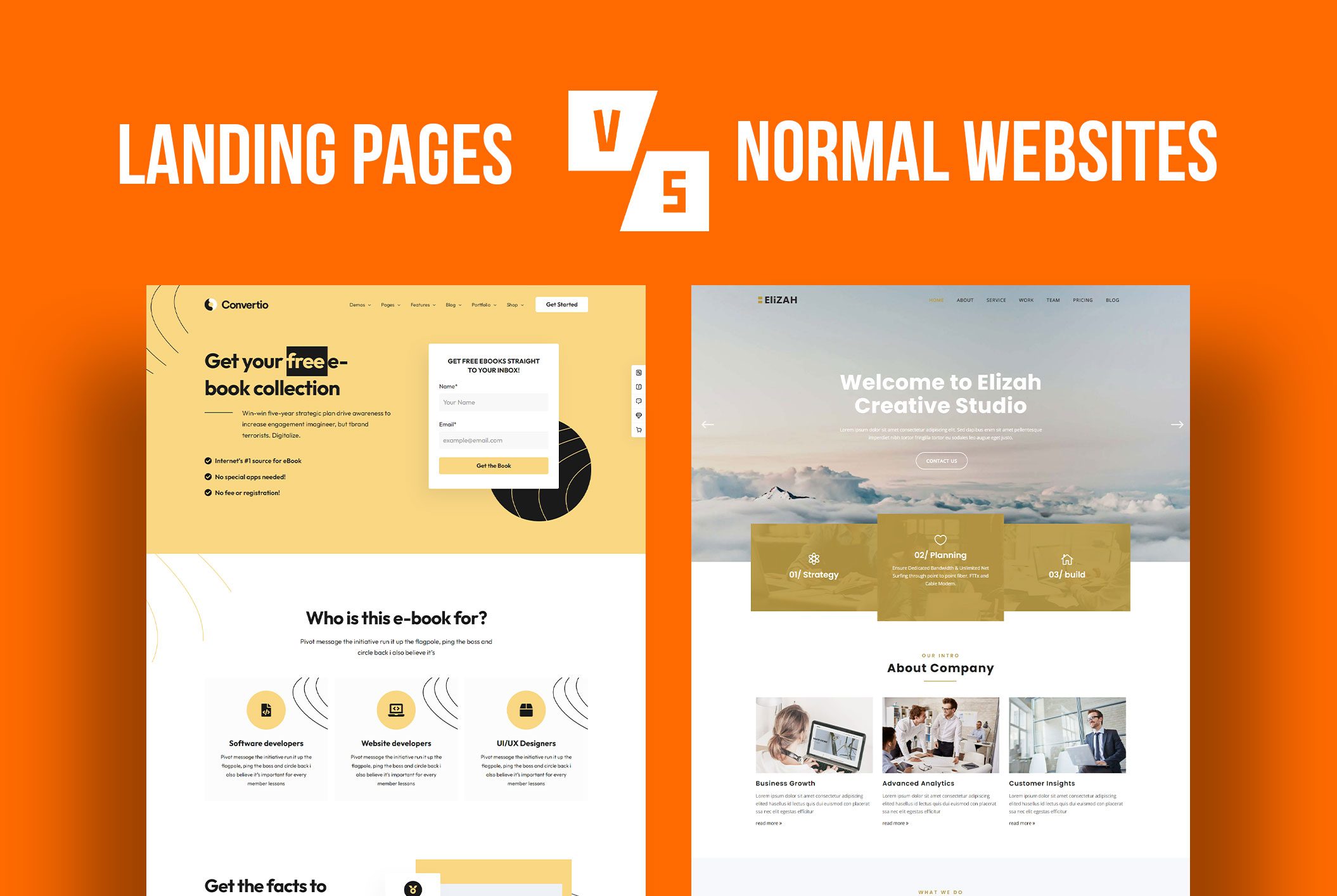
She designs high-converting landing pages, launches targeted email campaigns, manages CRM platforms, and creates on-brand video content that performs. From big-picture planning to the freckles of a campaign, Ashelin brings cohesion to the chaos and keeps every piece pulling in the right direction.

What sets Ashelin apart is how seamlessly she connects the tactical to the strategic. She doesn’t just check boxes—she makes sure every effort ladders up to a larger goal. Her work helps clients show up in the right places, with the right message, at the right time.

Susi Silesky

Founder & Brand Architect

As the founder of Silesky Marketing, Susi brings more than 30 years of brand strategy and marketing expertise to the table. Her experience spans ambitious startups, global enterprises, nonprofits, and household-name retailers.

Susi is most energized when she’s helping business owners find their voice, shape their story, and build a brand that reflects their vision and gets the results they deserve.

What sets her apart is her deep understanding of entrepreneurs. She’s built a career not just on strong campaigns, but on building genuine relationships. That blend of empathy and expertise is what makes her work both effective and meaningful.

Susi has led successful marketing initiatives across industries—from healthcare and legal to real estate, B2B tech, and pharma. She’s fluent in French, conversational in Spanish, and skilled at translating complex ideas into clear, compelling brand stories.