How to Generate New Clients with Social Media

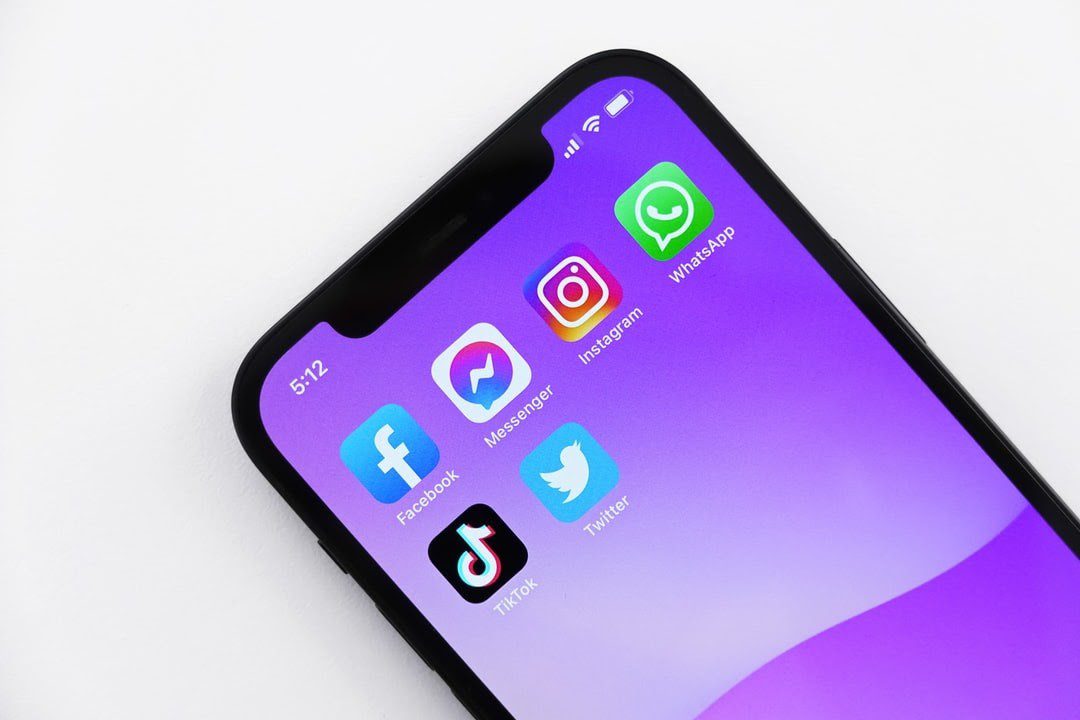
How to Generate New Clients with Social Media: A Comprehensive Guide In today’s digital age, social media has become an integral part of our daily lives. In this blog, you’ll learn how to generate new clients with social media. It’s not just a platform for connecting with friends and sharing pictures; it has evolved into a powerful tool for businesses to generate new clients and grow their customer base. With billions of users across various platforms, social media offers a vast pool of potential clients waiting to be tapped into. In this comprehensive guide, we’ll explore effective strategies to help you generate new clients with social media. 1. Define Your Target Audience Before diving into social media marketing, it’s crucial to identify your target audience. Who are your ideal clients? What are their demographics, interests, and pain points? Creating detailed buyer personas can help you tailor your social media content and strategies to resonate with your target audience effectively. 2. Choose the Right Social Media Platforms Not all social media platforms are created equal, and not all of them may be suitable for your business. Research and select the platforms where your target audience is most active. Here’s a brief overview of some popular platforms: Facebook: Great for reaching a wide range of demographics. Instagram: Ideal for visual content and younger audiences. LinkedIn: Perfect for B2B and professional networking. Twitter: Suitable for real-time updates and engaging with a broad audience. Pinterest: Ideal for businesses with visually appealing products. 3. Optimize Your Profiles Your social media profiles serve as your business’s digital storefront. Ensure they are complete, professional, and consistent across all platforms. Use high-quality profile and cover photos, write compelling bios, and include relevant contact information and links to your website. 4. Create Valuable Content Content is king on social media. Create content that educates, entertains, and adds value to your audience’s lives. This can include blog posts, videos, infographics, and more. Consistency is key; establish a content calendar to maintain a regular posting schedule. 5. Use Hashtags Strategically Hashtags help increase the discoverability of your content. Research and use relevant hashtags that align with your industry and target audience. However, don’t overdo it – use a few meaningful hashtags per post rather than stuffing them. 6. Engage with Your Audience Social media is a two-way street. Respond to comments, messages, and mentions promptly. Engage in conversations, ask questions, and encourage user-generated content. Building a genuine connection with your audience fosters trust and loyalty. 7. Run Paid Advertising Campaigns Social media platforms offer robust advertising options to target specific demographics and interests. Invest in paid advertising campaigns to reach a broader audience and generate leads. Experiment with different ad formats and analyze their performance to optimize your strategies. 8. Collaborate with Influencers Influencer marketing can be a powerful tool for client acquisition. Partner with influencers who align with your brand and have a significant following in your niche. Their endorsements can introduce your business to a new, engaged audience. 9. Host Contests and Giveaways Contests and giveaways are an effective way to generate excitement and engagement on social media. Encourage participants to tag friends and share your content for a chance to win prizes. This not only boosts your reach but also creates a buzz around your brand. 10. Analyze and Adjust Regularly monitor the performance of your social media efforts using analytics tools provided by the platforms or third-party tools like Google Analytics. Track metrics such as engagement, reach, click-through rates, and conversion rates. Use these insights to refine your strategy and make data-driven decisions. 11. Leverage User-generated Content Encourage your satisfied clients to share their experiences on social media. Repost their content and share testimonials to build trust and credibility. User-generated content serves as authentic endorsements of your brand. 12. Implement Chatbots for Customer Service Incorporate chatbots into your social media profiles to provide instant responses to common queries. This enhances customer service and ensures that potential clients receive timely information. 13. Provide Value through Live Video Live video streaming on platforms like Facebook and Instagram allows you to connect with your audience in real-time. Host Q&A sessions, product demonstrations, or behind-the-scenes tours to provide valuable insights and build a personal connection. 14. Network in Groups and Communities Join relevant groups and communities on platforms like Facebook and LinkedIn. Participate in discussions, offer insights, and establish yourself as an industry authority. This can lead to valuable client connections. 15. Showcase Your Expertise Position yourself as an expert in your field by sharing informative and thought-provoking content. Write articles, create in-depth guides, and share industry news to demonstrate your knowledge and attract clients looking for expertise. Conclusion Social media is a potent tool for generating new clients when used strategically. By defining your target audience, choosing the right platforms, creating valuable content, and engaging with your audience, you can build a strong online presence and attract potential clients. Remember that social media marketing is an ongoing process; regularly analyze your efforts and adapt your strategies to stay ahead in this ever-evolving landscape. With dedication and the right approach, you can leverage social media to grow your client base and boost your business’s success. Start today, and watch your client list expand in no time!


Capturing the Maryland Market: Localizing Marketing Strategies

Capturing the Maryland Market is no mere feat. With its unique blend of urban sophistication and rural charm, marketing in the Old Line State demands strategies that resonate with its diverse populace. But with the right approach, businesses can thrive and dominate the Maryland market. Let’s dive into the essence of localized marketing for Maryland and how it can elevate your brand’s presence. Maryland, a state steeped in history and culture, boasts a population that values both tradition and innovation. To truly capture their attention, a business must understand the local sentiment and craft strategies that resonate. Understanding the Maryland Demographic Before launching any marketing campaign, it’s crucial to understand the Maryland demographic. From the bustling streets of Baltimore to the serene landscapes of Western Maryland, the state offers a diverse array of consumers. Consider factors like age, interests, income levels, and cultural nuances. Local Events and Sponsorships One effective way to make your mark is by sponsoring local events. Whether it’s a seafood festival in Annapolis or a music fest in Silver Spring, being present and visible in local events can significantly boost brand recognition. It not only shows commitment to the community but also offers a platform to engage directly with potential consumers. Digital Localization In today’s digital era, Capturing the Maryland Market isn’t limited to physical presence. Tailoring your digital content to resonate with Maryland locals can be a game-changer. This includes optimizing your website and social media profiles to reflect local lingo, addressing local concerns, and highlighting local testimonials. Incorporating User-Generated Content: Boosting Your Engagement can also play a pivotal role in enhancing local credibility. Collaborating with Local Influencers Maryland has its fair share of influencers who hold sway over local audiences. Partnering with them for localized campaigns or promotions can provide a significant boost in reaching the desired demographic. Their endorsement can lend authenticity to your brand and help in Capturing the Maryland Market effectively. Tailored Promotions and Offers A one-size-fits-all approach rarely works. Crafting promotions, discounts, and offers that cater specifically to Maryland residents can make them feel valued. Whether it’s a special discount for Ravens fans or a crab feast promotion, tapping into local passions can drive engagement. Highlighting Local Success Stories There’s no better way to win the trust of locals than by showcasing stories of customers from their community. Testimonials, case studies, or even spotlight interviews with Maryland residents who have benefitted from your product or service can be powerful marketing tools. The Power of Authentic Local Content Creating genuine, authentic content tailored to Maryland’s diverse population is paramount in Capturing the Maryland Market. Whether it’s video content showcasing the scenic beauty of Chesapeake Bay or blog posts diving deep into the rich history of Maryland’s towns, content that resonates with local audiences can make a considerable impact. Local Media Engagements Local radio, TV channels, and newspapers still hold sway in many Maryland communities. Engaging with these mediums offers businesses a golden opportunity to reach audiences that might not be active online. Organizing interviews, guest appearances, or even hosting segments can foster a sense of trust and familiarity among local audiences. The Role of Feedback Maryland residents, like any other community, value their voice. Seeking feedback, be it through online surveys, focus group discussions, or community forums, is essential. Not only does it offer businesses critical insights, but it also makes the community feel involved and valued. Feedback can be the compass guiding businesses towards effective strategies for capturing the Maryland Market. Harnessing Maryland’s Rich Culture There’s no overlooking the rich tapestry of culture that Maryland offers. Celebrating local festivals, acknowledging historical events, or even creating merchandise that reflects Maryland’s heritage can create a deeper connection. From the pulsating beats of Baltimore’s music scene to the culinary delights of blue crabs, businesses can intertwine their branding with Maryland’s cultural offerings. Educational Initiatives Hosting workshops, seminars, or even online webinars focused on topics of interest to Maryland residents can position a brand as an industry leader. For instance, a brand dealing in sustainable products might conduct workshops on sustainable living, drawing in an audience keen on eco-friendly lifestyles. This not only educates but also fosters brand loyalty. Eco-friendly and Sustainable Practices Maryland, with its pristine landscapes and commitment to environment conservation, values businesses that prioritize sustainability. Adopting green practices, reducing carbon footprints, or even initiating community drives for environmental causes can significantly boost a brand’s image in the eyes of Maryland residents. Understanding Regional Nuances Maryland, though small, has distinct regional differences. What appeals to residents in urban Baltimore might differ from those in rural Allegany. Hence, segmenting the market and tailoring strategies based on regional preferences can be pivotal in capturing the Maryland Market. The Way Forward While the strategies mentioned provide a roadmap to capture the hearts and minds of Maryland residents, continuous adaptation and innovation are key. The market is ever-evolving, and staying abreast of local sentiments, emerging trends, and demographic shifts is crucial. Brands must remember that at the core of every marketing strategy is the community. Engaging with them genuinely, understanding their needs, and serving them with authenticity and dedication will not only ensure success in capturing the Maryland Market but also foster long-lasting relationships.

The Marketing Trends and Industry News Reshaping Business Strategy

Staying informed about the latest marketing trends, technologies, and industry news is crucial for success. With the ever-changing landscape, marketing professionals need to proactively adapt and rise to the occasion. Let’s explore some of the recent developments that are shaping the marketing industry. Conversational Marketing Conversational marketing, powered by chatbots and messaging platforms, is gaining popularity as a personalized and real-time way to engage with customers. Brands are leveraging AI-driven chatbots to deliver instant responses, gather customer insights, and guide users through the buying journey. Moreover, this trend highlights the importance of providing seamless and interactive experiences that mirror natural conversations. Privacy and Data Regulations With growing concerns about data privacy and security, new regulations like the General Data Protection Regulation (GDPR) and the California Consumer Privacy Act (CCPA) are reshaping how marketers collect, store, and utilize consumer data. Adhering to these regulations is not only a legal requirement but also an opportunity to build trust and transparency with customers. Video Marketing Evolution Video content continues to dominate as a preferred form of communication. Short-form videos on platforms like TikTok and Reels are captivating younger audiences, while live streaming and interactive videos foster engagement and authenticity. Marketers are discovering innovative ways to tell their brand stories through video, catering to diverse audience preferences. Sustainability and Social Responsibility Consumers are increasingly drawn to brands that align with their values. Sustainability has become a significant consideration. Again, brands that prioritize environmental responsibility and social impact are increasingly resonating with conscious consumers. Incorporating sustainability into your marketing strategy can not only attract a loyal customer base but also contribute to positive change. Voice Search and Smart Speakers The rise of voice assistants like Amazon’s Alexa, Google Assistant, and Apple’s Siri is changing the way people search for information and make purchase decisions. Optimizing content for voice search requires understanding natural language queries and delivering concise, valuable answers. This trend underscores the importance of adapting SEO strategies to include voice search optimization. Augmented Reality (AR) and Virtual Reality (VR) AR and VR technologies are opening up new avenues for immersive customer experiences. Brands are using AR to allow customers to visualize products in their real-world environments before purchasing. VR is being utilized for virtual try-ons, interactive storytelling, and virtual events. Incorporating these technologies can create memorable and engaging interactions with your audience. Remote Work and Digital Collaboration COVID-19 accelerated the shift towards remote work and digital collaboration tools. Marketing teams everywhere are embracing virtual collaboration platforms for brainstorming, content creation, and project management. Indeed, flexibility in work arrangements is likely to remain a significant aspect of the marketing industry, enabling teams to collaborate seamlessly from different locations. Micro-Moments and Personalization Micro-moments refer to those instances when consumers turn to their devices for quick answers. Brands that anticipate and cater to these moments with relevant and valuable content can capture attention and influence purchase decisions. Personalization remains a cornerstone of effective marketing, with advanced AI systems enabling increasingly tailored messaging and recommendations. In conclusion, staying updated on the latest trends and news in the marketing industry is essential for maintaining a competitive edge. So, as technology and consumer behaviors evolve, embracing these changes and adapting strategies accordingly will allow marketers to connect with their audience more effectively and drive meaningful results. By keeping a finger on the pulse of industry developments, marketing professionals can navigate the ever-changing landscape with confidence. Contact Silesky Marketing today.

Analyzing the Anatomy of a Proper Brand

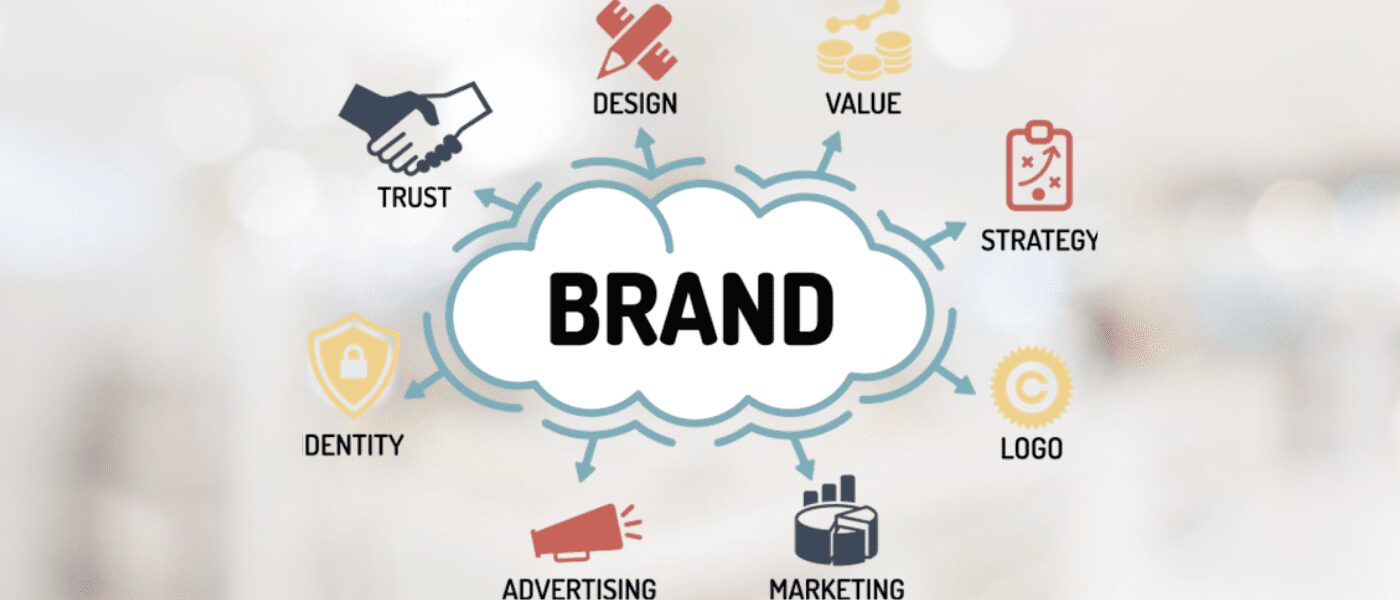
Analyzing the Anatomy of a Proper Brand In the vast and dynamic world of business, brands are the lifeblood that fuels success. A proper brand has the power to captivate audiences, foster loyalty, and stand the test of time. From the iconic swoosh of Nike to the bitten apple of Apple, brands have the ability to shape our perceptions and influence our choices. But what truly makes a brand proper? In this blog, we will delve into the intricacies of brand analysis, examining the key components that contribute to a successful and enduring brand. Brand Identity At the core of every proper brand lies a clear and compelling identity. Brand identity encompasses the brand’s mission, vision, values, and personality. A well-defined identity helps establish an emotional connection with consumers, fostering trust and loyalty. Analyzing a brand’s identity involves understanding its target audience, market positioning, and unique selling propositions. Visual Identity Visual elements are crucial for brand recognition and recall. Analyzing a proper brand involves scrutinizing its visual identity, including the logo, color palette, typography, and design elements. The visual identity should align with the brand’s identity, evoke the desired emotions, and differentiate the brand from its competitors. Brand Messaging An effective brand communicates a consistent and compelling message. Analyzing brand messaging involves examining the brand’s tagline, slogans, voice, and tone. A proper brand message should resonate with the target audience, convey the brand’s unique value proposition, and be aligned with its overall identity. Customer Experience A proper brand is built on delivering exceptional customer experiences. Analyzing a brand’s customer experience involves assessing the interactions customers have with the brand at every touchpoint, both online and offline. This includes evaluating customer service, product quality, user interface, and overall satisfaction. A positive customer experience fosters brand advocacy and generates repeat business. Market Positioning Understanding a brand’s position in the market is crucial for analyzing its effectiveness. Examining market positioning involves assessing the brand’s target market, competition, and unique selling points. Proper market positioning enables a brand to differentiate itself, identify growth opportunities, and effectively cater to its customers’ needs. Brand Equity Brand equity refers to the value and perception associated with a brand. Analyzing brand equity involves measuring brand awareness, brand loyalty, brand associations, and perceived quality. A proper brand possesses strong brand equity, which translates into increased customer trust, higher market share, and premium pricing. Adaptability and Innovation In today’s fast-paced world, proper brands need to adapt and innovate to stay relevant. Analyzing a brand’s adaptability and innovation involves assessing its ability to evolve with changing consumer preferences, embrace new technologies, and anticipate future trends. A proper brand embraces a growth mindset, constantly seeking opportunities for improvement and expansion. Analyzing a proper brand goes beyond surface-level observations. It requires a comprehensive examination of its identity, visual elements, messaging, customer experience, market positioning, brand equity, and adaptability. By dissecting these components, businesses can gain valuable insights to strengthen their brands, resonate with their target audience, and drive long-term success. A proper brand is an artful blend of strategy, creativity, and customer-centricity, captivating hearts and minds in a way that transcends the ordinary.

The Importance of Building Brand Identity

To stand out in a crowded market and build brand equity, businesses need to develop a strong and unique brand identity that effectively communicates their core values and differentiation from competitors. Recently, there has been much emphasis on the importance of brand identity in business management literature. In the past, brand structures were straightforward with few sub-brands and simple business strategies. Read on to learn more about the importance of building brand identity. Brand Identity Creating a brand identity involves many key elements such as defining corporate values, mission, vision, and culture. Additionally, it is crucial to measure constantly the impact of the brand on all stakeholders and adapt communication strategies accordingly. One of the key factors in developing a brand identity is consistency. To ensure a brand’s credibility and relevance, companies should regularly evaluate their brand identity and make necessary adjustments. Customers make purchasing decisions based on how well they perceive that a company understands their needs and values. Moreover, a company’s brand identity needs to transmit its uniqueness and differentiation from competitors. Brand Value Another key factor in building a brand identity is understanding the concept of brand value. Businesses need to differentiate themselves from competitors and build a loyal relationship with their customers. This can be achieved by determining their brand identity and consistently meeting customer expectations in all interactions. Brand Identity Vs. Brand Image It is crucial to differentiate between brand identity and brand image. Brand identity involves creating a bond between the brand and consumers, offering functional, emotional, and self-expressed benefits. Developing a brand identity is an active process that depends on the company’s strategy and vision. Brand image, on the other hand, is how a brand is perceived by customers. In conclusion, developing a strong brand identity is becoming increasingly critical for businesses to stand out in today’s complex and competitive market. Consistency is key in developing a brand identity, and companies should regularly evaluate their brand’s impact on stakeholders to ensure that communication strategies are working effectively. Furthermore, investing resources in building a strong brand identity is essential in creating brand equity. Therefore, businesses should understand the importance of creating and maintaining a strong brand identity to create a loyal customer base and differentiate themselves from competitors. If you are wanting to build your brand image, Silesky Marketing is here to help. Contact us today for assistance on your brand journey!

The Importance of a Marketing Campaign

Most businesses that struggle with marketing aren’t doing nothing. They’re posting on social media, running paid ads, updating their website, and sending the occasional email. The activity is there. What isn’t there is the thread connecting all of it to a single measurable purpose, and that missing thread is what the importance of a marketing campaign actually comes down to. What Separates a Marketing Campaign from a List of Marketing Activities A marketing campaign is not a schedule of marketing activities. It’s a structured effort built around one purpose, aimed at a defined audience, and measured against a specific outcome. Posting on social media and running paid ads are tactics. A campaign is what gives those tactics a shared direction and a coherent story. When a business treats tactics as the strategy, posting because that’s what you do and running ads because everyone runs ads, the outputs exist but they don’t build toward anything. Each activity runs independently, and the audience receiving those messages can’t find the thread connecting them, because there isn’t one. That distinction sounds simple. In practice, it’s where most business marketing falls apart. What Disconnected Marketing Actually Costs You The real cost of disconnected marketing is trust, and it accumulates slowly enough that most businesses don’t notice until they’ve been losing it for a year. The numbers can look like they should be working. Traffic comes in. Social posts get engagement. Ads generate clicks. But leads don’t convert at the rate the business needs, brand recognition doesn’t compound, and the investment keeps not moving the needle. Most of the time, the explanation isn’t the channel or the budget. It’s the absence of a campaign holding everything together. Research consistently shows that marketers with documented campaign strategies significantly outperform those without one, and the gap isn’t explained by spending levels. Businesses that plan around a defined goal, a consistent message, and a structured timeline aren’t spending more. They’re spending with direction. The cost goes beyond the dashboard, too. When a business’s messaging shifts from channel to channel, when ads promote one thing and the website implies another, the audience doesn’t experience that as variety. They experience it as inconsistency. That inconsistency quietly erodes the confidence that would have eventually converted them, and it compounds over time until it costs far more than any single channel’s budget ever did. What Every Effective Marketing Campaign Requires Three elements separate a real campaign from a collection of marketing activities. Most businesses can name them once they see the list. The harder part is accepting that doing more of the same tactics on a tighter schedule isn’t what changes the outcome. A Defined Goal Tied to a Specific Audience A campaign needs one clear objective. Not a list of hopes, not a general aim toward more visibility, but a single measurable outcome with a timeframe attached. More qualified leads from a specific industry segment. Greater brand recognition among a defined buyer profile. Faster conversion from a particular traffic source. That goal only becomes actionable when it connects to a specific audience. “Small business owners” isn’t an audience. “B2B construction companies in the $2M to $8M revenue range that have tried paid advertising before and stopped” is. The tighter the audience definition, the more precisely every element of the campaign can speak to that person’s actual situation rather than a generic approximation of it. A Consistent Message Across Every Channel The message a campaign delivers should be recognizable whether someone encounters it in a search result, a paid ad, an email, or a piece of direct mail. Format shapes the delivery, but the core claim and tone stay consistent throughout. Inconsistency is nearly invisible to the business running the campaign and immediately apparent to the audience receiving it. Research from Marq’s State of Brand Consistency report found that consistent brand presentation across channels increases revenue by an average of 23%. When every touchpoint reinforces the same message, confidence builds faster. Conflicting touchpoints prevent that confidence from ever accumulating. Random Acts of Marketing A Campaign Each channel runs independently All channels reinforce the same message Goals differ by platform One goal, adapted across platforms Audience loosely defined Specific audience with documented characteristics No timeline or endpoint Defined timeline with measurable checkpoints Results measured in isolation Results measured against one campaign objective A Timeline with Measurable Checkpoints A campaign has a beginning, a middle, and a defined end, and that structure isn’t arbitrary. It’s what makes results readable. Without a timeline, there’s no baseline to measure against, no point to assess what’s working and adjust, and no clean moment at which the business can honestly evaluate whether the investment performed. The checkpoints within that timeline matter as much as the timeline itself. A 90-day campaign reviewed once at day 91 isn’t a checkpoint structure. It’s delayed accountability. Effective campaigns build in shorter review intervals, typically every two to four weeks, where specific metrics are evaluated against the campaign goal and adjustments are made while there’s still time to affect the outcome. Understanding what marketing results look like at 3, 6, and 12 months helps calibrate what each interval should realistically show. How to Move from Scattered Tactics to a Real Campaign Shifting from disconnected marketing to a deliberate campaign doesn’t require a bigger budget. It requires a different starting point. Before any tactic gets planned, three questions need honest answers: who specifically is this for, what specific outcome do we want by a specific date, and how will we know if it’s working? Businesses that can’t answer all three are running activities. Those that can are running a campaign. Those questions aren’t difficult to ask. Sitting down to answer them honestly, without an active campaign already running in the background, is where most businesses find the real work begins. If your marketing is active but nothing connects, the problem usually isn’t the channel or the budget. The activities exist. What doesn’t exist is the campaign that would make them work together. The right

Important Aspects of a Business Website

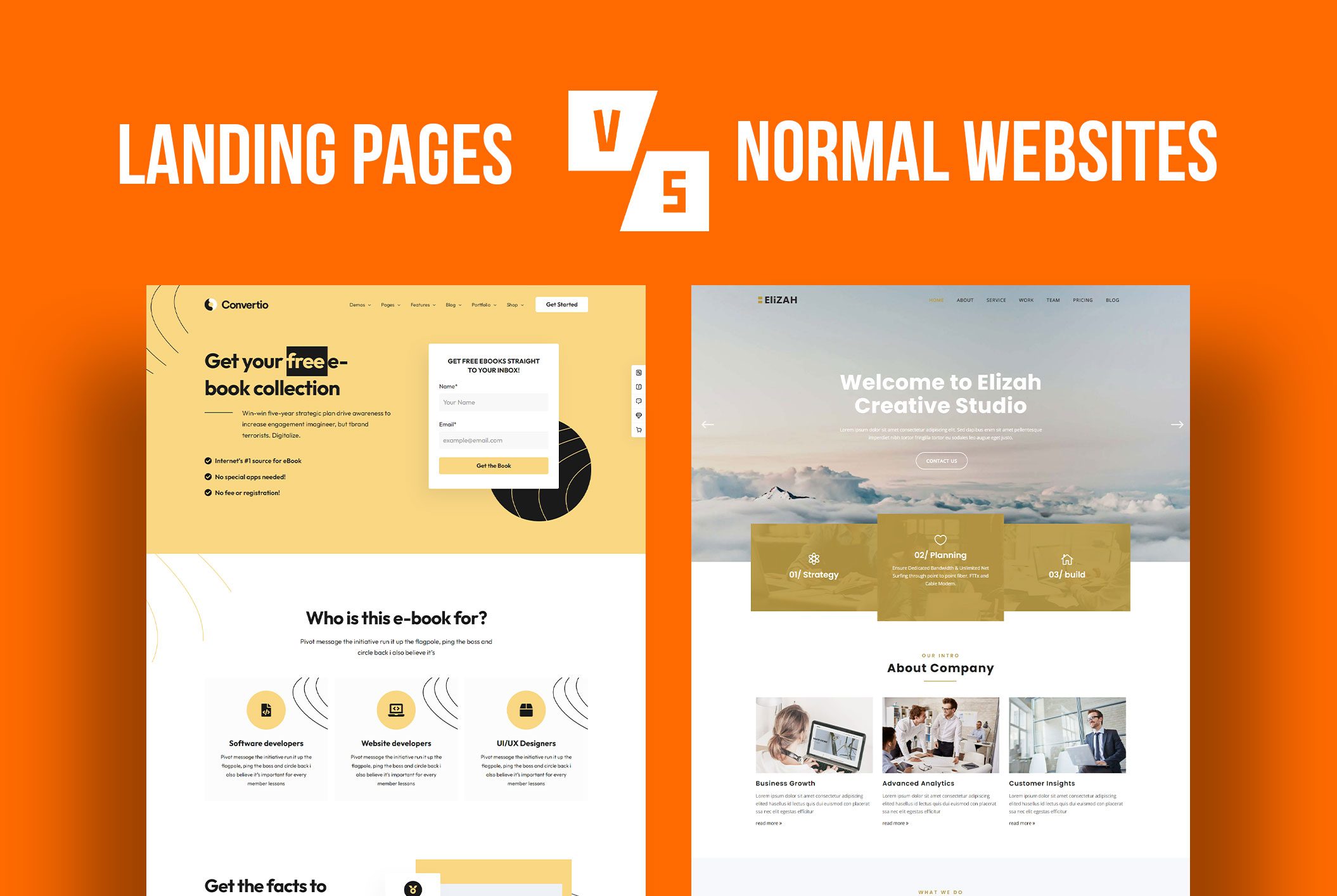
In today’s digital age, having a robust online presence is crucial for the success of any business. With most consumers searching for products and services online, companies must develop a website marketing strategy to attract potential customers. This strategy should focus on creating a visually appealing website and integrating online and offline channels. Doing so provides customers with a seamless experience. Additionally, businesses must ensure that their website is easily accessible and mobile-friendly. It will also ensure appeal to the growing number of users who access the internet through their mobile devices. Read on to learn more about the critical aspects of a business website and how to implement them. What Should Your Website Entail? It is not enough to have a website. It is essential to develop effective marketing techniques and business strategies to drive traffic to the site. Doing this also helps convert visitors into customers. Unfortunately, poor website development and less optimal tourism marketing strategies have negatively impacted a business’s success. To address this, companies should consider implementing three key marketing strategies. These strategies are website construction, e-marketing campaign software, and web services. Key Marketing Strategies for Your Website First, the website construction should be done professionally to ensure it is easy to navigate, visually appealing, and provides relevant content. Secondly, e-marketing campaign software should be employed to allow businesses to track their marketing campaigns, measure success and make informed decisions. Lastly, web services such as SEO optimization and data analytics can help companies to understand their visitors’ behavior better, enhance performance and refine marketing strategies. There are many essential aspects of a business website. A well-designed website and an effective marketing strategy are crucial for businesses to succeed. Furthermore, as website data collection can significantly contribute to the effectiveness of marketing strategies, companies need to understand how visitors navigate their sites. Moreover, businesses can utilize tree-based procedures to evaluate the effectiveness of their marketing strategies and user behavior. Another critical aspect of website marketing strategies is to consider the cost-effectiveness in their implementation as businesses have to ensure a balance between investment and return on investment. If you want to refresh your website and help your business grow, give Silesky Marketing a call.

Branding vs Logo Design: Understanding What Each One Does

Branding vs. logo design is important for creating a visual identity for a business or organization. However, they serve different purposes. A logo is a visual symbol or icon representing a brand and typically consists of a graphic and/or typographic design. It serves as a recognizable and memorable mark that helps to identify a company, product, or service. On the other hand, a logo is designed so that consumers will recognize the brand immediately upon seeing the logo. On the other hand, branding encompasses a broader range of elements that collectively shape the perception of a brand in the minds of its audience. This includes the brand’s values, messaging, voice, personality, and visual identity (including the logo). Read on for more information about branding vs. logo design and how they differ. Why is Branding So Important? Branding is the process of defining and communicating what a company or organization stands for and how it wants to be perceived by its audience. So, while a logo is a critical component of a brand’s visual identity, branding encompasses much more than just the logo design. Logo design is a subset of branding explicitly focused on creating a graphic mark representing the brand. The logo should be memorable to consumers, and designing a good logo results in effective branding. Building Effective Branding When building a brand, it is essential to note that it is much more than just logo design and colors. The brand is the company’s emotion and what the business stands for. It is what you want consumers to feel when they see the logo. This is crucial to the company because you want to express the business’s ideals and goals through your branding and convey the message to consumers. Branding should exhibit consistency and follow a good strategy. A logo is for identification, but a brand expresses how you want the audience to see the company. Creating an eye-catching, memorable logo is very important. However, a company needs to have branding that exceeds expectations. Branding is where success for any business starts. Good branding will make it much easier for the company to grow and thrive. At Silesky Marketing, we ensure that your logo and branding are exceptional. For your branding needs, contact Silesky Marketing at 410-205-6168.

The Importance of Branding for Business

In business, branding is extremely important. Branding is so much more than just colors and a logo. In fact, branding is the identity of your entire business and helps your customers recognize the company. Branding is a vital part of business because the competition is rising everyday with social media and new brands being created. For businesses, the number of new businesses is creating difficulties, so branding is the focus to get your business to stand out over all others. Read on to understand the importance of branding for business.  Business Recognition As we’ve stated, one of the most important reasons for branding is to stand out among all other businesses. You want your business to be recognized and loved by consumers so they will choose your products over competing products. If your branding is strong, consumers will be likely to choose you over competitors and your company will stay in their minds. If branding is boring and does not entice consumers, they will move on quickly and not remember the business at all. Be sure to create a logo that stands out and has attractive colors. It needs to be something that will stay in the minds of those who see it and keep them wanting to come back. Improve Advertising Advertising is essential for getting your products or services noticed. Branding and advertising are like the bread and butter for businesses.  If you want to have successful advertising, the branding needs to be created and be eye catching as well. The point of advertising is to show what your business is all about. You want to show the world the values and identity of the business and represent the products and services in the best way possible. This all starts with your brand. When incorporating your branding into your advertising, you will gain recognition for your brand. Branding Creates Loyal Customers Recognizing your brand is just the start. You want customers to continue to come back to purchase your products and services. When you have amazing branding, your customers will be able to relate themselves to the values and morals of the business and want to choose your brand over all others. Branding helps build relationships with customers by connected to the audience. The goal is to create a brand that people will care about and stick to. The importance of branding for business is very strong. Branding is the building block for your business and the success of your business. If you want to build your brand and marketing, contact Silesky Marketing today!

John Sindorf

Director of Strategic Alliances

John believes most businesses don’t need more vendors; they need the right strategic partners.

With decades of experience helping small and mid-sized organizations grow, John specializes in connecting business leaders with the expertise they need to overcome challenges, strengthen operations, and scale with confidence. Whether the conversation centers on sales strategy, marketing, AI, or operational efficiency, his focus is always the same: identifying the right solution for the business, not simply adding another service provider.
Known for his relationship-first approach, John builds partnerships rooted in trust, practical guidance, and measurable outcomes. He helps business owners simplify complex decisions, align the right resources, and spend less time managing vendors and more time leading the businesses they’ve worked so hard to build.

Off the clock: You’ll likely find John networking over coffee, strengthening relationships, and proving that the best business opportunities still begin with genuine conversations.

Kiki DeVane

Marketing Operations Manager

Kiki started her career wanting to change the world through policy, then discovered that a well-built website could be just as powerful. That pivot led her through event marketing, federal communications, and sponsored content for some of the world’s most recognizable brands. She came out the other side a marketing utility player, skilled across strategy, design, development, and copywriting, allowing her to support client campaigns from the front and behind the scenes.

At Silesky, she’s the connective tissue, keeping projects moving, clients informed, and the team empowered to focus on what they do best. What sets Kiki apart is her ability to move fluidly between the operational and the creative without losing momentum in either direction. Whether she’s architecting a workflow, shaping a campaign, or jumping in on a deliverable, she brings the kind of range that elevates every project and strengthens the team around her.

A systems thinker with a creative soul, Kiki brings order to complexity and a genuine investment in seeing the work land the way it should.

Aizaz UI Hassan

Web Developer & Graphic Designer

Aizaz has been the driving force behind Silesky’s web development for over five years. As both a graphic designer and UI/UX developer, he brings a rare mix of technical precision and creative clarity to every project.

What sets Aizaz apart is his ability to understand and interpret the assignment—no extra hand-holding, just sharp instincts and calm professionalism. When timelines are tight and expectations are high, Aizaz is the teammate you want in your corner.

Creative and detail-oriented, Aizaz builds clean, modern websites that marry style with substance. From intuitive flows to scalable layouts, his work consistently delivers digital experiences that perform as well as they look.

With every project, Aizaz ensures the design feels effortless for users and does the heavy lifting for the brand.

Sue Hilger, MBA

Chief Growth Strategist

As Chief Growth Strategist at Silesky Marketing, Sue plays a key role in expanding the agency’s client base while cultivating long-term partnerships grounded in trust, collaboration, and measurable success. She works closely with organizations to help them meet their business goals—and then go beyond them—through smart, scalable marketing strategies.

With an MBA and deep expertise in both B2B and B2C environments, Sue bridges the gap between strategic planning and hands-on execution. She guides clients through Silesky’s end-to-end process, beginning with in-depth discovery and needs assessments and continuing through branding, messaging, digital advertising, and campaign rollout.

Sue is focused on long-term impact. Many of Silesky’s client relationships span decades, which speaks to her ability to integrate seamlessly, think strategically, and consistently deliver results. For Sue, every engagement is more than a project—it’s a partnership.

Mya Stengel

Content Developer & Video Editor

Mya brings the heart of a storyteller and the precision of a screenwriter to every project. With a background in Hollywood scriptwriting—particularly in the horror genre—she understands how to build intrigue, capture attention, and deliver a message that lands with impact.

A lifelong book lover turned brand storyteller, Mya has a gift for finding each client’s voice and shaping it into something authentic and memorable. Whether she’s writing SEO-driven blog content, editing silent video loops, or cutting together a punchy hero reel, she focuses on what makes a brand distinct and brings it to life with clarity and emotion.

From blog posts to behind-the-scenes edits, plot twists to punchlines, Mya’s work helps brands connect more deeply and tell stories that resonate.

Ashelin Walker

Digital Marketing Strategist

Ashelin is a digital marketing strategist who blends technical know-how with creative insight. At Silesky Marketing, she turns strategy into results—helping clients attract the right leads, connect with their audience, and strengthen their online presence.

She designs high-converting landing pages, launches targeted email campaigns, manages CRM platforms, and creates on-brand video content that performs. From big-picture planning to the freckles of a campaign, Ashelin brings cohesion to the chaos and keeps every piece pulling in the right direction.

What sets Ashelin apart is how seamlessly she connects the tactical to the strategic. She doesn’t just check boxes—she makes sure every effort ladders up to a larger goal. Her work helps clients show up in the right places, with the right message, at the right time.

Susi Silesky

Founder & Brand Architect

As the founder of Silesky Marketing, Susi brings more than 30 years of brand strategy and marketing expertise to the table. Her experience spans ambitious startups, global enterprises, nonprofits, and household-name retailers.

Susi is most energized when she’s helping business owners find their voice, shape their story, and build a brand that reflects their vision and gets the results they deserve.

What sets her apart is her deep understanding of entrepreneurs. She’s built a career not just on strong campaigns, but on building genuine relationships. That blend of empathy and expertise is what makes her work both effective and meaningful.

Susi has led successful marketing initiatives across industries—from healthcare and legal to real estate, B2B tech, and pharma. She’s fluent in French, conversational in Spanish, and skilled at translating complex ideas into clear, compelling brand stories.