What Makes Good Branding and How to Build It for Your Business

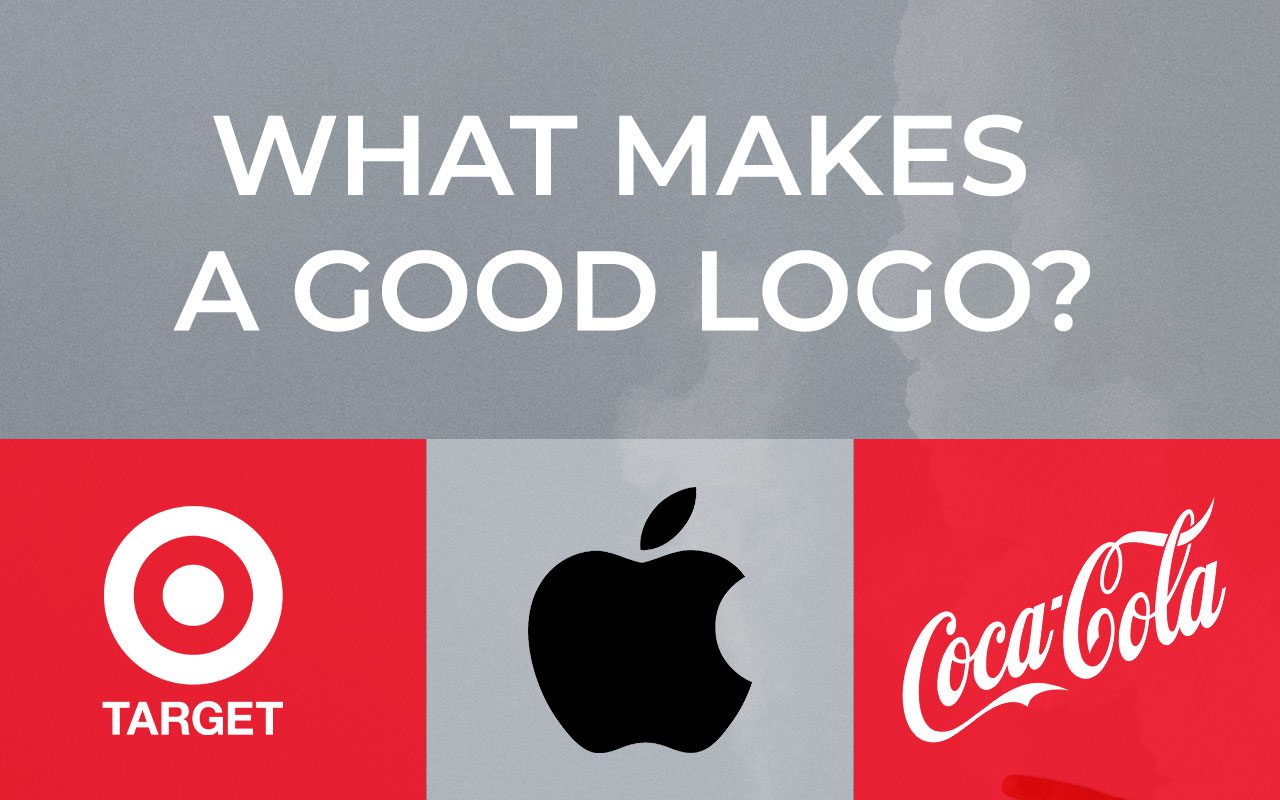
Apple. Coca-Cola. Target. When you read each of these brand names, there is a good chance that the corresponding logo will also come to mind. That’s good branding! If we were to ask you what they all had in common, perhaps you’d say, “they are big, successful corporations.” You’d be correct. However, we’re looking for the answer: “they all have distinct and memorable branding.” Each of these iconic brands has stood the test of time. You might argue for different reasons why this success happened. But, again, we’d say that their company foundation started with a strong logo symbol that represented whom they wanted to be in the public domain. After all, a strong brand is the nucleus of a company’s success. Why is a logo so important? Well, when you meet a new person, the first thing they see is usually your face. If they cannot see your face, they might hear your voice. If they can’t see or listen to you, they may get an idea of who you are from your smell or interactions with them. These are all identifiers that represent the brand of the individual. A logo for a business is no different. A corporation has a specific look, voice, and projected image. Unique imagery, such as the apple for the Apple Corporation, leaves an impact; it’s memorable and remains front of mind with their customers and on the radar of their target audience. You don’t have to be Apple, Coca-Cola, or Target to be successful. The money would be nice, but even smaller businesses can impress with solid branding. Take Lemonade for an example. In insurance branding, it’s hard to differentiate yourself and create trust. Lemonade sticks out because it heavily uses the color pink, and its Instagram account is over-the-top creative! The past two examples clearly show that a logo’s primary purpose is to identify with your company. To Paul Rand,  one of the world’s most excellent graphic designers, “a logo is a flag, a signature, an escutcheon, a street sign. A logo does not sell (directly); it identifies. A logo is rarely a description of a business. A logo derives meaning from the quality of the thing it symbolizes, not the other way around. A logo is less important than the product it signifies; what it represents is more important than what it looks like. The subject matter of a logo can be almost anything.” Does your brand make an impact? Your brand should follow these basic criteria: Simple We’re talking uncomplicated, like the Nike swoosh. Even without words, Nike’s brand is unmistakably Nike. Nike is the Winged Goddess of Victory. The logo is derived from goddess’ wing, ‘swoosh,’ which symbolizes the sound of speed, movement, power, and motivation. This is great because the Nike logo is so strong that you can see it from your car as you drive 80mph past a billboard on the highway! Communicates Core Values Going back to Lemonade, their core values are right up front. There is no guessing. They state it on their website, on their social and in everything they do. They are “transparent,” and they make sure to tell us. Appropriate A simple way to understand these criteria is to consider the Toys“R” Us logo. This logo was designed to attract children. The youthful colors and the backward “R” remind us of how a young person might write a letter when first learning to write. Yet, this look would not work for a law firm because attention to detail is essential in law. Memorable This principle goes hand-in-hand with both of the previous two. Keeping your design simple yet appropriate makes it unique. A brand is exceptional when it elicits an emotion in you that you want to move toward. It could be funny, intense, or weird. For example, the gecko for Geico out in 2000, and it was strange and different but undeniably memorable. Also, maintaining consistency across all marketing channels keeps your brand consistent and impressive. Timeless Ultimately, the goal is longevity. Before brainstorming your logo, do some research. Reference past and present aesthetic trends and look at what your competition is doing with their brand. Branding should not be trendy; it should be able to stand the test of time and still be effective in 10, 20, or 50 years. After all, if you invest your time or money into your visual branding, you want something with staying power. Branding and logo design can be tricky. So, give us a call; we would love to help.
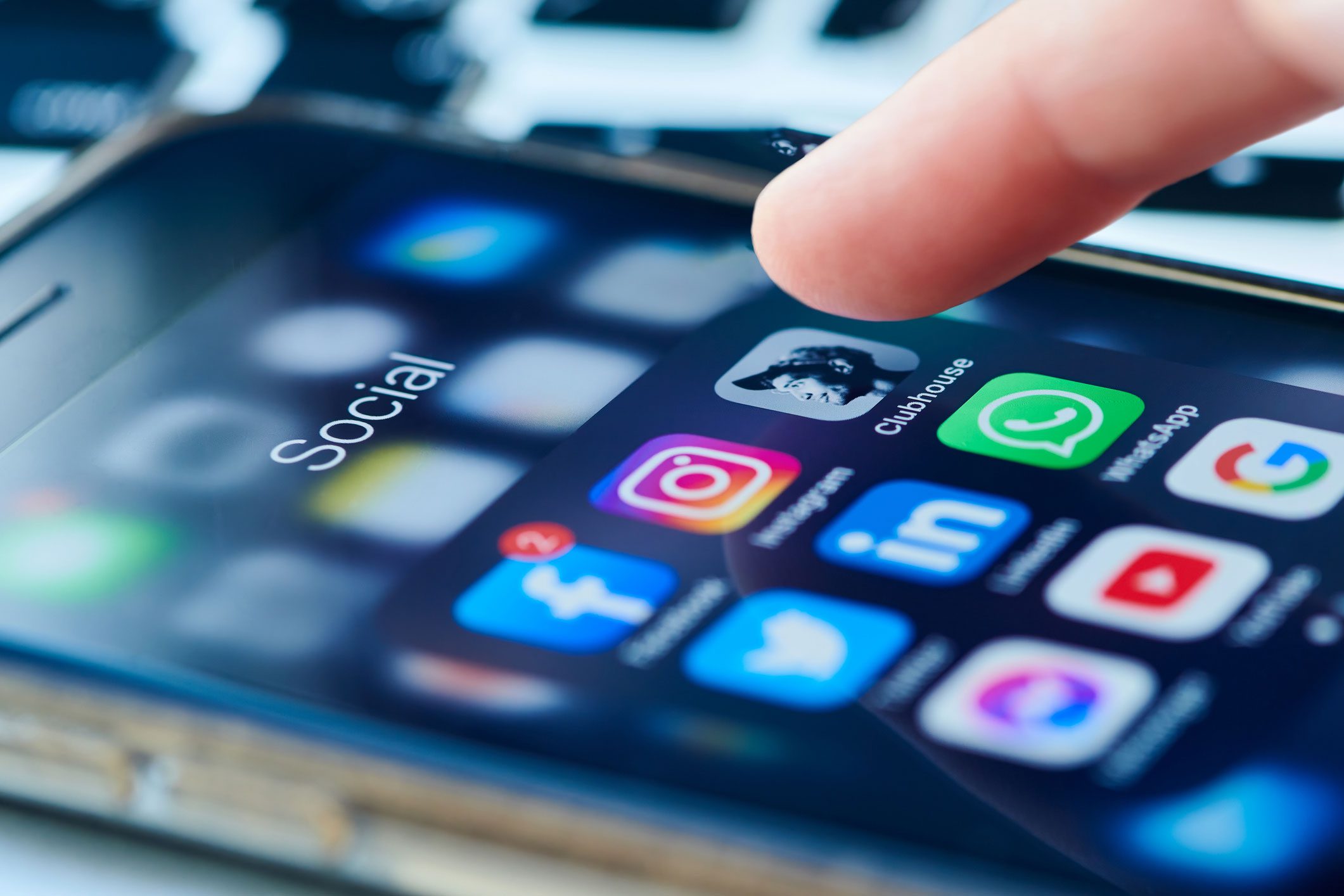

Why your Business Needs Social Media

Social media is no longer a novel concept. This blog will explain why you why your business needs a robust social media campaign. Afterall, social media it is the norm and an inextricable part of our daily lives. From the moment we wake up until the moment we close our eyes, we are surrounded by it. Can you imagine the time before social media? How Social Media Influences Social media dramatically influences our actions, goals, and virtually everything we do on a daily basis. In fact, social media is crucial to driving sales and crucial to maintaining a coherent brand across all marketing channels. It can make or break your sales targets, and determine your ability to achieve results based on customer engagement and product adaptation; it is not a tool that should be taken for granted.   Don’t believe us? These five statistics demonstrate why your business should be on social media. 45% Global Penetration Rate 88% of businesses use social media 67% of Americans get their news on social media 81% of the US population has at least one social media profile The average person will spend 5+ days of their lifetime on social media (proplogix.com)   Effectively using social media can have a massive impact on your brand. In addition to boosting traffic, you can supercharge sales by enhancing customer knowledge and engagement of your brand and its product/service. As customers are aware of the product’s existence and its benefits to their lives, adaptation follows soon after that. According to a study by Forbes, consistent branding across all channels increases revenue by 23%!   Some social media statistics and tips: COLOR is vital for brand recognition. A signature color can increase your brand recognition by 80% (Reboot, 2018)! There will be 5-7 brand interactions before a consumer remembers a brand, so keep at it ( Venngage )! 74% of online marketers said they used VISUALS in their content more than 70% of the time (Venngage). Include a CALL TO ACTION in your post, such as “call us”, “visit our website,” “click the link,” etc. New social media pages may take a while to build traction, so give it time before seeing tremendous results. Create a social media calendar to maintain an effective frequency to ensure that you stay active without spamming your followers.

Why Business Owners Resist Social Media and What It Costs Them

I hate social media is a phrase we hear a lot! “It’s a waste of time.” Or, “I’m a business owner, not an Instagram influencer.” This kind of thinking is more common than you’d think, and having this thought process could be leaving thousands (even millions, depending on your industry) in revenue on the table. Before your social-savvy competitors hit Social, gaining access to those dollars is easier than you might think. Seven Benefits of Social Media for Business — for Nay Sayers: More cost-effective than traditional advertising Lays the foundation for a trustworthy brand reputation Helps find new customers and reach a larger audience quicker than other forms of advertising Your business brand becomes human (more on that later!) Enormous benefits from user-generated content and unsolicited shares Gather customer feedback and reviews and engage directly Social media can help you build an engaged community   How do we garner results? Social Media is more cost-effective than traditional advertising. One of the main benefits of using social media for business is that SMM is more cost-effective than traditional media. For a basic comparison, CPM for Broadcast TV is $36.19. For FaceBook and Instagram it averages out to $7.1 per 1000 impressions, and on LinkedIn it’s $6.59 per 1000 impressions. SMM also allows you to boost posts and run ads which helps your business reach a larger audience for minimal resources. For an idea of what Silesky Marketing charges for posting on your behalf, give us a call, or send us an IM on Facebook or Linkedin.. By regularly posting custom curated content, your business will attract new followers and potential clients and build a community of engaged customers. Finding new customers and reaching a larger audiences is easy on Social Media. In fact, in 2021, there were 4.48 billion people actively using social media globally. This is an increase of 13.13% year-on-year from the 3.69 billion in 2020. When your company posts on social media sites, it helps your business rank better on search engines. For example, if you Google “Sephora” or “Home Depot” as two examples and scroll down after their Google ads, you will find the top links to their Twitter, FB, Instagram, Pinterest, and LinkedIn accounts.   Your business brand becomes more human What’s this mean? Customers want to do business with brands they know and trust, and social media is the #1 way to build that trust. 64% of consumers want businesses to connect with them! (You’re more popular than you think). By sharing your company’s brand story, industry news, or product/service information on your social platforms, you are transparent about your values and therefore you can show customers that you’re more than just a faceless business looking for their business.   Benefit from user-generated content and word-of-mouth UGC is any content created by someone other than your company, such as reviews, testimonials, or product photos that they share on their channels by either tagging your business or posting it on your wall. This kind of content is precious for your business because it helps build trust and credibility. When customers see that other people are happy with your product or service, they’re more likely to give you a try. 92% of people value product recommendations from people they know above all else. It also has the potential to generate external links back to your profile and website, which massively benefits your ranking in search engines.   Engage directly with your customers Social media is also a great way to gather customer opinions and engage directly with your audience. By monitoring what people are saying about your brand online, you can quickly address any concerns or issues. It also shows people how you deal with problems, which can be a positive. Additionally, social media gives you the chance to have one-on-one conversations with customers and get their honest feedback about your product or service. By regularly sharing valuable content and interacting with your followers, you can create a group of loyal fans interested in what you have to say. If your fans are customers, you can also benefit from a high net promoter score — the golden goose of word-of-mouth marketing. Additionally, social media allows you to connect with other businesses in your industry and form partnerships or collaborations.   Most platforms also have excellent analytics tools Analytical tools let you understand your audience better. Using these tools, you can learn more about your customer’s needs and wants, demographics, and how to serve them better. Lay the foundation for a trustworthy brand reputation Customers are more likely to trust a brand they’ve seen online than one they’ve never heard of. By building a solid social media presence, you can establish your brand as an industry leader and gain the trust of potential customers. Let’s take Sephora as an example again — in 2019, famous singer SZA complained about being accused of shoplifting in a retail location. The incident sparked negative discussion about racial profiling around the brand. As a result, Sephora took to their social accounts to announce their stores would be closing, temporarily, so employees could undertake diversity training. The public saw this as an active move for improvement. Without a social presence? Crisis management on this scale is either impossible or impossibly expensive — your choice. This applies if you’re a solo services provider as well — by using social media to establish yourself as a thought leader, you can attract potential customers and grow your business.   Avoiding the Pitfalls of Social Media 101 Here’s how your business can avoid making some common mistakes on social media: Keep an eye on the tone of your posts: Be mindful of the language you use on social media and avoid coming across as angry, defensive, or condescending. Don’t post misleading or clickbait content: Clickbait is designed to get people to click on a link without giving context about what they will see. This type of content is annoying, but it can also damage your reputation

John Sindorf

Director of Strategic Alliances

John believes most businesses don’t need more vendors; they need the right strategic partners.

With decades of experience helping small and mid-sized organizations grow, John specializes in connecting business leaders with the expertise they need to overcome challenges, strengthen operations, and scale with confidence. Whether the conversation centers on sales strategy, marketing, AI, or operational efficiency, his focus is always the same: identifying the right solution for the business, not simply adding another service provider.
Known for his relationship-first approach, John builds partnerships rooted in trust, practical guidance, and measurable outcomes. He helps business owners simplify complex decisions, align the right resources, and spend less time managing vendors and more time leading the businesses they’ve worked so hard to build.

Off the clock: You’ll likely find John networking over coffee, strengthening relationships, and proving that the best business opportunities still begin with genuine conversations.

Kiki DeVane

Marketing Operations Manager

Kiki started her career wanting to change the world through policy, then discovered that a well-built website could be just as powerful. That pivot led her through event marketing, federal communications, and sponsored content for some of the world’s most recognizable brands. She came out the other side a marketing utility player, skilled across strategy, design, development, and copywriting, allowing her to support client campaigns from the front and behind the scenes.

At Silesky, she’s the connective tissue, keeping projects moving, clients informed, and the team empowered to focus on what they do best. What sets Kiki apart is her ability to move fluidly between the operational and the creative without losing momentum in either direction. Whether she’s architecting a workflow, shaping a campaign, or jumping in on a deliverable, she brings the kind of range that elevates every project and strengthens the team around her.

A systems thinker with a creative soul, Kiki brings order to complexity and a genuine investment in seeing the work land the way it should.

Aizaz UI Hassan

Web Developer & Graphic Designer

Aizaz has been the driving force behind Silesky’s web development for over five years. As both a graphic designer and UI/UX developer, he brings a rare mix of technical precision and creative clarity to every project.

What sets Aizaz apart is his ability to understand and interpret the assignment—no extra hand-holding, just sharp instincts and calm professionalism. When timelines are tight and expectations are high, Aizaz is the teammate you want in your corner.

Creative and detail-oriented, Aizaz builds clean, modern websites that marry style with substance. From intuitive flows to scalable layouts, his work consistently delivers digital experiences that perform as well as they look.

With every project, Aizaz ensures the design feels effortless for users and does the heavy lifting for the brand.

Sue Hilger, MBA

Chief Growth Strategist

As Chief Growth Strategist at Silesky Marketing, Sue plays a key role in expanding the agency’s client base while cultivating long-term partnerships grounded in trust, collaboration, and measurable success. She works closely with organizations to help them meet their business goals—and then go beyond them—through smart, scalable marketing strategies.

With an MBA and deep expertise in both B2B and B2C environments, Sue bridges the gap between strategic planning and hands-on execution. She guides clients through Silesky’s end-to-end process, beginning with in-depth discovery and needs assessments and continuing through branding, messaging, digital advertising, and campaign rollout.

Sue is focused on long-term impact. Many of Silesky’s client relationships span decades, which speaks to her ability to integrate seamlessly, think strategically, and consistently deliver results. For Sue, every engagement is more than a project—it’s a partnership.

Mya Stengel

Content Developer & Video Editor

Mya brings the heart of a storyteller and the precision of a screenwriter to every project. With a background in Hollywood scriptwriting—particularly in the horror genre—she understands how to build intrigue, capture attention, and deliver a message that lands with impact.

A lifelong book lover turned brand storyteller, Mya has a gift for finding each client’s voice and shaping it into something authentic and memorable. Whether she’s writing SEO-driven blog content, editing silent video loops, or cutting together a punchy hero reel, she focuses on what makes a brand distinct and brings it to life with clarity and emotion.

From blog posts to behind-the-scenes edits, plot twists to punchlines, Mya’s work helps brands connect more deeply and tell stories that resonate.

Ashelin Walker

Digital Marketing Strategist

Ashelin is a digital marketing strategist who blends technical know-how with creative insight. At Silesky Marketing, she turns strategy into results—helping clients attract the right leads, connect with their audience, and strengthen their online presence.

She designs high-converting landing pages, launches targeted email campaigns, manages CRM platforms, and creates on-brand video content that performs. From big-picture planning to the freckles of a campaign, Ashelin brings cohesion to the chaos and keeps every piece pulling in the right direction.

What sets Ashelin apart is how seamlessly she connects the tactical to the strategic. She doesn’t just check boxes—she makes sure every effort ladders up to a larger goal. Her work helps clients show up in the right places, with the right message, at the right time.

Susi Silesky

Founder & Brand Architect

As the founder of Silesky Marketing, Susi brings more than 30 years of brand strategy and marketing expertise to the table. Her experience spans ambitious startups, global enterprises, nonprofits, and household-name retailers.

Susi is most energized when she’s helping business owners find their voice, shape their story, and build a brand that reflects their vision and gets the results they deserve.

What sets her apart is her deep understanding of entrepreneurs. She’s built a career not just on strong campaigns, but on building genuine relationships. That blend of empathy and expertise is what makes her work both effective and meaningful.

Susi has led successful marketing initiatives across industries—from healthcare and legal to real estate, B2B tech, and pharma. She’s fluent in French, conversational in Spanish, and skilled at translating complex ideas into clear, compelling brand stories.