Why Your Business Card Matters for First Impressions

The power of a physical connection cannot be underestimated. Amidst countless emails, social media posts, and online profiles, a well-crafted business card stands out as a tangible representation of your professional identity. More than just a piece of paper bearing your name and contact details, your business card is a strategic tool for creating memorable first impressions. Your business card matters for first impressions by showcasing your brand and making a lasting impact in twenty words or less. As you navigate the fast-paced world of business, your card serves as a powerful ally in forging meaningful connections and opening doors to new opportunities. Introduction to Business Cards in Modern Marketing Business cards remain an important tool even in today’s digital age. They provide a personal touch and help bridge the gap between online networking and in-person connections. A business card is more than just contact information – it represents your brand’s identity and values. For professionals aiming to make a lasting impression, business cards are essential. The Importance of Personal Branding Your business card is a tangible representation of your personal brand. Beyond your name and title, it conveys your brand’s personality, style, and professionalism. The design, quality, and feel of your card can shape how others perceive you. Your business card should reflect who you are and what you stand for as a professional. The Role of Design in Business Cards The design of your business card plays a crucial role in communicating your brand effectively. Elements like color, font, layout, and images should align with your brand identity. A well-designed card is visually appealing and strategically conveys the right message at a glance. Consistent design across all your marketing materials, including your card, builds brand recognition and trust. The Impact of Typography and Color The fonts and colors used on your business card influence how it is perceived. Choose a font style and size that is easy to read and matches your brand’s tone, whether professional, creative, or modern. Color psychology also plays a part – for example, blue conveys trust while red evokes energy. Using the same fonts and colors consistently strengthens your brand identity. Making a Memorable First Impression Strategic Networking with Business Cards Business cards are an essential tool in networking. They provide a quick and effective way to share your contact details and professional identity. In the context of conferences, meetings, and other networking events, a business card is a professional courtesy that facilitates future connections and opportunities. Following up after exchanging business cards with a personalized message can strengthen the initial connection and foster long-term relationships. The Psychology Behind First Impressions Psychologically, first impressions are formed within seconds and are notoriously difficult to change. A business card that stands out can make the difference between being remembered or forgotten. This makes it imperative that your business card reflects the highest professionalism and quality that you want associated with your brand. Using unique elements like embossing or foil stamping can create a tactile experience that enhances memorability. Leveraging Technology in Business Cards While traditional business cards remain invaluable, integrating technology can add a modern twist. QR codes on business cards can lead recipients directly to your website or portfolio, enhancing engagement and convenience. Similarly, digital business cards or NFC-enabled cards offer a seamless way to exchange information digitally, catering to tech-savvy professionals and reducing paper waste. Balancing traditional and tech-savvy approaches ensures you cater to diverse preferences. Optimizing Your Business Card for Impact Choosing the Right Material and Finish The material and finish of your business card speak volumes about your brand’s quality and attention to detail. Options range from classic matte and glossy finishes to more unique textures such as linen or embossed paper. Each choice offers a different sensory experience and can set your card apart from others. Experimenting with eco-friendly materials also aligns with sustainability trends and can resonate with environmentally conscious recipients. Innovative Business Card Designs Innovation in business card design can include QR codes, unconventional shapes, or interactive elements. These features can make your card not only a tool for sharing contact information but also an engaging experience that leaves a lasting impression. Incorporating your brand’s story or a memorable quote can add a personal touch that resonates with recipients long after the initial exchange. Personalization and Customization Tailoring your business cards to specific audiences or occasions can enhance their impact. For example, including a handwritten note or customizing the design for a particular event shows thoughtfulness and attention to detail. Personalized cards create a connection and make recipients feel valued, increasing the likelihood of follow-up interactions and referrals. Measuring the Return on Investment While seemingly a small part of marketing budgets, the ROI on well-crafted business cards can be significant. They are a low-cost, high-impact element of your marketing strategy that can open doors to lucrative opportunities. Cost-Effectiveness of Business Cards Compared to other marketing tools, business cards are among the most cost-effective. The expense of designing and printing high-quality business cards is minimal relative to the potential business each card can generate. Additionally, leveraging bulk printing discounts and digital design tools can further optimize costs without compromising quality. Tracking and Analyzing Business Card Performance To gauge the effectiveness of your business cards, employ analytics and tracking methods. QR codes with tracking capabilities or unique URLs for each card distributed can provide valuable insights into engagement and conversions. Analyzing data such as click-through rates and follow-up interactions helps refine your business card strategy for maximum impact. Continuous Improvement and Adaptation Market trends and audience preferences evolve, requiring businesses to adapt their marketing strategies, including business card designs. Regularly reviewing and updating your business card design ensures it remains relevant, resonates with your target audience, and aligns with your brand’s evolving identity. Incorporating feedback from recipients and monitoring industry innovations helps stay ahead of the curve. The Undeniable Value of Business Cards Business cards remain a critical tool in professional interactions, capable of making a powerful impression. In

What Ignoring Facebook Messages Is Costing Your Business

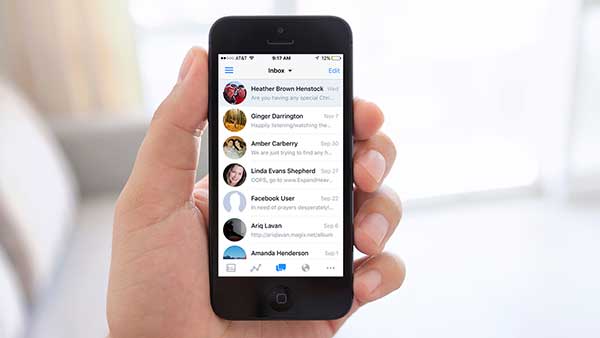
In the bustling world of online interaction, platforms like Facebook are revolutionizing customer service. Facebook has become a prime channel for businesses to connect with their audience, offering a space for real-time engagement. But with this opportunity comes a significant responsibility: the need for prompt replies. Companies that overlook the importance of quick responses risk harming their reputation and losing their customers’ trust. Understanding why responding to FB messages is crucial can prevent the cost of neglect for thriving businesses. Professional marketing agents can be invaluable in this area, providing the expertise to craft effective communication strategies that resonate with customers and uphold the brand’s integrity. Facebook as a Customer Service Channel A. The Role of Facebook in Customer Interaction Facebook has become an essential tool for customer service, with countless businesses using it to respond to customer inquiries and provide support. Customers now expect immediate answers to their questions, making Facebook a key player in shaping how they view a brand. To keep up with these expectations, businesses must actively engage with their customers on this platform. B. Customer Expectations in the Digital Era We live in a time where customers want quick solutions to their online queries. If a business takes too long to respond on a fast-paced platform like Facebook, it can lead to customer frustration and a tarnished reputation. Companies must adapt their customer service to offer prompt and effective responses, or they risk losing customer engagement. The Impact of Neglecting Facebook Messages A. Damage to Brand Reputation Ignoring messages on Facebook can have serious consequences for a brand’s image. Negative customer experiences can quickly become public, affecting how potential customers see the brand. A single unresolved complaint can escalate into a larger issue, so it’s crucial for businesses to stay alert and responsive on Facebook to maintain a positive reputation. Moreover, in today’s connected world, a damaged reputation can spread rapidly across platforms, making it even more imperative to address issues promptly. B. Loss of Business Opportunities Not responding to Facebook messages can mean missing out on business. Customers often ask about products or services, and if they don’t receive a timely reply, they might go to a competitor instead. Quick responses can also take advantage of the spontaneous purchasing decisions that social media can inspire, affecting a company’s profits. Furthermore, being responsive on Facebook can help capture leads that might otherwise be lost to more attentive competitors. C. Decrease in Customer Loyalty Loyalty comes from a business’s ability to show customers that it values and respects their concerns. When messages go unanswered, it can signal to customers that their business isn’t important, leading to a decline in loyalty. This can have lasting effects on customer retention and the overall value they bring to the business over time. Additionally, consistent and thoughtful communication can reverse negative trends and rebuild customer trust. Best Practices for Managing Facebook Messages A. Implementing an Efficient Response System Businesses should have a system in place to handle customer messages efficiently. This might include automatic replies to acknowledge messages, followed by personalized responses. Such a system ensures that every customer feels heard and valued. To further enhance efficiency, businesses can integrate customer relationship management (CRM) tools that track conversations and customer history. This integration allows for more informed and context-rich interactions, further elevating the customer experience. B. Training and Empowering Your Team It’s important to train employees to manage social media interactions effectively. Giving your team the right knowledge and tools can lead to faster issue resolution and higher customer satisfaction. Keeping up with regular training ensures that your team is informed about the latest best practices and technology. Additionally, creating a supportive environment where team members can share insights and feedback can foster continuous improvement. Encouraging employees to take initiative and providing them with autonomy can also enhance their ability to provide exceptional service. C. Monitoring and Adapting Strategies Keeping an eye on how quickly your team responds to Facebook messages and what customers are saying can offer insights into your customer service’s effectiveness. Use this information to continually refine your communication strategies, ensuring that you’re meeting customer needs and staying ahead in a dynamic digital environment. Enhancing Engagement Through Timely Responses Responding quickly to Facebook messages can greatly improve customer engagement. Showing that your business is attentive and responsive encourages customers to interact more, creating a sense of community and loyalty. This proactive approach not only nurtures existing customer relationships but also attracts new ones, as prospective clients often gauge a brand’s quality by its online responsiveness. Moreover, timely responses can lead to increased word-of-mouth referrals, as satisfied customers are more likely to recommend your brand to others. Leveraging Automated Tools for Better Efficiency Using automated tools like chatbots can help manage incoming messages and provide quick answers to common questions. This allows your team to focus on more complex issues, ensuring that customer service is efficient without losing the personal touch that customers appreciate. Additionally, these tools can gather preliminary information, streamlining the process when a human agent takes over. It’s also worth noting that automation can operate around the clock, providing answers to customers even outside of regular business hours. Analyzing the Impact of Response Times on Sales There’s a clear link between how fast a business responds on social media and its sales. Quick responses can make the difference in securing a sale. By analyzing response times, businesses can measure how well they’re doing in customer service and make necessary adjustments. Furthermore, this analysis can reveal peak times for customer inquiries, allowing businesses to allocate resources more effectively. Tracking response times also helps in setting realistic expectations for customers, contributing to a more transparent and trustworthy relationship. Call to Action: Review and Revitalize Your Facebook Communication Strategy Businesses should take the time to review and improve their Facebook communication strategies. By adopting the best practices mentioned here, your business can not only meet but exceed customer expectations, leading to greater satisfaction, loyalty, and growth. Begin

How to Manage Social Media Messages Without Losing Customer Trust

Managing online interactions in today’s fast-paced digital world can often feel overwhelming. This is particularly true when you’re swamped with a backlog of comments and messages. For a marketing firm, it’s crucial to maintain a strong online presence and actively engage with your audience. Yet, there are moments when prompt responses become a challenge, leading to delays that can span days, weeks, or even months. To manage delayed responses effectively, mastering the art of not ignoring, but prioritizing, becomes essential. This method allows you to prioritize, organize, and respond in a way that maintains your relationship with your audience while ensuring your team’s workload remains manageable. Understanding the Dynamics of Delayed Responses When it comes to managing online interactions, understanding the dynamics of delayed responses is key. While timely engagement is ideal, there are instances where circumstances prevent immediate replies. These may include high volume messages, team capacity constraints, or strategic timing for certain responses. Acknowledging these factors is essential to adopting an effective approach to handling delayed comments and messages. Moreover, delayed responses can sometimes offer a fresh perspective. By taking a step back and allowing time for reflection, you can provide more thoughtful and nuanced replies. This approach can lead to deeper conversations and meaningful engagements with your audience. It contributes to stronger relationships over time. Additionally, delayed responses can also be an opportunity to showcase your expertise and provide comprehensive solutions to complex inquiries. The Importance of Transparency Transparency is paramount when addressing delayed responses. Being honest with your audience about the reasons behind the delay builds trust and fosters understanding. Clearly communicate any challenges or operational constraints that led to the delayed response. This demonstrates accountability and shows that you value open communication with your audience. Furthermore, transparency extends beyond just explaining the delay. It also involves setting realistic expectations for future interactions. By communicating response timelines or turnaround times proactively, you manage expectations effectively and reduce potential frustrations. This proactive approach to transparency creates a more positive experience for your audience, even in cases of delayed responses. Prioritizing Responses Not all comments and messages require immediate attention. Prioritizing responses based on relevance, urgency, and impact can help streamline the process. Focus on addressing inquiries, feedback, or issues that have the most significant impact on your audience or business objectives. By prioritizing strategically, you can allocate resources more efficiently and ensure timely responses to critical matters. Additionally, prioritization can involve leveraging data and analytics to identify trends or patterns in audience interactions. This data-driven approach enables you to prioritize responses based on the potential impact on your brand reputation or customer satisfaction. By combining strategic prioritization with data insights, you can optimize your response strategy and deliver meaningful engagements to your audience. Crafting Thoughtful Responses While delayed, responses should never feel rushed or haphazard. Take the time to craft thoughtful and meaningful replies that address the concerns or inquiries raised. Personalize your responses where possible to show genuine engagement and empathy. Incorporate relevant information, solutions, or follow-up actions to add value to the interaction despite the delay. Moreover, crafting thoughtful responses involves active listening and understanding the underlying sentiments of the comments or messages received. By empathizing with your audience and addressing their needs comprehensively, you demonstrate a commitment to customer satisfaction and relationship building. Thoughtful responses also contribute to positive word-of-mouth and brand advocacy among your audience. Leveraging Automation and Templates Incorporating automation and templates can be instrumental in managing delayed responses effectively. Use automated tools to categorize and prioritize messages based on predefined criteria. Create response templates for common inquiries or feedback, ensuring consistency and accuracy in your replies. However, maintain a balance by personalizing responses when needed to avoid sounding robotic or impersonal. Furthermore, automation can extend beyond just responses to include proactive engagement strategies. Set up automated reminders for follow-ups or scheduled check-ins with your audience. Leverage chatbots or AI-driven tools to handle routine queries, freeing up human resources for more complex interactions. By leveraging automation intelligently, you can enhance efficiency without compromising the quality of your responses. Setting Expectations Moving Forward Managing delayed responses is an ongoing process, and setting clear expectations moving forward is essential. Communicate revised response timelines or turnaround times based on your capacity and operational dynamics. Encourage proactive engagement from your audience by providing alternative channels or resources for urgent matters. Establishing realistic expectations fosters a positive interaction experience despite delays. Moreover, setting expectations involves continuous feedback loops with your audience. Solicit feedback on response times and communication channels to identify areas for improvement. Implement iterative changes based on feedback received to enhance the overall responsiveness of your brand. By involving your audience in the process, you demonstrate a commitment to continuous improvement and customer-centricity. Embracing Continuous Improvement In addition to setting expectations, embracing continuous improvement is vital in managing delayed responses effectively. Regularly review and refine your response processes based on performance metrics and feedback. Identify bottlenecks or areas of inefficiency and implement solutions to streamline the response workflow. Continuous improvement ensures that your response strategy remains agile and adaptive to evolving audience needs. Furthermore, continuous improvement extends to training and development initiatives for your team. Invest in ongoing training programs to enhance communication skills, empathy, and problem-solving abilities. Empower your team with the tools and resources needed to handle diverse interactions effectively. By fostering a culture of continuous improvement, you create a responsive and customer-focused environment within your organization. Conclusion In conclusion, the art of ignoring is not about neglecting your audience but rather about adopting a strategic approach to managing delayed responses effectively. By understanding the dynamics, prioritizing, maintaining transparency, crafting thoughtful replies, leveraging automation, setting clear expectations, and embracing continuous improvement, you can navigate delayed interactions with professionalism and efficiency. Remember, timely responses are ideal, but managing delayed replies with tact and transparency can enhance your brand’s credibility and strengthen audience relationships.

Why Authentic and Unfiltered Marketing Earns Deeper Brand Trust

A bold trend reshapes marketing: an approach that’s unapologetic and unfiltered, challenging the norm of polished pitches and content. This strategy stands out for its ability to cut through the noise, creating genuine connections with audiences by embracing authenticity over perfection. It challenges the status quo, inviting brands to share their true stories, warts and all. This shift not only humanizes brands but also fosters a deeper level of trust and loyalty among consumers. The Rise of Authentic Marketing Shifting Towards Transparency Gone are the days when marketing was solely about presenting an idealized version of reality. Today’s consumers are drawn to authenticity. They desire to know the real people behind the brands, with all their imperfections and unique stories. This shift towards transparency isn’t a fleeting trend. It represents a fundamental change in how companies communicate with their audience. Brands now embrace openness about their failures, challenges, and the true stories behind their success. Consumers favor brands that are honest about their journey. This includes the obstacles they’ve encountered and how they’ve overcome them, creating a more relatable and trustworthy image. Vulnerability is for Unfiltered Marketing Vulnerability has emerged as a potent tool in the arsenal of unfiltered marketing. By showing that brands are run by humans who face challenges and make mistakes, companies can forge deeper, more meaningful connections with their audience. This openness transforms the brand from an impersonal entity into a relatable character in its own narrative. It makes the journey of growth and improvement a shared experience with their audience. It’s this shared experience that builds a loyal community around the brand. It reinforces the idea that perfection is less appealing than genuine effort and transparency. Unapologetically Bold: Embracing Controversy Taking a Stand In an era where social issues are at the forefront of public consciousness, staying neutral is no longer seen as a safe bet. Brands that dare to take a stand on contentious issues not only capture attention but are also perceived as more authentic and trustworthy. Yet, this strategy carries inherent risks. The key lies not just in taking a stand but in doing so in a manner that aligns with the brand’s core values and mission. This ensures that their stance is not seen as opportunistic but as a genuine reflection of their beliefs. The Risk-Reward Equation The unfiltered approach carries its share of risks and rewards. Taking a bold stance can alienate a portion of an audience, but it can also engender deep loyalty among those who share the brand’s values. This delicate balance between risk and reward is crucial. But when managed correctly, it can elevate a brand to a position of leadership in cultural conversations. It marks it as a pioneer rather than a follower in its sector. Storytelling Unleashed: The Unfiltered Narrative Crafting Genuine Stories The essence of unfiltered marketing lies in storytelling. These are not just any stories; they are genuine narratives that embrace the less-than-perfect aspects of a brand’s journey. This authenticity in storytelling strikes a chord with audiences, inviting them to be a part of the brand’s narrative rather than mere onlookers. It’s the unvarnished truth in these stories that resonates with people. They see reflections of their own challenges and triumphs in the brand’s narrative, fostering a deeper emotional connection. Social Media Plays a Role Social media platforms serve as the ideal arena for unfiltered storytelling. They provide a direct channel to the audience, allowing for real-time engagement and feedback. Brands can utilize platforms like Instagram, Twitter, and TikTok to share their stories in an unpolished, immediate format. This further enhances the sense of authenticity and immediacy. This direct line not only democratizes the relationship between brands and their audience but also encourages a more engaged and participatory form of brand interaction. Strategies for Success: Implementing the Unfiltered Approach Know Your Audience A deep understanding of the audience is critical in an unfiltered marketing strategy. This insight allows brands to craft messages and take stands that deeply resonate with their target demographic. It fosters a sense of community and belonging among their followers. Knowing the audience’s values, concerns, and aspirations enables a brand to tailor its approach in a way that feels both personal and relevant. This enhances the effectiveness of its unfiltered communications. Be Consistent Adopting an unfiltered approach requires consistency across all brand communications. The authenticity of the message should permeate every aspect of the brand’s strategy, from marketing campaigns to customer service interactions. This consistency reinforces the brand’s identity and values. It establishes its unfiltered nature as a dependable characteristic rather than a fleeting tactic. It’s through consistent, genuine engagement that a brand solidifies its place in the hearts and minds of its audience. Embrace Feedback Engagement is a two-way street, and an unfiltered approach often leads to increased interaction from the audience. Brands must be ready to embrace this feedback, both positive and negative, using it as a tool for growth and improvement. This open dialogue is essential for refining and adjusting strategies in real-time. It ensures that the brand remains aligned with its audience’s evolving expectations and needs. Navigating the Digital Landscape Adaptability for True Success In the rapidly changing digital world, adaptability is key for brands employing an unfiltered marketing strategy. The digital landscape is ever-evolving, with new platforms and communication modes emerging regularly. Brands need to stay agile, ready to pivot their strategies and explore new mediums to maintain their relevance and connection with their audience. This flexibility not only helps in keeping the content fresh but also in responding to the shifting dynamics of consumer engagement and platform algorithms. Building a Community Fostering Engagement and Loyalty An unfiltered approach goes beyond mere communication; it’s about building a community of loyal followers. Brands can achieve this by not just talking at their audience but by engaging with them. They create spaces for dialogue and encourage user-generated content. This community-building effort turns consumers into brand advocates. It amplifies the brand’s message through their networks and significantly

Digital Business Cards Wow Your Audience

Does anyone really ever remember where they put your business card? Okay, that’s a rhetorical question. Enter digital business cards – born out of necessity during the crucible of COVID, and now an unstoppable force in the realm of networking and brand elevation. Digital business cards don’t just impress; they wow your audience, spearheading a new era in how we connect and showcase our brands. Frankly, we’re over the need for printed cards. Afterall, it’s more paper that ultimately hurts our beloved earth. Okay, sure, digital footprint could also be impacting Mother Nature. But, in the long-run we’re eliminating so much wasted paper!! Plus, who doesn’t love the idea of downloading your information into your prospects phone. The chances they’ll recognize your call just skyrocketed! Perhaps we’ll eliminate the word “ghosting” from our vocab. Indeed, digital cards are not just environmentally friendly, they’re multimedia powerhouses. These cards are capable of captivating your audience like never before. With direct links to social media profiles, seamless integration into digital contact lists, and even the ability to host video, these cards are the epitome of modern connectivity. The Role of the Branding Agency Driving this incredible transformation are the visionaries of branding agencies. Branding agencies shape digital identities that leave an indelible mark on our target markets. In this digital age, they’re not just essential; they’re the architects of our online presence, guiding us towards unparalleled success. The Big Advantages Digital business cards stand out for their versatility and effectiveness. They offer a suite of benefits that extend beyond traditional networking methods. This revolutionizes how professionals connect, share, and engage with their audience. They provide a solid foundation for building meaningful business relationships. Easy Sharing and Accessibility Digital business cards shine with their unparalleled ease of sharing and accessibility. The digital format eliminates physical constraints, allowing professionals to share their cards via email, text, or social media with a simple click or QR code scan. This convenience ensures that your contact information is readily accessible, fostering seamless interactions and follow-ups. Dynamic Content and Multimedia Integration The capacity for dynamic content and multimedia integration sets digital business cards apart. They offer a richer and more engaging experience. Recipients can interact with embedded videos, view image galleries, or click through to websites and social media. This gives a comprehensive understanding of your business. This multimedia approach not only enhances engagement but also provides a platform for storytelling. It allows businesses to share their journey and values in a compelling way. Real-Time Updates and Customization The flexibility to update and customize digital business cards in real-time is a game-changer. Whether it’s a change in job title, contact information, or the addition of new achievements, updates can be made instantly without the need for reprinting. This ensures that your network always has access to the most current and relevant information, keeping your professional image polished and up-to-date. Embracing the Digital Age Digital business cards are more than just a digital version of a traditional networking tool; they are a strategic asset for growth and networking. By leveraging these cards effectively, businesses can expand their reach, enhance their brand presence, and cultivate stronger relationships with clients and partners. Enhancing Brand Visibility with Social Media Marketing Agencies The integration of digital business cards with social media strategies, facilitated by social media marketing agencies, significantly boosts brand visibility. By sharing your digital card across social platforms, you can engage a broader audience, driving traffic to your website and enhancing online presence. This strategy capitalizes on the interconnected nature of digital platforms, magnifying the reach and impact of your digital business card. Boosting SEO with Blogs Incorporating digital business cards into your blog content can also bolster your SEO efforts. By crafting blog posts that highlight the innovative features and benefits of your digital business card, you attract organic traffic to your site. This approach, known as blogging for SEO, enhances your search engine visibility, making it easier for potential clients to discover your business online. Cross-Channel Marketing Opportunities Digital business cards unlock new possibilities for cross-channel marketing, enabling a unified and integrated approach across various marketing mediums. Whether through email campaigns, direct mail marketing to B2B, website development, or app development, digital business cards serve as a nexus for your marketing efforts. This cohesive strategy ensures that your brand message is consistently communicated across all channels, reinforcing your brand identity and engaging customers on multiple fronts. Networking in the Digital Age The advent of digital business cards marks a significant shift in networking practices. In the digital age, the ability to connect and share information instantly is paramount. Digital business cards facilitate these connections, providing a modern solution that aligns with the speed and convenience expected by today’s professionals. They bridge the gap between traditional face-to-face interactions and the digital networking landscape, offering a versatile tool that adapts to various networking scenarios. Environmental Impact and Sustainability Digital business cards also reflect a growing awareness of environmental sustainability. By moving away from paper-based cards, businesses and individuals demonstrate a commitment to reducing waste and conserving resources. This shift not only benefits the environment but also resonates with eco-conscious clients and partners, aligning with broader corporate social responsibility goals. Measuring the Impact of Digital Business Cards It’s crucial to understand how effective digital business cards are. This understanding helps refine strategies and maximize return on investment. Analytics and tracking features are often built into digital card platforms. They provide insights into card sharing and interactions. This data lets businesses measure their digital cards’ reach and engagement. It informs future marketing decisions. It also helps develop strategies to enhance brand visibility and growth. Final Thoughts Digital business cards are a forward-thinking tool for networking, brand promotion, and growth. Professionals and businesses embracing them can harness digital technology. This creates meaningful connections and enhances brand presence. It also drives business success. In the digital landscape, the value of innovative and flexible tools is increasing. Digital business cards are sustainable and essential for networking.

B2B Blueprint: Direct Mail Marketing Unleashed

In the ever-evolving landscape of B2B marketing, strategies come and go, but some timeless techniques continue to stand out. Direct Mail Marketing, overlooked in the digital age, makes a powerful comeback, central to the B2B Blueprint. In this blog post, we’ll delve into the intricacies of unleashing the full potential of Direct Mail Marketing for B2B businesses. The Resurgence of Direct Mail Marketing Direct Mail Marketing is experiencing a revival, proving that sometimes, the old-school methods are the most effective. In an era saturated with digital noise, a well-crafted physical mail piece can captivate attention in ways that emails and online ads struggle to do. In a world dominated by virtual interactions, the tangible nature of direct mail creates a unique and memorable experience for recipients. Holding a well-designed mail piece engages multiple senses, leaving a lasting impression that digital communication often fails to achieve. Crafting Compelling Direct Mail Campaigns Understanding Your Audience Before launching into a Direct Mail campaign, it’s crucial to understand your B2B audience. Identify their pain points, preferences, and challenges. This information forms the foundation for creating personalized and relevant content that resonates with your recipients. Designing Eye-Catching Mail Pieces In the world of Direct Mail Marketing, the design is key. Your mail piece should not only convey your message effectively but also stand out visually. Collaborating with a skilled Branding Agency can ensure that your direct mail materials align seamlessly with your overall brand identity, making a lasting impression. The power of a well-designed mail piece lies not only in aesthetics but also in functionality. Incorporating interactive elements or QR codes can bridge the gap between offline and online experiences, encouraging recipients to take immediate action. Integration with Cross Channel Marketing Direct Mail doesn’t exist in isolation. Integrating it into your Cross Channel Marketing strategy can amplify its impact. Sync your offline efforts with online channels, such as social media and email campaigns, to create a cohesive brand presence that leaves a lasting impression. Maximizing the effectiveness of cross-channel integration requires a seamless transition between the physical and digital realms. Ensure that your direct mail campaign includes clear calls-to-action directing recipients to your online platforms for further engagement. Maximizing ROI through Data-Driven Strategies Utilizing Analytics for Optimization In the digital age, data is king. Direct Mail Marketing is no exception. Leverage analytics to track the performance of your campaigns. Analyzing response rates, conversion metrics, and customer feedback allows you to refine and optimize future mailings for maximum return on investment. Targeted Campaigns for Anne Arundel County Businesses For businesses in Anne Arundel County, personalized and localized campaigns can yield exceptional results. Tailoring your message to address the specific needs and interests of businesses in this area can significantly increase engagement and response rates. Data-driven insights enable you to go beyond demographics and create hyper-personalized campaigns. Utilize customer data to segment your audience effectively, delivering messages that resonate on a deeper level and drive higher conversion rates. Direct Mail in the Digital Age: A Harmonious Blend Synergy with Digital Marketing Strategies Contrary to the misconception that Direct Mail and digital strategies are at odds, they can coexist harmoniously. Incorporating Direct Mail into your Social Media Marketing and Blog for SEO initiatives can create a powerful synergy, reaching your audience through multiple touchpoints and reinforcing your brand message. Driving Traffic with Website and App Development Offers Direct Mail can serve as a gateway to your digital presence. Including exclusive offers related to Website Development or App Development in your mailers can incentivize recipients to visit your online platforms, seamlessly integrating your offline and online marketing efforts. In the age of digital connectivity, your online presence is a vital extension of your brand. Direct Mail acts as a catalyst, driving traffic to your website or app, where potential clients can explore your offerings in more detail. Navigating Compliance: Ensuring Ethical Direct Mail Practices Navigating the world of Direct Mail involves more than just creative design and strategic planning. Ethical considerations and compliance with regulations play a crucial role. Ensuring that your campaigns adhere to privacy laws and industry standards builds trust with your audience and safeguards your brand reputation. Data Privacy and Consent Respecting the privacy of your recipients is paramount. Clearly communicate how you obtained their information and provide easy opt-out options. Prioritize obtaining explicit consent for receiving direct mail, reinforcing a commitment to ethical practices. Staying Informed on Postal Regulations Direct Mail is subject to postal regulations that vary by region. Stay informed about mailing requirements, postage rates, and delivery standards. Complying with these regulations not only avoids penalties but also ensures the seamless delivery of your marketing materials. Incorporating ethical considerations into your Direct Mail strategy not only safeguards your brand but also positions your business as one that values transparency and customer well-being. By navigating compliance with diligence, you enhance the overall impact and success of your B2B Direct Mail campaigns. Directing Success with Direct Mail Direct Mail Marketing is a potent tool in the B2B arsenal when executed strategically. Partnering with a Marketing Agency well-versed in the nuances of B2B marketing can elevate your campaigns and contribute to the growth of your business. As you embark on this journey, remember that Direct Mail is not just a marketing technique; it’s a powerful means of forging lasting connections and propelling your brand towards sustained success. By embracing Direct Mail Marketing in Anne Arundel County and beyond, B2B businesses can navigate the competitive landscape with a renewed vigor, standing out from the digital noise and leaving an indelible mark on their target audience.

How Strategic Marketing Builds Long-Term Customer Relationships

In the bustling world of commerce, where trends shift and technologies evolve at breakneck speed, one aspect remains constant: the paramount importance of customers. Businesses thrive not merely by offering top-notch products or services but by establishing and nurturing robust relationships with their customers. Customer-centric marketing stands as the cornerstone for building strong customer relationships in an ever-competitive market landscape. Understanding Customer-Centric Marketing At its core, customer-centric marketing revolves around placing customers at the heart of every business strategy, decision, and interaction. This approach transcends mere transactions, seeking to comprehend and fulfill the diverse needs, preferences, and expectations of customers. Moreover, it is about listening, empathizing, and engaging with them at every touchpoint, crafting experiences that resonate and create lasting impressions. The Evolution of Customer-Centricity Historically, businesses focused on product-centric approaches, highlighting the features and benefits of their offerings. However, the digital age brought forth a paradigm shift, where consumers gained unprecedented access to information, choices, and platforms. This empowered customers to demand personalized experiences and meaningful engagements. Consequently, companies had to pivot towards customer-centric strategies to remain competitive. Key Pillars of Customer-Centric Marketing Deep Customer Understanding: Customer-centricity begins with comprehending your audience. Utilize data analytics, surveys, social listening, and feedback mechanisms to gain insights into their behaviors, preferences, and pain points. This understanding serves as the foundation for crafting tailored marketing strategies. Personalization: Tailoring experiences based on individual preferences is pivotal. Whether through personalized emails, targeted ads, or customized product recommendations, personalization fosters a sense of being understood and valued, bolstering customer loyalty. Consistent Omni-channel Experience: Customers interact with brands across multiple touchpoints—online, offline, social media, and more. Ensuring a seamless, consistent experience across these channels is imperative. A cohesive approach reinforces brand identity and enhances customer trust. Proactive Communication: Engage with customers not just during transactions but throughout their journey. Anticipate their needs, offer timely support, and seek feedback. This two-way communication builds trust and strengthens relationships. Adaptability and Continuous Improvement: Markets evolve, and so do customer preferences. Embrace agility by constantly refining strategies, products, and services based on customer feedback and market trends. Overcoming Challenges in Customer-Centric Marketing Data Privacy and Trust: With increasing concerns about data privacy, customers are cautious about sharing personal information. Businesses must prioritize transparency, ethical data practices, and stringent security measures to build and maintain trust. Offering clear opt-in/opt-out options and respecting customer preferences regarding data usage are crucial steps in this regard. Scalable Personalization: Implementing personalized experiences at scale remains a challenge. Leveraging advanced technologies like machine learning and AI can help automate and streamline the personalization process. By utilizing customer data effectively, businesses can deliver tailored experiences without overwhelming manual efforts. Adapting to Dynamic Customer Preferences: Customer preferences and behaviors are constantly evolving. Staying agile and responsive to these changes requires continuous monitoring of market trends, leveraging customer feedback loops, and swiftly adapting strategies to meet shifting demands. Future Trends Shaping Customer-Centric Marketing AI-Driven Hyper-Personalization: AI technologies will play an increasingly significant role in delivering hyper-personalized experiences. Predictive analytics, chatbots, and recommendation engines will evolve to anticipate customer needs more accurately, enhancing personalized interactions. Sustainability and Social Responsibility: Consumers are gravitating towards brands that demonstrate a commitment to sustainability and social responsibility. Businesses embracing eco-friendly practices, ethical sourcing, and social initiatives will resonate better with conscious consumers, shaping customer preferences and loyalty. Voice and Visual Search: The rise of voice assistants and visual search technologies will transform how customers search for products and information. Optimizing marketing strategies for voice search and visual recognition will become imperative to stay visible and relevant in these evolving search landscapes. Augmented Reality (AR) and Virtual Reality (VR): AR and VR technologies will revolutionize the customer experience, allowing consumers to interact with products virtually. Implementing these immersive technologies in marketing strategies will provide customers with engaging and realistic experiences, influencing purchasing decisions. Embracing the Future: Customer-Centric Evolution In navigating the evolving landscape of customer-centric marketing, businesses must adapt, innovate, and prioritize customer needs and aspirations. Furthermore, overcoming challenges, embracing emerging trends, and staying committed to building genuine connections will define success in this customer-driven era. By infusing strategies with empathy, agility, and cutting-edge technology, businesses can forge enduring relationships and carve their path toward sustained growth and relevance in the market. Benefits of Customer-Centric Marketing Enhanced Customer Loyalty: By prioritizing their needs, businesses foster trust and loyalty, leading to repeat purchases and long-term relationships. Increased Customer Lifetime Value: Satisfied customers tend to spend more and advocate for the brand, thereby increasing their lifetime value. Positive Brand Image: Brands that prioritize customers are perceived positively, leading to word-of-mouth recommendations and a strong brand image. Better Differentiation: Customer-centric approaches can become a competitive advantage by offering unique experiences that competitors find challenging to replicate. Improved ROI: Targeted marketing efforts and personalized experiences lead to more efficient use of resources, resulting in improved return on investment. Real-World Examples of Customer-Centric Success Amazon: Renowned for its customer-centric approach, Amazon’s focus on personalization, seamless shopping experiences, and customer service has propelled its success. Zappos: This online shoe and clothing retailer is celebrated for its exceptional customer service, going above and beyond to satisfy customers, which in turn fosters loyalty. Apple: Known for its user-friendly interfaces, exceptional after-sales service, and community engagement, Apple prioritizes customer experience, contributing significantly to its brand loyalty. Challenges and Future Trends So, while customer-centric marketing offers myriad benefits, it’s not without challenges. Balancing data privacy concerns, maintaining personalization at scale, and adapting to rapidly changing customer preferences are some hurdles businesses face. Moreover, the future of marketing will likely delve deeper into AI-driven personalization, hyper-personalized experiences, ethical data usage, and heightened emphasis on sustainability and social responsibility. Conclusion In an era where consumers are discerning and demanding, marketing emerges as the cornerstone of sustained business success. Additionally, by placing customers at the core of strategies, embracing personalization, and fostering meaningful connections, businesses can cultivate strong, enduring relationships that stand the test of time. As we move forward, the ability to understand, engage, and delight customers

User-Generated Content: Boosting Your Engagement

The Rise of User-Generated Content In the age of the digital world, where every click, like, and share becomes part of the vast online narrative, user-generated content (UGC) is more than just buzz. It represents a substantial shift in understanding brand-consumer connections, highlighting a new world that emphasizes authenticity and genuine user involvement. Authenticity: A Rare Digital Commodity Navigating the vast digital expanse, users today are inundated with branded messages. Each ad, video, and sponsored post is meticulously crafted to catch the eye and engage the mind. Yet, the sheer volume of such content often leads to information overload, with many branded messages blurring into the background. Amidst this cacophony, user-generated content stands out. Like a breath of fresh air, it offers unscripted, unfiltered glimpses into real consumers’ raw, unvarnished experiences. Influencers, Viral Trends, and Organic Feedback Today’s digital landscape is shaped as much by influencers and viral trends as by brands themselves. But what drives influencer culture and viral content? At its core, it’s user-generated content. When an individual shares their personal experience with a product, it resonates. When that shared experience is relatable, genuine, and offers value, it often goes viral. Similarly, even feedback, which many brands fear due to its unpredictability, can be invaluable. It gives companies insights that might not emerge from even the most intensive market research. Understanding User-Generated Content Defining the User-Generated Content Phenomenon At its essence, user-generated content is digital content, be it text, photos, videos, or any other form, created spontaneously by users rather than brands. This organic content creation is unprompted by the brand itself, making it a genuine representation of real-time sentiments, experiences, and perceptions. The Digital Echo Chamber and the Need for User-Generated Content In an era dominated by algorithm-driven feeds and echo chambers, user-generated content pierces the bubble. It introduces fresh perspectives, challenges prevailing narratives, and offers a refreshing change from the routine. This isn’t just beneficial for consumers seeking genuine reviews but is invaluable for brands. User-generated content acts as a mirror, reflecting the brand’s true image in the eyes of its consumers. This reflection, with its peaks and troughs, offers an unvarnished roadmap for brand evolution. More than Just Marketing: User-Generated Content as the Pulse of Digital Landscape User-generated content is not just a marketing tool. It’s the heartbeat of the online realm, resonating with authenticity. As digital platforms grow increasingly saturated, user-generated content stands out, offering a transparent window into genuine consumer perceptions, desires, and concerns. It bridges the often widening chasm between brands and their audiences, facilitating genuine interactions and fostering trust. Authenticity: The User-Generated Content Advantage Breaking Through the Digital Ad Clutter The digital realm today is an ad-driven ecosystem. From banners to pop-ups, video ads, and influencer partnerships, brands are constantly vying for user attention. While each has its merits, they often run the risk of blending into the digital noise. Herein lies the power of user-generated content. Genuine endorsements, organic mentions, candid photos, or heartfelt reviews from real users break this monotony. They offer a credibility that even the most well-crafted, polished advertising campaigns can’t match. Real People, Real Stories: The Authenticity Quotient Behind every piece of user-generated content is a real story. Whether it’s a user showcasing a product’s real-world application, detailing a service experience, or simply sharing their journey with a brand, these narratives are genuine. They aren’t filtered through a brand’s strategic lens or polished for maximum impact. They’re real, raw, and relatable. This inherent authenticity makes them powerful tools in a brand’s arsenal, ones that can influence user perceptions, build trust, and drive engagement. User-Driven Narratives vs. Brand-Driven Campaigns While brand-driven campaigns are essential, and they play a significant role in shaping brand image, user-driven narratives offer something unique. They aren’t about what the brand wants to communicate but about what users feel, experience, and wish to share. This distinction is crucial. In an age where authenticity is valued, these user-driven narratives resonate deeply, influencing user choices and brand perceptions. Deepening Digital Engagement Through User-Generated Content Beyond Likes and Shares: The Depth of User-Generated Content Engagement Digital engagement metrics often revolve around likes, shares, comments, and views. But user-generated content offers a deeper form of engagement. When a user takes the initiative to create content, it reflects a level of investment and involvement with the brand that’s unparalleled. Whether it’s a detailed review, an unboxing video, or a candid testimonial, such content showcases genuine brand-consumer interaction, deepening the bond. Building Communities Around Authentic Narratives Brands that recognize the value of user-generated content often find themselves at the center of thriving online communities. These are spaces where users not only engage with the brand but also with each other, sharing experiences, offering advice, and providing feedback. Such communities, built around authentic user narratives, are goldmines of insights, loyalty, and engagement. They transform brands from mere service or product providers into integral parts of users’ lives. Every Voice Matters: The Democratic Nature of User-Generated Content One of the most powerful aspects of user-generated content is its inherently democratic nature. Every user, irrespective of their follower count, platform influence, or digital reach, has the potential to create impactful content. Brands that recognize, celebrate, and amplify these varied voices showcase their commitment to genuine feedback and authentic experiences. In doing so, they foster a sense of inclusivity, ensuring every user feels valued, heard, and significant. Cultivating Trust through User-Generated Content In today’s digitized world, fostering trust between brands and their audiences remains a paramount yet challenging endeavor. Gone are the days when a brand’s word was taken at face value. The modern consumer is informed, discerning, and empowered by a plethora of resources right at their fingertips. In such a climate, user-generated content emerges not merely as a marketing tool but as a transformative force—one that has the power to break barriers, bridge divides, and build lasting trust. The Digital Trust Deficit: Setting the Stage Before diving into the trust-building capabilities of user-generated content, it’s imperative to understand the landscape

Marketing & Branding Build Credibility

In today’s competitive business landscape, establishing credibility is crucial for the success and growth of any company. Credibility not only helps in gaining the trust of customers but also sets a foundation for long-term relationships and brand loyalty. One powerful way to enhance credibility is through effective branding and marketing strategies. Consistency Breeds Trust Branding involves creating a consistent visual identity, including logos, color schemes, and design elements, that represents your company’s values and mission. When customers see this consistency across your marketing materials, website, social media profiles, and products or services, it instills a sense of trust and reliability. It sends the message that your business is well-established, organized, and committed to delivering on its promises. Clear Brand Messaging Effective branding goes beyond aesthetics; it encompasses your brand’s voice, mission, and values. A well-defined brand message communicates to customers who you are, what you stand for, and what they can expect from your products or services. Furthermore, when your marketing efforts consistently convey this message, it builds credibility by showing that you have a clear purpose and are genuinely invested in meeting your customers’ needs. Quality Assurance Through branding and marketing, you can emphasize the quality and excellence of your products or services. Customer testimonials, case studies, and product demonstrations showcase the positive experiences of previous customers, and demonstrate that your offerings are reliable and of high quality. This transparency and social proof contribute to your credibility. Professionalism and Reliability A polished and professional brand image, reflected in your marketing materials, can make a significant impact on how potential clients or customers perceive your business. A well-designed website, attention to detail in your marketing content, and professional visuals all signal that you take your business seriously. This professionalism breeds trust and credibility. Thought Leadership and Expertise Content marketing plays a vital role in establishing your company as a thought leader and industry expert. By consistently creating and sharing valuable content, you position your brand as knowledgeable and trustworthy. Customers are more likely to trust a company that demonstrates expertise in its field. Responsive and Engaging Customer Service Effective marketing strategies extend beyond the initial sale. Maintaining open communication with customers demonstrates your commitment to their satisfaction. Responsiveness and engagement contribute to your reputation for excellent customer service and reliability. Social Media Presence A strong social media presence is a valuable tool for building credibility. Regularly posting relevant content, responding to comments and inquiries, and engaging with your audience demonstrates your transparency and commitment to customer interaction. This active presence bolsters trust and authenticity. Reputation Management Moveover, branding and marketing also enable you to manage your online reputation effectively. You can address negative reviews and feedback, demonstrating your willingness to resolve issues and improve. This proactive approach to reputation management shows your dedication to maintaining credibility. Credibility is a currency that can greatly impact your company’s success. By investing in branding and marketing strategies that convey consistency, clear messaging, professionalism, and expertise, you can build trust and loyalty among your target audience. In a world where consumers have endless choices, credibility sets your business apart and fosters lasting relationships with customers. Embrace branding and marketing as powerful tools to boost your company’s credibility and pave the way for long-term success. Get started today and contact Silesky Marketing for all of your marketing and branding needs.

John Sindorf

Director of Strategic Alliances

John believes most businesses don’t need more vendors; they need the right strategic partners.

With decades of experience helping small and mid-sized organizations grow, John specializes in connecting business leaders with the expertise they need to overcome challenges, strengthen operations, and scale with confidence. Whether the conversation centers on sales strategy, marketing, AI, or operational efficiency, his focus is always the same: identifying the right solution for the business, not simply adding another service provider.
Known for his relationship-first approach, John builds partnerships rooted in trust, practical guidance, and measurable outcomes. He helps business owners simplify complex decisions, align the right resources, and spend less time managing vendors and more time leading the businesses they’ve worked so hard to build.

Off the clock: You’ll likely find John networking over coffee, strengthening relationships, and proving that the best business opportunities still begin with genuine conversations.

Kiki DeVane

Marketing Operations Manager

Kiki started her career wanting to change the world through policy, then discovered that a well-built website could be just as powerful. That pivot led her through event marketing, federal communications, and sponsored content for some of the world’s most recognizable brands. She came out the other side a marketing utility player, skilled across strategy, design, development, and copywriting, allowing her to support client campaigns from the front and behind the scenes.

At Silesky, she’s the connective tissue, keeping projects moving, clients informed, and the team empowered to focus on what they do best. What sets Kiki apart is her ability to move fluidly between the operational and the creative without losing momentum in either direction. Whether she’s architecting a workflow, shaping a campaign, or jumping in on a deliverable, she brings the kind of range that elevates every project and strengthens the team around her.

A systems thinker with a creative soul, Kiki brings order to complexity and a genuine investment in seeing the work land the way it should.

Aizaz UI Hassan

Web Developer & Graphic Designer

Aizaz has been the driving force behind Silesky’s web development for over five years. As both a graphic designer and UI/UX developer, he brings a rare mix of technical precision and creative clarity to every project.

What sets Aizaz apart is his ability to understand and interpret the assignment—no extra hand-holding, just sharp instincts and calm professionalism. When timelines are tight and expectations are high, Aizaz is the teammate you want in your corner.

Creative and detail-oriented, Aizaz builds clean, modern websites that marry style with substance. From intuitive flows to scalable layouts, his work consistently delivers digital experiences that perform as well as they look.

With every project, Aizaz ensures the design feels effortless for users and does the heavy lifting for the brand.

Sue Hilger, MBA

Chief Growth Strategist

As Chief Growth Strategist at Silesky Marketing, Sue plays a key role in expanding the agency’s client base while cultivating long-term partnerships grounded in trust, collaboration, and measurable success. She works closely with organizations to help them meet their business goals—and then go beyond them—through smart, scalable marketing strategies.

With an MBA and deep expertise in both B2B and B2C environments, Sue bridges the gap between strategic planning and hands-on execution. She guides clients through Silesky’s end-to-end process, beginning with in-depth discovery and needs assessments and continuing through branding, messaging, digital advertising, and campaign rollout.

Sue is focused on long-term impact. Many of Silesky’s client relationships span decades, which speaks to her ability to integrate seamlessly, think strategically, and consistently deliver results. For Sue, every engagement is more than a project—it’s a partnership.

Mya Stengel

Content Developer & Video Editor

Mya brings the heart of a storyteller and the precision of a screenwriter to every project. With a background in Hollywood scriptwriting—particularly in the horror genre—she understands how to build intrigue, capture attention, and deliver a message that lands with impact.

A lifelong book lover turned brand storyteller, Mya has a gift for finding each client’s voice and shaping it into something authentic and memorable. Whether she’s writing SEO-driven blog content, editing silent video loops, or cutting together a punchy hero reel, she focuses on what makes a brand distinct and brings it to life with clarity and emotion.

From blog posts to behind-the-scenes edits, plot twists to punchlines, Mya’s work helps brands connect more deeply and tell stories that resonate.

Ashelin Walker

Digital Marketing Strategist

Ashelin is a digital marketing strategist who blends technical know-how with creative insight. At Silesky Marketing, she turns strategy into results—helping clients attract the right leads, connect with their audience, and strengthen their online presence.

She designs high-converting landing pages, launches targeted email campaigns, manages CRM platforms, and creates on-brand video content that performs. From big-picture planning to the freckles of a campaign, Ashelin brings cohesion to the chaos and keeps every piece pulling in the right direction.

What sets Ashelin apart is how seamlessly she connects the tactical to the strategic. She doesn’t just check boxes—she makes sure every effort ladders up to a larger goal. Her work helps clients show up in the right places, with the right message, at the right time.

Susi Silesky

Founder & Brand Architect

As the founder of Silesky Marketing, Susi brings more than 30 years of brand strategy and marketing expertise to the table. Her experience spans ambitious startups, global enterprises, nonprofits, and household-name retailers.

Susi is most energized when she’s helping business owners find their voice, shape their story, and build a brand that reflects their vision and gets the results they deserve.

What sets her apart is her deep understanding of entrepreneurs. She’s built a career not just on strong campaigns, but on building genuine relationships. That blend of empathy and expertise is what makes her work both effective and meaningful.

Susi has led successful marketing initiatives across industries—from healthcare and legal to real estate, B2B tech, and pharma. She’s fluent in French, conversational in Spanish, and skilled at translating complex ideas into clear, compelling brand stories.