
Website Optimization Services That Turn Visits Into Leads

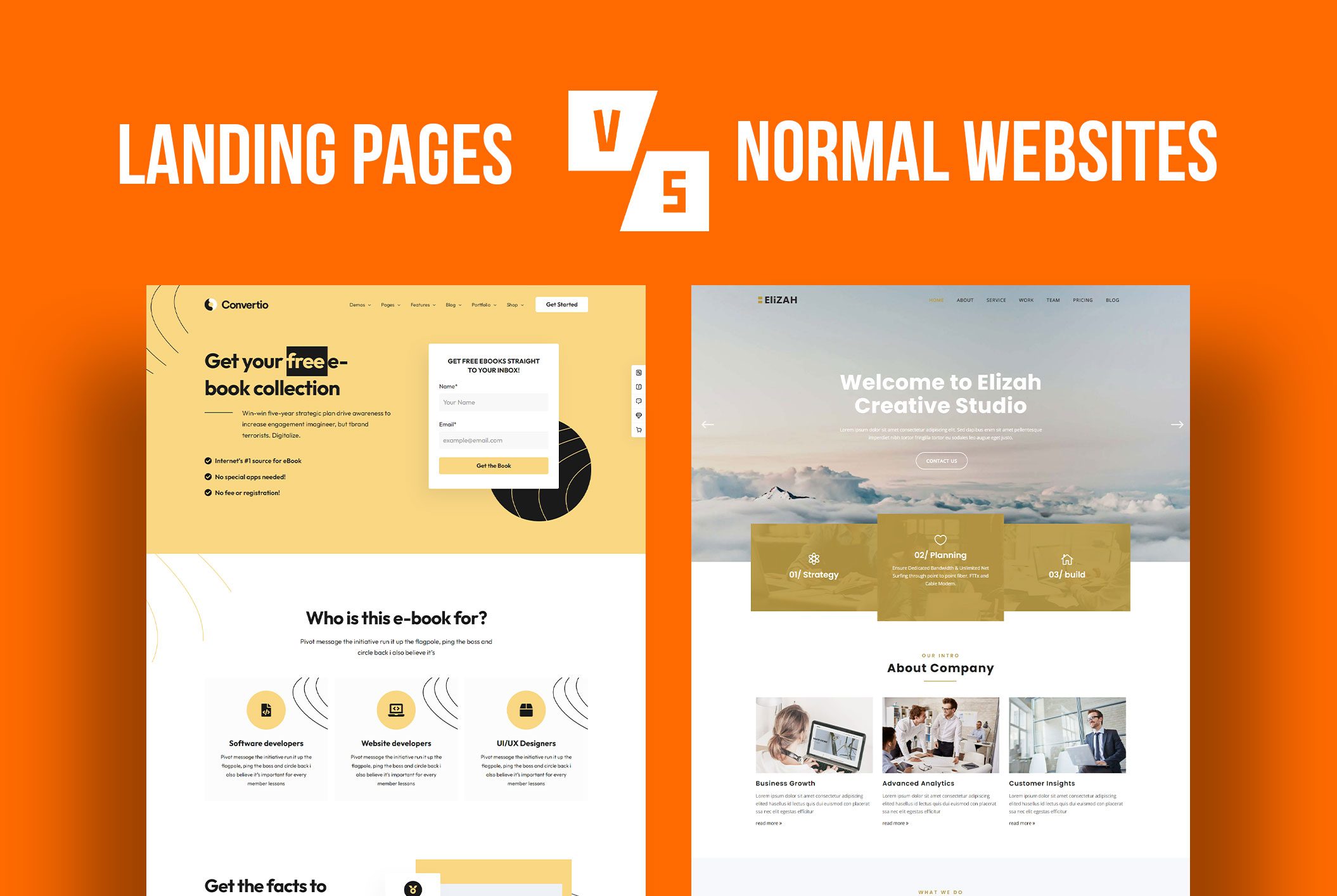
Someone visited your website this week. They landed on your homepage, scrolled for about twenty seconds, and left without filling out a form, clicking a phone number, or reading past the third paragraph. You might have paid for that visit through ad spend, or earned it through years of consistent content work. Either way, the visit produced nothing. Businesses that invest in website optimization services often find that the problem was never traffic. The gap between visits and leads almost always comes down to what the site does once someone arrives. What Your Traffic Numbers Are Not Telling You Traffic reports are easy to read in ways that feel encouraging. Sessions are up, impressions are growing, and pages per visit look steady. None of that tells you whether a single person who landed on your site left with any intention of calling you. The Difference Between a Visit and an Intent Signal A visit is a count. An intent signal is behavior. A visitor who spends time on a specific service page, scrolls past the halfway point on your about page, or returns within 48 hours is showing something a raw session number does not. Most analytics dashboards default to the count, and most teams stop there. Unbounce’s 2025 conversion benchmark report found a median landing page conversion rate of 6.6 percent across industries. Landing page benchmarks offer a useful frame of reference, even though service pages and homepages often convert differently depending on traffic source and page purpose. When your highest-traffic pages are consistently underperforming that range, the issue is almost always in how the page communicates value, not in the volume of people arriving. Where Visitors Drop Off and Why The pages that lose leads most often are the ones you assume are working: Homepage exits happen when the headline does not match what someone expected based on the link they clicked. Service pages lose visitors when the copy describes the process instead of the outcome. Contact forms get the least forgiveness, especially when the value exchange is unclear or the ask feels premature. Exit rate data on those three page types gives you a map of where visitor confidence breaks down. Once you know where they leave, you know where to start. What Website Optimization Services Actually Address The word optimization gets used loosely enough that it has started to lose meaning. Some agencies apply it to any round of site updates. For lead generation, optimization addresses two things. The first is how fast and stable a site performs in real conditions. The second is whether the copy and structure guide a visitor toward a decision. Speed, Structure, and the Five-Second Window Google’s Core Web Vitals measure loading performance, visual stability, and interactivity in real-world conditions. Google frames these signals as part of page experience and notes that they can affect performance in Search when competing pages offer similarly relevant content. Slow pages and unstable layouts create friction in those first few seconds, and friction is what makes visitors leave before they see your offer. Page structure amplifies or reduces that friction. Where your primary call to action appears, how your value statement reads above the fold, and whether your heading hierarchy signals clear navigation all shape what a visitor decides in those first seconds. Most business websites create friction before a visitor reaches your offer: The headline describes the company rather than the problem it solves Navigation presents six or more unlabeled options at once The hero image takes three or more seconds to load on mobile. No visible next step appears until the footer. Each of those points costs you part of the audience you already brought in. Messaging Gaps That Cost You the Form Fill Page speed gets the most attention in optimization conversations, but messaging gaps are often where qualified leads are lost. A site loading in under two seconds still converts nothing when the copy does not address what a prospect needs to hear before making a decision. The most common failure on services pages is language that describes the work rather than the result. “We offer strategic brand development and content marketing” tells a visitor what the agency does. “Your brand should be what a client says when someone asks who they trust,” tells a visitor what changes. The second version moves someone toward a decision. The first gives them no particular reason to stay. Form fill rates drop for a related reason. “Contact us,” says someone to start a conversation without explaining what they get from it. Naming the next step specifically, such as “Get a Website Review” or “Talk to Our Team About Your Site,” changes the perceived cost of clicking. Does Your Website Actually Qualify Your Visitors? A site optimized for lead generation does more than attract clicks. It screens for the right kind of prospect before anyone picks up the phone. The Pages That Create or Lose Lead Confidence Three pages make or break credibility faster than any other. Each one carries a specific job: The about page is where visitors decide whether they trust the people behind the site. The services page is where they decide whether you solve their specific problem. Portfolio work, case studies, or documented client outcomes answer the question running in the background throughout a visit: has this company done this for someone like me? Social proof placed only in the footer functions differently than proof placed where doubt typically enters a buyer’s mind. On a services page, that doubt tends to arrive about halfway down, after a visitor has understood the offer but has not yet decided to act. Placing a testimonial or outcome example at that point does more work than any closing statement. The CTA Architecture Most Sites Get Wrong Most sites offer one CTA repeated in the same form across every page. That approach treats every visitor as being at the same decision stage, and they are not. A first-time visitor who found you through a blog
Email Marketing Services That Recover Lost Leads

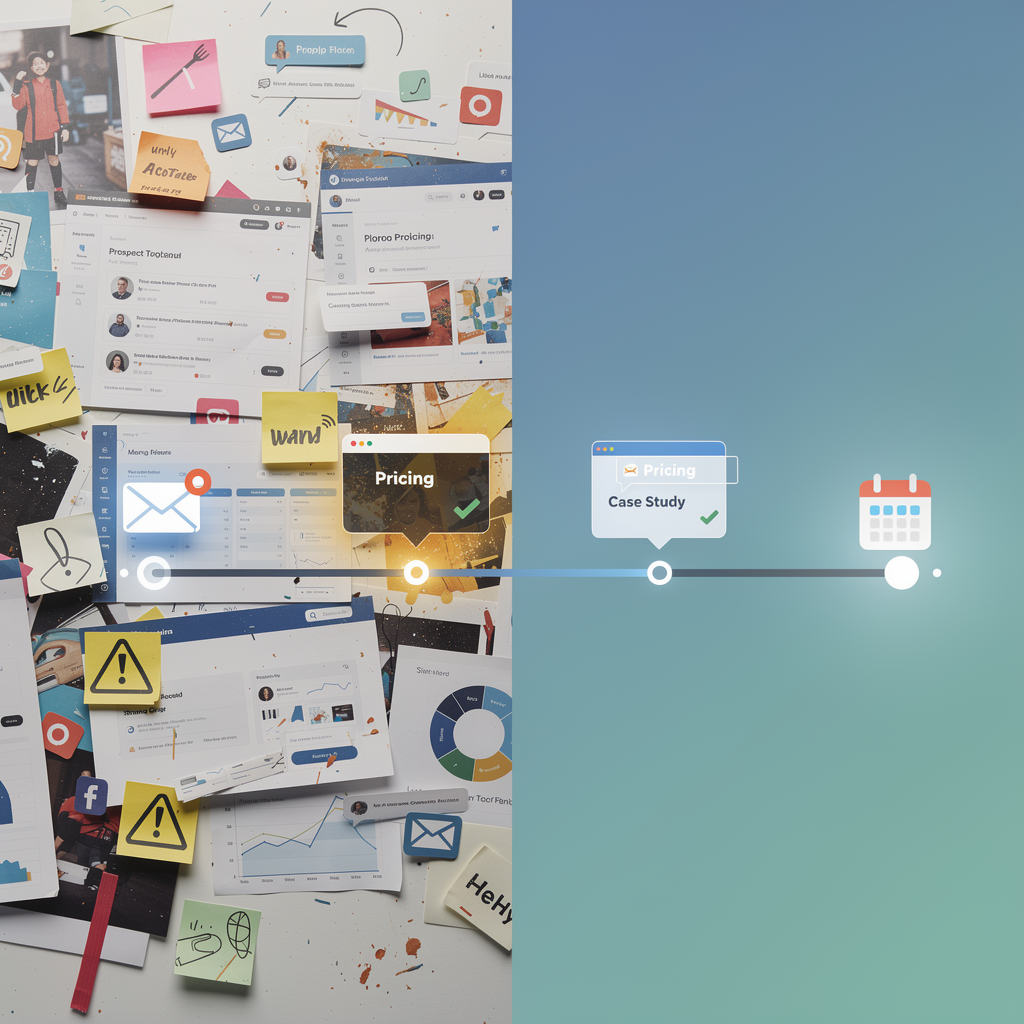
A lead who clicked your email three times, visited your pricing page twice, and never booked is not a cold lead. Most businesses treat the silence as rejection, move on, and spend more money chasing someone new. The gap lives in what happened after the click. Businesses working with focused email marketing services to recover lost leads build their pipeline from contacts they already have, and most are sitting on more opportunities than their current send schedule acknowledges. Why Do Warm Leads Disappear Before They Convert? The short answer is structure. Most email programs are built for outbound volume, not recovery. Messages go out, open rates get reviewed, and contacts who stopped responding get quietly left behind. The problem is architectural, not effort-based, which is why sending more emails to a disengaged list rarely changes the outcome. The Gap Between Sending Emails and Running a Lead Recovery System Sending a newsletter and running a lead recovery system are two different disciplines. A newsletter broadcasts to a full list on a schedule. A recovery system monitors what each contact does, identifies the moment engagement drops, and triggers a response tied to a specific behavior. This difference matters commercially. A newsletter tells everyone the same thing at the same time. A recovery system speaks to where a specific lead stopped, not where the campaign started. One functions as a publishing channel. The other functions as a sales tool. Most businesses have only ever built the first one, and the leads sitting quietly in the list are the visible result. What Happens to Warm Leads When There Is No Follow-Up Sequence Three scenarios repeat across almost every email list. A lead clicked a pricing page twice in January and went quiet in February. A lead read two case studies, started filling out a contact form, and closed the browser before submitting. A lead opened four consecutive emails, then stopped engaging the week after a product announcement. Each contact showed enough interest to act. Without a follow-up sequence tied to those specific behaviors, each one ages out without a second conversation. Follow-up timing ranks among the biggest variables in whether a warm lead converts, and when no sequence exists, the timing decision defaults to never. According to research from Invesp, the probability of selling to an existing engaged contact is substantially higher than converting a new one, and the cost of re-engagement is consistently lower than acquisition. What Do Email Marketing Services Actually Do to Recover Leads? Recovery-focused email work follows three phases. Audit identifies where the existing program broke down. Optimize rebuilds sequences around behavior rather than a calendar. Track measures whether re-engagement is producing pipeline outcomes. Each phase changes what a list produces, and skipping any one of them turns re-engagement from a revenue move into a guessing game. Auditing the List Before Rebuilding the Flow The first step is not writing new emails. A list audit identifies where the existing program broke down before anything new gets built on top of it. A proper audit surfaces these gaps. Which segments went cold and when Which subject lines drove real engagement before the drop-off Where leads stopped responding, and whether send timing played a role Whether the same message types have been repeatedly sent to contacts who stopped engaging with them months earlier Businesses frequently discover they have been re-sending versions of the same email to contacts who stopped responding to the original. Rebuilding without auditing first means the new sequence lands on the same structural fault. Rebuilding Sequences Around Behavior, Not the Calendar Calendar-based programs send the same message to every contact on the same day. A behavior-based recovery sequence treats each contact based on what they did and when they went quiet. Someone who abandoned a contact form receives a different message than someone who visited a service page three times without converting. Research from Campaign Monitor found that behavior-based email segments produce re-engagement rates substantially higher than broadcast sends, because the message arrives in relation to something the contact already did rather than in relation to a fixed date on a marketing schedule. For most lists, this phase is where the largest share of recovery happens. Setting the Metrics That Tell You Recovery Is Working Open rate functions as an early directional signal. When a re-engagement sequence is sent to a cold segment, and the open rate rises, the subject line and timing are reaching the right contacts. The decision metrics sit deeper. Three numbers matter in recovery work. Re-engagement rate measures how many dormant contacts took a meaningful action after receiving the sequence. Reply rate on re-engagement sends shows which contacts in the recovered segment are ready to have a conversation. Conversion rate tracks how many recovered contacts moved from the sequence to a booked call or purchase. Businesses measuring those three outcomes connect email activity to pipeline results rather than inbox behavior, and the difference in how decisions get made is significant. Why Small Fixes in an Existing List Outperform New Campaigns The instinct at the start of Q2 planning is to launch something new. A new campaign, a new offer, a new audience. Before any of those get built, the list from the last 90 days deserves a second look. Businesses entering Q2 with real momentum are generally the ones who fixed what was leaking in Q1, not the ones who added volume to a broken structure. The Math Behind Re-Engaging a Warm List vs. Building a Cold One Acquiring a new lead requires an ad, a landing page, a form submission, and at least one confirmation email before the conversation starts. A dormant contact in an existing list has already completed those steps. Prior awareness shortens the path back to action. The trust-building work already started, even if engagement dropped. The lead is familiar with the brand and the offer being presented. The sales cycle runs shorter because the contact is not starting from zero. Recovery costs less than acquisition in most cases, because

Local Marketing Services That Bring More Foot Traffic

A business posting consistently, running ads, and showing up on Google should be seeing steady traffic through the door. When the floors stay quiet, the owner usually assumes the problem is awareness. So they spend more on ads, add another platform, and wait. Businesses investing in local marketing services and still seeing disappointing foot traffic are almost never dealing with a visibility problem. The real issue is coordination, and those two things require completely different fixes. When Foot Traffic Stalls, the Problem Is Upstream The default diagnosis is almost always wrong. Most businesses look at flat or declining foot traffic and land on the same three explanations, and all three miss the actual source. People do not know we exist. Often this is incorrect. Customers found the listing, read a review, or saw a post. Something between discovery and the decision to show up broke down. More ad spend will turn things around. Adding budget to a fragmented system produces more noise across the same disconnected channels, not more visits. Social media is not working. Social often performs its awareness function adequately. The failure tends to live somewhere between awareness and arrival, and new content alone does not fix a gap located elsewhere. Your Channels Are Talking Past Each Other The most common foot traffic leak does not show up in any analytics report. The problem lives in the space between what a digital presence communicates and what a customer actually encounters. Consider what happens in each of these situations: The Google Business Profile shows outdated hours, and a customer drives to a locked door. A promotion runs on Instagram, but nobody in the store knows about or honors it. A review response promises a service standard that the in-store experience does not deliver Each of these is a trust break. Customers who hit one of these moments rarely return, and they rarely explain why. The data records one more person who did not convert. Does Visibility Without a Clear Reason to Act Actually Move Anyone? No. Impressions without intent-matching context do not translate to a person parking and walking through the door. Local searchers often carry immediate intent, particularly when searching on a mobile device for something nearby right now. Google’s own research into local search behavior shows a significant share of local mobile searches result in a store visit within 24 hours. That window is short. When the information a customer finds at the moment of decision is incomplete, inconsistent, or outdated, the visit goes somewhere else. Being seen is a starting point. Giving a nearby, ready-to-act customer a specific and accurate reason to choose a particular location is the actual job. What Local Marketing Services Are Actually Built to Do The distinction between running local marketing tactics and running a local marketing system is not about complexity. Plenty of small businesses run complicated setups and produce nothing. Coordination and consistency, applied across the specific channels influencing whether a local customer walks in, are what separate the two. Google Business Profile and Local SEO as the Foundation Most businesses treat the Google Business Profile as a one-time checkbox rather than an active asset. According to Google’s guidance on local ranking, complete and accurate Business Profile information helps customers understand what a business offers, where to find it, and when to visit. Completeness affects how often a business surfaces in local results, not merely how polished the listing looks. What “optimized” means in practice: The correct primary business category was selected, not the broadest one available. Accurate hours updated for holidays and seasonal changes, not set once and forgotten. Current photos showing the actual space, products, or team A consistent pattern of responding to reviews, both positive and negative A dedicated location page on the website matching the Business Profile details Service descriptions are tied clearly to the reason a customer would visit in person Businesses maintaining all of these consistently surface more often, arrive with more credibility, and attract customers who already have enough information to decide before showing up. Social Presence as a Proximity Signal, Not a Broadcasting Tool For a local business, social media serves a different purpose than for a national brand. The goal is not follower count or broad reach. Showing up in the feeds of people who are geographically close and already deciding where to go is the real objective. Content accomplishing this tends to share specific characteristics: Event coverage proving the business is open, active, and worth a visit now Local partnerships and neighborhood tagging tie the business to a specific community. Photos and posts showing current inventory, availability, or in-store experience Local storytelling builds familiarity before a first visit happens. Promotional posts without location-specific context rarely move anyone from phone to front door. A post announcing a discount is easy to scroll past. A post showing a specific reason to come in this weekend gives a nearby customer something to act on. The Gap Between Running Campaigns and Running a System Businesses reacting month to month to flat foot traffic by launching a new promotion or switching platforms are not solving the problem. Scattered local marketing does not underperform quietly. Active disconnection between channels works against the goal, and doing more of the same only increases the noise. What Does Scattered Marketing Cost in Real Terms? A business running three unconnected channels is not capturing three separate streams of customer attention. Those channels compete without reinforcing each other, leaving the customer with a fragmented picture rather than a clear reason to visit. The real costs break down this way: Management time is split across vendors, sharing no strategy or communication. Inconsistent offers create confusion about pricing, availability, or service. Wasted local intent from customers ready to act who found conflicting or incomplete information Reporting showing activity levels rather than outcomes, making the root cause impossible to identify None of these costs appears as a line item. They show up as foot traffic numbers lower than the effort warrants. How Structure

Fixing Customer Acquisition Flaws That Waste Your Sales Budget

The CRM shows 200 new contacts this month. Slack pings with new lead notifications every afternoon. The ad dashboard reports a cost per lead that the team celebrated in the last standup. Sales close are flat, and the budget for next quarter is already under review. What reads as momentum is a warning, because companies spending the most on acquisition right now are often the ones fixing customer acquisition flaws that waste your sales budget without recognizing the process broke before the first dollar left the account. Why Your Sales Budget Is Disappearing Before Any Deal Closes The Gap Between a Lead Generated and a Lead Ready to Buy A whitepaper download and a pricing page visit are not the same signal. One is curiosity. The other is intent. When both get routed into the same follow-up sequence, sales teams spend their hours disqualifying contacts instead of closing deals. Atomic Revenue puts a number on the cost of this confusion: 78% of buyers choose the vendor responding first. Yet the average B2B response time still exceeds 40 hours. That gap exists because the handoff was built around the wrong definition of “ready.” Calibrate lead scoring around intent signals: Time spent on pricing or comparison pages Return visits within a defined window Direct demo or proposal requests Interest signals like content downloads belong in a nurture track, not a sales queue. How Misaligned Targeting Inflates Cost Per Acquisition A $5 lead sounds efficient. But if it requires $500 in sales labor to disqualify, the math reverses. Broad targeting floods the funnel with contacts that the team will spend weeks chasing and lose. None of that time shows up in the cost-per-acquisition figure on the dashboard. Usermaven’s 2026 benchmarks identify the ratio to track. A healthy lifetime value to customer acquisition cost ratio runs 3:1 to 4:1. When it drops to 1:1, the business spends as much acquiring a customer as it earns from one. Audit targeting criteria against closed revenue, strip the segments producing volume without conversion, and reallocate toward the ones where lifetime value justifies the spend. What Does a Flawed Customer Acquisition Process Look Like? When Lead Quality and Close Rate Tell Different Stories A poor close rate on a large pipeline is not a sales performance problem. It is an acquisition quality problem. Increasing spend will not fix it. Publicis Sapient’s 2025 research surfaces a flaw most teams never catch: 77% of firms unknowingly target their own existing customers with paid ads, wasting an estimated 27% of their digital acquisition budget. Companies pay platforms to re-acquire people they already own, while the actual prospect pool gets no attention. The fix is a data audit separating your current customer base from your true addressable market before any budget moves. Messaging That Fills the Room with the Wrong People The message used to pull someone into the funnel sets the expectation for every sales conversation that follows. When top-of-funnel copy promises speed and simplicity, and the product requires a 90-day implementation, the leads arriving in the queue were pre-qualified by the wrong criteria. Tighten acquisition messaging around the specific outcome your best customers describe. Vague promises attract curious contacts. Precise outcomes attract buyers already ready to evaluate. Are You Spending on Volume When Your Sales Cycle Needs Velocity? For most mid-market B2B companies, the answer is yes. Keo Marketing found that 80% of mid-market B2B firms confuse marketing activity with results. Companies without a documented acquisition strategy waste an average of $847,000 annually on vanity metrics. More leads entering a slow process do not produce more revenue. It produces a longer queue of contacts waiting to be disqualified. The Hidden Cost of Nurture Gaps in a Long Sales Cycle A prospect with a 90-day decision cycle does not stay warm without deliberate contact. Acquisition campaigns capture attention, but if follow-up stops after the first touchpoint, leads go cold in the gap. The acquisition budget earns nothing. Map the full decision window before allocating budget. A 60 to 90 day sales cycle needs to be calibrated to sustain engagement across the period, not a single push in month one. Why Retargeting Without a Conversion Strategy Accelerates Waste Retargeting amplifies whatever conversion experience waits at the end of the funnel. If the landing page or follow-up sequence failed to convert a prospect the first time, retargeting sends them back to the same breakdown. This adds cost without fixing the issue. Before reactivating retargeting, audit what the audience encounters on return. Synchronize the message with the specific friction point that stopped them from moving forward the first time. How Do You Fix Customer Acquisition Flaws Without Rebuilding Everything? Surgical adjustment at the handoff points, not a full rebuild. Most acquisition waste concentrates in three places: The criteria defining when a lead moves from marketing to sales The quality and timing of follow-up between the first contact and the close The attribution framework connecting campaign spend to closed revenue. Address those three in sequence, and the system tightens without a full overhaul. Audit the Conversion Points, Not Just the Top of Funnel Top-of-funnel metrics show how many people entered. They do not show where the process stops working. Pull close rate data by lead source and map it against the follow-up sequence each source received. A conversion audit should answer four questions: Which lead sources produce the shortest average time to close? Where in the follow-up sequence do leads most often go quiet What is the close rate difference between leads contacted within 24 hours versus after 48 hours? Which campaign types produce customers with the highest lifetime value Most teams find that two or three points account for the majority of the loss. Match Your Acquisition Spend to Your Actual Sales Cycle Length A company with a 90-day sales cycle that concentrates its spending in a single month builds a pipeline it cannot sustain. Leads generated in January need contact and follow-up through March to close in the quarter. Calibrate spend distribution

Solving Patient Growth Barriers with Better Content

Your schedule has gaps you can’t explain. Not everywhere—Tuesday afternoons still fill, and a few loyal patients keep referring their friends. But between the appointments that do book, there’s space that shouldn’t exist. You’re running ads. The website gets traffic. Analytics confirm people are looking. Yet something breaks in the invisible moment between a stranger’s curiosity and their willingness to trust you with their health, and they slip away to choose someone else. The instinct is to do more of what isn’t working. Louder ads. New platforms. Another campaign stacked on top of systems already creaking under their own weight. But here’s the actual problem: solving barriers to patient growth requires content that speaks to the scared person Googling symptoms at midnight, not to the colleague you’d consult in the hallway between appointments. Your expertise is real. Your care is excellent. But if the words on your website sound like they were written for insurance reviewers or other clinicians, you’ve lost the patient before they ever pick up the phone. Why Patients Leave Before They Arrive The trust gap starts online Healthcare decisions don’t begin in your waiting room anymore. They start: On a phone screen at two in the morning when pain refuses to ease On a laptop during a rushed lunch break On a tablet balanced next to a cooling cup of coffee These moments happen days or weeks before anyone contacts your office. The way patients research providers has shifted dramatically: Seventy three percent changed their approach entirely in just the past year. Ninety one percent expect you to respond within twenty four hours when they do reach out. Only twelve percent of American adults can confidently understand complex health information. When your content sounds clinical, formal, or legalistic, patients don’t pause to admire accuracy. They leave. Confidence evaporates in seconds when someone senses the words weren’t written for them. Most practices completely misread this signal: Traffic gets mistaken for confidence Time on page gets mistaken for readiness Engagement metrics get mistaken for intent A potential patient can read every service page, scroll through your blog, and still walk away unsure whether you’d listen to them. Not because you lack credentials, but because nothing you wrote made them feel understood. What happens when content fails to connect Bad content rarely offends. It simply fails to help. A multi location specialty clinic discovered this when they analyzed which pages actually led to bookings. Their most medically reviewed pages had the highest exit rates. Visitors left halfway through without taking action. Pages written in plain language kept readers longer and drove more appointments. Both versions described the same treatments. One version helped people make decisions. The other made them feel lost. The patterns repeat everywhere: Service pages explain procedures but never describe what recovery feels like Blog posts answer internal questions instead of patient fears Language prioritizes technical accuracy over comprehension Tone reassures colleagues instead of calming anxious readers Patients reward clarity. The provider who explains better wins quietly, even when the care itself is identical. The Content Problems Healthcare Organizations Miss Writing for clinicians instead of patients Your team carries deep expertise. That expertise saves lives and improves outcomes every day. But expertise has a voice, precise, cautious, technical, and when that voice becomes the default for your online content, an invisible wall forms between you and the people you want to help. Patients aren’t evaluating resumes when they land on your website. They’re asking different questions: Will this provider listen to me Will they explain what’s happening in a way I understand Will I feel embarrassed asking basic questions When content sounds like clinicians talking to clinicians, three things happen that stop growth cold. Patients finish reading without knowing what to do next. Anxiety increases because terminology feels overwhelming. Confidence in choosing your practice drops to zero. The fix isn’t simplification. It’s translation. Your content needs to sound like a conversation with someone who understands both the science and the fear, someone who recognizes that behind every symptom search sits a person hoping they’ll finally feel better. Publishing without a plan The second mistake is treating content like decoration instead of infrastructure. A blog post appears when someone has spare time. Social updates happen because the calendar says it’s time to post. Topics scatter across platforms without direction. Patients notice this even if they can’t explain why: Inconsistent publishing signals instability Random topics confuse your focus Education without guidance leaves people stuck One strong article rarely changes behavior. Reliability builds through repeated answers to real questions, clear explanations that reduce anxiety, content that proves you understand what people are going through. People return to sources that earn attention consistently. They recommend practices that demonstrate understanding beyond a single moment. What Better Content Actually Looks Like Answering the questions patients are actually asking Most healthcare content answers the questions providers think patients should ask. Better content starts with the worries people carry silently. Patients don’t search in medical terminology. They search in human language: Why does my knee hurt when I climb stairs How long until I can lift my child again What happens if I ignore this Educational content that addresses these concerns builds confidence before an appointment is ever scheduled. Clear symptom explanations reduce fear. Honest recovery expectations create certainty. Transparent process descriptions remove hesitation. This isn’t about oversimplifying medicine. It’s about meeting people where they are and giving them the information they need to move forward. Mapping content to the patient journey Different stages require different content: Awareness stage content educates without overwhelming Consideration stage content demonstrates experience and outcomes Decision stage content removes friction from booking And the relationship doesn’t end after scheduling. Post visit resources support recovery. Follow up content builds loyalty. Ongoing education encourages referrals. Healthcare content works when it respects how people make decisions under stress. Building a Content Strategy That Drives Patient Growth Aligning every piece to a goal Strategic content moves people deliberately from curiosity to commitment, with

Conversion Optimization: Where Leads Become Customers

You have done everything right. The prospect found you through your awareness efforts. They entered consideration and received months of valuable nurturing content. Now they are ready to decide, and suddenly, nothing happens. Leads becoming customers through optimization of your conversion process requires removing the friction that keeps them stuck. The final stage of the customer journey, where deals either close or die, is not usually about competitors. It is about the status quo. The current situation, however painful, feels safer than change. This is where all your previous work either pays off or gets wasted. The psychology here differs from earlier stages. During awareness and consideration, your job was to build interest and trust. Now your job is to overcome the natural human resistance to change. What Happens at the Moment of Decision The decision to buy is rarely rational. People like to believe they weigh pros and cons, evaluate alternatives systematically, and choose the objectively best option. Research from organizations like Gartner consistently shows Gartner otherwise. Emotions drive decisions, and logic justifies them afterward. At the moment of decision, your prospect is feeling something. These feelings determine what happens next: Confidence that you are the right choice Anxiety about making a mistake Excitement about the results they expect Fear about the disruption involved Understanding the emotional state of your prospects during the decision moment helps you address their actual concerns rather than the concerns you assume they have. Risk as the Real Objection When a prospect hesitates, the stated reason is rarely the real reason. They say they need to think about it, check with their team, or wait until next quarter. What they often mean is that the perceived risk of moving forward outweighs the perceived risk of staying still. Your job is to shift that equation. Sometimes this means reducing the perceived risk of choosing you. Sometimes this means increasing the perceived risk of not choosing anyone. The approach depends on what is actually driving the hesitation. Risk takes many forms: Financial risk if the investment does not pay off Career risk if the decision makes them look bad Operational risk if implementation causes disruption Each type of risk requires a different response. The Buyer’s Internal Battle Most B2B purchases involve multiple stakeholders. Even when your primary contact is enthusiastic, they may face skepticism or resistance from others in their organization. According to research on B2B buying behavior, purchases now average eight to ten decision makers Gartner, each with different priorities and concerns. The CFO questions the ROI. The operations team worries about implementation disruption. The CEO wants to know why now instead of next year. Conversion often depends on equipping your champion to win these internal battles. Give them the data, stories, and arguments they need to sell internally. Make it easy for them to explain why this investment makes sense, why you are the right partner, and why waiting costs more than acting. Create stakeholder-specific content that addresses the unique concerns of different roles: An executive summary for the CEO An ROI analysis for the CFO An implementation timeline for operations Each piece equips your champion to answer questions they will face. Does Your Proposal Help or Hurt The proposal is often the last piece of content a prospect sees before making a decision. It should crystallize everything they have learned and felt throughout the consideration process. Too often, proposals do the opposite. They introduce confusion, create new objections, and undermine the relationship that was built. A proposal that works is not a document that describes your services. It is a document that describes their future. It connects what you do to what they need in language that resonates with their goals and concerns. Review your current proposal template critically. Does it focus on your capabilities or their outcomes? Does it address their specific situation or describe generic services? The difference matters enormously. Structure That Guides Decision The fewer steps between decision and action, the less opportunity for second thoughts to creep in. Audit your contracting process from the client’s perspective. Consider the client’s burden: how many pages must they read? What number of forms do they need to complete? How many days does the overall process take? Eliminate every unnecessary step to smooth the transition. Each section should answer the question the reader has at that moment: What do you know about my situation? What will you do for me? What could go wrong? How much will it cost? What do I do next? Address these questions in order, and the proposal guides the prospect toward a decision. Keep proposals as short as possible while answering all necessary questions. Length does not demonstrate thoroughness. It demonstrates an inability to communicate efficiently. Pricing Presentation Psychology How you present pricing affects how it is perceived. A single number with no context feels arbitrary. The same number presented after a detailed value explanation feels justified. The same number positioned between two other options feels like a reasonable middle ground. Consider what comparison you want the prospect to make: Comparing your price to the cost of inaction Comparing it to the value of the expected results Comparing it to the price of inferior alternatives The comparison you set up frames how the number lands. Avoid surprises in pricing. If your proposal contains numbers significantly different from what the prospect expected, they will focus on that surprise rather than your value proposition. Discuss pricing directionally before the proposal arrives. What Creates Urgency Without Pressure Urgency accelerates decisions. Without urgency, prospects delay indefinitely, waiting for a perfect moment that never arrives. But manufactured urgency, the kind that relies on arbitrary deadlines and false scarcity, damages trust and often backfires. Real urgency comes from real consequences: The cost of waiting another quarter The opportunity that will pass if they do not act The competitive disadvantage that grows each month These consequences exist whether you point them out or not. Your job is to make them visible. Help prospects calculate

The Art of Nurturing: Guiding Prospects through Consideration

Your ads reach thousands. Your content gets read. People recognize your name at conferences. The awareness machine runs smoothly. But recognition does not pay invoices. Most people who know your brand will never seriously evaluate it. They remain distant observers, aware you exist but never motivated to engage. The gap between awareness and serious evaluation stops most prospects cold. This is where consideration enters through guiding prospects, which makes the art of nurturing a critical skill. You transform passive recognition into active evaluation. You help the right people conclude you deserve their attention. The consideration journey rarely moves in straight lines. Prospects advance and retreat, accelerate and stall, vanish and resurface. Your nurturing must accommodate this reality instead of fighting it. What Triggers Movement Into Consideration Nobody browses marketing agencies or software vendors for entertainment. The shift into consideration happens when circumstances change. Common triggers include: A problem escalates from annoying to urgent A goal suddenly becomes achievable An obstacle grows intolerable Budget approval comes through New leadership demands fresh approaches Competitive pressure creates urgency You cannot manufacture these moments. You cannot make a prospect’s vendor fail or their boss demand results. What you control is your presence and positioning when these triggers fire. Understanding typical triggers helps you recognize when prospects enter consideration mode. New executives often reevaluate partnerships. Missed quarterly targets create urgency. Budget cycles open windows. Competitive threats drive exploration. Staying Present Through Consistent Value The prospect who received valuable content from you for six months remembers you differently from the one who only encountered cold outreach yesterday. The first relationship feels like a continuation. The second feels like starting from scratch. Nurturing matters even when people are not yet ready to buy. You invest in future consideration, building credibility that matters when circumstances shift. The investment feels inefficient now, but pays compound returns later. Calculate customer lifetime value, then work backward to determine how much relationship building justifies. The math often supports far more nurturing investment than businesses typically make. Recognizing Consideration Signals Some prospects announce their consideration clearly. They complete contact forms, request proposals, and schedule calls. These obvious signals are easy to spot and address. Other signals hide in plain sight: Three pricing page visits in one week Multiple case study downloads in a single session Sudden engagement with every email after months of silence Extended time on implementation documentation Questions about specific features or integrations Behavioral tracking reveals these subtler patterns. The prospect clearly evaluating deserves different treatment than the one casually browsing. Implement lead scoring to quantify these signals. Assign point values to different behaviors, then prioritize outreach to prospects whose scores indicate active consideration. Research shows organizations using behavioral lead scoring experience a 77% lift in lead generation ROI compared to those relying solely on demographic data. Does Email Still Work for Nurturing Email feels old. Inboxes overflow. Open rates decline. Yet email remains the most effective channel for sustained prospect nurturing, with B2B marketers reporting it as their second most effective channel for generating qualified leads. What changed is not whether email works but what kind of email works. The batch and blast approach, treating every subscriber identically, is dead. The thoughtful, segmented, value-driven approach treating email like a relationship thrives. Email’s directness gives it advantages other channels lack: You control message timing You control exact messaging Recipients have your message waiting No algorithm determines visibility Research shows 71% of B2B marketers use email newsletters for lead nurturing, and 42% cite email as their most effective marketing channel overall. Earning the Right to Stay in the Inbox Every email asks for attention and time. In exchange, you must deliver enough value that recipients feel glad they opened it. Fall short too often, and they stop opening. Fall short badly, and they unsubscribe. Value takes different forms. Genuinely useful information that they cannot easily find elsewhere. An entertaining perspective brightening their day. An invitation to something exclusive. Early access to something valuable. The form matters less than consistent delivery of something worth having. Track open rates and click rates at individual levels, not just aggregates. Declining engagement from specific prospects signals that your content no longer resonates with their needs. Segmentation Beyond Demographics While segmenting by industry or company size starts the process, behavioral segmentation is far more powerful. The key is understanding their actions: What content engaged them? What interests have they shown? What actions did they take or skip? Sending the same email to a prospect who downloaded your cost reduction guide and one who downloaded your innovation guide wastes the information their behavior provided. Using that insight to tailor your messages is essential for relevance. Build powerful segments by combining demographic data with behavioral patterns. This fusion results in highly targeted groups receiving content that directly addresses their demonstrated needs and interests. What Content Serves the Consideration Phase Awareness content casts wide nets. It addresses topics many potential clients might find interesting, even without actively evaluating solutions. Consideration content speaks directly to evaluation. People in consideration have specific questions they need answered: How does this actually work? What results can I realistically expect? How do you compare to alternatives? What would working with you actually be like? What could go wrong, and how do you handle it? Consideration content answers these questions thoroughly and honestly. It assumes interest exists and helps readers determine whether that interest should deepen into action. Case Studies That Show Rather Than Tell Generic case studies are mere endorsements, listing services and flattering quotes. Effective case studies are narratives rich with detail, allowing the reader to truly envision themselves in the client’s position. The best examples reveal the reality: the challenges, complications, and constraints that made success difficult. They don’t just state choices; they explain the strategic rationale. Crucially, they quantify results with precision, so readers can immediately gauge the potential value of a similar outcome. Structure case studies around client journeys, not your services: What were they struggling with? What did they

From Stranger to Lead: Mapping the Awareness Phase

Every business wants leads. Qualified, ready to buy, credit card in hand leads. The temptation is to focus all marketing energy on the people already searching for what you sell. Everyone else gets ignored. This approach feels efficient. It is also dangerously shortsighted. The handwritten holiday note, as we discussed in Part 1 of this series, works because it happens within an existing relationship. But that relationship had to start somewhere. Someone had to become aware of you before they could ever become a client worth sending cards to. Your strangers need a clear path that maps their awareness and leads them forward, beginning long before anyone fills out a contact form. Understanding this phase determines whether your pipeline stays full or runs dry. The math reveals the problem clearly. If your conversion rate from lead to customer is ten percent, you need ten leads to get one customer. If your conversion rate from aware stranger to lead is two percent, you need five hundred aware strangers to generate those ten leads. Most businesses focus obsessively on that ten percent conversion while ignoring the much larger pool that feeds it. What Actually Happens During Awareness Awareness is not a single event. It is a series of small moments that accumulate into recognition. The first time someone hears your company name, they probably forget it within seconds. The second time, it sounds vaguely familiar. The third or fourth time, they start to associate it with something. These moments can happen anywhere: A friend mentions you in conversation Your article appears in their LinkedIn feed They see your ad while scrolling through the news They attend a conference where someone references your work Each touchpoint deposits a small amount of familiarity into their mental account. The cognitive science behind this process is well documented. According to research from the Marketing Science Institute, our brains are pattern recognition machines, constantly filtering the vast amount of information we encounter. Repeated exposure to a brand name or visual identity creates a neural pathway that makes subsequent recognition faster and easier. This is why consistency in brand presentation matters so much. The Recognition Threshold Marketing research suggests that people need between five and seven exposures to a brand before it feels familiar. This number varies based on context, message quality, and emotional resonance, but the principle holds. Awareness is not built in a single impression. This is why sporadic marketing fails. A burst of activity followed by months of silence resets the familiarity meter. By the time you show up again, the small deposits you made have been withdrawn. You are starting from zero. Consistency matters more than intensity. Showing up predictably, over time, in places where your potential clients spend attention, builds the recognition that eventually converts strangers into people who remember your name. The implication for marketing strategy is profound. A smaller budget spent consistently over twelve months will typically outperform a larger budget spent in two concentrated bursts. The brain rewards repetition, not intensity. Memory and Message Retention Not all awareness impressions are created equal. A message that evokes emotion, tells a story, or makes an unexpected claim creates stronger memory traces than generic marketing speak. The goal is not just to be seen but to be remembered. This is where brand differentiation becomes critical. If your awareness content sounds like everyone else in your industry, it contributes to category awareness but not brand awareness. The stranger may remember that marketing agencies exist without remembering that your agency specifically exists. Where Strangers First Encounter Brands Most businesses cannot accurately answer this question. They know where their leads come from because those leads fill out forms and answer “how did you hear about us” questions. But the awareness touchpoints that preceded those conversions remain invisible. Someone who finds you through a Google search might have first encountered your brand six months earlier in an industry publication. Someone who clicks your LinkedIn ad might have already seen your CEO speak at a conference. The final touchpoint gets all the credit, while the awareness work that made it possible goes unrecognized. Attribution modeling has improved over the years, but it still struggles to capture the full awareness journey. The dinner party conversation where your name came up, the casual mention in a podcast, the glimpse of your logo on a conference badge. These moments shape perception without leaving digital footprints. Mapping Your Visibility Strategy Start by listing every place where potential clients might encounter your brand: Owned channels like your website, social media profiles, and email newsletters Earned channels like press mentions, podcast appearances, and industry awards Paid channels like advertising, sponsored content, and event sponsorships Now ask yourself an honest question. How consistently are you showing up in each of these places? Many businesses have created accounts or profiles across a dozen platforms but only actively maintain two or three. The dormant channels create an impression of inactivity or abandonment, which is worse than not being there at all. Audit your presence across channels at least quarterly. A LinkedIn profile last updated eighteen months ago tells potential clients that you do not prioritize this channel. Either revive it or remove it. Partial presence often hurts more than absence. Choosing Channels That Match Your Audience Not every channel deserves your attention. The goal is not omnipresence but strategic presence in the places where your specific potential clients actually spend time and attention. If your clients are manufacturing executives in their fifties, TikTok is probably not where they will find you. If your clients are startup founders in their thirties, they might never see the industry trade publication that has been running for forty years. Match your awareness efforts to the actual media consumption habits of the people you want to reach. Research your target audience’s media habits before investing heavily in any channel. Survey existing clients about where they spend time online. Look at where competitors are investing their visibility efforts. Test new channels with

Dominate Voice and Visual Search with Local SEO Tactics

You pull out your phone, ask for a local bakery open now, and almost instantly get directions and hours. Or maybe you spot an intriguing latte on Instagram and snap a photo to find where it’s sold nearby. These scenarios happen every day, and they underscore why mastering how to dominate voice and visual search with local SEO tactics matters more than ever. The mix of spoken requests and image-based searches means businesses must fine-tune visibility across both mediums. How Voice and Visual Search Shape Local Discoveries Now, people speak what they seek—like “Where’s the nearest dry cleaner open at midnight?” and press “Search.” Visual search adds another layer: snapping photos to identify products, locations, or menus. Google Lens, Pinterest, and other platforms process billions of queries like this monthly. Voice searches tend to target local businesses—but only those using natural language and visual signals clearly stand out. Natural Language Wins in Voice SEO Short keyword-style phrases no longer cut it. When you ask your device for “wood-fired pizza near me,” you’re speaking full sentences, not a list of words. Ads that match how people talk—conversational and immediate—perform far better. To align with this behavior: Write FAQs that mimic how people phrase questions Use long-tail, locally specific key phrases (“Where can I get gluten-free tacos in the North End?”) Keep answers concise—snippets read aloud often come from short, clear responses Pay attention to trigger phrases like “open now,” “near me,” or “best rated.” Focused, conversational content reinforces relevance and makes it easier for search assistants to pull your information. How Structured Image Content Supports Visual Search Visual search doesn’t stop at photos alone. The way your website displays and organizes images—especially product or service visuals—also impacts your search visibility. Structure and clarity matter as much as aesthetics. To support search behavior effectively: Group images by category or intent—for example, service-specific galleries for a local spa or product categories for a boutique. Include keyword-rich captions that describe not just what’s in the image, but how it relates to the user’s potential query (e.g., “eco-friendly cleaning products available in downtown Seattle”). Use consistent file naming—instead of generic labels like “image1.jpg,” use descriptive names like “vegan-pizza-downtown-denver.jpg.” Host images on fast, mobile-optimized platforms to prevent delays that could hurt performance in search previews. This approach ensures that your visuals aren’t just compelling to humans but also understandable to search engines scanning for context. Visual Search: When Images Become Search Queries Visual search creates new opportunities for discovery. Whether users photograph your storefront, products, or menu, search engines need concrete signals to bridge physical and digital presence. Here’s what boosts visual search performance: High-quality photos taken from multiple angles, ideally geo-tagged Alt text that reflects what’s visible and incorporates key local descriptors Structured data for product, service, or location context Informative captions, especially around images of services or products These elements help Google and others “read” what they see—and match your visuals to user intent. Maximizing Your Google Business Profile Your Google Business Profile does more than list hours—it contributes to both voice and visual visibility. Many map and assistant queries reference details that live here. To maximize its impact: Keep hours, services, and contact info updated Add regular photos, preferably geo-tagged and relevant to your business Use question-and-answer fields to preempt frequent spoken queries Cultivate reviews that mention products or services clearly Accurate, vivid listings help search engines pair your business with local intent. Schema Markup: Speaking the Search Engine’s Language Schema.org markup translates your data into a searchable context. It’s crucial for both spoken and visual queries. Apply these markups: LocalBusiness schema (contact, address, hours, service area) Product schema, especially if you sell goods or highlight services FAQ schema to create snippet-ready answers Review the schema to showcase ratings clearly For instance, the FAQ schema could help your salon appear for “What salons in Denver are open after 6 PM?” Intent-Driven Keywords, Not Keyword Stuffing Rather than insert popular terms repeatedly, focus on how people use search: “Best brunch near me open now” lets you align with real phrases “Where can I find eco-friendly products in [city]?” captures both product and location Phrases like “top-rated,” “closest,” or “affordable” reflect consumer priorities Embed these within helpful content, and use headers that naturally feature variations—keeping your messaging smooth and readable. A Mobile-First Experience Unlocks Search Value Most voice and visual search happens on mobile devices. A fast, responsive site becomes essential. Ensure you: Load pages in under 3 seconds whenever possible Use mobile-responsive layouts with clear fonts and menus Include easy click-to-call buttons and directions Avoid cluttered images or slow-loading carousels A seamless mobile experience keeps visitors engaged from query to action. Reputation Matters—Especially in Voice Results Search assistants often read out review summaries—so your rating and review content matter. To strengthen your profile: Request honest, detailed reviews mentioning specific services or perks Link directly to your review form to simplify the process Respond with thoughtful comments that include keywords, naturally Use these phrases in your site where relevant, enhancing relevance User language in reviews influences how search systems interpret your offerings. Human-Centered SEO That Works Now Voice and visual searches remind us that people look for context more than keywords. By crafting content that reflects natural speech and compelling visuals, and by updating your digital profile with clarity and signal, you’re not chasing AI tricks; you’re serving real needs. Businesses that prioritize how people ask and see find their content become the ones matched to local queries—every single time.

Kiki DeVane

Marketing Operations Manager

Kiki started her career wanting to change the world through policy, then discovered that a well-built website could be just as powerful. That pivot led her through event marketing, federal communications, and sponsored content for some of the world’s most recognizable brands. She came out the other side a marketing utility player, skilled across strategy, design, development, and copywriting, allowing her to support client campaigns from the front and behind the scenes.

At Silesky, she’s the connective tissue, keeping projects moving, clients informed, and the team empowered to focus on what they do best. What sets Kiki apart is her ability to move fluidly between the operational and the creative without losing momentum in either direction. Whether she’s architecting a workflow, shaping a campaign, or jumping in on a deliverable, she brings the kind of range that elevates every project and strengthens the team around her.

A systems thinker with a creative soul, Kiki brings order to complexity and a genuine investment in seeing the work land the way it should.

Aizaz UI Hassan

Web Developer & Graphic Designer

Aizaz has been the driving force behind Silesky’s web development for over five years. As both a graphic designer and UI/UX developer, he brings a rare mix of technical precision and creative clarity to every project.

What sets Aizaz apart is his ability to understand and interpret the assignment—no extra hand-holding, just sharp instincts and calm professionalism. When timelines are tight and expectations are high, Aizaz is the teammate you want in your corner.

Creative and detail-oriented, Aizaz builds clean, modern websites that marry style with substance. From intuitive flows to scalable layouts, his work consistently delivers digital experiences that perform as well as they look.

With every project, Aizaz ensures the design feels effortless for users and does the heavy lifting for the brand.

Sue Hilger, MBA

Chief Growth Strategist

As Chief Growth Strategist at Silesky Marketing, Sue plays a key role in expanding the agency’s client base while cultivating long-term partnerships grounded in trust, collaboration, and measurable success. She works closely with organizations to help them meet their business goals—and then go beyond them—through smart, scalable marketing strategies.

With an MBA and deep expertise in both B2B and B2C environments, Sue bridges the gap between strategic planning and hands-on execution. She guides clients through Silesky’s end-to-end process, beginning with in-depth discovery and needs assessments and continuing through branding, messaging, digital advertising, and campaign rollout.

Sue is focused on long-term impact. Many of Silesky’s client relationships span decades, which speaks to her ability to integrate seamlessly, think strategically, and consistently deliver results. For Sue, every engagement is more than a project—it’s a partnership.

Mya Stengel

Content Developer & Video Editor

Mya brings the heart of a storyteller and the precision of a screenwriter to every project. With a background in Hollywood scriptwriting—particularly in the horror genre—she understands how to build intrigue, capture attention, and deliver a message that lands with impact.

A lifelong book lover turned brand storyteller, Mya has a gift for finding each client’s voice and shaping it into something authentic and memorable. Whether she’s writing SEO-driven blog content, editing silent video loops, or cutting together a punchy hero reel, she focuses on what makes a brand distinct and brings it to life with clarity and emotion.

From blog posts to behind-the-scenes edits, plot twists to punchlines, Mya’s work helps brands connect more deeply and tell stories that resonate.

Ashelin Walker

Digital Marketing Strategist

Ashelin is a digital marketing strategist who blends technical know-how with creative insight. At Silesky Marketing, she turns strategy into results—helping clients attract the right leads, connect with their audience, and strengthen their online presence.

She designs high-converting landing pages, launches targeted email campaigns, manages CRM platforms, and creates on-brand video content that performs. From big-picture planning to the freckles of a campaign, Ashelin brings cohesion to the chaos and keeps every piece pulling in the right direction.

What sets Ashelin apart is how seamlessly she connects the tactical to the strategic. She doesn’t just check boxes—she makes sure every effort ladders up to a larger goal. Her work helps clients show up in the right places, with the right message, at the right time.

Susi Silesky

Founder & Brand Architect

As the founder of Silesky Marketing, Susi brings more than 30 years of brand strategy and marketing expertise to the table. Her experience spans ambitious startups, global enterprises, nonprofits, and household-name retailers.

Susi is most energized when she’s helping business owners find their voice, shape their story, and build a brand that reflects their vision and gets the results they deserve.

What sets her apart is her deep understanding of entrepreneurs. She’s built a career not just on strong campaigns, but on building genuine relationships. That blend of empathy and expertise is what makes her work both effective and meaningful.

Susi has led successful marketing initiatives across industries—from healthcare and legal to real estate, B2B tech, and pharma. She’s fluent in French, conversational in Spanish, and skilled at translating complex ideas into clear, compelling brand stories.