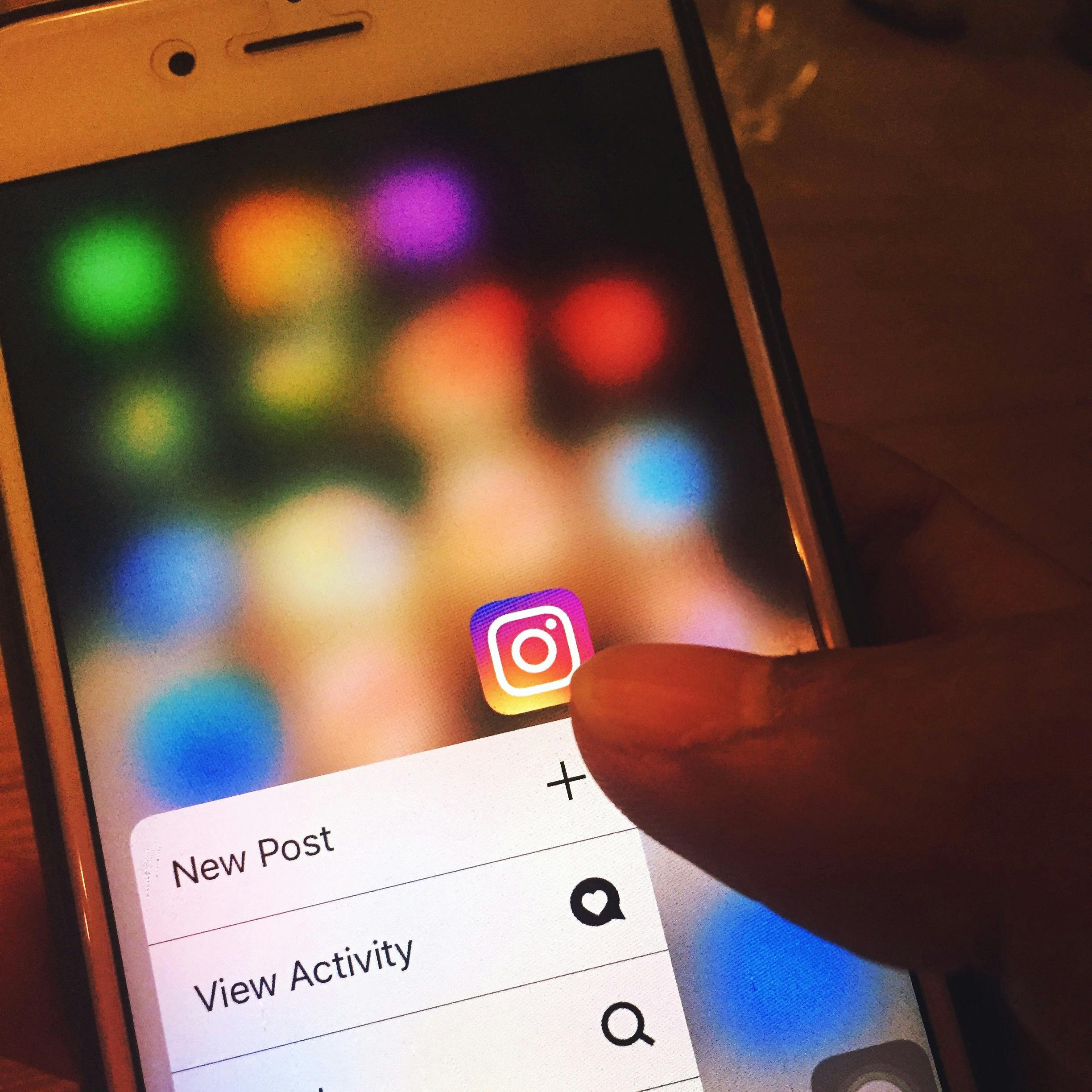
Debunking Common Myths About Social Media and Brand Success

Separating fact from fiction, this guide focuses on debunking common myths about social media and brand success to help businesses thrive. Many companies step into the social media realm expecting immediate results, only to feel disappointed when reality doesn’t align with their expectations. Misconceptions, such as the idea that viral fame ensures lasting brand recognition or that more followers equal more revenue, often hinder growth strategies. By clearing up these myths, businesses can approach social media marketing with a clearer perspective and achieve sustained success. The Role of Consistency vs. Viral Content A common belief is that a single viral post will lead to long-term brand success. However, while viral content can amplify visibility, it rarely creates lasting connections with your audience. How Consistency Leads to Growth: Regular posting keeps your brand visible and relevant. Consistency builds audience trust, establishing your brand as reliable. Over time, a steady approach drives deeper engagement than a one-time viral hit. For example, brands that post weekly updates showcasing their expertise and authenticity tend to attract loyal followers. On the contrary, those chasing viral trends often experience fleeting attention. Why “Followers” Don’t Equate to Customers Many businesses mistake large follower counts for success. The truth is that follower numbers alone don’t drive revenue or growth. Shifting the Focus to Engagement: Engaged audiences are more likely to convert into customers than disengaged followers. Metrics such as shares, comments, and website clicks reveal a truer picture of performance. Building trust with smaller, interactive communities often leads to better ROI. Social media is about fostering relationships, not just collecting followers. By prioritizing interaction over numbers, brands can create lasting connections that support their goals. Dispelling the “All Platforms Are Necessary” Myth Trying to be active on every social media platform stretches resources and reduces effectiveness. It’s unnecessary to maintain a presence everywhere—success comes from being strategic. Why Less Is More: Different platforms cater to different demographics. For instance, TikTok skews younger, while LinkedIn attracts professionals. Narrowing your focus allows better quality control of posts and interactions. Concentrating efforts on platforms where your audience is active yields stronger results. By focusing on two or three well-chosen platforms, businesses can maximize their impact without overextending themselves. The Misconception That Social Media Alone Drives Sales While social media plays a crucial role in marketing, expecting it to function as a standalone sales driver often leads to frustration. How Social Media Fits Into the Bigger Picture: Social platforms help build awareness and trust but need complementary tools like email campaigns and SEO strategies. Effective sales often result from multiple touchpoints with a customer. Investing in a balanced marketing approach ensures a comprehensive strategy. Brands using social media as part of a multi-channel approach often see better results, blending platforms like Instagram with lead-nurturing email workflows. Content Creation Is Not About Perfection One of the biggest barriers to consistent content creation is the false belief that posts must always be flawless. Perfection often stalls progress and alienates audiences. Why Authenticity Matters: Imperfections in content can make brands more relatable and human. Audiences value sincerity over overly polished posts that lack personality. Regular posting, even with minor flaws, keeps the momentum alive. Instead of striving for perfect visuals, focus on communicating your message clearly and authentically. How Real-Time Analytics Debunk Instant Success Beliefs The idea that social media guarantees immediate success is one of the most persistent myths. However, analytics often show the gradual nature of growth. What Data Teaches Us: Key performance indicators like reach, clicks, and conversions provide actionable insights. Metrics highlight which strategies work and what needs adjustment. Social media growth often requires months of consistent effort and refinement. By relying on data to guide decisions, businesses can set realistic goals and build sustainable success. Bringing It All Together Addressing these misconceptions about social media allows brands to create smarter, more realistic strategies. With consistency, authenticity, and a focus on engagement, businesses can build meaningful connections and see long-term results. Social media is not a quick fix—it’s a valuable tool in a larger marketing strategy that helps brands thrive when used wisely.


The Marketing Trends Shaping Small Business Growth Right Now

Small businesses face an exciting but challenging time as they strive to grow in 2024. Customer expectations evolve rapidly, and technological advancements demand innovative approaches to stand out. Top marketing trends shaping small business growth in 2024, such as personalized strategies, social commerce, and AI integration, create opportunities for businesses to thrive. By embracing these trends, small businesses can enhance their strategies, reach broader audiences, and secure sustainable growth. The Rise of Personalized Marketing Personalization has become critical for small businesses aiming to engage customers meaningfully. Today’s consumers expect tailored experiences, not one-size-fits-all messages, so businesses must adapt. To implement personalized marketing effectively, small businesses should focus on these tactics: Targeted Emails: Send emails based on past purchases or browsing behaviors to increase relevance and engagement. Custom Product Recommendations: Use data to suggest products aligned with customer preferences. Dynamic Website Content: Adjust website visuals and messaging to suit visitor demographics and interests. These strategies foster trust and loyalty while boosting sales. Affordable tools, like CRM platforms and email automation software, enable even the smallest enterprises to compete effectively. For example, retargeting ads remind customers of items they viewed, often driving them closer to making a purchase. AI and Automation in Marketing Artificial intelligence and automation offer powerful tools for businesses to stay competitive. These innovations simplify operations and increase marketing efficiency. Key benefits of AI and automation include: Chatbots: Provide 24/7 customer support and reduce response times for inquiries. Social Media Management: Automate posting schedules and engagement tracking for consistent outreach. Predictive Analytics: Use customer data to anticipate preferences and optimize campaigns. AI also helps create hyper-targeted campaigns by analyzing consumer behavior. For example, predictive tools can suggest the best times to send emails or display ads. Meanwhile, automation reduces time spent on repetitive tasks, freeing up resources for strategic planning. Social Commerce as a Revenue Driver Social media has transformed into more than just an engagement tool; it is now a direct channel for driving sales. Platforms like Instagram, Facebook, and TikTok enable businesses to sell products seamlessly through social commerce. Small businesses can maximize social commerce through these methods: Shoppable Posts: Link products to posts so customers can purchase without leaving the platform. Live Shopping Events: Use live streams to showcase products and answer customer questions in real-time. Paid Social Ads: Target specific demographics with platform-specific advertising options. Combining social commerce with influencer marketing amplifies its effectiveness. A well-placed product link in an engaging post can drive immediate sales. This approach makes social commerce not only accessible but also scalable for small businesses. Content Marketing with a Purpose Content marketing remains vital, but its purpose must extend beyond merely attracting attention. Small businesses should create valuable, focused content that resonates with their audience and supports clear objectives. To achieve purposeful content marketing, consider the following: Educational Content: Address pain points through blogs, tutorials, or webinars. Interactive Tools: Use quizzes or calculators to engage visitors and offer personalized solutions. Customer Testimonials: Share real stories to build trust and showcase success. Consistency plays a crucial role here. Posting regularly on different platforms helps maintain visibility and build a reliable brand voice. Additionally, diversifying content formats—such as videos, podcasts, or infographics—can cater to various audience preferences, increasing overall engagement. Influencer Partnerships for Local Reach Influencer marketing remains a top trend, especially when targeting local audiences. Collaborating with micro and nano influencers often proves cost-effective while delivering high engagement rates. Why influencers matter for small businesses: Localized Focus: Regional influencers connect businesses with local customers. Authentic Content: Influencers create relatable, trust-building posts. Scalability: Partnerships with smaller influencers allow businesses to test campaigns without large budgets. For example, a boutique might collaborate with a local fashion blogger to promote its products through styled photoshoots and recommendations. These partnerships build credibility and help brands stand out in their community. Video Marketing Continues to Dominate Video marketing continues to lead in driving engagement and conversions. Short-form videos on TikTok or Instagram Reels, alongside long-form content on YouTube, cater to diverse viewing preferences. How small businesses can embrace video marketing: How-To Guides: Demonstrate how products or services solve customer problems. Testimonials: Share customer stories through professionally shot or user-generated video content. Behind-the-Scenes Footage: Build transparency and connection by offering glimpses into day-to-day operations. Interactive video formats, like clickable product demos, are gaining traction. These features allow viewers to shop directly within the video, making the experience seamless. Small businesses can achieve professional results without breaking the bank using free or affordable video editing tools. Sustainability and Ethical Marketing Consumers increasingly prioritize sustainability and ethics when choosing products. Small businesses must align with these values to attract eco-conscious buyers and demonstrate their commitment to social responsibility. Sustainability strategies for small businesses: Eco-Friendly Packaging: Replace plastic with recyclable or biodegradable materials. Ethical Sourcing: Partner with suppliers who follow fair trade and sustainable practices. Supporting Community Causes: Donate a portion of sales to relevant charities or host local clean-up events. These practices enhance brand reputation and connect businesses with a growing base of environmentally conscious consumers. Companies that highlight their ethical efforts through marketing campaigns often build lasting loyalty. Emphasizing Local SEO Local SEO remains one of the most effective strategies for connecting small businesses with nearby customers. By targeting location-specific search terms, businesses ensure they show up where and when customers are searching. Ways to optimize for local SEO: Google Business Profile: Update profiles with accurate information, photos, and customer reviews. Localized Keywords: Use terms that reflect regional searches, such as “best coffee shop in [city].” Local Content Creation: Publish blogs or events tailored to the community’s interests. Investing in local SEO builds visibility and trust, especially for businesses relying on in-person interactions. Regularly engaging with reviews also boosts credibility and rankings, helping small businesses dominate their market. Going Forward The top marketing trends shaping small business growth in 2024 offer actionable strategies to thrive in competitive markets. By focusing on personalization, leveraging AI, investing in social commerce, and embracing sustainability, small businesses can connect meaningfully with

Master Omnichannel Marketing for Consistent Messaging

Mastering omnichannel marketing is crucial for businesses that want to deliver consistent messaging across all platforms and channels. Today, creating seamless interactions is more important than ever. Aligning your marketing efforts ensures your message stays uniform, which builds stronger relationships with your audience and drives better engagement. Through this strategy, you can ensure your business’s voice resonates across all customer touchpoints, no matter where they interact with your brand. What is Omnichannel Marketing? Omnichannel marketing is more than using multiple platforms. It creates a fully integrated experience for your customers. Every touchpoint connects, allowing smooth interactions no matter where your audience encounters your brand. Whether browsing a mobile app, receiving an email, or visiting your store, omnichannel marketing creates a unified journey for your customer. For instance, a customer might browse a product on your website, receive a personalized email offering a discount based on that product, and later visit your store to complete the purchase. This series of interactions becomes a cohesive message, building trust. Key elements of omnichannel marketing: Seamless Integration: Every platform works together to create a cohesive journey. Personalization: Messages adjust to individual customer behavior, boosting relevance. Consistency: The message stays the same across platforms, avoiding confusion. By focusing on these elements, your business can maintain a stronger brand presence and improve customer satisfaction. Why Consistent Messaging is Important in Omnichannel Marketing Consistency in messaging is the key to brand success. Customers expect the same voice, tone, and message whether they interact with your website, social media, or in-store. If your message varies across platforms, it can confuse customers and weaken your brand’s impact. For instance, offering different promotions on your website than what’s in your emails can frustrate customers. Instead, aligning all your marketing channels creates a seamless customer experience. Why does consistent messaging matter? Brand Recognition: Repeated exposure to the same message strengthens brand identity. Customer Trust: Consistency builds customer confidence, encouraging engagement. Clarity: A unified message eliminates ambiguity, allowing customers to interact smoothly across platforms. By delivering consistent messaging, you create a stronger connection with your audience, and they are more likely to trust and engage with your brand. Steps to Build an Effective Omnichannel Marketing Strategy Creating a strong omnichannel marketing strategy doesn’t have to be overwhelming. With a few manageable steps, you can build a strategy that connects with your customers wherever they are. Know Your Audience: To connect effectively, understand where your customers spend time and how they interact with your brand. Analyzing customer behavior will reveal where to focus your efforts. Segment Your Customers: Personalization is essential in omnichannel marketing. Segment your audience based on preferences, location, and past interactions to send tailored messages. Integrate All Platforms: Ensure that all your platforms, from email campaigns to in-store promotions, work in harmony. A centralized content management system can streamline integration. Monitor and Optimize: Continuously assess your strategy’s effectiveness by tracking customer behavior across channels. Regularly adjust your messaging based on insights. Key actions to take: Use tools to monitor performance across channels. Personalize messaging based on customer segments. Keep refining your strategy as you gain insights. These steps will help you build a robust strategy that stays connected with your audience. Benefits of Consistent Omnichannel Marketing There are many benefits to mastering omnichannel marketing, but one of the biggest advantages is the ability to build deeper customer relationships through consistency. Customers encountering the same messaging across platforms are more likely to trust your brand, engage with content, and make purchases. Other key benefits include: Increased Engagement: Seamless communication across platforms encourages more customer engagement. Stronger Loyalty: Consistent messaging reinforces brand identity and encourages return customers. Higher Conversion Rates: A smooth customer journey increases the chances of converting interactions into sales. A well-executed omnichannel marketing strategy can significantly improve customer retention and create a competitive edge in a crowded market. Additionally, when businesses maintain consistency across multiple platforms, they stay top-of-mind with their audience, increasing the likelihood of repeated engagement and fostering long-term loyalty. Challenges to Implementing Omnichannel Marketing Despite its benefits, omnichannel marketing poses challenges, especially for businesses that lack cohesive data systems or streamlined communication. However, understanding these obstacles can help you overcome them. Common challenges include: Data Silos: Different teams might manage customer data separately, preventing a unified customer experience. Technological Barriers: Some platforms may not integrate easily, making it harder to create cohesive messaging. Inconsistent Branding: Without clear guidelines, different teams may produce conflicting messages that hurt your brand. You can tackle these challenges by: Using a customer relationship management (CRM) system to centralize data and ensure consistency. Developing brand guidelines that ensure every team maintains the same message across all platforms. Implementing automation tools to keep messaging consistent without requiring manual input for each platform. By addressing these challenges, you can streamline your marketing efforts and ensure consistency across all channels. The Role of Technology in Omnichannel Marketing Technology plays a critical role in ensuring omnichannel marketing success. It connects platforms and ensures consistent communication with your audience. Key technologies include: CRM Systems: These systems help you centralize customer data, making personalization and consistency easier. Automation Tools: These tools automate processes like sending personalized emails or posting on social media, saving time while ensuring consistency. Data Analytics: Advanced analytics help businesses track customer interactions across channels, allowing for continuous optimization of the omnichannel strategy. Additionally, new technological trends like artificial intelligence (AI) and machine learning can enhance personalization. These tools use customer data to predict behaviors and preferences, enabling businesses to tailor their messaging in real-time. As technology advances, incorporating these innovations will be critical for maintaining effective omnichannel marketing strategies. The Future of Omnichannel Marketing Looking forward, businesses must adapt to emerging platforms and technologies to keep up with customer expectations. AI-driven personalization, voice search, and wearable technology will continue to shape how businesses connect with their audiences. Staying agile and innovative will be essential to thriving in this evolving digital landscape. Emerging trends include: AI and Machine Learning: These technologies allow businesses to

Voice Search Optimization Preparing Your SEO Strategy for Voice

Voice search has quickly become a major player in how people find information, services, and products online. With virtual assistants like Siri, Google Assistant, and Alexa now integrated into daily life, people rely on voice search for quick, hands-free answers. For businesses, this shift highlights the importance of voice search optimization when preparing your SEO strategy for voice. By focusing on this approach, companies can improve search rankings and drive more organic traffic. As user behavior evolves, adapting SEO strategies for voice search ensures competitiveness in the digital market. The Growing Importance of Voice Search Voice search is no longer just a growing trend; it has become a key method for users to interact with search engines. The convenience of hands-free searching through devices like smartphones and smart speakers has made it an indispensable tool for many. This shift in behavior opens up significant opportunities for businesses. Voice search queries are typically longer, more natural, and conversational than traditional text-based queries. As a result, SEO strategies must adapt by focusing on long-tail keywords and more direct, informative content. Here’s why voice search matters: It offers unparalleled hands-free convenience. Virtual assistants are now embedded in everyday devices. Voice search provides quick, on-demand answers. Most voice searches are local, targeting nearby services. Users expect voice queries to yield immediate, actionable results. Businesses that adapt quickly to voice search can reach customers more effectively, particularly in competitive local markets. Key Differences Between Voice Search and Text Search The way people use voice search differs from how they perform text-based searches. Text search tends to be short, concise, and centered around specific keywords. Voice search, however, is more conversational and question-based. Key differences include: Query Length: Voice search queries are typically longer and more detailed. Question-Based: Many voice searches start with “Who,” “What,” “When,” or “How.” More Conversational: Users tend to speak more naturally when using voice search, asking questions as if they were speaking to a person. Search Intent: Voice searches often indicate immediate intent, such as “nearest coffee shop open now.” Understanding these differences is essential for creating content that is optimized for voice search. Content that provides direct answers to common questions is more likely to rank well in voice search results. How Voice Search is Changing SEO Voice search has changed the landscape of SEO, making it essential for businesses to adjust their approach. Traditional SEO strategies often focus on keywords and metadata, but voice search demands content that mirrors natural language patterns. Additionally, voice search often prioritizes speed, presenting users with concise, relevant information within seconds. Here are a few ways voice search impacts SEO: Shift to Conversational Keywords: Search engines now prioritize content that mimics the way people speak in everyday life. Increased Focus on Local SEO: Many voice searches are local, with users looking for nearby services or products. Featured Snippets: Voice assistants frequently pull information from featured snippets, highlighting the need to optimize for this position. Direct, Simple Responses: Voice search users expect concise, direct answers. Search engines favor content that provides fast, accurate information. Businesses that incorporate these elements into their SEO strategies are better positioned to capture traffic from voice searches. Essential Strategies for Voice Search Optimization Several strategies can make a significant impact on optimizing your site for voice search. With the shift toward natural language, businesses must think beyond simple keywords and focus on how people actually speak. Here are a few strategies: Long-Tail Keywords: Voice searches are often more specific, so targeting long-tail keywords is crucial. For example, optimize for “best Italian restaurant near me” instead of just “Italian restaurant.” Natural Language: Write content in a conversational tone that reflects how people speak in real life. Direct Answers: Users ask questions through voice search. Structure your content to answer these questions clearly and succinctly. Local Search Optimization: Ensure your Google My Business profile is fully updated and accurate to capitalize on local voice searches. Fast Load Times: Since voice search is often used for quick results, website speed is crucial. These strategies are foundational for businesses aiming to capture traffic through voice search. A focus on conversational language and user intent will yield better results as voice searches increase. Schema Markup: Structuring Your Data for Voice Search Schema markup is an effective tool for improving your visibility in voice search results. It helps search engines understand the data on your website better, which is particularly important for voice search queries. This form of structured data makes it easier for search engines to serve accurate, rich results that users are likely to click on. Benefits of schema markup: Easier Identification of Key Data: Helps search engines identify important information about your business, such as hours and locations. Increased Rich Results: Voice search assistants often pull from rich snippets, making schema essential for success in voice SEO. Improved Voice Search Ranking: It increases the chances of appearing in voice search results when users ask specific questions. Implementing schema markup helps your business stand out in voice search, making it easier for users to find you quickly and efficiently. Mobile Optimization: A Crucial Step in Voice Search Most voice searches happen on mobile devices, which makes mobile optimization a key part of any voice search strategy. If your website isn’t optimized for mobile, you risk losing a significant portion of potential traffic. Reasons why mobile optimization is crucial: Fast Load Times: Users expect fast answers when using voice search. A slow-loading website could harm your rankings. Responsive Design: A mobile-friendly website that’s easy to navigate ensures a positive user experience. Mobile-First Indexing: Google’s mobile-first indexing prioritizes the mobile version of your website in rankings, making mobile optimization critical. To remain competitive in voice search, ensuring your website is mobile-friendly is a non-negotiable step. Local SEO and Voice Search Voice search is especially valuable for local SEO. People often use voice search to find local businesses or services. Queries such as “restaurants near me” or “best plumbers in [city]” are extremely common in voice

Which Marketing Trends Deserve Your Attention and Budget

Businesses are at a pivotal moment as marketing rapidly evolves. The next year will bring significant changes to how brands interact with their audiences. Key marketing trends to watch in 2025 include AI-driven personalization and new social media platforms. These advancements will reshape how businesses connect with customers, making it crucial to stay informed and adaptable. By understanding these trends, companies can maintain a competitive edge and strengthen customer relationships. AI-Driven Personalization: Crafting Unique Customer Journeys Artificial Intelligence (AI) has already made a mark on marketing, but its influence will only grow by 2025. AI-driven personalization will allow businesses to craft highly tailored customer experiences. This shift will empower brands to create content, product recommendations, and campaigns that resonate with individual preferences in real time. Some advantages of AI-driven personalization include: Real-time data analysis for better targeting. Personalized email campaigns and product recommendations. Predictive analytics to anticipate customer needs and behaviors. For example, online retailers can show tailored products based on browsing history or geographic location. This kind of dynamic content creation ensures higher engagement. By adjusting marketing materials on the fly, companies can meet customer expectations more effectively. However, it’s important not to over-automate. While AI can enhance personalization, brands should retain a human touch. Relying solely on automation risks losing the authenticity customers value. Brands that balance technology with personal connection will gain the most from AI-driven strategies. Emerging Social Media Platforms: New Spaces for Brand Engagement Social media is set to evolve by 2025. While platforms like Facebook and Instagram will remain relevant, emerging social networks will offer brands new ways to engage their audiences. These newer platforms will focus on immersive experiences and creative engagement strategies, making them crucial for marketing. Key trends include: The integration of virtual reality (VR) and augmented reality (AR). A stronger emphasis on user-generated content (UGC). More interactive, short-form content, like real-time collaboration or live streaming. Virtual reality and augmented reality will allow consumers to interact with brands in entirely new ways. For instance, a company might host a virtual product launch or create an AR shopping experience, offering a deeper, more immersive engagement. This trend will especially appeal to younger generations, such as Gen Z, who crave innovative, authentic interactions. Additionally, emerging platforms will enable businesses to tap into user-generated content. Audiences now favor transparent, honest content over polished ads, so brands that encourage customers to share experiences will build stronger connections. Voice Search Optimization: Adapting to New Search Behaviors Voice search technology is gaining popularity, and by 2025, it will shape how consumers find information. More people are using voice assistants like Alexa and Google Assistant to search for products, services, and content. For businesses, this means rethinking SEO strategies and optimizing for voice search. Some voice search optimization tips include: Using a conversational tone. Prioritizing long-tail keywords. Answering common voice queries clearly and concisely. Unlike text searches, voice searches tend to be more conversational and often take the form of questions. For instance, a user might ask, “Where can I find eco-friendly clothing near me?” or “What’s the best smartphone under $500?” Businesses must create content that answers these questions directly to capture more voice search traffic. Moreover, focusing on local SEO is crucial for voice search, as many voice queries involve location-based requests. By optimizing for voice search, brands can remain accessible in this growing search medium. Sustainability Marketing: Aligning with Consumer Values By 2025, sustainability will be a key factor driving consumer choices. More people are seeking out brands that commit to environmental responsibility. Businesses will need to incorporate sustainable practices into their marketing strategies to align with these values. Sustainability marketing strategies include: Promoting eco-friendly products and packaging. Clear communication about sustainable practices. Partnering with environmental organizations. Companies must show they are taking action, not just talking about sustainability. For example, a brand might highlight its efforts to reduce waste or use responsibly sourced materials. Being transparent about environmental efforts will help build trust, especially with younger consumers who prioritize ethical consumption. Brands that fail to address sustainability may risk losing relevance in an eco-conscious market. The Rise of AI-Generated Content: Enhancing Efficiency Without Sacrificing Creativity AI-generated content will transform marketing by 2025. More businesses will use AI to produce a wide range of content, including blogs, product descriptions, and social media posts. This technology will streamline content creation and allow brands to produce more personalized and relevant materials at scale. The benefits of AI-generated content include: Faster production. Tailored content for different audience segments. Data-driven insights for improved relevance. While AI can enhance efficiency, human oversight is essential to ensure the content stays engaging and authentic. Audiences value relatable and creative content, so businesses must use AI to complement, not replace, human creativity. By striking this balance, brands can produce content that resonates with their audience while maintaining efficiency. Data Privacy and Ethical Marketing: Building Trust in a Data-Driven World As AI and data-driven marketing grow, so will concerns around data privacy. By 2025, consumers will demand more transparency about how their data is collected and used. Brands that prioritize ethical data practices will earn consumer trust and loyalty. Strategies for ethical marketing include: Transparent data privacy policies. Allowing consumers more control over their data. Complying with data regulations like GDPR. Ethical marketing will not only foster trust but also protect businesses from legal risks. By respecting consumers’ privacy and being transparent about data usage, brands can build strong, long-lasting relationships with their audiences. Going Forward: The marketing trends to watch in 2025 reflect a fast-changing, innovation-driven landscape. AI-driven personalization, new social media platforms, and voice search optimization are just some of the key shifts shaping the future of marketing. As sustainability grows in importance and AI-generated content becomes the norm, businesses must adapt to meet new consumer expectations. Those that embrace these trends and remain flexible will not only survive but thrive in the increasingly competitive digital market.

Direct Mail Marketing in the Digital Age Matters

Direct mail marketing in the digital age matters because it offers a personal, tangible connection that digital methods alone can’t match. While digital marketing continues to dominate, many people still sift through their mailboxes daily. A well-crafted piece of mail, arriving at the right time with a compelling call to action, can significantly enhance your overall marketing strategy. Businesses that understand the value of direct mail often use it alongside digital campaigns, creating a powerful combination that drives results. The Value of Tangible Marketing in a Digital World Direct mail offers something digital channels cannot—a physical experience. When customers receive a postcard or brochure in their hands, it feels more personal than an email or online ad. This tangible aspect often leads to a higher response rate than digital marketing. People are less likely to ignore a physical piece of mail, and it tends to stay visible in homes for days or weeks. Moreover, direct mail benefits from less competition. While inboxes and social media feeds are filled with ads, mailboxes are often emptier, giving your message more room to shine. As a result, businesses that embrace direct mail marketing can stand out, especially when they combine it with an effective digital strategy. Some key advantages include: The physical nature of mail creates a lasting impression. Direct mail often stays in homes, keeping your brand visible longer. There is less competition for attention compared to crowded inboxes. Additionally, with fewer companies utilizing direct mail, this method allows your business to differentiate itself and capture audience attention in a unique way. Standing Out Amid Digital Overload Consumers receive countless emails and online ads each day. This digital overload makes it easy for your message to get lost. Direct mail, however, stands out because it offers a refreshing alternative. When fewer companies are using physical mail, your message is more likely to capture attention. People still check their mailboxes daily, and when they receive a physical piece of mail, they tend to engage with it longer than they would with an online ad. A targeted direct mail piece can create a strong impression, particularly if it arrives at the right moment with an appealing offer or call to action. This combination of relevance and timing is crucial to driving results. Direct mail captures attention in less cluttered spaces. Physical mail lasts longer than digital messages, giving recipients more time to act. Combining an offer with the right timing can significantly improve response rates. By utilizing direct mail effectively, businesses can better position their offers, ensuring the message resonates when it counts. The Symbiotic Relationship Between Direct Mail and Digital Campaigns Direct mail does not compete with digital marketing—it complements it. Businesses can maximize their outreach by combining the two strategies. Direct mail often leads recipients to engage with digital platforms, creating a seamless omnichannel experience. This integration allows businesses to amplify their messages across both physical and digital mediums. Some successful examples of integrating direct mail with digital campaigns include: Adding QR codes or personalized URLs to direct mail that lead customers to a website. Using data from digital campaigns to send targeted mail to specific customers. Following up direct mail campaigns with digital ads or email reminders to reinforce the message. This approach strengthens customer engagement and leads to higher conversion rates. Businesses that blend both strategies often see better overall performance than when relying solely on digital campaigns. Direct Mail as a Trusted, Personal Communication Tool Consumers are constantly bombarded by online ads and email scams, which can erode trust in digital channels. On the other hand, direct mail often feels more legitimate. When customers receive a physical piece of mail, they perceive it as a more credible form of communication, especially when it’s personalized. Businesses can use direct mail to create a sense of authenticity and trust. A well-designed mailer with a personalized message or exclusive offer demonstrates that a company values its customers. This personal touch can go a long way in building loyalty and encouraging engagement. Advantages of using direct mail as a personal communication channel include: Physical mail builds stronger trust compared to online ads. Personalized mail increases the likelihood of customer engagement. Customers feel valued when they receive exclusive offers or discounts by mail. In a world where digital messages are fleeting, direct mail offers a refreshing and trusted way to connect with customers on a personal level. The Cost-Effectiveness of Direct Mail Although direct mail may seem expensive compared to digital ads, it offers significant value when executed properly. A direct mail piece remains in the home for longer, often revisited multiple times, which boosts brand awareness and engagement. This staying power can result in a better return on investment over time. Printing and mailing costs can be managed by using modern tools like variable data printing, which allows businesses to personalize each mail piece at scale. Additionally, automated mailing services make it easy to send out campaigns regularly without needing extensive resources. Direct mail is more cost-effective when personalized. Automated services reduce the time and effort needed to manage campaigns. Direct mail often generates a higher ROI compared to digital-only methods. When combined with digital strategies, direct mail becomes even more cost-effective. Businesses can repurpose content from digital campaigns for their mailers, saving time and resources while reaching a broader audience. Maximizing Impact with Clear Calls to Action Direct mail works best when it includes a clear and actionable call to action. The right message, sent at the right time, can encourage customers to take immediate steps, whether it’s visiting your website or redeeming a discount. To make that happen, your call to action needs to be simple, clear, and easy to follow. To maximize impact, consider these tips: Use bold, direct language in your call to action. Offer time-sensitive promotions to create urgency. Include QR codes or personalized URLs to simplify the response process. By incorporating these elements, you can drive higher response rates and track the success of your direct

The Ultimate Guide to Multi-Channel Marketing

Connecting with your target audience requires a comprehensive approach that goes beyond a single platform. The Ultimate Guide to Multi-Channel Marketing outlines how to connect with your audience across various platforms successfully. A seamless and consistent brand experience is essential in today’s business environment. By strategically leveraging multiple channels—such as social media, search engine marketing, and content marketing—you can engage with customers more effectively and drive meaningful results. Whether you aim to build brand awareness, increase conversions, or foster customer loyalty, knowing how to implement a multi-channel strategy is crucial for success. Understanding Multi-Channel Marketing Multi-channel marketing engages your audience across multiple platforms—both online and offline. Each channel offers a unique opportunity to connect with potential customers, but the key lies in integrating these channels to deliver a unified experience. The ultimate goal is to create a seamless customer journey where every interaction reinforces your brand message and strengthens the relationship with your audience. Social media, search engine marketing, and content marketing work together to reach a broader audience. For instance, you can use social media campaigns to attract attention, search engine marketing to drive traffic, and content marketing to engage and convert leads. When done correctly, multi-channel marketing ensures that your brand remains top-of-mind across all platforms. Effective Channels Social Media Marketing Social media marketing allows you to build brand awareness and engage with your audience in real-time. Platforms like Facebook, Instagram, LinkedIn, and Twitter let you target specific demographics and create meaningful interactions. By sharing content that resonates with your audience, you can drive traffic to your website and build a loyal following. Additionally, using social media advertising can boost visibility and reach a wider audience. Search Engine Marketing (SEM) Search engine marketing (SEM) includes both paid search (PPC) and organic search (SEO) strategies. Paid search ads can provide immediate visibility for your business, while SEO helps you build long-term traffic by optimizing your website for search engines. Together, these strategies ensure that your business appears at the top of search results when customers look for related products or services. Content Marketing (Blogs & Videos) Content marketing plays a crucial role in engaging your audience and establishing authority in your industry. By creating valuable content—such as blog posts, videos, and infographics—you can educate your audience and guide them through the sales funnel. Content can be shared across various channels, reinforcing your brand message and driving engagement. Additionally, repurposing content for different platforms allows you to reach a broader audience without creating entirely new material. Email Marketing Email marketing offers a direct way to communicate with your audience. Personalized email campaigns can nurture relationships, provide valuable content, and drive conversions. By segmenting your audience, you can tailor your messages to meet specific needs, making email marketing an incredibly effective tool for customer retention. Additionally, email campaigns can complement other channels by promoting new blog posts, social media updates, or special offers. Mobile/SMS Marketing With the widespread use of smartphones, mobile and SMS marketing have become indispensable. SMS campaigns allow businesses to send direct, timely messages to customers, resulting in higher engagement rates. In addition, mobile marketing includes app-based strategies and push notifications, which help keep your brand top-of-mind. By integrating mobile marketing into your strategy, you can reach your audience on the go and ensure they stay connected to your brand. Direct Mail and Print Advertising Direct mail and print advertising still hold value, especially for reaching certain demographics. Personalized direct mail campaigns can build strong connections with your audience, while print advertising in magazines and newspapers offers a tangible way to engage potential customers. By integrating traditional marketing channels with digital efforts, you can create a more comprehensive multi-channel strategy. TV & Radio Advertising Television and radio advertising remain effective for reaching a mass audience and building brand awareness. These channels offer broad reach and can be integrated with digital campaigns to create a cohesive message across all platforms. For instance, a TV ad can be supported by social media campaigns and email follow-ups, reinforcing your brand message and driving traffic to your website. Developing a Strategic Multi-Channel Marketing Plan Start with a Strategic Plan Begin by outlining your multi-channel marketing goals and defining your target audience. Determine which channels will be most effective for your business and how each will contribute to your objectives. A well-structured plan guides your efforts and ensures that all channels work together cohesively. As you develop your strategy, consider starting with a few key channels that align most closely with your audience and goals. Start Small and Invest in a CRM Starting small allows you to test and refine your strategy before expanding to additional channels. Investing in customer relationship management (CRM) tools or conducting target customer research helps you better understand your audience’s preferences and behaviors. This approach allows you to tailor your marketing efforts more effectively, ensuring that your messages resonate with your target audience. Identify the Most Effective Channels Not all channels will deliver the same results. Use your research and initial campaigns to identify which platforms generate the highest engagement and conversions. Focus on these high-performing channels, but remain open to exploring new opportunities as your strategy evolves. By continuously monitoring performance, you can adjust your approach to maximize results. Ensure Consistent Branding and Messaging Consistency is crucial in multi-channel marketing. Develop clear brand guidelines to maintain uniform messaging, tone, and visual elements across all channels. This consistency helps reinforce your brand’s identity, making it more recognizable and trustworthy. Additionally, consistent branding ensures that your audience receives a cohesive experience, regardless of the platform they use to interact with your brand. Track Measurable KPI’s and ROI To evaluate your multi-channel marketing strategy’s success, track key performance indicators (KPIs) and return on investment (ROI) for each channel. Use analytics tools to monitor metrics such as website traffic, social media engagement, email open rates, and conversion rates. Regularly reviewing this data allows you to make informed decisions and optimize your strategy for better results. Challenges and How to Overcome

Tips Tricks and Trends in Website Development

In the fast-paced digital era, an effective online presence is crucial for businesses looking to thrive. Website development plays a pivotal role in shaping this online identity and because of this, the task of tackling a website can feel daunting. Understanding and implementing the various tips, tricks, and trends in website development can significantly impact your success. Responsive Design: A Non-Negotiable Imperative Embracing the mobile era is no longer a choice but a necessity. A responsive design ensures your website adapts seamlessly to various devices, providing an optimal user experience. Google’s mobile-first indexing makes this a key factor for SEO success. In the era of smartphones, users expect a seamless experience. Responsive design not only caters to diverse devices but also boosts your site’s SEO, aligning with Google’s mobile-centric approach. User-Centric Navigation: The Path to Engagement Users should effortlessly navigate your website. Intuitive menus, clear calls-to-action, and a logical flow enhance user experience. Implementing user feedback and conducting usability tests can help you refine navigation for maximum engagement. A well-designed navigation system guides users intuitively, reducing bounce rates. Regularly test and refine navigation based on user feedback to ensure a smooth and engaging journey through your website. Optimizing for Speed: The Need for Velocity In the digital realm, speed is king. Slow-loading websites frustrate users and can negatively impact search rankings. Compressing images, leveraging browser caching, and minimizing HTTP requests are among the techniques to boost your website’s speed. Speed is not just a user preference but a ranking factor for search engines. Optimize your site’s speed by compressing images and utilizing caching mechanisms, ensuring a swift and satisfying user experience. Security: Guarding the Digital Fort With cyber threats on the rise, prioritizing website security is non-negotiable. Incorporate SSL certificates, regularly update software, and conduct security audits. A secure website not only protects your users but also contributes positively to your SEO. Incorporating the Latest Design Trends A visually appealing website is more likely to captivate users. Stay updated with design trends such as dark mode, micro-interactions, and 3D elements. Collaborating with a reputable branding agency can infuse creativity and align your website with contemporary aesthetics. Trends in design evolve rapidly. Embrace modern aesthetics like dark mode and interactive elements to keep your website visually captivating and in line with the latest design sensibilities. Content is Still King: SEO-Optimized Blogging A blog isn’t just a platform for expressing ideas; it’s a potent SEO tool. Regularly publishing relevant and optimized content can enhance your website’s visibility. Collaborating with a marketing agency can help you create a content strategy that resonates with your audience. The significance of a blog extends beyond expression—it’s a strategic SEO tool. Collaborate with a marketing agency to craft a content strategy that not only engages but also boosts your website’s visibility in search engine results. Cross-Channel Marketing Integration Today’s digital landscape demands a holistic approach. Integrate your website seamlessly with various marketing channels. Cross-channel marketing, when executed strategically, enhances brand visibility and facilitates a cohesive user experience. Siloed marketing efforts are outdated. Seamlessly integrate your website with diverse marketing channels for a cohesive brand presence, ensuring your audience receives a unified and impactful message across different platforms. The Power of Apps: Extending Reach Mobile apps are becoming increasingly popular for businesses. Developing a companion app can provide additional value to users and strengthen brand loyalty. Work with an app development team to create a seamless connection between your website and app. A dedicated app enhances user engagement and brand loyalty. Collaborate with an app development team to create a symbiotic relationship between your website and app, offering users a seamless experience across both platforms. Direct Mail Marketing in the Digital Age While digital marketing is dominant, don’t overlook the power of direct mail, especially in B2B scenarios. A well-crafted direct mail campaign can complement your online efforts and foster meaningful connections. In the digital age, direct mail stands out. Combine the personal touch of direct mail with your online efforts for a comprehensive marketing strategy, especially effective in B2B scenarios where personal connections matter. Localizing Marketing Efforts: Anne Arundel County Focus If your business operates in Anne Arundel County, tailor your website development and marketing strategies to the local audience. Collaborating with an advertising agency familiar with the region can give you a competitive edge. Localizing efforts for Anne Arundel County strengthens your connection with the community. Collaborate with a local advertising agency to infuse regional insights into your website development and marketing, gaining a competitive advantage in the local market. AI Integration: Smart Solutions for Enhanced User Experience The future of website development lies in artificial intelligence (AI). Implementing AI-driven solutions, such as chatbots and personalized recommendations, can elevate user experience and streamline interactions on your website. AI isn’t just a buzzword—it’s a game-changer in web development. Explore the potential of chatbots for instant customer support and personalized recommendations based on user behavior, providing a more tailored and efficient experience. Video Content: Captivating Audiences Beyond Text Video content continues to dominate online engagement. Incorporating engaging videos on your website can capture attention and convey information more dynamically. Collaborate with a marketing agency to create compelling video content that aligns with your brand. In the age of short attention spans, videos speak louder than words. Leverage the power of video content to convey your message effectively. Partnering with a marketing agency ensures your videos align with your brand identity and resonate with your target audience. Final Thoughts Mastering the art of website development involves a multifaceted approach that encompasses responsive design, user-centric navigation, speed optimization, robust security measures, and staying abreast of design trends. Integrating cross-channel marketing, developing companion apps, and leveraging the timeless power of direct mail marketing further enhance your digital presence. Tailoring efforts to the local landscape, such as Anne Arundel County, ensures a personalized connection with the community. As we look to the future, the integration of AI and the captivating allure of video content are set to redefine user experiences. By

Maximizing Visibility and Rankings with SEO and AI

Search engine optimization (SEO) and artificial intelligence (AI) are revolutionizing digital marketing. They make it easier for businesses to enhance their online presence. By maximizing visibility and rankings with SEO and AI, companies can elevate their website’s performance and attract more visitors. As competition for digital attention intensifies, understanding how to use these tools effectively becomes crucial. This article delves into the strategies for maximizing visibility and rankings with SEO and AI, offering insights that blend expertise with actionable tips. Introduction to SEO and AI SEO is a set of practices aimed at improving a website’s visibility on search engines like Google. It involves: Optimizing content Structuring the site effectively Enhancing user experience AI simulates human intelligence in machines, enabling them to perform tasks that typically require human intelligence, such as learning, reasoning, and problem-solving. Integrating AI into SEO processes has revolutionized digital marketing by allowing businesses to analyze vast amounts of data, identify patterns, and make predictions that refine SEO strategies. The Importance of Maximizing Visibility Maximizing online visibility is essential for growing a digital footprint. Higher visibility leads to increased traffic, which can translate into more leads, conversions, and ultimately, revenue. To achieve this, businesses need a strategic approach involving both technical and creative elements. Discoverability: Ensures your content can be found by search engines. Relevance: Aligns your content with users’ search queries. Technical Excellence: Ensures your website meets search engine guidelines. Incorporating AI into your SEO strategy can enhance these efforts by providing deeper insights into user behavior and search engine algorithms. How AI Enhances SEO Strategies AI enhances SEO in several ways, making it a powerful tool for digital marketers. Here are some key benefits: Data Processing: AI processes and analyzes data at a scale and speed that humans cannot match. Keyword Research: More accurate keyword identification. Content Creation: AI generates ideas and even writes drafts. Competitive Analysis: Identifies what competitors are doing right. AI tools identify trending topics and high-performing keywords, providing a roadmap for content that resonates with your audience. Additionally, AI optimizes on-page elements, ensuring they align with search engine guidelines and user intent. Keyword Research and Optimization with AI Keyword research is the foundation of any SEO strategy. It involves identifying the terms and phrases potential customers use when searching for products or services. AI revolutionizes this process by offering tools that can predict keyword performance and suggest long-tail keywords often overlooked through manual research. Search Volume Analysis: Determines how often a keyword is searched. Competition Analysis: Evaluates how difficult it will be to rank for a keyword. User Intent Analysis: Understands what users are looking for when they use a keyword. These AI-powered tools provide a comprehensive list of keywords that can drive traffic to your site. Once identified, AI assists in optimizing your content to ensure these keywords are used effectively. Content Creation and Optimization Creating high-quality, engaging content is crucial for SEO success. AI assists in content creation by generating ideas, suggesting topics, and even writing drafts. Tools like GPT-4 produce content that is coherent, relevant, and tailored to your audience’s interests. Moreover, AI optimizes existing content by analyzing its performance and making recommendations for improvement. Adjust Keyword Density: Ensures optimal keyword use. Improve Readability: Makes content easier to read. Align with User Intent: Ensures the content meets users’ needs. By continuously optimizing content, businesses can maintain their relevance and visibility in search results. AI can also help streamline the content creation process by automating repetitive tasks such as proofreading and editing. This not only saves time but also ensures consistency and accuracy in your content. Additionally, AI-driven tools can suggest multimedia elements like images and videos that complement your text, enhancing the overall user experience. Enhancing User Experience with AI User experience (UX) plays a critical role in SEO. Search engines prioritize websites that offer a seamless and enjoyable user experience. AI enhances UX by: Personalizing Content: Tailors content to individual users. Improving Site Navigation: Makes it easier for users to find what they need. Providing Real-Time Support: Uses chatbots to assist users instantly. Personalization involves tailoring content to individual users based on their preferences and behavior. AI analyzes user data to deliver personalized recommendations, increasing engagement and satisfaction. Additionally, AI-powered chatbots assist users with inquiries, providing instant responses and freeing up human resources for more complex tasks. AI and Technical SEO Technical SEO involves optimizing the backend of your website to improve its performance and ensure it meets search engine requirements. AI streamlines technical SEO by automating tasks such as: Site Audits: Identifying issues that need fixing. Error Detection: Finding and correcting errors. Performance Monitoring: Tracking site performance metrics. AI tools identify and fix issues that might affect your site’s visibility, such as broken links, slow load times, and mobile usability problems. Moreover, AI can help in optimizing site architecture by analyzing and improving internal linking structures, making it easier for search engines to crawl and index your site efficiently. Analyzing and Predicting Trends Staying ahead of trends is crucial for maintaining a competitive edge in SEO. AI analyzes large datasets to identify emerging trends and predict future changes in search behavior. This foresight allows businesses to adapt their strategies proactively. Track Industry Trends: Keeps your business relevant. Analyze Competitor Performance: Understands what competitors are doing. Monitor User Behavior: Adjusts strategies based on user interactions. AI-powered analytics provide actionable insights that inform your SEO strategy, allowing businesses to create content that aligns with current trends and anticipates future demands. These insights can also help businesses identify new market opportunities and adjust their product or service offerings accordingly. The Future of SEO and AI The integration of AI into SEO is an ongoing process that will continue to evolve. Future developments may include: Advanced Natural Language Processing (NLP): Understanding and responding to complex queries with greater accuracy. Personalized Optimization Strategies: Tailored to the unique needs of each business. As AI technology advances, its applications in SEO will become even more sophisticated, offering new opportunities for businesses to

John Sindorf

Director of Strategic Alliances

John believes most businesses don’t need more vendors; they need the right strategic partners.

With decades of experience helping small and mid-sized organizations grow, John specializes in connecting business leaders with the expertise they need to overcome challenges, strengthen operations, and scale with confidence. Whether the conversation centers on sales strategy, marketing, AI, or operational efficiency, his focus is always the same: identifying the right solution for the business, not simply adding another service provider.
Known for his relationship-first approach, John builds partnerships rooted in trust, practical guidance, and measurable outcomes. He helps business owners simplify complex decisions, align the right resources, and spend less time managing vendors and more time leading the businesses they’ve worked so hard to build.

Off the clock: You’ll likely find John networking over coffee, strengthening relationships, and proving that the best business opportunities still begin with genuine conversations.

Kiki DeVane

Marketing Operations Manager

Kiki started her career wanting to change the world through policy, then discovered that a well-built website could be just as powerful. That pivot led her through event marketing, federal communications, and sponsored content for some of the world’s most recognizable brands. She came out the other side a marketing utility player, skilled across strategy, design, development, and copywriting, allowing her to support client campaigns from the front and behind the scenes.

At Silesky, she’s the connective tissue, keeping projects moving, clients informed, and the team empowered to focus on what they do best. What sets Kiki apart is her ability to move fluidly between the operational and the creative without losing momentum in either direction. Whether she’s architecting a workflow, shaping a campaign, or jumping in on a deliverable, she brings the kind of range that elevates every project and strengthens the team around her.

A systems thinker with a creative soul, Kiki brings order to complexity and a genuine investment in seeing the work land the way it should.

Aizaz UI Hassan

Web Developer & Graphic Designer

Aizaz has been the driving force behind Silesky’s web development for over five years. As both a graphic designer and UI/UX developer, he brings a rare mix of technical precision and creative clarity to every project.

What sets Aizaz apart is his ability to understand and interpret the assignment—no extra hand-holding, just sharp instincts and calm professionalism. When timelines are tight and expectations are high, Aizaz is the teammate you want in your corner.

Creative and detail-oriented, Aizaz builds clean, modern websites that marry style with substance. From intuitive flows to scalable layouts, his work consistently delivers digital experiences that perform as well as they look.

With every project, Aizaz ensures the design feels effortless for users and does the heavy lifting for the brand.

Sue Hilger, MBA

Chief Growth Strategist

As Chief Growth Strategist at Silesky Marketing, Sue plays a key role in expanding the agency’s client base while cultivating long-term partnerships grounded in trust, collaboration, and measurable success. She works closely with organizations to help them meet their business goals—and then go beyond them—through smart, scalable marketing strategies.

With an MBA and deep expertise in both B2B and B2C environments, Sue bridges the gap between strategic planning and hands-on execution. She guides clients through Silesky’s end-to-end process, beginning with in-depth discovery and needs assessments and continuing through branding, messaging, digital advertising, and campaign rollout.

Sue is focused on long-term impact. Many of Silesky’s client relationships span decades, which speaks to her ability to integrate seamlessly, think strategically, and consistently deliver results. For Sue, every engagement is more than a project—it’s a partnership.

Mya Stengel

Content Developer & Video Editor

Mya brings the heart of a storyteller and the precision of a screenwriter to every project. With a background in Hollywood scriptwriting—particularly in the horror genre—she understands how to build intrigue, capture attention, and deliver a message that lands with impact.

A lifelong book lover turned brand storyteller, Mya has a gift for finding each client’s voice and shaping it into something authentic and memorable. Whether she’s writing SEO-driven blog content, editing silent video loops, or cutting together a punchy hero reel, she focuses on what makes a brand distinct and brings it to life with clarity and emotion.

From blog posts to behind-the-scenes edits, plot twists to punchlines, Mya’s work helps brands connect more deeply and tell stories that resonate.

Ashelin Walker

Digital Marketing Strategist

Ashelin is a digital marketing strategist who blends technical know-how with creative insight. At Silesky Marketing, she turns strategy into results—helping clients attract the right leads, connect with their audience, and strengthen their online presence.

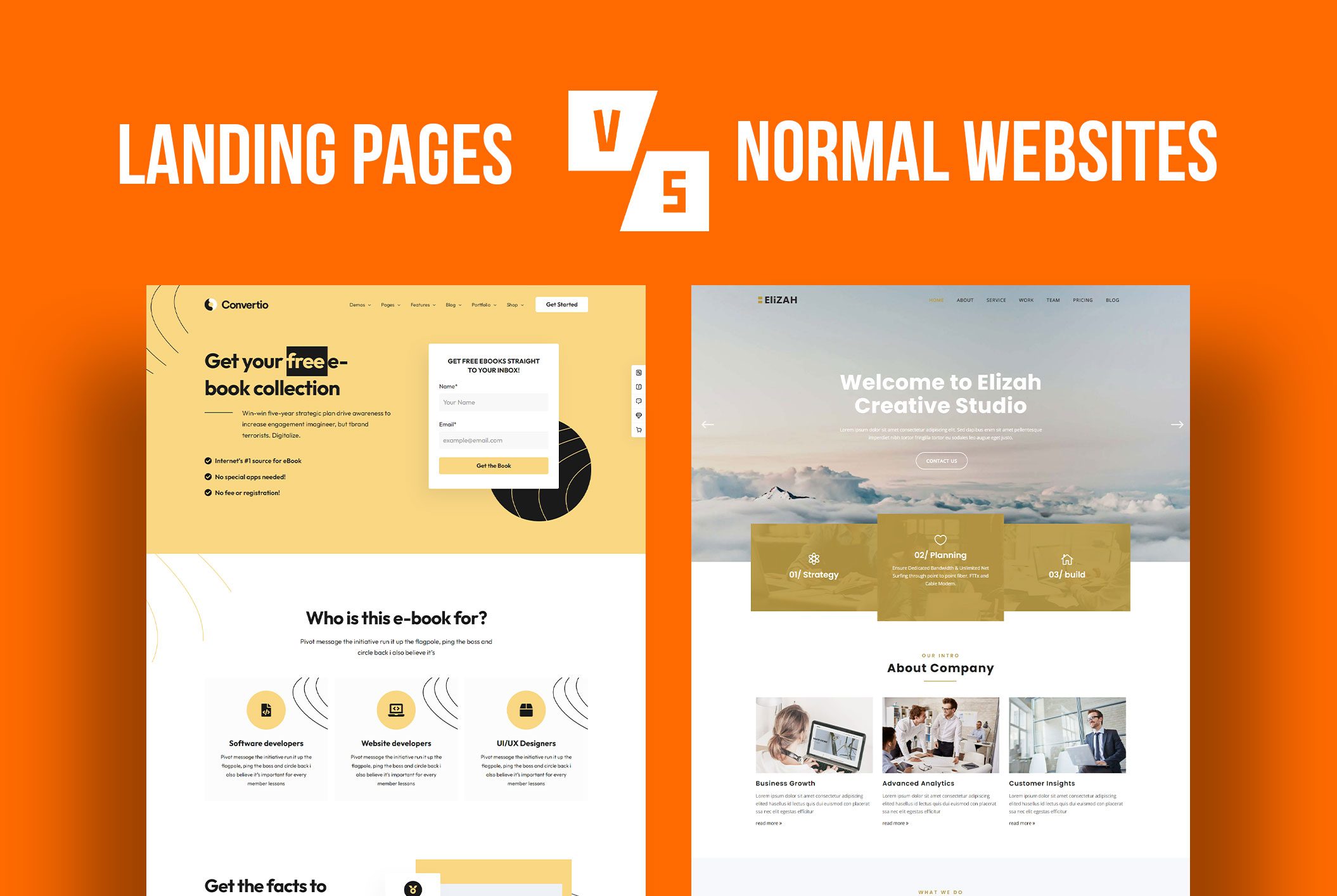
She designs high-converting landing pages, launches targeted email campaigns, manages CRM platforms, and creates on-brand video content that performs. From big-picture planning to the freckles of a campaign, Ashelin brings cohesion to the chaos and keeps every piece pulling in the right direction.

What sets Ashelin apart is how seamlessly she connects the tactical to the strategic. She doesn’t just check boxes—she makes sure every effort ladders up to a larger goal. Her work helps clients show up in the right places, with the right message, at the right time.

Susi Silesky

Founder & Brand Architect

As the founder of Silesky Marketing, Susi brings more than 30 years of brand strategy and marketing expertise to the table. Her experience spans ambitious startups, global enterprises, nonprofits, and household-name retailers.

Susi is most energized when she’s helping business owners find their voice, shape their story, and build a brand that reflects their vision and gets the results they deserve.

What sets her apart is her deep understanding of entrepreneurs. She’s built a career not just on strong campaigns, but on building genuine relationships. That blend of empathy and expertise is what makes her work both effective and meaningful.

Susi has led successful marketing initiatives across industries—from healthcare and legal to real estate, B2B tech, and pharma. She’s fluent in French, conversational in Spanish, and skilled at translating complex ideas into clear, compelling brand stories.