
Best-of-Breed Marketing Tools: How to Scale Without Losing Momentum

You signed up for the platform because the sales demo promised simplicity. One login, one dashboard, one monthly bill. Six months later, your email automations miss half their triggers, your analytics dashboard shows traffic but not conversions, and your content calendar lives in a separate spreadsheet because the built-in planner feels like punishment. The promise of convenience turned into a stack of workarounds. Scaling your marketing in 2026 means recognizing the advantage of best-of-breed tools instead of forcing growth through platforms designed to do everything poorly. The alternative looks different. Specialized tools working together, each excelling at one critical function. Email platforms nail automation sequences. Analytics tools track attribution across every touchpoint. CRMs update in real time without manual exports. Each piece serves a purpose, and together they move faster than any monolith ever could. What follows is not theory. This is what teams building momentum in 2026 are already doing. Why All in One Platforms Slow Growth Instead of Supporting It All-in-one platforms entered the market with a seductive pitch. Consolidate everything, eliminate integration headaches, simplify vendor management. Marketing teams, already stretched thin, bought in. The reality arrived slower than the sales cycle. The Hidden Cost of Convenience Convenience sounds valuable until you measure what you traded for it. All-in-one platforms deliver mediocre functionality across every feature because no single vendor excels at email automation, web analytics, social management, content production, and CRM simultaneously. Email tools inside the platform lack the segmentation depth of dedicated automation systems. Analytics miss conversion attribution because the tracking was not built for journeys spanning multiple touchpoints. Content calendars feel clunky because the team building the CRM added the feature as an afterthought. According to Gartner research, 68% of marketing leaders report their current tech stack is too complex to deliver seamless execution. The complexity comes not from having multiple tools, but from platforms trying to be everything rather than excelling at one thing. When Everything Does a Little, Nothing Does Enough Marketing demands depth in specific areas. Automation precision nurtures leads through sequences spanning multiple steps. Data accuracy attributes revenue to campaigns. Content management flexibility publishes across channels without reformatting everything manually. One platform rarely excels at all three. The result is teams spending hours compensating for weak features. Teams end up: Exporting data to analyze properly elsewhere Rebuilding automations because platform limitations prevent the logic they need Maintaining shadow systems in spreadsheets because the official tools fall short This is not scaling. This is treading water with expensive software. What Best of Breed Means for Marketing Teams Best of breed is not a buzzword borrowed from enterprise software. The concept is straightforward. Choose tools excelling at one function instead of platforms claiming to handle everything. Choosing Specialists Over Generalists In marketing terms, this means separate platforms for distinct functions. ActiveCampaign runs your automation sequences. Google Analytics 4 tracks user behavior and conversions. A dedicated content management system handles publishing workflows. Each tool was built by a team focused on solving one problem exceptionally well. The contrast becomes obvious when you compare feature depth. A specialized email platform offers conditional logic, dynamic content, predictive sending times, and granular segmentation. An email feature inside a general platform offers basic sends and minimal personalization. The difference shows up in the results. Teams using specialized automation platforms report 30% higher open rates and 45% better conversion from nurture sequences compared to teams using bundled email features inside all-in-one systems. The Integration Reality The objection arrives predictably. Will not multiple tools create chaos? Data gets trapped in silos, right? Integration becomes a full-time job, does it not? Modern APIs and connector platforms solved this years ago. Tools like Zapier, Make, and native integrations allow data to flow between systems without manual intervention. When a lead fills out a form on your website, the information populates your CRM, triggers an automation sequence in your email platform, and updates your analytics dashboard. No exports, no manual entry, no lag time. ActiveCampaign alone integrates with over 870 applications. The platforms built for best-of-breed environments prioritize interoperability because their customers succeed through connections, not isolation. Building Your Stack Around Outcomes, Not Features The mistake most teams make is choosing tools based on feature lists. Long lists sound impressive in procurement meetings but mean nothing if the features do not drive your specific outcomes. Start with what you need to achieve: Convert 30% more leads from webinar attendees Reduce customer acquisition cost by tracking attribution accurately Publish content across three channels without duplicating work Segment audiences based on behavior, not demographics alone Match tools to those goals. If accurate attribution is critical, invest in analytics built for tracking spanning multiple touches. If automation sequences need complex conditional logic, choose a platform designed for depth. Features matter only when they serve measurable outcomes. Is Best of Breed Only for Enterprise Teams With Big Budgets? No. Best of breed scales down as effectively as up. The assumption that specialized tools cost more than all-in-one platforms falls apart under scrutiny. Small teams often pay for bundled features they never use. Enterprise pricing tiers force upgrades for one capability when nine others sit idle. Best of breed lets you pay for what you use. Start with three core tools and add as you grow. A regional B2B services firm running on a $4,000 monthly marketing budget built its stack with: ActiveCampaign for email automation at $229/month Google Analytics 4 for free A content management system at $99/month Zapier for integration at $49/month Total spend was $377/month for tools, leading each category. Their previous all-in-one platform cost $599/month and delivered worse performance across every function. They reallocated the savings to paid media and saw lead volume increase by 41% in four months. Budget size does not determine whether best of breed works. Strategic thinking does. The smallest teams benefit from specialized tools when those tools match their specific workflow and outcomes. A three-person marketing department gains as much from purpose-built automation as a 30-person team, often


Search Generative Experience SGE in Marketing Strategy

A few months ago, Google introduced a feature called the Search Generative Experience, sometimes abbreviated SGE. It changes how search results look and behave, and that shift matters deeply for how marketers plan content, traffic, and brand presence. If your strategy assumes the old “web page + keywords + links” model, SGE demands a rethink. What is Search Generative Experience (SGE)? SGE refers to AI-powered summaries, overviews, or answers that appear in search results, often above or alongside traditional links. Google’s “AI Overviews” are a good example: instead of just listings, users get a distilled synopsis of the topic plus helpful links. According to a 2024 study, 86.83 % of all search queries trigger a generative element. In almost two-thirds of cases, users see a “Generate” button with that summary; in others, they see a “Show More” link to reveal the content. Why does SGE matter for Marketers? Because it changes the user’s path from query → click → site. If people get answers directly via SGE, they might not click through. That can reduce organic traffic. One marketing strategist observed: “I anticipate seeing organic traffic drop for many sites, thorough and well-written content can enhance click-through rate to mitigate this decline by becoming the source of information that SGE quotes from … providing Google’s AI with all the information it needs on the query in question in an easily digestible way.” Some other important impacts: Organic #1 results are pushed visually downward—often by more than a full screen’s height—when SGE appears. Only a small fraction of URLs in generative summaries match the traditional Page 1 results. For many queries, SGE injects new sources. Industries like healthcare, e-commerce, and B2B tech are more affected; queries in those fields often trigger generative summaries. How Can Marketers Adapt to SGE? Here are several strategic shifts that make sense given what we know so far. These aren’t speculative—they follow from current data, early case studies, and what Google has stated. Audit content for “answerability and context.”Content that directly answers probable questions, uses FAQ sections, structured data (schema), clear headings, definition of terms, and well-organized content tends to do better for being quoted in summaries. If your content is the cleanest, most authoritative answer, it might be what SGE pulls. Focus on original insights or proprietary data.When generated summaries pull from multiple sources, content that offers something unique (data, case study, analysis) stands a better chance of being quoted rather than just aggregated. Optimize for snippets and overviews.Since SGE often uses summarized content, make sure your page has highlighted summaries, bullet points, and quick takeaways. These formats are easier for AI to digest. Maintain strong on-page SEO and domain credibility.Even if generative summaries pull content, trust signals (authoritativeness, domain reputation, backlinks) still matter for which sites get featured in SGE results. Track performance differently.Instead of just monitoring rankings, also track which content is being quoted in SGE, how often snippets or summaries derive from your site, and how that correlates with traffic. Also, monitor click-through when your content appears in generative overviews. What Marketers are Getting Wrong about SGE What many brands don’t yet appreciate is that SGE doesn’t just shift traffic—it shifts user intent and behaviour in subtle ways. Here are some pitfalls: Assuming “more content” alone will preserve visibility. Generative AI rewards clarity over volume. Ignoring follow-up queries. SGE often offers follow-ups (“Did you mean…?”, “Here’s more detail on X”). Content that anticipates those who will perform better. Overlooking how quickly SGE formats may evolve: new ad placements, mixed media (images, video) summaries, mobile vs desktop differences. How will paid search and ads interact with SGE? SGE isn’t purely an organic phenomenon. It also reshapes how ads appear and how they are positioned. For example: Research suggests that shopping ads often appear above SGE summaries about buyer-focused queries. For “cost”, “buy”, etc., SGE shows up often, but ads still tend to outrank summaries in many of these commercial categories. Google has indicated that it will continue experimenting with ad formats that fit into generative content, embedding them more seamlessly. Thus, ad strategy needs coordination with content strategy: what content you show, what your paid placements look like, and how you bid on terms that are often answered in SGE. Questions to Shape Your SGE Marketing Strategy Here are questions you should explore now to align SGE with your strategy: For your top content pieces, are you getting quoted in search results or generative summaries? If not, why not? Does your content structure support being pulled in (e.g., good headings, concise summaries, FAQ, schema-markup)? Which keywords or search queries you target are likely to trigger SGE overviews (informational vs transactional)? How will your ad spend need to shift if organic click-through drops? What metrics are you going to use beyond traffic and rankings (e.g., “snippet share”, “overview exposure”, “quoted” impressions)? What Are the Risks of SGE? Investing in adapting to SGE means reallocating effort; there are risks: Some content may lose traffic if people are satisfied with summaries and don’t click. Over-optimization for AI summaries might lead to content that’s too compressed, too simplified, losing brand voice or depth. Rapid changes in how Google displays SGE—formats, placements, mobile vs desktop—mean strategies may need frequent tweaks. Where is SGE headed Based on early data, we can expect: More rich media in SGE summaries (images, video snippets) More dynamic follow-up queries, letting users refine answers without leaving the search page Ads that blend in more or are formatted to appear inside or near generative overviews Increased importance for content that is credible, data-backed, and visible in trusted sources FAQ Will SGE reduce traffic for organic search results?Yes, that is a strong possibility. Because users may get sufficient answers at the summary level and skip clicking. However, content that is authoritative and clearly cited is still more likely to be referenced or quoted, which can help sustain visibility. Which industries are most impacted by SGE so far?Healthcare, e-commerce, and B2B technology have shown higher impact.

Short Reels Long Blogs One Strategy That Wins Both Ranks

Scroll through Instagram, TikTok, or YouTube Shorts, and reels dominate the feed. Quick bursts of content hook attention almost instantly. Later, when curiosity deepens, readers often search out long-form blogs for context. This pairing, short reels alongside long blog, formsforms a strategy that secures visibility on two powerful fronts: social platforms and search engines. The balance works because: Reels generate rapid visibility thanks to algorithmic boosts. Blogs build authority by ranking for keywords over time. Together, they create a cycle: reels spark curiosity, blogs build trust. Why Short Reels Hold So Much Power Short-form video has become the preferred format for content consumption. People consume multiple clips in minutes, and each one offers a new chance to engage. Brands benefit because reels: Grab attention quickly: A message lands in less than half a minute. Earn algorithmic favor: Platforms prioritize reels in recommendations. Show personality: Raw, authentic clips help audiences connect with a brand voice. Consider a fitness coach who posts a 20-second reel demonstrating a single exercise. The quick hit grabs attention, while a linked blog provides a full workout plan. This one-two punch both attracts and informs. The Long-Term Value of Blogs Reels may surge in popularity, but their impact often fades fast. Blogs, on the other hand, have staying power. They continue to rank in search results and drive traffic long after publishing. Long blogs deliver value in three ways: Keyword depth: They rank for multiple search queries, drawing steady organic traffic. Educational structure: They explain complex ideas in a way short videos cannot. Evergreen traction: Well-written blogs can remain relevant for months or even years. A travel agency, for instance, may share reels highlighting a destination’s sights. The corresponding blog provides detailed itineraries, packing tips, and booking advice—content that travelers reference throughout their planning. How Short Reels Can Lead Audiences to Long Blogs The smartest marketing teams don’t treat reels and blogs as separate assets. Instead, they link them together. Practical ways reels drive blog traffic include: Sharing three highlights in a reel with a CTA to read the full blog. Posting teaser clips that spark curiosity, then directing viewers to the blog for depth. Using reels as mini trailers that link to blog content through captions or swipe-up features. This approach respects different audience behaviors while maintaining consistency across channels. How Blogs Feed Endless Reels Every long blog is a reservoir of reel ideas. A single 1,200-word post can create weeks of video content if approached thoughtfully. Marketers can: Break out key statistics and share them as text-overlay reels. Turn individual steps from a blog tutorial into quick visual demonstrations. Record short commentary highlighting one point from the blog. This method reduces workload and maintains a cohesive narrative across platforms. Timing and Distribution That Build Momentum Blogs and reels thrive on different cadences. Reels need frequent publishing, while blogs require time to research, write, and optimize. Coordinating the two creates rhythm. Launch days: Release a reel alongside a new blog to maximize awareness. Content refresh: Months later, post a reel that links back to the same blog to resurface evergreen content. Staggered posting: Keep reels rolling weekly while blogging on a biweekly or monthly schedule. This combination keeps audiences engaged without overwhelming teams with unrealistic production demands. Case Example: Industry-Wide Application In professional services, reels can showcase practical tips. For example, a law firm might post a reel offering “3 quick points about signing a contract.” The blog then expands on each point with legal context, examples, and best practices. The reel attracts attention on social platforms, while the blog nurtures that interest into credibility and trust. This dual content path works in industries ranging from B2B tech to consumer retail. Avoiding Quantity Overload Not every strategy benefits from high-volume production. Quality and alignment matter more than volume. A poorly planned reel may generate views without conversions. A blog written for keywords alone may fail to build real authority. Instead of chasing numbers, focus on creating fewer but more valuable pieces. For instance, one insightful blog supported by a handful of targeted reels can outperform dozens of scattered posts. Measuring Integrated Success To understand whether reels and blogs work together, metrics must be viewed holistically. Key indicators include: Blog traffic that originates from social media reels. Average time spent on a blog page by visitors coming from video. Conversions attributed to audiences that engaged with both a reel and a blog. This combined perspective reveals whether the strategy is functioning as intended. Building a Repeatable Workflow A sustainable strategy relies on process. Without structure, content teams risk inconsistency or burnout. Simple ways to streamline include: Treating each blog as a hub from which multiple reels are created. Standardizing reel templates with consistent branding and calls to action. Developing calendars that automatically pair blogs with reel rollouts. This workflow reduces pressure while maintaining momentum across channels. The Strategy That Truly Wins At its core, combining short reels and long blogs succeeds because it mirrors how people consume information. They want quick, visual bursts in one moment and detailed answers the next. This approach doesn’t force a choice between formats. Instead, it integrates them into one strategy that captures attention, builds trust, and wins across both search and social.

Dominate Voice and Visual Search with Local SEO Tactics

You pull out your phone, ask for a local bakery open now, and almost instantly get directions and hours. Or maybe you spot an intriguing latte on Instagram and snap a photo to find where it’s sold nearby. These scenarios happen every day, and they underscore why mastering how to dominate voice and visual search with local SEO tactics matters more than ever. The mix of spoken requests and image-based searches means businesses must fine-tune visibility across both mediums. How Voice and Visual Search Shape Local Discoveries Now, people speak what they seek—like “Where’s the nearest dry cleaner open at midnight?” and press “Search.” Visual search adds another layer: snapping photos to identify products, locations, or menus. Google Lens, Pinterest, and other platforms process billions of queries like this monthly. Voice searches tend to target local businesses—but only those using natural language and visual signals clearly stand out. Natural Language Wins in Voice SEO Short keyword-style phrases no longer cut it. When you ask your device for “wood-fired pizza near me,” you’re speaking full sentences, not a list of words. Ads that match how people talk—conversational and immediate—perform far better. To align with this behavior: Write FAQs that mimic how people phrase questions Use long-tail, locally specific key phrases (“Where can I get gluten-free tacos in the North End?”) Keep answers concise—snippets read aloud often come from short, clear responses Pay attention to trigger phrases like “open now,” “near me,” or “best rated.” Focused, conversational content reinforces relevance and makes it easier for search assistants to pull your information. How Structured Image Content Supports Visual Search Visual search doesn’t stop at photos alone. The way your website displays and organizes images—especially product or service visuals—also impacts your search visibility. Structure and clarity matter as much as aesthetics. To support search behavior effectively: Group images by category or intent—for example, service-specific galleries for a local spa or product categories for a boutique. Include keyword-rich captions that describe not just what’s in the image, but how it relates to the user’s potential query (e.g., “eco-friendly cleaning products available in downtown Seattle”). Use consistent file naming—instead of generic labels like “image1.jpg,” use descriptive names like “vegan-pizza-downtown-denver.jpg.” Host images on fast, mobile-optimized platforms to prevent delays that could hurt performance in search previews. This approach ensures that your visuals aren’t just compelling to humans but also understandable to search engines scanning for context. Visual Search: When Images Become Search Queries Visual search creates new opportunities for discovery. Whether users photograph your storefront, products, or menu, search engines need concrete signals to bridge physical and digital presence. Here’s what boosts visual search performance: High-quality photos taken from multiple angles, ideally geo-tagged Alt text that reflects what’s visible and incorporates key local descriptors Structured data for product, service, or location context Informative captions, especially around images of services or products These elements help Google and others “read” what they see—and match your visuals to user intent. Maximizing Your Google Business Profile Your Google Business Profile does more than list hours—it contributes to both voice and visual visibility. Many map and assistant queries reference details that live here. To maximize its impact: Keep hours, services, and contact info updated Add regular photos, preferably geo-tagged and relevant to your business Use question-and-answer fields to preempt frequent spoken queries Cultivate reviews that mention products or services clearly Accurate, vivid listings help search engines pair your business with local intent. Schema Markup: Speaking the Search Engine’s Language Schema.org markup translates your data into a searchable context. It’s crucial for both spoken and visual queries. Apply these markups: LocalBusiness schema (contact, address, hours, service area) Product schema, especially if you sell goods or highlight services FAQ schema to create snippet-ready answers Review the schema to showcase ratings clearly For instance, the FAQ schema could help your salon appear for “What salons in Denver are open after 6 PM?” Intent-Driven Keywords, Not Keyword Stuffing Rather than insert popular terms repeatedly, focus on how people use search: “Best brunch near me open now” lets you align with real phrases “Where can I find eco-friendly products in [city]?” captures both product and location Phrases like “top-rated,” “closest,” or “affordable” reflect consumer priorities Embed these within helpful content, and use headers that naturally feature variations—keeping your messaging smooth and readable. A Mobile-First Experience Unlocks Search Value Most voice and visual search happens on mobile devices. A fast, responsive site becomes essential. Ensure you: Load pages in under 3 seconds whenever possible Use mobile-responsive layouts with clear fonts and menus Include easy click-to-call buttons and directions Avoid cluttered images or slow-loading carousels A seamless mobile experience keeps visitors engaged from query to action. Reputation Matters—Especially in Voice Results Search assistants often read out review summaries—so your rating and review content matter. To strengthen your profile: Request honest, detailed reviews mentioning specific services or perks Link directly to your review form to simplify the process Respond with thoughtful comments that include keywords, naturally Use these phrases in your site where relevant, enhancing relevance User language in reviews influences how search systems interpret your offerings. Human-Centered SEO That Works Now Voice and visual searches remind us that people look for context more than keywords. By crafting content that reflects natural speech and compelling visuals, and by updating your digital profile with clarity and signal, you’re not chasing AI tricks; you’re serving real needs. Businesses that prioritize how people ask and see find their content become the ones matched to local queries—every single time.

How Generative AI Is Reshaping Campaign Creation in 2025

A single prompt now generates campaign ideas, visuals, and messaging in minutes. For marketers, what once required weeks now happens almost instantly—an evolution driven by generative AI. How generative AI is reshaping campaign creation in 2025 is no longer a concept; it’s transforming each step of the marketing process. Acceleration from Concept to Campaign Launch Creating new campaigns has always demanded time and creative energy. With generative AI, the ideation phase is faster and more targeted: AI tools scan brand guidelines, campaign history, and audience data to recommend concepts closely aligned with current goals. Marketers review creative options, refine messaging, and select assets in a matter of hours. Platforms automate routine production: resizing images, reformatting video, and preparing content for multiple channels without manual intervention. Teams find they can spend less energy on repetitive production and more on strategy, brainstorming, and campaign direction. Personalization at Scale: Practical Realities Personalized marketing once seemed unattainable at a large scale. Now, generative AI makes it accessible and authentic: Platforms analyze behaviors, locations, and purchase histories to shape content for each audience segment. In a retail scenario, product descriptions and email subject lines adjust based on customer preferences and interactions. Marketers track performance data in real time, allowing swift adjustments to content that isn’t resonating. Generative AI adapts to ongoing trends and changing data, so campaign messaging remains relevant and timely. Data-Driven Storytelling and Real-Time Adaptation Campaigns today rely on more than catchy phrases or bold graphics. Modern marketing is fueled by actionable data: Social listening and analytics platforms feed audience sentiment, trending topics, and shifting priorities directly into campaign strategy. If a competitor launches a new offer or a social trend gains traction, generative AI suggests quick pivots in messaging and creative assets. Teams can update campaigns immediately, maintaining engagement and relevance. AI-driven storytelling responds to current market dynamics and internal insights, helping brands stay ahead in a fast-moving environment. Collaboration: Where Human Insight Meets AI Precision Generative AI has become an essential collaborator for marketing teams: AI handles asset creation, drafts copy, and formats content, while marketers shape tone, creativity, and ethical direction. Campaign kickoffs often feature AI-generated concepts or visuals, which spark discussion and lead to innovative ideas. Human review remains critical. Marketers edit, approve, and fine-tune all assets, ensuring every message reflects the brand’s values and voice. This balance empowers marketers to focus on strategic planning and creative vision, while AI manages routine and technical tasks. Ethical Oversight and Content Quality Automated campaign creation also brings heightened responsibility: Built-in compliance checks, bias detection, and brand safety controls are now standard in leading AI tools. Marketers are trained to spot subtle inconsistencies or awkward phrases—so-called “AI artifacts”—to protect authenticity. Every campaign element passes through a rigorous review before launch, preventing off-brand or insensitive content. Quality and ethics are priorities, not afterthoughts. These safeguards help maintain trust and reliability even as campaign development accelerates. Measuring Impact: Evolving Metrics and Deeper Insights Classic metrics like click-through rates and conversions still matter, but generative AI unlocks new ways to measure campaign success: AI dashboards track audience sentiment, creative fatigue, and engagement levels across a wide range of content variants. Marketers can identify which messages and formats are most effective, then quickly iterate to improve results. Campaigns become adaptive processes, evolving with each new data point. Continuous measurement allows for timely optimizations that were previously impossible, raising the standard for what campaign success looks like. Marketers’ Evolving Roles in the AI Era By 2025, the day-to-day responsibilities of marketers have shifted in response to AI’s growing role: Technical know-how with generative platforms is essential, but creativity and ethical judgment remain at the core. Marketers orchestrate the power of AI, setting direction and ensuring campaigns align with broader brand strategy. Less time is spent on repetitive production; more is devoted to ideation, experimentation, and testing new approaches. Far from replacing marketers, AI amplifies their creative impact and strategic influence. Looking Forward Generative AI sits at the center of campaign creation, enabling faster ideation, deeper personalization, and data-driven adaptation. Marketers who integrate these capabilities stay ahead by responding to changing audience needs and shifting trends in real time. The combination of human insight and AI efficiency creates campaigns that connect more authentically—and achieve measurable results. As technology evolves, successful teams will leverage generative AI alongside their own expertise to deliver campaigns that stand out in a rapidly changing digital world.

Why Human Eyes Still Matter in AI Content Strategy

AI can assemble thousands of words in seconds, but speed doesn’t guarantee substance. Even the most advanced language models still miss the subtleties that make content meaningful. That’s why human eyes still matter in shaping AI content strategy—not as an optional step, but as the final safeguard for accuracy, nuance, and trust. The increasing reliance on AI in marketing has brought undeniable efficiencies. From quick content drafts to large-scale campaign automation, these tools can transform how teams work. But they are not replacements for human judgment. In fact, as AI becomes more embedded in marketing processes, the role of human oversight becomes even more critical. The Real Limits of Machine-Generated Content AI works by predicting patterns, not by applying lived experience. This means it can: Present outdated information without recognizing its obsolescence. Miss subtle shifts in industry practices or audience expectations. Generate tone or phrasing that technically reads well but feels off. For example, an AI might highlight a marketing trend that peaked last year without noting its decline. A human with industry awareness spots this instantly and adjusts the message before it undermines credibility. These gaps are not the fault of the technology—they’re inherent to how it functions. AI doesn’t “know” facts; it generates text that appears likely based on patterns in its training data. Without human fact-checking, even the most convincing copy can lead readers astray. When misinformation slips into marketing content, the impact can be far-reaching: Damaged audience trust Lower engagement due to irrelevant or inaccurate advice Potential legal or compliance risks That’s why review processes need to be built into every AI-assisted workflow from the start. Context Is the Missing Layer Placing keywords in the right spots can satisfy search engines, but it doesn’t guarantee the content speaks to human needs. AI can assemble data points, yet it rarely understands why those points matter in a broader narrative. Take a campaign about eco-friendly packaging. An AI might emphasize measurable benefits: Reduced carbon footprint Waste minimization Compliance with sustainability regulations A human strategist can push the content further by connecting those points to real-world motivations: The pride customers feel when supporting environmentally responsible brands The competitive advantage of adopting green practices early Examples from companies that increased loyalty through sustainability This added context matters. Readers don’t just want to know that something is better for the environment—they want to understand the social, emotional, and even economic benefits tied to those choices. Cultural Nuance and Brand Voice Language carries cultural and emotional undertones that algorithms can’t reliably interpret. Without human review, small misalignments in tone or idiom can turn into big missteps. Some common issues in AI-generated text include: Humor that works in one culture but feels inappropriate in another. Idioms that confuse international audiences. Shifts in voice from one article to the next weaken brand identity. For example, a phrase like “hit it out of the park” may resonate with North American audiences but leave others puzzled. A human reviewer can replace it with a metaphor that aligns better with the target market. This is where content editors act as brand stewards. They protect consistency, adapt phrasing for local audiences, and ensure that the tone aligns with the brand’s personality—whether that’s authoritative, conversational, or somewhere in between. Ethics and Responsibility in Content AI models inherit biases from the material they’re trained on. Left unchecked, those biases can influence tone, examples, and even topic selection. A human-led review process can: Remove stereotypes and exclusionary language. Ensure diverse and accurate representation in examples and imagery. Verify claims against authoritative, up-to-date sources. Consider a piece of content about workplace culture. An AI system might unintentionally overrepresent one demographic in its examples, leaving out other groups entirely. Human oversight ensures balanced representation and avoids alienating parts of the audience. Ethics in AI content production also extends to transparency. Some brands now include a brief disclosure when AI is used in content creation—not as a warning, but as a statement of integrity. Human Creativity in Strategic Direction While AI can suggest dozens of topics or angles, it can’t determine which will resonate most right now. Strategic choice requires market knowledge, timing, and awareness of audience sentiment—skills that come from human experience. Consider a case where AI proposes articles on “top social media tools.” A human strategist may recognize that the audience already knows the major platforms and instead focus on measuring ROI from niche social campaigns—a more relevant and less saturated topic. Humans also bring storytelling instinct to the process: Spotting connections between emerging trends and audience concerns. Prioritizing ideas with the highest potential impact. Shaping narratives that are both informative and memorable. Storytelling is where strategy meets creativity. An AI can compile facts, but only a human can weave them into a narrative that resonates beyond the screen. Building a Collaborative Workflow The best results come from using AI and human reviewers together, each playing to their strengths. A practical, high-quality content process might look like this: AI generates a structured draft with relevant keywords and an organized framework. Human editors refine and enrich the draft with updated data, relatable examples, and brand-appropriate tone. Final review checks for accuracy, cultural sensitivity, and strategic alignment. This kind of workflow has benefits beyond quality: Faster production without compromising depth Stronger brand voice across multiple campaigns Reduced the risk of errors slipping into published work It also helps teams avoid burnout by letting AI handle repetitive tasks while humans focus on the creative and strategic elements that make content stand out. Why Human Oversight Protects Long-Term Value Technology evolves quickly, but audience expectations evolve even faster. Readers expect fresh perspectives, current information, and a consistent voice. Human oversight ensures content stays relevant as trends shift. Brands that maintain this balance between automation and review often see: Stronger engagement metrics Increased repeat readership Higher brand loyalty built over time Over-reliance on automation may seem efficient in the short term, but it risks producing generic, uninspired material that fails to differentiate the brand. In contrast,

Why Website Redesigns Fall Flat and What Actually Fixes the Problem

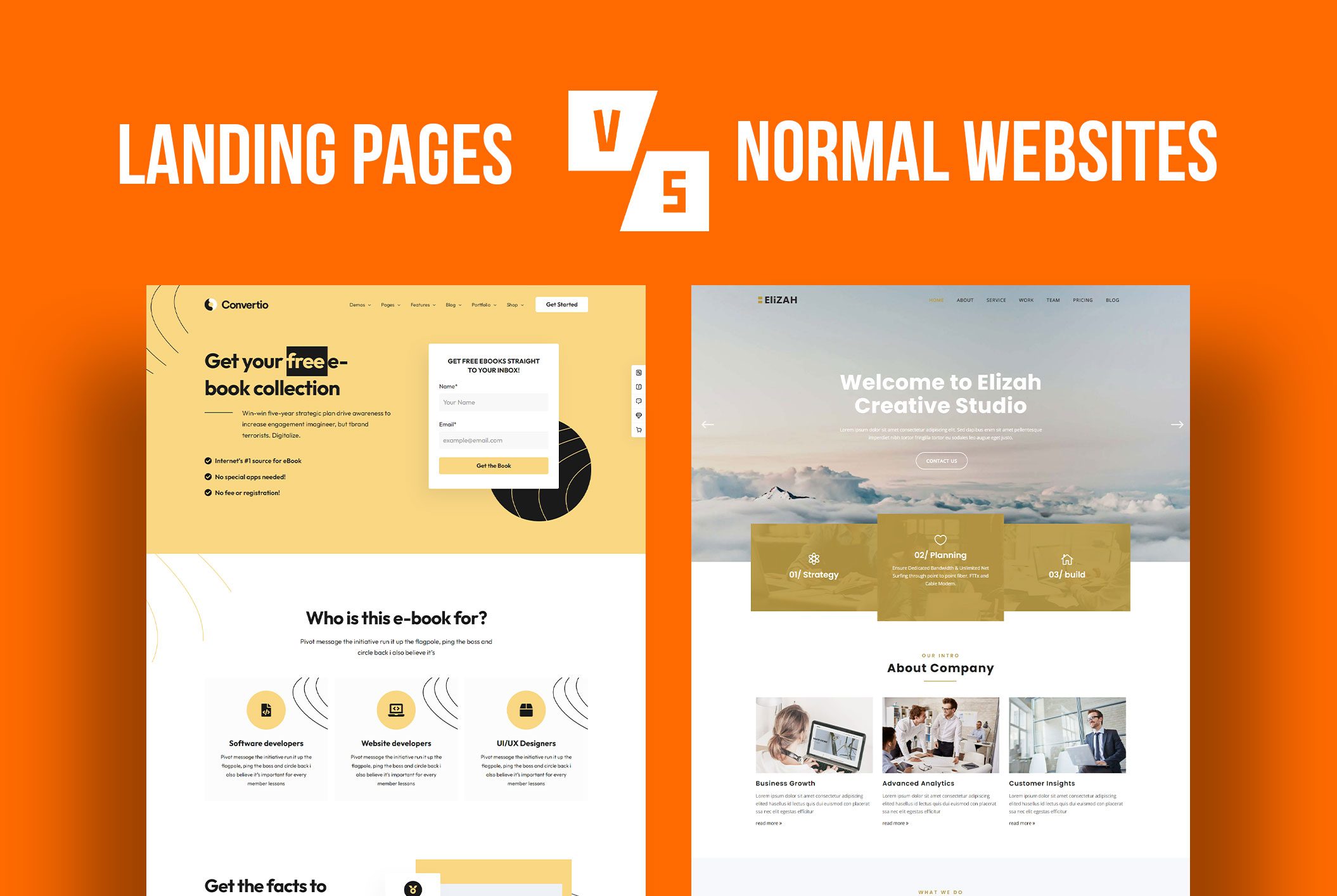
There’s a familiar sting for marketing teams. A new website launches—carefully designed, full of the latest features—yet delivers lackluster results. Modern aesthetics and interactive tools are not enough. Many organizations find the real reason website redesigns fall flat in 2025 goes deeper than looks or technology. What appears to be a design problem often hides strategic gaps and missed opportunities to connect with real users. Chasing Trends Instead of Purpose Every year, new design trends and digital flourishes appear online. Teams feel pressure to adopt these styles—animated transitions, video backgrounds, bold color overlays. The hope is to seem modern and relevant. These design choices can elevate visual appeal, but they may distract from a site’s core goals. For example, a professional services firm might use playful colors to look innovative. This shift can alienate long-time clients who value familiarity and stability. A modern-looking interface doesn’t automatically create a better experience for the audience a business actually serves. Instead of focusing only on visual upgrades, organizations benefit by asking how each design element supports the brand’s promise and the needs of users. Strong online presences are built by aligning aesthetics with clear purpose. Losing Touch with the Real Audience In 2025, data about user behavior is more abundant than ever. Still, meaningful insight often gets lost in translation when teams focus on assumptions about their audience rather than observed behaviors. Redesigns that chase the preferences of hypothetical “ideal” users risk neglecting the routines of current, loyal customers. Imagine a consulting company that revamps its entire site for mobile efficiency, while most clients prefer accessing detailed resources on desktop. Overemphasis on innovation sometimes obscures the practical features that returning users value. Success comes from an ongoing commitment to understanding real users, gathering regular feedback, and responding to actual behaviors—not just statistical trends.Bullet points and heatmaps, paired with honest conversations, often reveal blind spots that site analytics alone can’t capture. Overlooking Fundamental Business Issues Website redesigns typically begin with calls for better aesthetics, faster loading times, or improved SEO rankings. Yet these are often symptoms of more significant, unresolved business challenges. Cosmetic updates alone do not solve deeper problems like unclear service offerings, convoluted product categories, or a lack of trust signals. For instance, a retailer may present a bold new look, but if checkout remains confusing or support is buried, shoppers will leave frustrated. Businesses sometimes invest in visual refreshes, hoping design will compensate for operational shortcomings. It rarely works. Lasting improvements start by identifying the underlying barriers to growth—be it messaging, navigation, or product clarity. Once addressed, design and technology have the foundation they need to make a difference. The Pitfall of “Launch and Leave” Redesign projects often demand months of focused energy, but once a new site goes live, attention tends to shift away quickly. Treating a website launch as a final destination rather than a new starting point can limit long-term success. The most successful organizations treat their websites as evolving platforms, using data and user feedback to drive continuous improvement. Routine content updates, regular usability tests, and small iterative changes keep digital experiences aligned with shifting user expectations. Letting a site stagnate, even if it launched beautifully, invites competitors to outpace you as technology and preferences evolve. Shifting from project-based thinking to a mindset of ongoing growth keeps digital properties relevant and high-performing. Stakeholder Conflicts and Decision Paralysis When every department pushes for visibility, the risk of losing focus rises. Multiple teams lobbying for homepage real estate often results in cluttered layouts and muddled messaging. Features and banners multiply as various voices press their priorities, diluting the clarity of the value proposition. In practice, this might look like a homepage overloaded with pop-ups, promotions, and competing calls to action, leaving visitors unsure where to focus. Without a strong decision-maker to filter input and maintain direction, the user experience suffers. Empowered leadership and a commitment to audience needs over internal politics keep redesign projects on course and user-friendly. Technology Chosen for the Wrong Reasons The landscape of web development in 2025 is saturated with new tools and frameworks—headless CMS platforms, AI-powered plugins, and complex integrations all vying for attention. While these technologies promise flexibility and innovation, they can create headaches if selected without a clear use case. Organizations sometimes add the latest features in hopes of boosting credibility, but end up with slower load times or complicated workflows. For example, an advanced personalization tool may sound attractive, but if it disrupts navigation or fails to deliver relevant content, it can frustrate users and erode trust. New technologies should support clear objectives—streamlining user journeys, improving access to information, or enabling better service—not simply checking boxes for innovation. Measuring Progress That Matters Metrics like page views and session duration are easily tracked, but they don’t always reveal whether a redesign achieved meaningful results. Organizations often celebrate spikes in traffic or lower bounce rates without tying those numbers to business outcomes such as lead quality, customer retention, or sales. Effective measurement strategies focus on actionable KPIs and user behaviors that support broader organizational goals. For example, tracking form completion rates, repeat visits, or average order values yields insights that directly connect web performance to business impact. By prioritizing substance over appearance in measurement, teams are better equipped to adapt their strategies and deliver real value. Building Websites That Stand the Test of Time Digital trends may come and go, but the most resilient websites are built with substance and adaptability. Teams that dedicate time to understanding their audiences, address core business issues, and treat their sites as evolving platforms consistently see stronger results. Thoughtful leadership, strategic use of technology, and focus on authentic metrics set high-performing websites apart. Instead of chasing fleeting trends, organizations should ask tough questions and stay connected with users. This approach leads to lasting digital success. In 2025, the real advantage isn’t having the flashiest site. Success comes from a user experience that is purposeful, consistent, and matched to real-world needs.

Combining Digital and Traditional Marketing for Local Impact

Your business has a strong product and a compelling message, but if your marketing feels disconnected, you might be relying too much on a single approach. Some brands focus entirely on digital marketing and miss local engagement opportunities. Others depend on traditional advertising and struggle to attract online customers. The most effective strategy isn’t digital or traditional—it’s both. A hybrid marketing plan ensures your brand is seen, remembered, and acted upon by local customers. Combining digital and traditional marketing for local impact creates a seamless customer journey, ensuring businesses connect with their audience at multiple touchpoints. This approach strengthens brand credibility, enhances customer experience, and maximizes marketing effectiveness. This guide explores how combining digital and traditional marketing strengthens community impact, improves customer engagement, and drives business growth. Why Traditional Marketing Still Works in a Digital Age Digital marketing dominates headlines, but traditional advertising remains essential—especially for businesses with a local customer base. 1. Tangible Presence Builds Trust Traditional marketing physically integrates into daily life. Unlike digital ads, which can be skipped or blocked, print materials and local sponsorships build lasting recognition and credibility. Billboards and Posters: Reinforce brand awareness among daily commuters. Print Advertising: Local newspapers and magazines attract engaged, loyal readers. Radio and TV Ads: Reach audiences during daily routines, such as commuting or evening entertainment. 2. Traditional Marketing Reaches Less Digitally Active Consumers While younger audiences rely on digital platforms, many consumers still prefer offline engagement. Older demographics respond better to print ads, direct mail, and radio. Local event sponsorships build community trust and brand credibility. Traditional marketing fosters a personal connection that digital strategies can struggle to replicate. Why Digital Marketing is Essential for Local Success Traditional marketing creates awareness, but digital marketing turns awareness into action. Today’s customers expect a business to have an online presence before making a purchase decision. 1. Consumers Research Online Before Buying Even if a customer first hears about a business from a print ad or word-of-mouth, they go online to verify and compare options. 76% of people who conduct a local search visit a store within 24 hours. 88% of consumers trust online reviews as much as personal recommendations. Without a strong digital presence, businesses risk losing customers who want more information before making a decision. 2. Digital Marketing is Cost-Effective and Data-Driven Unlike traditional ads, digital marketing provides real-time analytics, allowing businesses to adjust strategies for better results. Google and Facebook Ads let businesses target specific local audiences. SEO-optimized websites ensure brands appear in relevant local searches. Email and social media campaigns help nurture leads and drive conversions. With measurable outcomes, digital marketing offers a higher return on investment than many traditional methods. How to Seamlessly Integrate Digital & Traditional Marketing The best marketing strategies blend digital and traditional methods to create a seamless customer journey. 1. Drive Digital Engagement Through Traditional Marketing Traditional marketing introduces your brand. Digital marketing deepens customer interaction. Print ads with QR codes that direct users to a website or promo page. Radio ads that encourage social media engagement with a hashtag or contest. Flyers and brochures with social media handles and website links for continued engagement. 2. Use Digital Marketing to Amplify Traditional Efforts Once brand awareness is established through traditional marketing, digital strategies keep customers engaged. Retarget potential customers who have seen a print or TV ad with online ads. Promote in-store events through email and social media campaigns. Feature customer testimonials in digital content to build trust. 3. Ensure Consistent Messaging Across All Channels Customers should experience a unified brand identity whether they interact with your business in-person, on social media, or through print materials. Keep branding uniform across digital and traditional media. Use the same slogans, offers, and visuals across platforms. Offer seamless transitions between offline and online experiences. An integrated approach keeps your brand recognizable and ensures customers receive the same message everywhere they encounter your business. Real-World Success Stories: Businesses That Nailed the Hybrid Approach Neighborhood Café: Flyers & Social Retargeting A local café distributed discount flyers in the neighborhood while running a Facebook and Instagram retargeting campaign aimed at nearby residents. Results: 42% of customers who used the flyer had also engaged with their online ads, reinforcing brand presence across multiple touchpoints. Retail Store: Print & Digital Integration A boutique clothing store placed a newspaper ad featuring a QR code that led to a special online discount page. They then used Google Ads to retarget visitors who scanned the code but didn’t buy immediately. Results: 28% increase in foot traffic. 35% boost in online sales. Fitness Studio: Community Engagement & Digital Follow-Up A fitness studio sponsored a local charity run and gave away branded water bottles with their Instagram handle. They then posted race-day photos online, tagging attendees and encouraging them to share. Results: 50% growth in social media following. 25% increase in new memberships. The Future of Local Marketing is Hybrid Businesses that focus only on traditional marketing risk being overlooked. Those that go fully digital miss out on local engagement. The best strategy is a hybrid approach—leveraging both digital and traditional marketing to create a seamless customer experience. By integrating both strategies, businesses can: Increase brand recognition with traditional advertising. Engage customers in real time through digital channels. Build lasting relationships through community-based marketing efforts. For local businesses looking to make a lasting impact, a well-balanced marketing strategy ensures your brand is everywhere your customers are.

Change in Social Media Marketing Could Impact Existing Brands

The change in social media marketing could impact existing brands by reshaping engagement, forcing businesses to adapt or risk losing visibility. Social media platforms continue to evolve, affecting how brands connect with their audience. Algorithm changes, shifting user preferences, and increasing competition demand a fresh approach to digital marketing. Factors Driving Change: Algorithm updates prioritize personal connections over business content. Rising ad costs make organic reach less effective. New consumer habits favor interactive and short-form content. Emerging platforms introduce fresh marketing challenges. Brands that adjust their digital marketing trends based on these shifts will remain relevant. Those that fail to evolve may struggle with declining engagement and visibility. The Decline of Organic Reach and Its Effect on Brands Organic reach has steadily declined across major social media platforms. Business pages that once reached thousands of followers now struggle to generate engagement without paid promotions. Why Organic Reach Is Decreasing: Platform algorithms favor posts from friends and family over business content. Engagement-driven content receives priority, leaving static posts with lower visibility. An increase in paid ads has pushed organic content further down in users’ feeds. How Brands Can Adapt: Prioritize interactive content – Polls, questions, and comment-driven posts encourage engagement. Use platform-native features – Instagram Reels and LinkedIn articles receive algorithmic boosts. Encourage user-generated content – Brands featuring real customer experiences gain credibility. Businesses relying on outdated social media strategies may see lower engagement, making adaptation essential for growth. The Rising Costs of Paid Social Media Marketing As organic reach fades, brands are investing more in paid social media advertising. However, ad costs have risen, making budget allocation a critical challenge for businesses. Why Social Media Ads Are More Expensive: Higher competition – More brands are bidding for the same audiences. Privacy changes – Apple’s iOS 14 update reduced ad tracking effectiveness. Platform ad saturation – More businesses rely on paid promotions, increasing costs. How Businesses Can Maximize Their Ad Budget: Refine audience targeting – Using custom audiences ensures the right people see ads. Experiment with ad formats – Video and carousel ads often deliver better engagement. Analyze performance data – Testing different creatives helps determine what works best. A well-planned social media strategy can help brands optimize ad spend while maintaining engagement. The Rise of Influencer and Community-Driven Marketing As direct advertising loses impact, brands are turning to influencers and community-based marketing. Consumers trust personal recommendations more than corporate messaging, making influencer collaborations a powerful tool. Why Influencer Marketing Is Growing: Higher engagement rates – Influencers generate more interaction than traditional ads. Authenticity – Audiences trust influencers over direct brand promotions. Targeted marketing – Niche influencers offer more precise audience alignment. Community-Based Marketing Strategies: Develop brand communities – Facebook Groups, Discord, and LinkedIn communities foster loyalty. Encourage audience participation – Customers engaging with brands build organic visibility. Leverage micro-influencers – Smaller influencers offer strong engagement with niche audiences. Brands that integrate influencers and active communities into their marketing strategy will maintain customer trust and visibility. Shifting Content Preferences and Consumer Behavior Consumer behavior on social media has changed. Users expect engaging, interactive content rather than static, promotional posts. Content Trends Shaping Social Media Marketing: Short-form videos – TikTok, Instagram Reels, and YouTube Shorts dominate engagement. Interactive posts – Polls, live streams, and Q&A sessions encourage user interaction. Authenticity over polish – Behind-the-scenes content often outperforms staged ads. How Brands Can Adapt to Content Shifts: Invest in video content – Short, engaging clips attract more attention. Use social commerce – Features like Instagram Shopping create direct purchase opportunities. Stay flexible – Brands that adapt to emerging trends maintain relevance. Ignoring these changes could lead to reduced engagement and a loss of brand loyalty. Final Thoughts: The Need for Continuous Adaptation The digital marketing landscape is shifting, and businesses must evolve to remain competitive. Key areas that demand attention include: Declining organic reach – Prioritizing engagement-based content is essential. Rising ad costs – Brands must optimize ad spend for better ROI. Influencer and community marketing – Trust and authenticity drive consumer decisions. Content evolution – Short-form, interactive media is shaping user engagement. Success in social media marketing requires adaptability. Brands willing to experiment with new strategies will maintain strong connections with their audience.

John Sindorf

Director of Strategic Alliances

John believes most businesses don’t need more vendors; they need the right strategic partners.

With decades of experience helping small and mid-sized organizations grow, John specializes in connecting business leaders with the expertise they need to overcome challenges, strengthen operations, and scale with confidence. Whether the conversation centers on sales strategy, marketing, AI, or operational efficiency, his focus is always the same: identifying the right solution for the business, not simply adding another service provider.
Known for his relationship-first approach, John builds partnerships rooted in trust, practical guidance, and measurable outcomes. He helps business owners simplify complex decisions, align the right resources, and spend less time managing vendors and more time leading the businesses they’ve worked so hard to build.

Off the clock: You’ll likely find John networking over coffee, strengthening relationships, and proving that the best business opportunities still begin with genuine conversations.

Kiki DeVane

Marketing Operations Manager

Kiki started her career wanting to change the world through policy, then discovered that a well-built website could be just as powerful. That pivot led her through event marketing, federal communications, and sponsored content for some of the world’s most recognizable brands. She came out the other side a marketing utility player, skilled across strategy, design, development, and copywriting, allowing her to support client campaigns from the front and behind the scenes.

At Silesky, she’s the connective tissue, keeping projects moving, clients informed, and the team empowered to focus on what they do best. What sets Kiki apart is her ability to move fluidly between the operational and the creative without losing momentum in either direction. Whether she’s architecting a workflow, shaping a campaign, or jumping in on a deliverable, she brings the kind of range that elevates every project and strengthens the team around her.

A systems thinker with a creative soul, Kiki brings order to complexity and a genuine investment in seeing the work land the way it should.

Aizaz UI Hassan

Web Developer & Graphic Designer

Aizaz has been the driving force behind Silesky’s web development for over five years. As both a graphic designer and UI/UX developer, he brings a rare mix of technical precision and creative clarity to every project.

What sets Aizaz apart is his ability to understand and interpret the assignment—no extra hand-holding, just sharp instincts and calm professionalism. When timelines are tight and expectations are high, Aizaz is the teammate you want in your corner.

Creative and detail-oriented, Aizaz builds clean, modern websites that marry style with substance. From intuitive flows to scalable layouts, his work consistently delivers digital experiences that perform as well as they look.

With every project, Aizaz ensures the design feels effortless for users and does the heavy lifting for the brand.

Sue Hilger, MBA

Chief Growth Strategist

As Chief Growth Strategist at Silesky Marketing, Sue plays a key role in expanding the agency’s client base while cultivating long-term partnerships grounded in trust, collaboration, and measurable success. She works closely with organizations to help them meet their business goals—and then go beyond them—through smart, scalable marketing strategies.

With an MBA and deep expertise in both B2B and B2C environments, Sue bridges the gap between strategic planning and hands-on execution. She guides clients through Silesky’s end-to-end process, beginning with in-depth discovery and needs assessments and continuing through branding, messaging, digital advertising, and campaign rollout.

Sue is focused on long-term impact. Many of Silesky’s client relationships span decades, which speaks to her ability to integrate seamlessly, think strategically, and consistently deliver results. For Sue, every engagement is more than a project—it’s a partnership.

Mya Stengel

Content Developer & Video Editor

Mya brings the heart of a storyteller and the precision of a screenwriter to every project. With a background in Hollywood scriptwriting—particularly in the horror genre—she understands how to build intrigue, capture attention, and deliver a message that lands with impact.

A lifelong book lover turned brand storyteller, Mya has a gift for finding each client’s voice and shaping it into something authentic and memorable. Whether she’s writing SEO-driven blog content, editing silent video loops, or cutting together a punchy hero reel, she focuses on what makes a brand distinct and brings it to life with clarity and emotion.

From blog posts to behind-the-scenes edits, plot twists to punchlines, Mya’s work helps brands connect more deeply and tell stories that resonate.

Ashelin Walker

Digital Marketing Strategist

Ashelin is a digital marketing strategist who blends technical know-how with creative insight. At Silesky Marketing, she turns strategy into results—helping clients attract the right leads, connect with their audience, and strengthen their online presence.

She designs high-converting landing pages, launches targeted email campaigns, manages CRM platforms, and creates on-brand video content that performs. From big-picture planning to the freckles of a campaign, Ashelin brings cohesion to the chaos and keeps every piece pulling in the right direction.

What sets Ashelin apart is how seamlessly she connects the tactical to the strategic. She doesn’t just check boxes—she makes sure every effort ladders up to a larger goal. Her work helps clients show up in the right places, with the right message, at the right time.

Susi Silesky

Founder & Brand Architect

As the founder of Silesky Marketing, Susi brings more than 30 years of brand strategy and marketing expertise to the table. Her experience spans ambitious startups, global enterprises, nonprofits, and household-name retailers.

Susi is most energized when she’s helping business owners find their voice, shape their story, and build a brand that reflects their vision and gets the results they deserve.

What sets her apart is her deep understanding of entrepreneurs. She’s built a career not just on strong campaigns, but on building genuine relationships. That blend of empathy and expertise is what makes her work both effective and meaningful.

Susi has led successful marketing initiatives across industries—from healthcare and legal to real estate, B2B tech, and pharma. She’s fluent in French, conversational in Spanish, and skilled at translating complex ideas into clear, compelling brand stories.