What Business Owners Need From a Marketing Campaign Timeline

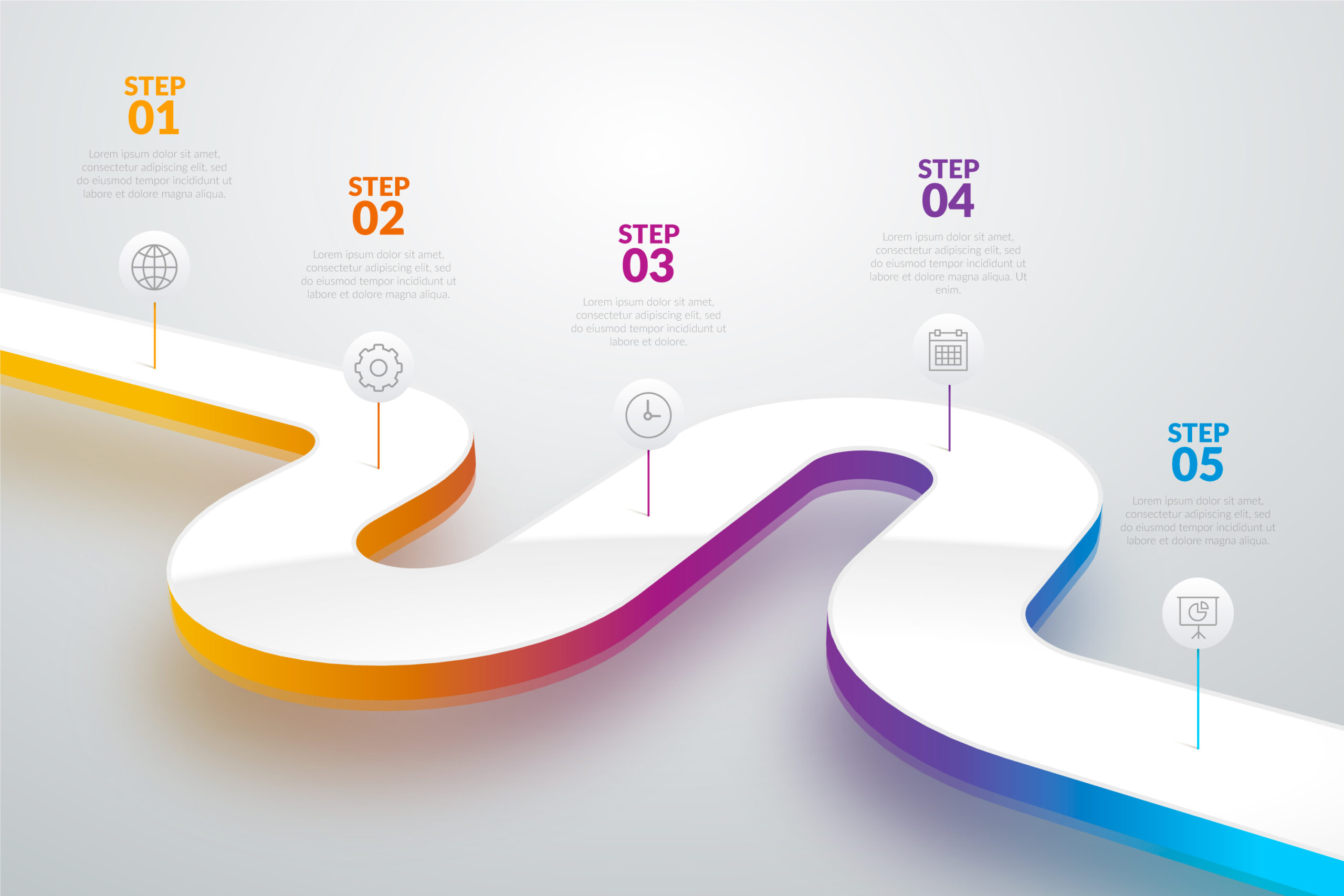
Every marketing campaign timeline rests on one unspoken assumption: that nothing will go wrong. No one writes that assumption down. It shows up anyway, in the dates, in the sequencing, in the absence of any plan for what happens if a vendor goes quiet or a sign-off takes longer than expected. The campaign that looked solid on paper and then came apart in week three wasn’t undone by bad luck or a sloppy team. It was undone by a document that never accounted for the thing every campaign eventually runs into. Why Do Marketing Campaign Timelines Break in the First Place? Marketing campaign timelines break because most of them are built as if delay is the exception, when delay is the baseline condition of running a project with more than one moving part. Even the Best-Run Campaigns Miss Their Schedule 63% vs. 59%. Project professionals rated highest in business acumen by the Project Management Institute still hit schedule adherence of only 63 percent. Professionals without that rating land at 59 percent. That four-point gap separates the best-run projects from the average ones, and even the best-run group still misses its own deadline more than a third of the time. This figure comes from professionals who plan and manage projects for a living, not from businesses dabbling in marketing on the side. The timeline was never the problem. The assumption built into it was that every phase would land on schedule, every approval would clear on the first pass, and every vendor would deliver exactly when promised. No campaign, however well-run, holds to that assumption consistently. The data confirms what already showed up in the launch that slipped. Why the Damage Spreads Past the Original Delay A single missed date rarely stays a single missed date, and part of the reason is visibility. What the research found What it means for your timeline Marketing leaders see only about 61% of their own team’s daily activity (Wrike / Sapio Research) A third of the work on any campaign is invisible to the person accountable for it 49% of marketing professionals want more transparency into how their team’s strategy was built (Asana Work Innovation Lab / Meltwater) The misalignment that derails a timeline often starts before the timeline exists When a delay starts somewhere inside that blind spot, it often goes unnoticed until it has already cost several days. One marketing operations breakdown illustrates how these gaps compound. A strong strategy stalled when a brief update arrived late, a legal hold added six days nobody had planned for, and feedback scattered across three separate channels until no one could tell which version was current. None of those failures was dramatic on its own. Stacked together, they turned a minor slip into a missed launch. This is the mechanism worth understanding before anything else. A delay that hits an undefined timeline does not stay contained to the phase where it started. It cascades into every phase downstream, because nothing was built to absorb it, and because the people closest to the work often cannot see it happening until it already has. Where Does a Marketing Campaign Timeline Need Built-In Buffer? A marketing campaign timeline needs buffer at the three points where delay consistently originates: approvals, vendor or production handoffs, and revision rounds. The Three Places Delay Concentrates Most timeline failures trace back to one of three recurring choke points, and naming them in advance changes how the schedule gets built. Approval gates. Stakeholder sign-off is rarely instant, even when the stakeholder is enthusiastic about the work. Vendor and production handoffs. Print runs, video edits, web development, and any external production step introduce a dependency the internal team cannot fully control. Revision rounds. First drafts almost never ship as written, and gathering feedback from multiple people takes longer than gathering it from one. A timeline built without slack at these three points is not really a schedule. It is a wish list with dates attached. Why Buffer Placement Matters More Than Buffer Size Padding the entire timeline equally feels safe, but it wastes protection on the parts of the project that rarely slip while leaving the genuine risk points exposed. Phase type Buffer it actually needs A four-week production phase with no internal handoffs Almost none A two-day approval gate dependent on a stakeholder’s calendar More than its length on paper would suggest Buffer belongs where the risk concentrates, not spread evenly across every phase like a blanket. How Much Buffer Does Each Phase Need? The right amount of buffer for each phase comes from how that same phase actually performed on the last campaign, not from a generic rule of thumb. The Right Buffer Comes From Your Last Campaign, Not a Guess Most businesses already have the data they need. The last campaign’s actual timeline, compared against its planned timeline, shows exactly where and by how much each phase ran long. That gap becomes the starting buffer for the next campaign’s version of that same phase. A business that has not tracked this gap before should start now, even informally: Note the planned date and the actual date for each approval, handoff, and revision round on the current campaign. By the next campaign, that record replaces guesswork with a number specific to how this particular team, these particular stakeholders, and these particular vendors actually operate. Why More Buffer Isn’t Always Better Excess buffer carries its own cost. A timeline padded heavily at every phase stretches the launch date further out than the work requires, and a launch date that drifts too far loses the internal urgency that keeps a campaign moving. The goal is matched buffer, not maximum buffer. Size it to the actual historical variance at that specific point in the process, then stop. A buffer built on real data earns its place in the schedule. A buffer built on anxiety just delays the launch. What Happens When the Timeline Starts Slipping Anyway? When a delay outpaces the buffer already built in,

Blogs Are Still Worth the Investment, Even in the AI Era

Every few months, somebody declares blogs are dead, or at least not worth the investment anymore, now that AI tools answer the question before anyone clicks through. A chatbot can draft five hundred words faster than a person can open a blank doc. The argument sounds airtight right up until you check where the leads landing in 2026 are still coming from. For a business that already spent money on a blog once and watched it produce almost nothing, that argument is tempting to believe. It hands you permission to stop wondering whether the format failed or the strategy did. Only one of those two is actually true. Does Blogging Still Produce a Real Return in 2026? It’s 2026, and blogging still produces a very real return. The ROI Numbers Marketers Are Seeing Right Now According to HubSpot’s 2026 State of Marketing report, a survey of more than 1,500 marketers across industries, the data lines up in blogging’s favor: Ranks website and blog content as the number one ROI-generating marketing channel, ahead of paid social Blog posts land among the top five highest-ROI content formats overall Small businesses are 23% more likely than average to see positive ROI from their blog content That edge matters most for a small or growing business, where five other budgets can’t quietly swallow one underperforming channel the way they might at a much larger company. Why Blogs Still Outperform Most Other Content Formats Short-form video draws more attention in survey results because it is fast to make and easy to binge, but speed cuts both ways. Rented attention (social, short video) Owned asset (blog) Lifespan Mostly the few seconds someone watches it Indexed and searchable indefinitely Who’s in control The platform’s algorithm The business’s own domain Over time Buried under the next thousand uploads Keeps surfacing in search and AI answers That difference, owned and compounding versus rented and temporary, is most of why blog content keeps showing up near the top of ROI rankings years after plenty of analysts predicted it would fade. What Did AI Search Change for Blogs? AI Overviews changed how often people click through after a search, not whether blogging itself still works. Why AI Overviews Made Blogging Feel Riskier The doubt is not paranoia. When Google shows an AI Overview at the top of a search, the data on what happens next is not encouraging for the page that used to rank first. 58% drop in click-through rate for the top-ranking page when an AI Overview appears, up from 34.5% a year earlier (ahrefs.com/blog/ai-overviews-reduce-clicks-update/) Searchers click through to a traditional result only 8% of the time with an AI Overview present, versus 15% without one (Pew Research Center) If your last blogging attempt slowed down around the same time AI search exploded, the timing was not a coincidence. The worry it triggered is a fair one to sit with for a minute before reading further. What Google Rewards Now Google’s own guidance on what it calls helpful content has not changed its core message. It rewards original, firsthand expertise and pushes down content built mainly to attract search traffic, no matter who or what produces it. Recent industry tracking shows where the clicks are actually landing in 2026: Citing a page inside an AI Overview earns it more clicks than missing one does Searches without an AI Overview keep gaining click-through rate, as users self-select toward more specific, higher-intent questions Original, expertise-driven content keeps outperforming generic summaries, by Google’s own design Blogging did not stop working. What Google rewards changed, and it changed toward exactly the strategic, original content a generic content calendar never had the substance to produce. Why Do Some Blogs Pay Off and Others Don’t? A blog that pays off starts with a documented strategy aimed at one audience and one goal. A blog that doesn’t usually starts with nothing more than a content calendar, a list of topics with nowhere in particular to go. The Difference Between a Blog and a Content Strategy A blog is a publishing tactic. A content strategy is the decision about who the blog is for, what it needs to accomplish, and how to measure its performance. Most disappointing blogging experiences trace back to skipping that second part entirely. Posts went up on a schedule, topics got picked because they sounded fine, and nobody had defined what a win would even look like. The activity was real. The direction was missing. That gap, lots of motion with no destination, is the same failure pattern behind most marketing spend that quietly disappears without a trace, blogging included. What a Blog Investment Looks Like When It Compounds A blog built around a strategy behaves less like an expense and more like infrastructure. Early posts answer foundational questions for a narrow audience, then later posts build on that foundation and start ranking for searches the business could not have targeted directly a year earlier. Timeframe What’s happening Month 1–2 Foundational posts go live. Almost no visible traffic yet. Month 12 A well-run blog is often generating organic traffic and leads on its own. Month 24 Posts from month two are still pulling in new readers and new leads, with no fresh round of work behind them. That kind of return is something almost no other format manages without fresh work behind it every time. What Should You Expect Before Investing in a Blog? Expect a blog to take real, sustained time before it produces a return, and expect it to need more structure behind it than posting whenever someone has an idea. How Long Before a Blog Pays Off Blogging is a compounding asset, not a switch. Early months mostly go toward building the foundation. That means indexing the site, finding a voice that fits the brand, and figuring out which topics this specific audience actually searches for. That groundwork produces almost no visible traffic on its own, but it makes every later post easier to find. Meaningful traffic and lead

The Difference Between a Marketing Agency and a Consultant

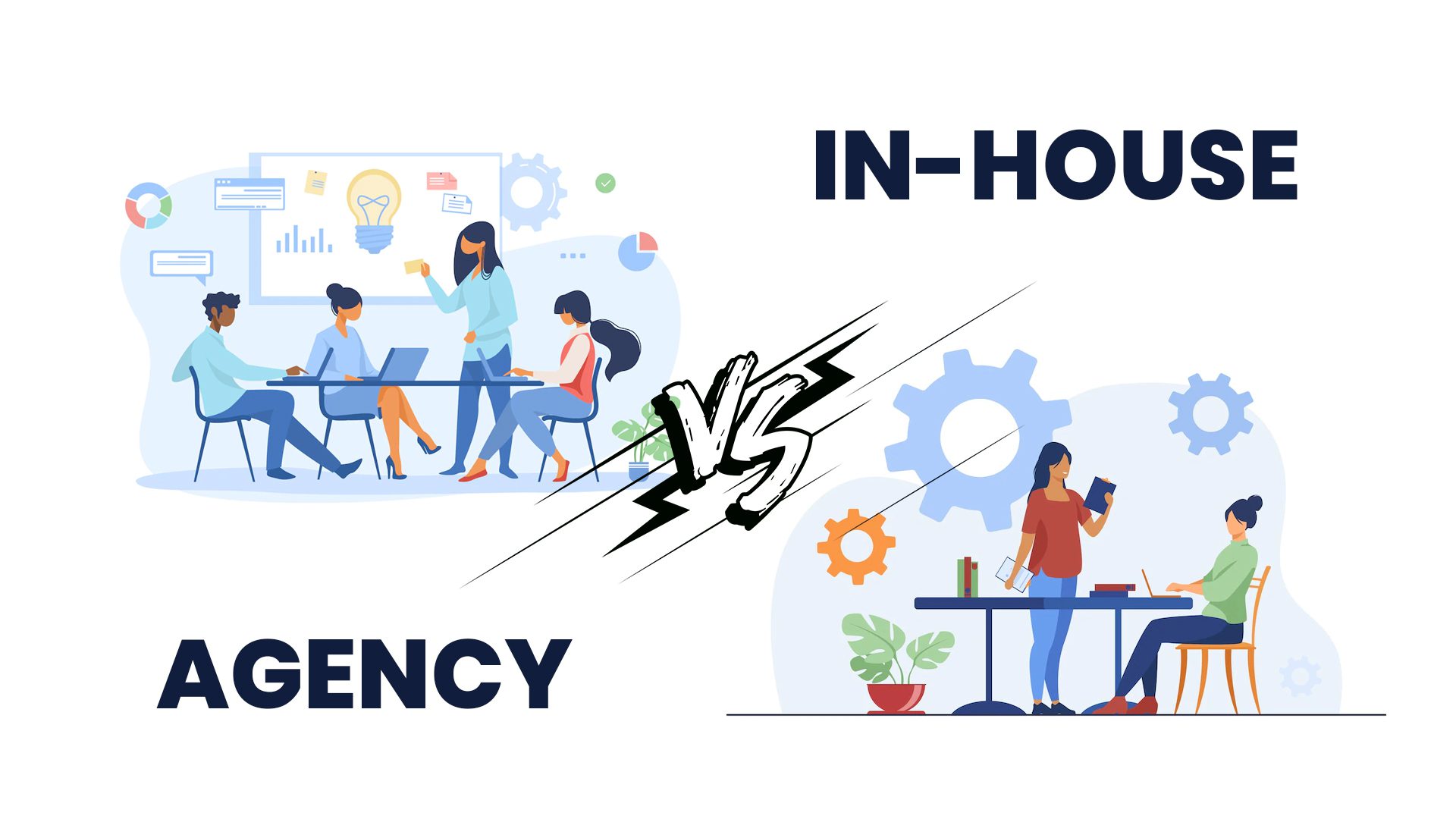
At some point in the past year, someone has probably suggested both. A colleague recommends a consultant; a peer mentions they just hired an agency. Both conversations use the same language (strategy, audience, growth), and both leave you with the impression that the other person solved a problem you also have. The trouble is that a marketing agency vs. a marketing consultant comparison almost never gets a straight answer, because the people recommending each option are often talking past each other without realizing it. They’re not two flavors of the same service. They’re built on different models, deliver different outcomes, and suit different situations. Understanding the actual difference doesn’t require a marketing degree; it requires about five minutes and a clear description of what each model actually does. Two Models, Two Mandates The comparison only works if it treats both models honestly, so that’s where this starts. What a Marketing Strategy Consultant Does A marketing strategy consultant is typically a senior practitioner working independently or through a small firm. Their primary deliverable is direction. They assess where your marketing stands, identify where it’s misaligned with your business goals, and build a plan that addresses the gap. Some consultants stay involved during implementation; most are engaged to diagnose and recommend, not to execute the work themselves. Engagements are often project-based or limited-scope retainers tied to a defined output. The value a consultant brings is expertise at the strategic level and the ability to assess your business from the outside. The model works well when the problem is a thinking problem. What a Full-Service Marketing Agency Does A full-service marketing agency operates across the entire marketing process, from strategy through execution. The team includes specialists in content, design, digital channels, paid media, SEO, and reporting, working in coordination under one roof. Where a consultant hands off a plan, the agency builds the plan and then runs it. Engagements are typically ongoing retainers because marketing that compounds over time depends on sustained, integrated effort rather than a defined deliverable at the end of a contract. The agency owns both the thinking and the doing. At a glance: Marketing Strategy Consultant Full-Service Marketing Agency Core mandate Strategic direction Strategy through execution Who delivers Single practitioner or small firm Cross-functional team of specialists Engagement model Project-based or limited retainer Ongoing retainer What you have at the end A plan A plan, actively running Why Business Owners Search for This Comparison in the First Place Searches like this rarely come from curiosity; they come from a decision that’s currently on the table. What a Growing Business Needs from Marketing Support A business in the $500K–$10M range typically isn’t asking whether to do marketing. The question is why the marketing already in place isn’t producing results that connect to revenue. The problem often isn’t a missing tactic. It’s a collection of disconnected tactics (different vendors, different strategies, different definitions of what “working” means) that aren’t building toward anything. Random acts of marketing are easy to accumulate and surprisingly hard to stop, especially when the alternative isn’t clear. What this audience needs isn’t just a strategy document. They need a partner who can determine what the strategy should be and then carry it out consistently across every channel. The thinking and the doing need to come from the same place, because the gap between them is where execution falls apart. Why the Answer Is Rarely Strategy Advice Alone A well-crafted marketing strategy is genuinely valuable, giving a business a clear direction, a defined audience, and a set of priorities instead of a pile of options. But a strategy document is not a marketing program; it describes what should happen without making anything happen. When the consultant engagement ends, the business ends up holding a plan, and the gap between that strategy and its execution becomes the owner’s responsibility to fill. That’s not a criticism of the model. It’s an accurate description of what the model can and can’t do. Where the Differences Matter for Your Business The practical difference between these two models shows up the moment the strategy ends. What a Consultant’s Model Leaves Undone A strategy consultant’s engagement typically concludes at the beginning of the execution phase, not the end of it. The plan exists, but the work it prescribes hasn’t started. That leaves the business owner responsible for sourcing execution separately: content writers, designers, SEO specialists, paid media managers, and whoever is going to own the reporting. Each of those relationships requires time to establish, requires briefing, and adds coordination overhead that accumulates quickly. A strategy that identified five priorities means five independent execution paths running in parallel, each with its own vendor relationship and its own definition of what success looks like. What You’re Actually Buying Marketing Strategy Consultant Full-Service Marketing Agency Who does the work You source and manage vendors separately One internal team, coordinated across channels What’s delivered at the end A strategic plan or roadmap Ongoing execution with built-in reporting Who handles execution External vendors, you contract independently The agency, across all active channels How performance is tracked Dependent on how you structure vendor accountability Unified reporting across the full marketing program What happens when the plan needs to adapt Typically, a new scope or engagement Adjustment within the ongoing relationship A strategy is worth exactly as much as the execution it enables. Without that execution infrastructure in place, the strategy document sits. What a Full-Service Agency Provides Across the Marketing Process The structural advantage of a full-service agency isn’t convenience; it’s that strategy and execution are designed together by the same team, with no handoff. When the people writing the plan are also running the campaigns and reviewing the reporting each month, the strategy stays connected to what’s actually happening. Adjustments don’t require a new engagement or a new scope; they’re part of how the ongoing relationship works. That’s what separates the agency model in practice: ownership of the execution itself, across every active channel. Content production and publishing,

Without a Marketing Strategy, Nothing You Build Will Last

Something happened the last time you invested in marketing. Maybe you ran ads for a quarter, hired someone to write a few blogs, or started posting more consistently on social media. Traffic picked up, and maybe you even got a new client. Yet, there really wasn’t a lot of anything, so you stopped. When you returned 10 months later, you had to start from scratch, and all the traction you had created 10 months before was gone. That cycle has a name, and it has nothing to do with whether marketing works for businesses like yours. Most business owners only grasp the importance of a marketing strategy after they’ve lived through the restart. The problem isn’t the execution. It’s what was missing before the execution ever began. What Is Marketing Without a Strategy? Marketing without strategy is a schedule of activities with no defined destination. It tells you what to do, but it can’t tell you whether any of it should actually work. If you’ve planned your social media posts, set an advertising budget, and hired an agency, it can feel like you have a strategy. That’s a common assumption—and one of the biggest reasons marketing efforts stall, fade, and eventually need to be restarted. Think of it like building a house. You can hire contractors, order materials, and create a construction timeline. But without a blueprint defining what you’re building, who it’s for, and how everything fits together, the crew is simply assembling parts. The work is real. The effort isn’t wasted. But there’s no assurance the finished structure will serve its intended purpose. Marketing works the same way. A marketing plan tells you what actions to take. A marketing strategy explains why those actions should produce the result you’re after. What Is a Strategic Marketing Plan? A strategic marketing plan is what you get when a documented marketing strategy and a documented marketing plan exist together and answer for each other. A marketing plan answers the operational question of what your business is actually doing. It covers the channels, the content schedule, the ad spend, and the timeline. A marketing strategy answers the foundational question of why any of it should work. It defines who you’re actually trying to reach, why they should choose you over any competitor, what problem you solve that no one else does the same way, and what measurable success looks like before the spending begins. Marketing Plan → What are we doing? Channels, content schedule, ad spend, and timeline. Marketing Strategy → Why will any of it work? Target audience, competitive differentiation, and measurable success criteria. Together → Every tactic has a reason behind it. When both exist together, every tactic in the plan has a reason behind it. A blog post isn’t content for content’s sake. It’s a specific answer to a question your ideal customer is already searching for. The plan determines what gets done. The strategy determines whether any of it should matter to anyone. What Do Most Businesses Have Instead of a Strategy? Most businesses have activity. What that activity actually consists of is usually the same short list: A website that launched because every business needs a website Social media accounts that post because everyone says you should post Ads are running because a vendor recommended them Each of those decisions made sense in isolation. What’s missing is the logic connecting them. No consistent audience profile guides all of those channels toward the same person. No articulated reason explains why a prospect should choose this business over a competitor, and no measurement framework ties any of it back to revenue. The activity exists, but the strategy that would make it purposeful doesn’t. Marketing Tactics Are Not a Plan Take blog content as an example, because it’s the most common place this misunderstanding plays out. A blog post that ranks in search does exactly what it’s designed to do. It drives traffic to the site, and for a moment, your brand is in front of the right person at exactly the right time. Then what? If there’s no strategy behind that content, no clear call to action tied to a specific offer, no lead capture designed for where that reader is in their buying process, and no system to follow up and keep your business visible after they leave, that reader disappears. The traffic was real, and the opportunity was real. The infrastructure to capture it wasn’t. CoSchedule’s State of Marketing Strategy report found that marketers with a documented strategy are 674% more likely to report success than those without one. The gap isn’t budget or talent. It’s structure. Symptoms of a Business Working Without a Plan If any of the following patterns sound familiar, the issue is most likely structural: Marketing results that shift month to month with no clear explanation for the gaps Spending budget on channels that show activity but can’t be traced back to actual revenue Scattered efforts across social media, ads, and content, with no visible logic connecting them Consistently rebuilding from scratch every time a campaign ends or a vendor relationship changes Tried more than one agency or platform without seeing a meaningful improvement in outcomes Each of these symptoms points to the same root cause. The activity was real. The strategy that would have made that activity compound wasn’t. The Inevitable Reset of a Strategyless Marketing Plan Strategy-free marketing doesn’t just stall. Without a foundation, every pause sends accumulated brand recognition, content authority, and audience momentum back to zero. Restart Cycle – Without a marketing strategy, every pause triggers a full reset. The brand recognition, content authority, and audience trust you’d spent months building don’t carry forward. When you return to marketing, you aren’t resuming. You’re restarting. Marketing performance compounds when a strategy exists to hold it together. Over time, consistent presence builds brand recognition, published content accumulates domain authority, and the audience relationships you’ve started building deepen with each new touchpoint. When strategy is the foundation, pausing a single tactic

30 Years of Building Brands You Will Remember

In April 1996, Susi Silesky launched a business by doing the one thing she now tells every client never to do. No strategy, no plan, no market research. Just a name on a set of letterhead left on a front stoop, and a decision to run with it. Thirty years of building brands later, that admission is not an embarrassing footnote. It is the most clarifying thing she has ever said about why brand work fails and what it actually takes to produce something worth remembering. Building Brands Without a Plan Has a Price What Susi Learned by Starting Wrong The cost of launching without a strategy doesn’t show up in month one. Work keeps moving, and projects keep shipping. The problem surfaces later, when the business has been running for a year and hasn’t built toward anything in particular. No positioning has accumulated. No clear audience has formed around the work. The marketing has been active, but the brand hasn’t grown. That gap between activity and direction is exactly what Susi was operating inside when she started, and it’s the same gap she sees in most of the businesses that come to Silesky after trying marketing that didn’t work. What Scattered Marketing Actually Costs a Brand The businesses that arrive with this problem usually don’t think they have a strategy problem. They think they have a results problem. The social feed is running. Someone is writing blogs. A designer did a logo two years ago. Each piece exists, but none of it connects. There’s no line from the Instagram post to the sales conversation to the website to the actual expertise behind the business. What that disconnection produces over time isn’t just wasted spend on individual campaigns. It’s a brand that never accumulates equity. Every dollar spent on a tactic with no strategy behind it starts from zero, and the fix isn’t a better tactic. Building Brands That Last Requires One Thing Before Everything Else Building Brands Starts With Knowing What You’re Actually Saying Before Susi touched a logo concept for Sheldon and Sons, she ran Scott Sheldon through a 30-point brand questionnaire. The goal wasn’t to gather information for a brief. It was to find the thing the brand needed to say that no competitor was saying. Somewhere in that conversation, Scott mentioned his bulldog, Angus. Susi saw it immediately. The bulldog could carry the repositioning from a standard printing company to a luxury brand without a single word of corporate positioning copy. That insight didn’t come from staring at a blank canvas. It came from asking the right questions before picking up a pen. The logos and brand systems Silesky built for clients in the late 1990s that are still in active use today weren’t accidents. They were the output of a process that started with strategy and moved to creative only after the strategic question had an answer. Building Brands That Outlast Trends Means Choosing Longevity Over Novelty Susi’s standard for every logo Silesky produces has never changed: does it work in one solid color, and does it read clearly at the size of a pen tip? That test exists because trends have a predictable shelf life, and longevity is the only metric that actually serves the client. A brand built around a visual style that’s popular in 2024 requires a redesign by 2029. A brand built around a clear, simple mark that names something specific about the business doesn’t age out. Three markers separate a brand built to last from one built for the moment: Holds at any size in a single color without losing its meaning Specific enough that no competitor can claim the same positioning A stranger encountering it in year ten reads it the same way they would have in year one Building Brands Across Three Decades Confirms What Breaks and What Holds Building Brands Through Every Industry Shift Exposed the Same Pattern The cost of launching without a strategy doesn’t show up in month one. Work keeps moving, and projects keep shipping. The problem surfaces later, when the business has been running for a year and hasn’t built toward anything in particular. No positioning has accumulated. No clear audience has formed around the work. The marketing has been active, but the brand hasn’t grown. That gap between activity and direction is exactly what Susi was operating inside when she started, and it’s the same gap she sees in most of the businesses that come to Silesky after trying marketing that didn’t work. Building Brands After a Setback Taught Silesky What Strategy Actually Means When the agency closed in 2006, it wasn’t a strategic decision. It was a forced stop. What followed was not a gap in the Silesky story. A decade of freelance work under the name A&M Marketing was the period during which the most important conclusions were formed. Operating without a team or infrastructure stripped away every buffer the five-person operation had provided, and the limits of work driven by instinct became impossible to ignore. The agency that relaunched in 2016 was built on those conclusions. Every engagement now runs in the same deliberate sequence, starting with an audit, identifying the gaps, building the plan, and executing against it or handing it to someone who can. Building Brands That People Remember Takes a Partner Who Sees What You Can’t Building Brands From the Inside Out Requires an Outside Eye A founder running a $10 million business is too close to the daily operation to see where the brand has drifted from the actual company. By the time a prospect moves from the sales pitch to the landing page to the social feed, they’ve encountered three versions of a brand that never agreed on what it was saying. None of it is wrong on its own, but none of it is pointing in the same direction, which means none of it is building. Silesky’s position in every client engagement is the same one Susi has occupied since the beginning.







What a Marketing Agency Rebuild Looks Like

From the outside, a five-person agency with a decade of client wins looks like solid ground. The roster was real. Logos built in the late 1990s were still in active use. Campaigns that won local awards were still being referenced by the organizations that commissioned them. Relationships that started with a handshake had turned into multi-year engagements. Silesky Marketing had built something that looked, from every angle, like momentum. Then, in 2006, the agency closed. What followed does not fit neatly into an origin narrative. No pivot announcement came. No press release dressed the closure up as a choice. Instead, the marketing agency rebuild that came next was quiet, unglamorous, and long. Part 2 of this series traced how a single hire and a referral network grew into that five-person operation. This piece covers what happened after the ground gave way, and what Susi Silesky chose to build on top of it. When a Business You Built Stops Five employees is not a number that sounds large. For a boutique agency that launched with no clients, no revenue, and no strategy in April 1996, it represented something significant. Each of those five people had attached their livelihood to work that Susi was generating. By the mid-2000s, the pressure of sustaining that had accumulated in ways that a referral-based, relationship-driven agency without outside funding is not always equipped to absorb. In 2006, the agency closed. No Announcement, No Pivot There was no public statement. No reframe dressed up to make the closure sound like a choice. The business that had grown from a set of letterhead on a front stoop, through a sold piano and eight weeks in Costa Rica, through Jewish nonprofits and bulldog photo shoots and award-winning catering campaigns, stopped. For Susi, the emotional weight of that moment was not abstract. She had built the agency by hand, hired people, sustained relationships, and delivered work that outlasted the clients who commissioned it. Closing was not a strategic reset. It was a loss. The Decision to Keep Working Anyway What she did not do was stop. Between 2009 and 2016, Susi continued working as a freelancer under the name A&M Marketing, a reference to her children, Alex and Mya. The scale was smaller, the budget tighter, and the weight of sustaining the work fell entirely on her while she was also raising her family. She has described this period plainly: “I never really stopped working. I just scaled back and rebuilt smarter.” Scaling back is not the same as giving up. Rebuilding smarter is not the same as starting over. The freelance years were not a gap in the story of Silesky Marketing. They were part of the story where the foundation of what came next was being quietly re-examined, one project and one decision at a time. The Freelance Years Going from a five-person operation to working solo strips away every layer of infrastructure a small agency builds over time. No creative partner to divide the problem with. No team to absorb a difficult client or a chaotic deadline. Just the work, the client relationships, and the discipline to show up for both without anything external holding the structure in place. In the early years, Susi had described her own approach as winging it, building the structure while the work was already in motion. That approach got the agency off the ground, and it also showed its limits when the pressure intensified. The solo years made those limits specific. Strategy first, always, collaboratively with a team she trusted — those three commitments did not come from a curriculum or a consulting engagement. They came from watching what held and what gave way under pressure, then arriving at conclusions the hard way. The freelance period was not comfortable. It was clarifying. What a Rebuild Looks Like From the Inside A rebuild does not look like a relaunch event or a new logo. It looks like a long, quiet period of deciding what to keep and what to leave behind. Susi kept the relationships. The standard for work built to last stayed. So did the instinct for creative decisions that other people had not thought to make yet. What changed was the architecture of how she worked. Less reactive. More deliberate. Grounded in strategy before execution, every time. By the time she was ready to relaunch, she was not trying to return to the agency she had closed. She was building a different one, shaped by everything the first version had cost her. When Silesky Came Back, It Came Back Different In 2016, Susi relaunched the agency. The second iteration shared a name and a founder with the original, but the intention behind every decision had shifted. The first version had grown organically, shaped by whatever the work required in the moment. The second was built from a position of earned understanding, with a clearer sense of the clients she wanted to serve and the kind of work she wanted to do for them. The team that formed around the relaunched agency reflected that shift. Every person brought in was chosen with intention, not assembled out of necessity. The agency that operates today grew directly from those decisions. Silesky Marketing now runs as a fully integrated boutique agency with a small, deliberate team covering strategy, content, social media, design, and web. The structure did not arrive all at once. It was assembled the same way the original agency had been, one relationship and one project at a time, but this time with a clearer blueprint at the center. The Philosophy That Came Out of the Hard Years Susi positions the current agency as the extra seats at the table, close enough to understand a client’s business from the inside, independent enough to see what the people inside it cannot. “Most founders are too close to the fire to see where the smoke is coming from.” That observation did not come from a marketing textbook. A founder who has been in

The Growth Years of Silesky Marketing

The agency that launched without a plan, without clients, and without a single dollar of revenue in April 1996 looked very different by the early 2000s. Part 1 of this series traced how Silesky marketing growth began not with a pitch deck or a launch event but with a set of letterhead on a front stoop, a sold piano, eight weeks in Costa Rica, and a community of clients who already knew and trusted the person behind the work. By the time Susi Silesky replanted herself inside the Baltimore Jewish nonprofit community, something had shifted. The work was coming in. The relationships were holding. The question was no longer whether the business would survive. It was whether it could grow into something real. The answer came in the form of a hire. The Hire That Made It Real Susi describes the moment she brought on Kim Morehead as the moment the business stopped feeling like a freelance operation and started feeling like an agency. Not the first invoice. Not the first client retainer. The hire. That distinction matters because it reflects something true about how small businesses cross a threshold. Revenue is one signal. Bringing another person into the work, staking your livelihood on your ability to sustain them too, is a different kind of commitment entirely. The Partnership That Transformed the Agency When Susi brought on Kim, it wasn’t to fill a rigid graphic design role or a pre-defined job description. Kim joined an agency in the middle of an identity shift. What followed was a creative partnership built in the trenches—solving problems in real-time for a growing roster of Maryland clients. Rather than dividing labor into silos, they built the agency’s foundation side-by-side. They didn’t just share tasks; they shared the risk of expanding into uncharted territory. Navigating the Digital Shift: From Print to Web In the late 90s, web design was the great unknown, a technological disruption much like Artificial Intelligence (AI) is today. Most small agencies were hesitant, but Susi and Kim recognized that the internet was fundamentally changing client needs. Much like today’s pivot toward AI-driven solutions, they accepted projects that required them to build tools they had never used before. This “learn-as-you-go” grit resulted in the agency’s first official website for Sheldon and Sons, marking Silesky’s transition from a boutique print shop to a modern, multi-channel marketing agency. That kind of longevity does not come from following trends. Susi’s design philosophy, as she states it directly, is built on a short set of principles she has carried through every decade of the agency’s work: If a logo does not work in one solid color and fit on the tip of a pen where it reads clearly, it is not a good logo. Simplicity wins. Less is always more! Longevity matters more than trends. These are not abstract values. They are conclusions drawn from watching what holds and what does not, across hundreds of projects and three decades of work. Building a Roster the Hard Way Silesky did not grow by buying ads or chasing new markets. The agency grew through referrals, almost entirely, in the early years. The client relationships that formed during the Associated Jewish Community Federation period became the foundation. Those clients talked. Their networks talked. The roster expanded one name at a time. The Names That Built the Network The story of Silesky’s early expansion wasn’t written in data points or broad market categories; it was written through the trust of individual advocates. In the beginning, growth didn’t come from a sales team, it came from one mortgage lender who saw the value in professional branding, from community leaders in the non-profit sector who spoke highly and loudly of the work Silesky was doing on their behalf, and from local entrepreneurs who opened doors to their own professional circles. These early adopters acted as a bridge, allowing the agency to translate its design expertise across vastly different business landscapes. What began as a niche presence soon scaled into a diverse portfolio: Real Estate & Finance: High-stakes branding for mortgage providers and real estate agents established a reputation for professionalism and market authority. Healthcare & Specialized Services: The agency’s ability to humanize brands led to successful partnerships with dental offices and medical private practices. Trade & Construction: By creating high-impact visual identities for construction companies, Silesky proved that “high design” was just as vital for the trades as it was for the boardroom. The Non-Profit Sector: From the first teenage-focused campaign for a Jewish educational center to complex community initiatives, these projects served as a constant proof of concept. Reputation as a Growth Engine This era of the agency was defined by a pipeline that lacked automation but excelled in human capital. Referral-based growth operates on a simple, rigorous logic: the work must be clear and effective enough that a client feels comfortable staking their own reputation on a recommendation. By consistently delivering results for a local dental office or a regional construction firm, the agency proved its versatility. At Silesky, the work didn’t just speak; it echoed—turning individual projects into a multi-decade network of regional influence. From Nonprofit Work to a Broader Roster The Jewish nonprofit community gave Silesky its footing, but the agency did not stay narrowly defined. As the late 1990s moved into the early 2000s, the roster expanded into private sector work. Printing companies, local businesses, and organizations outside the nonprofit sector began appearing on the client list. Each one came through the same mechanism: a relationship, a referral, a piece of work that someone had seen and remembered. The shift from print and branding into web work marked a real transition. Era 1, the Print Dominance period, gave way to Era 2 as websites became something every client needed, and very few Baltimore agencies were equipped to deliver well. Silesky was already at work before the demand fully arrived. The learning happened alongside the client projects, which meant the agency was building capability and delivering at the

The Baltimore Marketing Agency Built from a Front Stoop

In April 1996, Susi Silesky became the owner of a marketing agency she did not name, did not plan, and did not ask for. A set of letterhead and business cards appeared on the front stoop of her home. Someone else had designed the logo, chosen the name, and made the decision for her. Most agencies trace their beginnings to a business plan, a financial projection, and a launch date circled on a calendar. This Baltimore marketing agency has a different story—one built on a firing, a trip to Jazz Fest, and a package left on a doorstep. Paris, PR, and the Power of the Unexpected Susi moved to Paris the day after her college graduation as an au pair. She had no clear career direction and no goal beyond perfecting her French. A French relationship changed the timeline. She fell in love. What was meant to be one year abroad soon became four. By spring 1988, she was hired as the American assistant to the CEO of S3C Groupe de Communication Souham, a PR firm in Paris working with major international brands. The client roster included Sara Lee, Gillette, WR Grace, Tiffany & Co., and others. At first, she sat on the sidelines, observing account executives while handling administrative work. Then Sara Lee Corporation asked her to work on their cheesecake campaign. Once she gained direct experience with one client, the rest followed. She spent the next several years working with U.S. brands as the American liaison, building firsthand marketing knowledge at an international level. She returned home in the fall of 1991 with four years of experience nobody had mapped out. From Family Legacy to Community Leadership Back in Baltimore, Susi went straight to work at her father’s company, Quickee Offset, the first short-run printing company in Maryland. From 1991 to 1994, she organized and implemented a rebrand campaign for the 35-year-old printing company, which included a noteworthy billboard touting their work with the Baltimore Orioles. The billboard read: “Our Printing is for the Birds.” In 1994, the family business was sold, and Susi moved into the nonprofit world at the Associated Jewish Community Federation. For two years, she served as the account executive for nearly every agency in the Associated system—overseeing branding, strategy, and collateral. Every organization under the umbrella ran its marketing through the Associated’s internal department, and Susi managed the process. She loved the work. As she puts it, “It may have been my favorite work to date. I truly loved the work, the people, and the mission.” Finding Your Footing When the Ground Shifts The Associated let her go, unexpectedly. In a single moment, the stability she had disappeared. She was devastated. She had loved the job, the organizations, and the work she was doing for every agency in the system. In one moment, all of the stability she had built around the role disappeared. Ink, Paper, and a Prayer: The Surprise That Started it All On the advice of friends, she joined them for a trip to the New Orleans Jazz Fest, returning home with no clearer sense of what came next. Waiting on the front stoop was something unexpected: a complete brand identity. Business letterhead, cards, even a logo—someone had designed it all and named the company without her input. It was April 1996, and the business was called Silesky Marketing. In Susi’s words: “I started my business completely winging the whole thing—exactly what I tell my clients not to do.” She had no revenue, no clients, and no strategy. Just a name, a brand, and a decision she hadn’t made—but chose to run with anyway. The Front Porch That Launched a Legacy Trading Keys for Coastlines: The Pivot That Funded the Future With a company name and no income, Susi needed more than a brand, she needed a market. Her first instinct was bold: help American companies reach the Hispanic community. It made sense on paper. But in practice, there was a problem. After four years of speaking French in Paris, her Spanish had all but disappeared. She had studied it once, yes, but now it sat just out of reach, like a song she almost remembered. If the business was going to work, the language had to come back. So she did what she had already proven she was willing to do: she leapt. It wasn’t a small decision. In fact, it was a big one. It meant leaving the country again, paying her mortgage a month ahead, arranging for someone to care for her two cats, and sitting with the quiet, thrilling fear of stepping away from everything stable. It meant letting go of something she loved: the baby grand Steinway piano she had inherited from her Nana. She sold it, turned memory into motion, and used the money to buy herself eight weeks in Costa Rica. There, life narrowed and deepened all at once. She lived with a local family in Heredia, studied Spanish in the mornings, and spent her days listening, speaking, stumbling, learning. On weekends, she traveled through lush hills and unfamiliar roads, the kind of beauty that reminds you how far you’ve gone from home. It was exhilarating. It was exactly the kind of risk that changes a person. When she returned, she didn’t hesitate. She dove headfirst into Baltimore’s Hispanic community, volunteering, showing up, introducing herself again and again. She placed ads, attended every event she could find, and slowly, connections began to form. A few early clients came through, just enough to suggest she might be onto something. But even then, she could feel it: without deeper roots in Hispanic culture, without time and trust, growth would have its limits. The door had opened, but she was still standing on the outside. The Believers: Carrying the Torch from Old Chapters to New When her initial idea around Hispanic marketing proved harder to sustain, she pivoted, returning to the community she knew best. Gradually, relationships she had built years earlier began to reawaken.

How a Marketing Audit Reveals Why Growth Is Stalling

The campaigns are running. Budget is moving. Your team is working late. And the revenue line has not moved in months. This is the moment most business owners make the wrong call. They increase spending, bring on another agency, or launch a new campaign on top of one nobody measured. All of this adds noise, and none adds clarity. The problem was never effort. A marketing audit reveals exactly why growth is stalling, and the answers are almost never where leaders expect to find them. The real issue sits in the disconnects between strategy and execution, between messaging and buyer expectations, between what the dashboard shows and what the bank account reflects. An audit pulls those disconnects into plain view so decisions rest on evidence instead of instinct. The Difference Between a Slowdown and a Stall When Activity Keeps Moving but Results Stay Flat Growth slows for every business at different stages. Stalling is different. When a team is producing, the budget is burning, and the results have flatlined, the business has moved beyond a rough quarter into something structural. Dashboards still light up with impressions, clicks, and open rates, but none of those numbers connect to booked revenue. This is where vanity metrics become dangerous. They create the illusion of forward motion while the business sits still. An audit strips away the activity layer and tests whether the work produces three things. Pipeline, meaning qualified leads moving toward a purchase Conversions, meaning leads turning into paying clients Revenue attribution, meaning clear proof of which channels drive the money If marketing activity cannot tie back to at least one of those three, the effort is contributing to the appearance of growth. And appearance is not the same as progress. Why Most Teams Misdiagnose the Problem When results stall, the first instinct is to blame the most visible thing. Ads are not working. The website needs a redesign. Content is stale. These reactions feel productive, but they usually target symptoms while the root cause goes untouched. A company might fire the ad agency and hire a new one, only to see the same flat results three months later. Messaging, not media spend, was the real problem. No amount of paid traffic converts confused visitors into clients when every channel tells a different story. An audit forces the team to step back and examine the system rather than the parts. Where Vendor Fragmentation Quietly Drains Results The Cost of Running Disconnected Partners One vendor handles SEO. Another runs paid ads. A third manages email, and a fourth built the website two years ago without any involvement since. Each vendor optimizes for their own metrics, reports on their own timeline, and has no visibility into what the others are doing. The result is a marketing operation pulling in five different directions. An audit maps all vendor activity against shared business goals and exposes where the problems sit. Duplicated effort where two vendors cover the same ground without knowing Contradicting strategies where one vendor’s work undermines another’s Reporting gaps where no single dashboard shows the complete performance story Accountability holes where no one owns the overall outcome Vendor fragmentation is one of the most common audit findings and one of the most expensive. The fix is not always fewer vendors. Sometimes the fix is a single point of strategic ownership connecting every partner to the same set of goals. When Brand Voice Fractures Across Channels A prospect visits the website and reads a polished, professional message. Next, they see a social ad with a completely different tone. Later, they received an email sounding like a third company wrote the copy. Each interaction chips away at trust because the brand feels inconsistent. This happens when multiple vendors write content without a shared voice guide. The audit reviews every customer touchpoint and flags where the voice drifts. Inconsistent messaging shows up in lost conversions nobody explains, in prospects who disengage without giving a reason, and in a brand failing to stick in the buyer’s memory. Budget Waste Hiding in Plain Sight Metrics Looking Good Without Driving Revenue A paid campaign shows 50,000 impressions and a 4% click rate. On paper, the report looks strong. But when the audit traces those clicks to the bottom of the funnel, only two became paying clients. The cost per acquisition is ten times what the target should be, and no one flagged the gap because the surface numbers looked healthy. Audits earn their value here. They move past surface metrics and force harder questions. Which channels produced a paying client in the last 90 days? What is the actual cost to acquire each new customer, by channel? How much of the current budget goes toward channels with no measurable revenue return? Are the leads marketing celebrates the same leads sales manages to close? Most teams cannot answer these questions with confidence. The audit builds the data trail connecting marketing spend to business outcomes, often showing a significant portion of the budget supporting channels with no client production in months. Reallocating Spend Toward What Already Works Every dollar spent on a channel producing no results is a dollar better directed to one already performing. This sounds obvious, but without an audit, most businesses lack the data to make the call. The audit creates a clear map of performance by channel, showing where money works and where money leaks. From there, reallocation becomes a math problem instead of a guessing game. Teams shifting budget based on audit findings often see ROI improve without spending an additional dollar. Turning Findings Into a Plan Protecting Growth Prioritizing Fixes by Revenue Impact An audit produces findings. Some require immediate action. Others are longer-term structural changes. Trying to fix everything at once burns out the team and delays the changes, making the biggest difference. The smarter approach ranks each finding by two factors. Revenue impact, meaning how much the issue costs the business if left unfixed Speed of implementation, meaning how quickly the fix produces

John Sindorf

Director of Strategic Alliances

John believes most businesses don’t need more vendors; they need the right strategic partners.

With decades of experience helping small and mid-sized organizations grow, John specializes in connecting business leaders with the expertise they need to overcome challenges, strengthen operations, and scale with confidence. Whether the conversation centers on sales strategy, marketing, AI, or operational efficiency, his focus is always the same: identifying the right solution for the business, not simply adding another service provider.
Known for his relationship-first approach, John builds partnerships rooted in trust, practical guidance, and measurable outcomes. He helps business owners simplify complex decisions, align the right resources, and spend less time managing vendors and more time leading the businesses they’ve worked so hard to build.

Off the clock: You’ll likely find John networking over coffee, strengthening relationships, and proving that the best business opportunities still begin with genuine conversations.

Kiki DeVane

Marketing Operations Manager

Kiki started her career wanting to change the world through policy, then discovered that a well-built website could be just as powerful. That pivot led her through event marketing, federal communications, and sponsored content for some of the world’s most recognizable brands. She came out the other side a marketing utility player, skilled across strategy, design, development, and copywriting, allowing her to support client campaigns from the front and behind the scenes.

At Silesky, she’s the connective tissue, keeping projects moving, clients informed, and the team empowered to focus on what they do best. What sets Kiki apart is her ability to move fluidly between the operational and the creative without losing momentum in either direction. Whether she’s architecting a workflow, shaping a campaign, or jumping in on a deliverable, she brings the kind of range that elevates every project and strengthens the team around her.

A systems thinker with a creative soul, Kiki brings order to complexity and a genuine investment in seeing the work land the way it should.

Aizaz UI Hassan

Web Developer & Graphic Designer

Aizaz has been the driving force behind Silesky’s web development for over five years. As both a graphic designer and UI/UX developer, he brings a rare mix of technical precision and creative clarity to every project.

What sets Aizaz apart is his ability to understand and interpret the assignment—no extra hand-holding, just sharp instincts and calm professionalism. When timelines are tight and expectations are high, Aizaz is the teammate you want in your corner.

Creative and detail-oriented, Aizaz builds clean, modern websites that marry style with substance. From intuitive flows to scalable layouts, his work consistently delivers digital experiences that perform as well as they look.

With every project, Aizaz ensures the design feels effortless for users and does the heavy lifting for the brand.

Sue Hilger, MBA

Chief Growth Strategist

As Chief Growth Strategist at Silesky Marketing, Sue plays a key role in expanding the agency’s client base while cultivating long-term partnerships grounded in trust, collaboration, and measurable success. She works closely with organizations to help them meet their business goals—and then go beyond them—through smart, scalable marketing strategies.

With an MBA and deep expertise in both B2B and B2C environments, Sue bridges the gap between strategic planning and hands-on execution. She guides clients through Silesky’s end-to-end process, beginning with in-depth discovery and needs assessments and continuing through branding, messaging, digital advertising, and campaign rollout.

Sue is focused on long-term impact. Many of Silesky’s client relationships span decades, which speaks to her ability to integrate seamlessly, think strategically, and consistently deliver results. For Sue, every engagement is more than a project—it’s a partnership.

Mya Stengel

Content Developer & Video Editor

Mya brings the heart of a storyteller and the precision of a screenwriter to every project. With a background in Hollywood scriptwriting—particularly in the horror genre—she understands how to build intrigue, capture attention, and deliver a message that lands with impact.

A lifelong book lover turned brand storyteller, Mya has a gift for finding each client’s voice and shaping it into something authentic and memorable. Whether she’s writing SEO-driven blog content, editing silent video loops, or cutting together a punchy hero reel, she focuses on what makes a brand distinct and brings it to life with clarity and emotion.

From blog posts to behind-the-scenes edits, plot twists to punchlines, Mya’s work helps brands connect more deeply and tell stories that resonate.

Ashelin Walker

Digital Marketing Strategist

Ashelin is a digital marketing strategist who blends technical know-how with creative insight. At Silesky Marketing, she turns strategy into results—helping clients attract the right leads, connect with their audience, and strengthen their online presence.

She designs high-converting landing pages, launches targeted email campaigns, manages CRM platforms, and creates on-brand video content that performs. From big-picture planning to the freckles of a campaign, Ashelin brings cohesion to the chaos and keeps every piece pulling in the right direction.

What sets Ashelin apart is how seamlessly she connects the tactical to the strategic. She doesn’t just check boxes—she makes sure every effort ladders up to a larger goal. Her work helps clients show up in the right places, with the right message, at the right time.

Susi Silesky

Founder & Brand Architect

As the founder of Silesky Marketing, Susi brings more than 30 years of brand strategy and marketing expertise to the table. Her experience spans ambitious startups, global enterprises, nonprofits, and household-name retailers.

Susi is most energized when she’s helping business owners find their voice, shape their story, and build a brand that reflects their vision and gets the results they deserve.

What sets her apart is her deep understanding of entrepreneurs. She’s built a career not just on strong campaigns, but on building genuine relationships. That blend of empathy and expertise is what makes her work both effective and meaningful.

Susi has led successful marketing initiatives across industries—from healthcare and legal to real estate, B2B tech, and pharma. She’s fluent in French, conversational in Spanish, and skilled at translating complex ideas into clear, compelling brand stories.